

Have you ever wondered what sets certain people apart when life throws its hardest punches? It’s not luck, and it’s rarely about having an easier path. Some individuals seem to navigate chaos with a kind of quiet strength that feels almost magnetic. They bend without breaking. They falter but don’t fall apart completely.
The truth is, resilience isn’t some magical quality you’re either born with or destined to live without. It’s a collection of traits, patterns, and habits that you can cultivate over time. Whether you’re facing personal struggles, professional setbacks, or the everyday grind that wears you down bit by bit, understanding these characteristics can transform how you move through the world. So let’s dive into what truly makes a resilient character tick.
They Know How to Accept What They Can’t Control

Accepting emotional pain and stress as part of life, while reminding yourself that negative experiences and emotions will pass or become easier to manage with time, is a key part of resilience. Here’s the thing: resilient people don’t pretend everything is fine when it’s clearly not. They acknowledge reality, even when it’s uncomfortable or downright painful.
Resilient people understand that stress and pain is a part of the ebb and flow of life, and as hard as it is in the moment, it’s better to come to terms with the truth of the pain than to ignore it, repress it, or deny it. This acceptance doesn’t mean giving up or surrendering to defeat. Instead, it’s about witnessing your emotions fully and trusting that you’ll find your footing again. Think of it like standing in rough ocean waves: you don’t fight the water, you learn to move with it. When you stop resisting what you cannot change, you free up incredible energy to focus on what you actually can influence.
They Maintain a Positive Yet Realistic Outlook
Resilient people are empowered with the incredibly strategic tool of gratitude, which frees their hearts for the journey, helping them to rise above opposition and challenge, and positivity in all circumstances is not always easy, but resilience rooted in gratitude allows people to choose a positive outlook. Notice that word: choose. Optimism for these individuals isn’t some naive, rose-colored-glasses approach to life. It’s a deliberate practice.
They understand that setbacks happen, disappointments are real, and sometimes things just fall apart. Yet they refuse to let those moments define their entire story. Even when things look bleak, they search for the lesson, the silver lining, or simply the next step forward. Their positivity isn’t about denying difficulty; it’s about holding space for possibility even when the future feels murky. Honestly, this balance between realism and hope is what keeps them moving when others might freeze.
They’re Emotionally Aware and Self-Regulated

Emotionally aware people intentionally allow their thinking and behavior to guide their emotions rather than allowing emotions to take the lead, and by taking the time to cultivate empathy, compassion, self-awareness, active listening, renewing our minds, and becoming lifelong learners, we are empowered to navigate the challenges in front of us. This is huge. Resilient individuals don’t suppress their feelings or act like robots devoid of emotion.
Self-awareness helps us get in touch with our psychological and physiological needs – knowing what we need, what we don’t need, and when it’s time to reach out for some extra help, and the self-aware are good at listening to the subtle cues their body and their mood are sending. They pause, reflect, and respond thoughtfully instead of reacting impulsively. When anger flares or sadness crashes in like a tidal wave, they feel it without being consumed by it. They recognize their triggers, understand their patterns, and make conscious choices about how to act. It’s like having an internal thermostat that keeps you from boiling over or shutting down completely.
They Build and Lean on Strong Social Networks
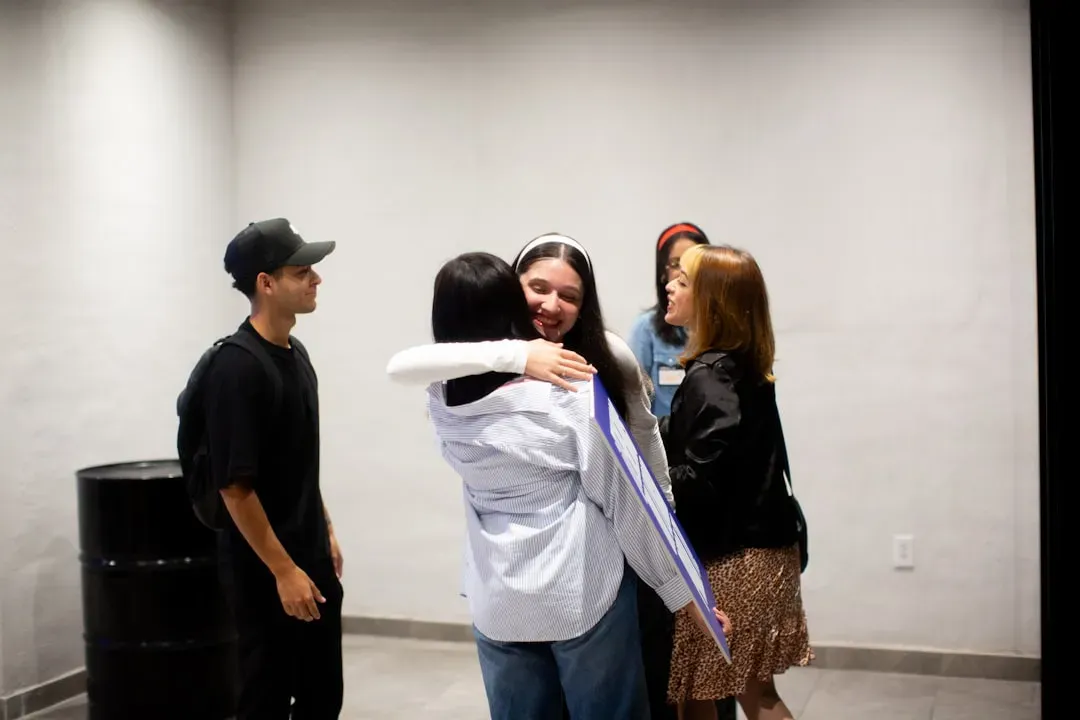
Let’s be real: nobody makes it through life’s toughest moments alone. Social support is the most powerful protection against becoming overwhelmed by stress and trauma. Resilient people understand this instinctively. They cultivate meaningful relationships with family, friends, mentors, and communities that genuinely support them.
The most resilient among us know how to reach out for help, and they know who will serve as a listening ear and, let’s be honest, who won’t. This isn’t about having hundreds of acquaintances or a massive social media following. It’s about depth, not breadth. These individuals invest in relationships that provide comfort, guidance, and perspective when they’re struggling. They’re also willing to be vulnerable, admitting when they’re not okay and asking for what they need. That kind of openness takes courage, yet it’s precisely what keeps them from crumbling under pressure.
They Stay Flexible and Adapt to Change

Getting comfortable with change is a basic part of resilience, and when your goals, plans, ideas, or hopes have to be adjusted, a flexible and accepting attitude – which takes time and effort to develop – will allow you to focus on new plans or hopes. Life rarely follows the script we write for it. Job opportunities vanish. Relationships evolve or end. Health challenges emerge unexpectedly.
Resilient people don’t cling rigidly to one path or one outcome. They pivot. They recalibrate. When plan A falls through, they’re already considering plans B, C, and D. This flexibility doesn’t mean they lack commitment or direction. Rather, it shows they’re willing to adjust their sails when the wind changes. When you are able to accept the things you can’t change or control, it frees you up to put your effort into the things you can change or control. That’s where their power lies: in knowing the difference and acting accordingly.
They Practice Self-Care and Maintain Healthy Disciplines
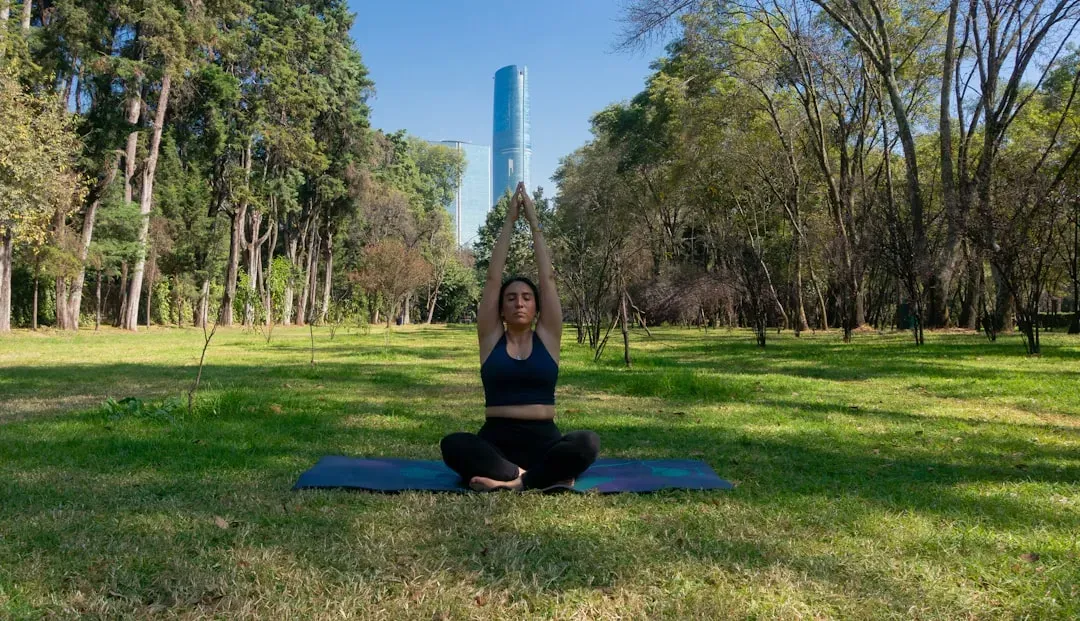
To sustain the strength to walk this road, we must integrate healthy disciplines that guide and guard us, and these disciplines include rest, diet, and exercise, ensuring that we seek counsel and have good coaches, worship, instructors, counselors, and people in our corner encouraging us to be healthy. Resilience isn’t just mental or emotional; it’s deeply physical too.
People with resilient character treat their bodies like the vessels they are. They prioritize sleep, nourish themselves with decent food, move their bodies regularly, and make time for rest and recovery. They understand that burnout doesn’t make you stronger – it breaks you down. These practices aren’t luxuries or indulgences; they’re necessities. When you’re physically depleted, everything else suffers: your mood, your clarity, your ability to cope. Resilient individuals protect their energy fiercely because they know it’s the foundation for everything else.
They Have a Sense of Purpose Beyond Themselves

At the heart of resilience is a belief in oneself – yet also a belief in something larger than oneself, and resilient people do not let adversity define them as they find resilience by moving towards a goal beyond themselves, transcending pain and grief by perceiving bad times as a temporary state of affairs. This might be the most powerful trait of all. When you have a reason to keep going that’s bigger than your immediate comfort or pain, you tap into reserves you didn’t know you had.
Maybe it’s raising your children with love and intention. Maybe it’s contributing to a cause you believe in. Maybe it’s creating something meaningful or supporting others through their own struggles. Whatever it is, that sense of purpose acts like an anchor in the storm. It reminds you why the fight matters, why getting back up is worth it. Resilience seems to be a significant construct for the promotion of health and prevention of mental illnesses because it could help people recover, maintain, and improve their psychological well-being when they have been exposed to stressful experiences. Purpose transforms suffering from something meaningless into something you can metabolize and grow from.
Conclusion: Resilience Is a Journey, Not a Destination

Building isn’t about never falling down or never feeling the weight of your struggles. It’s about developing the tools, habits, and mindset that allow you to rise again and again, each time a little wiser and a little stronger. Resilience is not about a person’s innate ability to withstand stress, and to the contrary, resilience is a skill that can be developed.
The traits we’ve explored aren’t exclusive to a lucky few. They’re available to anyone willing to practice them consistently. Acceptance, positivity grounded in reality, emotional intelligence, strong relationships, flexibility, self-care, and purpose – these are the building blocks of a character that can weather almost anything. The question isn’t whether you have these traits right now. The question is: which one will you start strengthening today? What would it look like if you began treating resilience not as something you hope to have, but as something you actively build, one choice at a time?