

Have you ever wondered why some people seem to glide through challenging conversations while others stumble? Or why certain individuals can read a room effortlessly, sensing tension before it even surfaces? The secret often lies in something far more powerful than IQ or technical skills. Emotional intelligence shapes how we connect, lead, and navigate life’s messier moments.
Understanding your own emotions and recognizing them in others isn’t just a soft skill anymore. It’s the difference between thriving and barely surviving in relationships, careers, and personal growth. Let’s explore the personality traits that set emotionally intelligent people apart from the rest.
Deep Self-Awareness and Emotional Recognition

You possess an exceptional ability to recognize your emotions, behaviors, responses, triggers, and patterns in real time, keeping a constant check on your emotional state. This isn’t just about knowing you’re upset. It’s about understanding precisely why that email from your colleague made your chest tighten, or why a particular comment at dinner left you feeling defensive.
People with this trait move through life with clarity and confidence, staying aware of how their emotions influence their actions and the people around them, understanding their strengths and weaknesses while actively working to improve. They pause to reflect rather than react impulsively. Think of it as having an internal compass that constantly recalibrates based on emotional data you’re collecting throughout the day.
Exceptional Impulse Control and Emotional Regulation

Let’s be real here. We all have moments when we want to fire off that angry text or walk out of a frustrating meeting. Impulse control is a sign of high emotional intelligence involving the ability to control, regulate, and manage emotions, impulses, and behavior, allowing people to perform better in social environments, avoid awkward situations, delay gratification, and maintain emotional balance.
This means you control your emotions rather than letting them control you, avoiding impulsive actions by staying grounded and thinking before you act, acknowledging emotions and moving past them instead of becoming overwhelmed. It’s the pause between stimulus and response. That three-second buffer where you choose your next move rather than being hijacked by raw emotion.
Genuine Empathy for Others’ Experiences

Empathy is the ability to understand the thoughts and feelings of others as if they were your own, essentially putting yourself in someone else’s shoes, and those with high empathy take joy in helping others, offering compliments, and generally uplifting those around them. Honestly, this goes beyond simply nodding sympathetically when someone shares their problems.
Emotional intelligence goes further than knowing your own emotions by discerning what others are going through, seeing signs of feelings like stress and motivation in others, allowing you to find the best approaches to help them succeed, as your ability to be empathetic helps you sense what other people are experiencing. You feel the weight of their struggles without taking on their burden entirely. It’s a delicate balance that creates trust and deepens connections.
Heightened Awareness of Social Cues and Body Language

Those with high EQ are masters of reading facial expressions and body language, often telling when someone is having a bad day and allowing them to respond accordingly, including having a sense of self-awareness as well. You notice the slight tension in someone’s jaw during a presentation, or the way their voice changes pitch when discussing a sensitive topic.
This isn’t about being psychic. It’s about paying attention. Most people are so wrapped up in what they’ll say next that they miss the nonverbal symphony happening right in front of them. You pick up on the micro-expressions, the crossed arms, the forced smile that doesn’t quite reach the eyes. This awareness transforms how you navigate social situations and respond to others’ unspoken needs.
Comfort with Vulnerability and Authentic Apologies
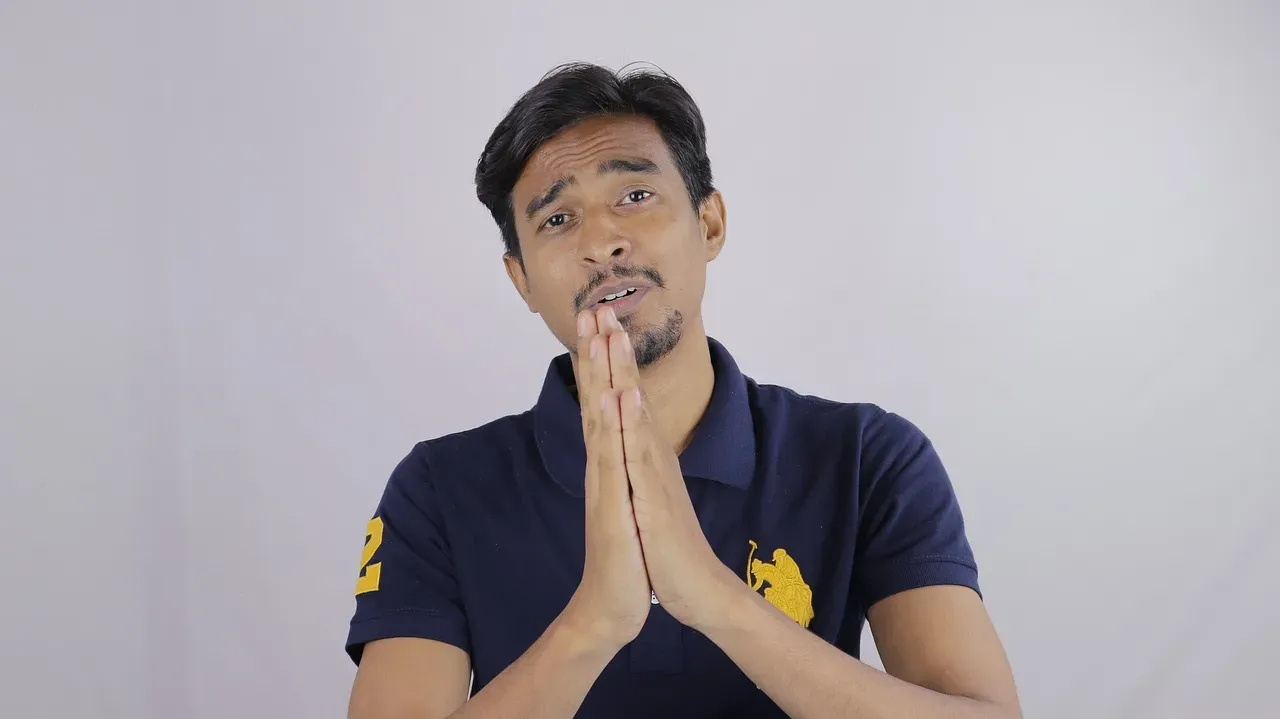
Showing humility and strength by admitting mistakes and offering sincere apologies demonstrates emotional intelligence, helping you realize that apologizing doesn’t always mean you’re wrong in the informational sense but rather that you value the relationship more than your ego. Here’s the thing – most people equate apologizing with weakness.
Those with high EQ take responsibility for their feelings and actions, owning their behaviors and acknowledging how they’ve affected others without pointing fingers or making excuses, which earns respect, builds trust, and shows integrity. You understand that admitting you were wrong or that you hurt someone doesn’t diminish you. It actually strengthens your character and deepens trust with others. That takes real courage.
Openness to Feedback and Continuous Growth

Embracing feedback is a powerful tool for self-improvement, and people with high EQ practice humility, seeking feedback from trusted individuals to learn and grow, handling criticism constructively and using it to improve rather than becoming defensive or offended. I know it sounds crazy, but emotionally intelligent people actually seek out criticism.
Being able to take criticism as an opportunity for growth instead of being overwhelmed by negativity says a lot about you as a person, and leaders can benefit from criticism if they change their perspectives, with those possessing high emotional intelligence understanding this and using it to motivate improvement. They recognize that feedback, even when it stings, contains valuable information about blind spots they can’t see themselves. This openness accelerates personal and professional development in ways that defensiveness never could.
Ability to Maintain Balanced and Healthy Relationships

This trait indicates the ability to form and maintain good relationships, communicate clearly, influence others, work well in a team, and manage conflict effectively, reflected in relationships that seem balanced and reciprocal, along with the ability to resolve conflicts, communicate effectively, and maintain long-term connections. Think about your closest relationships for a moment. Are they one-sided, or do they flow with mutual respect and understanding?
Strong social skills are a sign of high emotional intelligence, where socially skilled individuals know what to say and how to say it, excelling at networking, reading social cues, and influencing others’ emotions, making them easy to talk to and great at managing disagreements while building strong connections. You navigate conflicts without scorching the earth. You know when to push forward and when to step back. These relationships aren’t perfect, but they’re resilient, built on a foundation of emotional honesty and mutual growth.
Conclusion

Emotional intelligence accounts for over sixty percent of people’s personal and professional success. Yet it remains one of the most undervalued and underdeveloped skills in modern society. The traits we’ve explored aren’t reserved for a select few. They’re learnable, practicable qualities that transform how you experience life and relationships.
Emotional intelligence is much more than a buzzword; it’s a fundamental component of our interactions and personal growth, and by cultivating self-awareness, managing emotions effectively, staying motivated, empathizing with others, and nurturing healthy relationships, individuals can unlock deeper understanding of themselves and those around them, with these skills crucial for personal development, professional success, and overall mental health, recognizing that emotional intelligence is a journey, not a destination.
What surprises you most about these traits? Do you recognize them in yourself or someone you admire? The beauty of emotional intelligence is that it grows stronger with practice, awareness, and intentional effort. Every conversation, every challenging moment, every difficult emotion becomes an opportunity to refine these skills. Where will you start your journey?