

You’ve heard it before: vulnerability is the secret ingredient to deep, meaningful connections. Experts talk about it constantly, telling you to open up, share your fears, and let your guard down. While that sounds great in theory, there’s a flip side most people don’t mention. Being vulnerable is healthy, sure, but what happens when you take it too far?
Here’s the thing most relationship advice glosses over: too much vulnerability, shared too soon or without boundaries, can actually backfire. It can leave you feeling emotionally drained, taken advantage of, or worse, pushing people away when you were trying to pull them closer. So how do you know when you’ve crossed that line from genuine openness to unhealthy oversharing? Let’s dive in.
You Share Deeply Personal Details Too Quickly
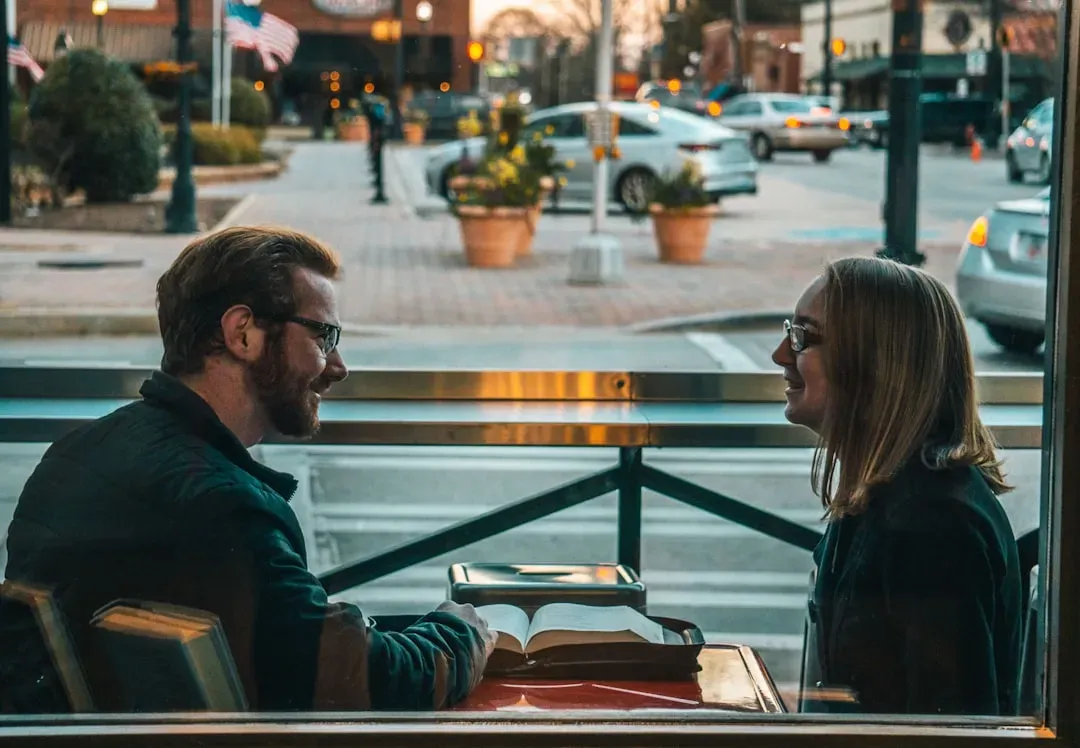
Oversharing happens when you cross boundaries and get too personal too quickly, sharing more personal information than is appropriate for a particular relationship or situation. Maybe you just met someone at a party, and within twenty minutes, you’re telling them about your childhood trauma or the messy divorce you’re going through. It feels like connection in the moment. Floodlighting refers to the act of sharing an excessive amount of personal and often highly emotional information too early in a relationship, before a foundation of trust and intimacy has been established.
When someone opened up too soon, daters most often reported feeling uncomfortable, turned off, or emotionally ambushed. The problem is that genuine intimacy takes time to develop. Vulnerability is earned as a person shows that they can be trusted with increasingly delicate, meaningful information. When you dump everything on someone before they’ve proven themselves trustworthy, you’re not building connection – you’re creating awkwardness and discomfort.
You Feel Emotionally Exhausted After Opening Up

Vulnerability should feel freeing, not draining. If you consistently feel depleted, anxious, or regretful after sharing your feelings with someone, that’s a red flag. When you feel vulnerable too often can be emotionally exhausting. It’s like you’ve given away a piece of yourself and got nothing back in return.
Vulnerability can be devastating to someone who has very low self-esteem, and when you’re feeling bad about yourself, it’s not helpful to dwell on the things that make you feel worse. Healthy vulnerability should lead to mutual understanding and support, not leave you questioning whether you said too much. If you’re constantly replaying conversations in your head, worried about how your openness will be received, you might be sharing with the wrong people or in the wrong ways.
Your Relationships Feel One-Sided

When conversations turn into venting sessions where your loved ones struggle to get a word in, you’ve likely overshared, and one-sided talks can be draining and strain relationships as your loved ones may start to feel in charge of your mental health journey. Think about your recent interactions. Are you doing most of the talking? Do you know as much about your friends as they know about you?
If the people around you know more about you than you know about them, and you find this imbalance common in your relationships, it’s a good indication that you are an oversharer, because sharing and conversations should be reciprocal. Real connection requires balance. When you’re constantly pouring out your heart but rarely asking questions or truly listening to others, you’re not creating intimacy – you’re creating an emotional burden that can push people away over time.
You Seek Validation Rather Than Connection
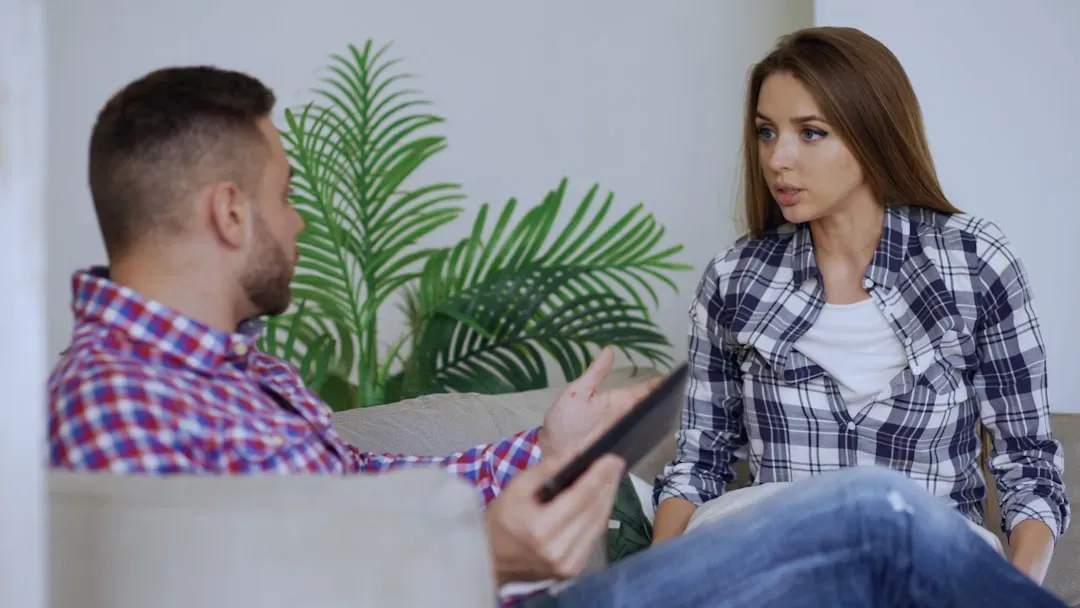
Let’s be real: sometimes what looks like vulnerability is actually a plea for reassurance. For some, oversharing is a way to seek comfort or validation, a subconscious attempt to fill an emotional void, and it’s essential to recognize that oversharing may stem from deeper emotional wounds, such as low self-esteem or a need for approval. There’s a difference between genuinely sharing your feelings and fishing for compliments or sympathy.
Do you really need to process through a topic or are you looking for attention? Don’t expose your partner’s private world simply for entertainment value or your own emotional gratification. If you find yourself constantly checking how people react to your disclosures, or feeling disappointed when they don’t respond with the exact affirmation you were hoping for, you might be using vulnerability as a tool rather than embracing it authentically. Using vulnerability is not the same thing as being vulnerable; it’s the opposite.
You Ignore Whether Your Audience Is Safe

Not everyone deserves your vulnerability, and if someone isn’t showing you they can be trusted with your emotions and feelings, you don’t need to continue letting them in to hurt you. This sounds obvious, yet so many people share their deepest fears with coworkers they barely know or acquaintances who haven’t proven themselves trustworthy.
If a relationship is abusive or your partner has significantly broken your trust in the past, it may not be safe to be vulnerable with them. Vulnerability thrives in relationships where there’s trust, respect, and emotional attunement, and it’s okay to choose your audience. Being too vulnerable with the wrong people isn’t brave – it’s unwise. You need to assess whether someone has earned access to your inner world before handing them the keys.
You Have Weak or Non-Existent Boundaries

To create balance in relationships, we need to set appropriate boundaries – having no boundaries creates resentment due to over-giving, whereas too rigid boundaries keep people out and prohibit us from giving to the relationship in a healthy, generous way. If you find yourself saying yes to every emotional request, sharing things you later regret, or feeling invaded by others, your boundaries likely need work.
Healthy vulnerability involves being open and honest with others about one’s emotions, thoughts, and experiences while also setting appropriate and safe boundaries, which means that people can share their vulnerability with the people they care about without needing to compromise their own well-being and safety. Without boundaries, vulnerability becomes a liability. You end up giving too much of yourself away and feeling resentful when people don’t reciprocate or respect your limits. Healthy vulnerability respects both your needs and those of others.
Others Seem Uncomfortable When You Share

Pay attention to how people react when you open up. Is the other person sitting back, looking away, or starting to engage in some other activity? Pay attention to your date’s nonverbal cues, as body language will help let you know about their comfort level. Do they change the subject quickly? Do they seem awkward or unsure how to respond?
Oversharing leaves listeners feeling uncomfortable, and later even the speaker winds up feeling like she revealed too much. If you’re getting consistent signals that your vulnerability is making others uneasy, it’s worth examining what and how much you’re sharing. Saying too much, to the wrong people, in the wrong spaces – that’s just awkward – and can cost you friends and lead to other negative repercussions that oversharers usually don’t recognize until it’s too late. Sometimes less truly is more.
You Use Vulnerability to Fast-Track Intimacy
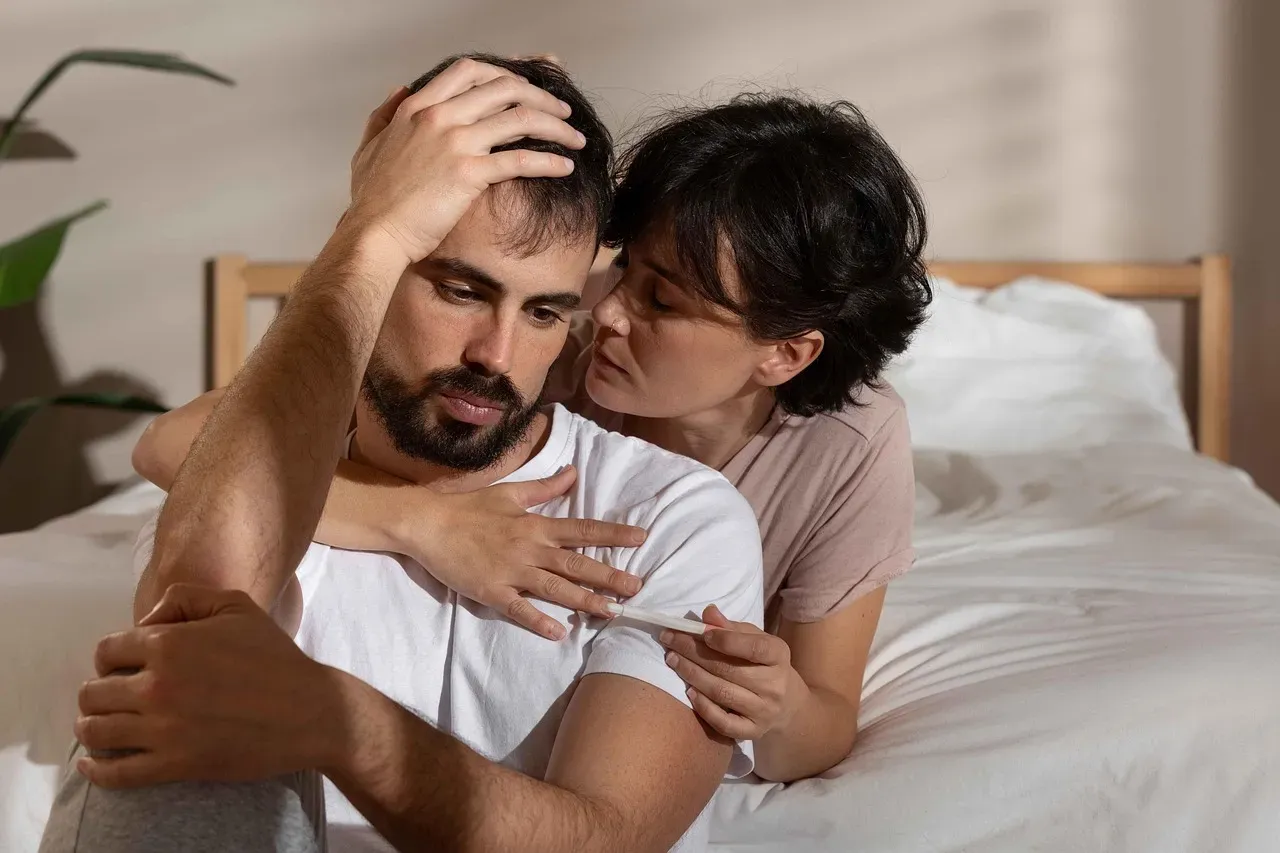
If you’re trying to deepen a relationship, attempting to relate and connect quickly can lead to oversharing, and missing social cues and diving into personal topics too soon can make others uncomfortable, creating a barrier to intimacy rather than increasing it. Maybe you’re tired of surface-level small talk. You want to skip ahead to the deep stuff where real connection lives.
The problem? Sharing very personal details doesn’t usually fast track relationships, and you shouldn’t try and skip the “getting to know each other” part of dating. Real intimacy can’t be rushed. It develops gradually as trust is built through consistent, reciprocal sharing over time. When you try to accelerate this process by dumping your entire emotional history on someone early on, you’re not creating depth – you’re creating pressure. Emotional oversharing can backfire: daters said it decreased their trust in someone more than it increased it, and the top trust-builder in early dating isn’t emotional vulnerability – it’s consistent communication.
You Struggle With Emotional Self-Regulation

When we are excited, nervous, or in another heightened emotional state it is harder for us to keep quiet, and it helps to be aware of this, so you can lay some boundaries for yourself and avoid lasting negative repercussions. If you find yourself blurting out personal information when you’re anxious, upset, or even just excited, you might be using oversharing as a coping mechanism rather than genuine vulnerability.
Daters who overshare are often doing it out of anxiety. True emotional vulnerability comes from a place of self-awareness and intentionality, not from an inability to manage your feelings. Emotional vulnerability is the willingness and ability to address and articulate emotions, and to develop it, you must acknowledge and deal with your emotions healthily, which requires emotional exposure and self-awareness, as emotionally vulnerable people can regulate emotions and engage with complex, negative emotions. When your emotions are in the driver’s seat, you’re more likely to share things you’ll later regret.
Building Healthier Vulnerability Takes Practice

Despite it feeling scary, there are small things you can do to encourage vulnerability in your relationship to make it seem a little more manageable, like starting small and sharing something that you don’t tell a lot of people, then gauging your partner’s response, and if they respond well, consider sharing again – maybe something a little bigger or scarier. The goal isn’t to stop being vulnerable altogether. That would rob you of genuine connection.
The goal isn’t to stop being emotionally vulnerable – it’s to be wisely and strategically vulnerable, based on context and self-awareness, and if you feel overexposed, it may mean your environment isn’t safe for emotional transparency, or that your boundaries need refinement, so instead of shutting down vulnerability entirely, refine how and when you express it. Start noticing when and why you share. Are you doing it to genuinely connect, or because you’re anxious and need reassurance? Developing emotional vulnerability takes time and practice, so begin by sharing small thoughts and feelings with trusted individuals, gradually increasing openness as confidence grows. The right people will appreciate your honesty without expecting you to bare your entire soul on day one. What do you think about it? Have you ever noticed these patterns in your own relationships?