Imagine waking up to a sky that stays dark at noon, ash falling like dirty snow, and the quiet hum of everyday life replaced by a heavy, unnatural silence. That sounds like a dystopian movie, but it is the kind of scenario people picture when they hear the words Yellowstone supervolcano. The idea that one eruption in Wyoming could bring down half a continent is both terrifying and strangely gripping, which is probably why this topic refuses to leave the public imagination.
Still, between the hype, disaster movies, and viral social media threads, it’s honestly hard to tell what is scientific reality and what is just doomsday fantasy. Could Yellowstone really , or is that headline more fear than fact? Let’s walk through what scientists actually know, what a worst‑case eruption might look like, and where the line lies between serious risk and pure apocalypse fiction.
What Yellowstone Actually Is: A Supervolcano Hiding in Plain Sight
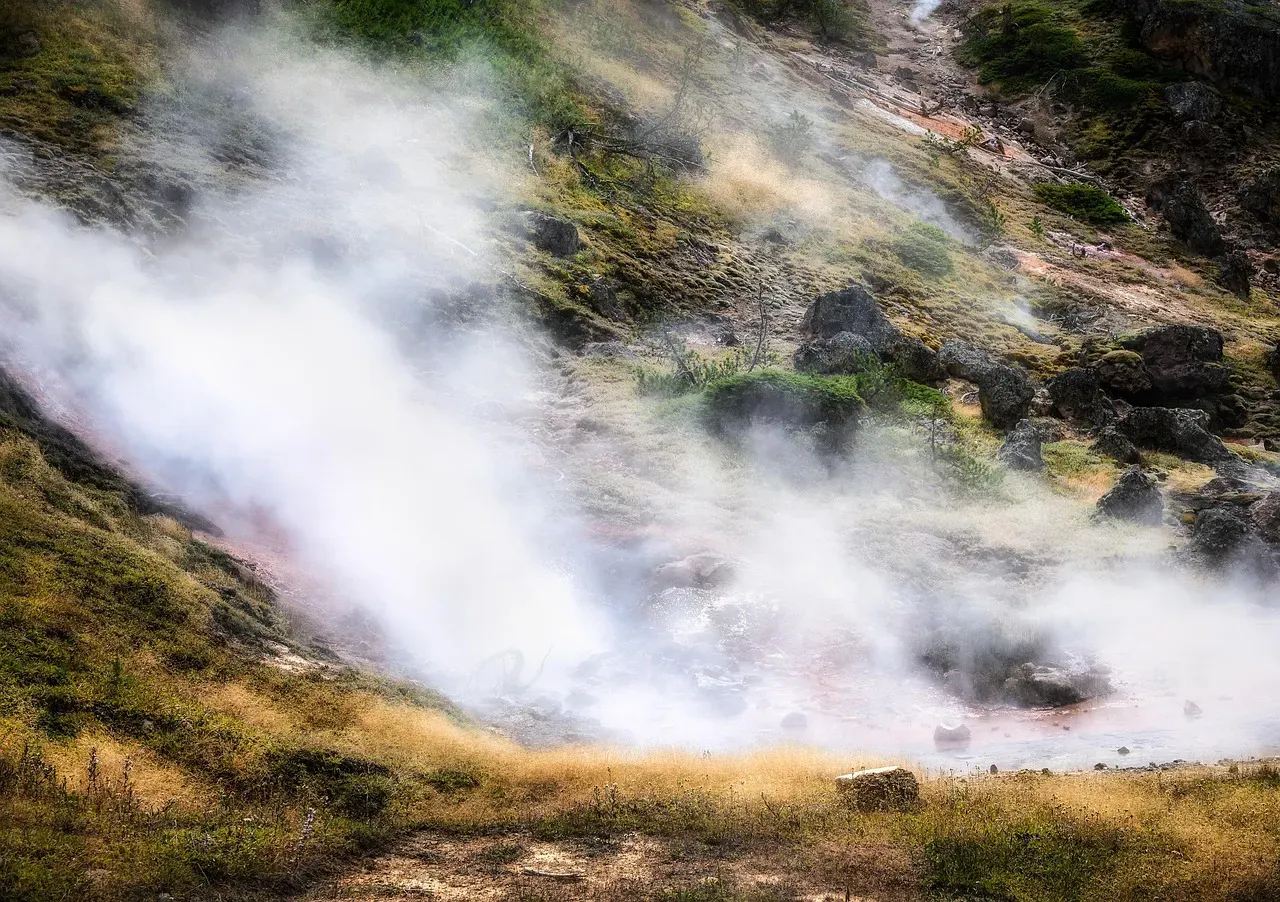
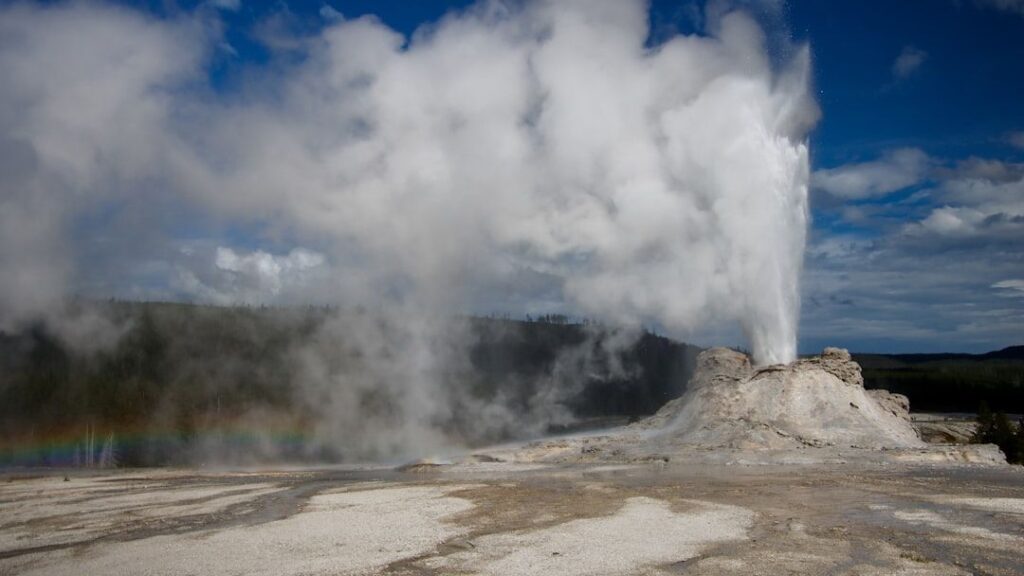
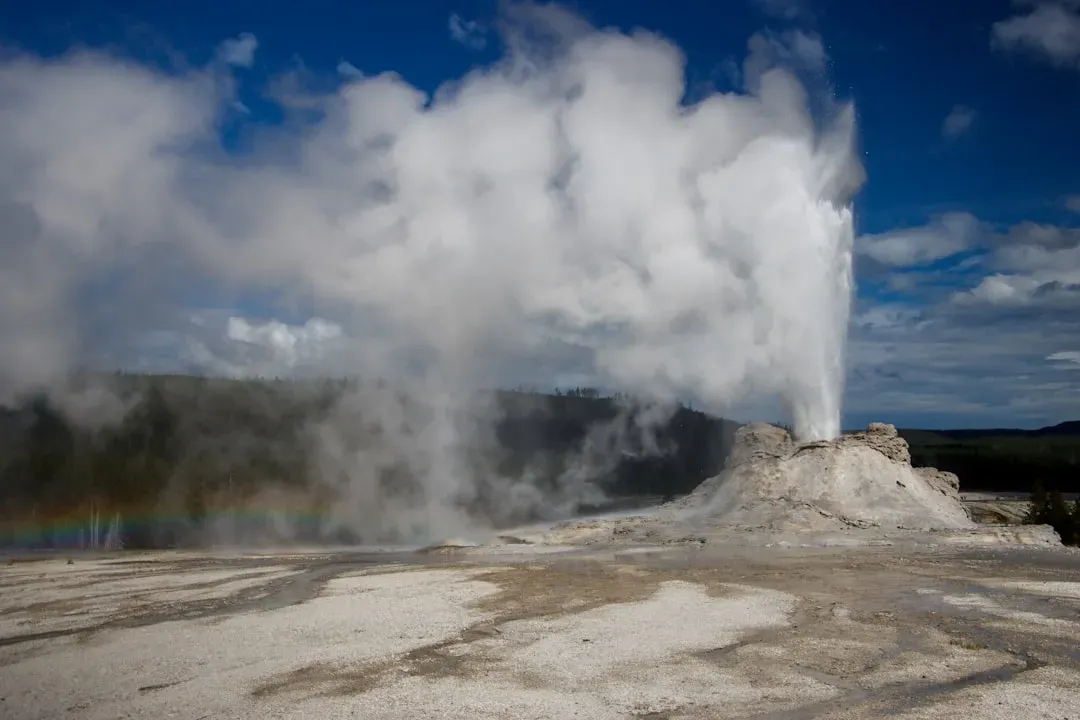
Yellowstone is not just a pretty national park full of geysers and bison; it sits on top of one of the largest volcanic systems on Earth. Beneath the forests, rivers, and hot springs lies a massive magma system stretching for tens of miles, fueled by a long‑lived hotspot in Earth’s mantle. Instead of a classic cone‑shaped volcano like Mount Fuji, Yellowstone is a broad caldera, a giant depression formed by past explosive eruptions.
When people hear the word supervolcano, they often picture a dramatic mountain blowing its top. Yellowstone is sneakier and more spread out: the danger is not a lava fountain but enormous volumes of ash and gas launched high into the atmosphere. Think of it as a pressure cooker buried under a national park, venting a little through geysers and hot springs, but mostly biding its time. It is this scale and style of eruption that earns it the super label, not constant activity or imminent doom.
A Brutal History Written in Ash: Past Supereruptions at Yellowstone
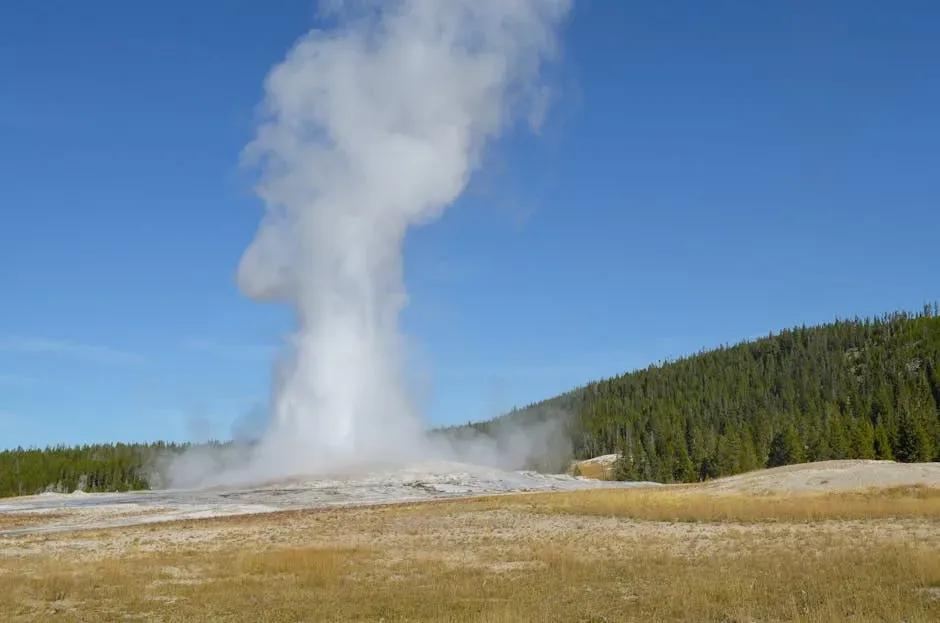
The fear around Yellowstone is not pulled out of thin air; it comes from a geological record that shows it has erupted in spectacular fashion more than once. Over the past roughly two million years, Yellowstone has produced several truly massive eruptions, each releasing hundreds to thousands of times more material than a typical modern volcanic event. These eruptions carved out huge calderas and spread ash over much of what is now the western and central United States.
Ash layers from these ancient blasts have been found in places that today are separated by entire climate zones and time zones, which is a sobering thought when you are driving across flat farmland or flying over the Midwest. That said, Yellowstone has also produced many smaller lava flows and moderate eruptions in between, and most of its lifetime has not been defined by catastrophe. Its history tells a story of rare, colossal violence separated by very long, relatively quiet stretches, which is crucial context when we talk about modern risk.
How a Modern Supereruption Would Unfold in the First Hours and Days
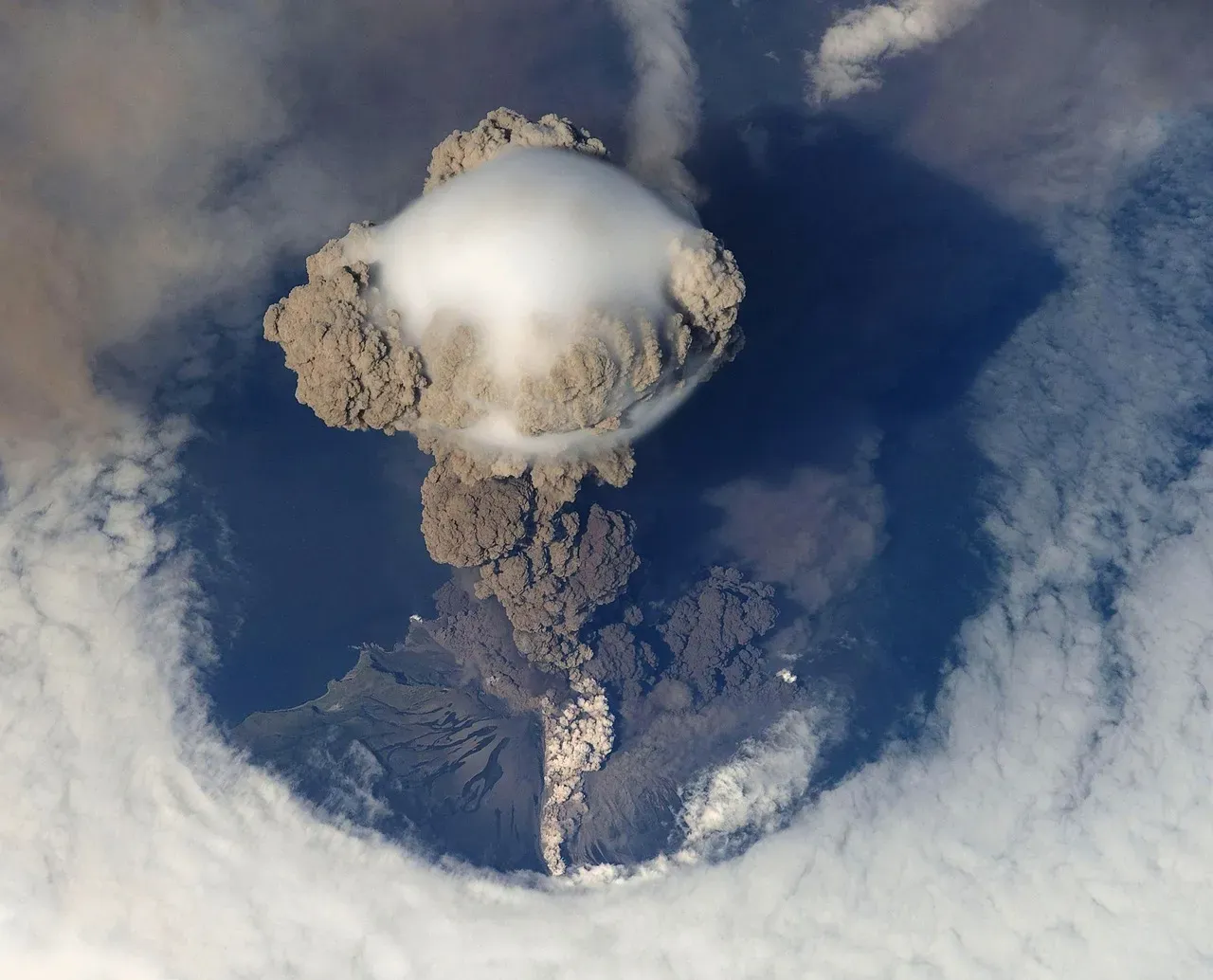
If Yellowstone were to produce a true supereruption in our time, the first hours would be chaotic in a way that is hard to fully picture. There would likely be intense swarms of earthquakes, rapid ground deformation, and escalating steam and gas emissions before the main event, though exactly how much warning we would get is one of the big unknowns. Once the system failed, an enormous column of ash and gas could blast tens of miles into the sky, with shock waves, lightning, and blistering pyroclastic flows racing outward from the caldera region.
The immediate kill zone would be essentially unsurvivable near the center: everything in range of the pyroclastic flows would be destroyed in minutes by searing heat and choking density currents. Surrounding states would be hit with heavy ashfall as the towering eruption column spread and began to collapse, burying towns, highways, and infrastructure. It would feel less like a single explosion and more like a multi‑day onslaught of ash, darkness, and increasingly desperate evacuation and rescue attempts in the areas that could still be reached.
The Ash Blanket: How Far It Could Spread and What It Would Destroy
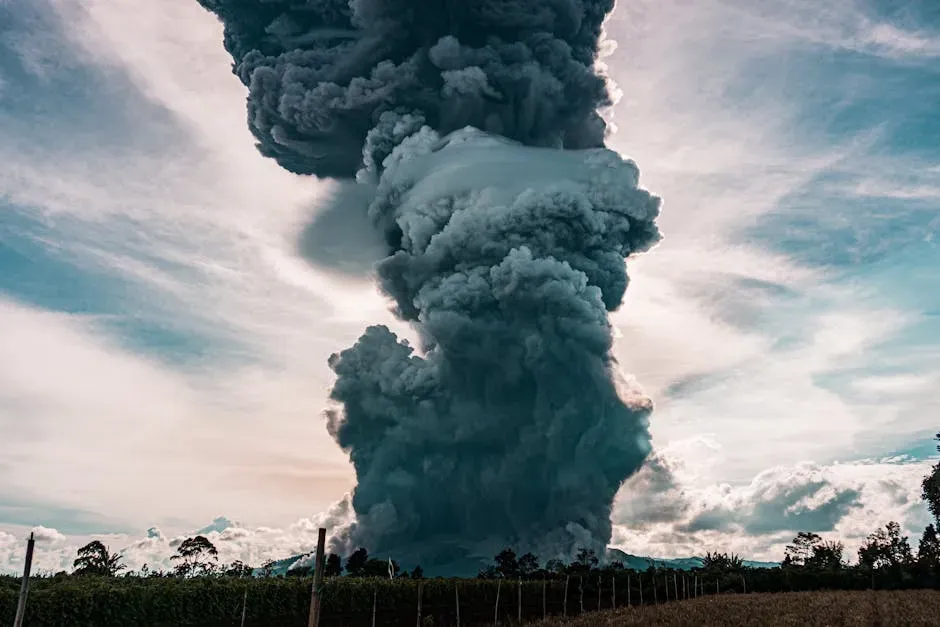
The real way Yellowstone could end normal life across half of America is not through lava, but through ash. Volcanic ash is not soft like fireplace soot; it is made of sharp, abrasive glass fragments and pulverized rock that can shred lungs, engines, and power systems. A supereruption could coat large parts of the western and central United States in varying thicknesses of ash, with some regions potentially receiving layers measured in inches or more, and distant areas getting a persistent dusting.
In practical terms, even a few centimeters of ash can collapse weak roofs, clog water supplies, short out electrical equipment, and make roads impassable. Farmland across a broad swath of the country could be buried or poisoned in the short term, livestock could suffocate or starve, and transportation networks would grind to a halt. Areas closest to Yellowstone might become long‑term exclusion zones, while cities hundreds of miles away would suddenly confront a choking gray landscape that looks more like the surface of another planet than the place they used to call home.
Climate Shock: Volcanic Winter and the Collapse of Food Systems
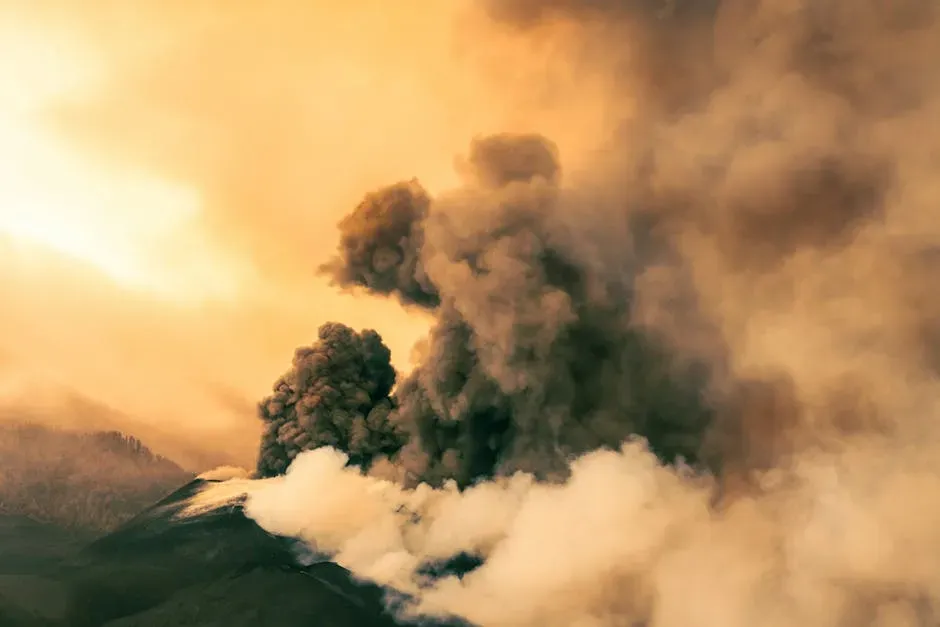
Beyond the physical damage from ash, the most chilling impact of a Yellowstone supereruption would likely be its effect on global climate. Large eruptions can inject sulfur and other particles into the upper atmosphere, where they reflect sunlight and cool the planet for years. Even historical eruptions that were dramatically smaller than a Yellowstone superblast have been linked to temporary drops in global temperature, failed harvests, and social unrest.
If Yellowstone really unleashed its full explosive potential, we could be looking at a volcanic winter where average temperatures drop noticeably worldwide. Growing seasons in the American Midwest, Europe, and parts of Asia might shrink or fail, with crops damaged by late frosts, reduced sunlight, and disrupted rainfall patterns. Modern global trade might blunt some of the impact, but a multi‑year climate shock hitting major food‑producing regions simultaneously would slam directly into the fragile logistics that keep billions of people fed.
Human Health and Daily Life: Breathing, Drinking, and Simply Surviving
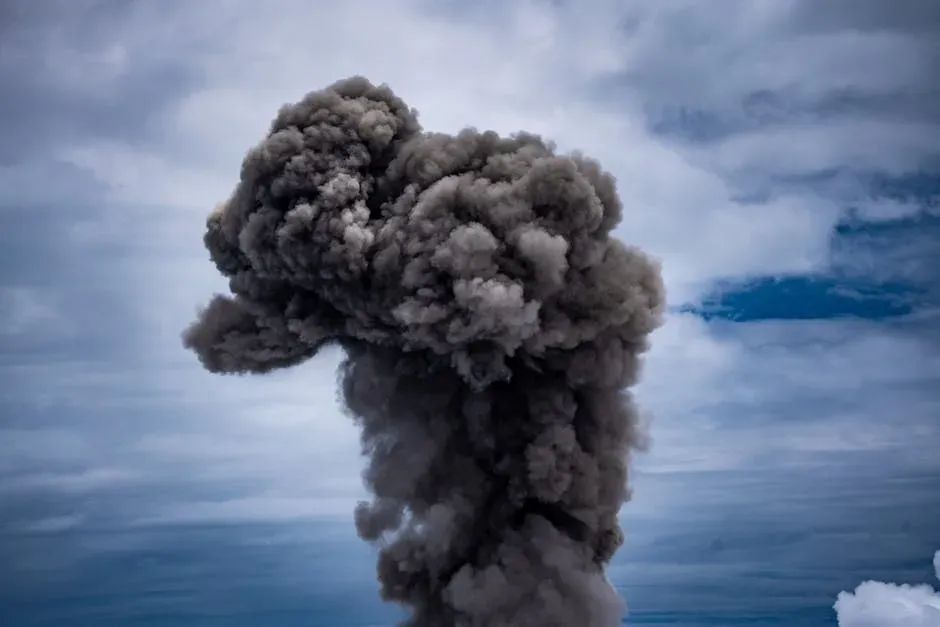
On a more intimate level, a Yellowstone‑style event would reach into the tiniest corners of daily life, starting with something as basic as breathing. Volcanic ash can irritate and damage lungs, especially in children, older adults, and anyone with asthma or heart conditions. People living under ashfall would be dealing with contaminated air, gritty dust in their homes, and a constant need for masks, filters, and clean indoor spaces just to reduce their exposure.
Water would become another frontline struggle, since ash can quickly clog reservoirs, treatment plants, and household systems. Wells might become contaminated, while rivers carry heavy loads of sediment and toxic metals released from volcanic material. Even simple tasks like cooking or cleaning turn into logistical puzzles when the air is hazardous, the tap water is suspect, and the power grid is unreliable or completely down. In that environment, life does not have to literally end for it to feel like a brutal, grinding fight for survival.
Could Half of America Really Become Unlivable or Empty?
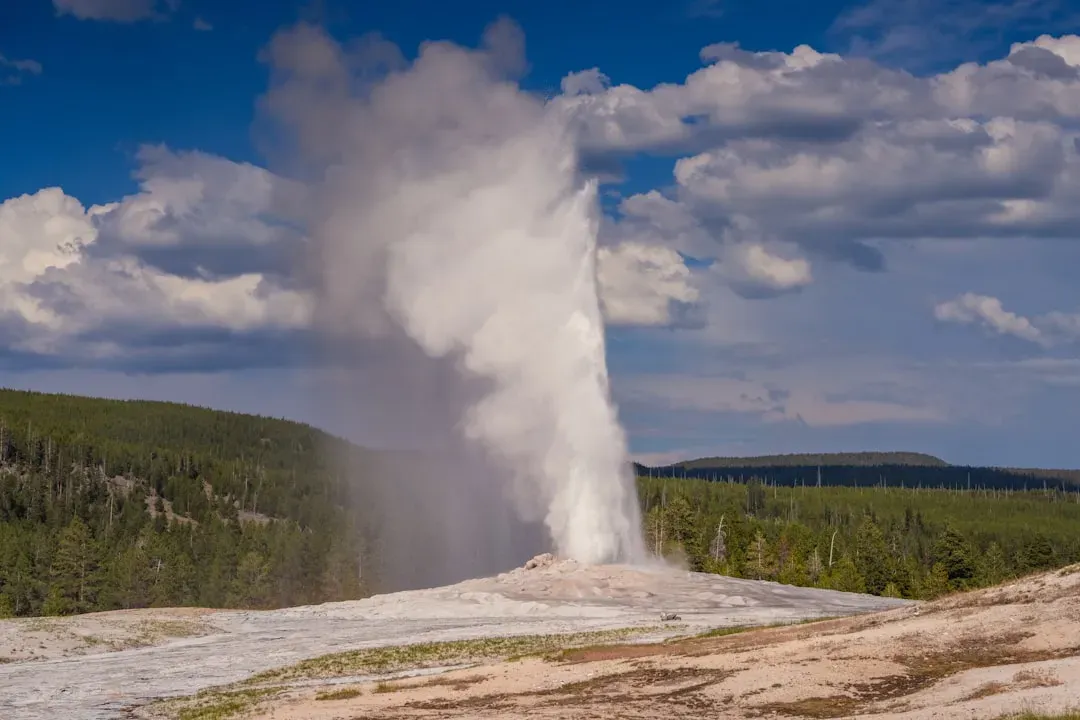
The provocative idea that Yellowstone needs to be unpacked carefully. In a severe supereruption scenario, a huge region of the United States could become functionally unlivable in the short to medium term, not because every person dies instantly, but because basic systems fail. Entire cities might be evacuated and abandoned, with homes and infrastructure left under deep ash, contaminated, or too expensive to rebuild anytime soon. Agricultural regions might be knocked out for seasons or even years, forcing mass migration and economic collapse in affected areas.
But there is a big difference between making life impossible in a broad region for a period of time and literally erasing all human life there forever. Humans are stubborn, adaptable, and creative in a way we often underestimate when we talk about disaster scenarios. People might relocate, rebuild in pockets, or return gradually as conditions improve. So while Yellowstone could, in a worst case, effectively end everyday life as we know it across half the country, the idea of a silent, permanent wasteland stretching from coast to coast is more fiction than science.
How Likely Is This Nightmare, Really? What the Science Says About Risk
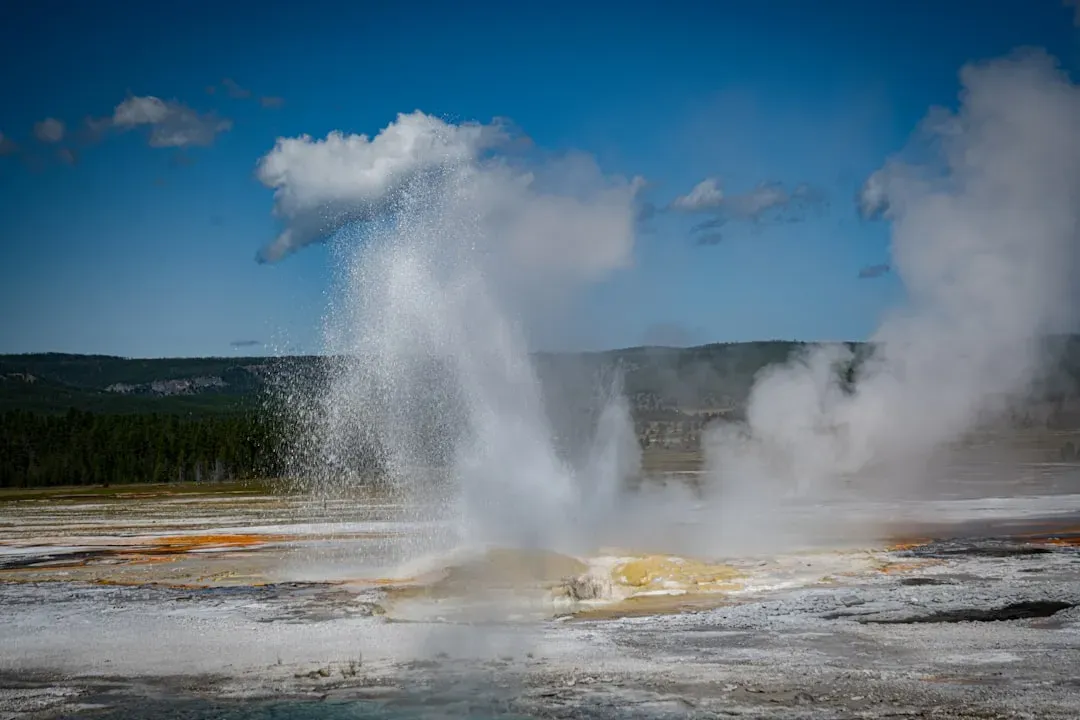
This is where the conversation often swings from fear to perspective. Geologists who monitor Yellowstone point out that supereruptions are incredibly rare on human timescales, and there is no credible evidence that one is brewing now. The park is full of signs of geothermal activity, like geysers and hot springs, but those are exactly what you expect from a living but not necessarily crisis‑level volcanic system. Using its past eruptions to claim that Yellowstone is somehow overdue is a misunderstanding of how volcanic cycles actually work.
From a scientific standpoint, the probability of a Yellowstone supereruption occurring in any given century appears to be extremely low. Lesser eruptions, hydrothermal explosions, or local hazards are far more plausible in the near term than a planet‑shaping cataclysm. In other words, having Yellowstone on the map is like living with a very old, very slow‑moving giant in the neighborhood: you respect it, you watch it closely, but you do not assume it will leap up and flatten the town tomorrow just because it did something wild a million years ago.
Monitoring, Preparedness, and the Hard Truth About Control
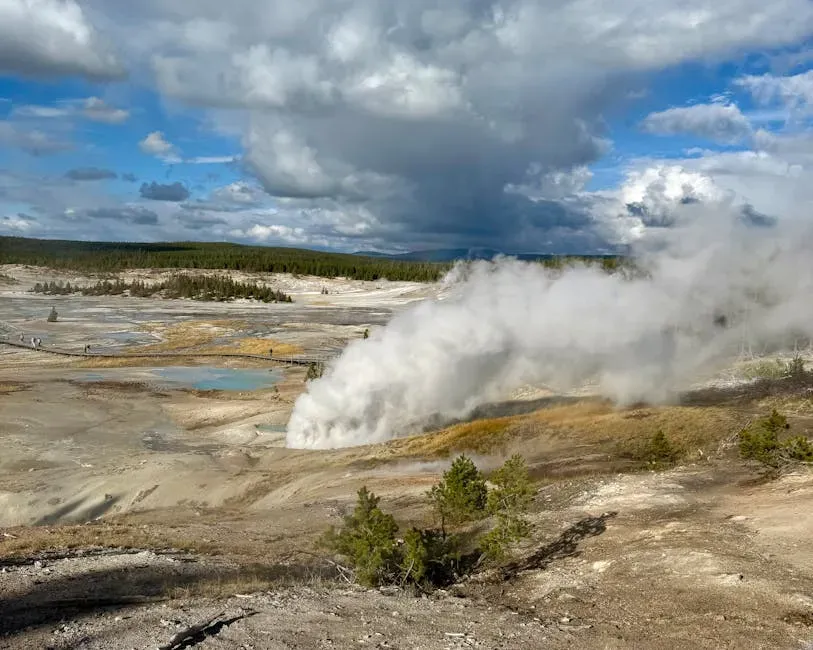
Yellowstone is one of the most intensely monitored volcanic systems in the world, with networks of seismometers, GPS stations, gas sensors, and satellite observations constantly feeding data to scientists. If the system began moving toward a major eruption, we would expect to see patterns of unusual earthquakes, rapid ground uplift, and large changes in gas emissions. That does not guarantee perfect warning, but it does mean we are not flying blind, and that is a big deal in the realm of natural hazards.
The uncomfortable truth, though, is that even with early warning, we cannot stop a supervolcano from erupting if it truly decides to go. There is no realistic technology on Earth today that can safely vent, cool, or otherwise neutralize a magma system of that scale. What we can do is refine evacuation plans, harden infrastructure where it makes sense, and build resilient food, energy, and communication systems that can better handle shocks. Preparedness here is less about heroically saving the day and more about making sure that if the worst does come, it does not wipe out civilization’s ability to recover.
Conclusion: A Real Threat, an Unlikely One, and a Mirror for Our Fears
When I first dove deep into the science of Yellowstone, I expected the story to feel like pure horror. Instead, it feels more like staring at an ancient, sleeping dragon: terrifying in theory, strangely quiet in reality, and surrounded by more legend than fact. A full‑scale Yellowstone supereruption could absolutely devastate huge parts of the United States, make vast regions temporarily unlivable, crash food systems, and shock the global climate. In that sense, the nightmare headline is not entirely wrong about the scale of what is physically possible.
But here is my opinionated take: obsessing over Yellowstone as the thing that will end life across half of America can be a distraction from the dangers we are actually likely to face in our lifetimes, like climate change, sea‑level rise, conventional earthquakes, and extreme weather. Yellowstone deserves respect, constant monitoring, and honest public communication, not breathless doomsday hype. Maybe the real value of thinking about supervolcanoes is that they remind us how thin the line is between normal life and chaos, and how much we depend on systems we barely notice when they are working. Given that, the better question might be this: if a once‑in‑a‑million‑year disaster did hit, how ready would we really be to face it together?