

You’ve felt it before. That subtle tug in your chest when something doesn’t seem right, or that wave of calm when everything suddenly clicks into place. Maybe you dismissed it as random or overthought it until the feeling disappeared. Here’s the thing, though: your inner voice has been speaking to you all along, offering guidance that your conscious mind struggles to articulate.
In a world where we’re constantly bombarded with data, opinions, and external noise, learning to tune into that quieter, deeper wisdom becomes essential. Think of it like trying to hear a whisper in a crowded room. You know it’s there, speaking truths you need to hear, yet the chaos around you drowns it out. Let’s explore what your inner voice has been desperately trying to tell you, and why ignoring it might be one of the biggest mistakes you can make.
It Knows Things Your Logical Brain Doesn’t

Your intuition represents the rapid assimilation of impressions about people or situations that yields reactions so quickly you’re not sure how they arrived. These gut feelings aren’t random and emerge from your brain’s continuous collection and processing of sensory data, with research linking these flashes of intuition to brain processes such as evaluating and decoding emotional and nonverbal cues.
When you approach a decision intuitively, your brain works with your gut to quickly assess all your memories, past learnings, personal needs, and preferences. It’s honestly impressive how much information your subconscious mind can crunch in milliseconds. The intestines have neural processors that function like sophisticated computers, and these parallel processors exist in both the intestines and around the heart, making heartfelt feelings more than poetic metaphors.
The Difference Between Fear and True Intuition

Let’s be real, distinguishing between anxiety-driven thoughts and genuine intuitive wisdom can feel impossible sometimes. Intuition is calm and unwavering, arriving not with panic but as a quiet whisper rather than a loud scream. Your mind reacts out of fear and demonstrates a false sense of urgency and impatience that’s difficult to ignore.
Meanwhile, your inner voice or intuition usually carries a calm, quiet, peaceful quality with wise, calming, kind energy, which is why it tends to get drowned out by the frantic, frenzied, stern energy of the mind. When you feel tightness, heaviness, or clenched sensations in your body, that’s typically a warning. Tight, heavy, slow, or clenched sensations indicate you should say no to what you’re contemplating, while light, open, energized sensations suggest you should proceed, even if accompanied by fear.
Why You Keep Ignoring It

An instinct is a hunch or impression that lacks concrete evidence, making it seem unfair to rely on something so indistinct when making important decisions, as we inherently mistrust ideas without evidence to support them. I know it sounds crazy, but we’re essentially trained from childhood to prioritize logic over feeling.
Society rewards us for showing our work, for explaining every step of our reasoning. We’re easily swayed by the opinions of others that contradict our instincts, especially if concrete evidence exists to contradict them. It’s hard to say for sure, but perhaps our education system’s emphasis on provable facts has made us doubt the very mechanisms our ancestors relied upon for survival. Think about how many times you’ve talked yourself out of what you knew deep down, only to regret it later.
The Science Behind That Gut Feeling
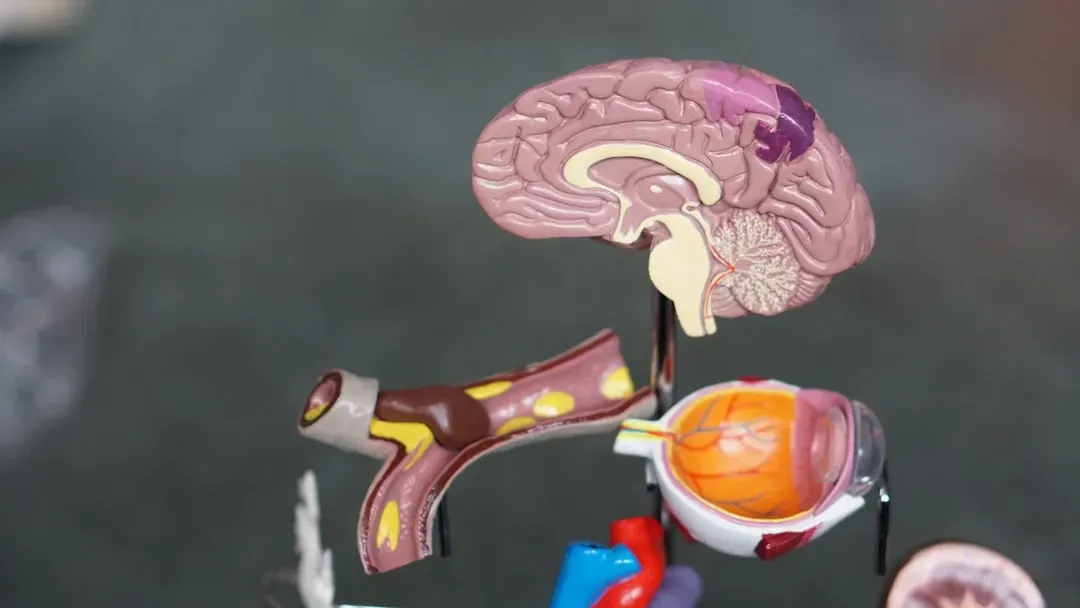
Information processors of internal organs send signals from the body to the spinal cord in Lamina 1, which carries information from the intestines, heart, muscles, and bones upward, with part of this going to the prefrontal cortex. This isn’t mystical nonsense. Functional imaging studies revealed that information from the gut reaches brain regions relevant to emotion, affect, and cognition, with the process occurring bidirectionally so gut feelings transmit signals that influence affect, beliefs, predictions, and decisions.
Research from Tel Aviv University professor Marius Usher suggests intuition integrates extra-sensory and rational processes, combining scattered dots and Big Data brain functions, with study subjects using only their instincts making the right decisions up to ninety percent of the time. Those numbers are staggering when you really think about them.
Learning to Recognize Your Inner Voice

Your intuition or inner voice appears deep in your body, with some people feeling it in the stomach or gut, some in the heart, and others actually hearing a voice speaking to them, as all of us experience it differently. For me personally, it shows up as a knowing that settles somewhere between my chest and stomach.
Your inner voice and intuition, even when matter-of-fact, are easy to ignore because they’re subtle feelings, quiet knowing, and gentle guidance that won’t override your choices unless you actively choose them. Intuition is something you have to learn, requiring experience with a subject before you can use it effectively. The more you practice paying attention to these sensations, the stronger and clearer they become.
The Cost of Not Listening

People who don’t listen to their intuition report regretting not because it was correct, but because ignoring it made them uncomfortable with themselves, setting a dangerous precedent of not trusting themselves that chips away at general confidence. That hits differently, doesn’t it? The damage isn’t just about wrong decisions.
Distinguished Jungian psychologist James Hollis believes modernity causes us to lose touch with our souls, and in conforming to society’s expectations over decades, we become numb to our inner voice, calling this separation the problem of our time. We sacrifice connection to our authentic selves for external approval. Meanwhile, every time we override that inner knowing, we erode our self-trust bit by bit until we can barely hear it anymore.
Your Self-Talk Shapes Everything

Your inner voice, known as self-talk, significantly influences how you perceive and react to daily events, shapes emotions, affects decisions, and forms attitudes about the world, with self-talk having powerful implications for mental health. Many people are conscious of an inner voice providing a running monologue on their lives, combining conscious thoughts and unconscious beliefs and biases.
Positive self-talk leads to improved confidence and a more optimistic outlook, while negative self-talk increases feelings of anxiety and depression, with the ability to identify the nature of our self-talk and shift from negative to positive being transformative. Positive self-talk acts as a catalyst for rewiring the brain constructively, and by consistently engaging in it, we forge new neural pathways favoring optimism and resilience, strengthening these neural circuits to make them more readily accessible. The words you use with yourself literally reshape your brain structure over time.
Trusting Yourself Is a Skill You Can Build

We all have a sixth sense or level of intuition waiting to be tapped into, and simply studying your intuition can awaken and strengthen your inner voice, while getting to know how your intuition speaks to you deepens your capacity to receive information. Clearing mental or external noise is one of the best ways to tap into intuition easier, and spending time in solitude or meditation can be profound in helping pick up on inner guidance, as getting quiet allows you to tune into your needs and intuition free of distraction.
Start small. Practice paying attention to your initial split-second gut reaction when being faced with decisions. Notice what happens in your body during those moments. Does your breathing change? Do certain thoughts feel expansive while others feel constricting? Trust takes practice, especially when you’ve spent years dismissing your instincts. Yet the more you honor that quiet voice, the louder and clearer it becomes.
Conclusion: The Voice That’s Always Been There

Your inner voice has been with you since the beginning, patiently waiting for you to stop and truly listen. It’s not trying to complicate your life or lead you astray. Your intuition is always there for you with your best interests at heart, knowing what you need to do, and all you need to do is trust it.
The undeniable truth your inner voice has been trying to tell you is this: you already know the answer. You know what feels right, what aligns with your deepest values, and what paths lead toward or away from your authentic self. The question isn’t whether your inner voice speaks truth. The question is whether you’re finally ready to listen.
What decision have you been avoiding because your gut feeling contradicts what seems logical? Maybe it’s time to give that whisper the attention it deserves.