
Devastating Toll Emerges from the Flames (Image Credits: S.abcnews.com)
Victoria, Australia – A relentless heat wave has fueled a surge of wildfires across the state, threatening lives and property in what officials describe as the most severe conditions since the devastating Black Summer blazes of 2019 and 2020.
Devastating Toll Emerges from the Flames
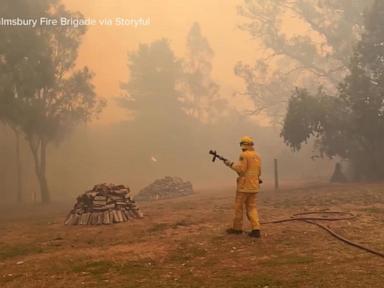
Authorities reported at least one fatality as the fires tore through rural and coastal areas. Human remains were discovered in a severely impacted zone, underscoring the human cost of the blazes. Over 300 structures, including homes, lay in ruins after flames consumed vast swaths of bushland. The rapid spread caught some residents off guard, leading to urgent evacuations in multiple regions.
Firefighters faced overwhelming challenges from the outset. More than 30 active fires burned across Victoria on Sunday, with some encroaching on the border with New South Wales. Lightning strikes last Thursday ignited many of the blazes during the peak of the heat wave. Officials warned that property losses could mount further as winds intensified the inferno.
Record-Breaking Weather Fuels the Crisis
Temperatures soared past 40 degrees Celsius in parts of the state, creating “catastrophic” fire danger ratings for all regions. This extreme weather mirrored the deadly conditions of past seasons but arrived earlier than anticipated. Dry conditions and strong gusts propelled the fires at unprecedented speeds, complicating containment efforts.
Every state except Queensland grappled with severe heat warnings, though Victoria bore the brunt of the fire threat. Thousands of residents received orders to flee their homes, particularly near the Great Ocean Road and north of Melbourne. Power outages affected tens of thousands, leaving communities isolated amid the chaos. Emergency services mobilized additional resources to bolster defenses against the encroaching flames.
Government Response and Community Impact
A state of emergency took effect in Victoria, enabling swift deployment of aid and resources. The prime minister visited ravaged towns, pledging federal support to those displaced. Nearly 900,000 acres of land smoldered under the assault, with over 350,000 hectares charred in the hardest-hit areas. Almost a dozen emergency alerts remained active, signaling ongoing peril for firefighters and locals alike.
Early reports highlighted three individuals unaccounted for near a major fire front, heightening fears for public safety. Rural communities felt the strain most acutely, with agriculture and wildlife suffering extensive damage. Relief efforts focused on providing shelter and essentials to evacuees. The state premier emphasized that the crisis was far from over, urging vigilance as conditions persisted.
Lessons from Past Fires Shape Current Strategies
Experiences from the 2019-2020 fires informed the rapid escalation of response measures this time. Enhanced early warning systems prompted timely evacuations, potentially saving lives. Fire agencies coordinated across borders to prevent spillover into neighboring states. Satellite monitoring and aerial support played key roles in tracking fire progression.
Still, the sheer scale tested even seasoned crews. Over 130 structures fell victim in initial outbreaks, with totals climbing as assessments continued. Environmental groups noted parallels to climate-driven patterns, though immediate priorities centered on suppression. International aid offers surfaced, reflecting global concern for Australia’s plight.
Key Takeaways
- Wildfires have burned nearly 900,000 acres, destroying over 300 structures.
- At least one confirmed death and ongoing searches for missing persons.
- Catastrophic conditions persist, with a state of emergency in place.
As flames continue to challenge Victoria’s resilience, the focus shifts to recovery and prevention for what promises to be a prolonged season. These events remind us of nature’s power and the need for preparedness in vulnerable regions. What steps can communities take to mitigate future risks? Share your thoughts in the comments.