Throughout human history, you’ve likely wondered if the stars and planets above somehow shape events below. Ancient civilizations certainly thought so. From battlefield victories to political revolutions, rare cosmic occurrences have repeatedly appeared at pivotal moments in history. The timing is sometimes eerie, other times purely coincidental. What makes these convergences fascinating isn’t whether the heavens truly influence earthly affairs, but how people interpreted them and how those interpretations changed the course of history. Some of these celestial events inspired courage, others spread paralyzing fear. A few even altered the outcomes of wars and the fates of empires.
What you’re about to discover might change how you view both astronomy and history. These twelve moments represent instances where the cosmic and the terrestrial collided in ways that left lasting marks on civilization. Let’s be real, whether you believe in omens or not, the stories themselves are pretty incredible.
The Battle of Halys Ended by Solar Eclipse in 585 BC
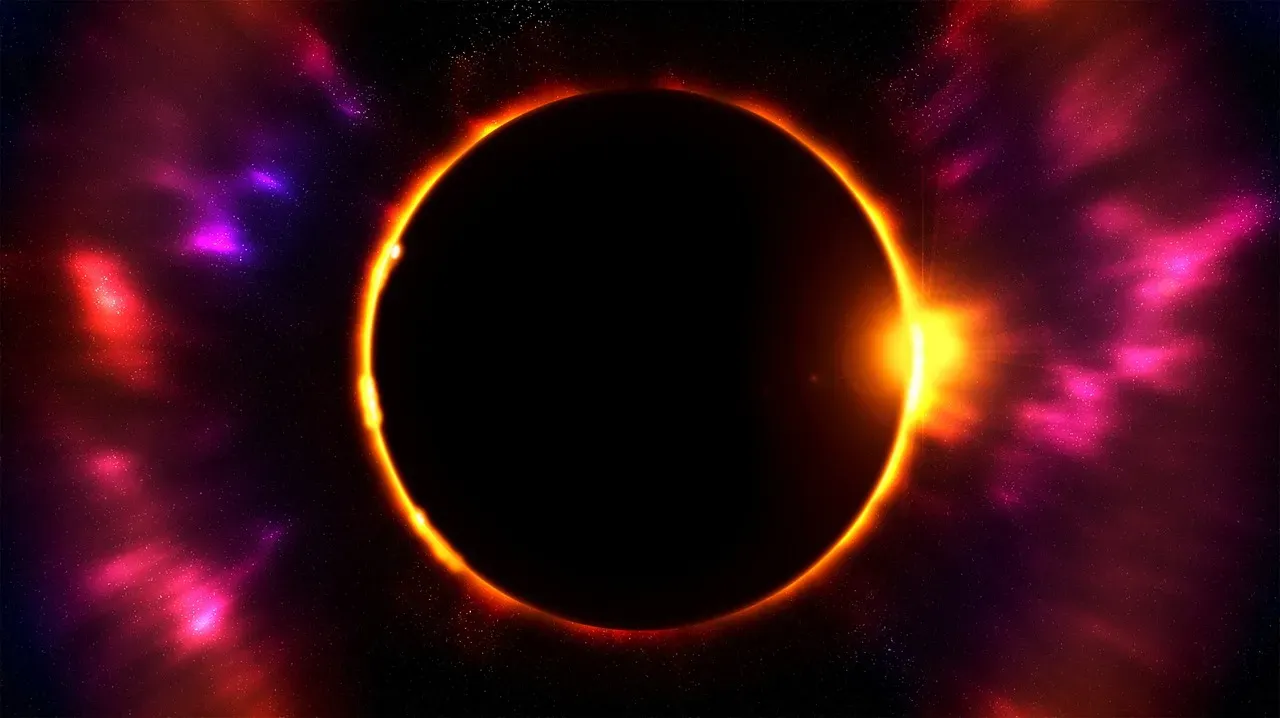
According to ancient Greek historian Herodotus, the Battle of the Eclipse was fought in the early sixth century BCE in Anatolia between the Medes and the Lydians, and was interrupted by day turning into night, presumably a solar eclipse, resulting in a draw which led to both parties negotiating a peace treaty and ending a six-year war. The two armies had been locked in brutal combat when suddenly darkness swept across the battlefield. Soldiers on both sides interpreted this sudden transformation as a divine message.
The Lydians and the Medes, when they saw that it had become night instead of day, ceased from their fighting and were much more eager both of them that peace should be made between them, ultimately leading both sides to drop their weapons and declare a truce. As part of the peace agreement, Alyattes’s daughter Aryenis was married to Cyaxares’s son Astyages, and the Halys River was declared to be the border of the two warring nations. This represents one of the earliest instances where you can see celestial phenomena directly influencing political outcomes, showing how deeply ancient peoples connected heavenly signs with earthly decisions.
Julius Caesar’s Assassination Followed by Comet in 44 BC
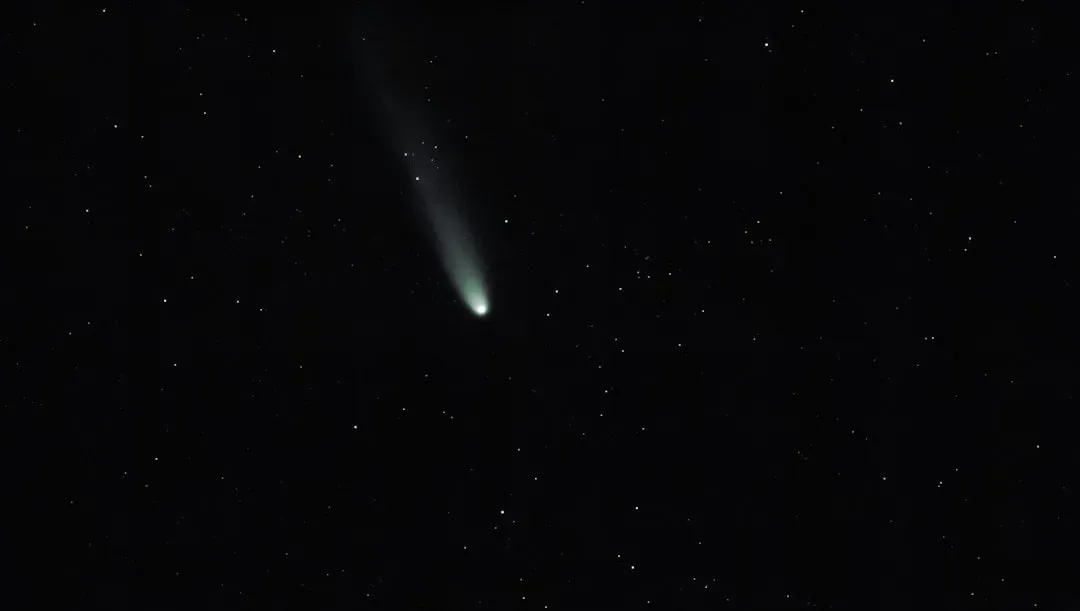
Caesar’s Comet was a seven-day cometary outburst seen in July 44 BC, and was interpreted by Romans as a sign of the deification of recently assassinated dictator, Julius Caesar. According to several Roman writers, a brilliant comet, bright enough to see during daytime, appeared for seven days near the beginning of the festival held in honor of Julius Caesar, and was widely believed by the Roman public to be the soul of Julius Caesar ascending into heaven.
Octavian shrewdly seized upon this and utilized it to advocate for a deification of Julius Caesar and at the same time push his own political agenda, an effort that ultimately succeeded. The timing was impeccable for political manipulation. The official deification of Julius Caesar in Rome took place in 42 BC when the senate had him deified posthumously, but his divine status had been accepted by the people of Rome soon after his death when a comet appeared in the sky during the funeral games held in his honor by Augustus in 44 BC. This celestial appearance became one of the most effective pieces of political propaganda in ancient history, fundamentally shaping the rise of the Roman Empire.
Halley’s Comet and the Norman Conquest of 1066
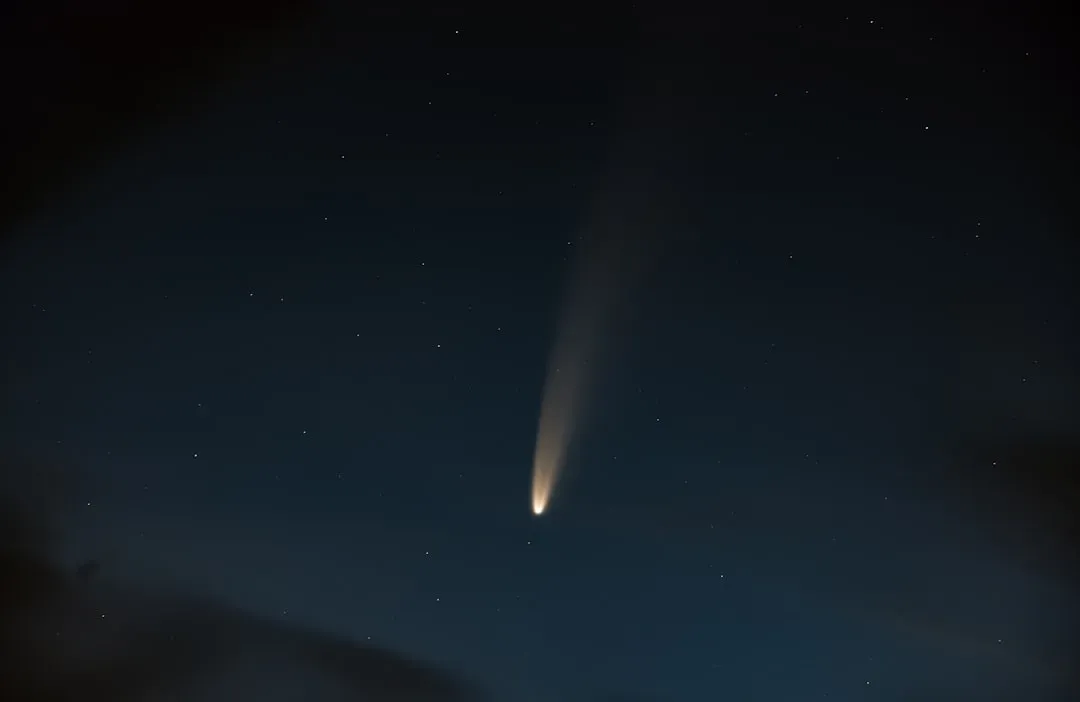
You’ve probably heard about the Battle of Hastings, but did you know a comet played a starring role? By far the most famous appearance of Halley’s comet occurred in 1066, when it coincided with the Norman Conquest, and according to the Anglo-Saxon Chronicle, in the months before William the Conqueror set sail for England, contemporary observers considered the long-haired star a bad omen for English King Harold II, and the prophecy was later fulfilled when William defeated and killed him at the Battle of Hastings.
During its 1066 appearance, Halley’s Comet approached within nine million miles of Earth, and as it first appeared in April of that year, observers in England saw it as a bad omen, portending great change for the Anglo-Saxon kingdom ruled by King Harold, while Duke William of Normandy believed it was a positive sign from heaven. One of the scenes from the Bayeux Tapestry depicts a comet that has been identified as the first illustration of Halley’s Comet. The psychological impact on both armies was profound, with one side seeing divine favor and the other impending doom.
Eclipse During Crucifixion Era Eclipse References in Religious Texts

Religious texts contain numerous references to celestial phenomena occurring during significant spiritual events. Religious texts mention eclipses, including the Bible and the Quran, and connect them with significant events, with the description of a red moon following the crucifixion of Jesus appearing to depict a lunar eclipse and in the Quran, a solar eclipse is said to have occurred before the birth of Muhammad.
These accounts, whether literal or symbolic, demonstrate how deeply celestial events were woven into religious narratives throughout history. The timing of such phenomena during pivotal moments in religious history has been interpreted and reinterpreted for centuries. Whether these were actual astronomical events or later literary embellishments remains debated among scholars, yet their inclusion in sacred texts underscores the profound importance ancient peoples placed on cosmic signs.
The Chinese Eclipse That Cost Two Astronomers Their Lives in 2134 BC
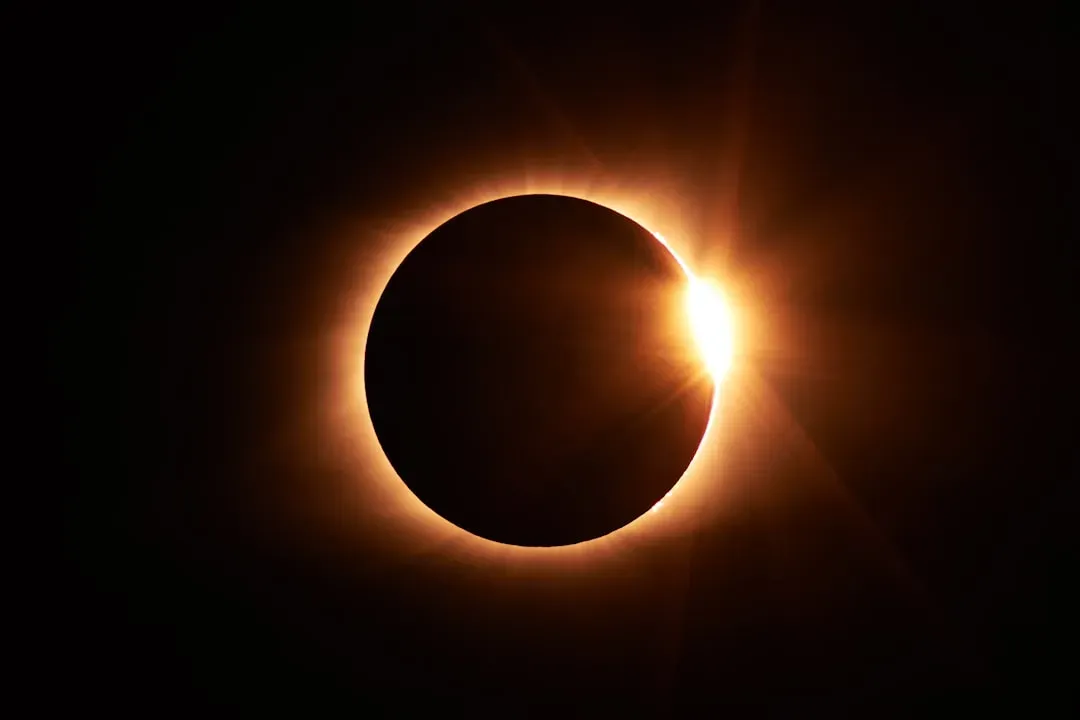
Surviving records have shown that the Babylonians and the ancient Chinese were able to predict solar eclipses as early as 2500 BCE, and in China, solar eclipses were thought to be associated with the health and success of the emperor, with failing to predict one meaning putting him in danger, and legend has it that two astrologers, Hsi and Ho, were executed for failing to predict a solar eclipse, with historians and astronomers believing that the eclipse they failed to forecast occurred on October 22, 2134 BCE, which would make it the oldest solar eclipse ever recorded in human history.
This tragic story reveals just how seriously ancient civilizations took celestial prediction. The emperor’s authority was believed to be divinely granted, and any threat to the heavens was seen as a threat to imperial power itself. The inability of the court astronomers to warn of the coming darkness was viewed not just as professional incompetence but as a failure to protect the realm from cosmic forces.
Comet Sighting During Total Eclipse in 418 AD
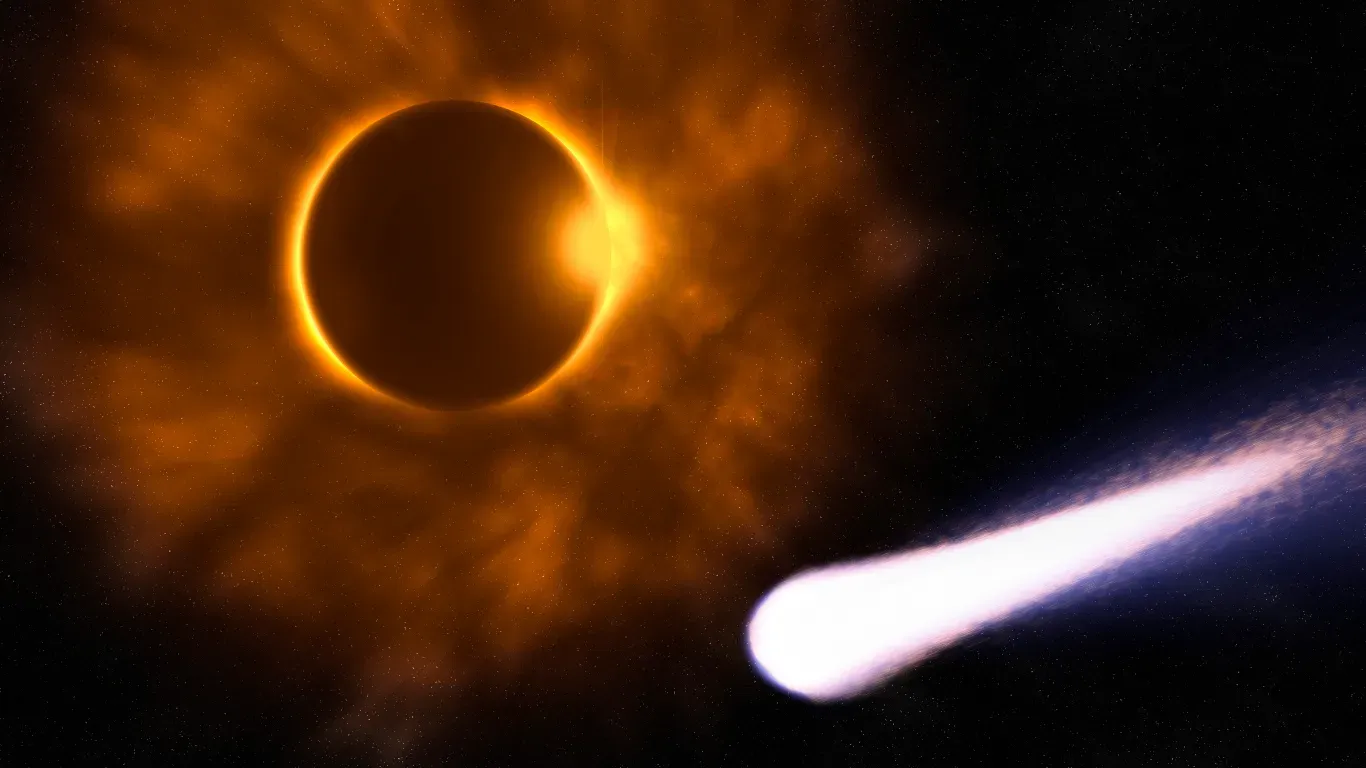
July 19, 418, marks the first total solar eclipse of which we have a record during which a comet was seen, as Turkish-born Church historian Philostorgius wrote that when Theodosius had reached adolescence, on the nineteenth of July at about the eighth hour, the sun was so completely eclipsed that stars appeared, and there appeared in the sky with the sun while in eclipse a cone-shaped light, which some out of ignorance called a comet.
The convergence of two rare celestial events, a total solar eclipse and a visible comet, must have been absolutely terrifying to observers who lacked scientific understanding of these phenomena. It’s hard to say for sure, but the psychological impact on populations already dealing with the declining Roman Empire would have been immense. Many reports from Europe and China prove that it was a comet, so the event goes down as the first reports of a comet seen during the total phase of a solar eclipse.
Solar Eclipse Linked to King Henry I’s Death in 1133
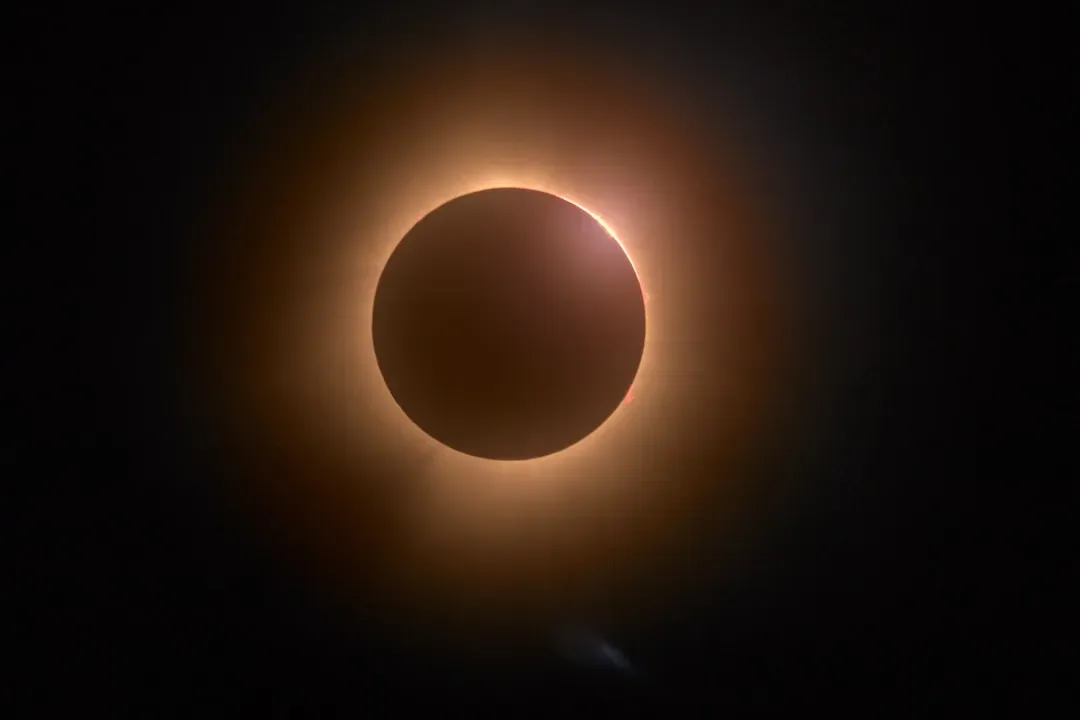
The first famous total solar eclipse after the year 1000 was on August 2, 1133, visible in Scotland with totality nearly four and a half minutes in length, and this eclipse provides just one of many historical examples of people wrongly associating a celestial spectacle with an earthly event, as English historian William of Malmesbury linked this eclipse with the death of King Henry I.
This association demonstrates a common pattern you’ll notice throughout history: significant celestial events occurring near the time of major historical moments become forever linked in historical memory, regardless of actual causation. The dramatic darkening of the sky seemed to medieval observers an obvious divine commentary on the loss of their monarch. Such connections reinforced the belief in a cosmically ordered universe where heaven and earth operated in synchronized harmony.
Einstein’s Theory Confirmed During 1919 Solar Eclipse
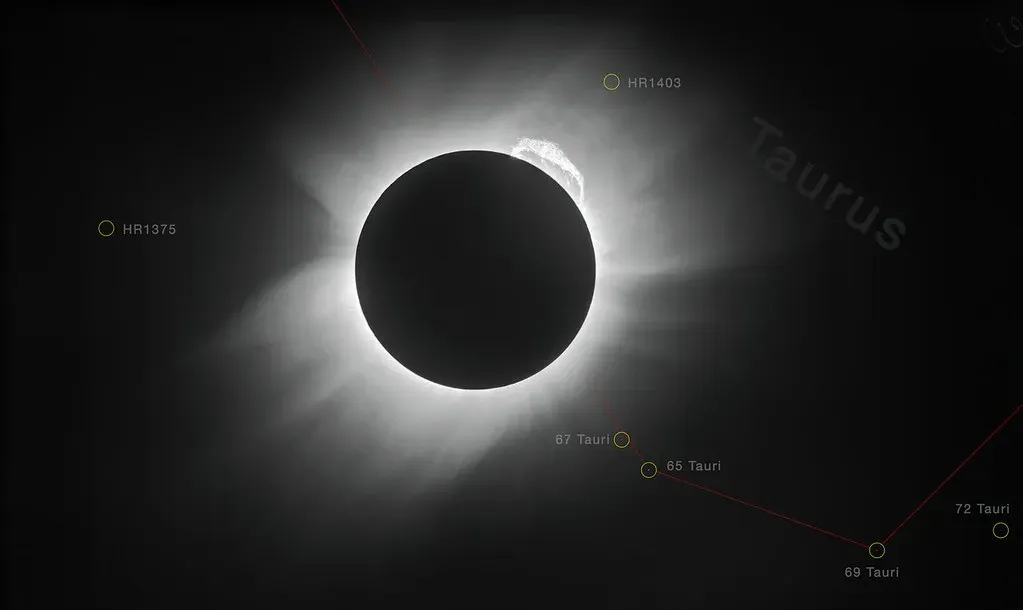
In 1916, Albert Einstein published his general theory of relativity, which states that space-time is curved by the presence of mass, and during the eclipse of May 29, 1919, two teams of astronomers took pictures of stars near the Sun that proved gravity warps space. This wasn’t just another eclipse observation. It represented a watershed moment in scientific history.
In an effort to test Albert Einstein’s then-four-year-old theory of general relativity, English scientists, led by physicist Sir Arthur Eddington, took advantage of a total solar eclipse, and during the eclipse, as the moon blocked sunlight, more stars were visible near the sun, with the team’s measurements taken during the eclipse confirming that starlight bent around the sun, providing an early confirmation of Einstein’s theory that massive objects warp the fabric of space-time and that distortion manifests as gravity. This celestial event transformed Einstein from a respected physicist into a global celebrity virtually overnight.
Chaco Canyon Eclipse and Native American Petroglyphs in 1097
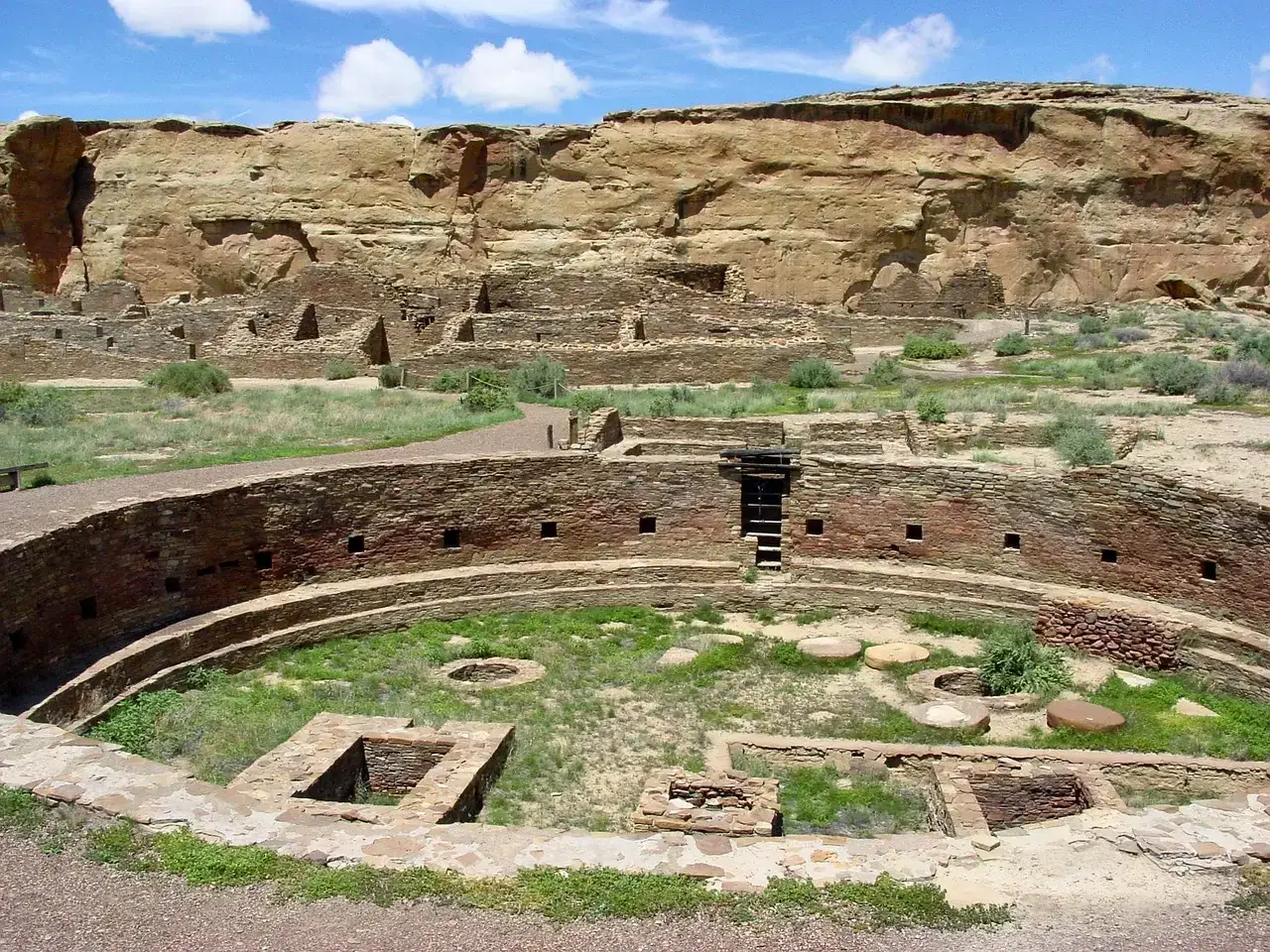
Researchers have suggested that a circular image in Chaco Canyon, New Mexico is a depiction of a solar eclipse that would have been visible from the canyon in the year 1097 CE, and scholars note that two more total solar eclipses were visible in the region in 1257 and 1259, with people living in what is now southwest Colorado able to witness both events just two years apart, along with a comet that was bright enough to be visible to the unaided eye in the summer and fall of 1264.
Interestingly, these events appear to coincide with the start of a major exodus, with the Anasazi people who had lived in the region abandoning their settlements and leaving the area, and while historians believe that drought was the main cause of the exodus, the celestial events could have affected these ancient Americans at a psychological level. The combination of environmental stress and celestial omens created a perfect storm of reasons to abandon ancestral lands.
Genghis Khan’s Invasion Inspired by 1222 Comet Appearance
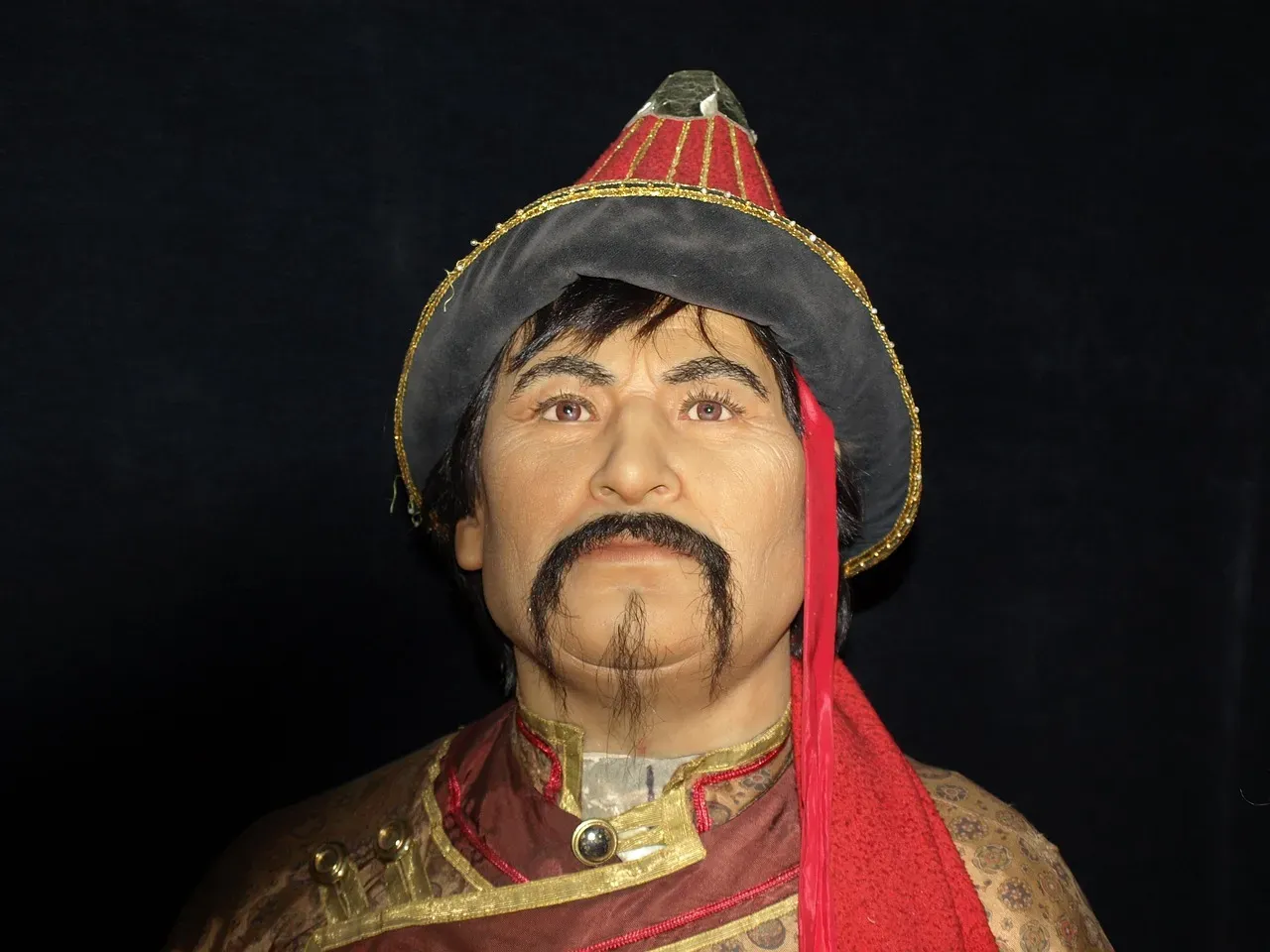
The strange effects of Halley’s comet only continued over the next several centuries, with its 1222 appearance sometimes credited with inspiring Genghis Khan to dispatch his Mongols on an invasion of Europe, and its 1456 return famously overlapping with the Ottoman Empire’s invasion of the Balkans.
Whether the comet truly influenced the Khan’s military decisions or simply appeared at a fortuitous moment remains uncertain. Still, the timing reinforced the Mongol belief in their divinely ordained mission to conquer. Comets were viewed across many Asian cultures as harbingers of change, and for a leader already contemplating expansion, such a sign could have provided the final push toward launching one of history’s most devastating military campaigns.
Discovery of Helium During 1868 Solar Eclipse
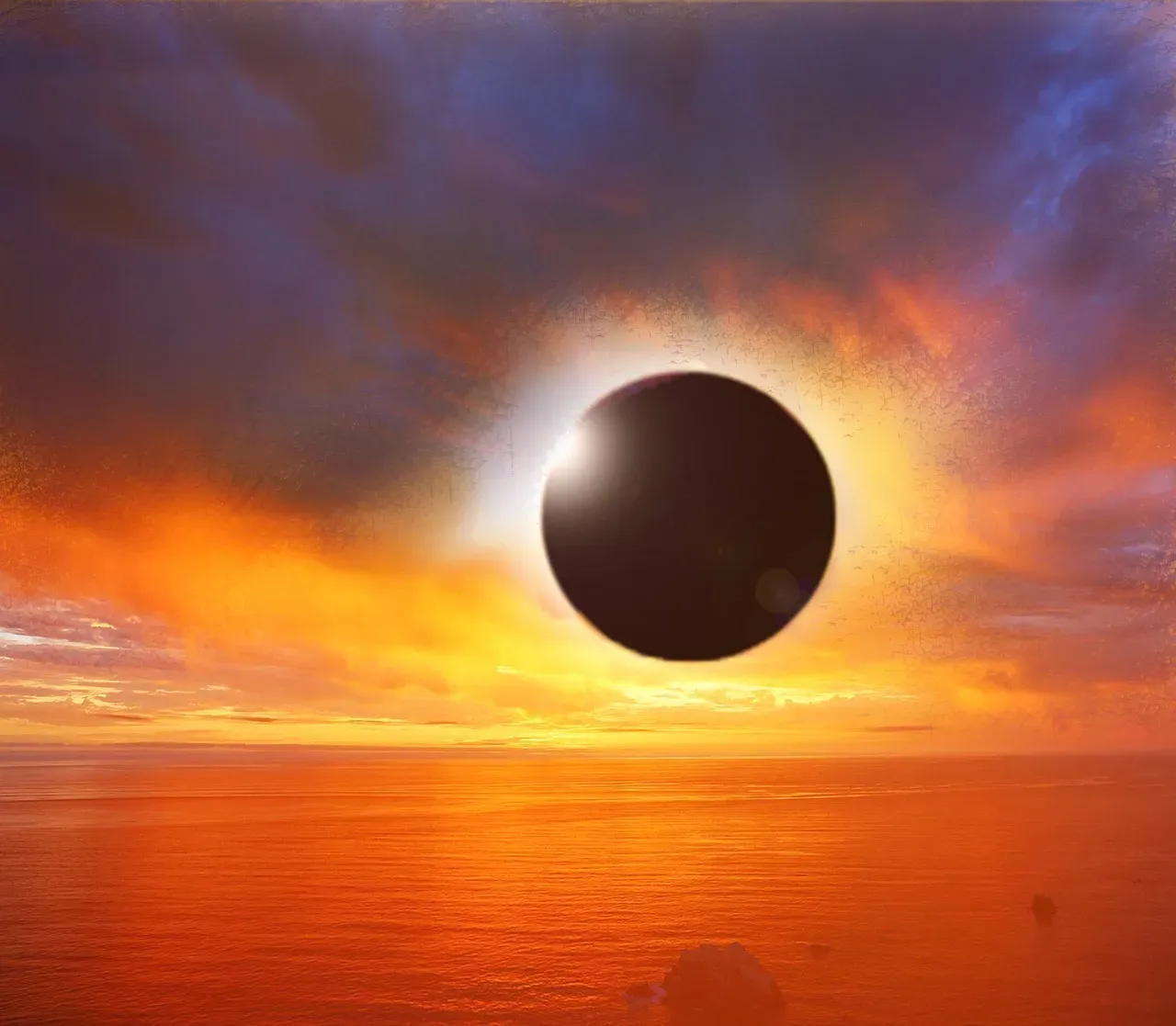
A solar eclipse is responsible for the discovery of helium, as the first piece of evidence for the existence of the second lightest and the second most abundant element known to humans was discovered by French astronomer Jules Janssen during a total solar eclipse on August 18, 1868.
This discovery represented a remarkable convergence of celestial timing and scientific inquiry. The eclipse provided the only opportunity for astronomers of that era to study the sun’s atmosphere without being overwhelmed by its brightness. What they found was an element previously unknown on Earth, one that would later prove essential for everything from party balloons to advanced scientific research. Sometimes the rarest astronomical events gift us with knowledge that transforms our understanding of the universe itself.
The Purple Moon of 1950 During Chinchaga Forest Fire
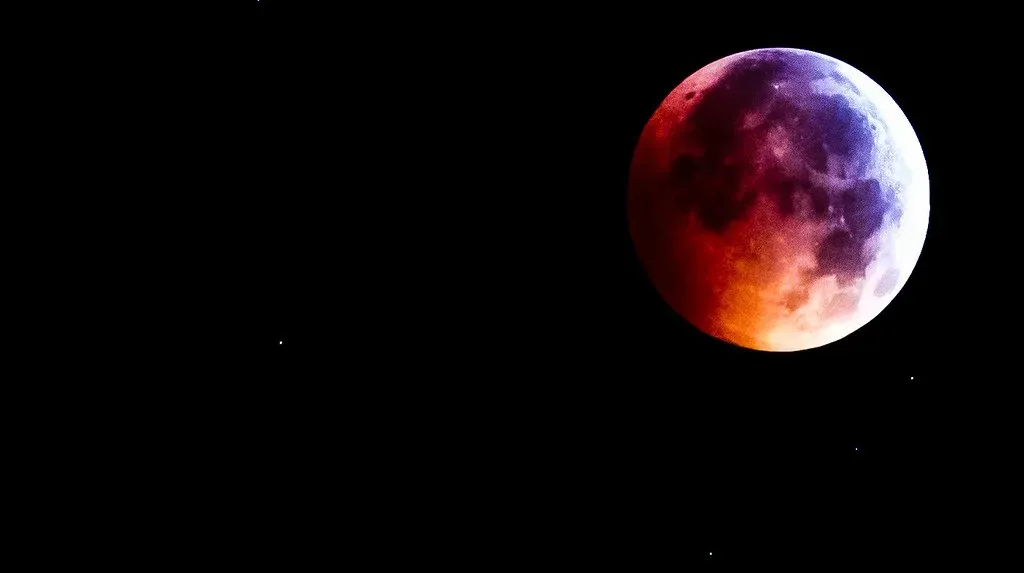
In the summer of 1950, across Ontario and the northeastern United States, the skies grew dark and the Sun turned blue, streetlights turned on, and some citizens feared that the country was under nuclear attack, when in fact it was the Chinchaga forest fire raging, still the biggest wildfire on record in North America. This wasn’t your typical celestial event, but the convergence was extraordinary.
The full Moon on September 25, by strangest luck, was the most memorable of all, as the Moon, already blue from the smoke, was totally eclipsed that night, with the reddening of the eclipse across the blue Moon creating the rarest lunar sight of all: a purple Moon. Honestly, it sounds almost too bizarre to be true. The combination of massive atmospheric pollution from the fire, a full moon, and a total lunar eclipse created a once-in-a-millennium visual phenomenon that left observers stunned and confused.
Conclusion: When Heaven and Earth Align
Looking back at these twelve moments where celestial phenomena intersected with human history, you can see a pattern emerge. Whether these cosmic events actually influenced outcomes or simply provided powerful symbols for human interpretation, they undeniably shaped how civilizations understood their place in the universe. From ancient battlefields to modern scientific laboratories, rare astronomical occurrences have served as markers for humanity’s most pivotal moments.
The universe continues its dance regardless of our presence, yet we can’t help but search for meaning in these spectacular displays. Perhaps that’s what makes us human: our eternal need to connect the dots between what happens above and what unfolds below. The next time you witness an eclipse or spot a comet streaking across the night sky, remember that you’re part of this ancient tradition of cosmic observation. What do you think? Will future generations look back at our era and wonder what celestial events marked our defining moments?