

Have you ever woken up feeling like something’s missing? You’re not alone. The vast majority of people spend most of their waking hours at work, yet less than 20% of respondents strongly agreed that they enjoyed what they did each day. There’s this nagging feeling that life should mean more, that your daily efforts should add up to something significant. Yet the question of what you’re truly meant to do can feel overwhelming, even paralyzing.
Here’s the thing, though. Finding your purpose doesn’t require a lightning bolt moment or some cosmic revelation. It’s more like assembling puzzle pieces that have been sitting in front of you all along. The right questions can help you see patterns you’ve missed, uncover desires you’ve buried, and recognize the unique shape your life is meant to take. So let’s get started with eight powerful questions that will help you discover what you’re really here to do.
What Makes You Lose Track of Time?

Think about those rare moments when hours feel like minutes. You’re so absorbed in what you’re doing that the outside world fades away. Psychologists refer to this state as “flow” – a condition of complete immersion in an activity. These experiences aren’t random or accidental. They’re pointing you toward something meaningful.
Maybe it’s when you’re sketching designs in your notebook, or helping a friend solve a tricky problem, or organizing a community event. Whatever pulls you in so completely that you forget to check your phone is worth paying attention to. It’s not just about enjoyment; it’s a sign that what you’re doing resonates with your inner self and aligns with your passions. Your purpose often lives in those spaces where you feel most alive and engaged, where effort doesn’t feel like work.
What Would You Do If Money Wasn’t an Issue?

Ask yourself what you’d be doing with your life if you had no other responsibilities or no one else weighed in on your decisions. Strip away the practical concerns for a moment. Forget about paying rent, impressing anyone, or following the expected path.
This isn’t about fantasy, exactly. It’s about getting honest with yourself. This question aims to help you explore your desires rather than craft “realistic” routes forward. Although it might involve a little fantasizing, the answers to this question can lead to new realizations about what your purpose might be. You might discover you’d be traveling and documenting stories from around the world, or teaching kids about nature, or building things with your hands. The specifics matter less than the underlying themes that emerge when you give yourself permission to dream.
What Problems in the World Break Your Heart?
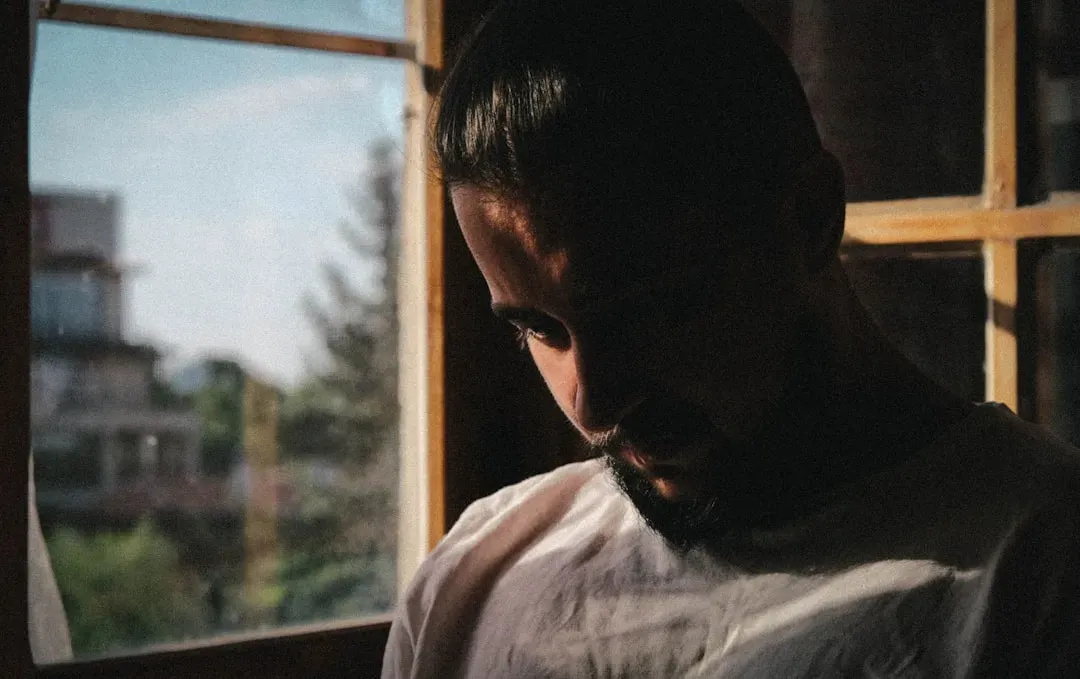
Ask yourself: What breaks your heart? What would you love to fix? Your purpose often sits right at the intersection of what troubles you most deeply and what you’re uniquely equipped to address. Some people can’t stand seeing educational inequality. Others are haunted by environmental destruction or loneliness among the elderly.
Calling is the place where you meet the world’s deep hunger, in a way that you know best. We are keenly aware that we live in a broken world. The specific brokenness that keeps you awake at night, that makes you want to roll up your sleeves and do something, is a crucial clue. According to researchers, a true purpose is one that is both personally meaningful and also makes a positive impact on the lives of other people – your family, friends, neighbors, city, country, or even the whole world. Your calling likely involves addressing something that genuinely matters to you while serving others.
What Are Your Natural Strengths and Talents?

Shift this inner narrative by asking what you’re good at and reminding yourself how capable you are. As you list strengths, you might make self-discoveries that you wouldn’t otherwise. Sometimes we dismiss our talents precisely because they come easily to us. If you’re naturally good at listening to people and making them feel heard, you might not even recognize that as a valuable skill.
Your gifts are different from just any skill you’ve developed. A true gift is something you can give back to the world with ease and pleasure. Think about what people consistently come to you for help with. What do you do that makes others say, “I wish I could do that”? Your gifts and passions point you in the direction of your calling. Think of them as your inner compass that you can follow to discover your calling. The magic happens when you identify not just what you’re capable of, but what genuinely energizes you.
What Did Your Childhood Self Dream About?

Chances are, you don’t currently do what your 8-year-old self thought you would. But there may still be elements of that dream in your life. This question isn’t about literally becoming an astronaut or a veterinarian if that’s what you wanted at age seven. It’s about excavating the core desires underneath those dreams.
Try to find connections – if you wanted to be a doctor, how does your work today help people? If you wanted to be an astronaut, where in your work are you exploring and discovering new things? Maybe you wanted to be a teacher because you loved explaining things to your younger siblings. That desire to guide and educate others might show up differently in adulthood, perhaps through mentoring or creating instructional content. The essence of those early dreams often contains seeds of your authentic purpose, uncorrupted by adult practicality and fear.
What Can You Be Your Best Self About?

This is about identifying not only what draws you in, but also what makes you shine. Jacqueline Novogratz, founder of The Acumen Fund, told me that in her globe-spanning travels she often asks people this question. It’s about finding that sweet spot where your unique abilities meet genuine enthusiasm.
Novogratz says it’s important to think about “that time and place where you feel most alive – whether it’s when you’re solving a problem, creating, connecting with someone, traveling.” Whatever it is, Novogratz says, identify it – and if possible, find a way to do more of it. Your purpose isn’t hiding in some distant, unexplored territory. It lives in those moments when you feel completely yourself, when you’re operating at your highest capacity without strain or pretense. Pay attention to when you feel that spark of recognition that says, “This is who I really am.”
What Core Values Guide Your Life Decisions?

Your values are principles that guide you through life. Identifying your values is the first step to finding a life purpose. Values are different from goals. They’re the non-negotiables, the things you’d defend even when it’s inconvenient or costly. Maybe it’s authenticity, creativity, justice, freedom, connection, or adventure.
The first step in discovering your purpose is to consider the principles and beliefs that are most important to you. Your purpose is aligned with your deepest values, so you need to understand what matters most to you – what you would fight for – in life. When your daily work conflicts with your core values, that’s when you experience the deepest dissatisfaction. If your work doesn’t reflect your values, burnout isn’t far behind. Purpose emerges when you align what you do with what you believe, when your actions reflect your deepest convictions about what matters in this world.
What Would Your Single Sentence Be?

This question is designed to help you distill purpose and passion to its essence by formulating a single sentence that sums up who you are and what, above all, you aim to achieve. This concept comes from journalist Clare Booth Luce, who told President Kennedy that great leaders could be summed up in one sentence.
She told him “a great man is a sentence” – meaning that a leader with a clear and strong purpose could be summed up in a single line (e.g., “Abraham Lincoln preserved the union and freed the slaves.”). Pink believes this concept can be useful to anyone, not just presidents. Your sentence might be about raising children who contribute positively to the world, creating art that helps people see beauty in unexpected places, or solving a specific problem that affects your community. The exercise forces clarity. When you can articulate your purpose in one clear statement, you suddenly have a compass for making decisions and evaluating opportunities.
Conclusion: Your Purpose Is Already Within You

As you explore these questions, remember that discovering your life’s purpose is not a destination but a continual journey of self-discovery and growth. You’re never really done with the process, but each question you answer for yourself brings you one step closer to living your most authentic and purposeful life. The truth is, your purpose isn’t something you need to invent from scratch. It’s already encoded in your natural talents, your deepest values, your recurring fascinations, and the problems that consistently capture your attention.
Discovering what you’re passionate about in life and what matters to you is a full-contact sport, a trial-by-fire process. None of us know exactly how we feel about an activity until we actually do the activity. So take what you’ve learned from these questions and start experimenting. Try new things. Follow your curiosity. When you find your calling, you find meaning to your life. It streamlines and simplifies your life. What did you discover about yourself through these questions? Which answers surprised you most?