
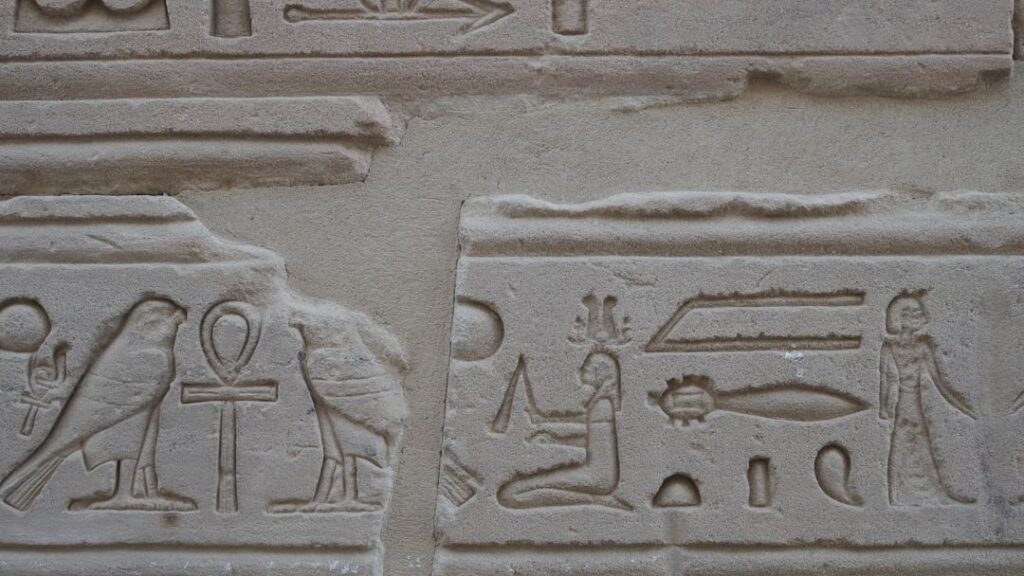
You’ve probably scrolled through your daily horoscope, wondered if mercury retrograde is really to blame for your tech troubles, or debated star signs with friends over coffee. These casual conversations connect us to something vast and mysterious that stretches back thousands of years. Ancient civilizations gazed at the same stars we see tonight, but they weren’t just stargazing. They were creating a symbolic language that still whispers wisdom to us in 2026.
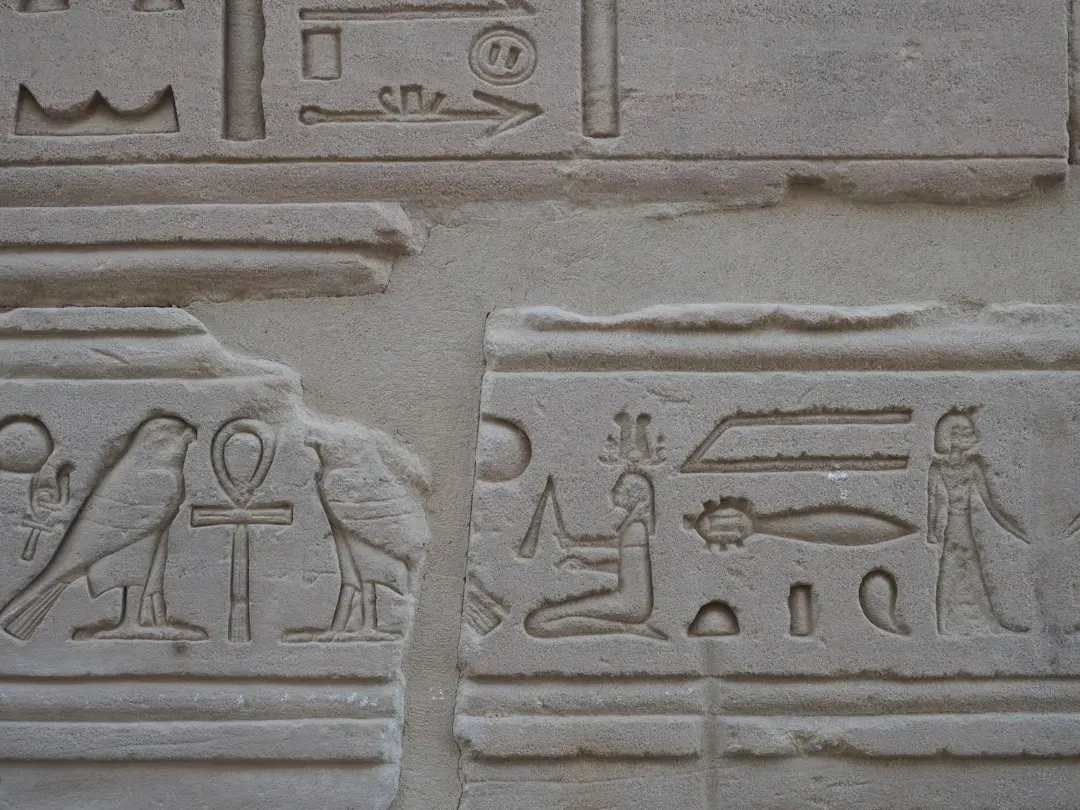
Evidence shows that ancient Egyptians, Babylonians and Sumerians were using astrological symbols over seven thousand years ago. Think about that for a moment. While those symbols might have looked different back then, they represented something humans have always craved: meaning. The symbols we recognize today carry profound interpretations that extend far beyond personality quizzes or compatibility readings.
The Sun Symbol: Your Core Identity and Life Force
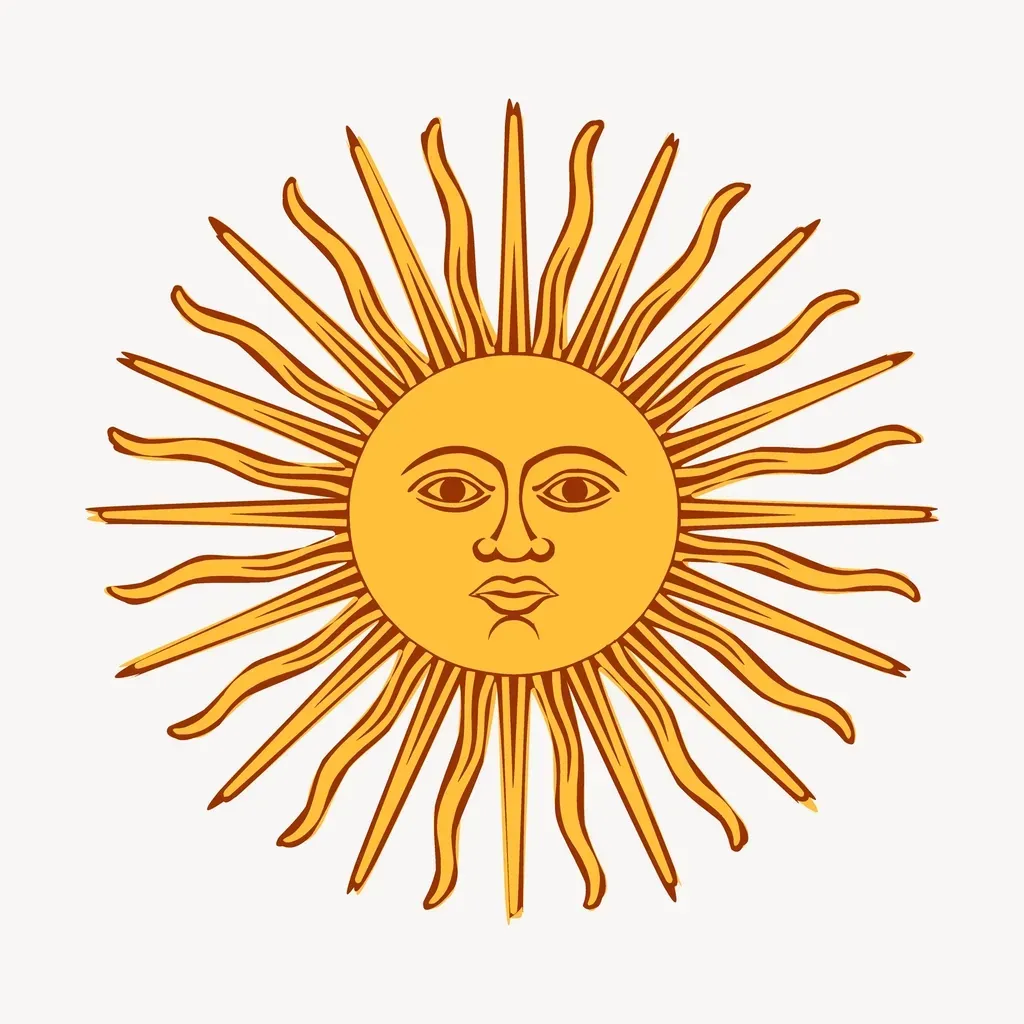
The modern sun symbol, pictured as a circle with a dot, first appeared in the Renaissance. Yet this wasn’t a random design choice. The circle represents wholeness, completion, and the eternal cycle of life itself. That tiny dot in the center symbolizes the divine spark within each person, the essence that makes you uniquely you.
In contemporary astrology, the sun symbolizes the basic personality and the self, giving us the basic understanding of how a person makes their choices. When someone asks what your sign is, they’re really asking where the sun was positioned at your birth. Your sun sign illuminates your fundamental nature, your ego structure, and the core drives that push you forward through life. It’s not about superficial traits but about understanding the fundamental question of who you are when everything else is stripped away.
The Moon Symbol: Emotions and Your Hidden Self
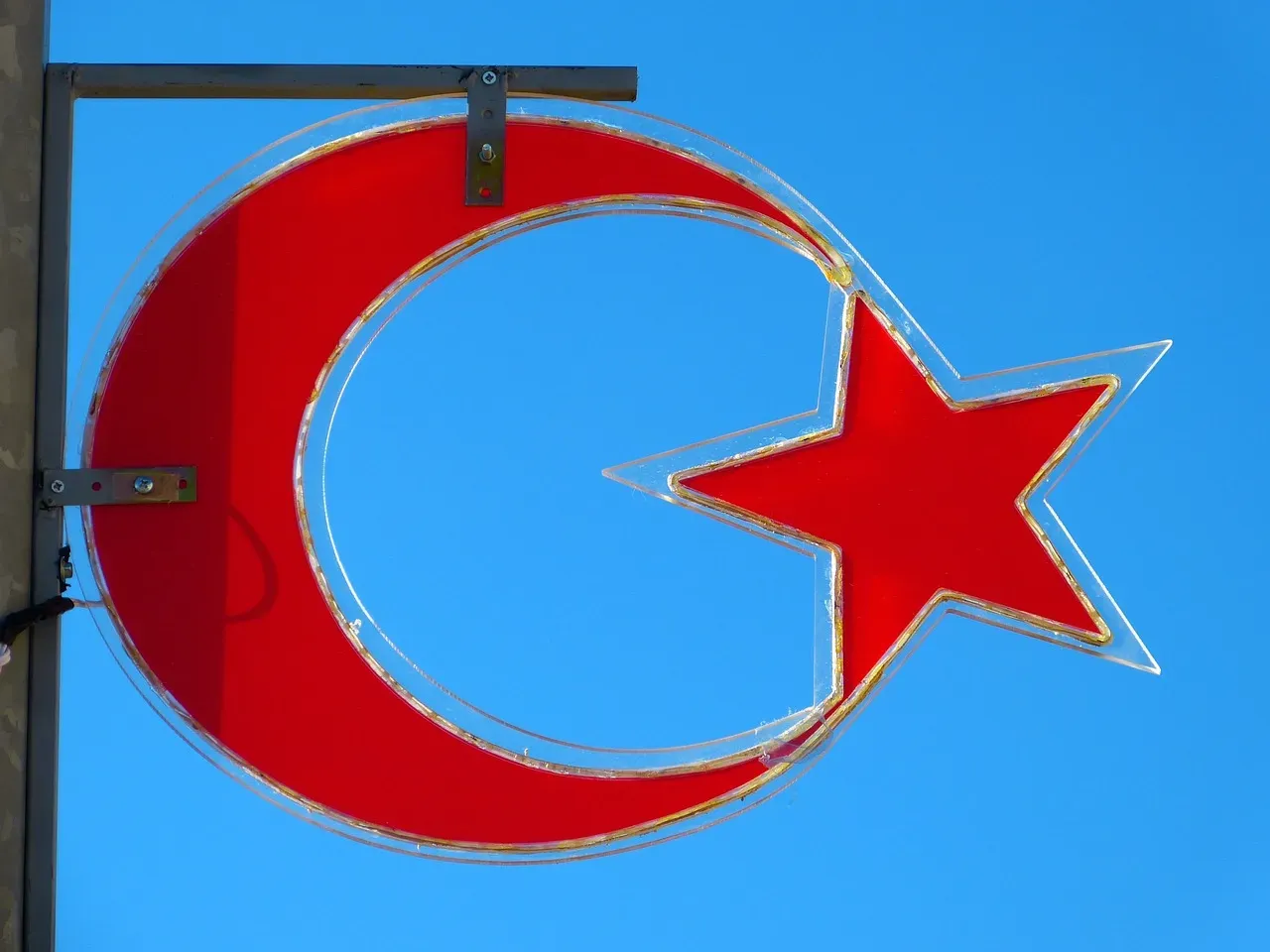
The symbol for the Moon is a crescent. Simple, elegant, constantly changing just like our emotional landscapes. Ancient cultures recognized the moon’s powerful influence on tides, agricultural cycles, and human behavior long before modern science confirmed these connections.
Today, understanding your moon sign offers you a roadmap to your inner emotional world. The moon represents the general depiction of one’s feelings, what their instincts drive them to, and what moods are most common. It reveals how you process emotions when nobody else is watching, what comforts you during difficult times, and the instinctive reactions you have before logic kicks in. While your sun sign might show what you want to become, your moon sign exposes who you already are beneath the surface.
Mercury: The Messenger of Thought and Communication
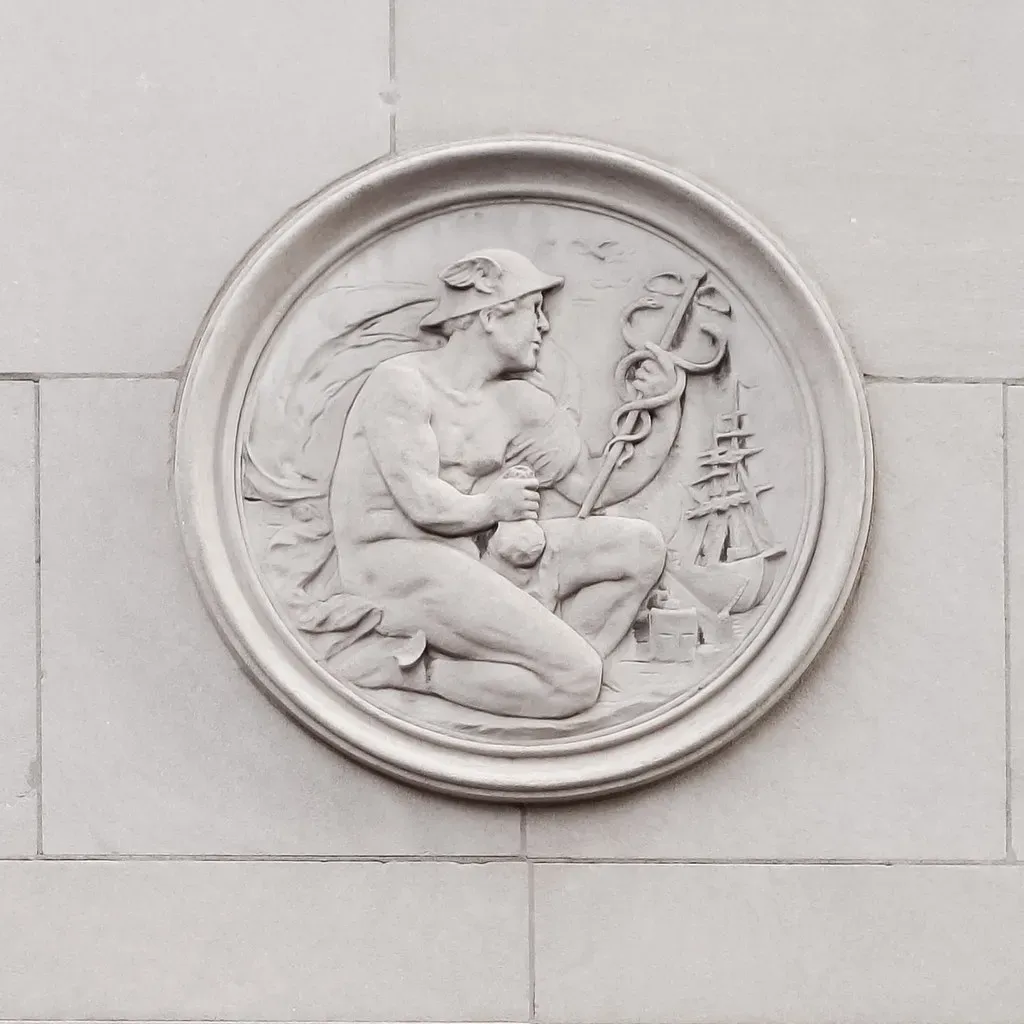
The symbol for Mercury is a stylized caduceus. This staff, entwined with serpents and topped with wings, belonged to the messenger god Mercury in Roman mythology. The symbolism is perfect when you understand what this planet represents in your chart.
The planet mercury symbolizes reason, showing us how a person communicates, and the general structure of their thoughts and how they learn and absorb information. Your Mercury placement explains why you might express ideas through art rather than words, or why you need to talk through problems instead of thinking them through silently. It governs everything from your texting style to how you argue with loved ones. In our hyperconnected world of 2026, understanding your Mercury sign feels more relevant than ever.
Venus: Beauty, Love, and What You Value
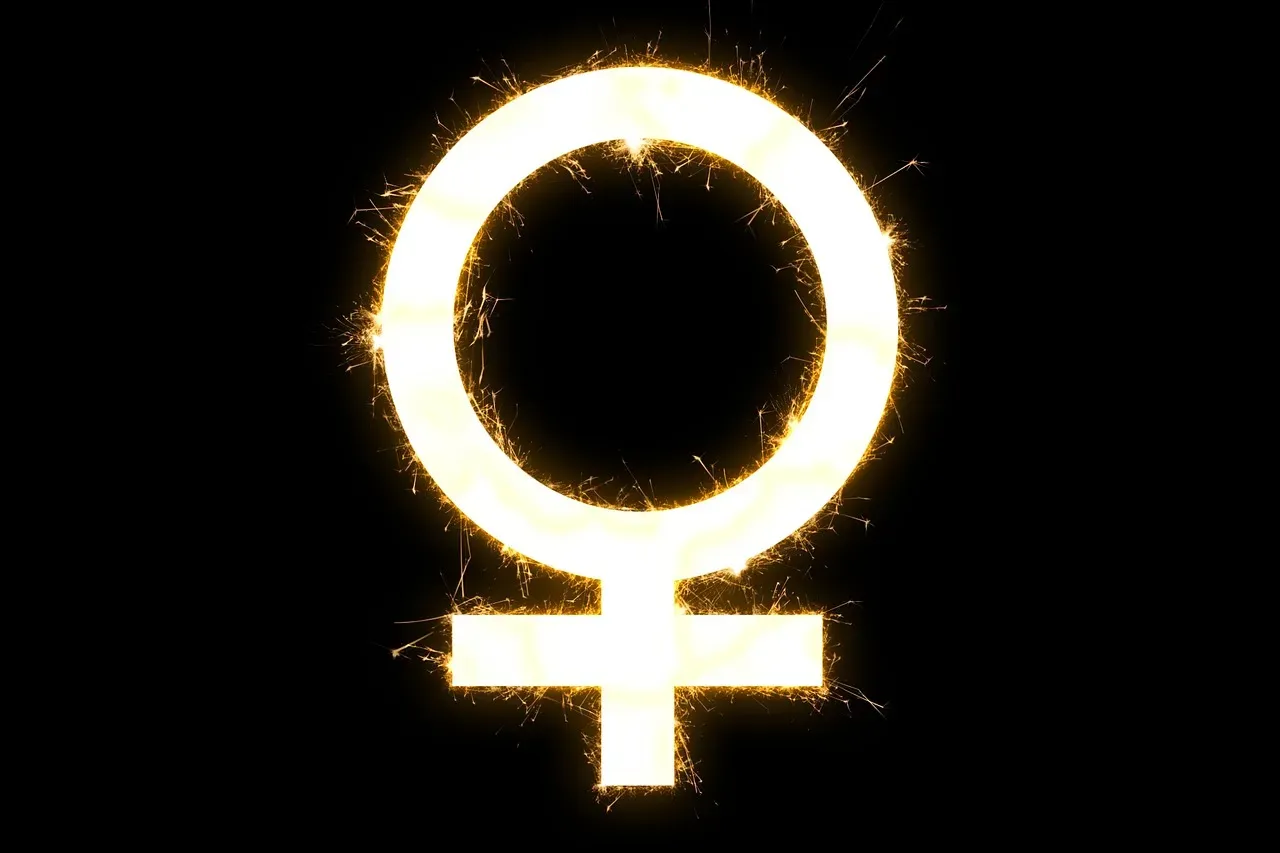
The Venus symbol consists of a circle with a small cross below it, conjectured to be a depiction of the hand-mirror of the goddess. In ancient times, mirrors were crafted from polished copper, the metal associated with Venus, creating a beautiful connection between symbol, material, and meaning.
The planet venus symbolizes our concepts of beauty, pleasure, and sociability, showing us what it is they find pleasurable and beautiful, and what they are attracted to, as well as their style of love. This goes deeper than romantic compatibility. Venus reveals your aesthetic preferences, how you express affection, what makes you feel valued, and even your spending habits. Some people show love through gifts while others need quality time. Venus explains these differences. It’s the planet that asks what brings you joy and how you create harmony in your relationships.
Mars: Your Drive, Passion, and Fighting Spirit
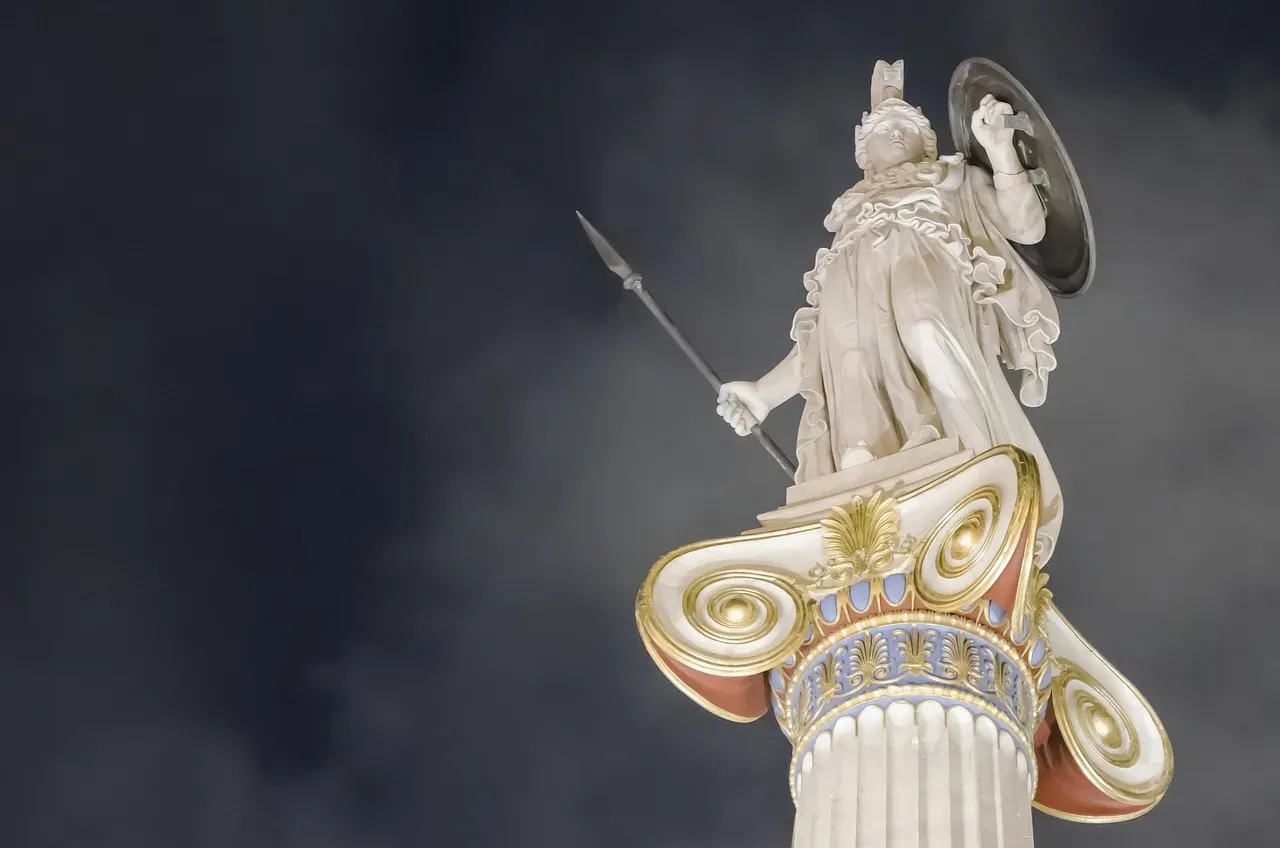
The symbol for Mars represents the shield and spear of the god of war. Warriors carried these tools into battle, and the symbolism translates directly into how Mars functions in astrology as the planet of action, aggression, and assertiveness.
Mars represents the part of us that is still animalistic, our aggression, our sense of competition, and drive, telling us how a person is driven to take action, and what makes them passionate. Think of Mars as your internal engine. Some people have Mars placements that make them direct and confrontational, while others express their Mars energy through competitive sports or passionate creative pursuits. Understanding your Mars sign helps you channel aggression constructively rather than destructively. It shows you where your courage lives and how you pursue what you desire.
Jupiter: Expansion, Wisdom, and Good Fortune

The symbol for Jupiter is a monogram of the initial letters of the corresponding Greek name. The symbol for Jupiter is said to represent a hieroglyph of the eagle, Jove’s bird, or to be the initial letter of Zeus with a line drawn through it. Jupiter, known as Zeus in Greek mythology, ruled over all other gods, which perfectly captures this planet’s expansive energy.
Jupiter represents growth, opportunity, abundance, and philosophical understanding. Where Jupiter sits in your birth chart reveals where life tends to expand for you, where you find meaning, and what areas naturally bring you luck or blessings. It governs higher education, long-distance travel, spiritual seeking, and optimism. In modern astrology, Jupiter transits are often welcomed because they typically bring opportunities rather than obstacles, expansion rather than restriction. It’s the cosmic yes person encouraging you to reach further than you thought possible.
Saturn: Structure, Discipline, and Life Lessons
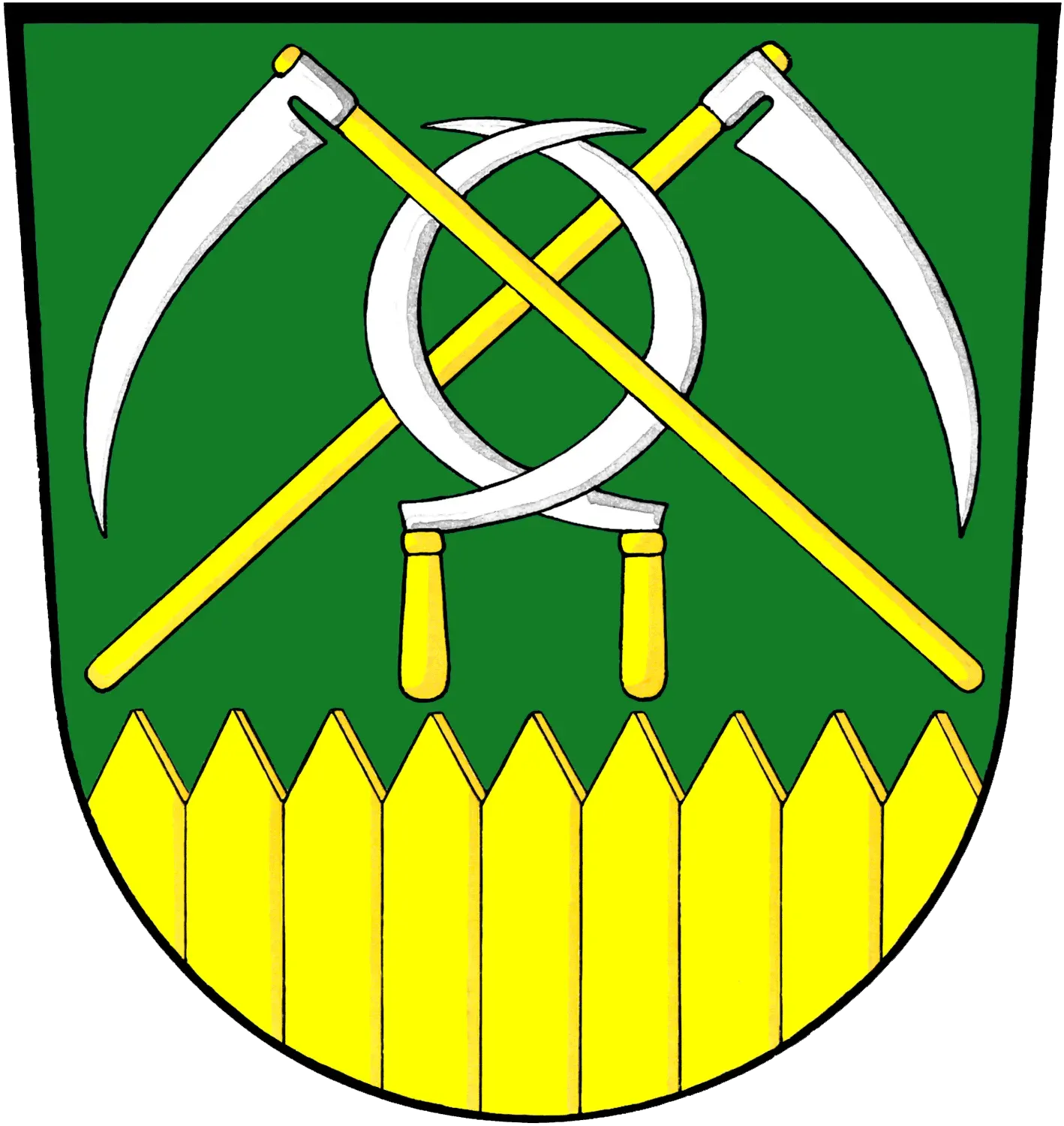
The symbol for Saturn is thought to be an ancient scythe or sickle, as Saturn was the god of seed-sowing and also of time. The imagery of harvesting and time passage perfectly encapsulates Saturn’s astrological role as the taskmaster of the zodiac.
Saturn is known for its tough-as-nails obstacles and highlighting perceived limitations, and Saturn return occurs when the planet returns to the position it was in when you were born, sometime in your late twenties, essentially catapulting you firmly into adulthood. While Jupiter expands, Saturn contracts and focuses. This planet teaches through restriction, challenge, and hard-won wisdom. Saturn shows where you need to mature, where you’ll face tests, and ultimately where you’ll build something lasting. It’s not the fun planet, honestly. Yet Saturn’s lessons, though difficult, create the strongest foundations in your life.
Pluto: Transformation, Power, and Rebirth
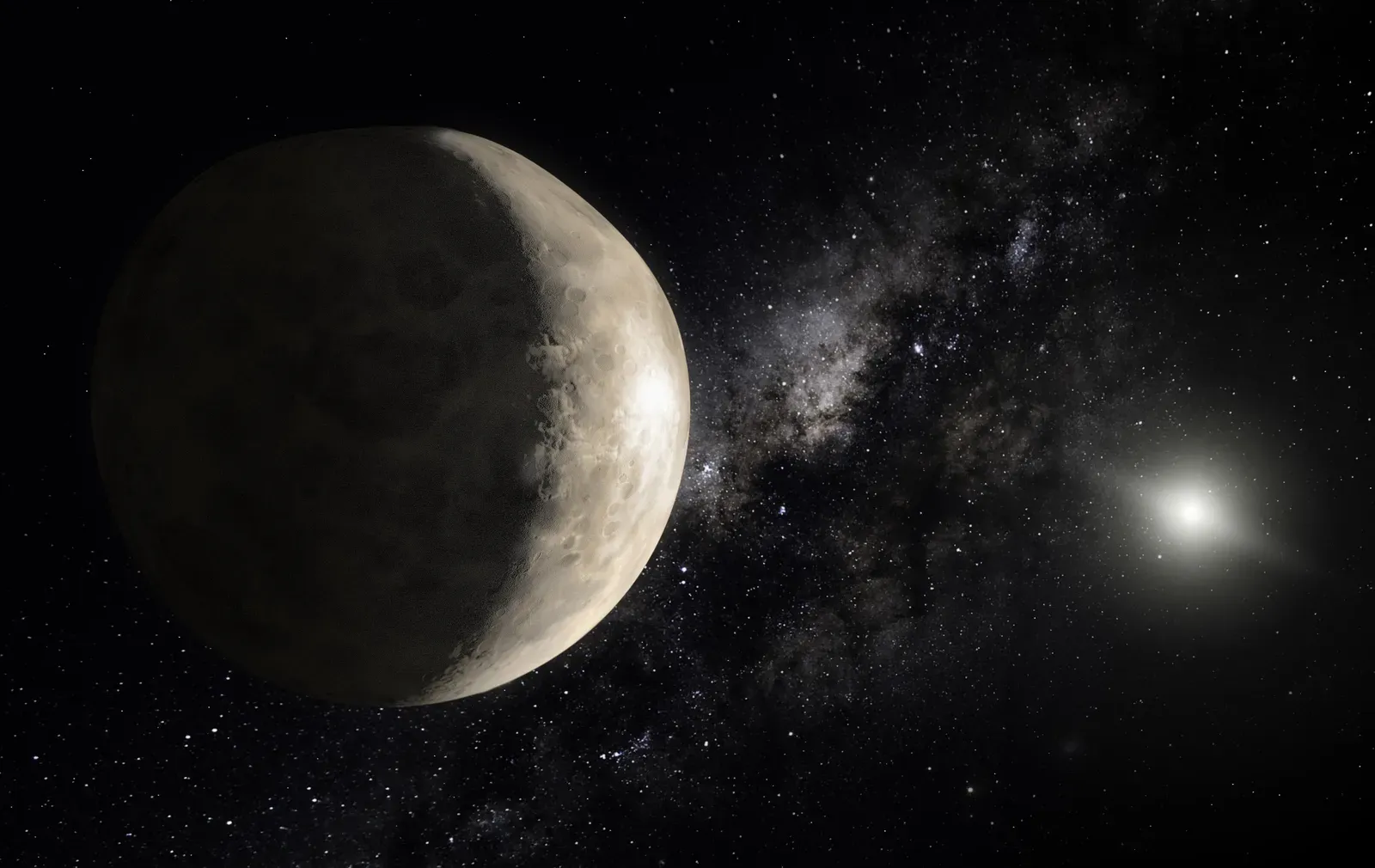
Pluto’s symbol was announced on May 1, 1930, a monogram of the letters PL, which could be interpreted to stand for Pluto or for Percival Lowell. Though Pluto is no longer classified as a major planet astronomically, its astrological significance hasn’t diminished in the slightest.
The planet pluto symbolizes power and transcendence, showing us how a person deals with power, as well as our ability to deal with rebirth and the concept of death and rebirth. Pluto’s energy is intense and transformative. It governs the psychological depths, hidden motivations, obsessions, and the parts of ourselves we’d rather not examine. Where Pluto sits in your chart marks where you’ll experience profound transformation, often through crisis or upheaval. These aren’t comfortable experiences, yet they’re necessary for growth. Pluto strips away what’s inauthentic to reveal what’s real underneath. In 2026, as collective transformation accelerates, understanding Pluto’s role in your chart offers insight into your personal evolution.
Conclusion: Ancient Symbols, Timeless Wisdom
Though zodiac signs and horoscopes might appear modern, astrology has profoundly shaped civilizations across millennia. These eight symbols represent far more than ancient superstition. They offer a framework for understanding the complex interplay of energies within yourself and in the world around you.
Each symbol carries layers of meaning developed over thousands of years by cultures seeking connection with something greater than themselves. Whether you view astrology as spiritual guidance or psychological metaphor, these symbols provide language for experiences that often feel impossible to articulate. They remind us that humans have always looked skyward for meaning, and that some questions remain eternal regardless of how much our technology advances. What patterns do you recognize in your own chart? The stars aren’t making you do anything, but they might just help you understand why you do what you do.