Think about your most cherished childhood memory. Maybe it’s your first day of school, a birthday party, or a family vacation. You probably recall it vividly, with clear details that feel absolutely real. Here’s the thing though: that memory you’re holding onto might not be as accurate as you think. Research now shows that our memories are far from the reliable recordings we believe them to be. Instead, they’re constantly shifting, reshaping, and even inventing details we never actually experienced.
Every time you recall a memory, you’re not simply pressing play on a mental video. You’re reconstructing it from bits and pieces, influenced by your current emotions, your expectations, and new information you’ve encountered since the original event. It sounds unsettling, right? Yet this is how our brains naturally work. Let’s explore the fascinating and sometimes troubling ways your memories transform over time, often without you even realizing it.
Your Brain Reconstructs Rather Than Replays
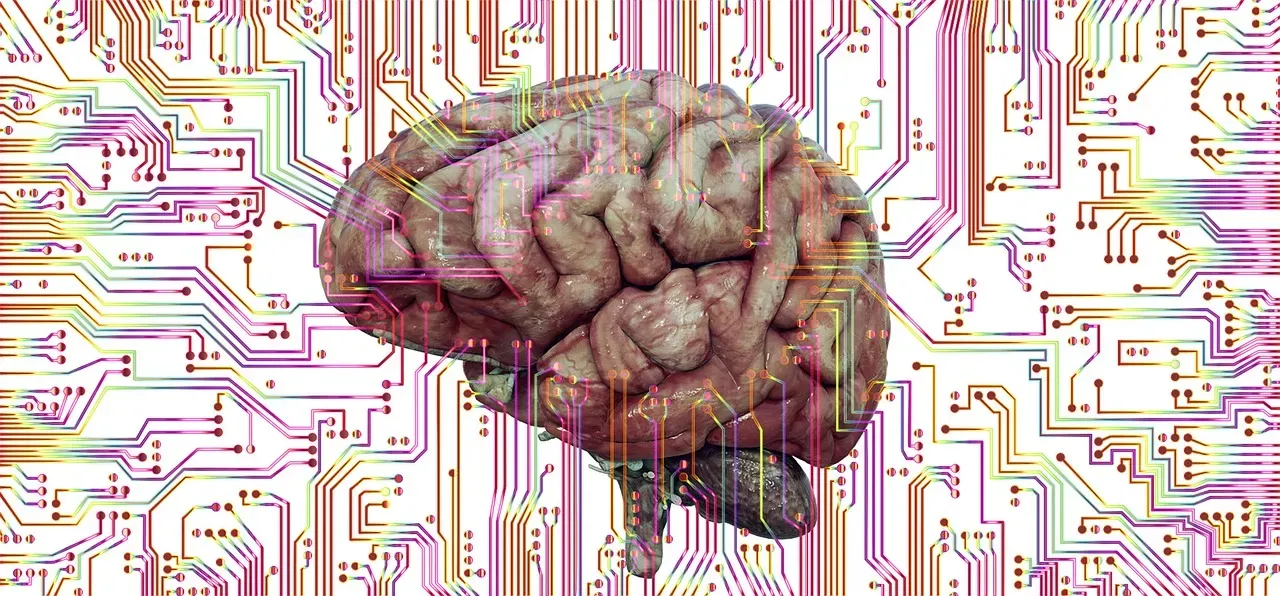
Memory is not a faithful reproduction of the past but rather an active reconstruction, influenced by your general knowledge, expectations, and assumptions about what must have happened. Think of it like a paleontologist assembling a dinosaur from scattered bone fragments. You’re filling in gaps based on what seems most likely, not what actually was.
Research reveals that our memories are not exact replicas of things we originally experienced, and sometimes we even remember events that never actually happened. This happens because memory retrieval involves multiple brain regions working together. When you remember something, different aspects of that memory are stored in separate parts of your brain. Your brain then stitches these fragments together, occasionally mixing in details from other experiences or even your imagination.
Each Time You Remember, You Change the Memory

Retrieving a memory might be similar to taking ice cream out of the freezer and leaving it in direct sunlight for a while, and by the time the memory goes back into storage, it might have naturally become a little misshapen. This is called reconsolidation, and it’s one of the most surprising discoveries about how memory works.
Every retrieval is actually a mini re-encoding process. A memory is not simply an image produced by time traveling back to the original event but can be an image that is somewhat distorted because of the prior times you remembered it. Studies have found that people who repeatedly recalled the location of objects on a grid actually remembered the location they recalled in previous sessions, not the original location. The act of remembering literally rewrote their memories. So that story you’ve told at family gatherings for years? It’s probably evolved quite a bit from what actually happened.
Your Brain Prioritizes Meaning Over Details

When retrieving information about a visual object, the brain focuses first on the core meaning, recovering the gist, and only afterwards recalls more specific details, which is in sharp contrast to how the brain processes images when it first encounters them. This reversal is pretty wild when you think about it.
With each retrieval, memories become more abstract and gist-like. Your brain basically decides that the overall story matters more than precise details. This is why you might remember the general feeling of your high school graduation but struggle to recall what the principal actually said. Your memory system is designed for efficiency, not accuracy. It holds onto what seems important and lets the rest fade or get filled in with plausible details.
False Memories Feel Completely Real
A false memory is a phenomenon where someone recalls something that did not actually happen or recalls it differently from the way it actually happened. The really unsettling part? False memories are not intentionally produced but rather occur due to errors of omission or commission. You’re not lying. You genuinely believe these fabricated memories are real.
Over time, false memories are more likely to be endorsed as real memories and these false memories tend to include more peripheral details with time. Laboratory studies have successfully implanted entirely false childhood memories in people’s minds through suggestion and repeated questioning. Participants came to vividly remember events that never happened, complete with sensory details and emotional responses. The malleability of memory isn’t just about forgetting. It’s about our brains actively creating fiction and presenting it as fact.
Emotional Memories Aren’t More Reliable

You might assume that highly emotional or traumatic events would be burned into your memory with perfect clarity. Unfortunately, that’s not how it works. Even emotional and traumatic flashbulb memories are susceptible to automatic distortions. Studies following people’s memories of major events like the September 11 attacks found something remarkable.
Memories of the details had changed in roughly two out of five people after one year and in nearly half after three years, yet despite the drop in memory accuracy, confidence in the accuracy of the memory remained high. People were absolutely certain their memories were correct, even when they demonstrably weren’t. This disconnect between confidence and accuracy is one of the most dangerous aspects of memory distortion, especially in contexts like eyewitness testimony.
Suggestion and Misinformation Easily Alter What You Remember

Vulnerability to the formation of false memory is linked to binding failures during encoding which can lead to the loss of distinctive memory sources that contribute to misattribution between different memories due to misinformation. Basically, when you encounter misleading information after an event, your brain can seamlessly integrate it into your original memory.
The famous research by Elizabeth Loftus demonstrated this repeatedly. People are more susceptible to distortions in their recollection after exposure to misleading information, and errors in encoding of original events may be misplaced by misleading information to fill in gaps in memory. Simply changing one word in a question about a car accident from “hit” to “smashed” led people to remember broken glass that wasn’t there. Your memories are shockingly vulnerable to outside influence, whether from leading questions, conversations with others, or even media coverage of events you experienced.
Talking About Memories With Others Changes Them

Have you ever discussed a shared experience with someone and found their version different from yours? Here’s where it gets interesting. Sometimes simply the act of rehearsing a memory can be exactly what makes it susceptible to change, a phenomenon known as retrieval-enhanced suggestibility. When you talk about memories with others, you’re especially vulnerable to incorporating their version into your own.
Studies show that if you practice recalling a memory and then encounter false information about it, you’re more likely to adopt those false details than if you hadn’t recalled it at all. Social relationships amplify this effect. You’re more likely to accept incorrect information from people you trust or feel close to. Those family stories that everyone tells slightly differently? Each retelling potentially reshapes everyone’s memory of the original event, creating a collective fiction that nobody realizes is wrong.
Age Intensifies Memory Distortion

As we age, a cascade of cognitive changes contributes to heightened vulnerability to false memories, including reduced recollective ability, reliance on gist information and familiarity-based monitoring mechanisms, as well as a reduced ability to inhibit irrelevant information. The aging brain becomes increasingly prone to memory errors, mixing up sources and filling in blanks with plausible but incorrect information.
Age-related declines in medial temporal and prefrontal brain areas correspond to impairments in associative binding and strategic monitoring. Older adults are more susceptible to false memories partly because the brain regions responsible for linking details together and checking the accuracy of memories don’t function as efficiently. This doesn’t mean all elderly memories are unreliable, but it does mean that with age, the risk of confidently remembering things that never happened increases significantly. It’s a natural part of how our cognitive systems change over time.
Understanding Memory’s Imperfection Changes Everything

Memory is a reconstructive process that is susceptible to distortion, not the indelible recording most people assume it to be. This reality has profound implications for eyewitness testimony, recovered memories, and even how we understand our own personal histories and identities. The stories we tell ourselves about who we are rely on memories that might be partially fictional.
Recognizing that memory is imperfect doesn’t mean your experiences aren’t valid or real. It means understanding that your brain is doing its best to make sense of the world with limited and constantly evolving information. When memories do not exactly match past experiences, this doesn’t have to be a bad thing, as memory changes might actually be due to a useful mechanism: updating old beliefs through prediction errors when new information is available. Your flexible memory system allows you to learn, adapt, and integrate new knowledge. The trade-off is that perfect accuracy gets sacrificed for functionality. So next time you’re absolutely certain about a memory, consider that your brain might have quietly edited the footage without telling you. What details from your past do you think might have shifted without you realizing it?