
Have you ever wondered why some people seem to radiate contentment while others constantly chase satisfaction without ever finding it? You’re probably thinking it’s luck or genetics, right? Here’s the thing though. Research spanning nearly a century has revealed that lasting happiness isn’t about winning the lottery or landing your dream job. It’s actually rooted in specific daily habits that shape how you experience life. These aren’t complicated rituals requiring hours of your time. They’re simple practices that, when woven into your routine, fundamentally transform your sense of well-being and purpose. Let’s dive into what science reveals about building a genuinely fulfilling life.
Cultivating Deep, Meaningful Relationships

The study’s number one takeaway is that good relationships, from casual social interactions to life partnerships, make us happier, healthier and lead to living longer. This comes from research spanning over eight decades, tracking real lives through marriages, careers, setbacks, and triumphs. Think about it for a moment. When was the last time you felt truly seen by someone? That connection matters more than you probably realize.
Several studies found that people’s level of satisfaction with their relationships at age 50 was a better predictor of physical health than their cholesterol levels were. Your friendships and close bonds literally shape your biology. Honestly, we often prioritize work deadlines and financial goals over nurturing connections, believing success will bring happiness. Yet the data suggests we’ve got it backwards. People who are more connected to family, to friends, and to community, are happier and physically healthier than people who are less well connected, and it suggests a practical way to improve our lives – by nurturing our relationships, no matter how bad things are.
Practicing Gratitude Regularly

Practicing gratitude significantly enhances happiness by rewiring the brain to focus on positive experiences, and studies show that gratitude journaling improves emotional well-being and life satisfaction. I know it sounds almost too simple to be effective. You might be rolling your eyes thinking this is just another wellness trend. Still, neuroscience backs this up in fascinating ways.
Neuroscience research indicates that expressing gratitude increases dopamine and serotonin levels, fostering long-term happiness. These are the same chemicals pharmaceutical companies try to manipulate with medications. You’re essentially giving yourself a natural mood boost by acknowledging what’s going well. The key isn’t writing elaborate essays about thankfulness. Jotting down a gratitude list whilst on the train to work or ending each day by naming three good things that happened that day, for example by journalling can create measurable shifts in your brain chemistry over time.
Investing in Physical Activity

Your body and mind aren’t separate entities operating independently. Regular physical activity enhances happiness by boosting endorphins and reducing stress levels, and studies show that exercise promotes neuroplasticity, improving mental well-being and emotional stability. Let’s be real, most of us know exercise is beneficial, yet we still struggle to make it happen consistently.
The trick isn’t signing up for an intense boot camp that you’ll hate and quit within weeks. It’s finding movement that feels good to you personally. Maybe it’s dancing in your living room, walking through your neighborhood while listening to podcasts, or playing recreational sports with friends. The benefit comes from consistency, not intensity. When you move your body regularly, you’re not just maintaining physical health. You’re actively building the neurological infrastructure that supports resilience and positive emotions. Think of it as upgrading your brain’s operating system through physical means.
Embracing Mindfulness and Present-Moment Awareness
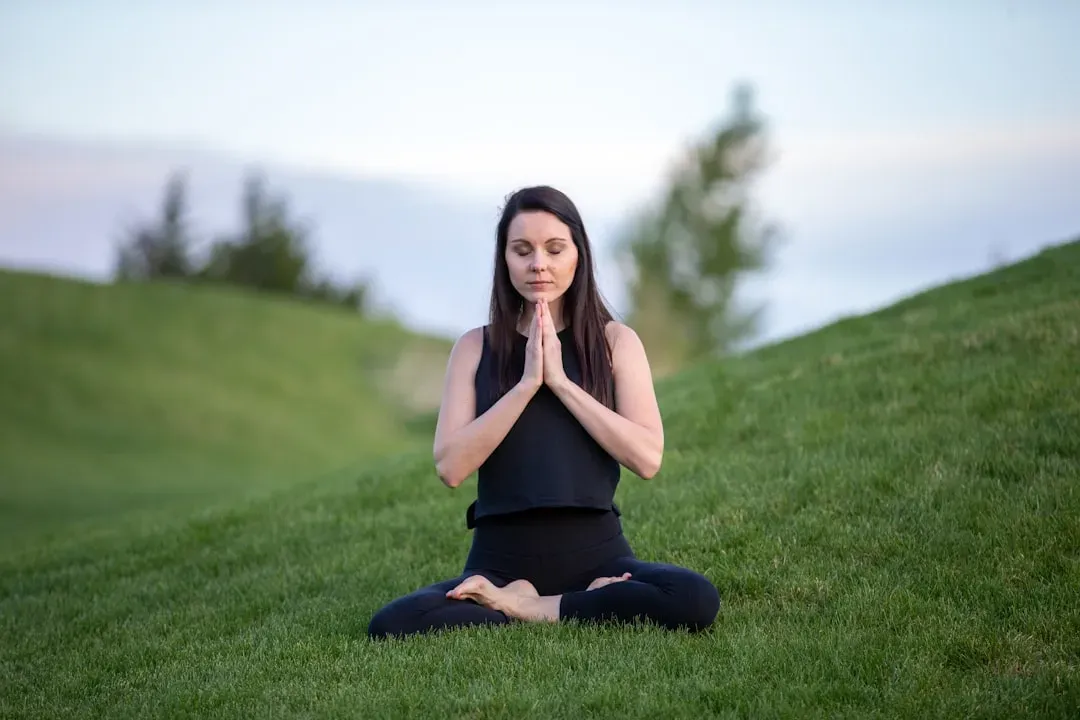
Mindfulness and meditation enhance happiness by reducing stress and increasing emotional awareness, and studies show that mindfulness meditation significantly improves overall well-being and mental clarity. How often do you actually experience the moment you’re in? If you’re like most people, you’re mentally somewhere else most of the time, replaying past conversations or rehearsing future scenarios.
Neuroscientific evidence supports the idea that long-term meditation strengthens brain regions associated with happiness, and practicing mindfulness regularly enhances focus and self-awareness, leading to a greater sense of fulfillment. The beautiful part about mindfulness is that you don’t need to become a meditation master sitting cross-legged for hours. Mindful eating means paying attention to the taste, texture, and aroma of your food, mindful walking focuses on the feeling you experience while walking, such as the movement of your feet and the feeling of the ground beneath you, and grounding exercises bring your attention to your five senses to ground yourself in the present moment.
Identifying and Using Your Strengths

Having an awareness of our strengths, while using them in some way, is associated with mood improvements, and researchers have also found that identifying our top strengths and using them actively can increase our happiness. Here’s something fascinating about human psychology. We spend enormous amounts of energy trying to fix our weaknesses while neglecting the talents that come naturally to us.
You probably have certain activities where time just disappears. Maybe you’re exceptionally good at connecting people, solving complex problems, creating beautiful things, or making others feel comfortable. If one of your key strengths is creativity, you might decide to make a painting, work on a short story, and cook something you love in a new way. Applying your natural abilities in various contexts doesn’t just make you more effective. It generates a sense of authenticity and satisfaction that external achievements can’t replicate. When you’re operating from your strengths, life feels less like an uphill battle and more like a natural expression of who you are.
Pursuing Purpose Beyond Yourself

The happiest and most satisfied adults were those who managed to turn the question ‘What can I do for myself?’ into ‘What can I do for the world beyond me?’ There’s something profoundly fulfilling about contributing to something larger than your immediate concerns. It’s hard to say for sure, but I think this might be the most overlooked aspect of lasting happiness.
Commitment to compassion and altruism may help reset your happiness set point, as the trait most connected to long-term increases in life satisfaction, and helping others leads a person to be happier – perhaps due to higher self-esteem, a sense of self-worth, or a deeper sense of purpose, feeling that lives are important. You don’t need to quit your job and join the Peace Corps, though you certainly could. Purpose shows up in smaller ways too, like mentoring someone struggling in your field, volunteering a few hours monthly for a cause you care about, or simply being the person who shows up reliably for friends and family. When your daily actions connect to values beyond personal gain, satisfaction deepens in ways that material success never quite achieves.
Building Resilience Through Optimistic Thinking

Life will knock you down. That’s not pessimism, just reality. Positive emotions predicted increases in both resilience and life satisfaction, and change in resilience mediated the relation between positive emotions and increased life satisfaction, suggesting that happy people become more satisfied not simply because they feel better, but because they develop resources for living well. The habit that matters isn’t avoiding difficulties but rather how you mentally frame them when they arrive.
An 8-months long experimental study examined the immediate and longer-term effects of regularly practicing two assigned positive activities – expressing optimism and gratitude – on well-being, and this intervention allowed exploration of the impact of self-selection and continued effort. Optimistic thinking doesn’t mean pretending problems don’t exist or plastering on a fake smile. It means looking for growth opportunities within challenges and believing you have some agency in shaping outcomes. Resilience is the ability to bounce back from adversity, and positive psychology teaches people to develop resilience through intentional strategies, such as reframing negative events, fostering a growth mindset, and building supportive relationships, helping people recover quickly from setbacks and maintain emotional stability in challenging times.
Conclusion

No matter how old or how content you might currently feel, it is never too late to steer your life toward a greater sense of purpose and satisfaction. These seven habits aren’t magic bullets that instantly transform your existence. They’re more like compound interest for your emotional well-being. Small, consistent investments accumulate over time into something substantial.
The beauty of this research is its practicality. You don’t need special equipment, expensive programs, or perfect circumstances to begin. Start with one habit that resonates most deeply with you right now. Maybe it’s reconnecting with an old friend, starting a simple gratitude practice, or taking evening walks. The journey toward lasting fulfillment isn’t about reaching some distant destination where you’ll finally be happy. It’s about the quality of the path you’re walking today. What habit will you choose to cultivate first?