

You’ve probably seen countless images of dinosaur eggs in museums or movies, right? Maybe you’ve even imagined them as simple, dull, round objects that all looked pretty much the same. Well, here’s the thing: that mental picture is way off.
Dinosaur eggs varied greatly in size and shape, and honestly, the more you dig into the science, the more you realize just how wildly different they were. We’re talking about eggs that came in nearly every shape imaginable, colors that rivaled modern bird eggs, and nesting behaviors that would surprise you. Let’s dive into the fascinating, often underappreciated world of dinosaur reproduction.
Not All Eggs Were Hard as Rock
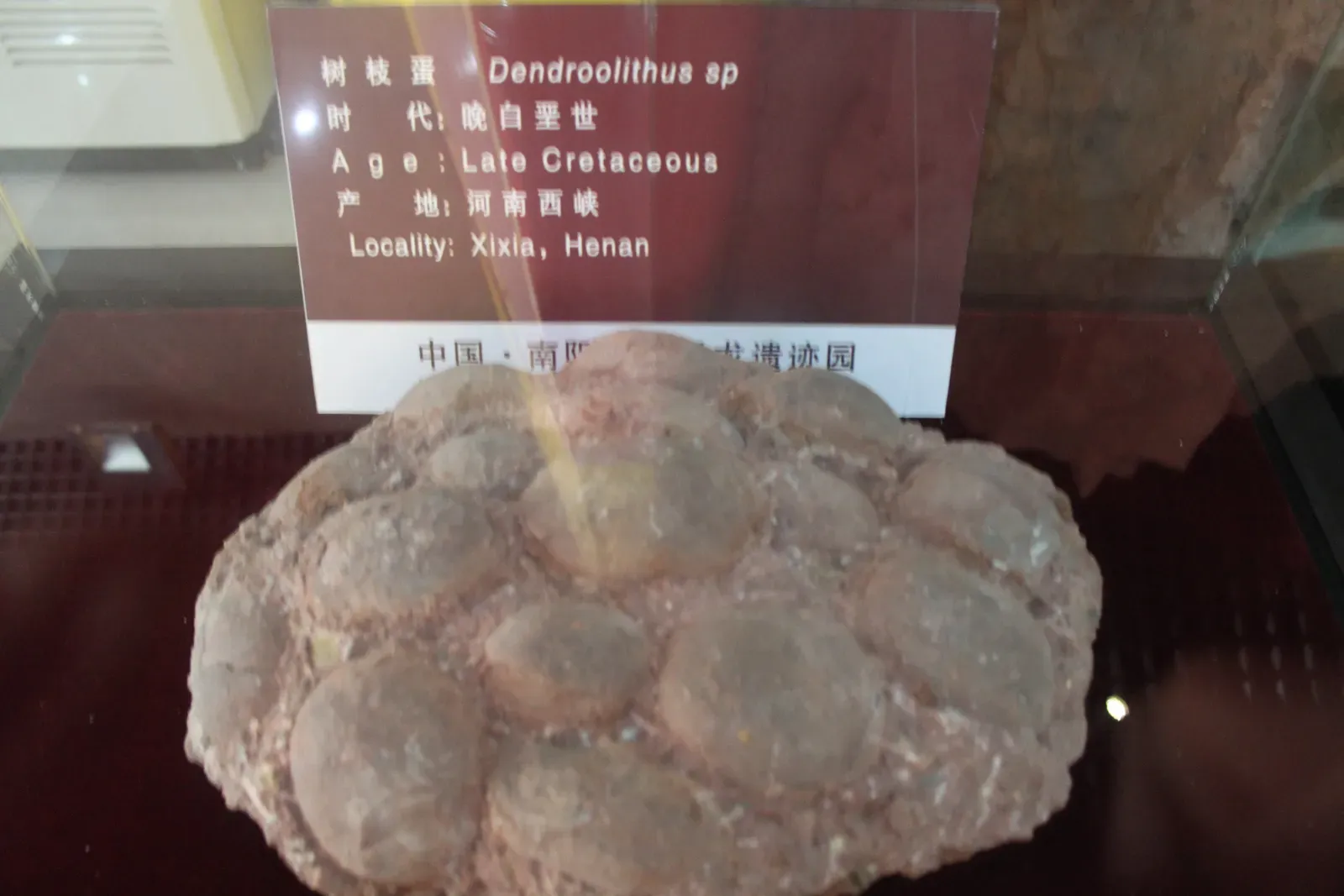
For decades, scientists assumed every dinosaur laid hard-shelled eggs. That seemed logical since birds and crocodiles, the closest living relatives of dinosaurs, both lay hard-shelled eggs. For more than a century, most paleontologists hypothesized that all dinosaurs laid hard-shelled eggs because the closest living relatives of dinosaurs, crocodilians and birds, also lay hard-shelled eggs.
In 2020, however, that assumption was completely overturned, and the revelation was that some dinosaurs laid soft-shelled eggs. Early Jurassic fossils provided strong evidence for the earliest known leathery eggs, and comprehensive analyses demonstrated that the first dinosaur eggs were probably leathery, elliptical and relatively small. It’s hard to say for sure, but this discovery changed everything about how we view dinosaur reproduction.
Colors That Would Blow Your Mind
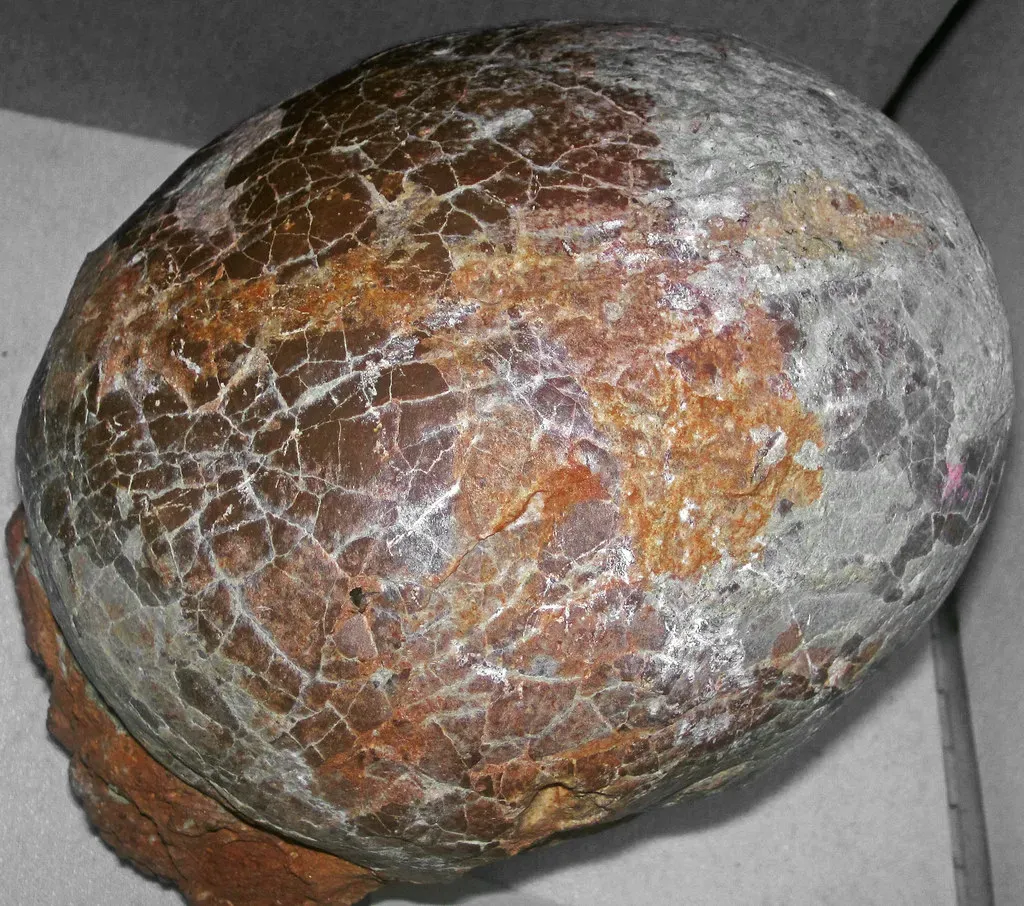
Ever wonder if dinosaur eggs were boring white or beige like you’d expect from a reptile? Think again. Colored eggs evolved deep within the dinosaur tree and long before the spectacular radiation of modern birds, likely more than 150 million years ago. This means vivid blues, greens, browns, and even speckled patterns decorated the shells of certain dinosaur species.
The oviraptorid Heyuannia and the famous sickle-clawed dromaeosaur Deinonychus turned out to have laid colorful blue-green eggs, while some troodontid eggs were found to have been brown, while others were white with speckled or spotted patterns. Researchers used a technique called Raman microspectroscopy to detect pigments in fossilized shells. Tinted shells probably camouflaged dinosaur eggs from predators, whereas distinctive speckling patterns may have helped parents distinguish their own eggs from those of cuckoolike dinosaurian nest parasites. The variety is stunning when you really think about it.
Shapes as Unique as Fingerprints
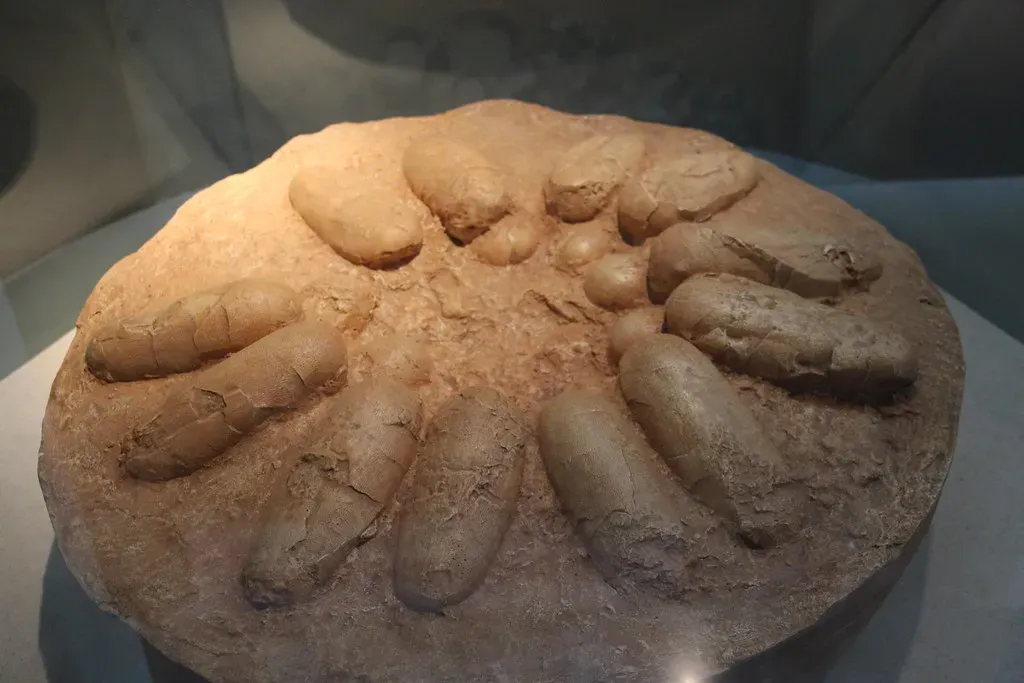
Dinosaur eggs ranged in shape from spherical to highly elongated, with some specimens three times longer than they are wide, and some elongated eggs were symmetrical, whereas others had one rounded end and one pointed end similar to bird eggs. Let’s be real: if you saw a lineup of different dinosaur eggs, you’d be shocked by the range.
Most elongated eggs were laid by theropods and have an avian-like eggshell, whereas the spherical eggs typically represent non-theropod dinosaurs. Troodon eggs were ovoid but stretched out, looking almost like elongated ovals. Meanwhile, hadrosaurs laid spherical eggs with an almost perfect roundness. The shapes weren’t random either. They likely reflected the environment where eggs were laid and how parents arranged them in nests.
Size Mattered More Than You Think
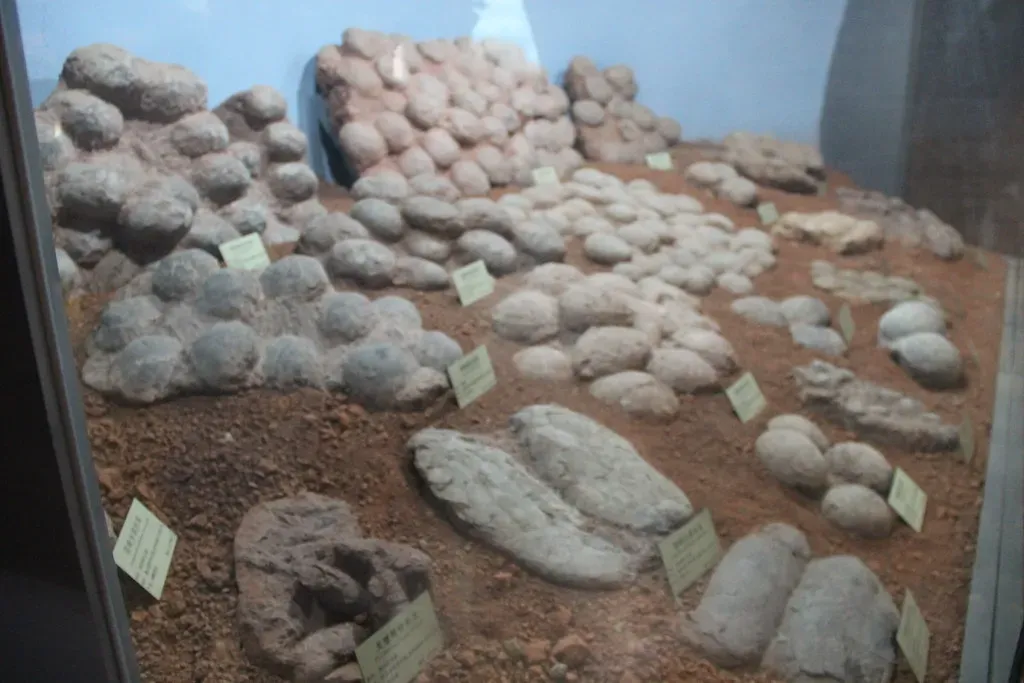
How big were these eggs anyway? Some were as tiny as a few centimeters, while others reached massive proportions. The biggest could be 60cm in length, which is four times the size of an ostrich egg, while others were as little as 5cm long.
The largest known dinosaur eggs belonged to the Megaloolithus group, though interestingly, even the largest dinosaur eggs are smaller than the largest known bird eggs, which were laid by the extinct elephant bird. Size constraints existed because bigger eggs required thicker shells, which made gas exchange harder for the developing embryo. Dinosaurs had to balance protection with the baby’s ability to breathe inside. Nature always finds a way to complicate things.
Shell Structures That Tell a Story
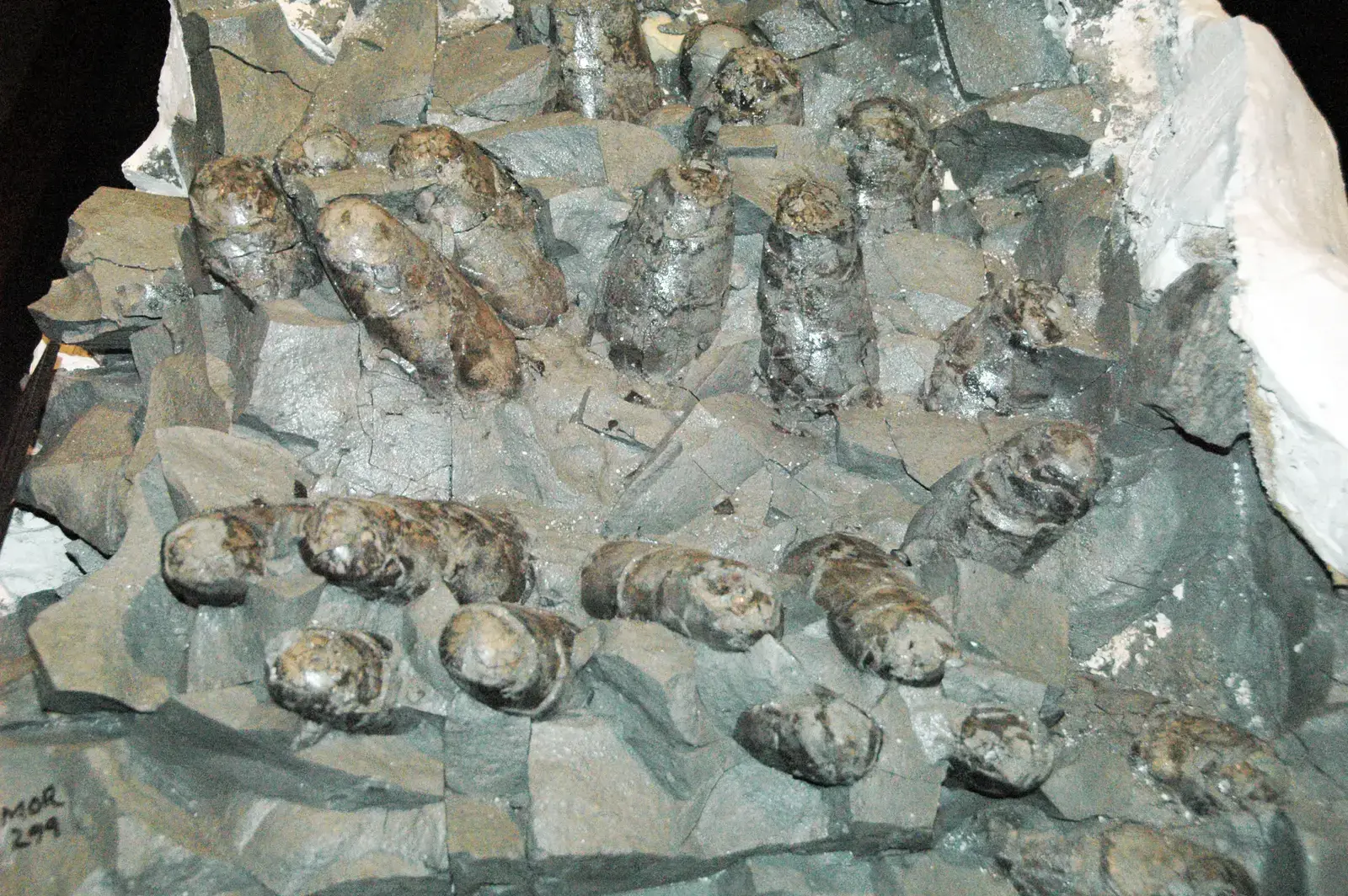
You might think eggshells are just boring barriers, but they’re actually incredibly complex. Dinosaur eggshells exhibited a lot of diversity in pore size, density, and shape. These tiny pores allowed gas exchange between the embryo and the outside world. Scientists can study pore patterns to figure out whether eggs were buried or left exposed.
Dinosaur eggshells were divided into one, two, or three layers of distinct ultrastructure, and the innermost layer, known as the mammillary layer, was only found in theropod eggs. The structure varied wildly between species. Some eggs had thick, robust shells built for harsh environments, while others had thin, delicate shells suited for more protected nesting sites. Each shell tells its own survival story.
Nesting Behaviors Were All Over the Map
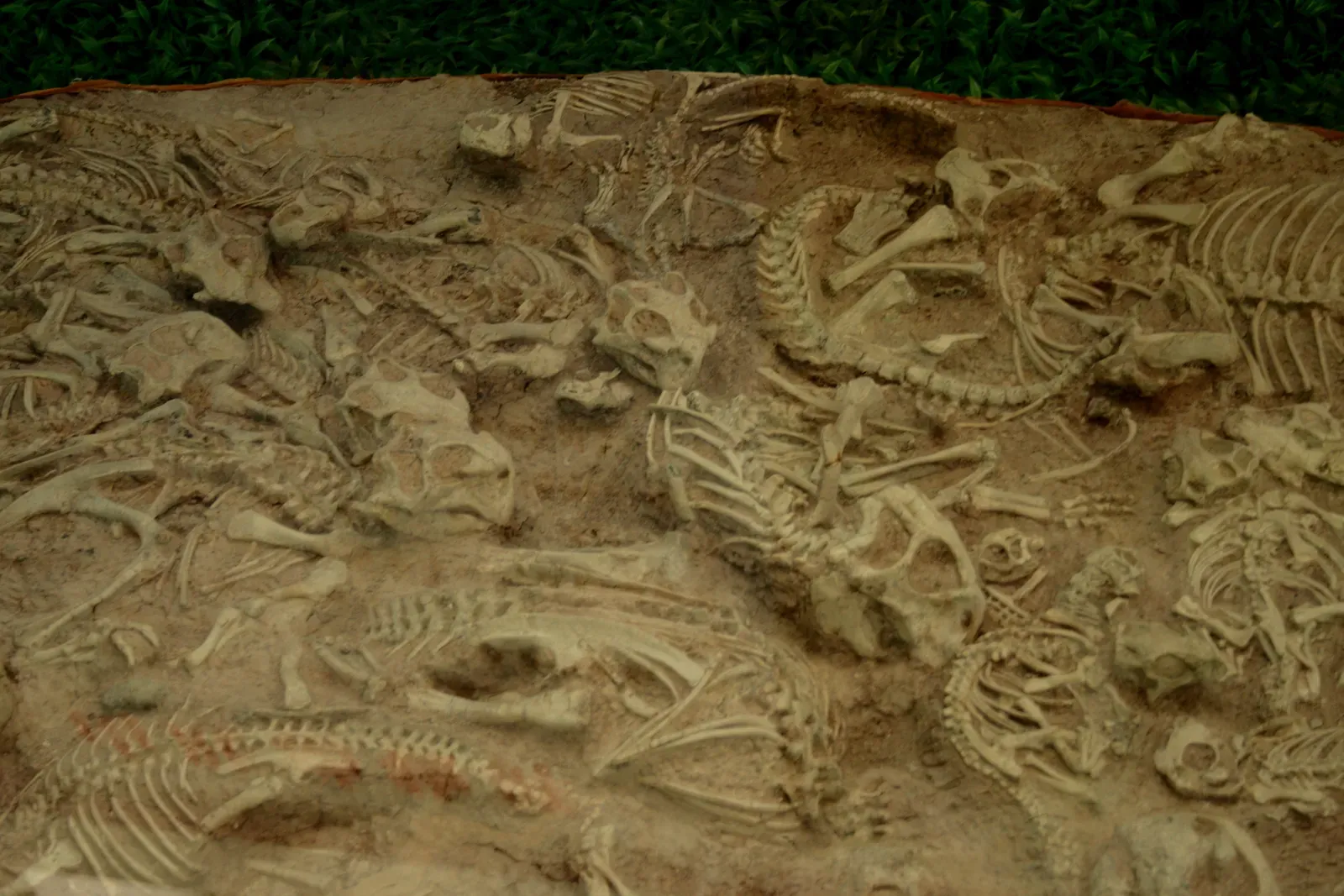
Dinosaurs weren’t all the same when it came to caring for their young. Some buried their eggs and walked away, never to return. For most dinosaurs, clutches consisted of a single layer of spherical to sub-spherical, highly porous eggs that were probably fully buried. Sauropods, the long-necked giants, likely buried their eggs in mounds of vegetation or soil, letting decomposition provide heat.
Other dinosaurs, particularly certain theropods, sat on their nests like modern birds. Both eggs and clutch form changed drastically with pennaraptoran theropods, where far less porous, more elongate eggs were arranged with additional complexity and only partially buried. One remarkable find was in Montana, where fossils of duckbill dinosaurs, including eggs, nests, hatchlings, juveniles, and adults were found together in one death assemblage, and some paleontologists think this site was a nesting colony, where adult dinosaurs cared for their young during the first several months after hatching. Honestly, the idea of dinosaur daycare centers is pretty wild when you stop and consider it.
Why Eggs Were So Rarely Fossilized
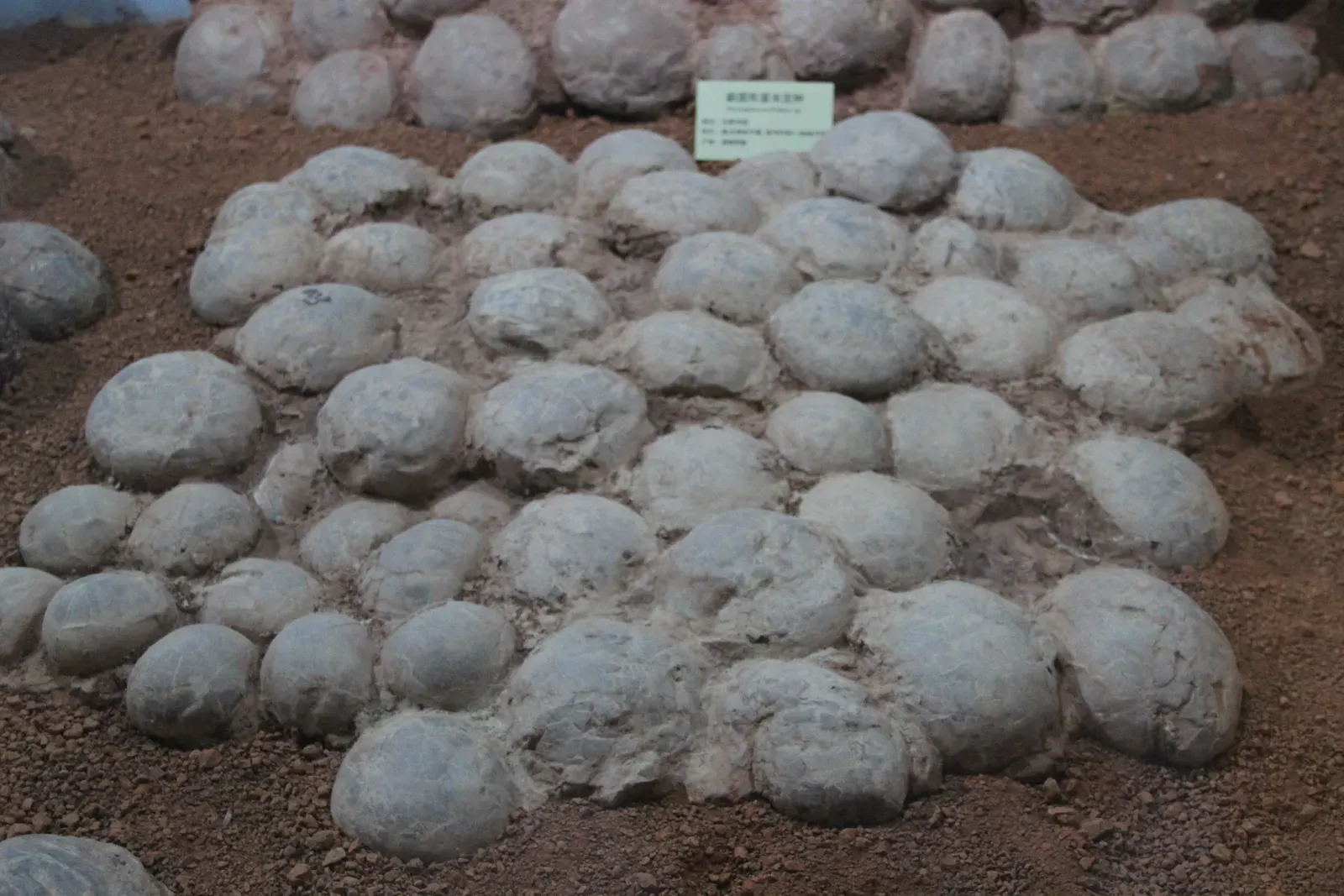
Fossilized dinosaur eggs are really rare because eggs are more fragile than bones, making them harder to preserve. Think about it: eggs are designed to be temporary structures. Once the baby hatched, the shell was left behind, vulnerable to destruction from scavengers, weather, and time.
It’s even harder to find an egg with a baby dinosaur embryo inside because dinosaur eggs were porous, meaning bacteria could get inside and demolish the embryo before the egg could be preserved. The few embryos we’ve found are like winning the fossil lottery. Crystal-filled dinosaur eggs from Qianshan and embryo-rich clutches from Jiangxi gave scientists rare snapshots of reproduction close to the end of dinosaur history, showing how eggshells evolved in different groups and providing information on nest density and how embryos developed in regions with warm, sometimes drying climates. Each discovery adds another piece to the puzzle.
The world of dinosaur eggs is far richer and stranger than most people imagine. From soft, leathery shells to vibrant colors, from perfectly spherical shapes to elongated ovals, these ancient relics reveal a level of diversity that rivals anything we see in modern birds. Next time you think about dinosaurs, remember: even their eggs had personality. What do you think? Did any of these facts surprise you?