If you sat in a classroom in the mid‑1980s staring at a poster of a swampy, tail‑dragging Brontosaurus, you were basically looking at science fan fiction. Paleontology has changed so fast that a lot of what teachers confidently told kids back then now lands somewhere between charmingly outdated and flat‑out wrong. The last few decades brought new fossils, powerful scanning tech, and a totally different way of thinking about dinosaurs as living animals instead of lumbering monsters.
What makes this wild is that none of those teachers lied; they just passed along the best ideas people had at the time. Science is meant to rewrite itself, and dinosaurs are one of the clearest examples. Let’s walk through seven “facts” many kids were taught roughly forty years ago that simply did not survive the fossil evidence, and see how our picture of dinosaurs has been flipped on its head.
1. Dinosaurs Were Just Giant Lizards
For a long time, schoolbooks described dinosaurs as oversized reptiles that were basically lizards scaled up to bus size. You might remember drawings with dry, scaly skin and a kind of blank, cold stare, as if a Komodo dragon had been stretched into the shape of a T. rex. This idea came from the nineteenth‑century origins of dinosaur science, when the very word “dinosaur” was coined from Greek roots meaning “terrible lizard.” It sounded poetic, and the label stuck in classrooms for generations.
But anatomically, dinosaurs are not just pumped‑up lizards, and some are not very lizard‑like at all. They belong to their own distinct group of reptiles, and birds actually sit inside the dinosaur family tree, making them living dinosaurs in a technical sense. If you want a closer modern cousin to a Velociraptor, you look at birds of prey, not iguanas in a terrarium. That old “giant lizard” line is a bit like calling a jet plane a “big bicycle” just because they both have wheels.
2. Dinosaurs Were All Cold‑Blooded, Slow, and Stupid
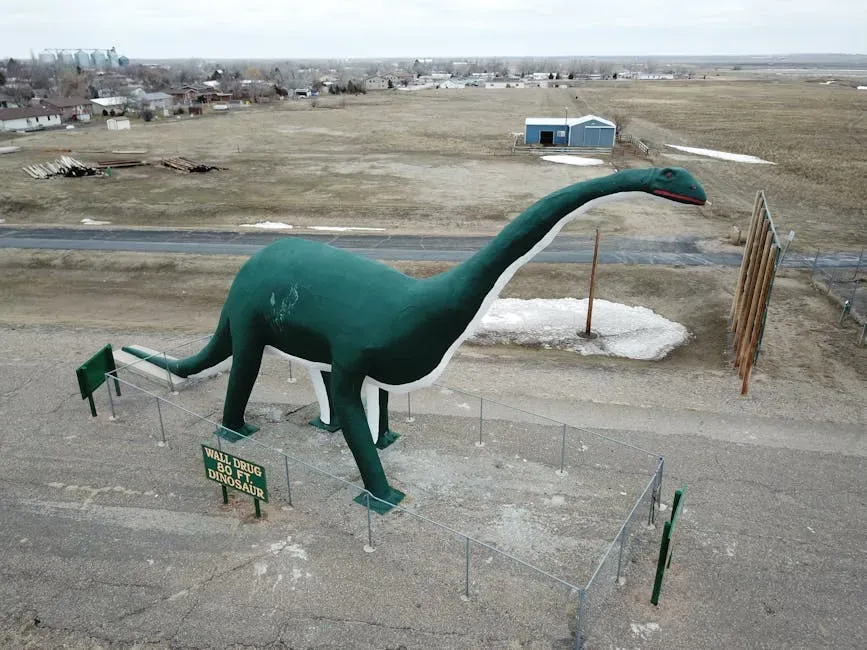
Another school classic claimed dinosaurs were cold‑blooded like modern snakes, which supposedly meant they spent their lives in sluggish slow motion. Textbooks would show huge sauropods half‑submerged in swamps to support this image, as if they were too heavy and too lazy to do much more than float there and chew. The stereotype extended to their brains too: dinosaurs were often described as dim‑witted, with tiny brains and simple behaviors, doomed to failure by their own stupidity.
Evidence gathered since the late twentieth century paints almost the opposite picture. Bone structure, growth rates, and the arrangement of blood vessels in some fossils suggest dinosaurs had active metabolisms that sat somewhere between modern reptiles and birds or mammals, and many seem to have led fast‑paced, energetic lives. Trackways show complex movement and herding, fossil nests reveal careful parenting in some species, and the predators that successfully chased agile prey were clearly not plodding half‑asleep creatures. The idea that dinosaurs were slow and dumb says more about old scientific biases than it does about the animals themselves.
3. Brontosaurus Was Not a Real Dinosaur (Until It Was Again)
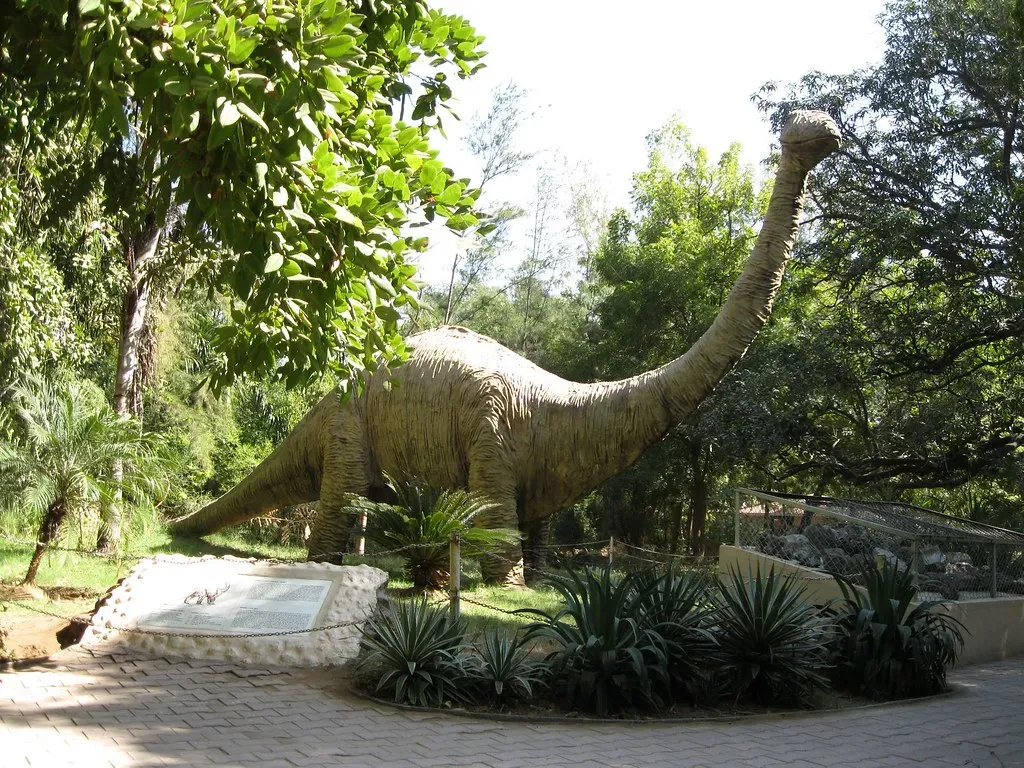
If you grew up in the 1980s, there’s a good chance a teacher told you Brontosaurus was a made‑up name and that the “real” dinosaur was called Apatosaurus. For decades, scientific consensus held that fossils originally labeled Brontosaurus were actually examples of Apatosaurus, and the older name had official priority. School materials corrected the record with a certain smug satisfaction, treating Brontosaurus as a pop‑culture mistake that people needed to outgrow. Kids were often instructed to stop saying Brontosaurus entirely.
Fast‑forward to detailed studies in the twenty‑first century, and things got messier and more interesting. Researchers re‑examined large numbers of long‑necked sauropod skeletons with precise measurements and concluded there are consistent differences that justify reviving Brontosaurus as a distinct genus again. In other words, that childhood correction itself turned out to be incomplete. The twist is almost comedic: the “fact” that Brontosaurus was not real became the outdated myth, and the dinosaur many kids secretly loved got scientific redemption.
4. Stegosaurus Had a Second “Brain” in Its Hips
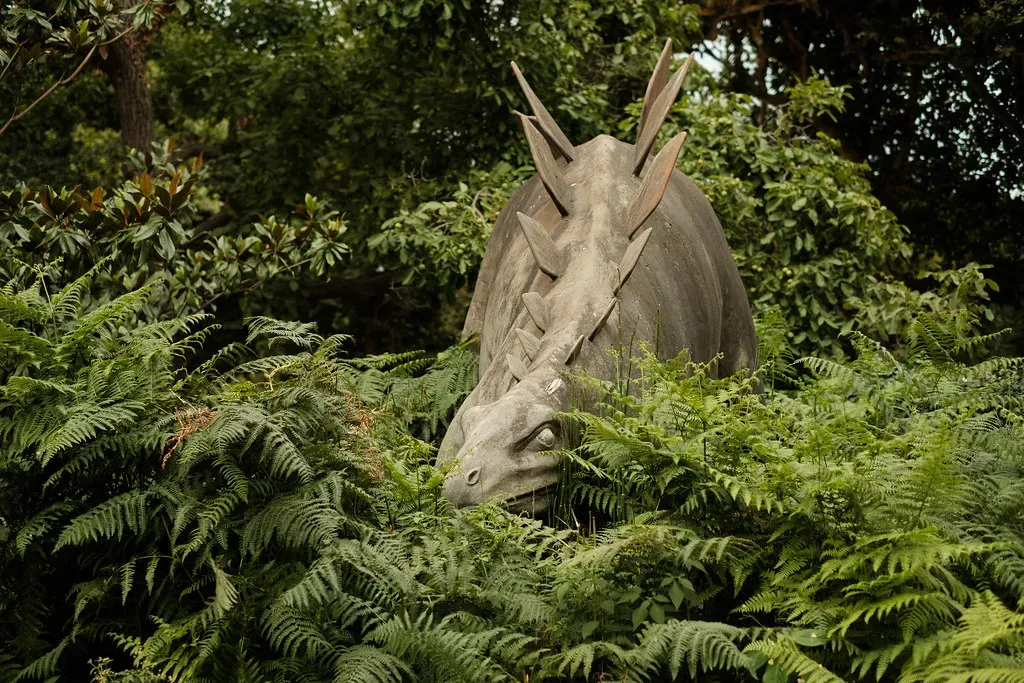
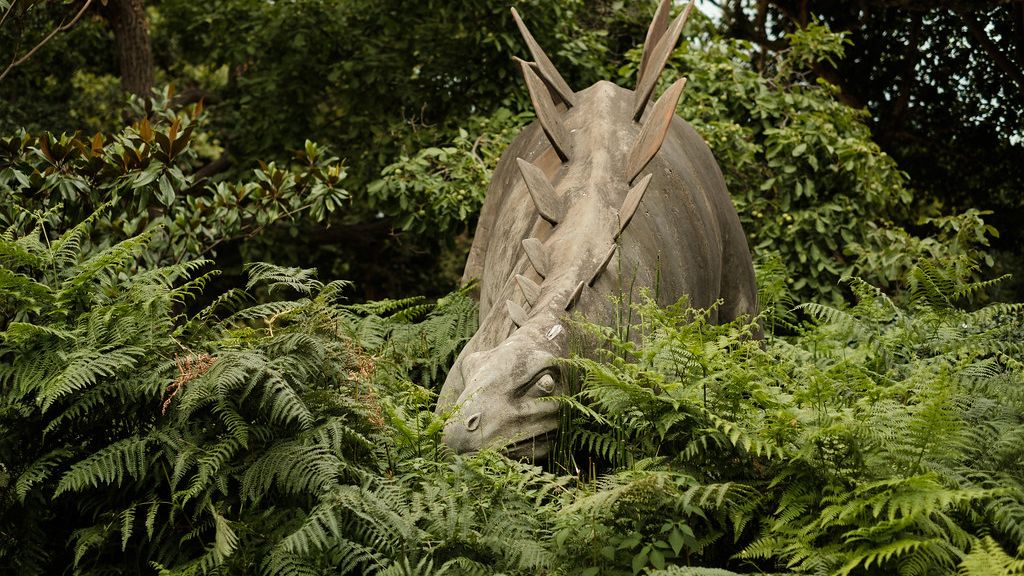
One of the most memorable claims from older dinosaur books was that Stegosaurus had a second brain in its hips to help control its huge body. The story came from a cavity in the spinal region near the pelvis that early researchers did not fully understand. Faced with a small braincase in the skull and a big animal with a lot of tail, they speculated that the extra space might have housed a kind of auxiliary brain. That idea spread into children’s education with almost no hesitation because it sounded so dramatic and clever.
Later studies showed that the cavity is better explained as an expansion in the spinal cord area, possibly connected to a glycogen body or other tissue, similar to structures found in modern birds. It was not a second brain doing independent thinking; it was more like a thickened nerve center tied to the spinal cord. Stegosaurus was likely not especially bright, but it did not need duplicate brains to move its tail or walk around. This myth is a good reminder that when something in nature seems weird, we should be patient with the mystery rather than filling it in with the most entertaining guess.
5. All Dinosaurs Went Completely Extinct
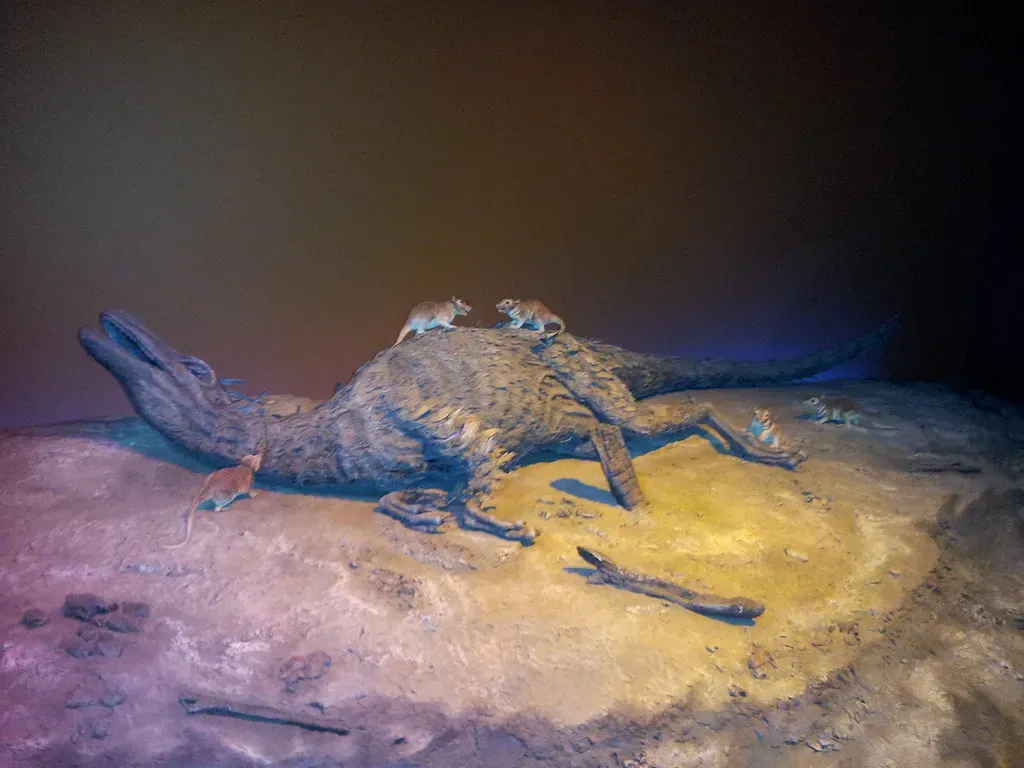
Forty years ago, the extinction story was usually told as a hard full stop: dinosaurs ruled the Earth, then some catastrophe happened, and they all vanished forever. Teachers might have ended the tale with a dramatic line about how these giants were gone and nothing like them would ever return. Birds barely entered the conversation, except maybe as a totally separate chapter about modern animals. The mental image was clean and absolute: dinosaurs were a failed experiment, permanently erased.
Today, the mainstream view is that one branch of theropod dinosaurs survived and evolved into birds, meaning birds are not just “related to” dinosaurs; they literally are small, feathered dinosaurs that made it through the mass extinction. When you watch a crow problem‑solve or a hawk hunt, you are watching the distant descendants of animals that shared the planet with Triceratops. The old “all dinosaurs are extinct” line has been retired, replaced by a subtler story where most dinosaurs died out, but one lineage reinvented itself into the sky.
6. Dinosaurs Had Bare, Reptile‑Like Skin and No Feathers
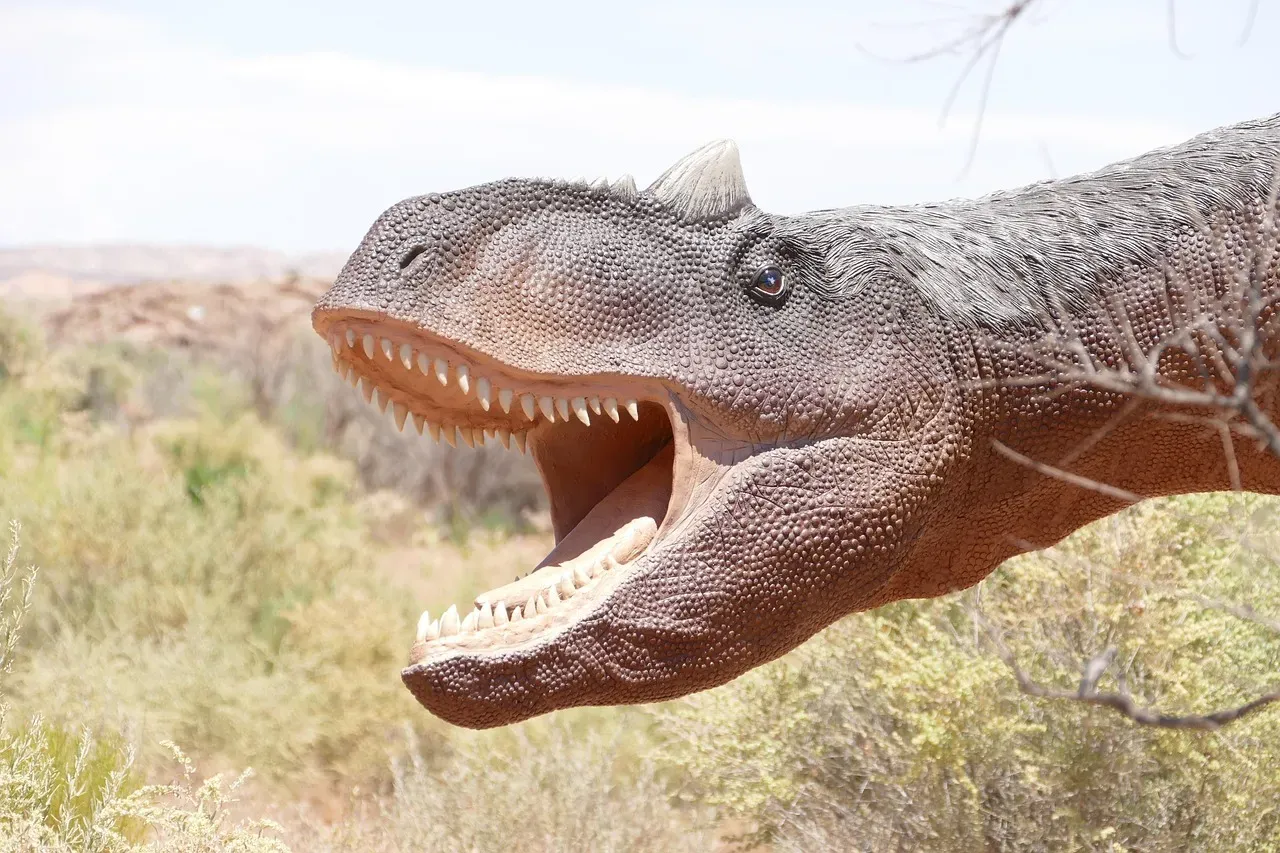
Those old classroom posters were almost aggressively scaly. T. rex was painted in dull greens and browns with crocodile skin, and even smaller species looked like they had come straight out of a lizard exhibit. Feathers on dinosaurs, if they were mentioned at all, were treated as wild speculation, sometimes even mocked as too strange to be worth discussing. Kids were encouraged to imagine Jurassic Park‑style creatures: naked skin, maybe a few spines, but absolutely no fluff.
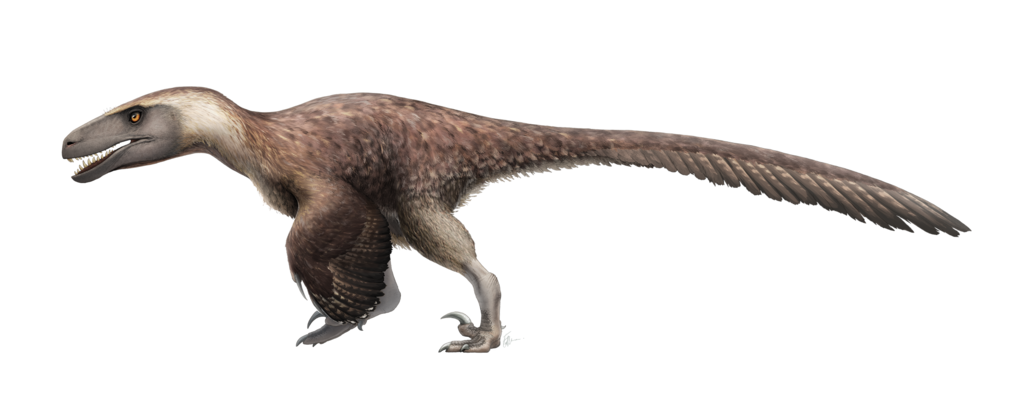
Fossil discoveries from the 1990s onward, especially from sites in China, changed that image in a way that now feels irreversible. Many small theropods preserve impressions of feathers, from simple filaments to complex, branching structures very similar to those seen in birds. Some larger predators and even a few plant‑eating species show evidence for filamentous coverings as well, suggesting feathers were far more widespread than anyone teaching in the 1980s was told to believe. The modern mental picture mixes scales, armor, and feathers, and that fuzziness actually makes dinosaurs feel more like real animals and less like movie monsters.
7. Tyrannosaurus Rex Could Barely See and Was Mostly a Scavenger
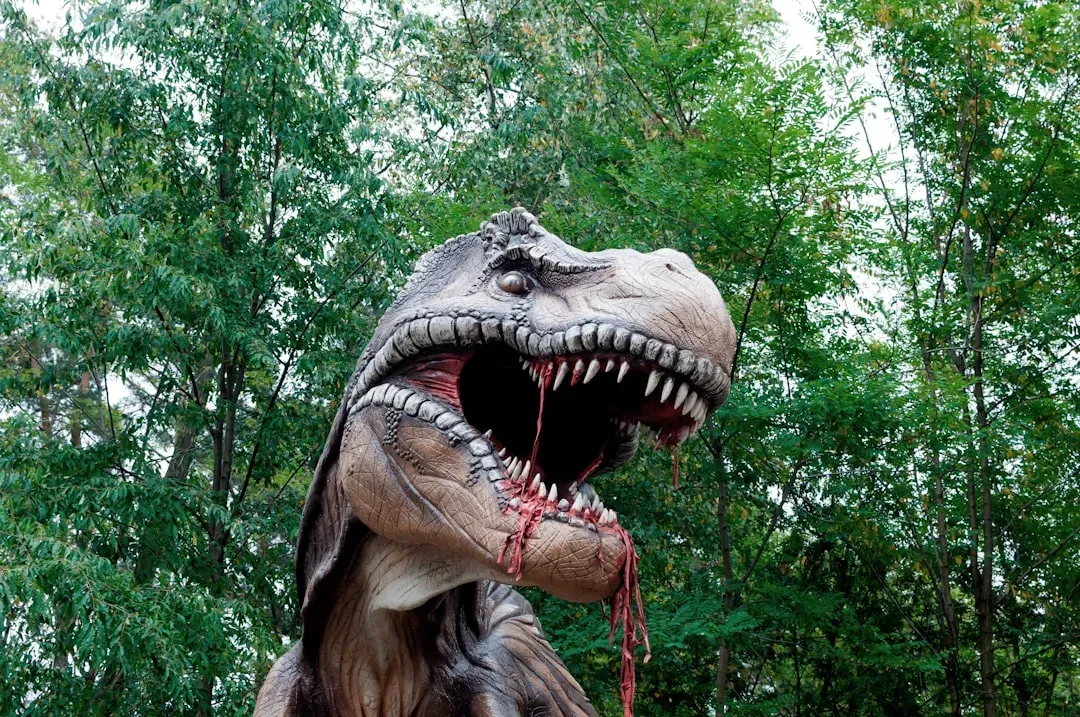
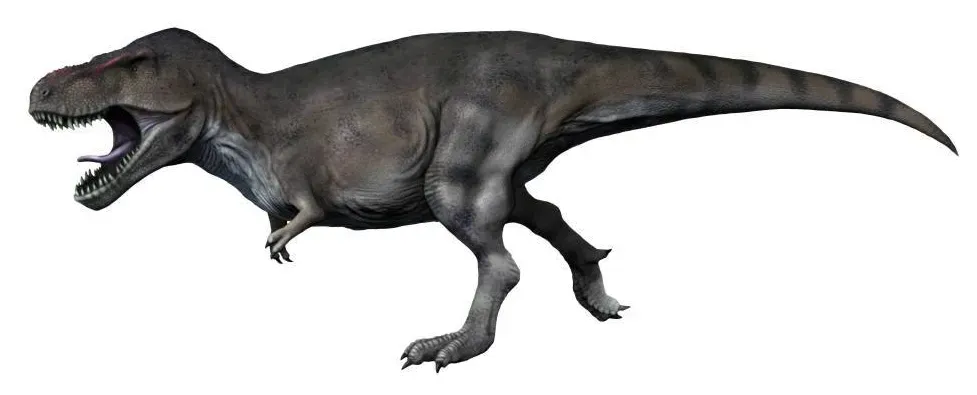
One of the more dramatic “facts” that made the rounds in the late twentieth century was the idea that T. rex had terrible vision and relied on movement to see, almost like a movie monster that could be fooled if you held perfectly still. Alongside that went the suggestion that it was mainly a scavenger that lumbered around sniffing out carcasses, too slow and clumsy to be a serious active hunter. This version of T. rex showed up in documentaries, lessons, and playground debates, reshaping the king of the dinosaurs into a kind of oversized vulture with bad eyesight.
Detailed study of T. rex skulls and limb bones undercuts both claims. The eye sockets face somewhat forward, giving it overlapping fields of view that support depth perception, and the size and shape of the optic region imply strong visual capabilities. Its leg bones and muscular attachments suggest a powerful, active animal that could certainly chase down at least some prey, even if it was not the fastest sprinter on Earth. Like most big carnivores today, it probably both hunted and scavenged whenever the opportunity arose. The idea that it was little more than a bumbling trash collector says more about our need to be contrarian than about the fossil record.
Conclusion: The Best Thing About Dinosaur Myths Is That They Keep Dying
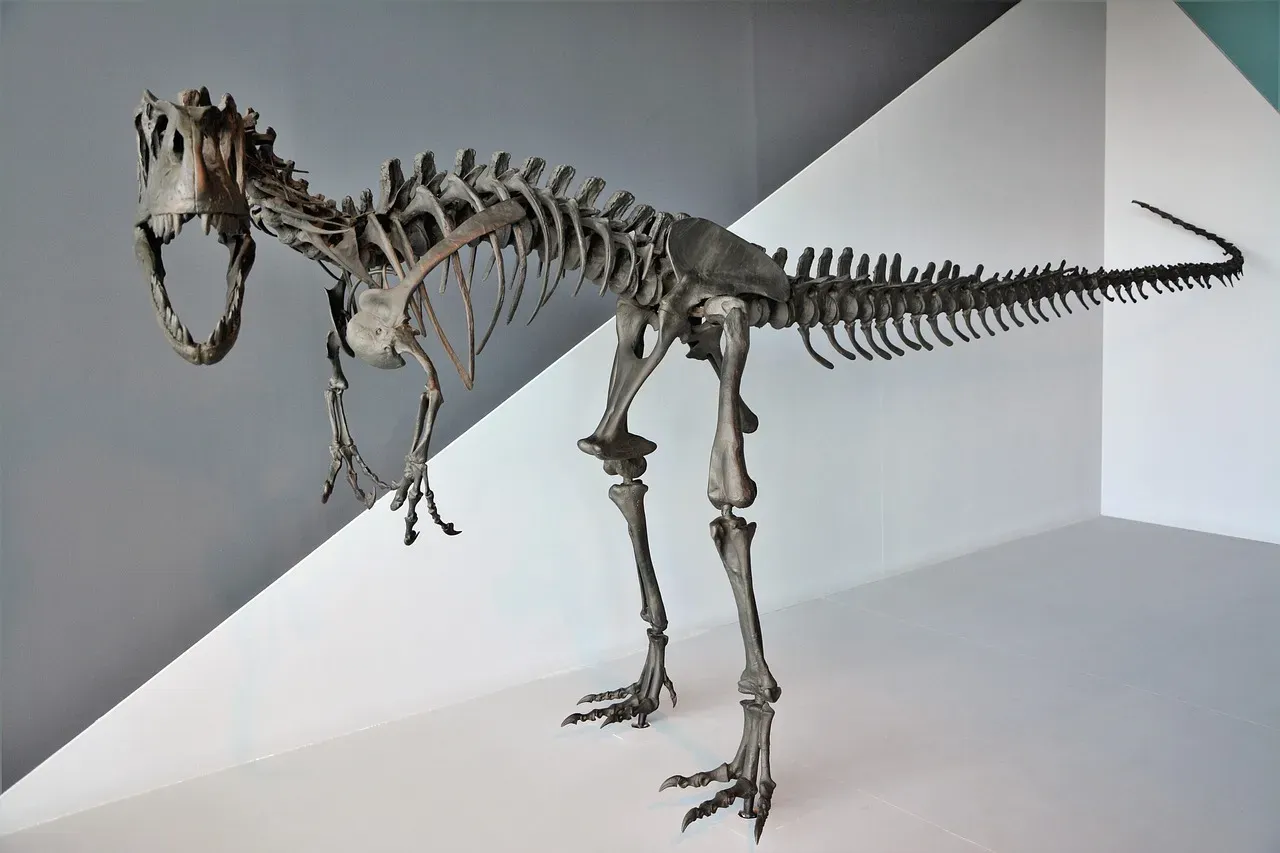
Looking back, those wrong “dino facts” from school are oddly comforting. They show that science is not a stack of permanent answers but a moving target that gets sharper with every new fossil and every new question. The dinosaurs on your childhood lunchbox were outdated the moment they were printed, and the ones in today’s books will probably look quaint to kids forty years from now. That constant churn is not a failure; it is the whole point of doing science in the first place.
Personally, I kind of love that the story keeps changing, because it means the past is not a closed book but an ongoing investigation. Dinosaurs have gone from swamp‑dragging lizards to dynamic, sometimes feathered, often bird‑like animals that force us to rethink what life can look like on a planet. The real question now is simple and a little thrilling: which of today’s confident dinosaur “facts” will future students smile at the way we smile at Brontosaurus posters and two‑brain Stegosaurus diagrams?