
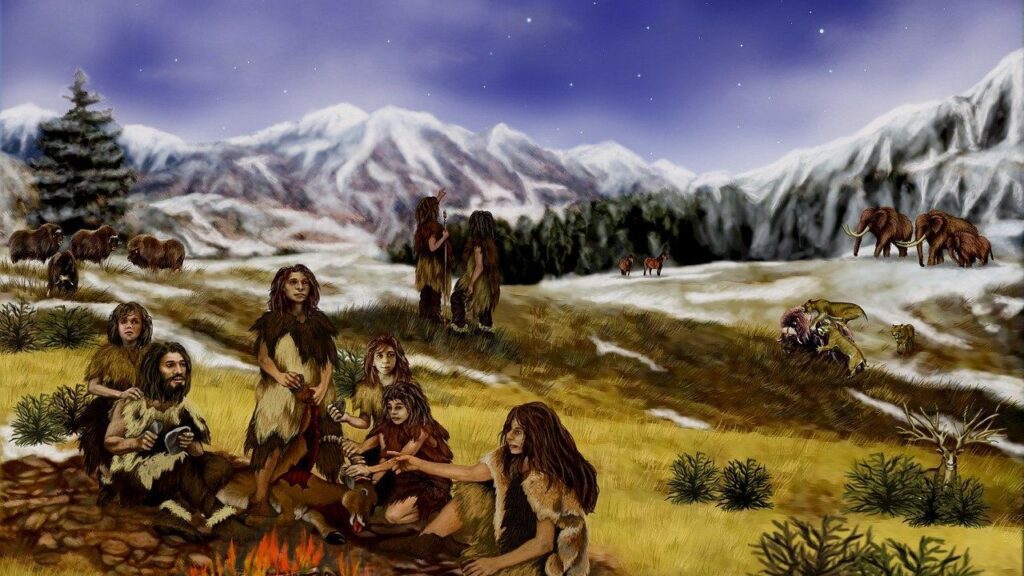
For decades, the story of the first people to walk across North America seemed settled. We thought we had it all figured out. Then science started uncovering layers of complexity that challenged everything. The Clovis people emerged from these discoveries as one of the most fascinating and mysterious cultures in ancient American history, their legacy scattered across thousands of sites from Canada to Central America. Yet so much about them remains shrouded in questions that archaeologists are still trying to answer. What we do know, though, paints a remarkable picture of survival, innovation, and sudden disappearance.
Let’s dive in and explore what makes this ancient culture so captivating.
They Weren’t Actually the First People in the Americas
Here’s the thing that surprises most people. Though researchers initially thought that the Clovis people were the first to arrive in America, there is evidence of ancient cultures residing in the Americas some 20,000 years ago – roughly 7,000 years before the Clovis people arrived. That completely upends the old “Clovis First” theory that dominated archaeology for most of the last century.
The find supports growing archaeological evidence found in recent years that disputes the notion that the Americas were originally populated by a single migration of people from Asia about 13,000 years ago. Sites like Monte Verde in Chile and Meadowcroft in Pennsylvania revealed human occupation thousands of years before Clovis appeared. Still, the Clovis people are the oldest recognised culture in the Western hemisphere when it comes to being widely documented and understood.
Their Iconic Tools Were Only Made for About 300 Years
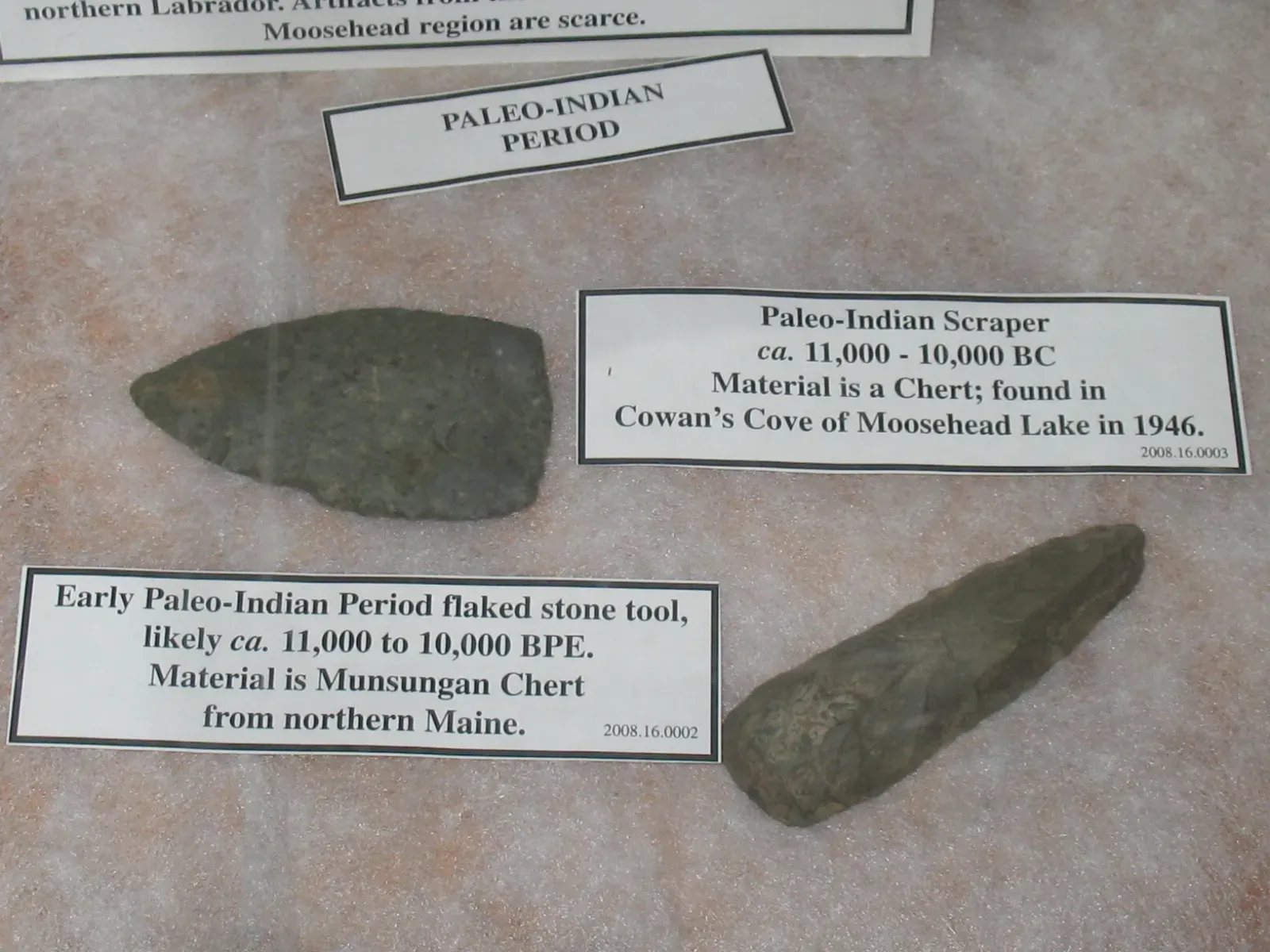
New radiocarbon testing of bones and artifacts from 10 known Clovis sites show that this culture first appeared about 13,050 years ago and disappeared 300 years later at the beginning of the Younger Dryas, coincident with the extinction of the remaining North American megafauna and the appearance of multiple North American regional archaeological complexes. Think about that for a moment. Three hundred years is an incredibly short window in archaeological time.
It’s hard to say for sure, but this brief period makes the Clovis phenomenon even more intriguing. Remarkably, the Clovis culture disappeared just as quickly and suddenly as it appeared, being dominant for some 400-600 years during its active period. Why would such an effective technology vanish so fast? The answer might be connected to dramatic environmental changes and the disappearance of the massive animals they hunted.
Their Spear Points Were a Uniquely American Invention
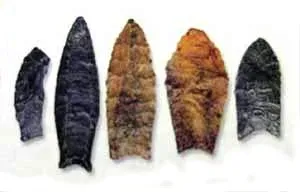
After discovering Clovis points in New Mexico, Howard and others looked for traces of them in collections of artifacts from Siberia, the origin of the first Americans. None have ever been found. Clovis points, it seems, were an American invention – perhaps the first American invention. This tells us something fascinating about human ingenuity and adaptation.
The majority of finds from Clovis people sites are scrapers, drills, blades and distinctive leaf-shaped spear points known as ‘Clovis points’. At around 4 inches long and made from flint, chert and obsidian, over 10,000 Clovis points have now been found in North America, Canada and Central America. These beautifully crafted tools featured distinctive fluted grooves running from the base toward the tip, possibly to help attach them to spear shafts. They weren’t just weapons, though. Recent studies suggest they served multiple purposes, functioning as knives and scrapers too.
They May Have Been Responsible for Megafauna Extinctions
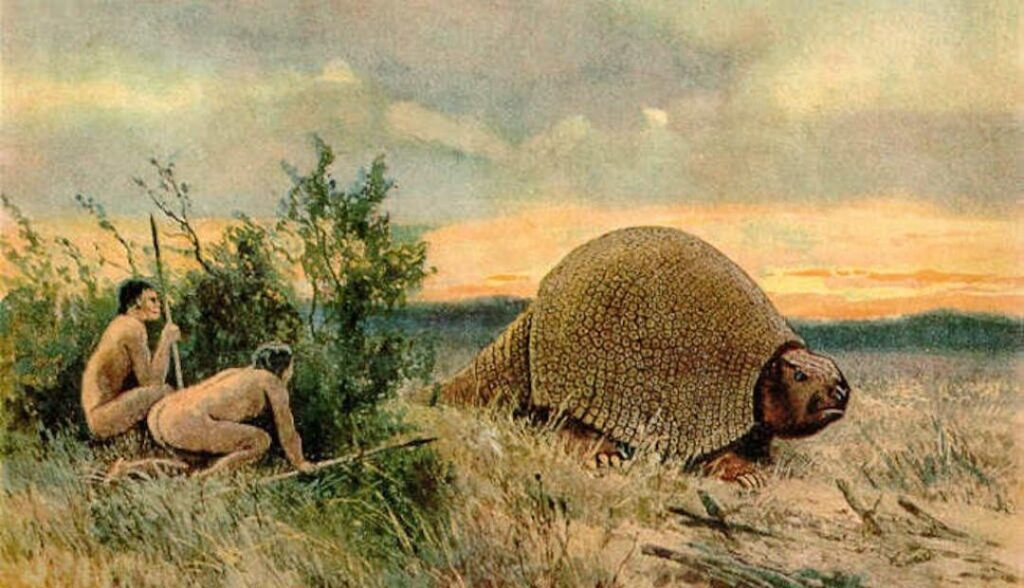
Let’s be real, this is one of the most controversial debates in archaeology. Clovis people first appears 300 years before the demise of the last of the megafauna that once roamed North America during a time of great climatic and environmental change. The disappearance of Clovis from the archaeological record at 12,750 years ago is coincident with the extinction of mammoth and mastodon, the last of the megafauna. That timing is almost too perfect to ignore.
In New Mexico, the Clovis people thrived on grasslands populated with giant bison, mammoths, camels, dire wolves, huge turtles, sabre-toothed tigers and giant ground sloths. However, only about fifteen sites actually show direct evidence of Clovis people hunting these massive creatures. In a 2012 survey of archaeologists in The SAA Archaeological Record, 63% of respondents said that megafauna extinctions were likely the result of a “combination of factors”. So while hunting probably played a role, climate change and other environmental shifts were likely equally important.
Nearly All Modern Native Americans Descend from Them

This fact honestly blows my mind every time I think about it. Genetic data shows that the Clovis people are the direct ancestors of about 80% of all living Indigenous American populations in both North and South America. That’s an astounding genetic legacy spanning two entire continents.
The 12,600-year-old discovered Clovis burial confirms this connection, and also shows a connection to the ancestral peoples of northeast Asia, which confirms a theory that the people migrated across a land bridge from Siberia to North America. Only one Clovis burial has ever been found, an infant boy discovered in Montana with over one hundred stone and bone tools stained with red ochre. DNA analysis of his remains revolutionized our understanding of how Indigenous peoples spread throughout the Americas.
They Built the First Known Water Control System in North America
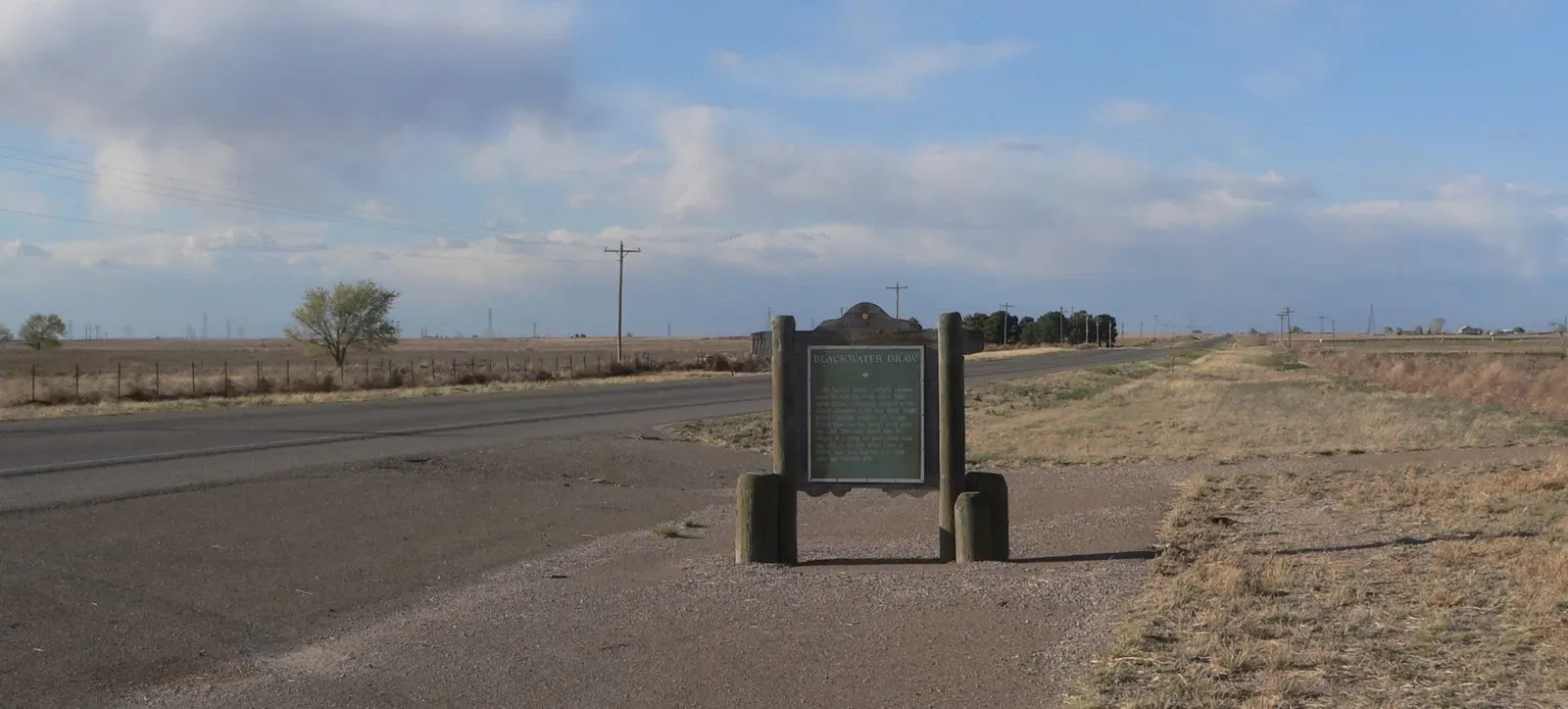
However, there is evidence that they also dug a well, which is the first known water control system in North America. This discovery at the Blackwater Draw site in New Mexico reveals that the Clovis people were far more sophisticated than simple nomadic hunters following herds across the landscape.
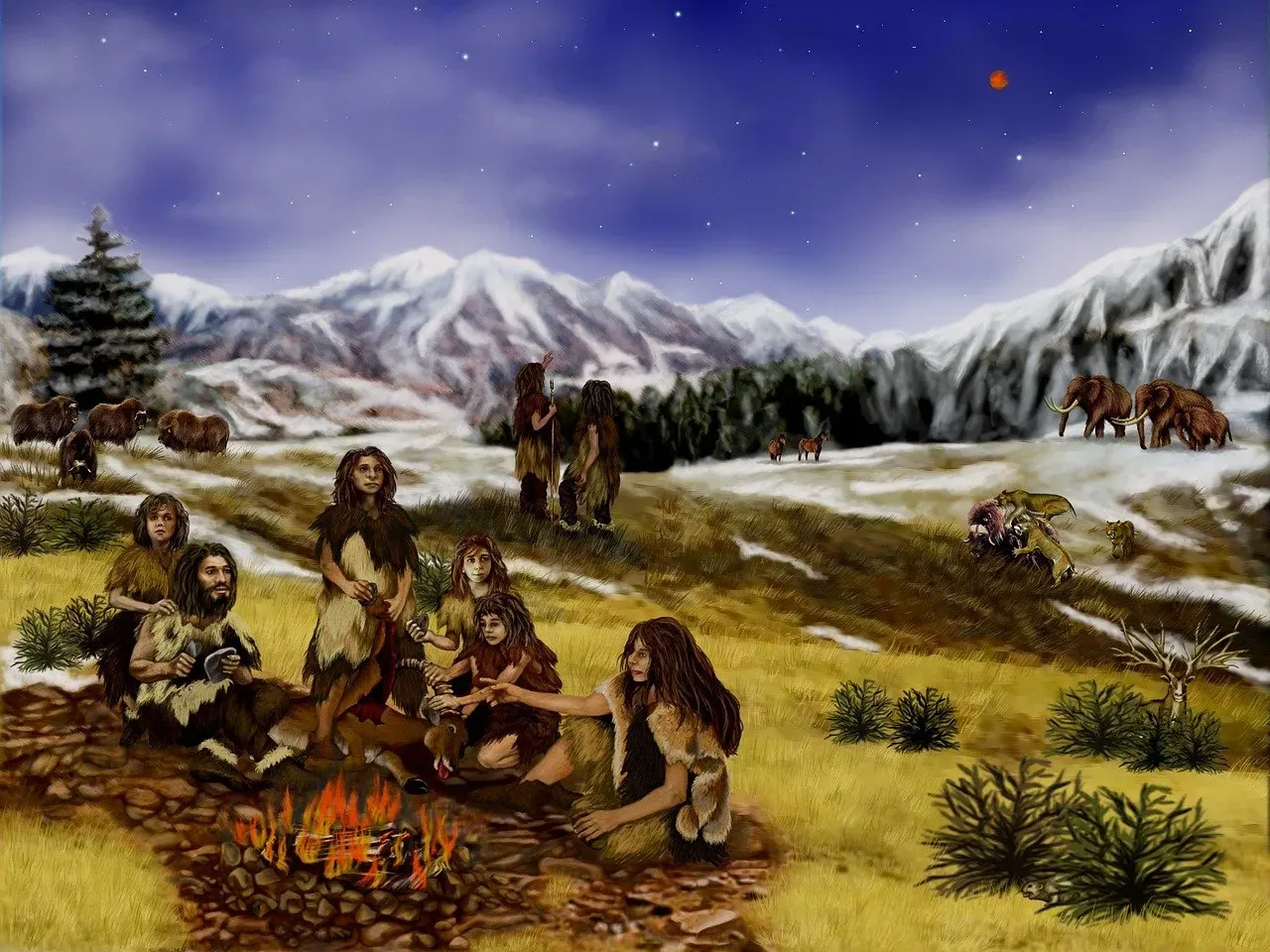
It is known that they were certainly nomadic people who roamed from place to place in pursuit of food, and lived in crude tents, shelters or shallow caves. Yet their ability to engineer water access shows forward thinking and technical skill. They understood their environment deeply, adapting to changing conditions at the end of the Ice Age. Little organic material like clothing or blankets has survived, which means much of their daily life remains a mystery. What we do know suggests they were resourceful, innovative, and capable of rapid adaptation across vastly different environments.
Conclusion
The Clovis people remain one of archaeology’s most captivating puzzles. They weren’t the very first Americans, but they created the first widespread, recognizable culture across the continent. Their distinctive spear points represent perhaps the first truly American invention, spreading from coast to coast in just a few centuries before vanishing alongside the Ice Age giants they hunted. Their genetic legacy lives on in the vast majority of Indigenous peoples throughout the Americas today.
What happened to them wasn’t extinction but transformation, as they adapted to a rapidly changing world and evolved into the diverse cultures that followed. The mysteries surrounding their origins, their brief dominance, and their sudden disappearance continue to fuel scientific debate and discovery. What do you think about these ancient people who left such a profound mark on two continents? Tell us in the comments.