

You’ve probably imagined dinosaurs as solitary beasts roaming ancient landscapes alone, fighting for survival in a prehistoric free-for-all. That image is about to get a serious makeover. Recent discoveries are reshaping everything we thought we knew about how dinosaurs lived, interacted, and raised their young. The evidence is piling up, and it’s genuinely surprising.
What paleontologists are finding now goes way beyond scattered bones and footprints. We’re talking about entire communities frozen in time, nesting colonies that span generations, and trackways that tell stories of cooperation and communication. These aren’t just lucky finds. They’re windows into complex behaviors that some researchers didn’t think possible just a few decades ago. So let’s dive in.
Early Evidence Pushes Back the Timeline by Millions of Years
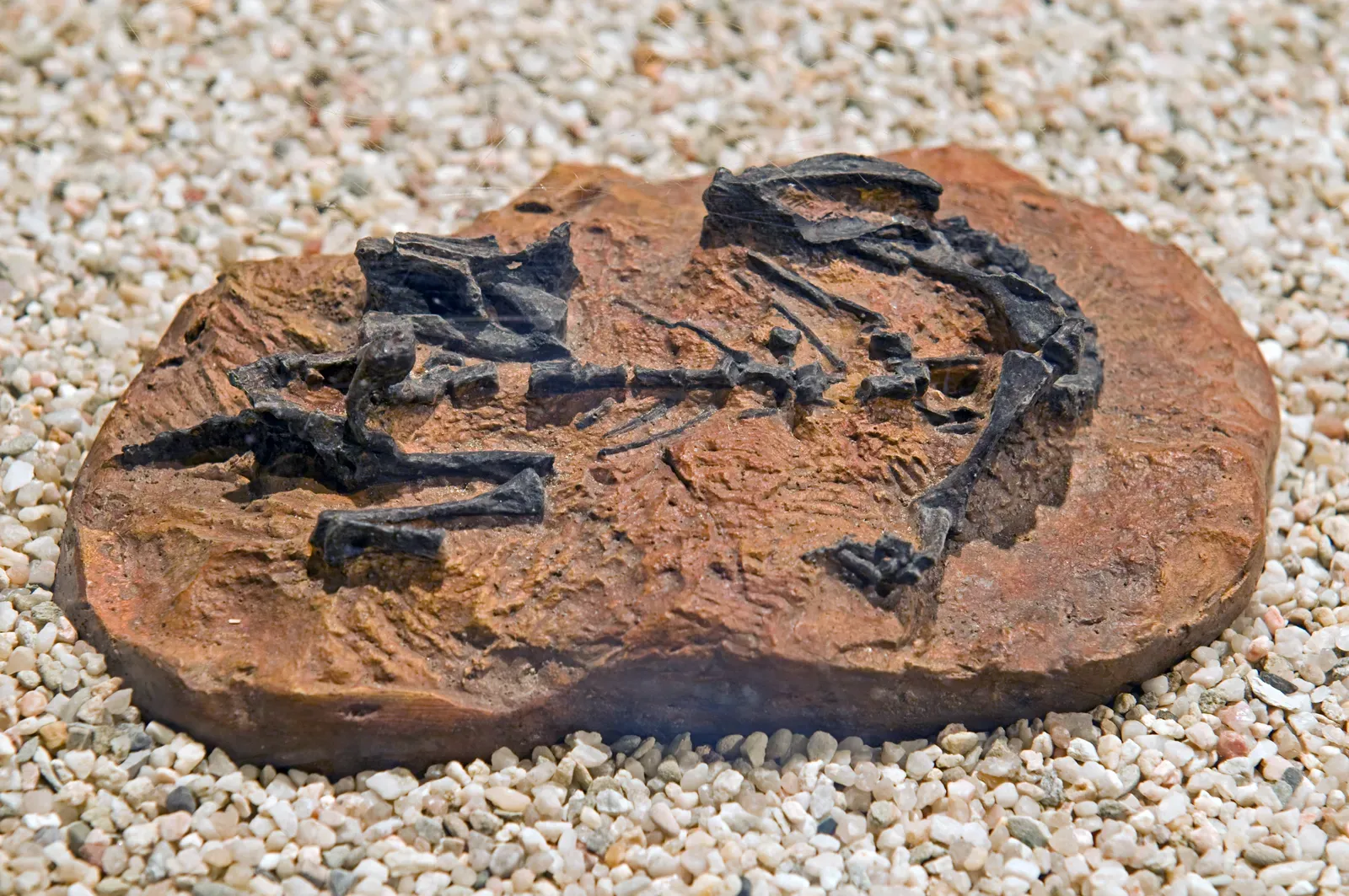
Researchers discovered that Mussaurus patagonicus may have lived in herds as early as 193 million years ago, which is 40 million years earlier than other records of dinosaur herding. This finding from Patagonia completely rewrites the timeline. The fossil occurrence includes over 100 eggs and skeletal specimens of 80 individuals ranging from embryos to fully-grown adults.
What makes this discovery so remarkable is the dating precision. Scientists used high-precision uranium-lead zircon geochronology to confirm the age, eliminating any guesswork. Most specimens were found in a restricted area with some articulated skeletons grouped in clusters of individuals of approximately the same age, indicating the presence of social cohesion throughout life and age-segregation within a herd structure. This wasn’t random chance.
Age Segregation Reveals Sophisticated Social Organization
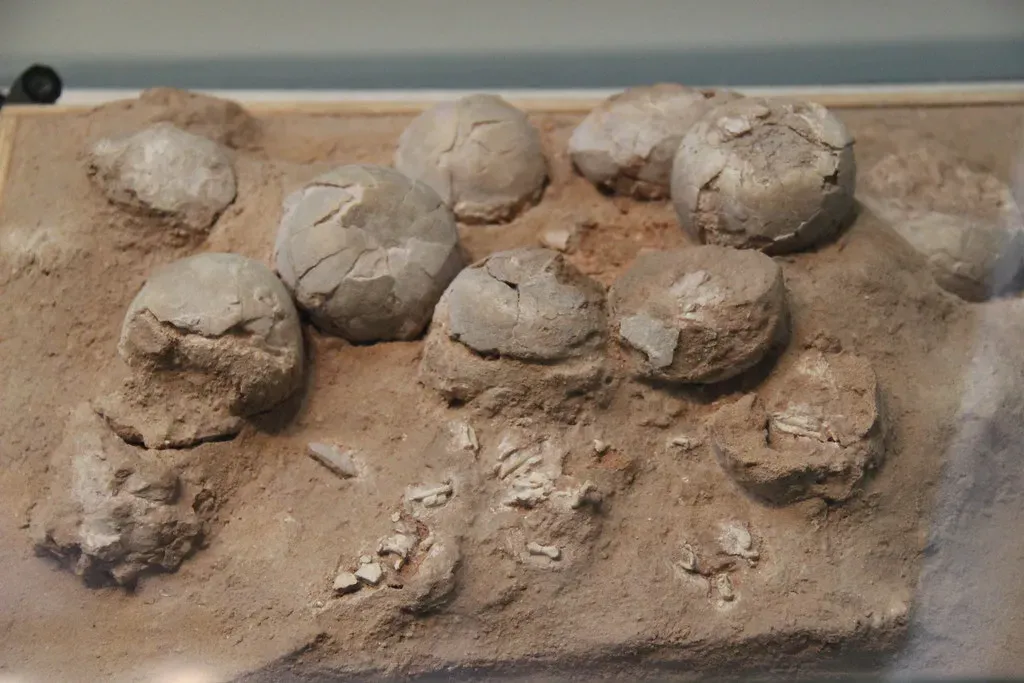
Think about how modern elephant herds organize themselves, with young calves staying close while adults patrol the perimeter. Dinosaurs appear to have done something remarkably similar. More than a hundred Mussaurus eggs and 69 new skeletal fossils appear in clusters of dinosaurs that are the same size and roughly the same age, which the study team interprets as evidence that Mussaurus moved in age-segregated herds.
The pattern is unmistakable. All the fossils in the 11-individual cluster are roughly the same size, likely weighing between 18 and 24 pounds when they died, and bone samples suggest that if young Mussaurus grew in seasonal spurts, the cluster’s juveniles were all probably less than a year old. Young dinosaurs hung out together, possibly for protection, while adults managed different tasks within the herd structure. It’s hard to say for sure, but the evidence leans heavily toward intentional social grouping.
Mixed Species Herding Challenges Previous Assumptions
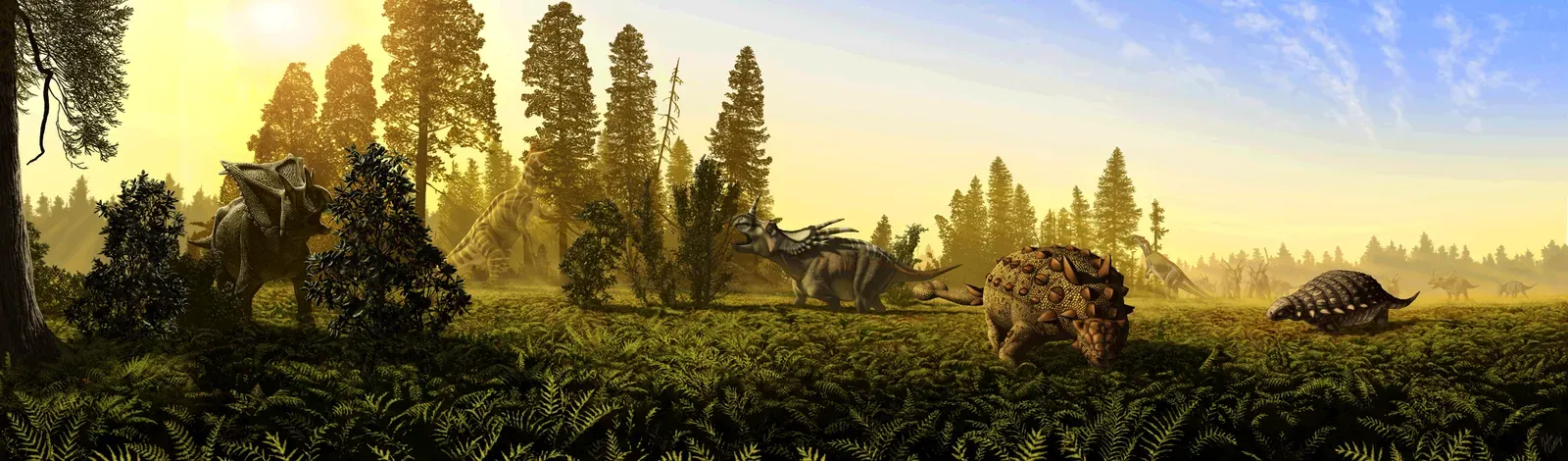
Here’s where things get really interesting. Footprints uncovered in Alberta could be evidence that some dinosaurs moved in herds comprising multiple different species. This isn’t something scientists expected to find concrete evidence for, even though movies have depicted it for years.
The 13 ceratopsian tracks are thought to belong to at least five individuals walking together across the landscape 70 million years ago, with another set of footprints walking among the herd thought to belong to an ankylosaurid. Imagine horned dinosaurs traveling alongside armored tank-like creatures. Two large Tyrannosaurus rex trackways were also discovered walking side-by-side and perpendicular to the herd, which has also raised questions about whether these huge predators were stalking the group. The presence of predators near mixed-species groups suggests this behavior might have been a survival strategy.
Still, not everyone is convinced. Some researchers argue the footprints could be from different time periods or poorly preserved hadrosaur tracks. The debate continues.
Nesting Colonies Show Long-Term Community Behavior
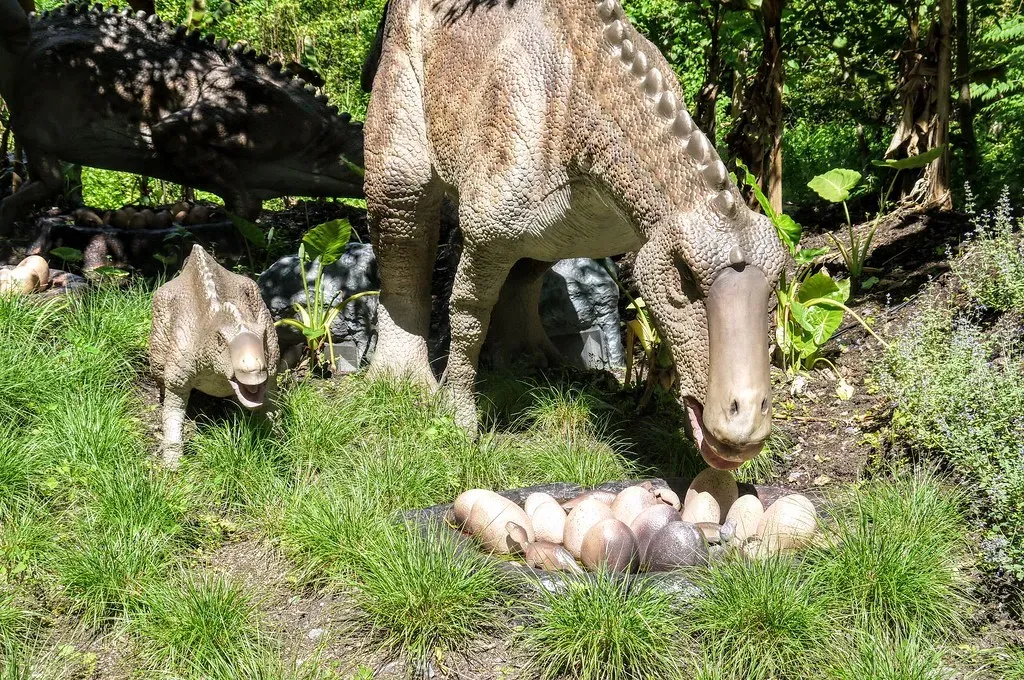
Paleontologists discovered the first dinosaur nests with associated eggs and babies in the western hemisphere, and the close proximity of nests indicated these dinosaurs nested in groups. This wasn’t just one family unit. We’re talking about entire dinosaur neighborhoods.
Examination of the fossils suggested this dinosaur cared for its young after they hatched and inspired its name: Maiasaura, the “good mother reptile”. The nesting site in Montana revealed something unexpected. Evidence of trampled eggshells suggests that the hatchlings were in the nest for a while, and along with the shells, there was plant matter in the nests, suggesting parents may have fed the young. Parents weren’t just laying eggs and leaving.
The distribution of nests in the sediments indicate that these early dinosaurs returned repeatedly to this site, and likely assembled in groups to lay their eggs, the oldest known evidence of such behavior in the fossil record. Generation after generation came back to the same spot.
Parental Care Extended Well Beyond Hatching
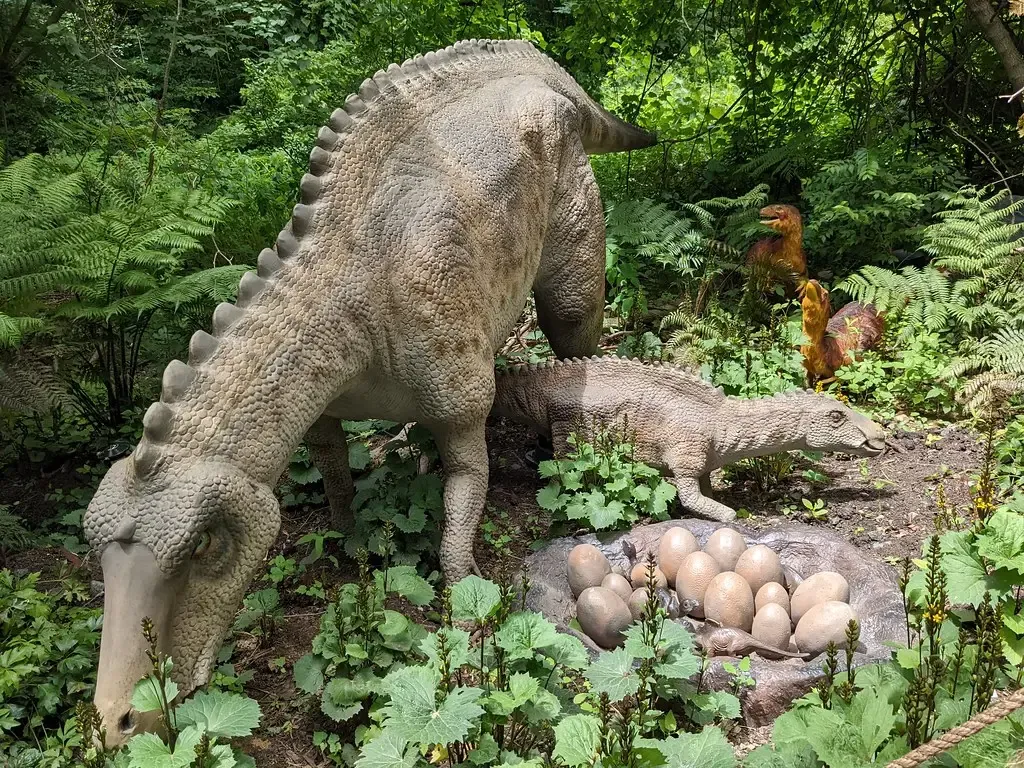
Let’s be real, the idea that dinosaurs were attentive parents sounds almost adorable. Duck-billed Maiasaura, a name that means “good mother lizard,” is one of the best-known examples of parental behavior, and these Late Cretaceous dinosaurs which lived around 80 to 75 million years ago are thought to have nested in large colonies with parents possibly extensively providing food and protection for their hatchlings.
Some dinosaurs sat directly on their nests like modern birds. Paleontologists have found gorgeous skeletons of parrot-like oviraptorids preserved in a position where they seem to be sitting over nests of eggs. The dedication was real. Scientists know from previous finds that oviraptorids laid two eggs at a time in a clutch of 30 or more, meaning that the mother would have to stay with or return to the nest, lay her pair of eggs, arrange them carefully in the circle, and bury them appropriately every day for two weeks to a month. That’s commitment.
Footprints and Trackways Capture Fleeting Moments
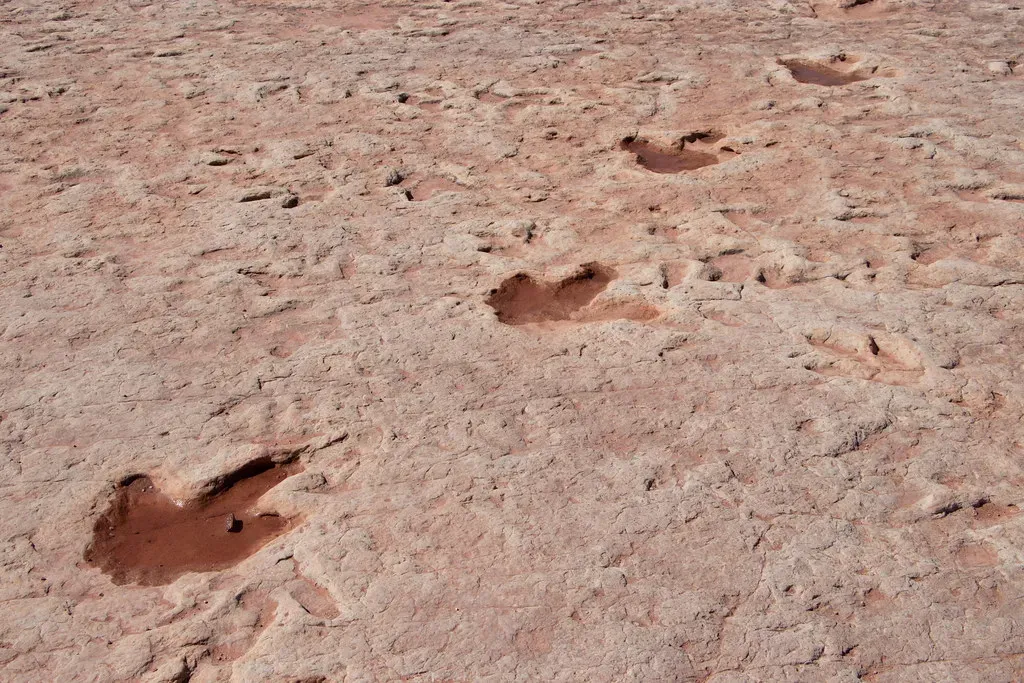
Bones tell one story, but trackways capture movement and interaction in ways that skeletons never could. Numerous washbasin-size depressions proved to be a series of giant sauropod footsteps preserved in limestone from the Early Cretaceous Period, and because the tracks are nearly parallel and all progress in the same direction, researchers concluded that all were headed toward a common objective and suggested that the sauropod trackmakers passed in a single herd.
Researchers described new theropod trace fossils from the Lower Jurassic strata in China, including probable tail drag impressions interpreted as possible evidence of vigilant or aggressive behavior of the tracemakers. Even posture and alertness left marks in the mud. The discovery of new mating display scrapes of theropods from Colorado led researchers to interpret the site as likely to be a lek site. Dinosaurs gathered to show off for potential mates, just like modern birds do.
What This Means for Understanding Dinosaur Success
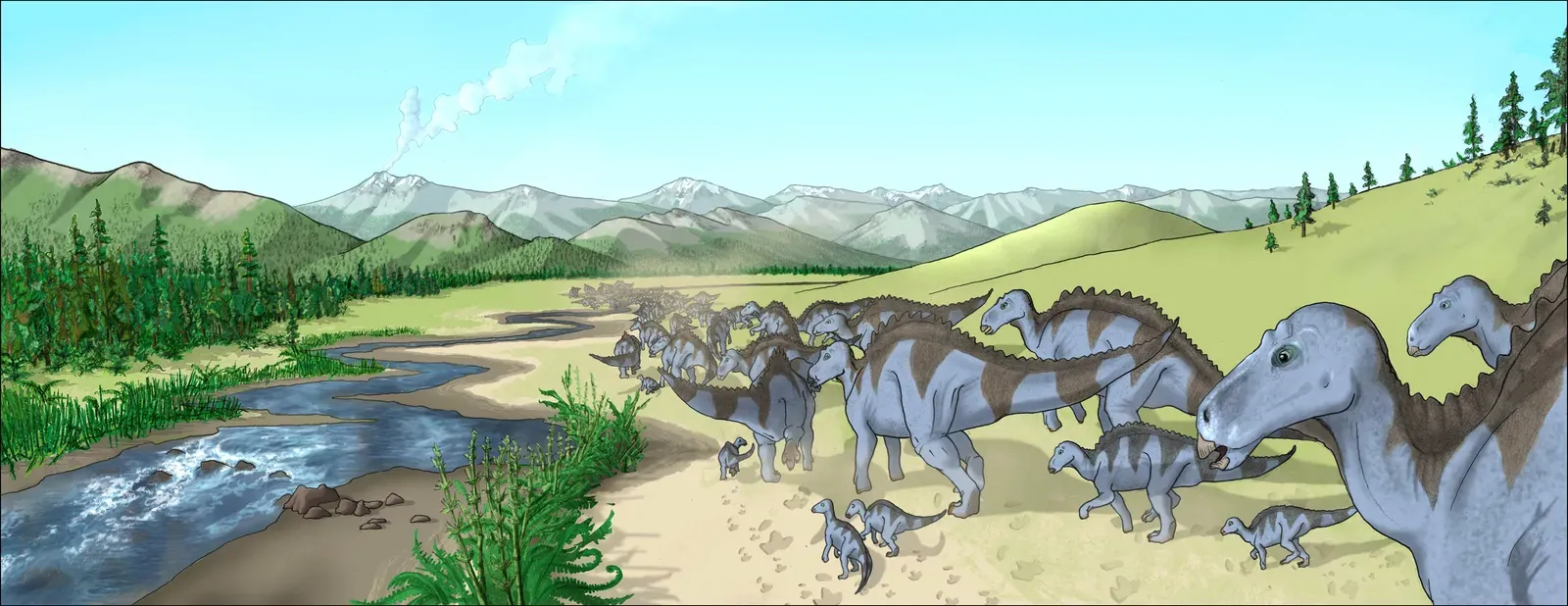
The exceptional case of Mussaurus, in which data show herd behaviour and age-segregation structure, indicates sociality may have influenced the early success of the first global radiation of large-bodied herbivorous dinosaurs. This isn’t just about cute behaviors. Social structures gave dinosaurs a competitive edge.
Herding behavior could have protected the tiny hatchlings from predation until they grew up, and living in herds might have allowed this species to collectively find more food to fuel their large bodies. Cooperation meant survival. The fact that these behaviors appeared so early in dinosaur history suggests they were foundational to their dominance for over 160 million years.
Honestly, the more we uncover, the more complex and fascinating these ancient creatures become. They weren’t just surviving. They were thriving through cooperation, communication, and care. What other secrets are still buried beneath our feet, waiting to reveal even more about how these magnificent animals lived together? Did you expect dinosaurs to be this social?