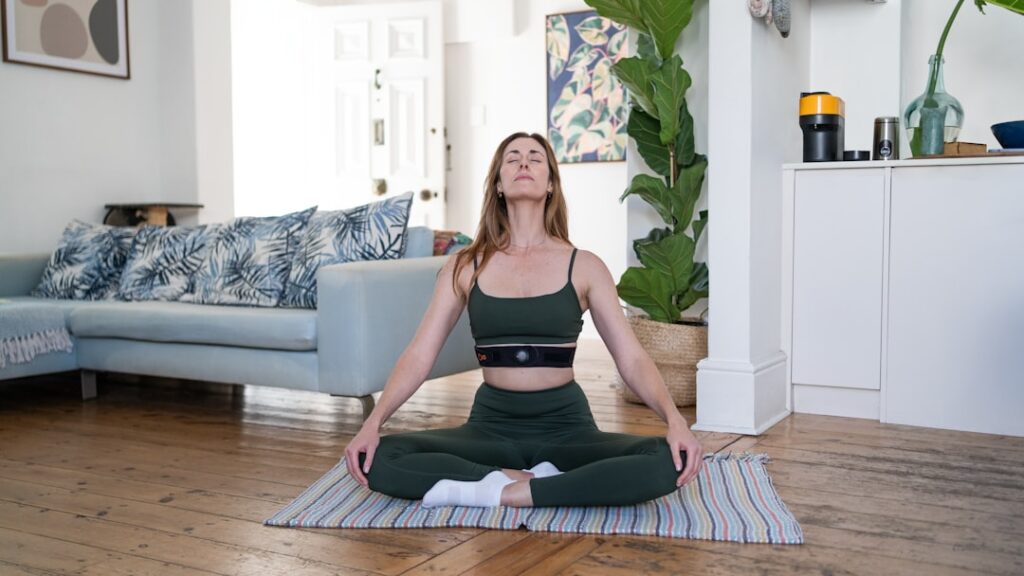
Have you ever found yourself scrolling through your phone without really seeing anything, or eating a meal without tasting it? You’re not alone. In our hyperconnected world of 2026, millions of people rush through their days on autopilot, barely present for their own lives. The constant buzz of notifications, endless to-do lists, and relentless pressure to perform can leave you feeling exhausted, anxious, and disconnected.
There’s a quiet revolution happening though, one that doesn’t require expensive gadgets or complicated routines. It’s called mindfulness, and it might just be the antidote to modern life you’ve been searching for. Let’s explore how this ancient practice can genuinely reshape the way you experience every single day.
Your Brain on Mindfulness: The Science That Will Surprise You
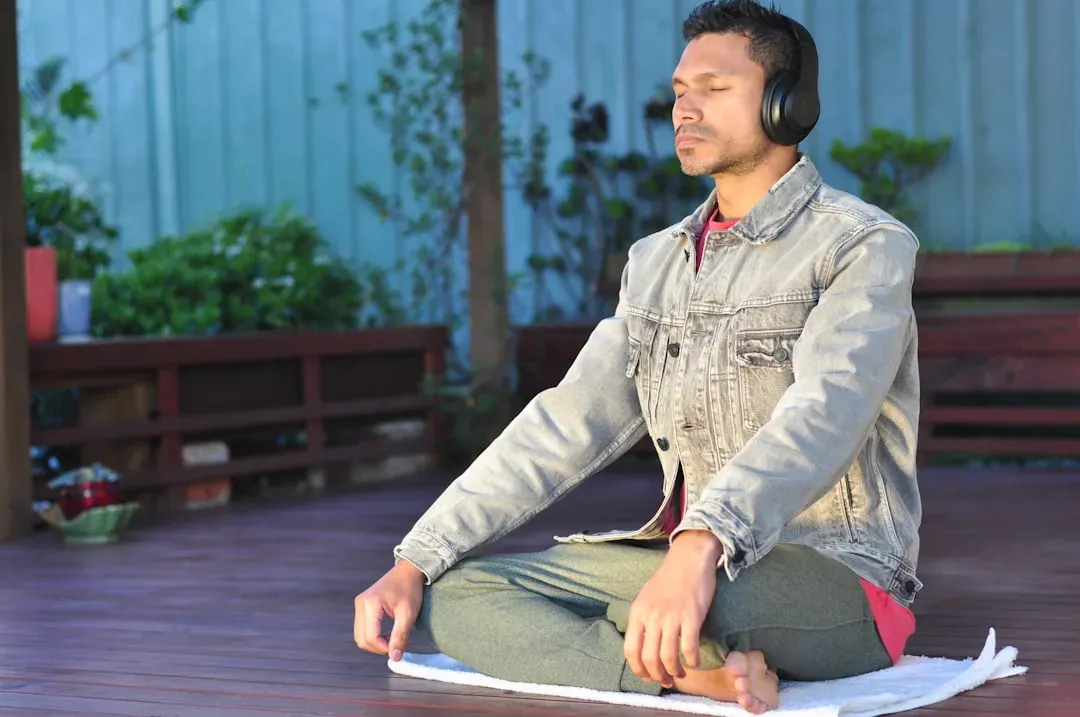
Here’s something that might blow your mind. Research shows that mindfulness can induce neuroplasticity, increase cortical thickness, reduce amygdala reactivity, and improve brain connectivity and neurotransmitter levels. Think of it like giving your brain a complete upgrade without installing any software.
Recent brain imaging studies from 2025 revealed that even five to ten minutes of daily practice can induce significant neuroplasticity. That’s less time than you probably spend choosing what to watch on streaming services. The changes aren’t just theoretical either. Individuals who engage in regular meditation practice benefit from gray matter density growth in specific brain regions for attention, memory, and emotional regulation, with scientists observing increased prefrontal cortex functioning while decreasing activity in the amygdala.
Your amygdala is basically your brain’s alarm system, constantly scanning for threats and triggering stress responses. When it calms down, you calm down. Simple as that.
Stress and Anxiety Relief Without the Side Effects

Let’s be real about something. Nearly everyone you know is dealing with some level of stress or anxiety right now. A 2026 poll from the American Psychiatric Association revealed that 38% of Americans have made mental health their primary New Year’s resolution, with a specific focus on mental fitness. That’s a massive shift in how we’re thinking about wellness.
Regular mindfulness practice can lead to lower levels of anxiety and depression, improved cognitive function, and better emotional regulation. Unlike medication, there’s no prescription needed and no worrying about side effects. The practice works by changing your relationship with anxious thoughts rather than trying to eliminate them completely.
Mindfulness meditation can help interrupt the stress cycle to allow space to respond instead of react. Instead of spiraling when something goes wrong, you create a tiny gap between the trigger and your response. In that gap lives your freedom to choose how you want to handle things.
Sharpening Your Focus in a Distracted World

Ever feel like your attention span has shrunk to the size of a goldfish? You’re not imagining it. The constant barrage of information makes it incredibly difficult to focus on anything for more than a few seconds.
Here’s where mindfulness becomes your secret weapon. A 2025 USC study found that just 30 days of guided mindfulness meditation can significantly enhance how quickly and accurately people direct their focus, regardless of age. Thirty days. That’s barely a month of your life for potentially permanent improvements in concentration.
Mindfulness boosts your focus and cognitive abilities by training the brain to stay centered on the present moment, reducing mental chatter and distractions, helping you handle daily tasks with greater ease and efficiency. Think about what you could accomplish if you could actually maintain focus on important work without constantly checking your phone or getting lost in thought spirals.
The research gets even better. Studies have shown that improved attention seems to last up to five years after mindfulness training, suggesting trait-like changes are possible. Five years! That’s not just a temporary boost; it’s a fundamental rewiring of how your brain operates.
Better Sleep Without Counting Sheep

If you’ve spent nights tossing and turning while your mind races through tomorrow’s problems or yesterday’s embarrassments, you know how frustrating poor sleep can be. Your body begs for rest while your brain refuses to cooperate.
Mindfulness has a positive impact on sleep, helping individuals who struggle with insomnia or poor sleep quality by calming the mind and reducing stress, making it easier to fall asleep and enjoy deeper, more restorative rest. It’s not magic; it’s simply teaching your nervous system to shift out of high alert mode when you need rest.
The practice works because it addresses the root cause of many sleep problems: an overactive mind. When you practice mindfulness regularly, you develop the skill to observe thoughts without getting caught up in them. That worried thought about work tomorrow? You can notice it, acknowledge it, and let it drift away instead of building an entire catastrophe scenario around it.
Physical Health Benefits You Can Actually Feel
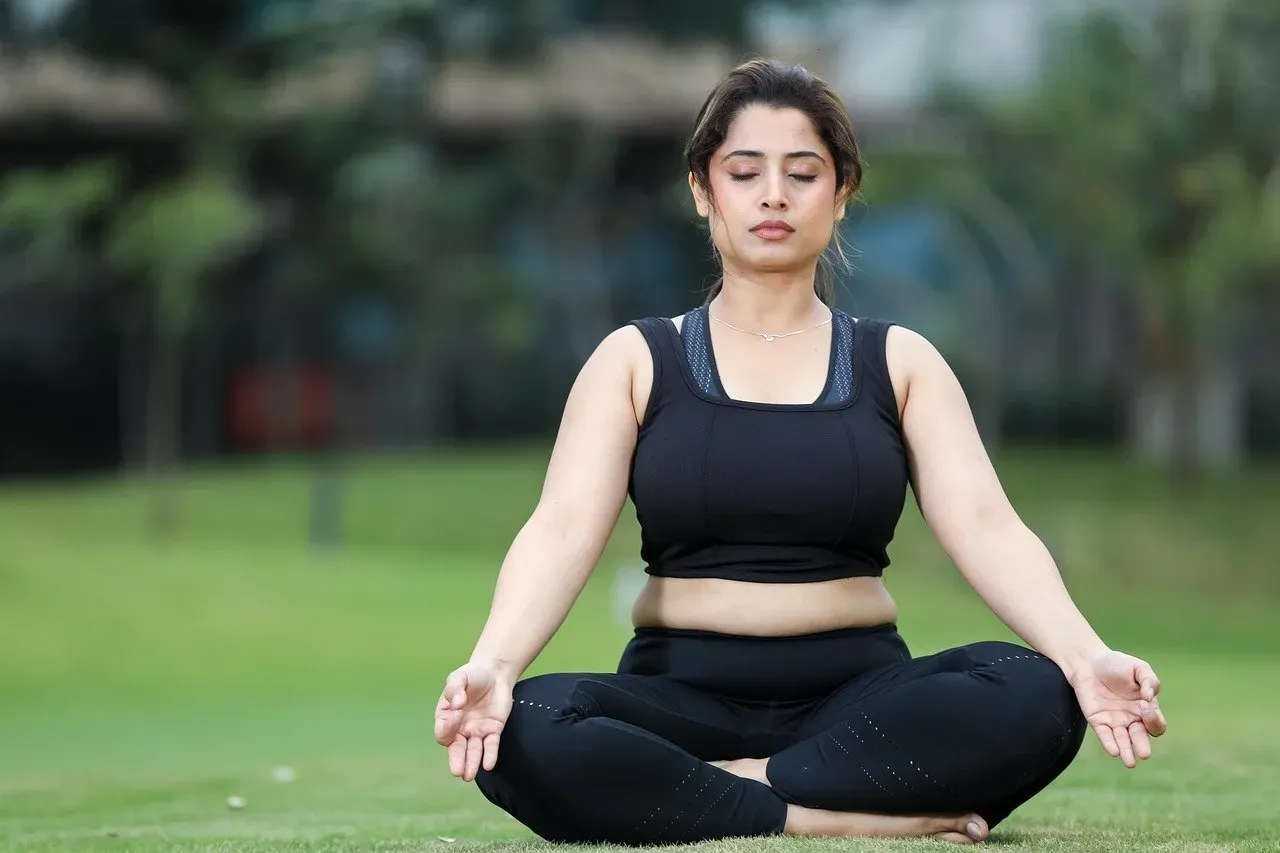
Honestly, it sounds almost too good to be true, but the physical health improvements from mindfulness are well documented. Mindfulness has been linked to various physical health benefits, including lower blood pressure, improved immune function, and reduced symptoms of chronic pain.
Research found that just eight days of consistent brief practice could switch on over 200 immune-related genes, particularly those linked to antiviral defenses. Your meditation practice is literally changing your gene expression. Let that sink in for a moment.
The pain relief aspect is particularly fascinating. Clinical trials in 2025 confirmed that mindfulness meditation is superior to placebos in reducing both pain intensity and unpleasantness by altering activity in brain regions, effectively uncoupling the physical sensation of pain from the emotional distress it usually causes. You still feel the sensation, but it doesn’t control you the way it once did.
Deeper Connections and Better Relationships

One of the most beautiful transformations happens in how you relate to other people. When you’re constantly distracted or stuck in your own head, genuine connection becomes nearly impossible.
Mindfulness can enhance your relationships by fostering empathy and active listening. Imagine actually hearing what your partner, friend, or colleague is saying instead of planning your next response or thinking about what’s for dinner. Mindfulness deepens your ability to be present with others, enhancing communication and empathy, fostering stronger, more meaningful connections in both personal relationships and professional settings.
The practice teaches you to pause before reacting, which can prevent countless arguments and misunderstandings. That critical comment from your boss or snippy remark from your partner doesn’t have to trigger an immediate defensive response. You gain the space to consider what’s really happening and choose how to engage.
Emotional Resilience for Life’s Inevitable Challenges

Life throws curveballs. Always has, always will. The question isn’t whether you’ll face difficulties but how you’ll handle them when they arrive.
Practicing mindfulness enhances your ability to observe emotions without being consumed by them, leading to healthier responses to challenges, improved relationships, and greater emotional resilience. You develop what I think of as emotional weather-watching skills. Just as you can observe clouds passing across the sky without becoming the clouds themselves, you learn to watch feelings move through you without identifying as them.
This doesn’t mean you become emotionless or detached. Quite the opposite, actually. You feel things more fully because you’re not afraid of your emotions anymore. Sadness, anger, joy, fear – they all get their moment without taking over the entire show. Mindfulness teaches us to approach ourselves with kindness and understanding, letting go of harsh self-criticism to build a healthier relationship with ourselves and cultivate a greater sense of self-worth.
The Micro-Mindfulness Revolution: Small Moments, Big Impact

Here’s the thing that makes mindfulness sustainable in 2026: you don’t need hours of free time or a perfect meditation cushion. Micro-mindfulness has emerged as a game-changer, challenging the old belief that 40-minute sessions were necessary, with 2025 research demonstrating that consistency and frequency outweigh total duration for most psychological outcomes.
Even five minutes a day can make a difference. Five minutes! You spend longer than that scrolling social media or waiting for your coffee to brew. The key is showing up consistently, not perfectly.
Set specific times for each practice, like a 10-minute meditation at 7:00 AM or a quick five-minute mindful walk during your lunch break. Build it into your existing routine rather than treating it as one more thing to add to an already overwhelming schedule. Brush your teeth mindfully. Drink your morning coffee with full attention. Take three conscious breaths before starting your car. These tiny moments accumulate into profound change.
Practical Ways to Start Your Mindfulness Journey Today
So you’re convinced mindfulness might be worth trying. Now what? The beauty lies in the simplicity. Your breath is always with you, making it a simple and powerful anchor for mindfulness – just take a few moments each day to focus on your inhales and exhales, noticing the rhythm and sensation.
One of the easiest and most effective ways to practice mindfulness and calm the nervous system is to focus on the breath, which triggers the breath to move fuller and deeper, stimulating the parasympathetic nervous system that signals our body to relax. Start there. Right now, if you want. Just notice three full breaths without trying to change anything.
Incorporate mindfulness into daily activities like drinking your morning coffee or brushing your teeth by paying attention to the sights, sounds, and sensations of the moment. You don’t need to add anything new to your schedule; just bring full awareness to things you already do. That’s revolutionary enough.
Apps like Headspace can guide you through structured practices if you prefer that approach. Thirty days of app-guided meditation has been linked to improvements in how quickly and accurately participants directed their focus. Or try guided meditations on YouTube. Or simply sit quietly and notice what you notice. There’s no single right way to practice.
The Lasting Transformation You Didn’t Know You Needed

What strikes me most about mindfulness is how it changes everything by changing nothing external. Your circumstances might remain exactly the same, yet your experience of them transforms completely. The difficult colleague doesn’t become pleasant, but your reactivity to them softens. Traffic jams don’t disappear, but the rage does. Stress still shows up, but it doesn’t move in permanently.
In 2026, mindfulness is more than just a passing trend – it’s an essential practice for managing stress, improving mental health, and fostering overall well-being, offering a way to pause, reflect, and cultivate balance while facing the challenges of an increasingly fast-paced world.
The transformation isn’t always dramatic or immediate. Some days you’ll feel like you’re doing it wrong or that nothing’s happening. That’s normal. Keep showing up anyway. The changes accumulate quietly, like deposits in a savings account you don’t check every day but that grows steadily over time.
The real power of mindfulness isn’t in achieving some blissed-out state where nothing bothers you. It’s in developing the capacity to be with what is – fully, honestly, compassionately – without needing to fix, escape, or control everything. That’s freedom. That’s transformation. That’s the life waiting for you on the other side of simply paying attention.
What small mindful moment will you claim for yourself today? Your future self is already thanking you.