When you picture dinosaurs, your mind probably conjures up massive beasts like Tyrannosaurus rex or towering sauropods. Yet hiding in the shadows of these giants was an entirely different world of miniature predators and herbivores barely larger than your pet cat. These tiny titans roamed ancient forests, swooping through trees and sprinting across prehistoric landscapes with remarkable agility.
What makes these diminutive dinosaurs so fascinating is how they challenged everything we thought we knew about survival during the Mesozoic Era. From four-winged gliders to feathered hunters no bigger than a crow, you’re about to discover some truly astonishing facts that even dedicated dinosaur enthusiasts rarely know about. Let’s dive in.
1. Some Weighed Less Than Your Morning Coffee
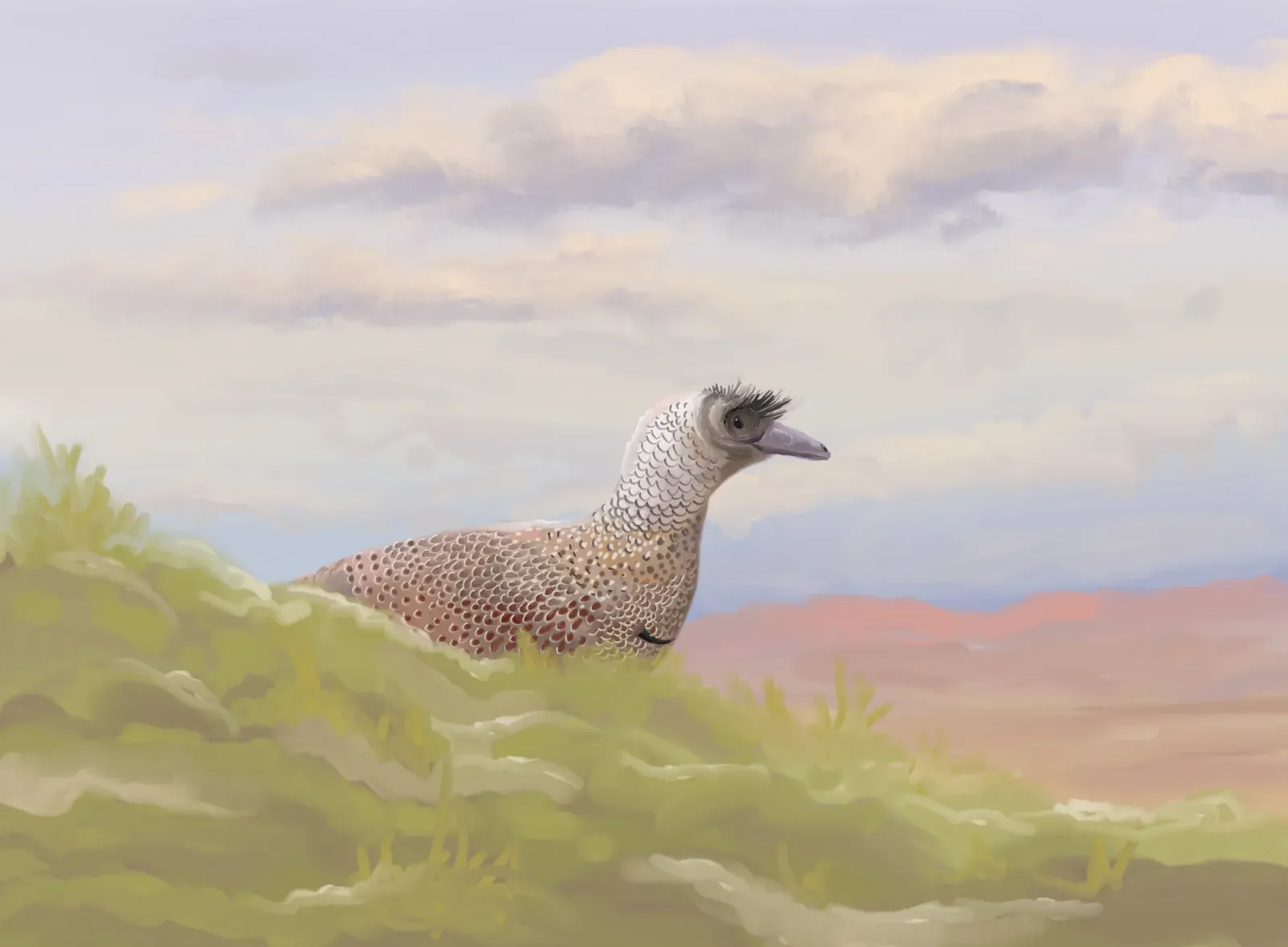
Parvicursor remotus measured just about thirty-nine centimeters in length and weighed a mere 162 grams. Think about that for a second. You’ve probably picked up heavier books or bags of groceries without a second thought. This tiny dinosaur from Mongolia lived roughly eighty-five million years ago, yet its entire body mass was less than what you’d find in a typical can of soup.
Parvicursor was an alvarezsaur with specialized claws for digging for insects. Despite its incredibly small size, this little runner was built for speed. The name literally translates to “small runner,” which is quite fitting when you consider it likely darted across the ground to escape predators or hunt down its next insect meal.
2. The Four-Winged Gliders That Confused Scientists
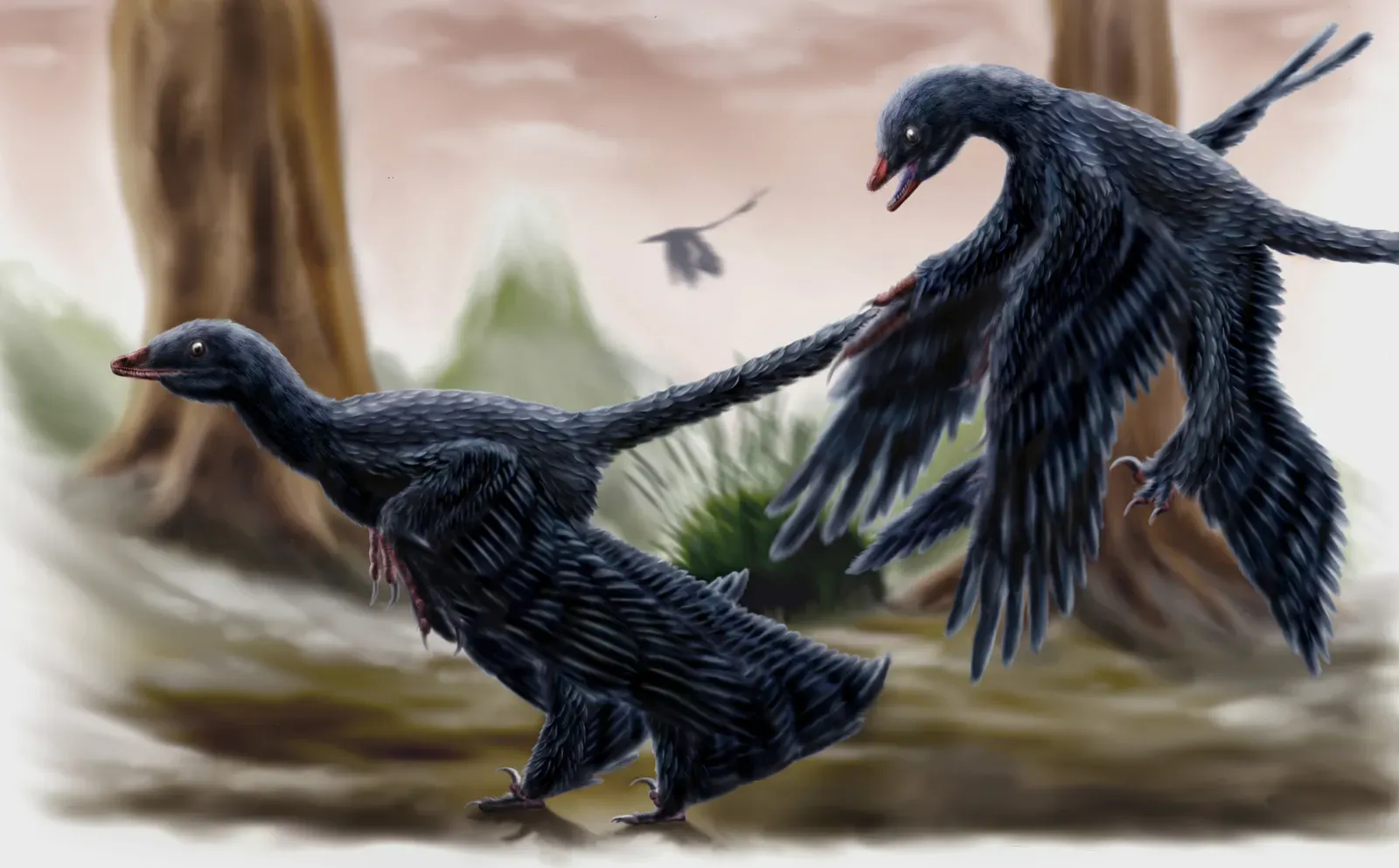
Imagine a dinosaur with wings on all four limbs. Sounds like something out of a fantasy novel, right? Microraptor lived during the Early Cretaceous period approximately 125 million years ago, and its most striking feature was its feathers on all four limbs, suggesting the ability to glide. This crow-sized creature completely revolutionized our understanding of dinosaur evolution.
Over 300 Microraptor specimens have been identified, indicating it must have been very common in its ecosystem, and scientists believe it was arboreal, spending much of its time in trees. What’s absolutely mind-blowing is that this wasn’t some evolutionary dead end. This design worked remarkably well for navigating dense Cretaceous forests. I think it’s hard to fully appreciate just how bizarre yet successful this body plan must have been.
3. They Had Iridescent Black Feathers Like Modern Birds
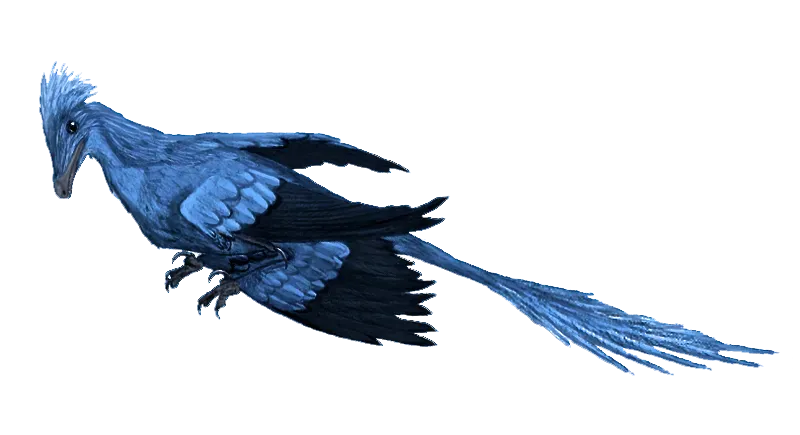
Microraptor’s iridescent black plumage was similar to modern birds and could have been used for display and sexual behavior. Scientists discovered preserved pigment cells in fossils that revealed these tiny predators probably shimmered with the same metallic sheen you see today on crows or grackles.
This discovery tells us something profound about their behavior. Iridescent birds are active during the day, so if Microraptor was glossy, it probably wasn’t nocturnal. The fact that these creatures invested energy into flashy plumage suggests they engaged in elaborate courtship displays, just like modern peacocks or hummingbirds do today.
4. One Dinosaur Had The Longest Name Of Any Species
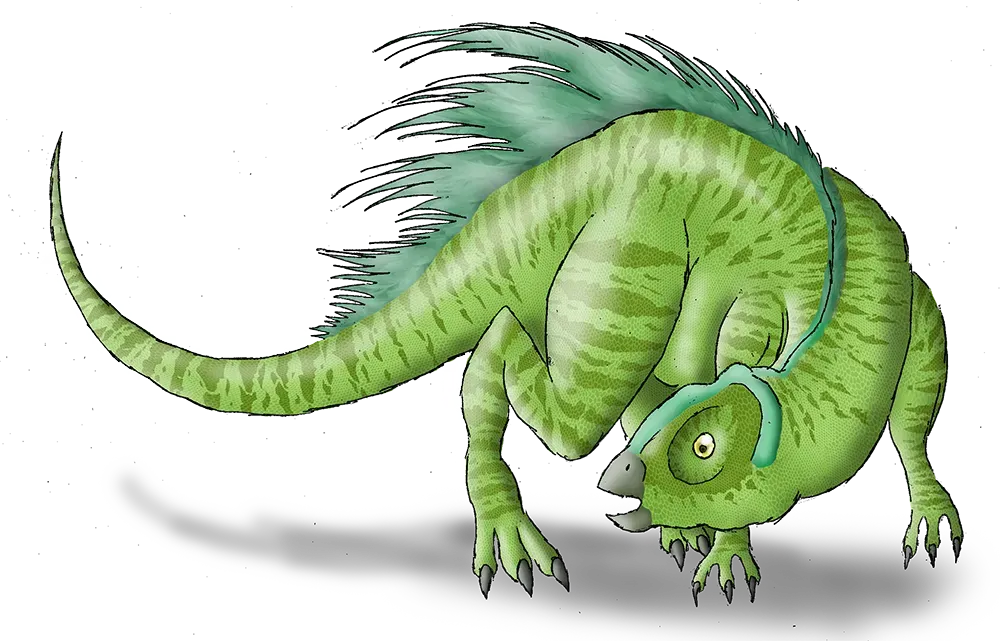
Here’s something that’ll make you laugh. Micropachycephalosaurus is notable for being one of the smallest dinosaurs ever discovered and for having the longest name of any dinosaur. Try saying that five times fast at your next dinner party!
This genus of small herbivorous dinosaurs lived during the Late Cretaceous period, about 70 million years ago. The irony isn’t lost on paleontologists, who had to give a tongue-twisting twenty-three letter name to one of the tiniest creatures from the dinosaur age. Talk about overcompensating.
5. Their Diet Is Known With Absolute Certainty
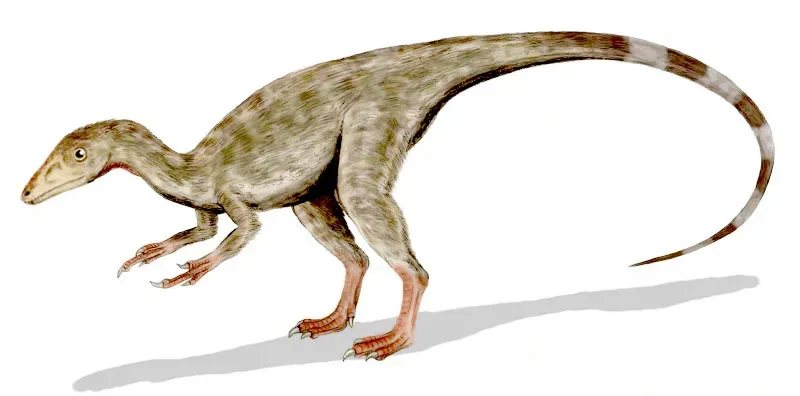
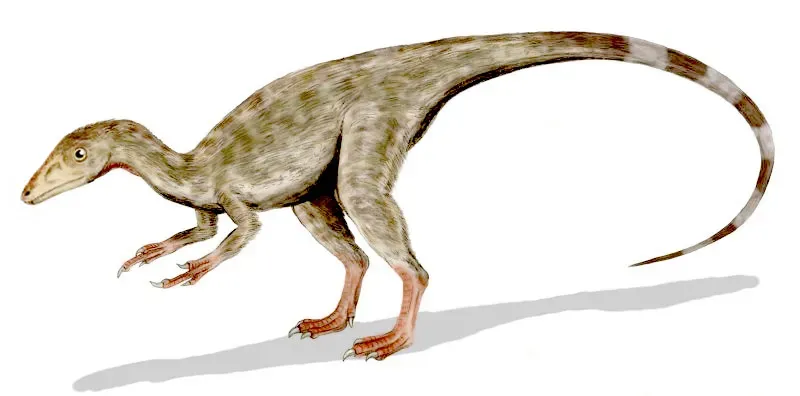
Unlike most dinosaurs where scientists have to make educated guesses, a tiny skeleton was preserved within the rib cage of one Compsognathus fossil, which was once mistakenly thought to be an embryo, but further study showed it to be a lizard’s, documenting the predatory habits of Compsognathus. This is paleontological gold.
Despite its small size, Microraptor was a carnivore preying on small animals and insects, with its diet likely including small vertebrates like reptiles, mammals, fish, and primitive birds, with mammal bones discovered in a Microraptor’s abdomen. These weren’t gentle plant-eaters. Even at their diminutive size, they were fierce predators with surprisingly varied menus.
6. They Shrank Continuously For Fifty Million Years
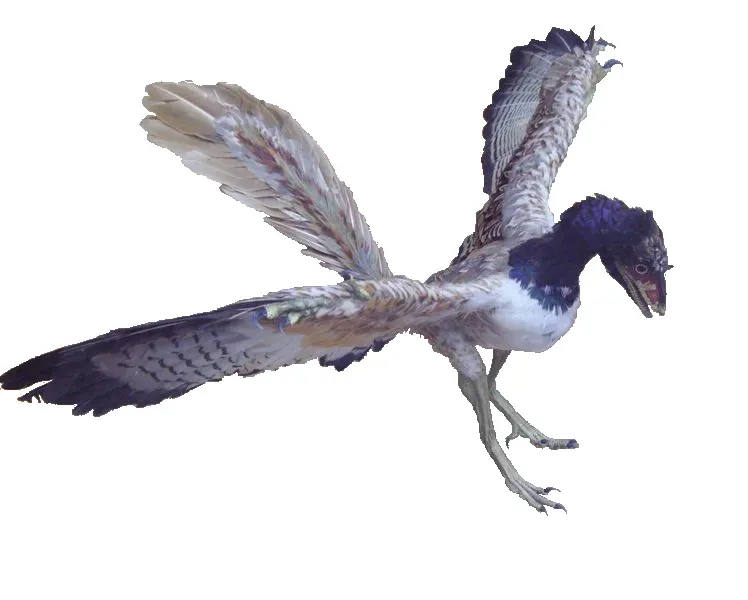
In the theropod lineage leading to birds, body size shrank continuously over fifty million years from an average of 163 kilograms down to less than one kilogram, and this was the only dinosaur lineage to get continuously smaller over such an extended time period. Let that sink in for a moment.
This gradual miniaturization happened at roughly four times the average rate of evolutionary change seen in other dinosaurs. Why would getting smaller be advantageous? Smaller animals need less food, can exploit different ecological niches, and in the case of early birds, could eventually take to the skies more efficiently. Evolution doesn’t always mean bigger and stronger.
7. The Bee Hummingbird Is Technically A Living Dinosaur
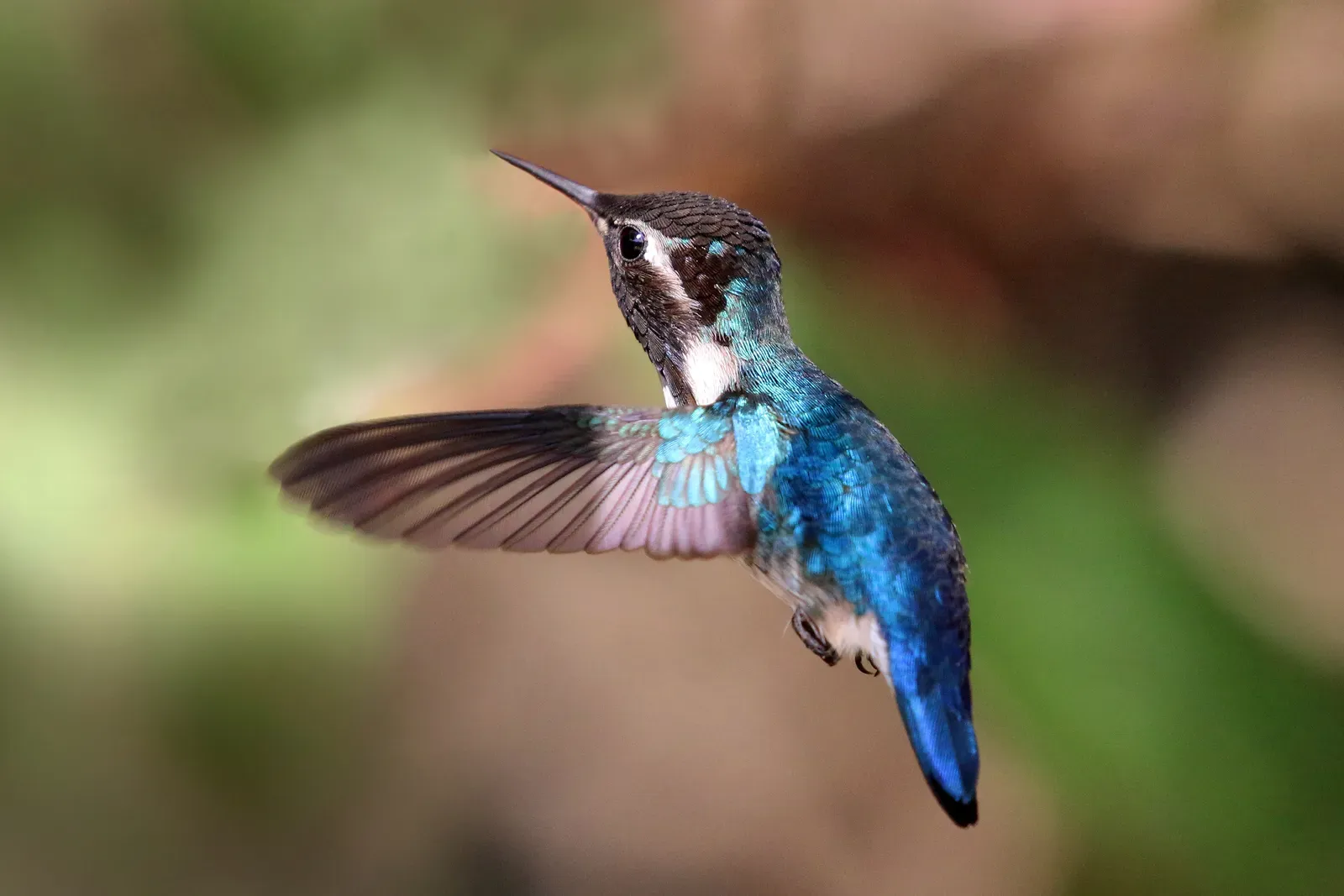
The bee hummingbird has been described as the smallest dinosaur based upon the recognition that birds are a living form of theropod dinosaurs, and no smaller bird or non-avian dinosaur has been found in the fossil record. This tiny Cuban native weighs less than three grams.
In the theropod lineage leading to birds, body size shrank continuously over a period of 50 million years, eventually giving us the hummingbirds we see today. When you watch a hummingbird hovering at your feeder, you’re literally observing a living dinosaur whose ancestors survived the mass extinction that wiped out nearly everything else.
8. One Species Was Discovered In A Famous Fossil Hoax
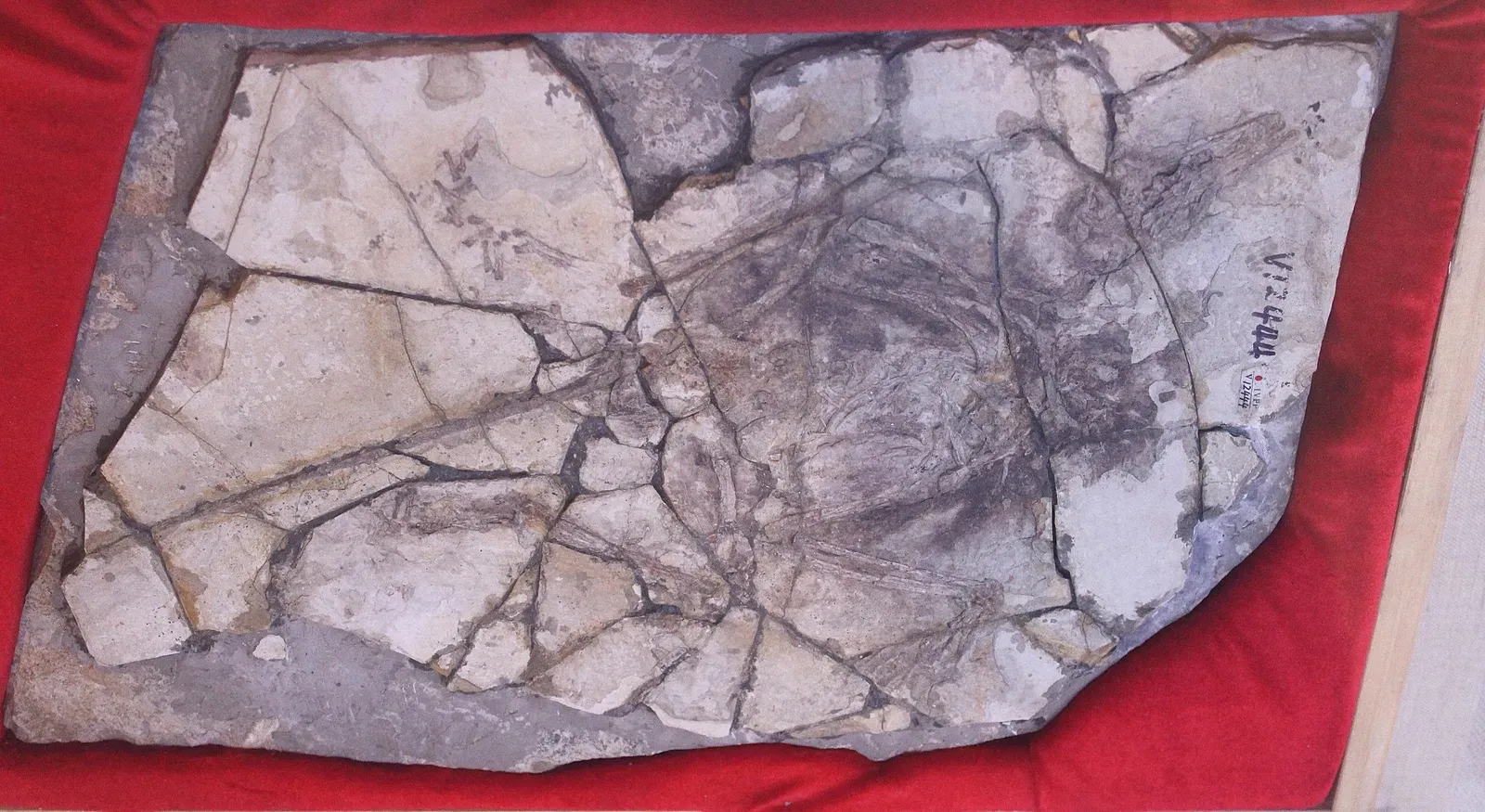
A fossil hunter in China claimed to have found an amazing specimen of a never-before-seen winged dinosaur called Archaeoraptor, but experts grew suspicious and discovered the fossil was a fake made by joining together several different real dinosaur remains. This was one of paleontology’s most embarrassing moments.
The tail of Microraptor was added to the front half of another small dinosaur called Yanornis and an as-yet-unnamed third animal. Ironically, when scientists tracked down the authentic Microraptor specimen from which the tail had been stolen, they discovered something even more remarkable than the hoax, a genuine four-winged dinosaur that revolutionized our understanding of flight evolution.
9. Scientists May Never Know Which Was Actually Smallest
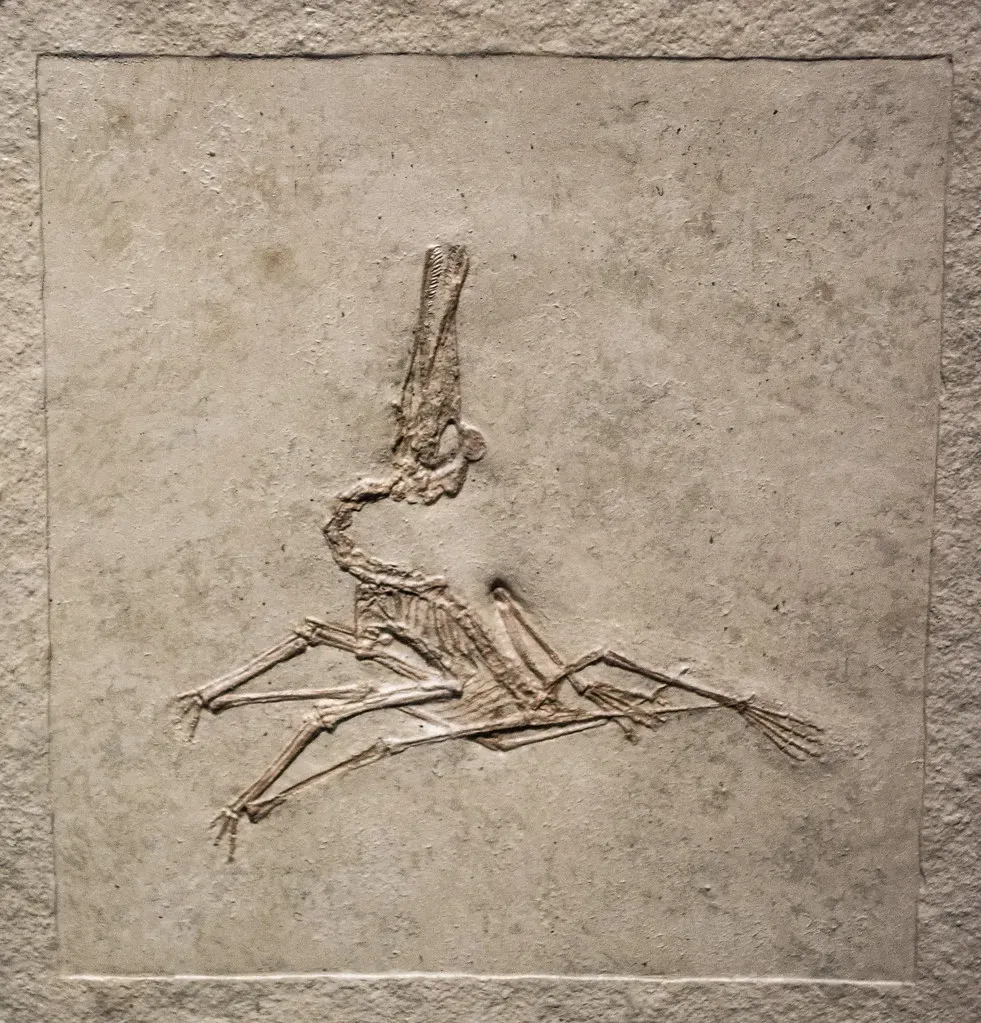
Scientists will probably never be certain of the largest and smallest dinosaurs because only a small fraction of animals ever fossilize, and most of these remains will likely never be uncovered, with few specimens being relatively complete skeletons. This is the humbling reality of paleontology.
The holotype specimen of Parvicursor remotus was recognized as a juvenile individual in 2022, meaning what scientists thought was an adult of the smallest species might have just been a baby of something slightly larger. New discoveries happen constantly, with researchers finding more than forty-five new dinosaur species every single year. Who knows what minuscule marvels still lie hidden in ancient rock formations waiting to rewrite the record books?
The world of tiny dinosaurs reveals a prehistoric landscape far more diverse and complex than we ever imagined. These miniature marvels weren’t just evolutionary footnotes, they were successful predators, innovative gliders, and the ancestors of every bird singing outside your window right now. From feathered hunters with iridescent plumage to runners barely heavier than a hamster, these creatures remind us that size isn’t everything when it comes to survival.
What do you think is the most surprising fact about these tiny titans? Did any of these discoveries change how you picture the Age of Dinosaurs?