
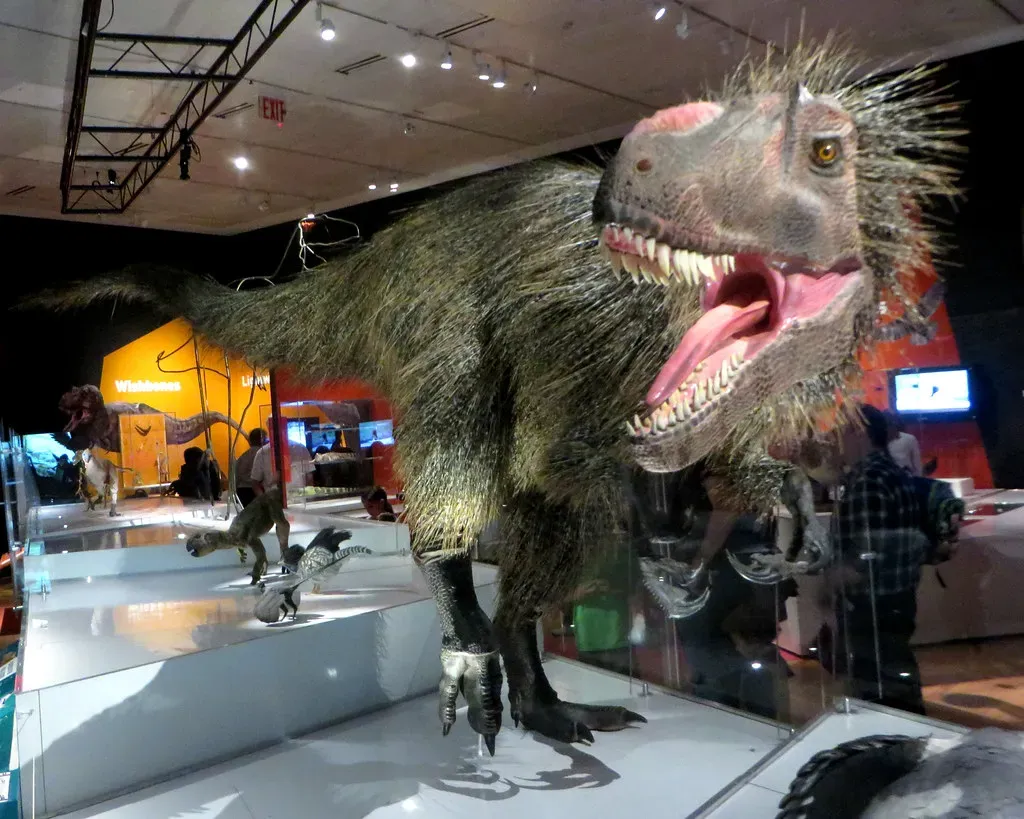
You think you know dinosaurs? Maybe you picture giant gray reptiles stomping through swamps, roaring at each other before vanishing into extinction. I hate to break it to you, but nearly everything Hollywood taught you about these ancient beasts is completely wrong. The truth is far stranger and more fascinating than any blockbuster could capture.
We’re living in what scientists call a golden era of dinosaur discovery. The year 2025 has so far seen the discovery of 44 new dinosaur species, nearly one a week. Each finding chips away at old myths and replaces them with jaw-dropping realities. Let’s dive into some of the most mind-bending truths about these creatures that ruled Earth for millions of years.
Dinosaurs Never Actually Went Extinct

Today’s birds evolved from dinosaurs, which makes them every bit as much of a dinosaur as T. rex or Triceratops. Think about that next time a pigeon struts past you on the sidewalk. There are more species of birds alive today (at least 10,000) than any other group of land-living animals with backbones. While the asteroid that smashed into the Yucatan Peninsula wiped out most dinosaur species, one branch survived and thrived.
That crow cawing outside your window? That’s a living dinosaur. Strange to imagine, but birds aren’t just related to dinosaurs through some distant evolutionary cousin. They are dinosaurs, period. Birds are a weird type of dinosaur that did the same thing bats did with mammals, developing wings and flight while keeping their core identity intact.
Most Dinosaurs Were Actually Tiny
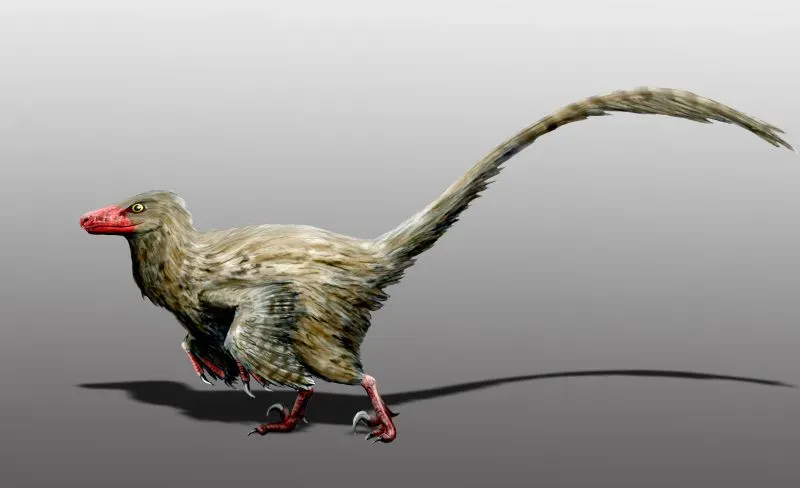
Here’s something that might shock you. While we obsess over giants like Argentinosaurus, most dinosaurs were closer in size to your household pets. Recent years have seen an explosion in the number of small species discovered, such as the cat-sized raptor Hesperonychus, the rabbit-sized plant-eater Tianyulong, and the quail-sized insect-eater Parvicursor.
Hollywood loves showing us monstrous beasts, which makes sense from an entertainment perspective. Velociraptor was the size of a golden retriever and had to be scaled up for Jurassic Park to make it more terrifying. The real Velociraptor would barely reach your knee. The smaller species were probably more common than their giant cousins. Museums naturally focus on the most impressive skeletons, creating a distorted picture of what the average dinosaur looked like.
T. Rex Wasn’t the Biggest Predator After All
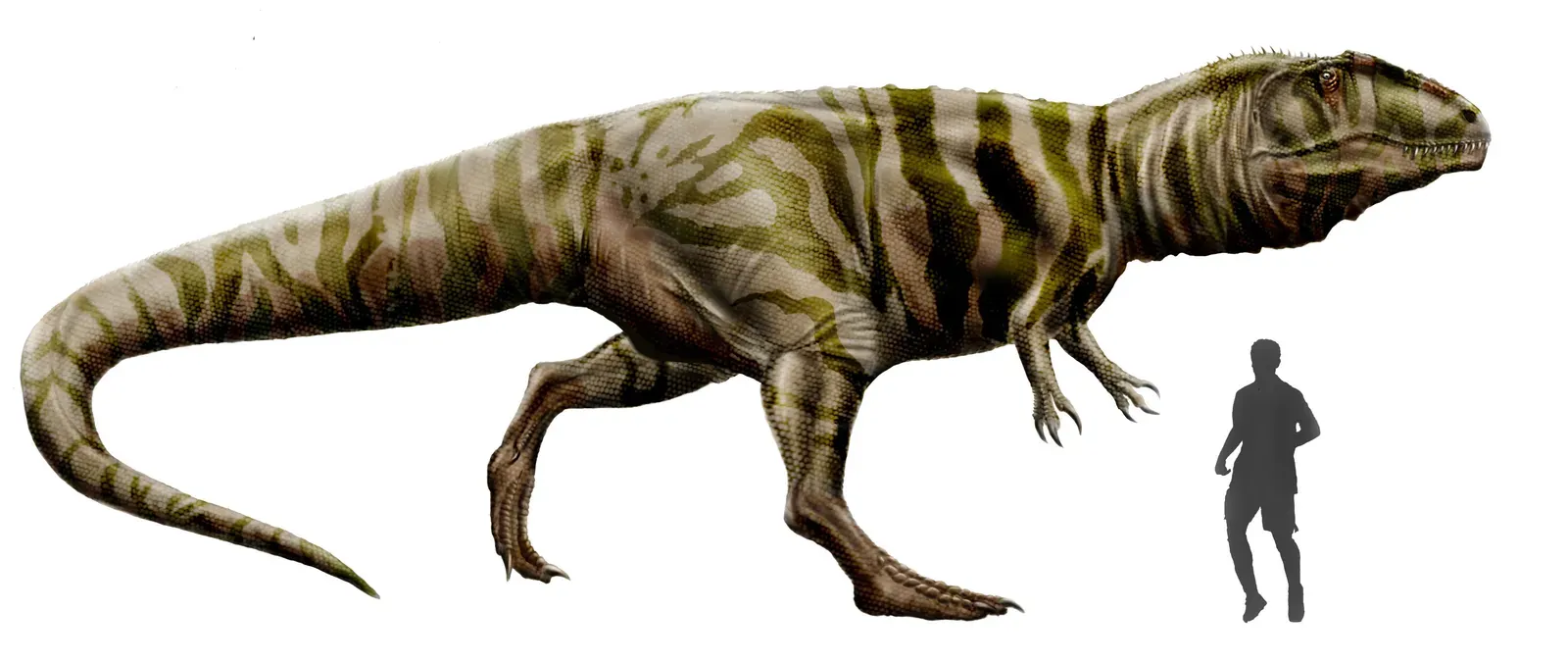
Recent discoveries have shown that other large theropods, such as the Spinosaurus and Giganotosaurus, likely rivaled or even exceeded the T-Rex in terms of size. Let’s be real, T. rex has enjoyed celebrity status for way too long. Sure, it was an apex predator, incredibly powerful and terrifying. It just wasn’t alone at the top.
Even more fascinating? This Nanotyrannus was nearly an adult, but also that it was different from T rex in lots of ways that cannot be explained by growth, including a longer hand. A subsequent study on the original Nanotyrannus demonstrated that this specimen was also fully grown. This discovery completely reshapes how we understand tyrannosaur diversity. We now know multiple tyrannosaur species coexisted in the last million years before the asteroid impact, suggesting a richer, more competitive ecosystem than previously imagined.
Many Dinosaurs Were Covered in Feathers, Not Scales
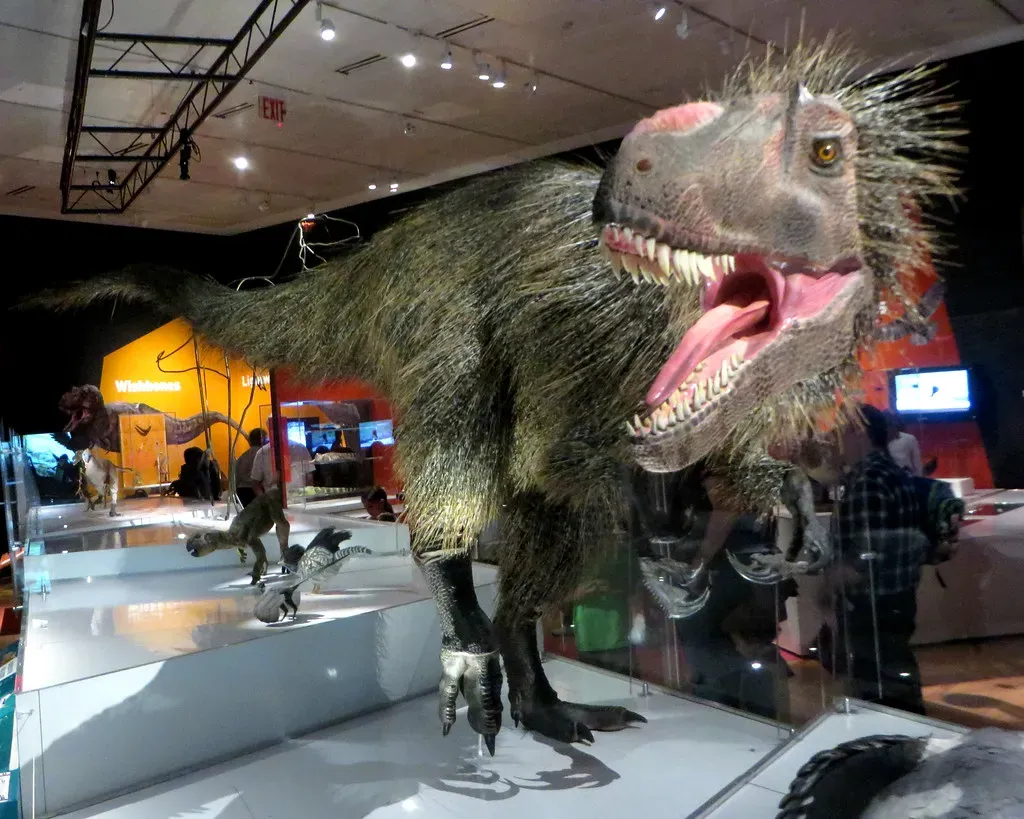
In 1997 a small carnivorous dinosaur named Sinosauropteryx was found to be covered not with scales, but a soft, fuzzy down. Since then, feathers have been discovered on the plant-eating ornithopods, fanged heterodontosaurs, and many families of carnivorous dinosaurs including Tyrannosauridae, meaning that T. rex was probably covered in feathers, not scales.
Imagine a fluffy Tyrannosaurus rex. Sounds absurd, right? Yet the evidence keeps mounting. These were flightless theropods that may have used their feathery body coverings for insulation, protection from the elements and as displays for potential mates. The image of scaly, reptilian monsters is deeply ingrained in popular culture, which makes this revelation all the more startling. Feathers likely appeared much earlier in dinosaur evolution than anyone suspected just a few decades ago.
Dinosaurs Were Shockingly Colorful
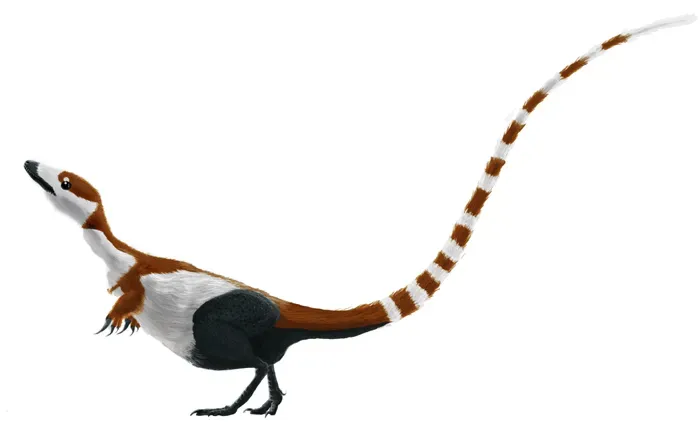
Forget drab grays and muddy browns. Analyses show that dinosaurs came in a wide variety of colours including black, white, and ginger. A few show-offs even had an iridescent sheen to their feathers. Not only that, but many dinosaurs were boldly patterned with spots and stripes, white bellies and dark backs.
Paleontologists can tell what colors some of them were because they’ve found really well-preserved fossilized feathers containing structures called melanosomes. These held pigments, and their different shapes and arrangements indicate what colors they were. A small carnivorous dinosaur in northeastern China called a Sinosauropteryx probably had a striped brown tail and a raccoon-like bandit mask. The Mesozoic era must have been an explosion of color, far more vibrant than any movie has dared to show.
Dinosaurs and Mammals Lived Side by Side for Millions of Years
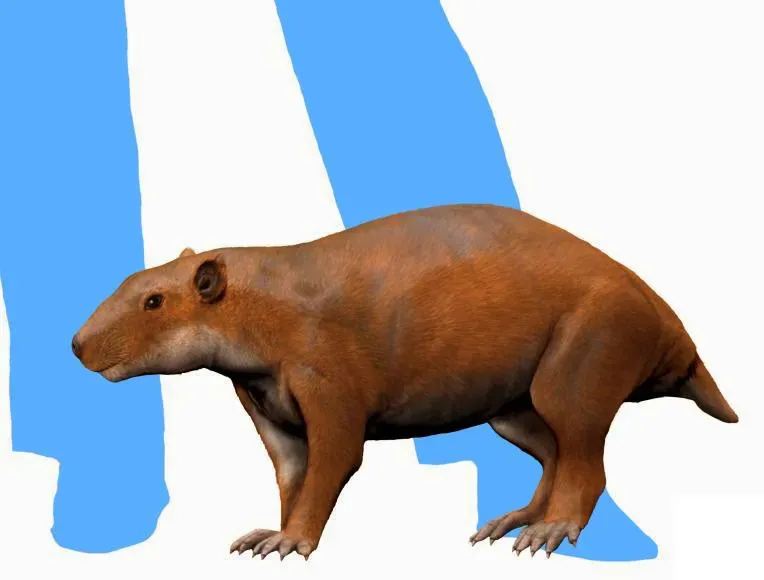
Actually, mammals and dinosaurs appeared at the same time about 216 million years ago, and for 150 million years, they evolved side-by-side, but mammals hid in the underbrush and came out at night, never getting larger than the size of an opossum (and most were shrew-sized). This shatters the myth that mammals only evolved after dinosaurs disappeared.
Only after extraordinary events took out the dinosaurs 66 million years ago did mammals inherit an Earth without large animals to compete with, and they evolved into today’s large diversity of creatures from shrews to bats to monkeys to whales. For the vast majority of mammal history, our ancestors scurried around in the shadows while dinosaurs ruled. Almost two-thirds of the history of mammals occurred while the dinosaurs dominated. That’s humbling when you think about it.
We’ve Probably Only Found Less Than 1% of All Dinosaur Species
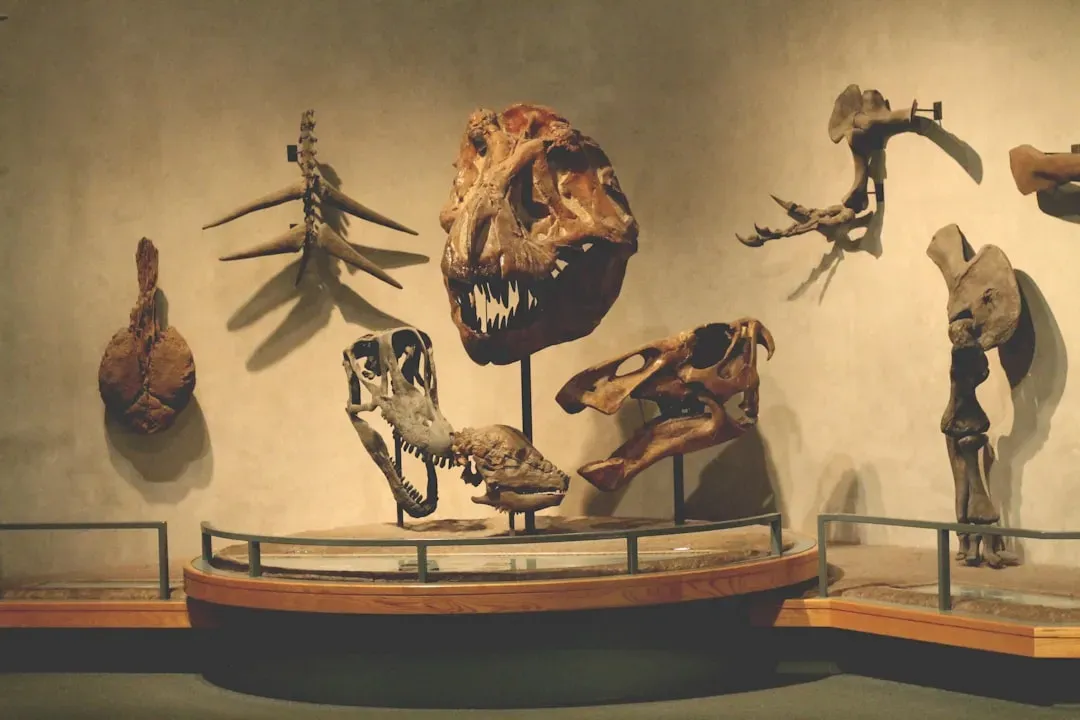
We’ve probably found less than 1% of all the dinosaurs that ever lived, and there’s many, many, many more to find. Fossils are being discovered at a rapid pace, with a new dinosaur species being identified every week, on average. That’s partly because paleontologists are being trained all over the world and searching in places that were previously unexplored.
Around 1,400 dinosaur species are now known from more than 90 countries, with the rate of discovery accelerating in the last two decades. Every time researchers unearth a new fossil, they’re peeling back another layer of mystery. Honestly, it’s hard to say for sure, but we might be discovering dinosaurs for centuries to come. The fossil record is maddeningly incomplete, preserving only a tiny fraction of the creatures that once existed.
Conclusion
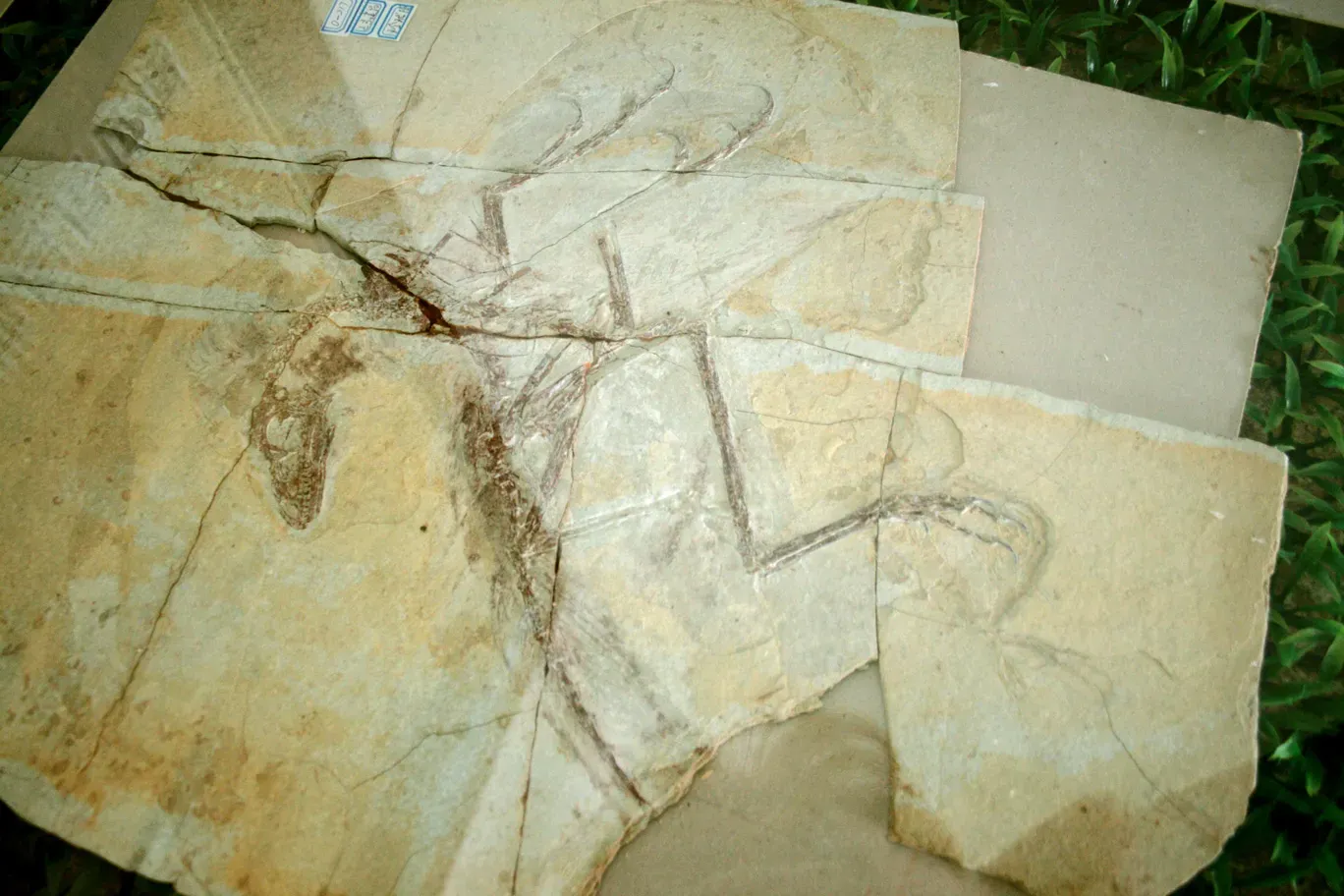
The dinosaurs we’re discovering today bear little resemblance to the outdated monsters of old textbooks and early films. They were diverse, colorful, feathered, and far more complex than we ever imagined. Over the past year, new fossils, reanalyses of famous specimens and the use of increasingly sophisticated tools have continued to upend what we thought we knew about how these animals lived, moved, fed and evolved.
What makes this journey so thrilling is knowing how much we still don’t know. Each discovery rewrites another chapter, challenges another assumption, reveals another wonder. The next groundbreaking fossil could be unearthed tomorrow, changing everything we think we understand about these magnificent creatures.
So, did any of these facts surprise you? What other long-held beliefs about dinosaurs are waiting to be shattered?