
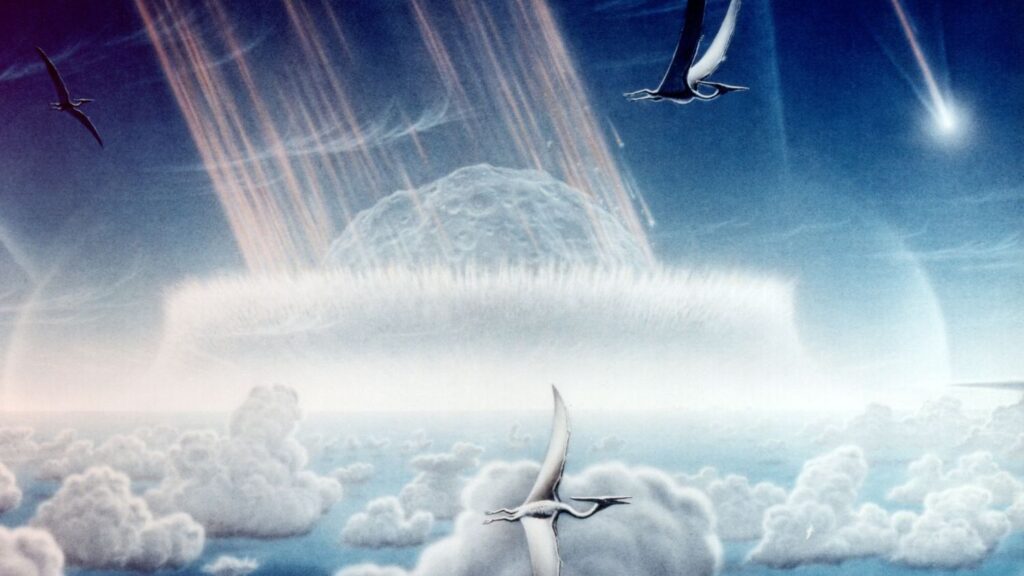
Imagine the day turning to night in a matter of seconds. Picture a massive asteroid hurtling through space at unimaginable speeds, slamming into Earth with the force of millions of nuclear bombs. When you think about it, the survival of any living thing following such devastation seems impossible.
Yet somehow, as the dust cleared and temperatures plummeted, certain dinosaurs continued to exist. You might recognize them today, perched on trees outside your window or waddling at the park. How did they cheat death when giants like Tyrannosaurus rex and Triceratops vanished forever?
The Catastrophic Impact That Changed Everything
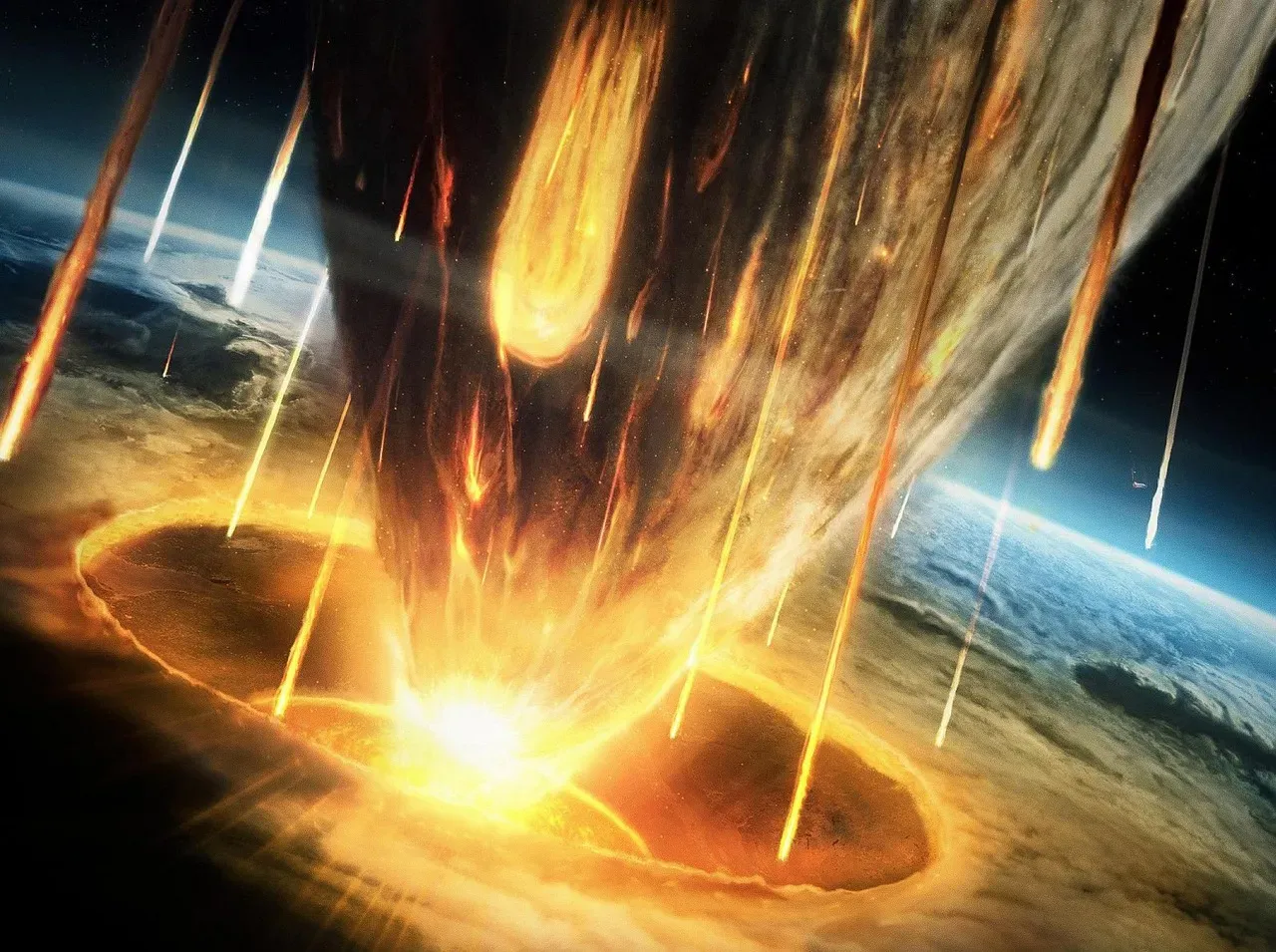
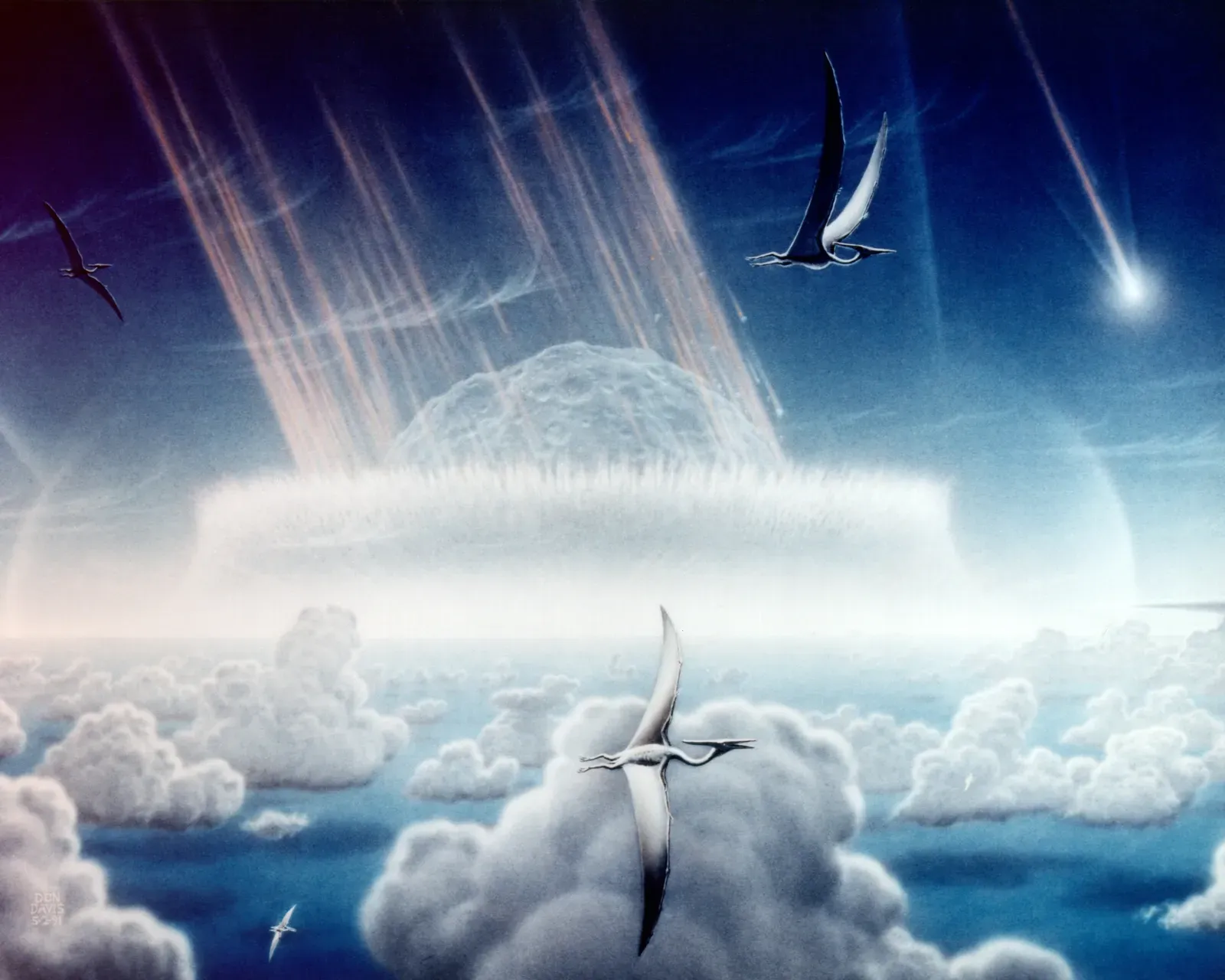
An asteroid measuring about ten kilometers in diameter struck Earth roughly 66 million years ago, creating the Chicxulub crater estimated at 200 kilometers in diameter. You can still find evidence of this impact buried beneath Mexico’s Yucatán Peninsula. The immediate devastation from the collision was beyond comprehension, with shockwaves, fireballs, and tsunamis obliterating everything in the immediate vicinity.
The real nightmare, though, came afterward. Debris thrown into the atmosphere returned to Earth with friction turning the air into an oven and sparking forest fires worldwide, then gave way to a prolonged impact winter with the sky blotted out by soot and ash as temperatures fell. In the first year after the impact, global temperatures dropped by more than 10 degrees Celsius. This wasn’t just bad weather. It was a global catastrophe that would test every species to its breaking point.
Why Most Dinosaurs Couldn’t Make It
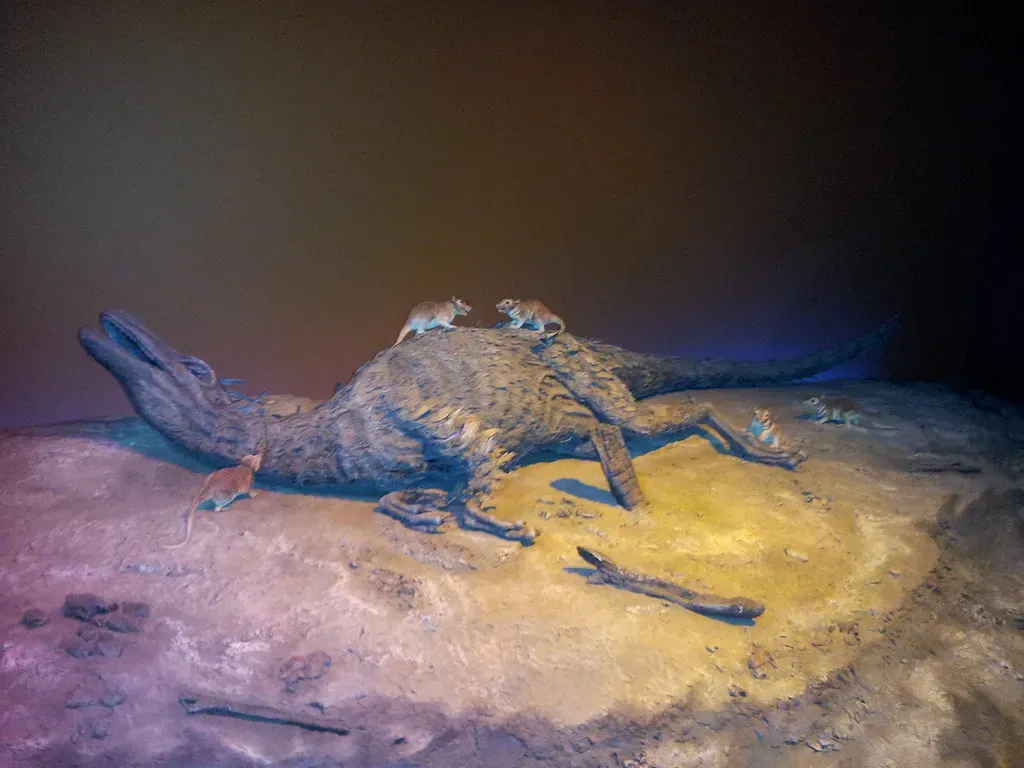
All non-avian dinosaurs became extinct at the K-Pg boundary, with no evidence that late Maastrichtian non-avian dinosaurs could burrow, swim, or dive, suggesting they were unable to shelter themselves from the worst environmental stress. Think about it from their perspective. These magnificent creatures had ruled Earth for roughly 170 million years, perfectly adapted to their world.
Then suddenly, everything changed. The reduction in plant life had knock-on effects up the food chain causing the ecosystem to collapse, with huge impacts on herbivores’ ability to survive and carnivores suffering from less available food. Endothermic dinosaurs needed much more food to sustain their faster metabolism compared to cold-blooded crocodiles, and under circumstances of food chain disruption, non-avian dinosaurs died out while some crocodilians survived. Size and metabolism became death sentences.
The Survivors Had Something Special: Smaller Bodies
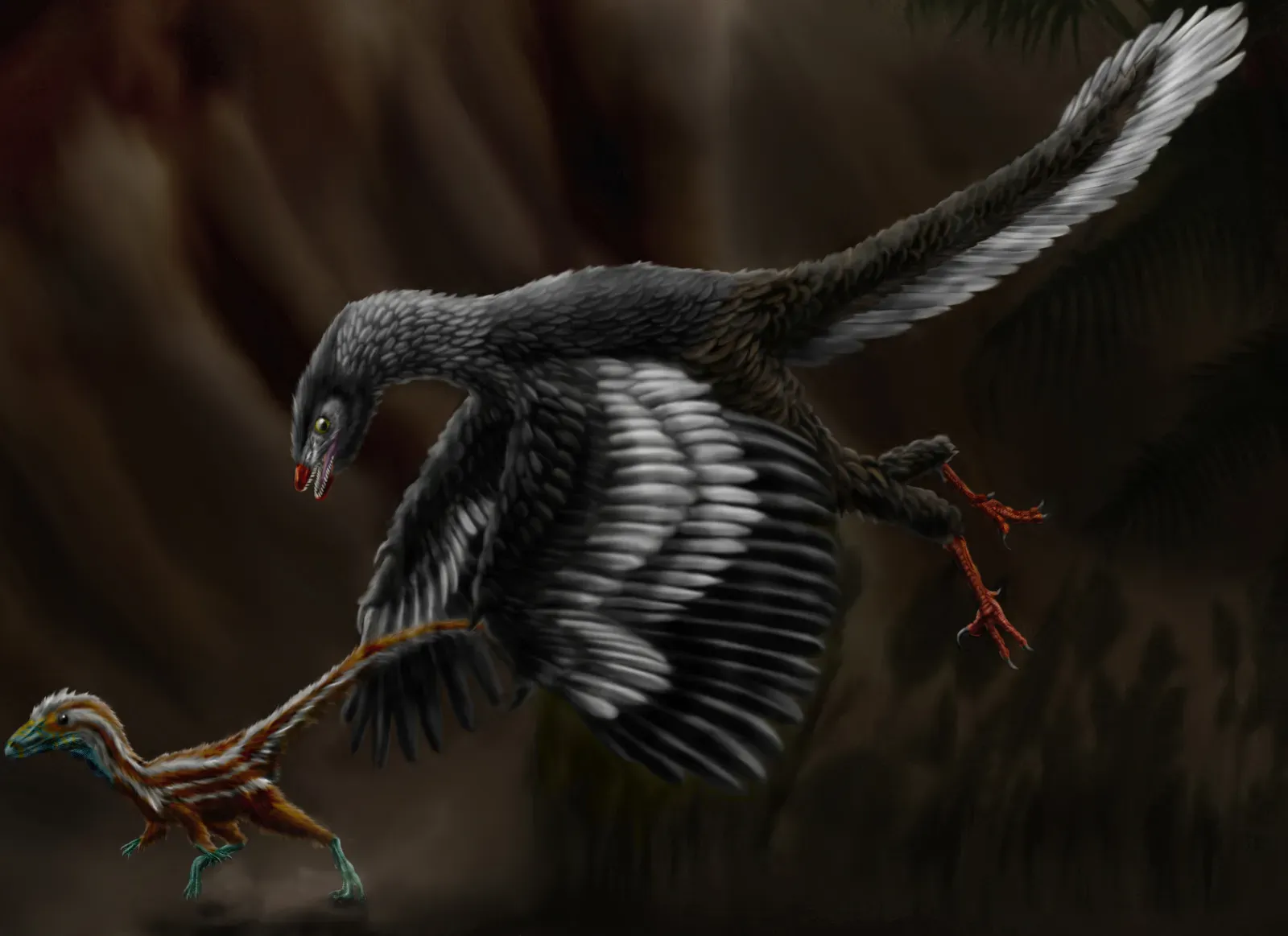
When the asteroid hit Earth 66 million years ago, only those feathered maniraptorans that had downsized to about 1 kilogram or so were able to survive, probably because their small size allowed them to adapt more easily to changing conditions. You see, being tiny wasn’t glamorous, especially when your cousins were towering behemoths. Yet in this case, smaller meant savvier.
The survival of endothermic animals such as some birds and mammals could be due to their smaller needs for food related to their small size at the extinction epoch. These diminutive dinosaurs could hide in burrows, find shelter in crevices, and survive on scraps when larger creatures starved. Birds started downsizing well before the rest of the dinosaurs disappeared, giving them an evolutionary head start that would prove critical.
Beaks Became the Ultimate Survival Tool
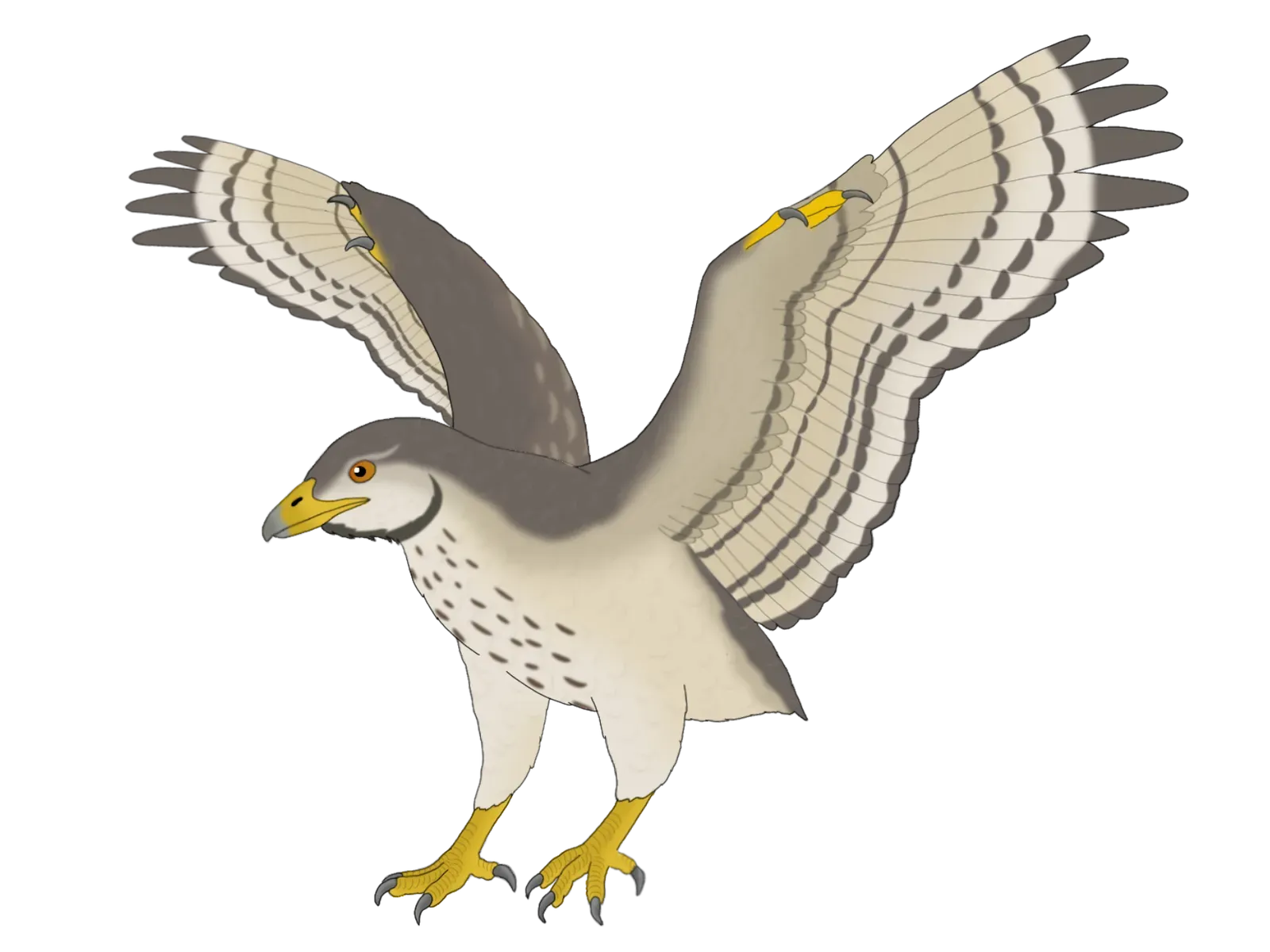
Here’s something you probably wouldn’t have guessed: having a beak instead of teeth saved lives. Beaked birds were able to feed on the seeds of the destroyed forests and wait out the decades until vegetation began to return. Seeds might seem like an unexciting food source, especially compared to fresh prey, yet they were fire-resistant and remained available long after the impact.
Birds with beaks and powerful gizzards capable of crushing tough seeds had an unexpected advantage that increased their chances of survival. By the end of the Cretaceous, beaked birds were already eating a much more varied diet than their toothed relatives, and they weren’t specialized on insects or other animal food, so they could pluck up hard food items like seeds and nuts. While toothed dinosaurs required specific prey that vanished, beak-bearing birds proved far more adaptable.
Ground-Dwelling Habits Mattered More Than You’d Think
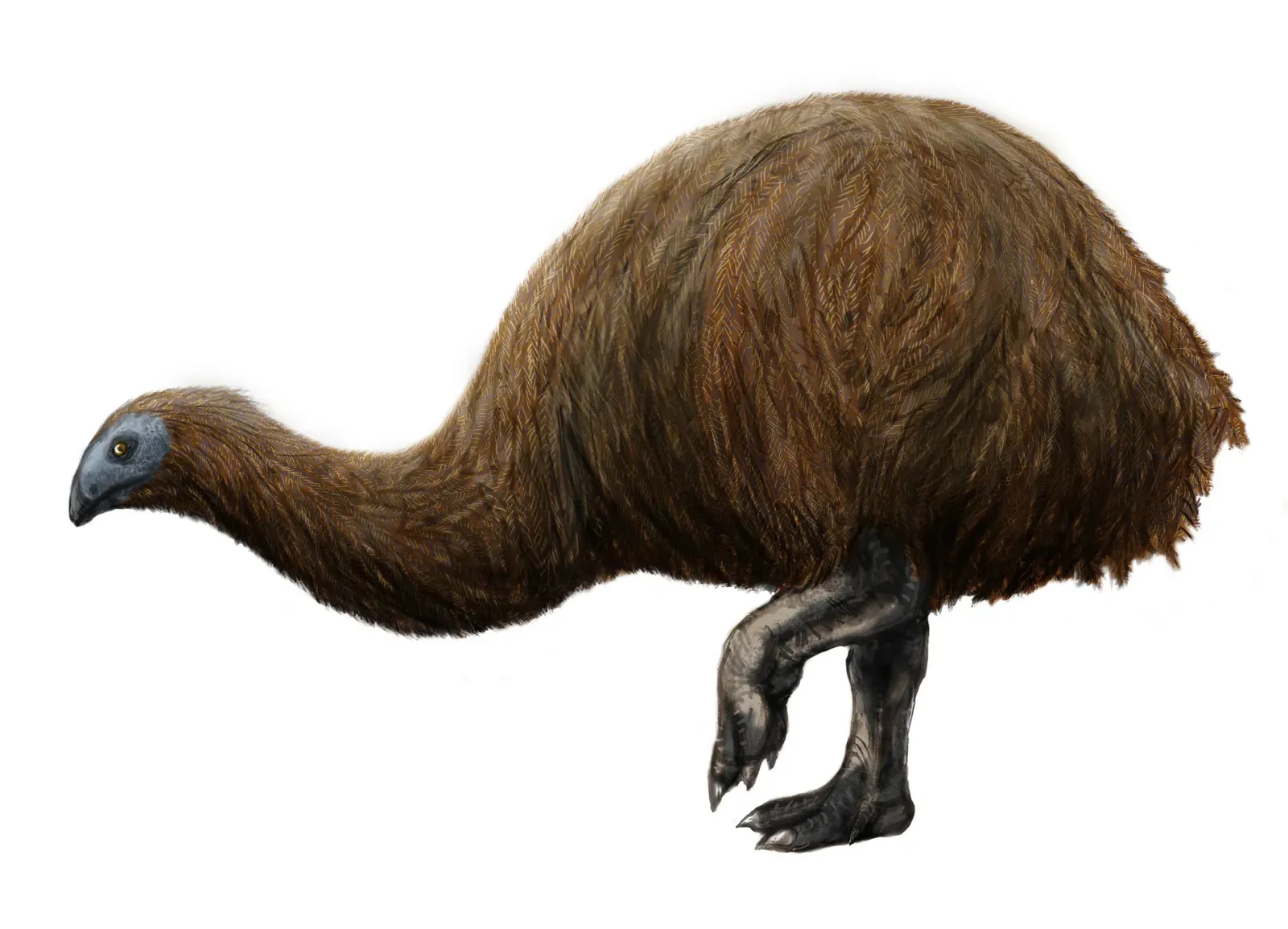
The impact and its aftermath obliterated forests worldwide leading to mass extinction of prehistoric tree-dwelling birds, and only birds that survived were ground-dwellers including ancient relatives of ducks, chickens, and ostriches. The tree-loving birds, no matter how beautiful or well adapted, lost their entire habitat in the firestorm that followed the impact.
Analyses showed that the most recent common ancestor of all living birds and all bird lineages that crossed the end-Cretaceous boundary were likely ground-dwelling. Avians may have been able to survive the extinction as a result of their abilities to dive, swim, or seek shelter in water and marshlands, and many species could build burrows or nest in tree holes or termite nests providing shelter from environmental effects. Ground dwellers could hunker down, find protection, and wait out the worst conditions.
Brains Gave Them an Edge
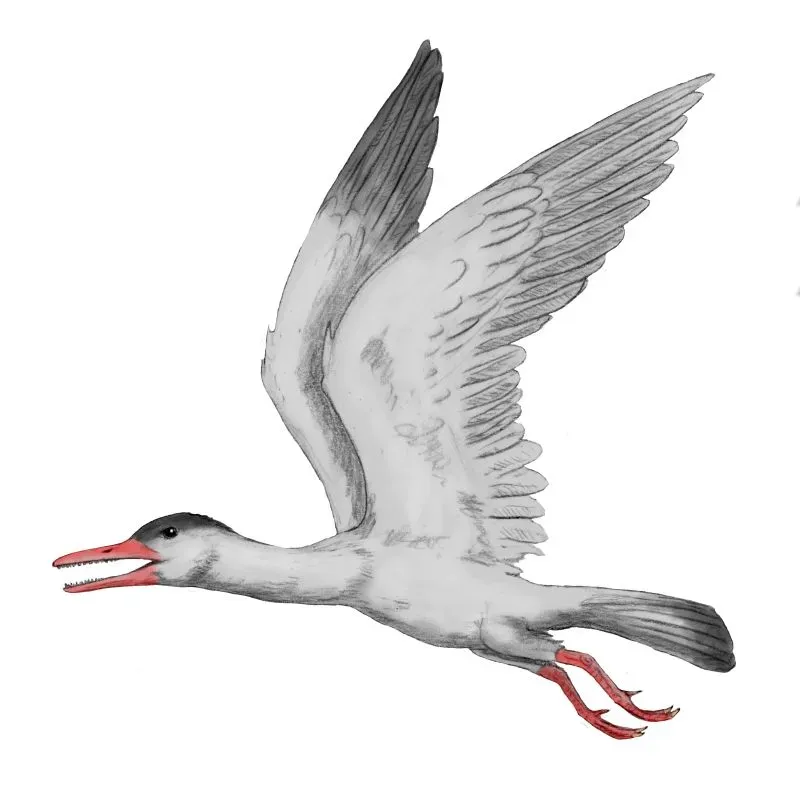
Intelligence played a fascinating role you might not expect. The ancestors of living birds had a brain shape that was much different from other dinosaurs including other early birds, suggesting that brain differences may have affected survival during the mass extinction. Those enlarged cerebral hemispheres allowed for behavioral flexibility and problem-solving that proved invaluable.
Many bird lineages became smaller in size while maintaining their brain size, and through evolutionary shrinking birds wound up with larger brains compared to their body size. This meant surviving bird ancestors could adapt their behavior, figure out new food sources, and navigate rapidly changing environments. When everything familiar disappeared, cognitive flexibility became a lifeline.
The Aftermath Belonged to Quick Adapters
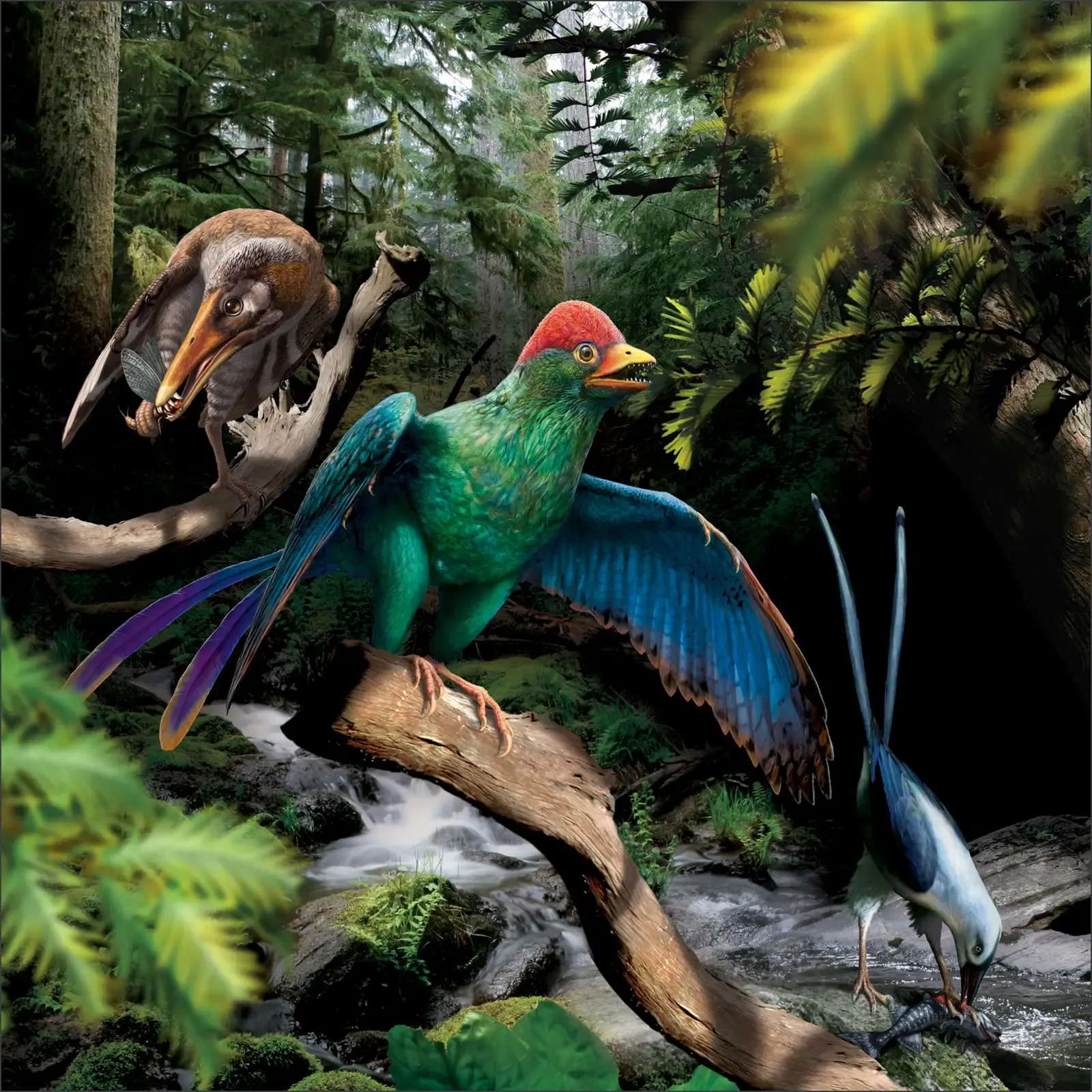
Long-term survival past the boundary was assured as a result of filling ecological niches left empty by extinction of non-avian dinosaurs, and based on molecular sequencing many species of birds appeared to radiate after the K-Pg boundary with open niche space and relative scarcity of predators allowing adaptive radiation. The world was essentially an empty stage waiting for new performers.
Early mammals and birds quickly began to fill environmental niches left empty by extinct larger species, and within 300,000 years there were productive ecosystems across Earth. Those survivors diversified at astonishing rates. Ratites rapidly diversified in the early Paleogene and are believed to have convergently developed flightlessness at least three to six times, often fulfilling the niche space for large herbivores once occupied by non-avian dinosaurs. Evolution kicked into high gear.
Your Feathered Neighbors Are Living Dinosaurs
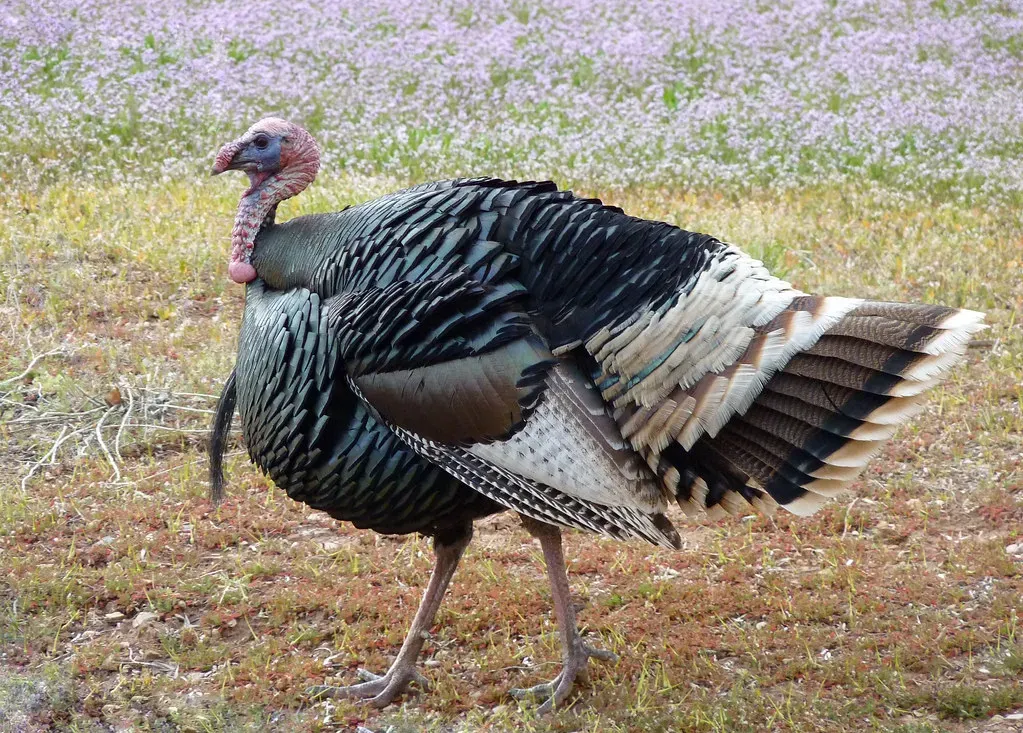
Birds are the only dinosaurs to survive the mass extinction event 65 million years ago. Only a small fraction of ground and water-dwelling Cretaceous bird species survived the impact giving rise to today’s birds. Every sparrow, pigeon, and eagle you see descends directly from those scrappy survivors who made it through Earth’s darkest days.
Today there are more than 10,000 species of birds thriving across every continent. They’ve conquered skies, oceans, forests, and deserts. Some tower over humans while others fit in your palm. The tiny dinosaurs that survived did more than just persist – they flourished, diversified, and became one of the most successful animal groups on the planet. Next time you spot a bird outside, remember you’re looking at a living descendant of creatures that witnessed the end of the world and lived to tell the tale.
Conclusion
Survival during Earth’s most catastrophic extinction event wasn’t about being the biggest, strongest, or fiercest. It came down to a combination of factors: small body size requiring less food, adaptable beaks for eating seeds, ground-dwelling habits providing shelter, enhanced brains enabling flexibility, and perhaps a hefty dose of luck. The dinosaurs that made it through weren’t the obvious choices, yet they possessed precisely the right traits at precisely the right moment.
Their success story reminds us that adaptability often trumps dominance when circumstances shift dramatically. So what do you think? Would you have predicted these humble creatures would inherit the Earth while titans vanished? Share your thoughts – the story of survival never gets old.