You probably think of yourself as a modern person, surrounded by screens, schedules, and streaming services. But underneath all the technology, you’re still wired like your prehistoric ancestors, and you feel it in the strangest places: around a birthday cake, at a concert, during a funeral, or even when you stand quietly and watch a sunrise. These moments are not random; they are echoes of very old rituals that once helped small human groups survive a brutal, uncertain world.
When you look closely at your daily life, you realize you are constantly stepping into invisible “circles” that humans created tens of thousands of years ago: circles of firelight, circles of dancers, circles of mourners, circles of storytellers. You might call them parties, ceremonies, or traditions, but at their core they are ancient technologies of belonging. Once you see how these old patterns still shape what you do today, it becomes much harder to pretend that the past is really gone.
1. Fire Gatherings: From Cave Hearths to Campfires and Candles
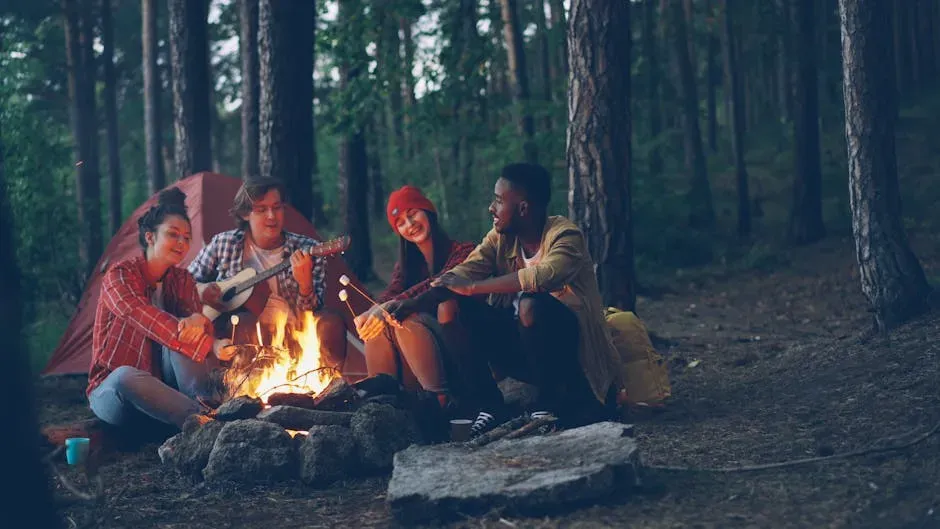
Imagine your ancestors huddled around a flickering fire in the dark, listening to the night sounds and feeling their bodies relax as the flames danced. That scene is not just romantic; it was a survival tool. Early humans used shared fires for warmth, safety from predators, cooking, and social bonding, and evidence of controlled fire stretches back hundreds of thousands of years in archaeological sites where you find repeated hearths with burned bones and ash layers. When you sit around a campfire today or dim the lights and light candles at dinner, you are stepping into that same circle of light that once meant life or death.
Researchers who study human behavior have noticed that staring into flames tends to slow your heartbeat and pull groups into quiet, synchronized rhythms, which is very similar to what likely happened around prehistoric hearths. You still instinctively lean toward light in darkness, gather around it to talk, and use it to mark special occasions, from birthday candles to vigil lights. Even your love of cozy spaces and “mood lighting” echoes the emotional safety of a fire-lit shelter after a dangerous day of hunting or foraging. Without realizing it, every time you let a room be lit mostly by a soft glow, you are rehearsing one of humanity’s oldest rituals.
2. Communal Feasting: From Shared Hunts to Holiday Dinner Tables
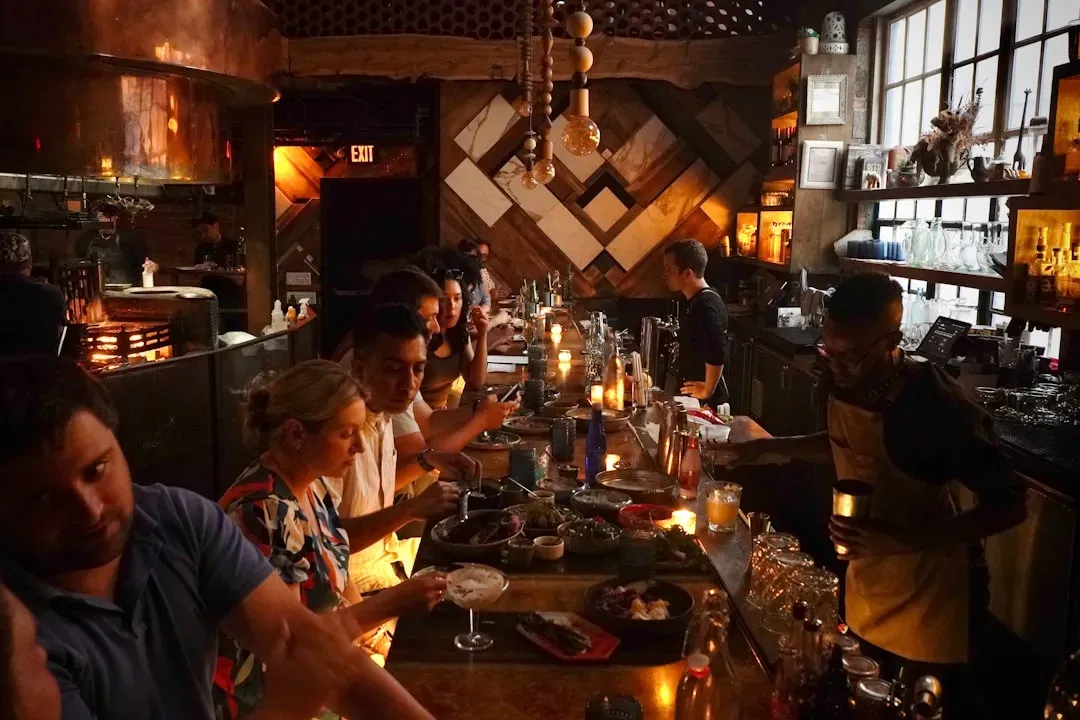
When you sit down at a big holiday meal, you are reenacting a pattern that goes back to shared hunts on ancient plains. Long before farmers and cities, early hunter–gatherer groups shared meat and gathered foods in ways that helped reduce conflict and build trust, because no single person could reliably get enough food alone. Archaeological finds of large animal remains at prehistoric sites, along with multiple hearths and tools, suggest that people came together to consume big kills in social groups rather than in isolation. Today, when you feel that warm sense of connection over a crowded table, you are feeling the emotional residue of those cooperative feasts.
You still treat food as more than just fuel; you use it as a tool for peacemaking, celebration, and even negotiation. You invite friends over for dinner when you want to deepen a relationship, and companies hold banquets when they want to honor achievement or cement loyalty, even though nobody technically needs to eat together to survive anymore. Think about how odd it is that some of your most cherished memories are simply people sitting in chairs, sharing cooked plants and animals on plates. That simple act links you directly to the first humans who learned that eating together was the fastest way to turn a group of individuals into a tribe.
3. Dance and Rhythm: From Trance Circles to Nightclubs and Concerts
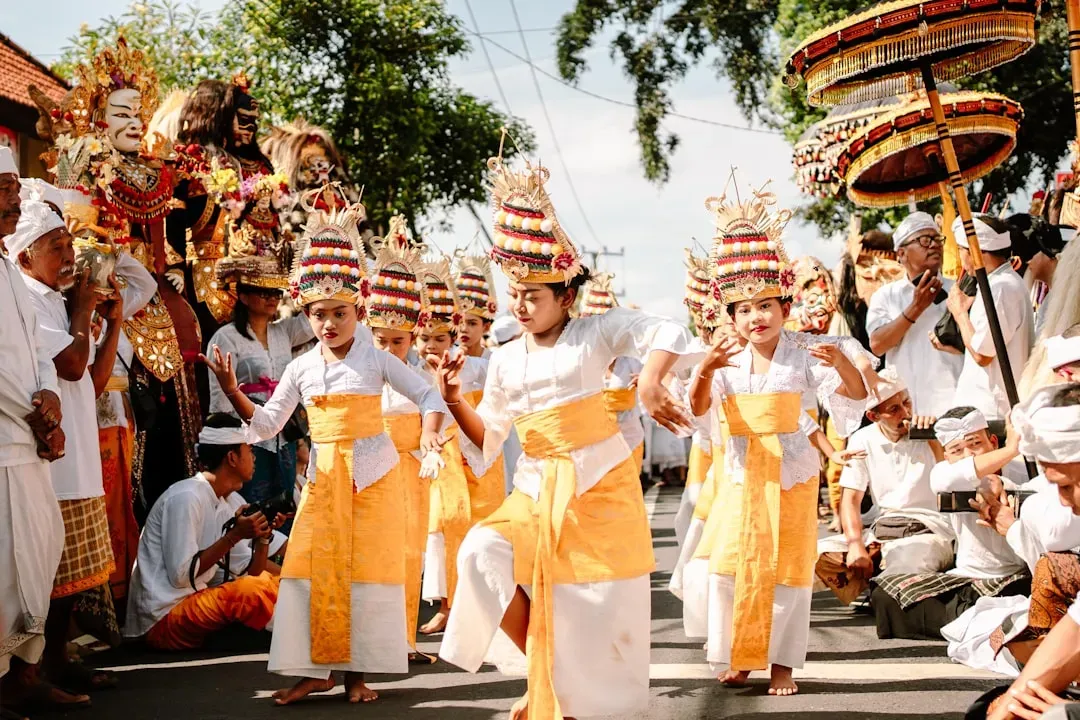
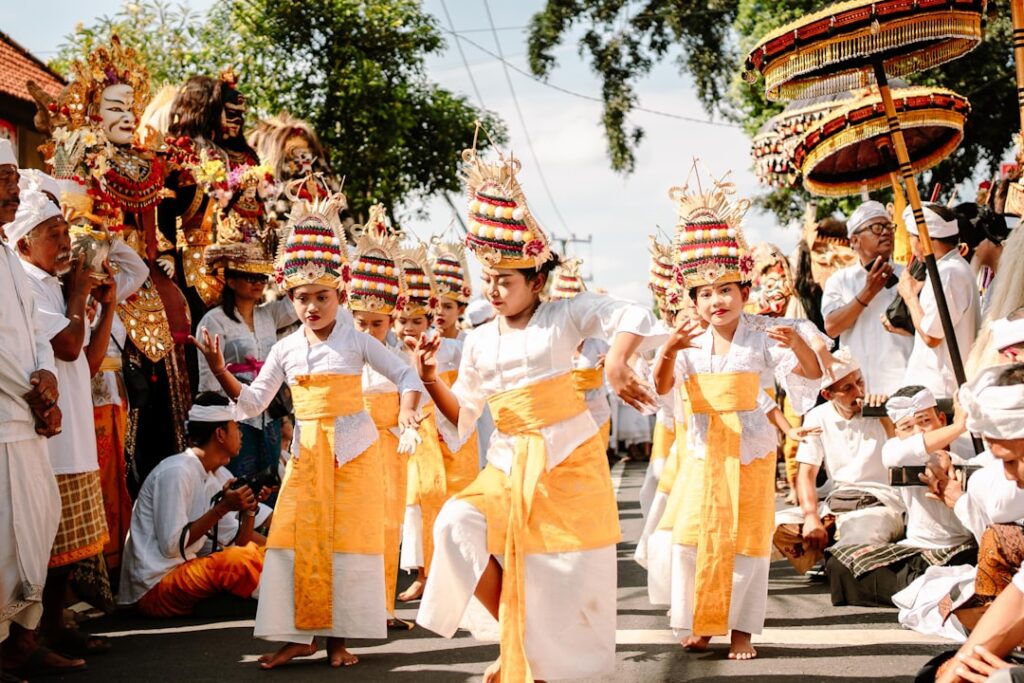
Picture a group of early humans stamping their feet, clapping, and chanting around a fire until they move in perfect unison; that image might sound dramatic, but there’s evidence that rhythmic group activity is very old in our species. You see ancient depictions of dancers in rock art, and musical instruments carved from bone and ivory tens of thousands of years ago show that rhythm and sound were not side hobbies, they were central to ritual. When you lose yourself in the crowd at a concert or on a dance floor, you’re not just having fun, you’re plugging into a deep, ancient circuit that links movement, emotion, and group identity.
Modern studies have found that when you move in sync with other people – marching, dancing, chanting – your brain and body release chemicals that increase trust and make you feel closer to those around you. That is exactly what early humans needed when they faced predators, rival groups, and harsh environments: a way to feel like one body instead of scattered individuals. So when a beat drops and you feel your body react before you think, you are acting like your prehistoric ancestors, who used rhythm and movement not only to celebrate but also to prepare for hunts, mourn losses, and mark key moments in the life of the group.
4. Storytelling Circles: From Oral Myths to Movies and Podcasts

Long before there were books, you had voices and firelight, and that was enough to carry entire worlds from one mind to another. Archaeologists and anthropologists have found that traditional hunter–gatherer societies treat storytelling as an essential skill, passing down knowledge about animals, seasons, dangers, and social rules through tales, songs, and myths. Even without written records from deep prehistory, you can see from later oral traditions that stories preserved practical survival information wrapped in emotionally gripping narratives. Today, when you binge a show or get hooked on a podcast, you are using that same ancient channel: sitting still while your brain travels.
Your mind is still wired to respond to stories more strongly than to raw facts, which made sense when your ancestors needed to remember where the dangerous river crossing was or why it mattered to follow certain taboos. You gather in dark rooms to watch glowing screens, just as earlier humans gathered in dark caves to hear elders speak; in both cases, you share emotional experiences and synchronize your beliefs with the group. Even the way you say things like “that story stayed with me” mirrors how vital narratives once were for keeping a scattered tribe united in its understanding of the world, long before maps and manuals existed.
5. Rites of Passage: From Initiation Trials to Graduations and Birthdays
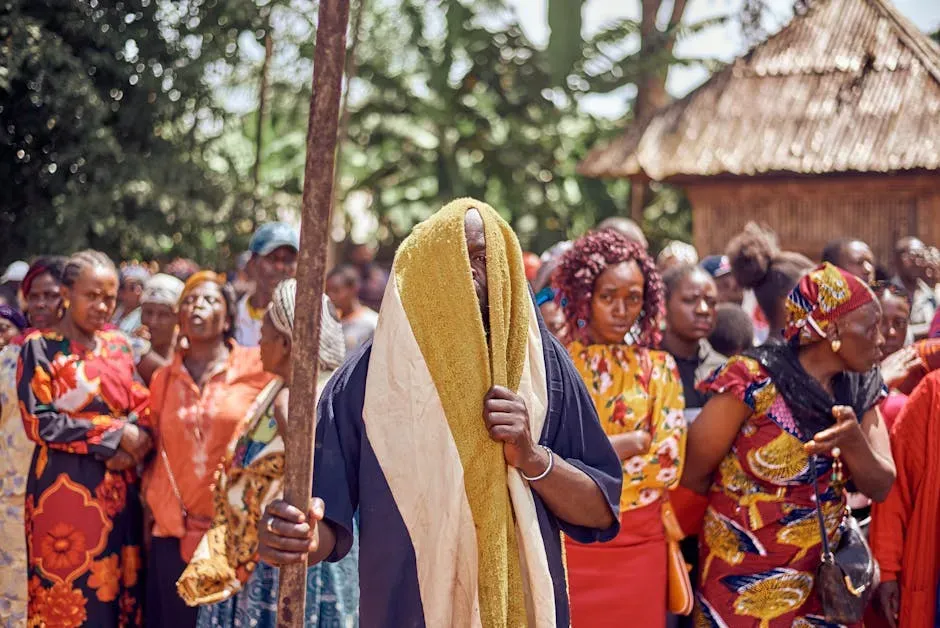
Think about how much weight you place on birthdays that end in certain numbers, or on graduation ceremonies where you walk across a stage in special clothing while others look on. These events can feel strangely powerful, even though nothing magical happens in that exact moment. In many traditional societies studied over the past century, you find intense initiation rituals where young people endure tests, isolation, or symbolic challenges before being accepted as adults, warriors, or full members of the community. Although you do not have clear written records for the deepest prehistoric eras, the widespread presence of these practices across cultures suggests that early humans also marked life stages with shared rites.
Today, your version of an initiation might look like a driver’s license test, a graduation ceremony, or a first solo trip away from home. You still use formal markers – special clothes, speeches, certificates, and gatherings – to tell everyone, including yourself, that your social role has changed. When you feel nervous before a big milestone ritual, it is not just stage fright; it is an echo of much older fears about leaving childhood behind and taking on adult responsibilities in a dangerous world. Every time you celebrate a coming-of-age moment, you are practicing a modern, softened version of the trials that once helped your ancestors decide who was ready to carry weapons, raise children, or lead the group.
6. Mourning and Funerary Rituals: From Burial Graves to Modern Memorials
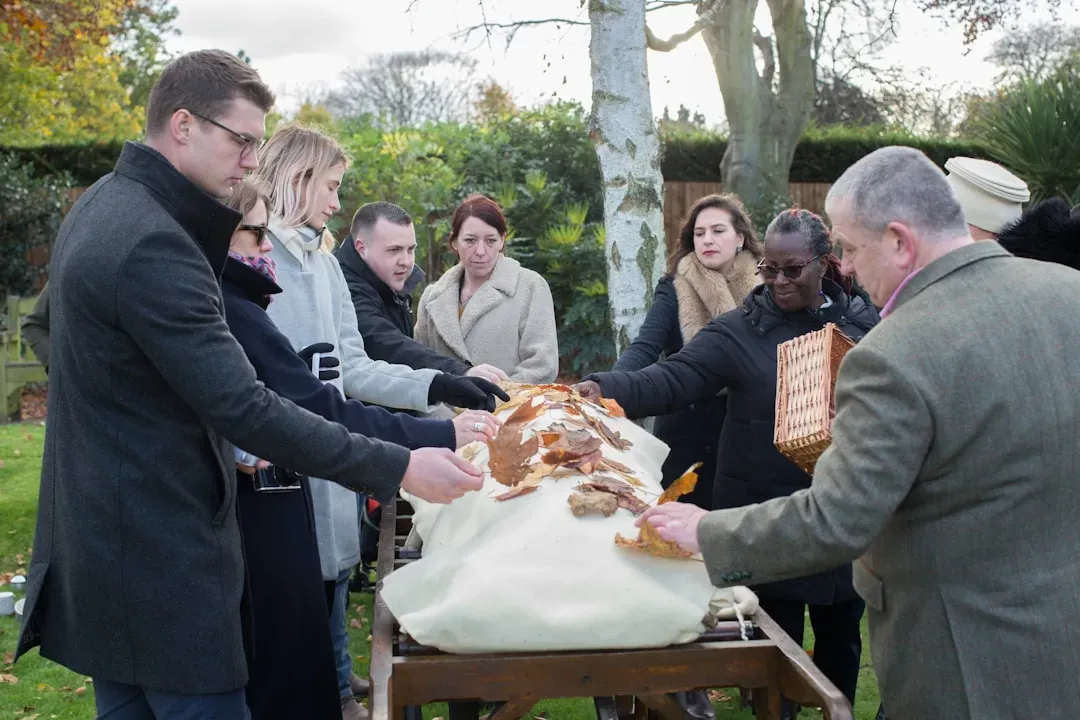
Some of the oldest clear signs of human ritual you can actually see in the ground are burials, where bodies were laid carefully, sometimes with tools, ornaments, or red pigment, instead of being left where they fell. Archaeological sites from tens of thousands of years ago show deliberate graves, which suggests people were already thinking about death in symbolic ways and carrying out repeated customs to honor the dead. When you attend a funeral today, walk in a procession, or leave flowers at a grave, you are taking part in a tradition that has been evolving since the moment humans first realized that death needed more than a practical solution.
Modern funerals can look very different from ancient burials, but they serve similar emotional and social purposes: they help you accept the reality of loss, reinforce the bonds among survivors, and express shared beliefs about what it means for a life to end. You follow specific steps – viewings, speeches, songs, moments of silence – not because you need them biologically, but because your species has found over many generations that structured grief is easier to bear than chaotic grief. Even quiet, personal acts like lighting a candle for someone you lost or keeping a small object to remember them echo the grave goods and symbolic gestures of your prehistoric ancestors, who also struggled to make sense of the one thing they could not escape.
7. Sacred Spaces and Pilgrimage: From Caves and Stone Circles to Modern Travel and Tourism
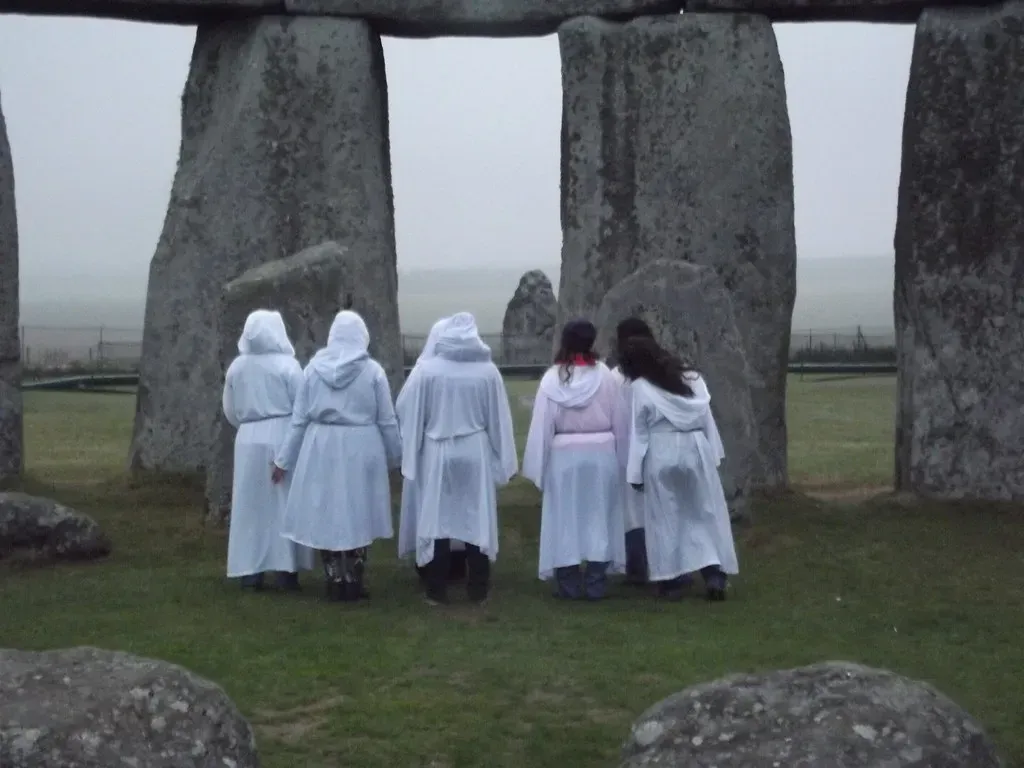
When you travel a long distance to see a famous monument, a natural wonder, or a holy site, you are repeating a journey pattern that has deep roots in the human story. Archaeologists have found that some prehistoric caves with striking paintings, complex engravings, or unusual deposits were not everyday living spaces but special locations people visited with intention. Later prehistoric structures such as stone circles and megalithic sites also suggest that groups gathered at particular places for ceremonies tied to seasons, ancestors, or cosmic events like solstices. The act of leaving ordinary life behind and moving toward a powerful place is far older than planes and highways.
Even if you do not think of yourself as religious, you probably treat certain destinations with quiet reverence: a childhood home, a battlefield, a memorial, or a beautiful landscape that seems to reset your mind. Modern pilgrimages can be spiritual, political, or simply personal, but they share the same basic pattern as those ancient journeys: separation from routine, travel with a purpose, and a return home with a shifted perspective. When you stand in front of a vast canyon, a historic temple, or even a stadium that matters to you and feel a lump in your throat, you are using place the same way your prehistoric ancestors did – as a stage where your inner life and your shared cultural story meet.
In the end, you are far less removed from your prehistoric past than you might like to think. You still gather around light, share food, move in rhythm, tell stories, mark transitions, mourn the dead, and travel to meaningful places, using almost the same emotional software humans relied on when the world was mostly wilderness. Your tools have changed, but your rituals have not disappeared; they have just slipped into new clothing – suits instead of skins, microphones instead of chants, stadium lights instead of torches. The next time you find yourself deeply moved at a ceremony or overwhelmed at a shared moment with others, you might pause and ask yourself: are you living in the present, or are you briefly, beautifully, touching hands with the ancient humans who came before you?