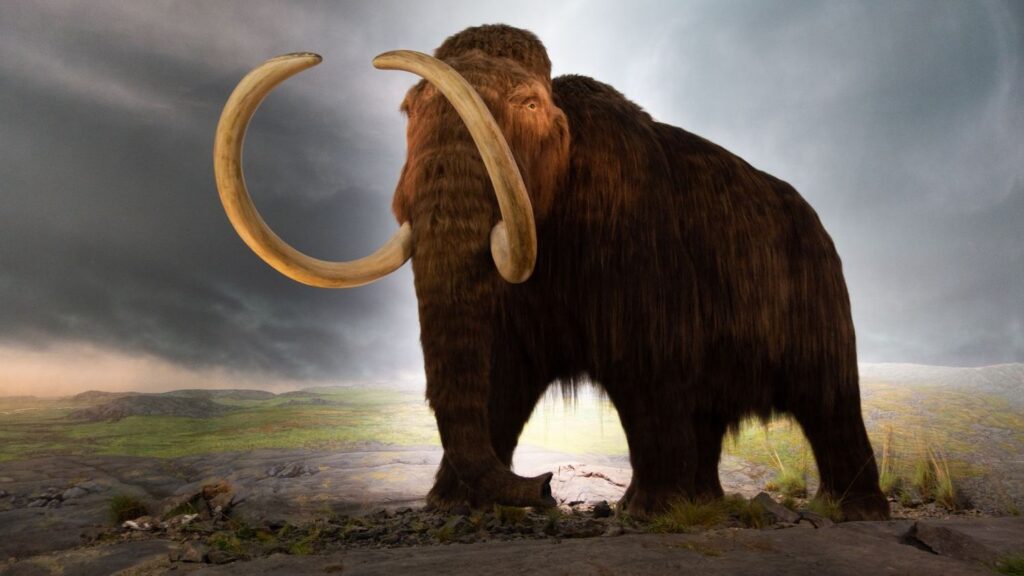
Picture this: massive, shaggy creatures with enormous curved tusks lumbering across frozen landscapes. They vanished thousands of years ago. Most people believe they’re gone forever, consigned to history books and museum displays. Yet a small group of determined scientists believes otherwise. They’re working on something that sounds like pure science fiction: bringing woolly mammoths back from extinction. It’s a project that combines cutting-edge genetics, ambitious climate goals, and a healthy dose of controversy.
The technology exists. The DNA has been recovered from frozen remains. The blueprints are being drawn up right now in laboratories across the globe. Whether we should resurrect an extinct giant is a different question entirely, yet the wheels are already in motion. Let’s dive into this remarkable journey.
The Genetic Puzzle: Reconstructing Ancient DNA
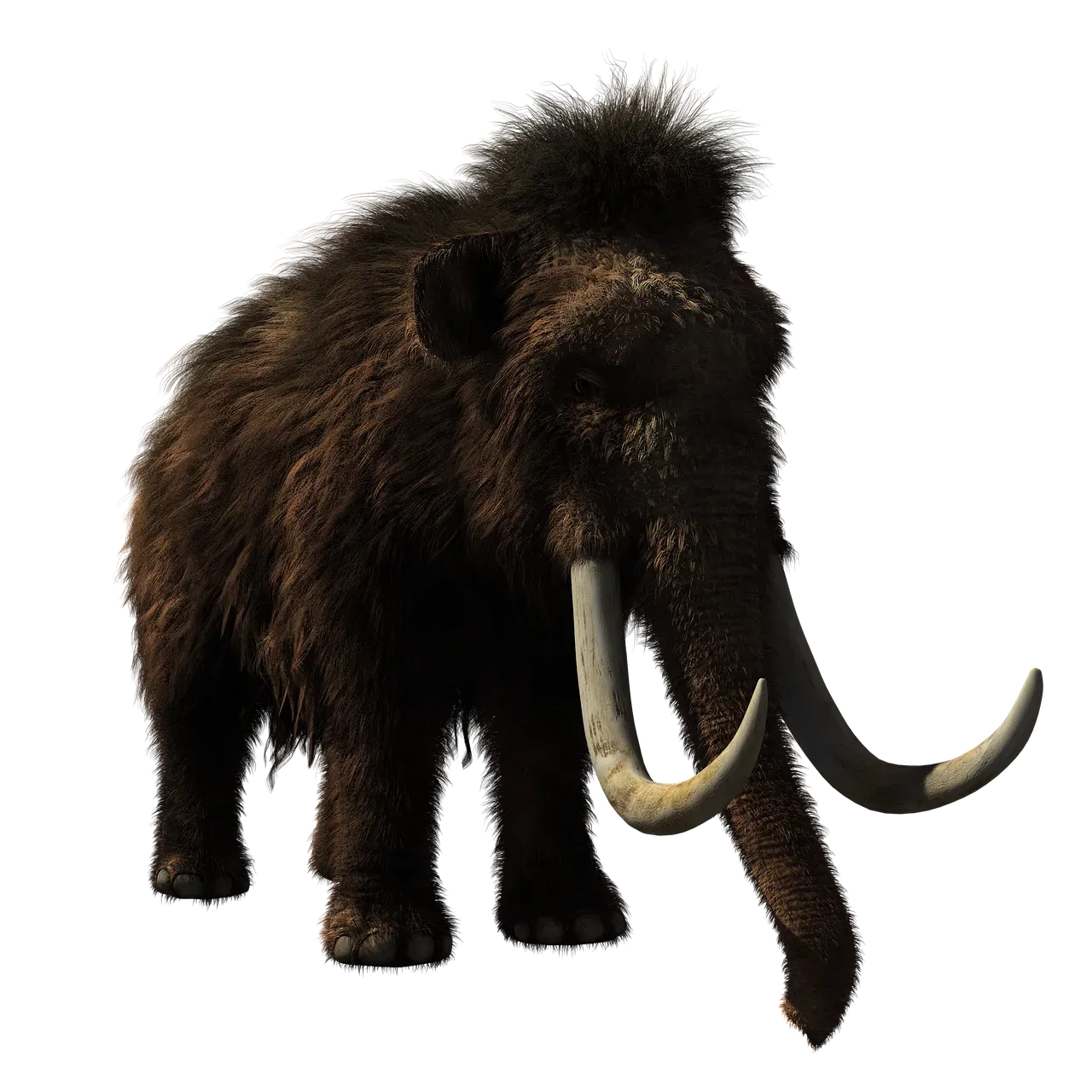
The mammoth genome matches roughly ninety-nine percent of the elephant genome, which makes the Asian elephant the perfect starting point for this audacious experiment. Scientists aren’t trying to create a pure mammoth, which would be impossible anyway. The DNA of frozen mammoths has deteriorated significantly over the millennia, so perfect cloning is off the table. Instead, they’re engineering what some call a “mammophant,” a hybrid that would look and act like its Ice Age ancestor.
Researchers use preserved DNA fragments from permafrost and compare them to the genomes of Asian elephants, identifying genes responsible for mammoth traits such as thick fur, subcutaneous fat layers, and cold resistance, then introducing these traits into elephant embryos. Think of it like editing a manuscript, swapping out specific passages to change the story’s direction. The end result? An elephant with woolly mammoth characteristics.
CRISPR: The Game-Changing Tool
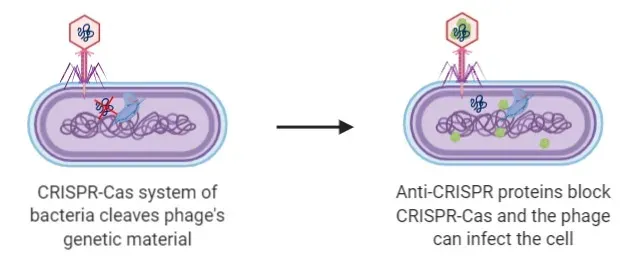
By March 2015, using the CRISPR DNA editing technique, researchers had some woolly mammoth genes edited into the genome of an Asian elephant, focusing initially on cold-resistance, targeting genes for external ear size, subcutaneous fat, hemoglobin, and hair attributes. CRISPR technology has revolutionized genetic engineering. It’s precise, relatively affordable, and shockingly powerful.
In 2025, Colossal Biosciences showcased three mice with woolly mammoth-inspired traits, such as cold tolerance, woolly coats, golden-brown fur, and curly whiskers as a proof of concept. These “woolly mice” might sound adorable, yet they represent something profound: scientists can now engineer complex traits inspired by extinct species into living animals. The mice are a stepping stone, a dress rehearsal before the main event.
Colossal Biosciences: The Company Leading the Charge

Colossal Biosciences is an American biotechnology and genetic engineering company working to de-extinct several extinct animals, founded in 2021 by Harvard geneticist George Church and billionaire entrepreneur Ben Lamm. They’re not just talking about mammoths either. The dodo, the Tasmanian tiger, even dire wolves are on their ambitious list.
The company has publicly stated that it intends to have its first mammoth calf in 2028. That timeline sounds impossibly soon, considering the enormity of the challenge. Elephants have a gestation period of roughly twenty-two months, which means implanting an edited embryo would need to happen soon. Some scientists think the goal is wildly optimistic. Others believe Colossal might actually pull it off.
Why Did Mammoths Go Extinct?
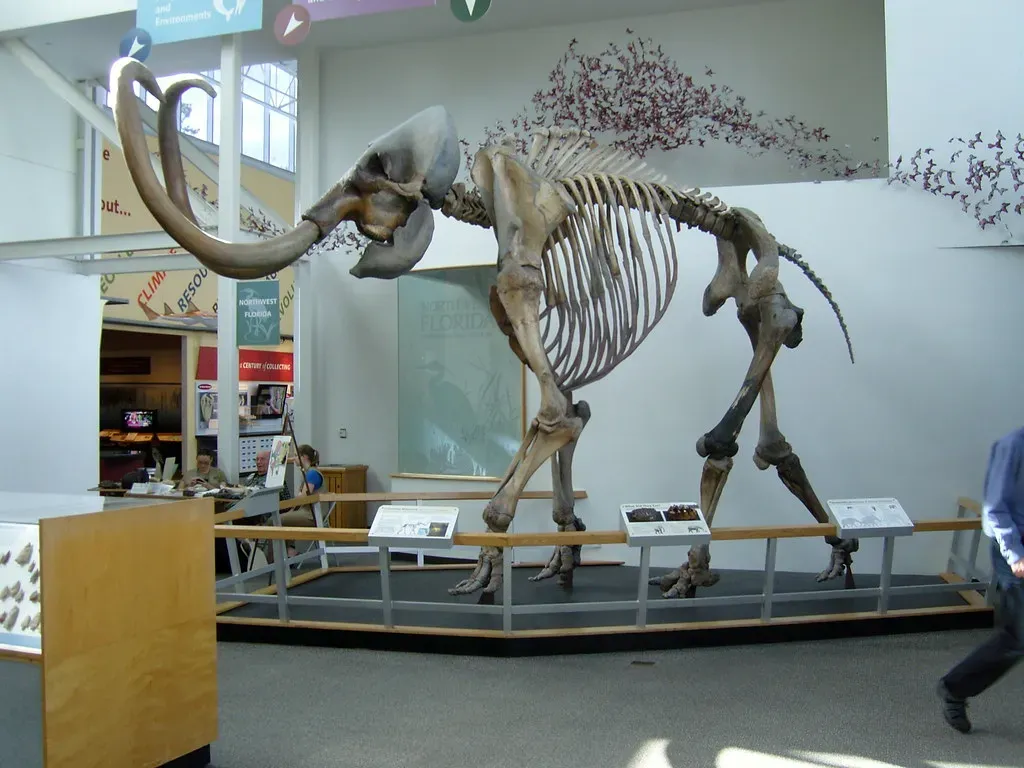
Understanding why mammoths disappeared helps explain why bringing them back matters. Mammoths experienced a catastrophic loss of habitat as the last glaciers retreated and the planet warmed, with prime mammoth habitat progressively shrinking from 7.7 million square kilometers 42,000 years ago until just 0.8 million square kilometers remained 6,000 years ago. Climate change was the primary culprit.
As the last ice age declined and ice sheets melted, the climate became warmer and wetter, transforming the landscape, and the nutritious food supply that supported these grazing giants disappeared, being replaced by far more unpalatable trees and shrubs. Human hunting likely delivered the final blow. Under optimistic estimates, if each human killed just one mammoth every three years, the species would go extinct, while more pessimistic estimates suggest the loss of as few as one mammoth every 200 years per human might have sealed their fate. Climate instability plus human pressure equals extinction.
Restoring the Mammoth Steppe Ecosystem
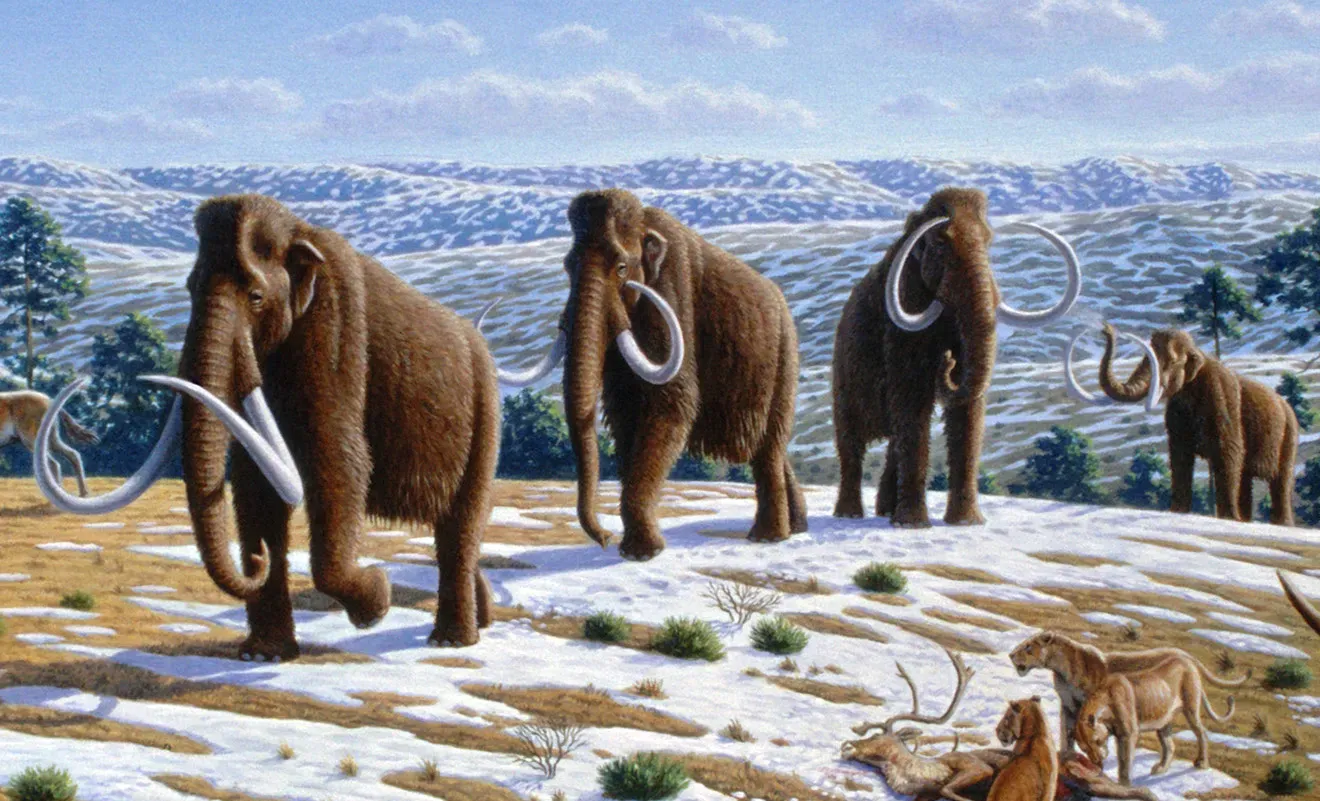
Here’s where things get really interesting. The tundra and much of the taiga were once a grassland ecosystem known as the “mammoth steppe,” home to abundant grazing herds including woolly mammoths, yet at the end of the Pleistocene, these herds vanished leading to an ecosystem conversion away from abundant grasses toward a more shrub-dominated community. Scientists believe resurrecting mammoths could help restore this lost world.
Arctic grasslands would enable the grazing, compaction, and disturbance effects of larger herbivores to allow the deeper freezing of permafrost during winter months, with grasses then insulating the permafrost from melting during summer, preventing the release of greenhouse gases. Essentially, mammoths could become climate engineers, their massive bodies and behaviors helping to combat global warming. It’s an elegant idea: fix one environmental catastrophe by reversing another.
Pleistocene Park: The Testing Ground
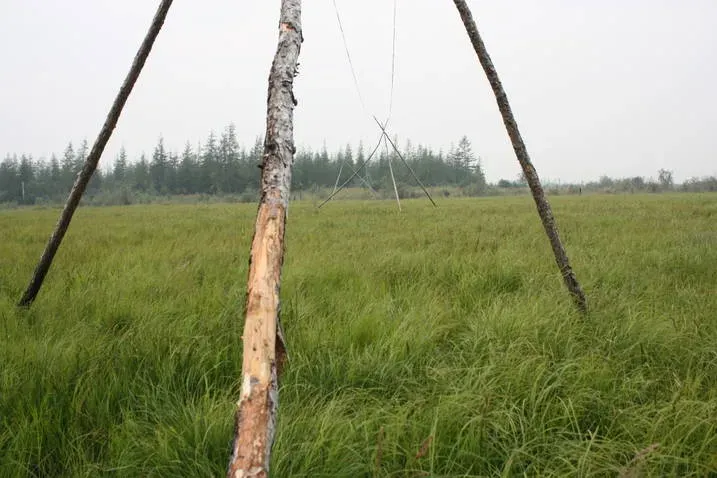
In 1989, scientist Sergey Zimov initiated a long-term project known as “Pleistocene Park,” with the goal of reconstituting the long-gone ecosystem of the Pleistocene epoch that supported vast populations including mammoths, horses, reindeer, bison, and wolves. Located in remote northeastern Siberia, this experimental reserve currently houses bison, horses, and reindeer.
The Zimovs even use a Soviet-era tank to mimic mammoth behavior, churning up soil and knocking down trees. Honestly, it’s hard to say for sure whether their methods will work on a meaningful scale. The 16-square-kilometer park is filled with around 100 animals roaming free, designed to determine if the animals can disturb and fertilize the current ecosystem into highly productive pastures, as well as slowing or even reversing permafrost thaw. Early results show promise, yet scaling this up across millions of square kilometers presents daunting challenges.
The Ethical Minefield
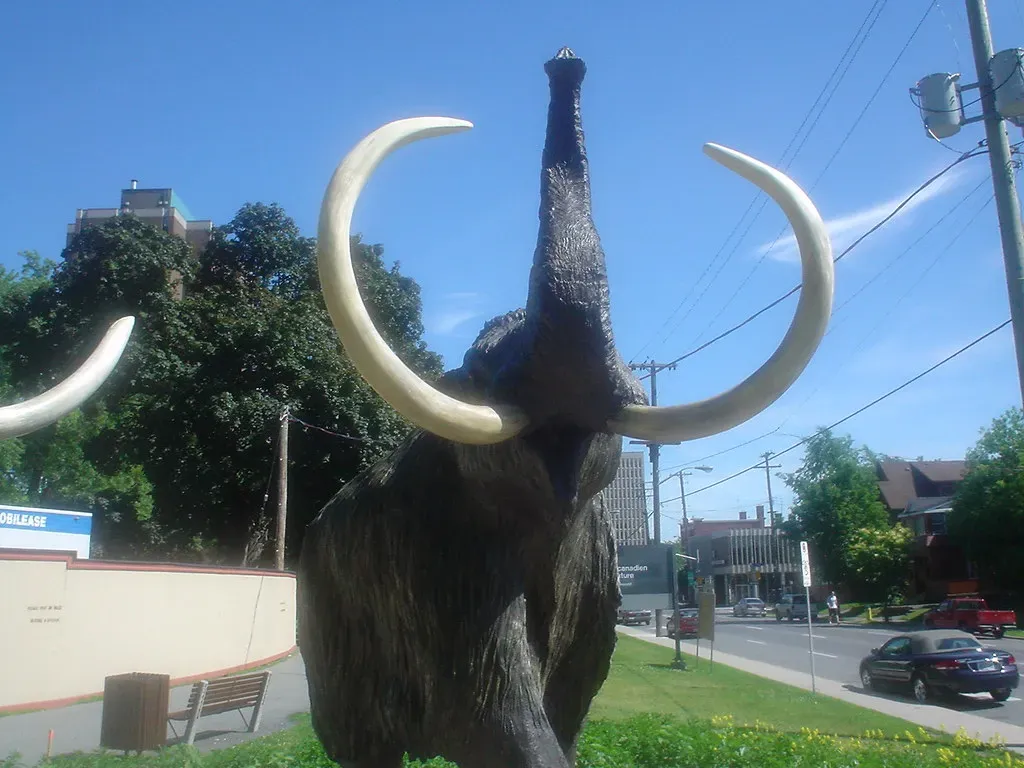
Whether or not it is ethical to create a live mammoth is debated. Critics raise valid concerns. Would these hybrid animals suffer? Asian elephants are already endangered. Using them as surrogate mothers carries risks. What if the pregnancies fail repeatedly, causing harm?
Ethicists refer to the danger as the moral hazard: if we think we can bring species back to life, why worry about letting them go extinct, and if we believe that de-extincted creatures will shield us from catastrophic climate scenarios, why stop emitting? There’s a deeper question here about responsibility. Should we be pouring hundreds of millions of dollars into resurrecting extinct species when countless living ones desperately need protection? Conservation experts argue the money would be better spent saving species on the brink right now.
The Scientific Skeptics and Supporters

Not everyone is on board with this mammoth revival. Some evolutionary biologists don’t think this counts as de-extinction in any respect, arguing researchers are making genetic changes in an Asian elephant that gives it the superficial appearance of being a mammoth, calling it genome engineering rather than de-extinction. Fair point. What Colossal is creating won’t be a true woolly mammoth. It’ll be something new entirely.
Critics point out that mammoths went extinct, so the ecosystem has adapted to their absence, questioning what happens when you put them back, suggesting this isn’t reintroducing something that is gone but rather putting an invasive species into an environment it has never seen before. The Arctic of 2026 isn’t the Arctic of 10,000 years ago. Introducing massive animals into this changed landscape could backfire spectacularly. We simply don’t know. Other scientists, however, see potential benefits that extend beyond climate mitigation, including advancements in genetic technologies that could help endangered species.
Conclusion: Walking Toward an Uncertain Future
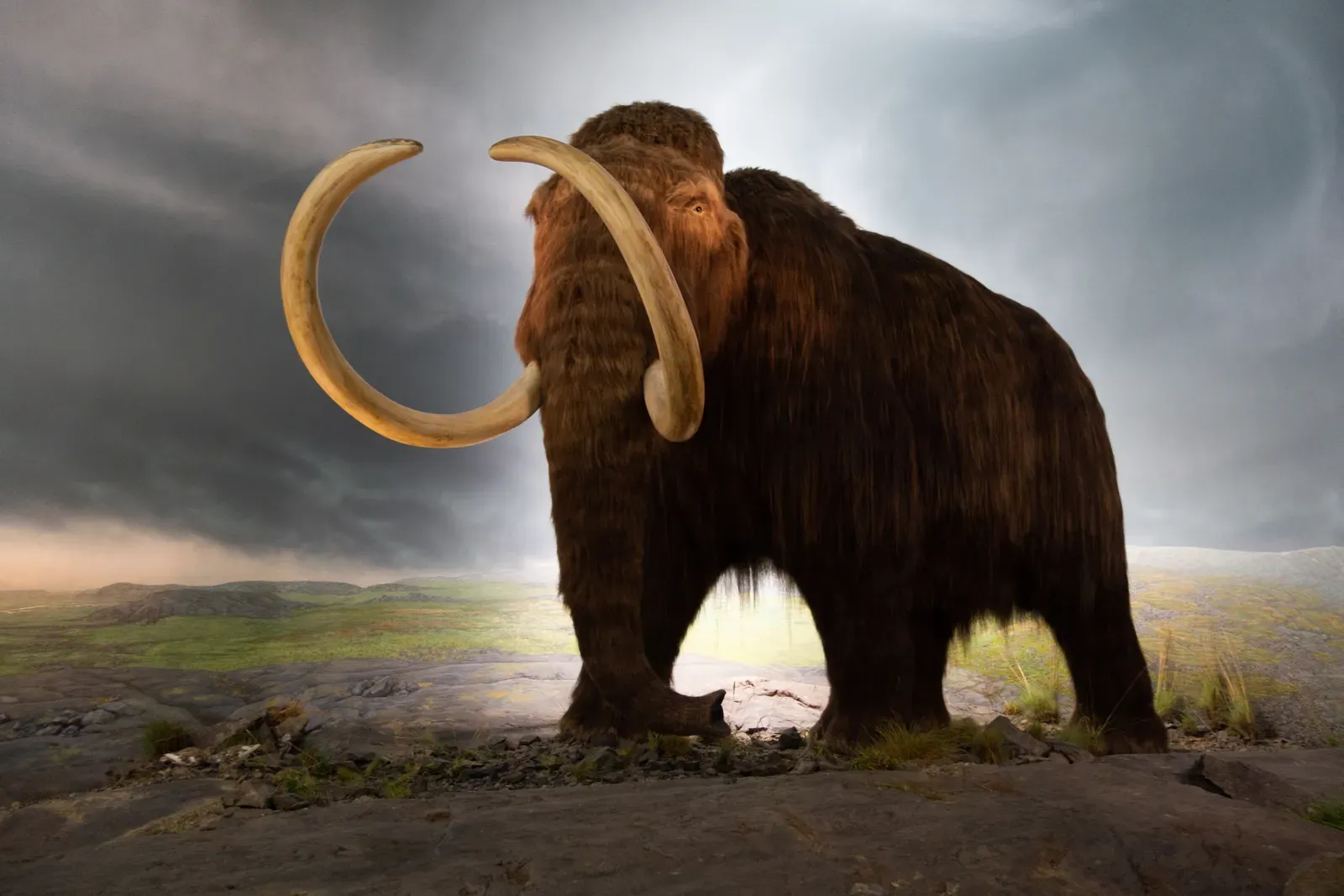
The woolly mammoth died out roughly 4,000 years ago on a remote Arctic island. Now, in laboratories scattered around the world, their genetic code is being pieced back together. Recent breakthroughs have brought scientists “closer than people think” to reviving long-extinct species, with the company aiming to produce its first mammoth look-alike calves by 2028. Whether this timeline proves realistic remains to be seen.
The project forces us to confront uncomfortable questions about our role on this planet. Are we correcting a past mistake by bringing back a species we helped destroy? Or are we playing a dangerous game, meddling with nature in ways we don’t fully understand? The science is extraordinary. The ethics are murky. The potential consequences, both positive and negative, are enormous.
One thing feels certain: if these scientists succeed, the world will never quite be the same. Imagine turning on the news one morning and seeing footage of a shaggy, elephant-sized creature with curved tusks taking its first steps in the Siberian wilderness. It would be simultaneously thrilling and terrifying, a reminder that extinction might not always be forever. What do you think about it? Should we bring back the woolly mammoth, or should some things stay in the past?