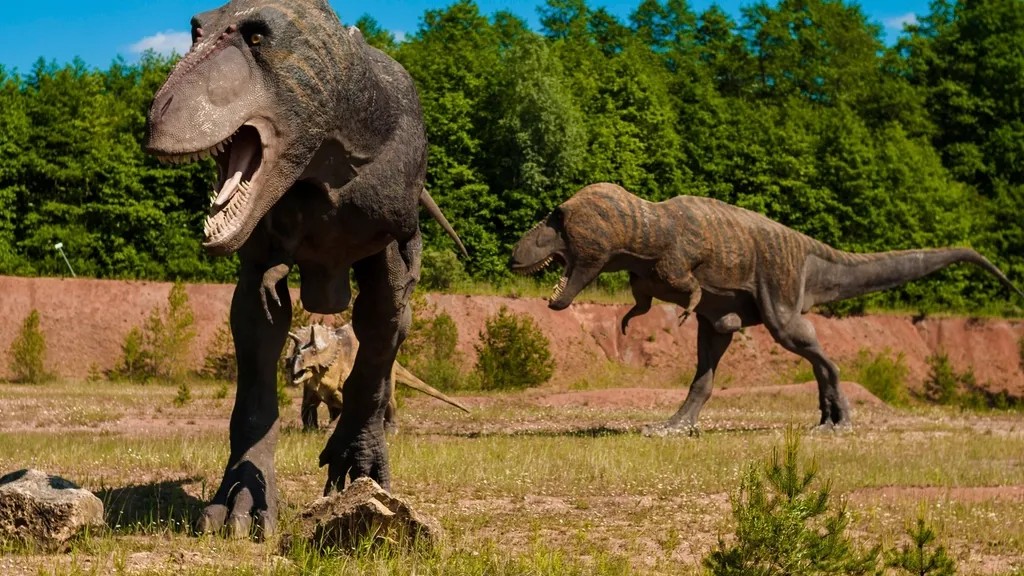
When you picture a Tyrannosaurus Rex, you probably imagine a massive predator crushing bones with jaws powerful enough to tear through a car. You think terror, dominance, raw power. Care and nurturing likely don’t make the list. That’s the thing about these ancient giants, though. They keep surprising us with behaviors that don’t fit the Hollywood monster narrative we’ve built around them.
The truth is, we’ve been viewing T. rex through a pretty narrow lens. Recent fossil discoveries and cutting-edge research are painting a very different picture of how these apex predators might have raised their young. Let’s be real, it’s hard to imagine something with teeth the size of bananas gently caring for babies. Yet the evidence keeps stacking up, forcing scientists to reconsider what we thought we knew about dinosaur family life.
The Discovery That Changed Everything
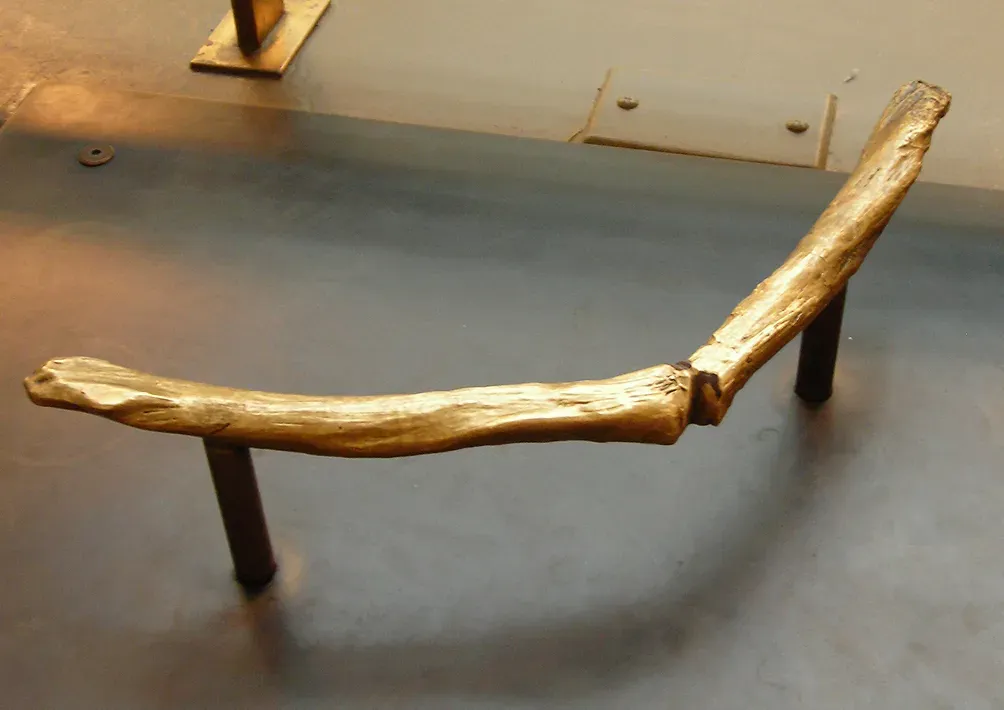
Scientists found a T. rex femur containing medullary bone, a special tissue found in female birds preparing to lay eggs. This wasn’t just any bone tissue. Medullary bone produces calcium that helps form eggshells, and finding it in a T. rex specimen means that it was female and was about to lay eggs.
This discovery provided more evidence that dinosaurs and birds evolved from a common ancestor and allowed paleontologists to establish the sex of a dinosaur for the first time. Here’s the thing, though. While this confirmed that T. rex mothers laid eggs, scientists still face a major challenge. Little to no evidence currently exists regarding which parent participated in child-rearing tasks.
Looking at the Relatives for Clues
Dinosaurs are more closely related to modern day birds than to living reptiles such as the alligator or the crocodile. This connection matters more than you might think. When direct evidence about T. rex parenting is scarce, researchers turn to their feathered descendants and dinosaur cousins for answers.
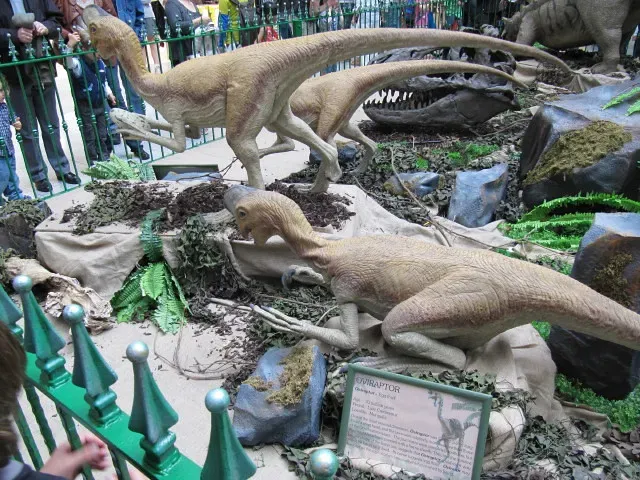
Adult Troodon, Oviraptor, and Citipati had been discovered fossilized with bird-like brooding postures atop egg clutches, and being caught in the act suggests strong parental instincts to protect their young. Oviraptorids show substantial evidence of putting their lives on the line for their young. If smaller predatory dinosaurs demonstrated such dedicated parenting, it raises fascinating questions about whether the mighty T. rex did the same.
The Mystery of Missing Nests
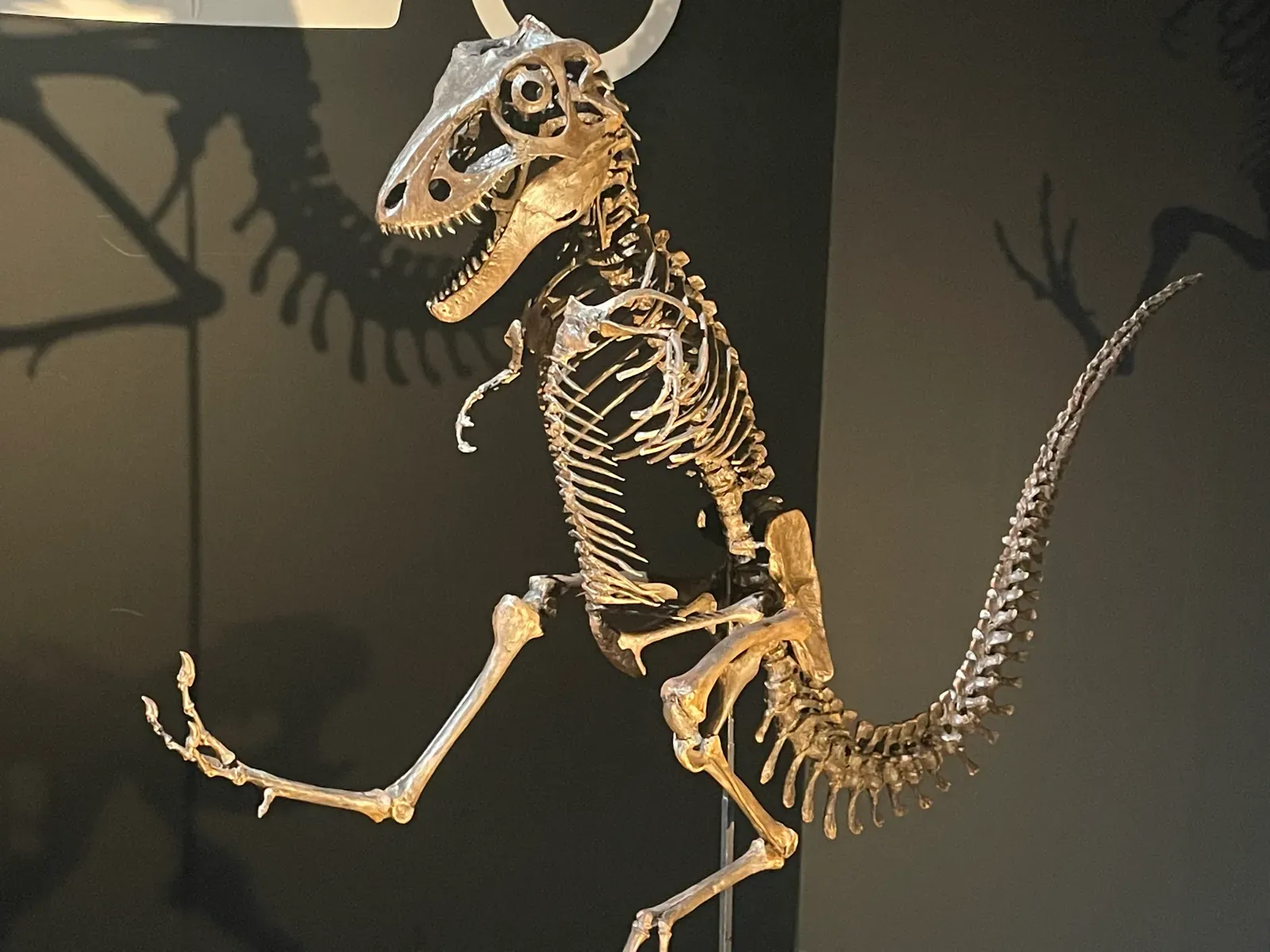
Here’s where things get frustrating for paleontologists. Researchers were mystified as to why young tyrannosaurs hadn’t been found, even as paleontologists discovered eggs and babies from other species such as duckbilled dinosaurs. The absence of evidence isn’t evidence of absence, yet it leaves a gaping hole in our understanding.
No one has yet positively identified tyrannosaur eggs or hatchlings, but the size of embryonic dinosaurs matches with large, elongated eggs, and researchers think tyrannosaurs were curled up in eggs measuring about 17 inches long. Dinosaur fossils are rare, and egg finds even more so, as nests weren’t often likely to be built in areas that make for good preservation conditions. Honestly, it’s a bit like trying to solve a puzzle when most of the pieces have been lost to time.
What Other Dinosaurs Tell Us About Parenting
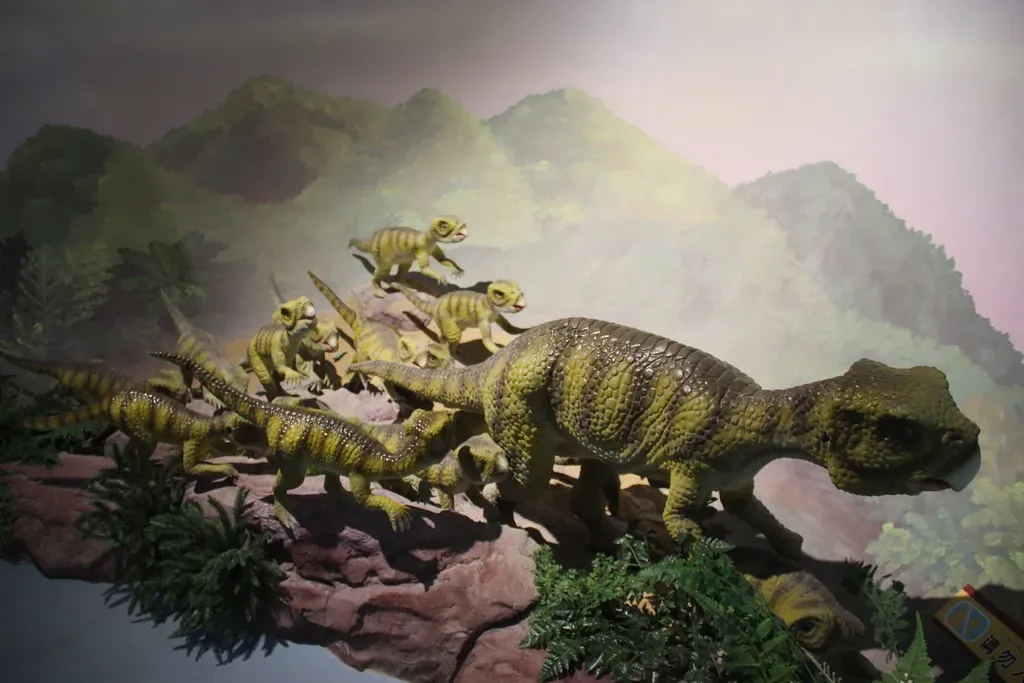
The duck-billed Maiasaura is believed to have nested in colonies and provided extensive food and protection for its hatchlings. Analysis showed that Maiasaura possessed immature leg muscles and might be incapable of walking when born, and their teeth had evidence of wear and tear, which could imply that adults brought food to the nest to care for their young.
One fossil shows thirty-four juveniles of similar size buried along with an adult, and the bone development suggests a slow growth rate, indicating post-hatching growth dependent on extensive parental care. A study of a juvenile T. rex found that it had a broken leg which had healed, indicating that the young T. rex had been cared for by its parents until it recovered. That particular finding really hits differently when you think about it.
The Male Dinosaur Dad Revolution
Two lines of evidence strongly suggest that for the dinosaur ancestors of modern birds, the burden of parental responsibility fell almost exclusively upon father. This challenges our assumptions about prehistoric family dynamics. Clutches incubated by Troodon, Oviraptor and Citipati contained about 22 to 30 eggs apiece, far more eggs than animals of their size normally sit on.
Species where both parents chip in, or where mom takes the lead, usually settle for smaller clutches, while only those where dad does almost all of the work tend to rear such large broods. Males had the fatherly duties of brooding and taking care of the egg clutch laid by their female partner. Imagine a male T. rex, sitting vigilantly over a nest, waiting for his offspring to hatch. It’s a softer image than most of us are used to.
How Babies Might Have Been Fed
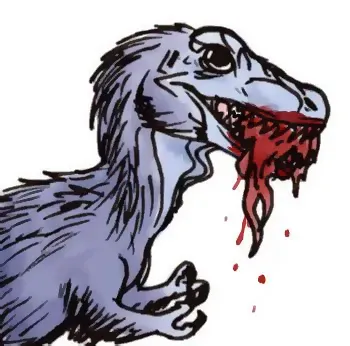
It is believed that T. rex parents would have regurgitated food for their young much like modern-day birds do, which would have allowed the young to receive vital nutrients and protein to help with their growth and development. I know it sounds gross, but this feeding method is incredibly effective. Think about it: a baby T. rex couldn’t exactly hunt down a Triceratops on day one.
If there are prey items near the nest, that suggests that adults would have been bringing food back to the nest to feed the babies. The rate and degree of bone development in Lufengosaurus is closer to that of the highly altricial pigeon than the precocious chicken, and the limb bones of hatchlings were not strong enough to forage for themselves and would likely need parental feeding. This pattern might well have applied to young tyrannosaurs too.
The Harsh Reality of Survival
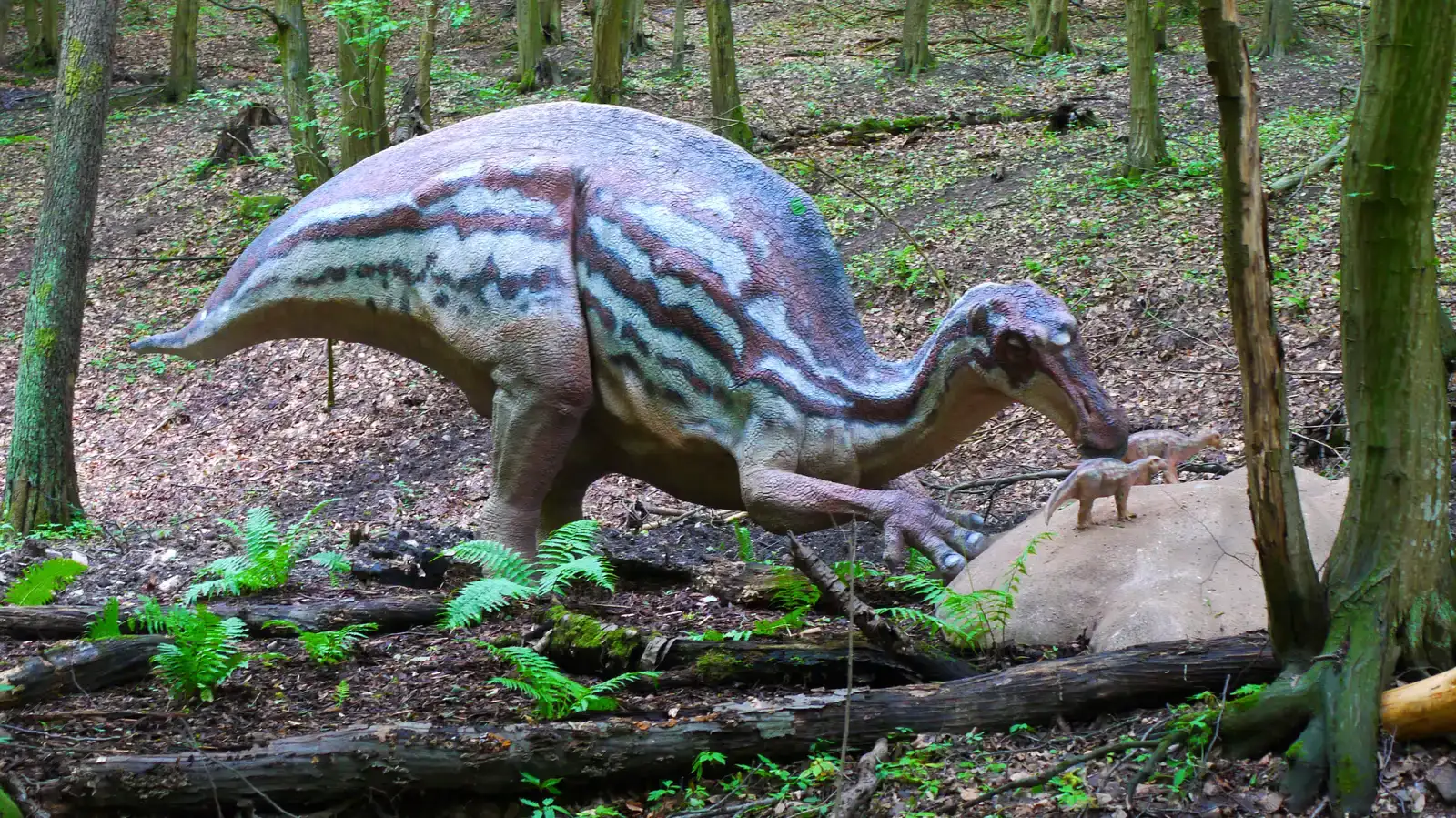
Even among Maiasaura, who received better-than-average parental care, nearly 90 percent of the hatchlings died within the first year, but if young dinosaurs could last through those first 365 days, they stood a better chance at survival. Let that sink in for a moment. Even with dedicated parents, the odds were brutal.
Young dinosaurs were relatively independent, and after just a few short months or a year, juvenile dinosaurs left their parents and roamed alone, watching out for each other. Hatchlings and juveniles would have occupied different ecological niches from adults, with their diets changing as they grew, much like animals do today. The Mesozoic world was unforgiving, and even the offspring of apex predators faced constant threats.
The Big Picture About T. Rex Families
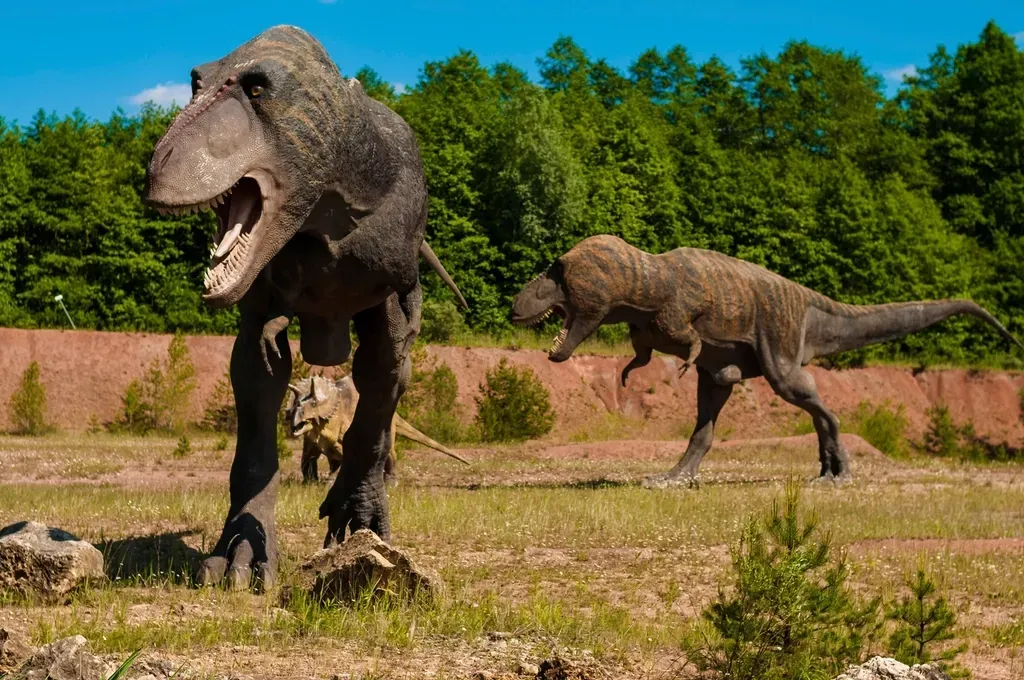
We know that T. rex mothers would lay eggs, but we still don’t have any direct proof that they took care of their hatchlings. That’s the honest truth scientists face. Yet the circumstantial evidence from related species paints a compelling picture. Even the most terrifying dinosaurs could have had a softer side when it came to putting in time and effort for their young, and for millions of years, parents across the animal kingdom have cared for their eggs and young, with dinosaurs being no exception.
This early separation between parent and offspring likely led to profound ecological consequences, as what a dinosaur eats changes over different life stages, what species can threaten it changes and where it can move effectively also changes. The T. rex family story is still being written. Each new fossil discovery brings us closer to understanding these magnificent creatures not just as killing machines, but as complex animals with behaviors that might surprise us. The question isn’t whether T. rex was a good parent by our standards. It’s whether we’re finally ready to see them as more than just Hollywood monsters. What aspects of T. rex family life do you find most surprising?