Picture your world for a moment. You’re surrounded by familiar climates, predictable seasons, and landscapes shaped by millions of years of geological stability. Now try to imagine conditions so extreme, so utterly alien, that your breath would be challenged by the very air itself. The reality is, dinosaurs didn’t just survive in mildly different conditions from ours. They ruled a planet that was fundamentally transformed in ways that would stagger you.
These ancient giants walked through worlds where the atmosphere itself was chemically different, where seasons swung to brutal extremes, and where entire regions existed in perpetual darkness for months at a time. Let’s be real, if you could travel back and spend just a week in some of these environments, you’d struggle to recognize Earth at all. What made dinosaurs so remarkably successful wasn’t just their size or strength. It was their shocking ability to adapt to planetary conditions that seem almost science fiction to us now. So let’s dive in and discover just how wild their world really was.
Breathing Air That Would Leave You Gasping
The atmosphere during the Cretaceous period contained carbon dioxide levels reaching as high as about 2,000 parts per million by volume, with average temperatures roughly 5 to 10 degrees Celsius higher than today. Imagine stepping out into a world where every breath you take feels heavy, thick with greenhouse gases. During the Late Jurassic period, around 150 million years ago, the air contained around four times as much carbon dioxide as it did before industrialization.
You’d also notice something else bizarre about the air. Studies of air bubbles trapped in amber show that the atmosphere of the Cretaceous may have had up to 35 per cent oxygen, compared to today’s 21 per cent. This oxygen-rich environment meant insects could grow to staggering sizes and dinosaurs could sustain their massive bodies with greater efficiency. Honestly, breathing this supercharged air might give you an unexpected energy boost, yet the heat and humidity would quickly become overwhelming for your modern human physiology.
Enduring Heat That Makes Today’s Heatwaves Look Mild
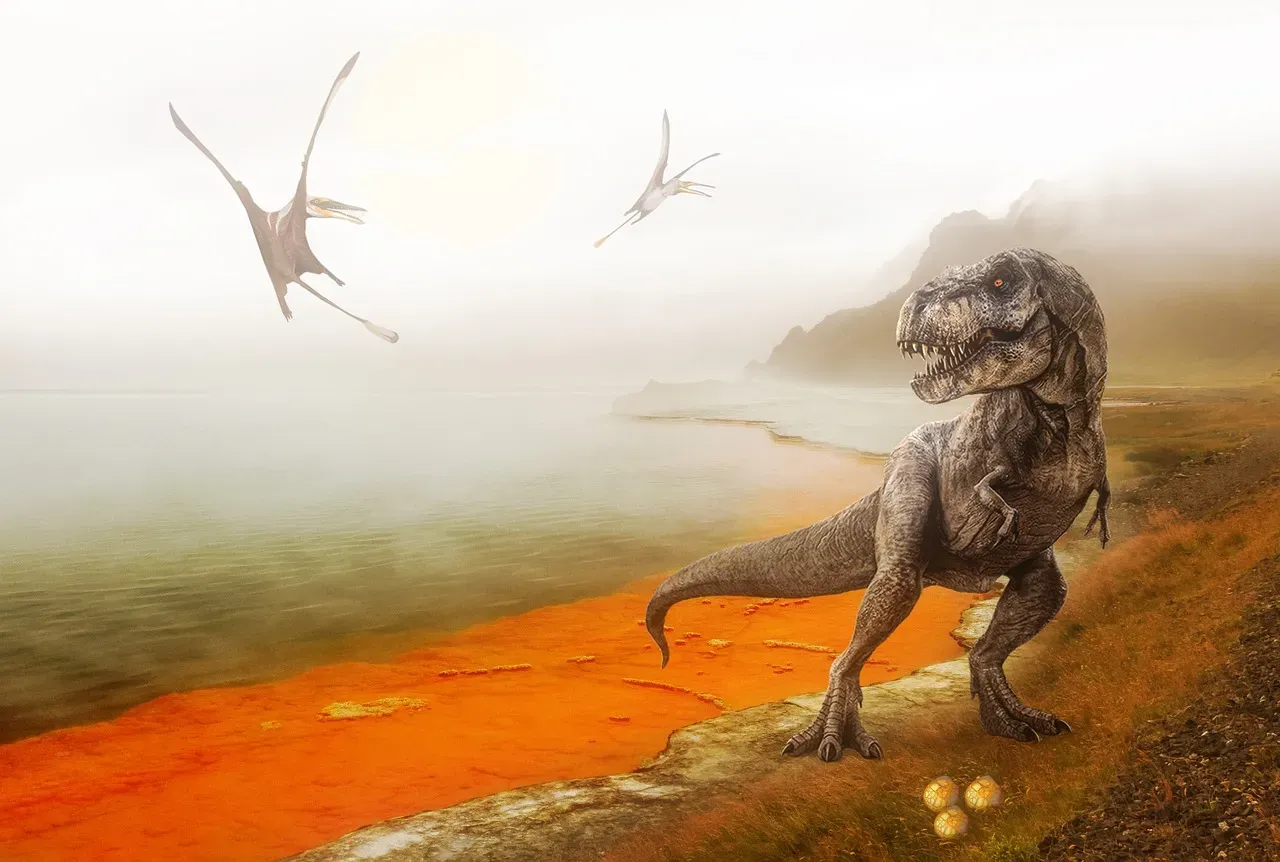
Think summer temperatures are intense now? Research demonstrates that dinosaurs in the northern hemisphere lived in extreme heat, when average summer temperatures hovered around 27 degrees Celsius, with some summer days when temperatures crept above 40 degrees. These weren’t tropical regions either; these were mid-latitude areas roughly where parts of Europe sit today.
The heat wasn’t just uncomfortable. The average global temperature at the time was about 4 degrees Celsius higher than today, with sea temperature averaging 37 degrees Celsius. I know it sounds crazy, but even tropical seas today would have been too cold for the marine life that existed back then. The dinosaurs weren’t simply tolerating warmth; they were thriving in a greenhouse world where temperatures fluctuated wildly between seasons, creating environmental stress that would challenge any modern creature.
Surviving Months of Total Darkness Near the Poles
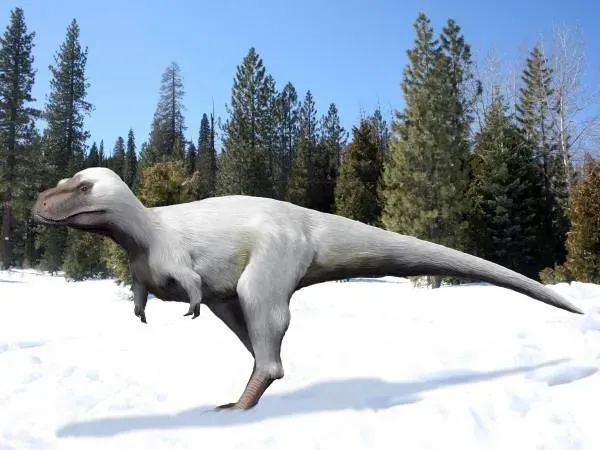
Here’s something that really blows my mind. Polar dinosaurs had to endure prolonged darkness of up to six months each winter, yet fossil evidence proves they not only survived but actually nested and raised their young in these regions. The oppressive darkness lasted up to four months at a time, with most plants shutting down for winter due to the lack of sunlight.
Wintering dinosaurs would have had to survive months of darkness, cold temperatures and even snows, conditions that seem absolutely incompatible with our traditional image of dinosaurs basking in tropical heat. The question paleontologists still wrestle with is how herbivores found enough food when photosynthesis essentially stopped for half the year. Some scientists speculate they may have hibernated or eaten decaying vegetation, yet the full story remains one of paleontology’s most intriguing mysteries.
Thriving in Desert Extremes That Would Be Fatal Today
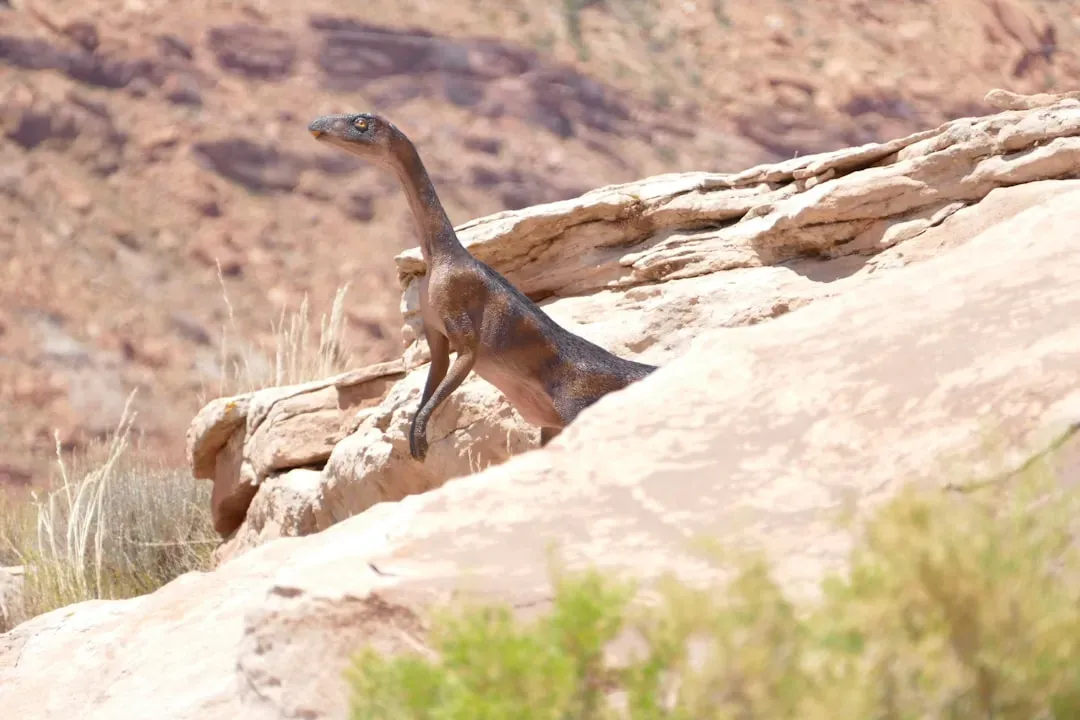
Ancient deserts were characterized by extreme temperature variations, with scorching days potentially exceeding 120 degrees Fahrenheit and nights that could drop below freezing. The daily temperature swings alone would be lethal to most modern animals, yet certain dinosaur species evolved specialized adaptations to handle these brutal conditions.
Many species evolved specialized body proportions featuring enlarged surface areas in certain body regions, such as elongated spines, sails, or expanded frills, that functioned as natural radiators. Think of these structures as biological air conditioning units, dissipating excess heat during scorching days and potentially absorbing warmth during frigid desert nights. During the Triassic Period, when dinosaurs were just beginning their reign, the climate was extremely hot and dry, with vast deserts dominating the landscape and temperatures that could be brutal during the day and freezing at night.
Navigating a Planet with Radically Different Geography
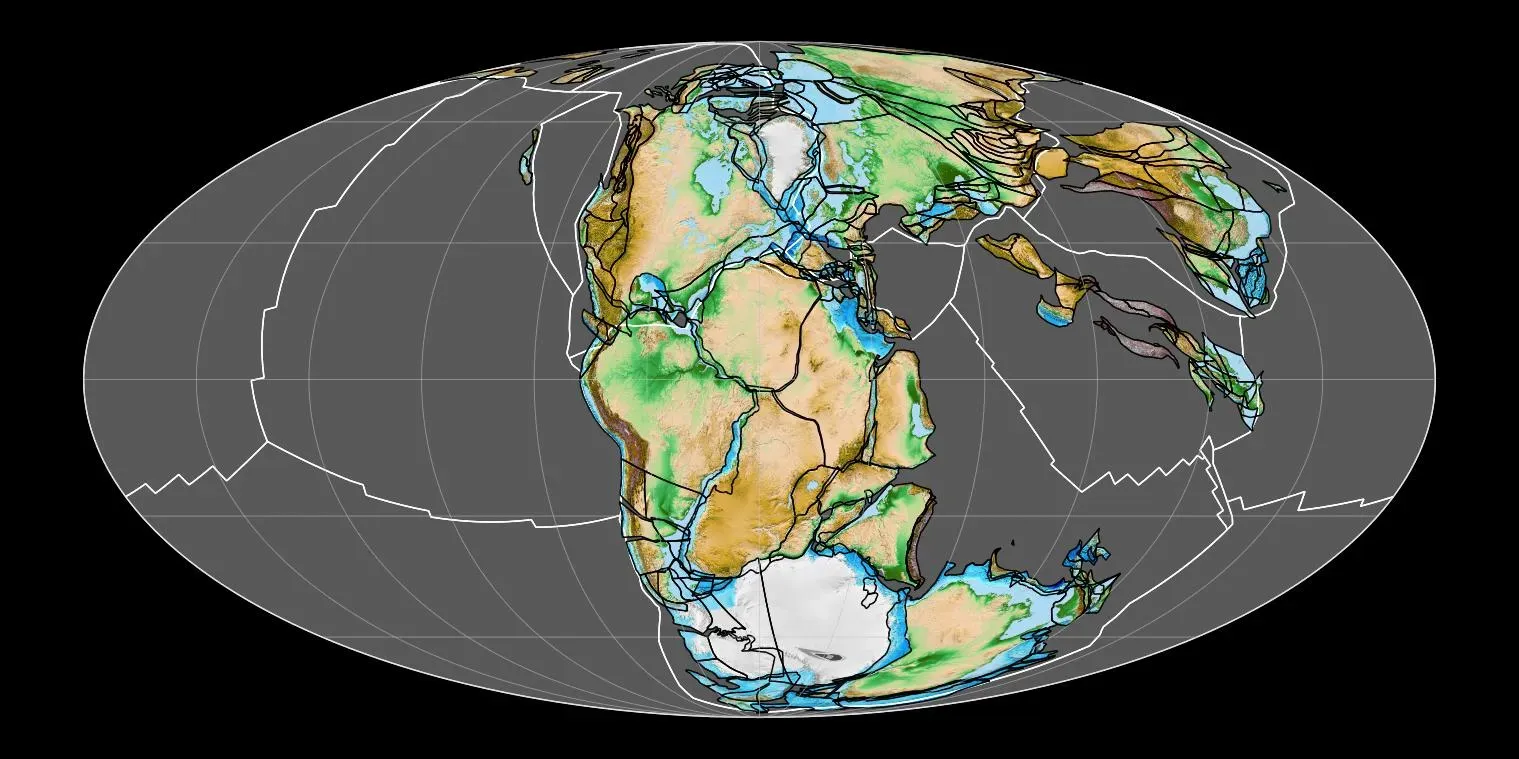
Forget about the continents as you know them. At the start of the Jurassic era, the breakup of the supercontinent Pangaea continued, with the northern hemisphere breaking up into North America and Eurasia, while the southern half began to split by the middle Jurassic. This geological reshuffling created entirely new ocean basins and climate patterns.
The continental configuration profoundly influenced climate patterns in ways we’re only beginning to understand. Extreme climatic conditions on Pangaea included high temperatures and strongly seasonal rainfall, associated with the formation of a megamonsoon. These massive weather systems were unlike anything experienced in modern times, with rainfall patterns that could shift from months of drought to sudden, catastrophic flooding. The isolation caused by continental drift also meant different dinosaur populations evolved separately, creating unique species found nowhere else on Earth.
Living in Lush Forests Unlike Any Modern Ecosystem
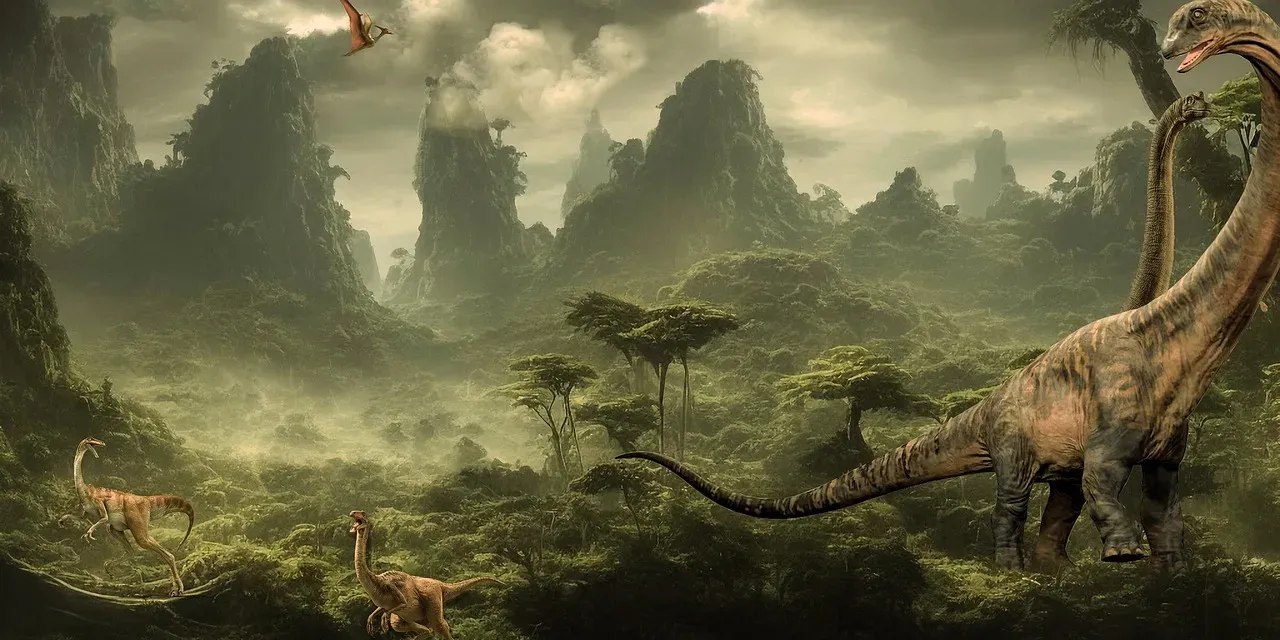
Flowering plants and trees had only recently evolved to coexist with conifers, ferns, cycads, and other groups, while the global climate was warmer, steamier, and virtually devoid of ice. The vegetation that sustained dinosaurs was fundamentally different from what you see around you today. The total photosynthesis carried out by plants globally during the Mesozoic Era was twice as high as it is today.
This explosion of plant productivity created ecosystems of unimaginable density and diversity. Areas that are now in the Antarctic Circle were once temperate rainforests carpeted with ferns and bushy-looking conifers called podocarps. Picture forests growing where today only ice exists, with vegetation so thick and productive that it could support the largest land animals ever to walk the Earth. The scale of these prehistoric ecosystems makes our most impressive forests look sparse by comparison.
Adapting to Climate Swings Modern Animals Couldn’t Handle
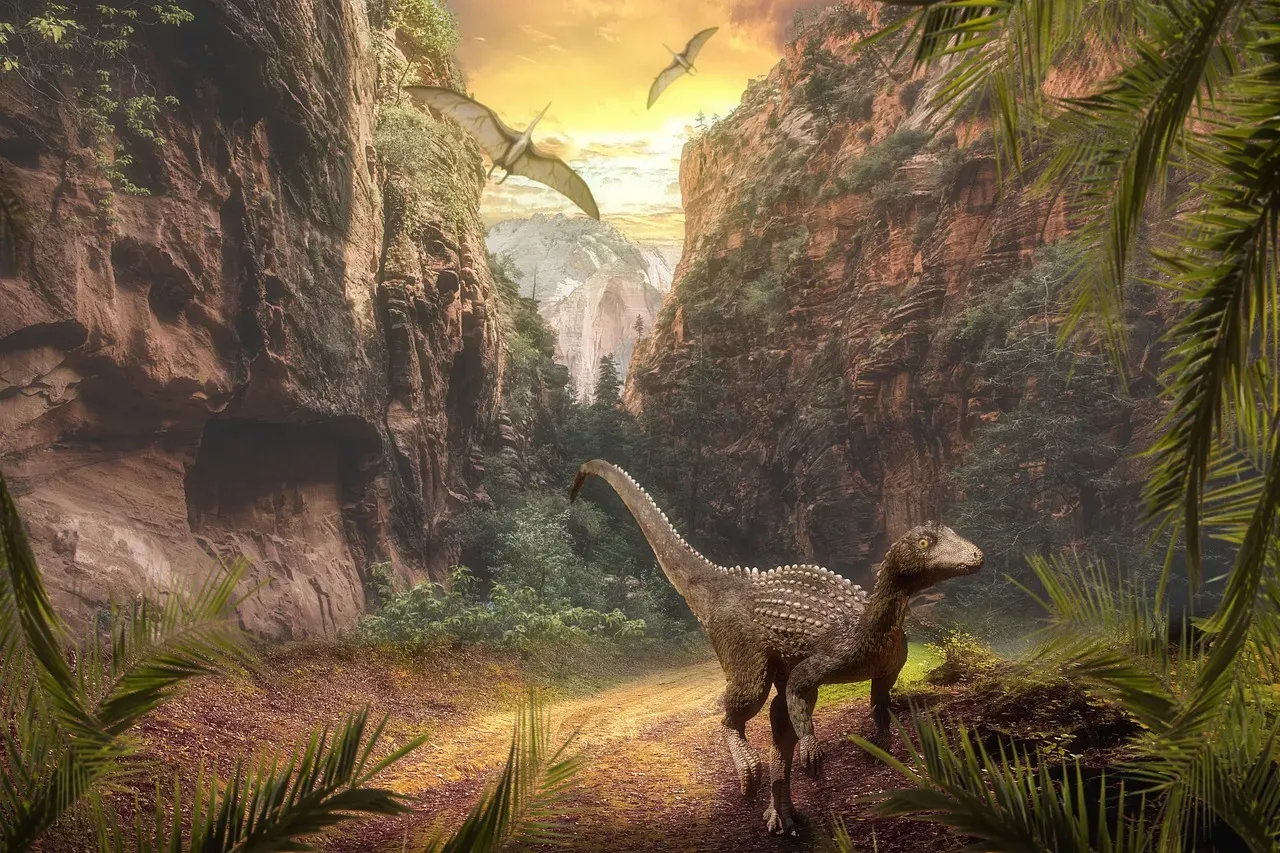
Dinosaurs were able to survive through greater extremes in temperature, stormier weather, and more extreme droughts than humans have experienced. Let’s be honest, their resilience was absolutely extraordinary. Dinosaurs of the northern mid-latitudes experienced average summer temperatures of 27 degrees Celsius, whereas winters were roughly 15 degrees, both warmer and more volatile than once proclaimed.
Dinosaurs survived for a remarkable 165 million years because they were resilient and adaptable to changeable environmental conditions, much like mammals are today. Their success wasn’t accidental. These creatures developed sophisticated physiological mechanisms, behavioral adaptations, and evolutionary strategies that allowed them to flourish across virtually every habitat Earth offered. From steaming equatorial swamps to frigid polar regions, from arid deserts to dense forests, dinosaurs conquered them all.
Conclusion
The environments where dinosaurs thrived challenge everything you thought you knew about adaptability and survival. These weren’t creatures barely clinging to existence in marginally habitable zones. They were dominant, successful, and remarkably diverse animals that conquered a planet far more extreme than the one we inhabit today. From breathing air with radically different chemistry to enduring months of polar darkness, from surviving desert temperature swings of more than 70 degrees Fahrenheit in a single day to navigating continental arrangements we can only reconstruct from geological evidence, dinosaurs proved that life finds a way even under the most extraordinary circumstances.
What’s perhaps most humbling is realizing that our planet’s current climate, the one we consider normal, is actually just one brief snapshot in a much longer, wilder story. The dinosaurs’ world reminds us that Earth has been many different planets throughout its history, each with its own unique challenges and opportunities. What do you think about these extreme environments? Could any modern animal adapt to conditions like these if given enough time?