You’ve probably heard of ancient civilizations that vanished long ago, leaving behind only ruins and mysteries. The Hopi tribe is something entirely different. These remarkable people have occupied the same lands in northeastern Arizona for centuries upon centuries, maintaining their traditions, language, and spiritual practices through waves of change that would have swept away lesser cultures. It’s honestly staggering when you consider the continuity.
The Hopi people trace their history in Arizona to more than 2,000 years, though their history as a people extends back many more thousands of years, marking them as one of the oldest living cultures in documented history. Their villages perch atop high mesas in a landscape that seems inhospitable to human habitation, yet here they’ve thrived. Each fact about the Hopi reveals a people who’ve turned adversity into strength and isolation into preservation. So let’s get started discovering what makes this ancient culture so extraordinary.
Old Oraibi Holds A Remarkable Record
Old Oraibi, located on top of Third Mesa, was founded before 1150 A.D. and is one of the oldest continuously inhabited villages within the territory of the United States. Think about that for a moment. While medieval castles were being built in Europe, people were already living in this village, raising families, planting crops, and conducting ceremonies that continue to this day.
The village of Oraibi on Third Mesa is the oldest continuously inhabited U.S. settlement, a multi-level living complex built by stacking rooms several stories high around a center courtyard. The architecture itself tells a story of ingenuity and communal living. Walking through Old Oraibi today feels like stepping through a portal in time, where stone houses built generations ago still stand watch over the desert landscape.
Their Name Reflects A Peaceful Philosophy
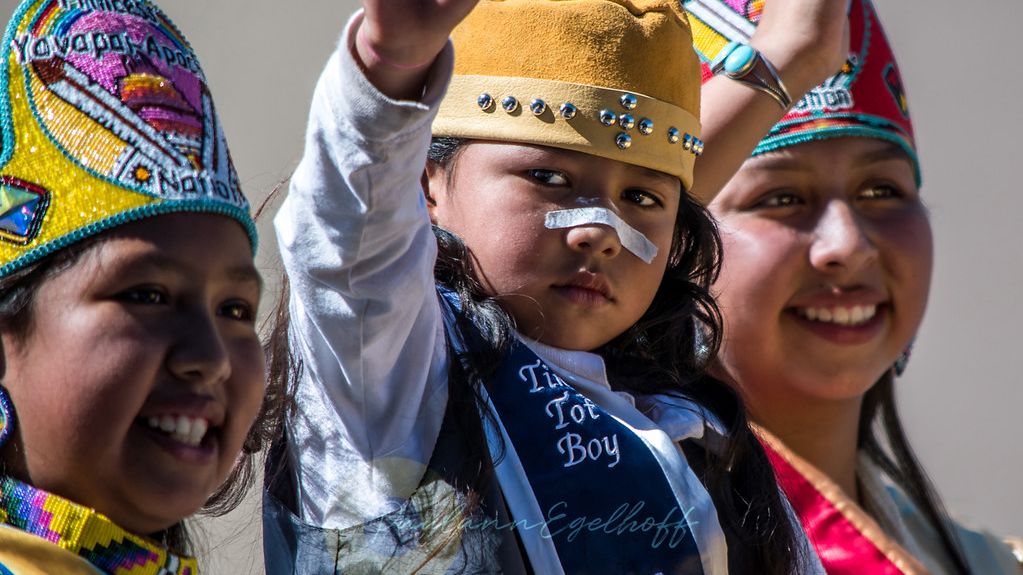
The Hopi Dictionary gives the primary meaning of the word “Hopi” as: “behaving one, one who is mannered, civilized, peaceable, polite, who adheres to the Hopi Way.” It’s a name that embodies values rather than geography. Unlike tribal names that reference locations or animals, Hopi describes a way of being in the world.
Hopi is a concept deeply rooted in the culture’s religion, spirituality, and its view of morality and ethics, involving a state of total reverence for all things, peace with these things, and life in accordance with the instructions of Maasaw, the Creator or Caretaker of Earth. This isn’t just a label they wear. It’s a commitment they strive toward daily. The Hopi view themselves as caretakers of the Earth, bound by a sacred covenant that demands humility, respect, and stewardship of the land.
They Mastered Farming In An Impossible Landscape
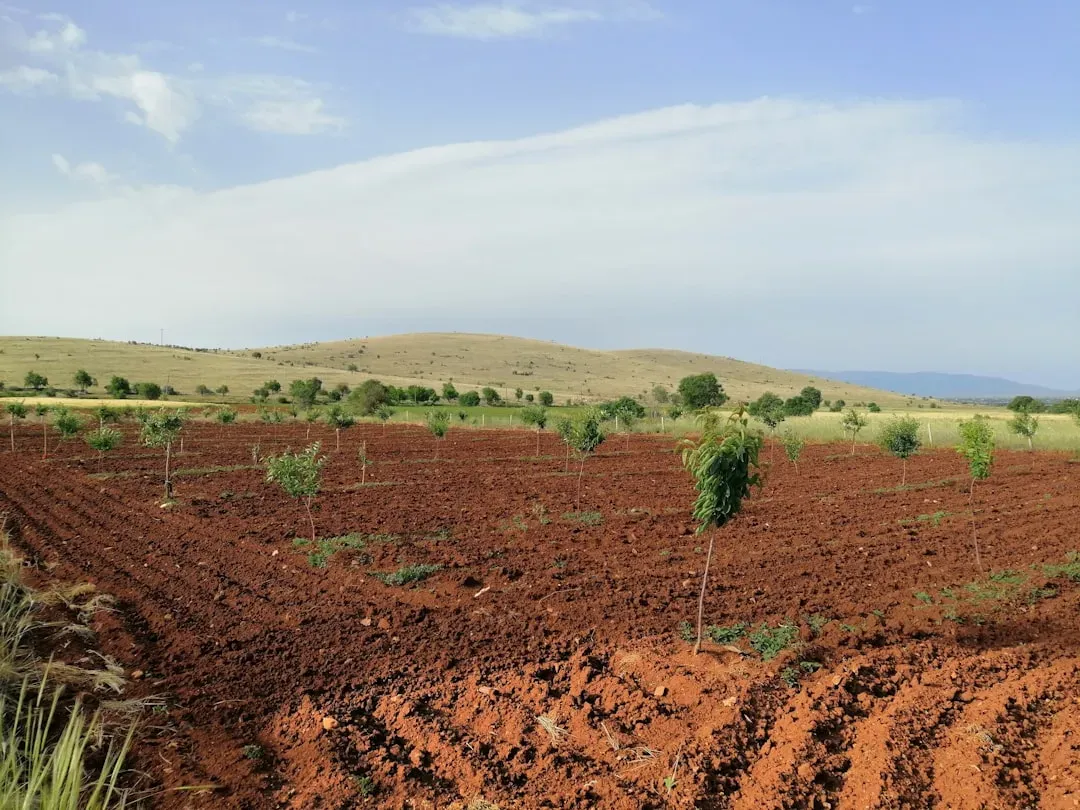
Having inhabited this high and dry area since the 12th century, the Hopi have developed a unique agriculture practice called “dry farming,” where traditional farmers place “wind breakers” in the fields at selected intervals to retain soil, snow and moisture. Picture trying to grow food in a place where rain is scarce and the land is unforgiving. Most people would have given up. The Hopi made it work.
They have perfected special techniques to plant seeds in arid fields, succeeding in raising corn, beans, squash, melons and other crops in a landscape that appears inhospitable to farming. Corn especially holds deep significance for them, grown in six traditional varieties representing different colors. This agricultural mastery isn’t just practical knowledge. It’s woven into their spiritual life, where farming becomes an act of faith and partnership with the natural world.
Twelve Villages Span Three Dramatic Mesas
The Hopi Reservation is made up of 12 villages on three mesas, known as First, Second, and Third Mesa, spanning more than 1.5 million acres in northeastern Arizona. These aren’t ordinary villages scattered across gentle hills. Each mesa rises dramatically from the desert floor, creating natural fortresses where communities have flourished for centuries.
Walpi on First Mesa is widely considered the most spectacular of the Hopi villages as it is terraced into a narrow rock table, with old stone houses appearing to cling to the cliffs and overlooking an expansive view largely unchanged by the centuries. Throughout the Hopi reservation, every village is an autonomous government, though the Hopi Tribal Council makes law for the tribe and sets policy to oversee tribal business. This balance between village independence and tribal unity reflects the Hopi talent for maintaining tradition while adapting to modern governance.
Kachina Spirits Connect Two Worlds
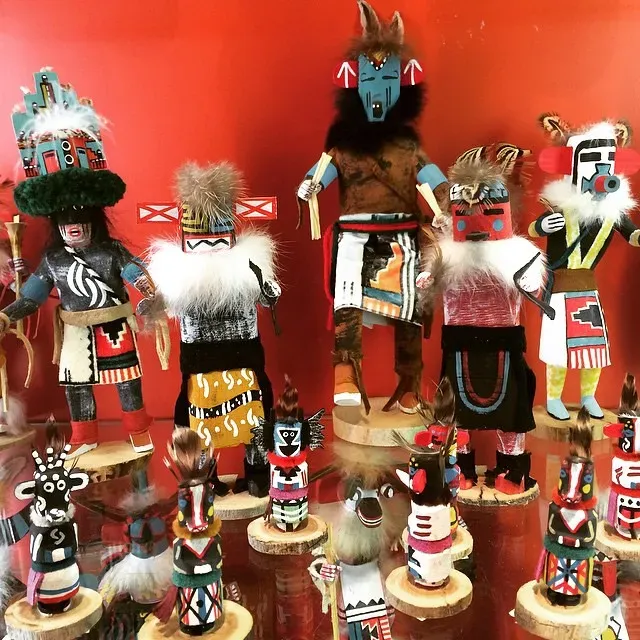
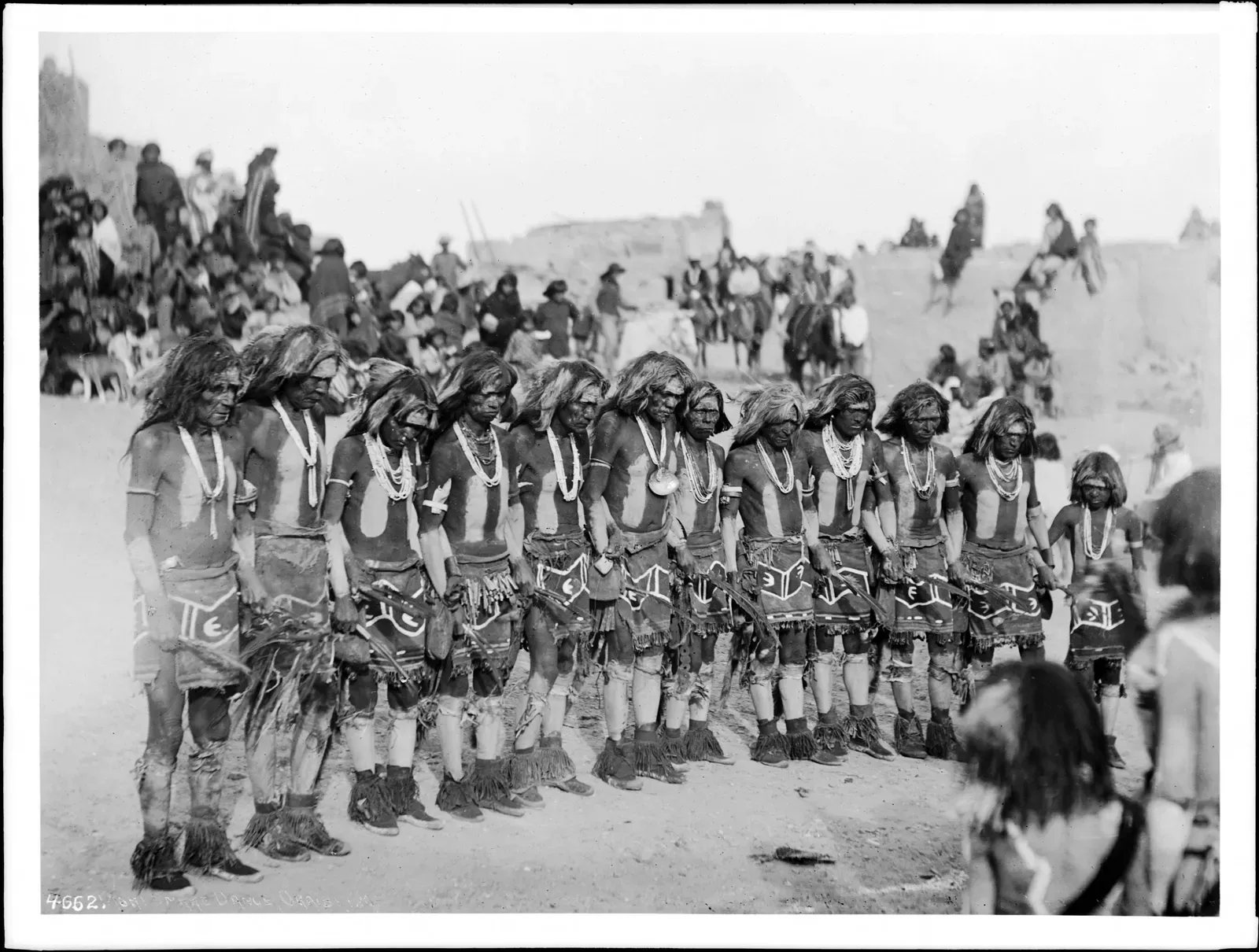
Kachinas are the spirits of deities, natural elements, animals, or the deceased ancestors of the Hopi. These aren’t abstract theological concepts. For the Hopi, kachinas represent real spiritual beings who actively participate in their lives. Katsinam inhabit the San Francisco Peaks just north of Flagstaff, Arizona, and are believed to be the spirits of all things in the universe, including rocks, stars, animals, plants, and ancestors who have lived good lives.
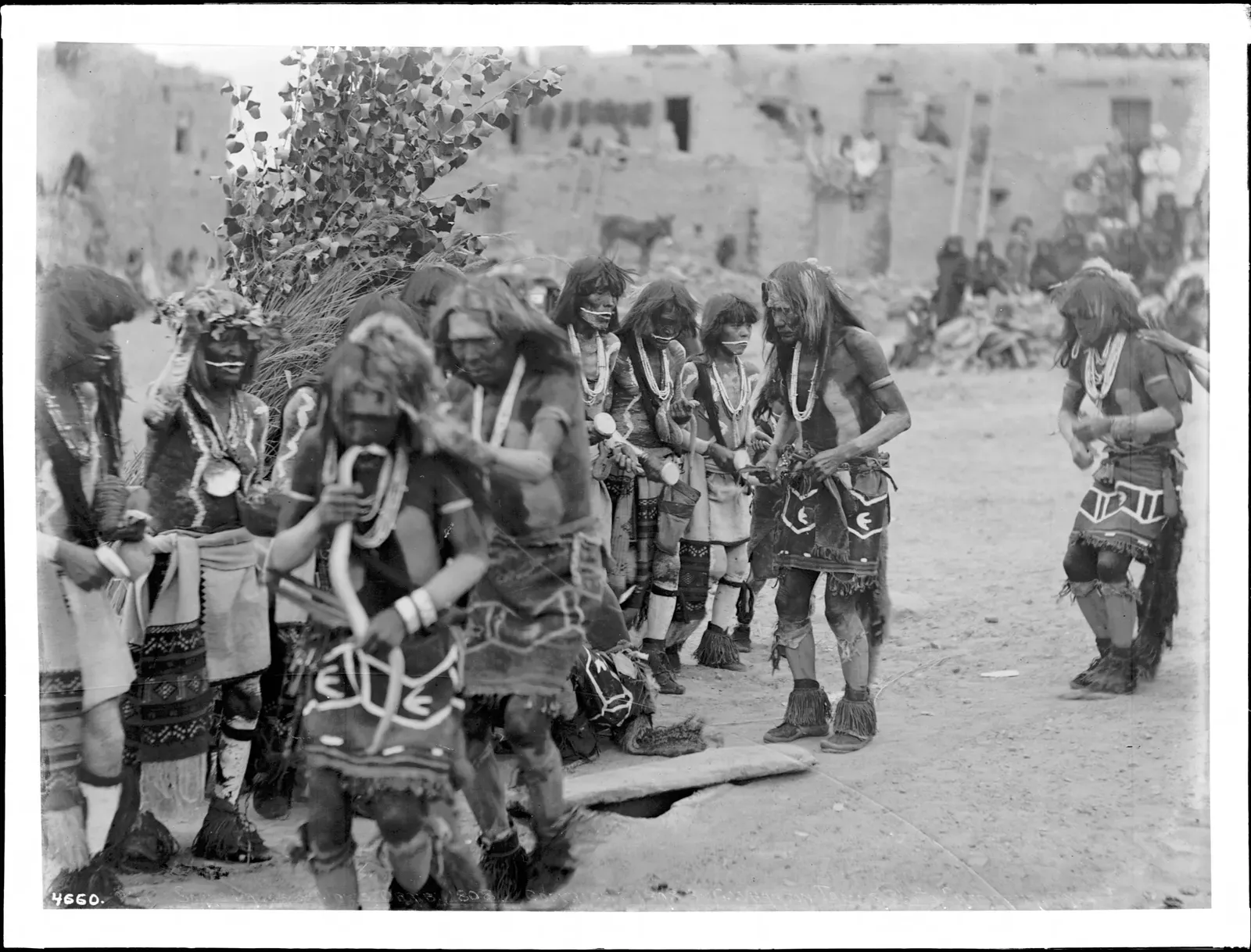
The Katsina Season begins at winter solstice, when figures representing the Katsina spirits emerge around Hopi villages. During ceremonies, men don elaborate masks and regalia to embody these spirits, performing dances that serve both sacred and educational purposes. Before each kachina ceremony, the village men spend days making figures in the likeness of the kachinas represented in that ceremony, which are then passed on to the village’s daughters and hung on the walls of the pueblo to be studied.
Society Follows The Maternal Line
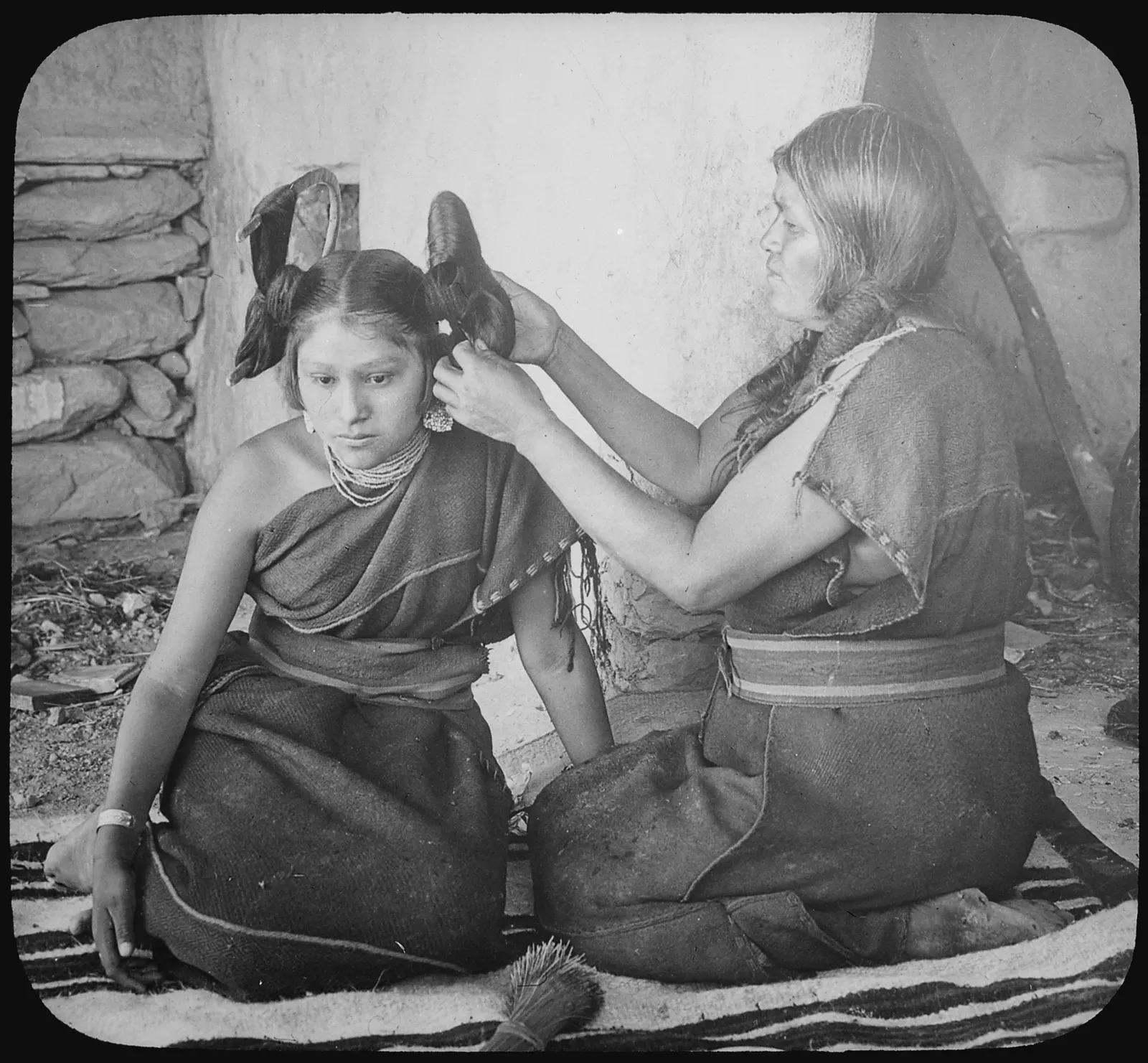
The Hopi are a matrilineal society organized by clan membership. In Hopi culture, you inherit your clan identity through your mother, not your father. This isn’t merely symbolic. It determines your place in the community, your rights, and your responsibilities.
Hopi organize themselves into matrilineal clans, with children born into the clan of their mother, and clans extending across all villages. The clan system is matrilineal, meaning that clan membership is passed down through the mother, and one cannot be Hopi without a clan of birth, so if the mother is not Hopi, neither will her children be. Today there are 34 living clans spread out among the 12 Hopi villages. This system creates intricate webs of relationship and obligation that bind the community together across vast distances.
Each Mesa Specializes In Distinctive Art Forms
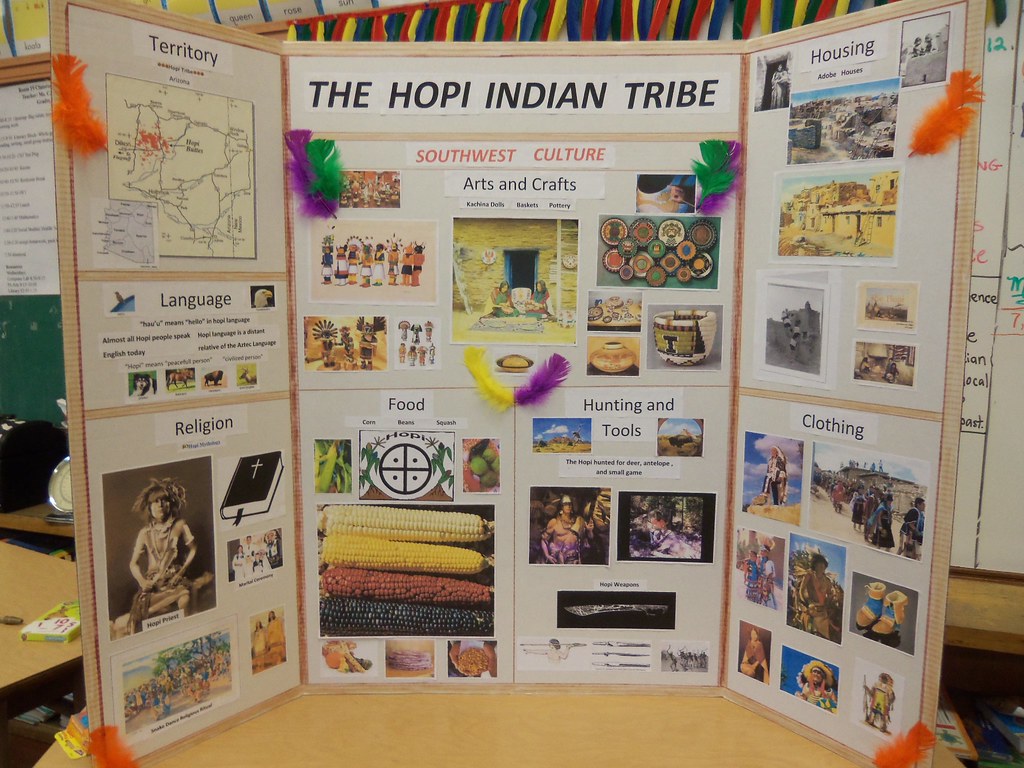
Hopi artisans are known for pottery, paintings, weaving, and carvings, with First Mesa known for pottery, Second Mesa known for coiled basketry, and Third Mesa known for wicker basketry, weaving, Kachina doll carving, and silversmithing. These aren’t arbitrary divisions. Each mesa developed its expertise over generations, with techniques passed down from master to apprentice in unbroken chains of knowledge.
Kachina dolls are carefully carved from the strong, light root of the cottonwood tree and then painted according to spiritual and cultural traditions that have been passed down through generations. The artistry reaches far beyond simple craft. Contemporary Hopi art commands serious respect in galleries worldwide. What began as religious objects have evolved into sought-after art pieces, though their sacred significance remains paramount to the Hopi themselves. It’s a delicate balance between cultural preservation and economic opportunity.
Traditional Knowledge Passes Through Stories
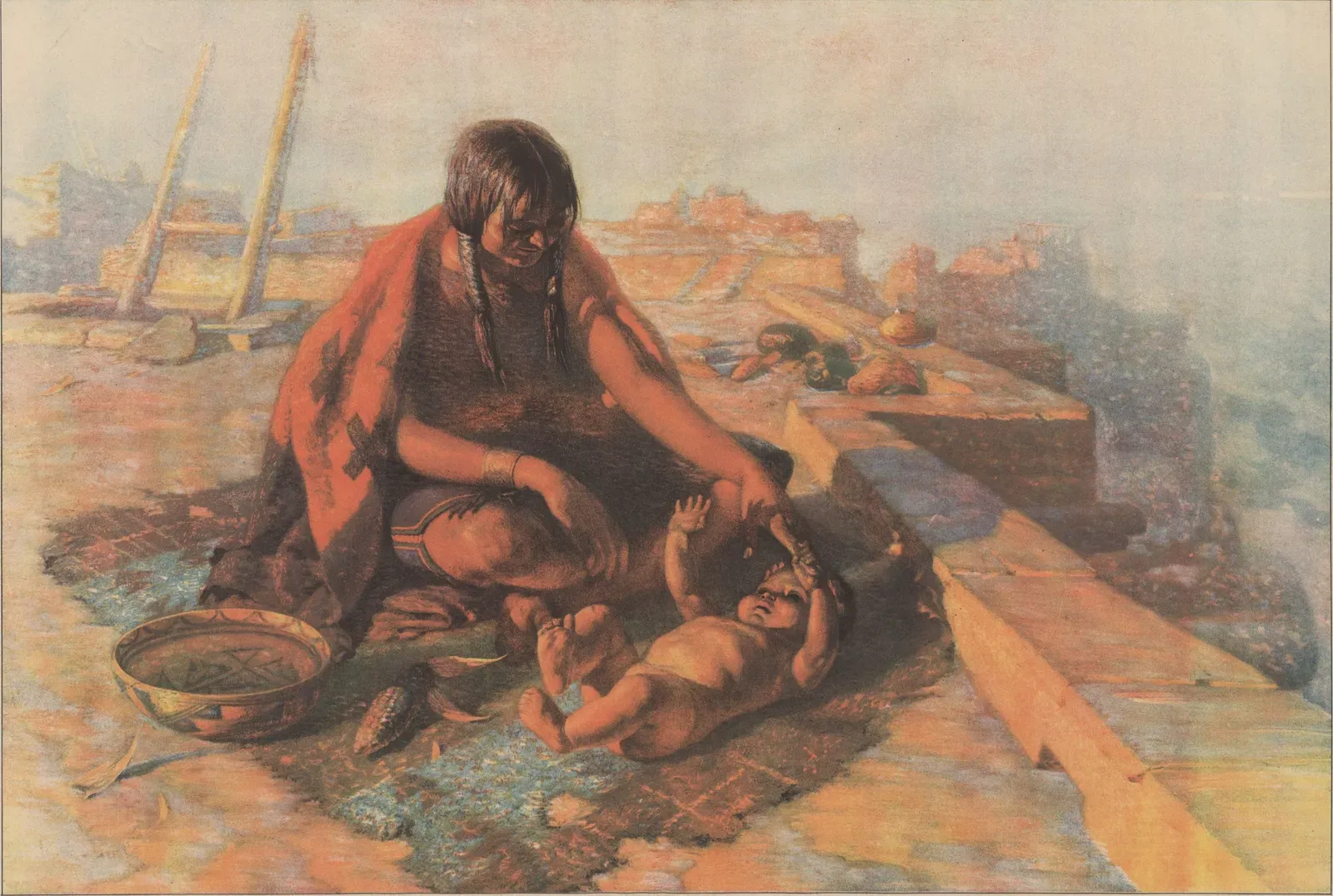
Traditional knowledge is central to Hopi culture, explaining not only the origin of all peoples but providing lessons for how to live today. The Hopi don’t separate their history from their daily lives or their spiritual beliefs from practical knowledge. Everything connects.
The Hopi have maintained their religious traditions through oral storytelling, sharing vital cultural and spiritual knowledge, including the significance of kachinas, the roles of spiritual leaders and elders, and the meanings behind various songs and dances. Hopi traditional knowledge is encoded to contain messages on many different levels, allowing listeners to learn new and important lessons as their own understanding deepens, with the strength of traditional knowledge lying in its ability to convey a deeper truth. These aren’t fairy tales told for entertainment. They’re sophisticated teaching tools that reveal different meanings at different stages of life.
The Hopi have managed what seems impossible in our modern world: maintaining an ancient culture intact while living in the twenty-first century. Over the centuries they have survived as a tribe, and to this day have managed to retain their culture, language and religion despite influences from the outside world. Their story isn’t frozen in the past. It’s a living, breathing example of resilience and adaptation. What do you think we can learn from a culture that has thrived for over a thousand years in one place? Tell us in the comments.