

You’ve probably heard the old story taught in schools: the first humans wandered into North America roughly 13,000 years ago, crossing a frozen land bridge from Siberia during the Ice Age. They hunted woolly mammoths, crafted distinctive stone spear points near what’s now Clovis, New Mexico, and gradually spread southward across two pristine continents. Simple, tidy, settled.
Turns out, that entire narrative might be spectacularly wrong. Recent discoveries are unraveling one of archaeology’s most fiercely guarded theories, revealing a far more complex, controversial, and frankly bizarre picture of how humans first arrived in the Americas. We’re talking footprints in ancient mud that shouldn’t exist, underwater highways paved with kelp, and genetic ghosts of populations that vanished without a trace. The deeper researchers dig, the stranger the story becomes.
When Ancient Footprints Rewrote the Timeline
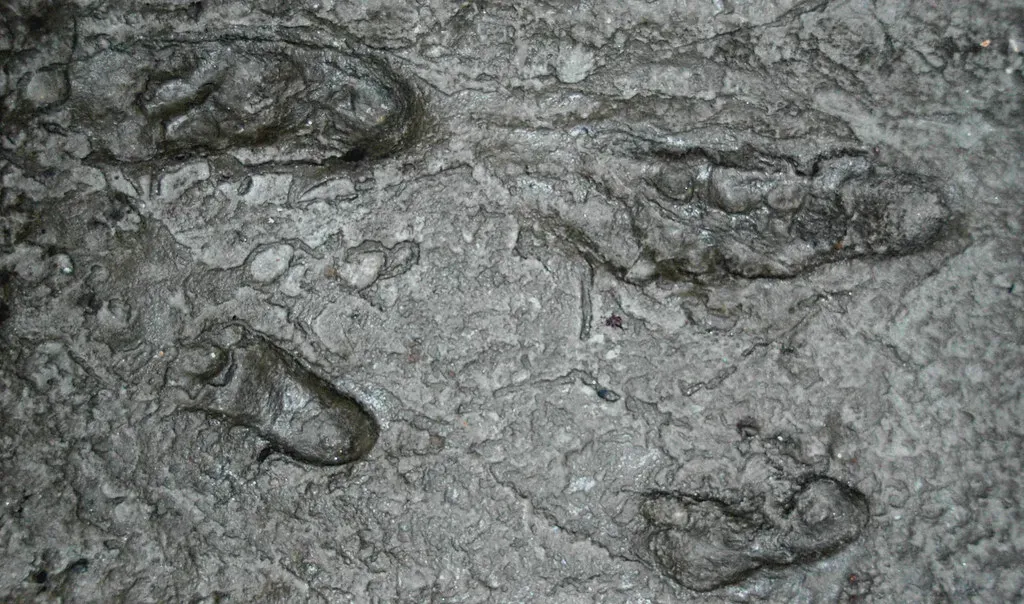
Picture this: about 100 yards away, were footprints, preserved in ancient clay and buried under gypsum, waiting to explode decades of scientific consensus. Footprints discovered in New Mexico are between 21,000 and 23,000 years old, showing human activity in the area occurred between 23,000 and 21,000 years ago. Here’s the thing that makes this discovery so unsettling: those dates push human presence in North America back by roughly 10,000 years before what most scholars believed possible.
These findings confirm the presence of humans in North America during the Last Glacial Maximum, the coldest, harshest period of the last Ice Age. Scientists initially reacted with skepticism, which is putting it mildly. The controversy centered on whether the dating methods were reliable, with critics suggesting contamination from older carbon sources might have skewed the results. Multiple follow-up studies using different techniques have consistently supported the original dates, though debate continues to simmer in academic circles.
The Clovis Culture Loses Its Crown
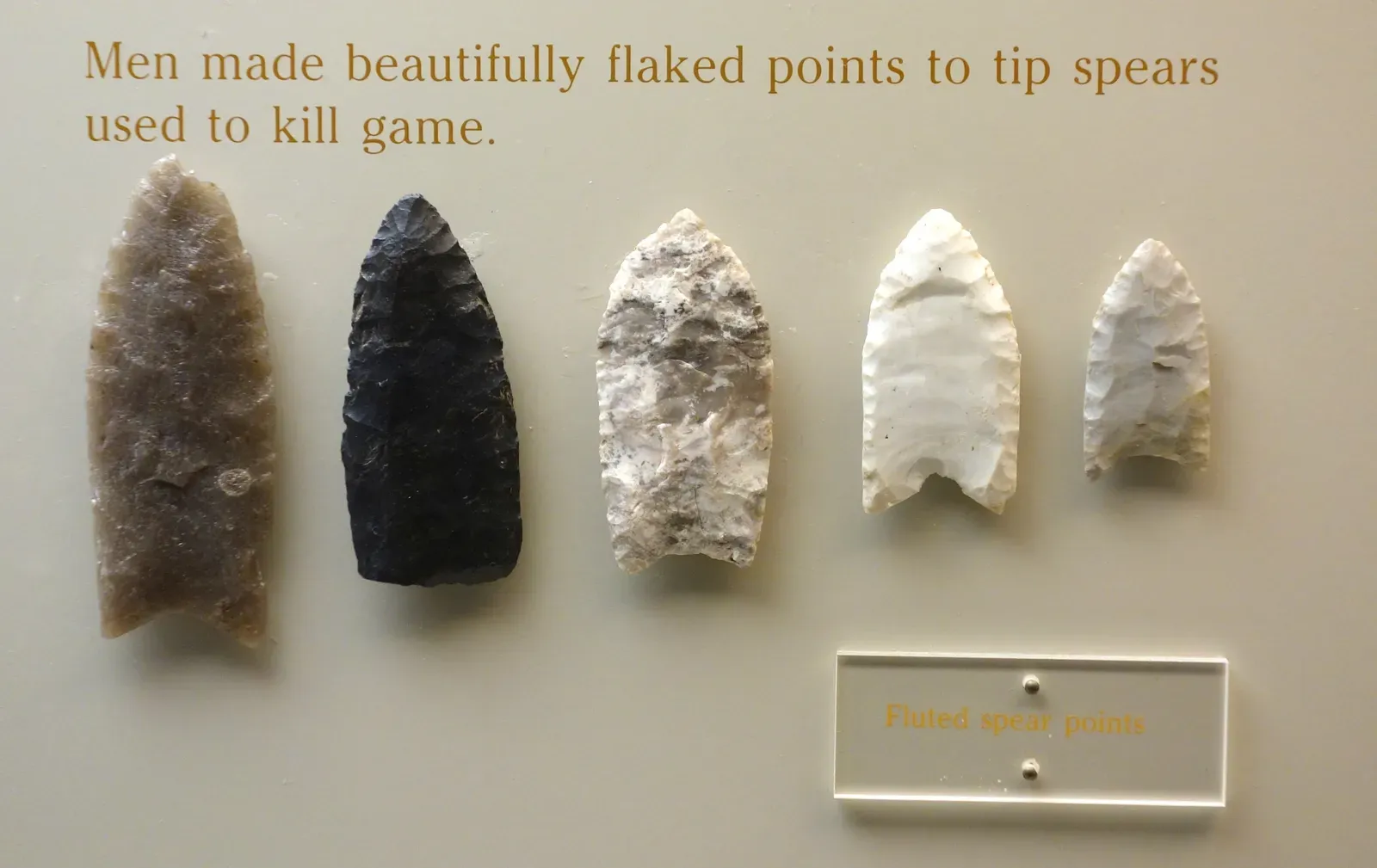
For most of the 20th century, the Clovis First theory dominated American archaeology like an unshakeable doctrine. The Clovis First theory refers to the hypothesis that the Clovis culture represents the earliest human presence in the Americas about 13,000 years ago. Named after distinctive spear points found near Clovis, New Mexico in the 1930s, this culture seemed to mark humanity’s debut on the continent.
Yet that theory has taken what researchers politely call “a beating” in recent decades. Evidence of pre-Clovis cultures has accumulated and pushed back the possible date of the first peopling of the Americas. Sites from Monte Verde in Chile to Paisley Caves in Oregon have yielded older artifacts and human remains that simply can’t be explained if Clovis people were truly first. “I look at it as the final nail in the ‘Clovis first’ coffin,” declared one researcher, capturing the mood of a field watching its foundational theory crumble.
The Kelp Highway: An Underwater Route to a New World

So if humans didn’t stroll through an ice-free corridor as previously thought, how did they get here? Enter the Kelp Highway hypothesis, which sounds almost too elegant to be true. The kelp highway theory suggests that the first Americans arrived not by land, but by sea, following the coastline of the Pacific Rim of northeastern Asia and Beringia to as far south as South America.
Pacific Rim kelp forests support or shelter a wealth of shellfish, fish, marine mammals, seabirds, and seaweeds, and by about 16,000 years ago, the North Pacific Coast offered a linear migration route, essentially unobstructed and entirely at sea level, from northeast Asia into the Americas. Imagine following nature’s grocery store, with kelp forests stretching thousands of miles and providing everything ancient seafarers needed to survive. The coastline would have been ideal for maritime peoples comfortable with boats and ocean resources. The only problem? Rising sea levels since the Ice Age have submerged most evidence beneath hundreds of feet of water.
Beringia: Land Bridge or Ancient Homeland?
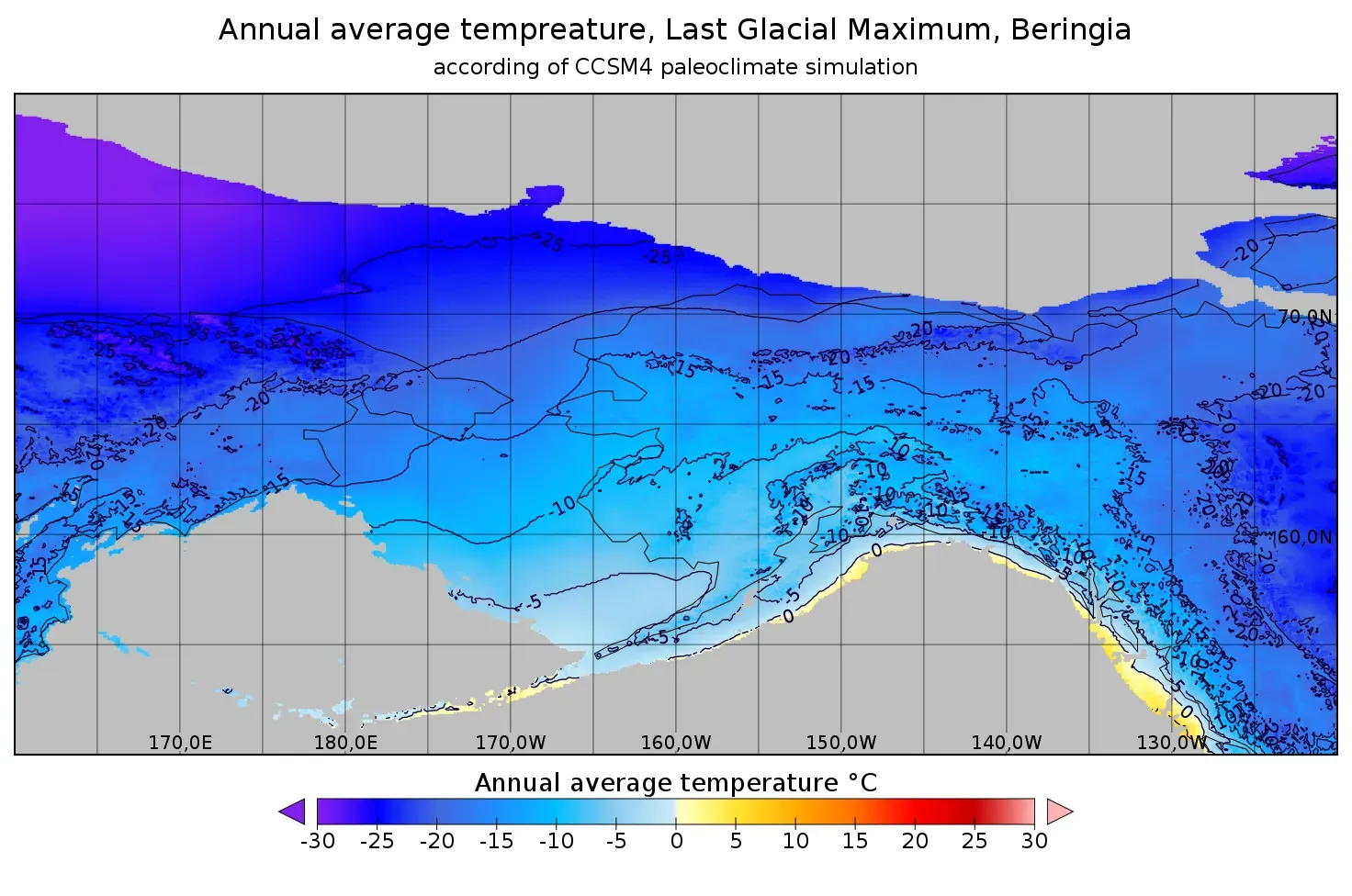
Most people think of Beringia as a narrow strip of land, like some ancient highway between continents. Reality was far different. Some 25,000 to 15,000 years ago, the strait itself and a continent-size expanse flanking it were high and dry. This wasn’t a bridge people rushed across. It was an actual homeland where populations may have lived for thousands of years.
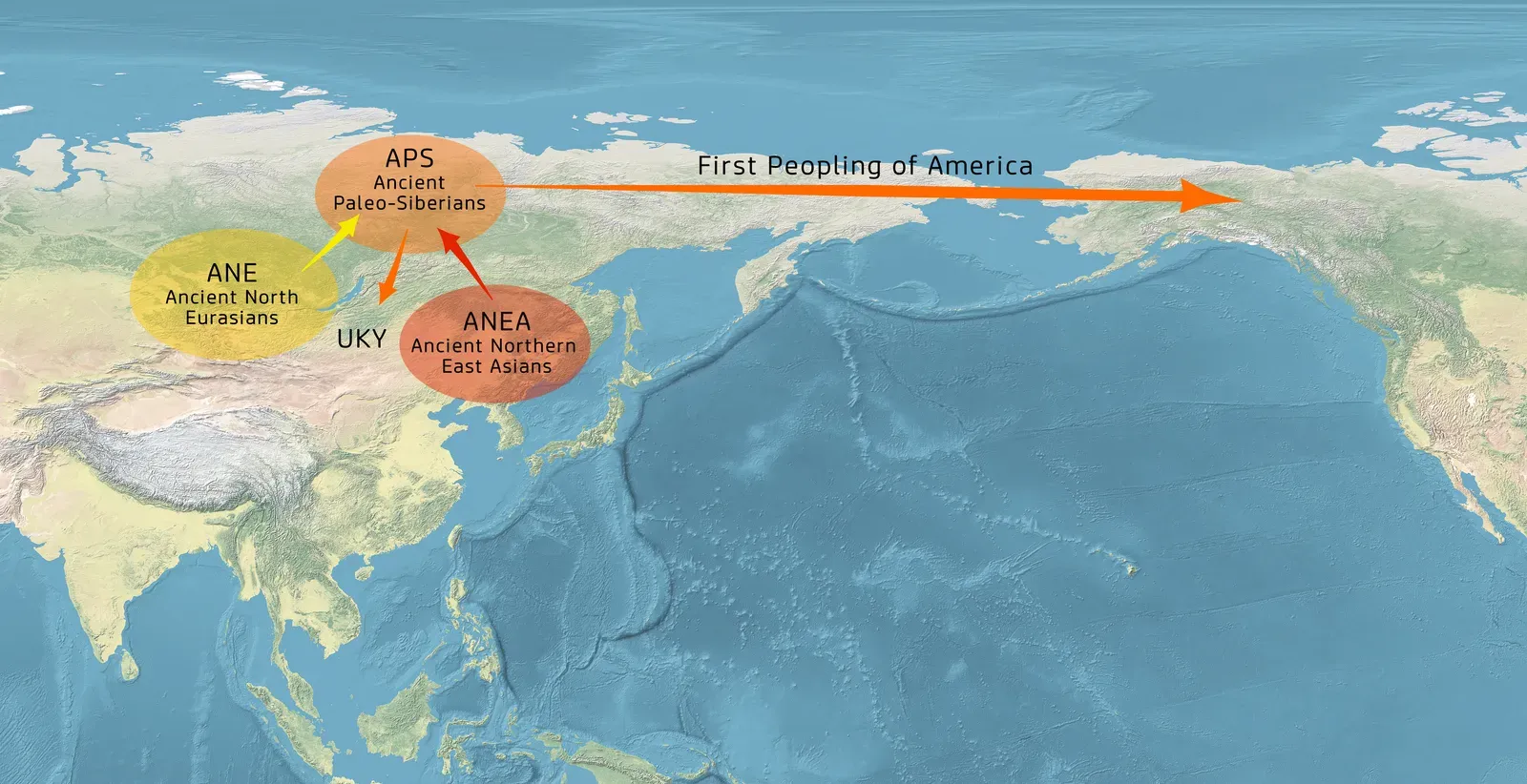
That vanished world is called Beringia, and the developing theory about its pivotal role in the populating of North America is known as the Beringian Standstill hypothesis. Genetic studies suggest that the first people to arrive in the Americas descend from an ancestral group of Ancient North Siberians and East Asians that mingled around 20,000 to 23,000 years ago. The idea that people stopped here, adapted, evolved genetically distinct characteristics, and only then moved southward adds layers of complexity nobody expected. These weren’t desperate refugees fleeing across ice. They were established populations making calculated moves into new territories.
DNA Tells Tales the Bones Cannot
Ancient DNA has become archaeology’s secret weapon, revealing stories that stone tools and pottery alone never could. The ‘Ancestral Native Americans’ descended from the admixture of an Ancient East Asian lineage, and a Paleolithic Siberian population known as Ancient North Eurasians, and are most closely related to ‘Ancient Paleo-Siberians’ and ‘Ancient Beringians’. This genetic mixing happened thousands of years before anyone set foot in what we now call the Americas.
Here’s where it gets genuinely strange: researchers discovered a population they call Ancient Beringians, known only from a single infant’s remains found in Alaska. The Ancient Beringian is a human archaeogenetic lineage, based on the genome of an infant found at the Upward Sun River site, dated to 11,500 years ago, and diverged from the Ancestral Native American lineage about 20,000 years ago. This group represents a genetic branch that split early and then vanished completely, contributing nothing to modern Native American populations. They’re ghosts in our genome, proving that early American population history was far messier and more diverse than anyone imagined.
Multiple Migrations, Multiple Mysteries
The simplest migration stories are almost always wrong, and North America proves no exception. The peopling of the Americas was not a singular event, but was a process with people probably arriving at different times and taking different routes and potentially coming from different places. Some groups came early, possibly before or during the Last Glacial Maximum. Others arrived later, perhaps following different paths or using different technologies.
People crossed from Alaska back into Siberia and mixed with populations there some 5000 years ago, and again about 1500 years ago. Let’s be real: the idea that humans were constantly traveling back and forth across the Bering Strait for thousands of years upends our mental image of isolated populations slowly radiating across empty continents. Ancient peoples were mobile, curious, and far more interconnected than early archaeologists gave them credit for. The Bering region wasn’t a one-way door that slammed shut after the first migrants passed through.
The White Sands Controversy Refuses to Die
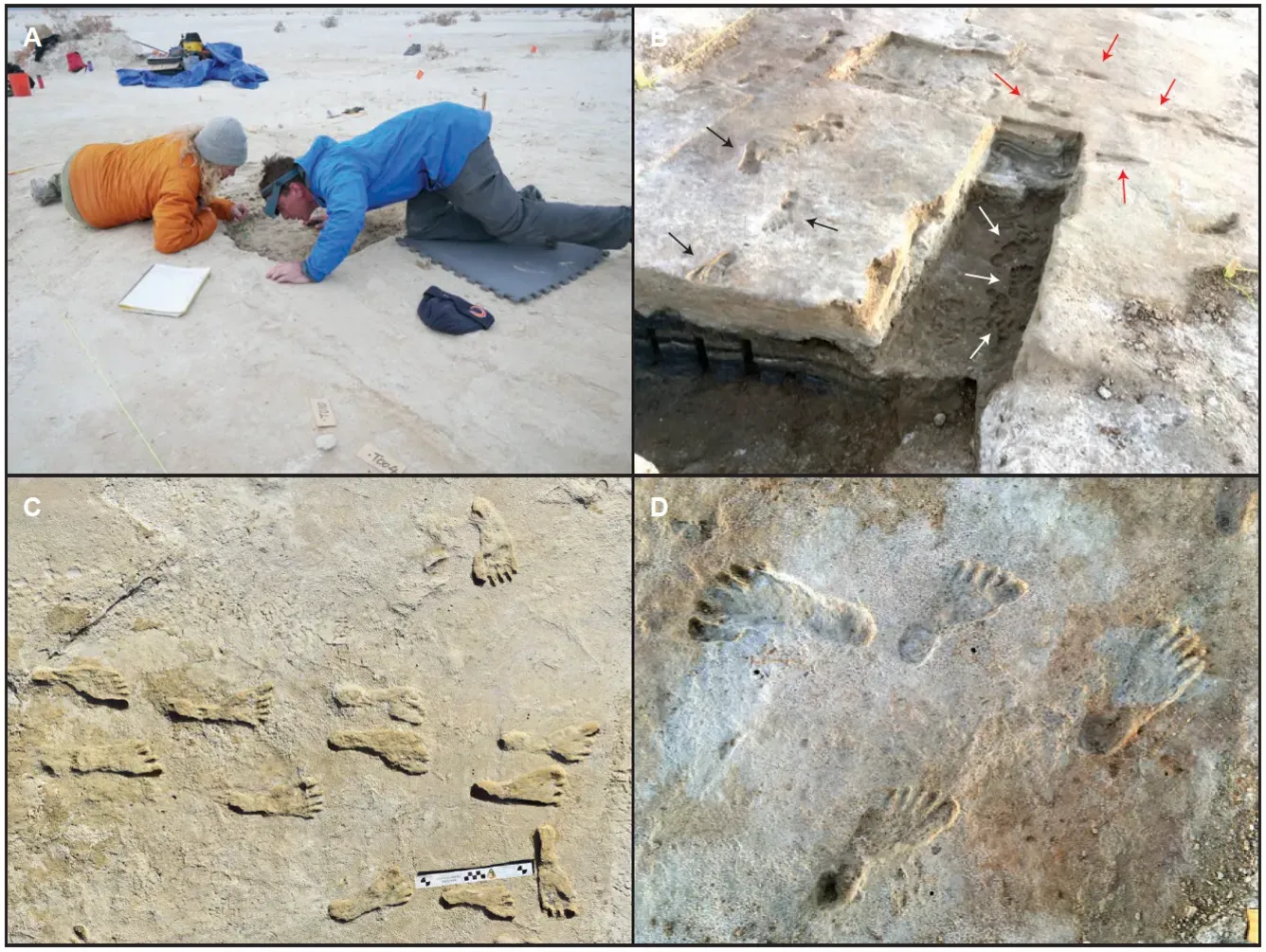
Few archaeological discoveries have sparked as much heated debate as those footprints at White Sands. Critics initially seized on the dating method, arguing that the scientists had carbon-dated seeds from Ruppia cirrhosa, a grasslike aquatic plant that lives in lakes, and aquatic plants can absorb older carbon from water, skewing the results. Fair point, honestly. Dating ancient materials is notoriously tricky, and every method has potential pitfalls.
What followed was scientific warfare by peer review. Three independent labs using seeds, pollen, and mud have produced 55 consistent dates, providing robust evidence for early human presence in North America during the Last Glacial Maximum. When three completely different dating methods from three separate labs all point to the same time period, coincidence starts looking unlikely. Still, some researchers remain unconvinced, demanding more evidence before accepting such a revolutionary timeline. The controversy highlights how resistant scientific communities can be when cherished theories face extinction.
What It All Means for Our Understanding
So where does all this conflicting evidence leave us in 2026? Exactly when people first arrived in the Western Hemisphere and when continuous occupation was established are still both uncertain and contested. Nobody’s celebrating definitive answers just yet. What’s clear is that humans likely reached the Americas much earlier than previously thought, possibly during the height of the Ice Age when conditions would have been brutally hostile.
The old narrative of Clovis hunters as pioneering first Americans has been thoroughly dismantled. In its place, we’re glimpsing a far richer tapestry of human movement: maritime peoples island-hopping down kelp-lined coasts, populations lingering in Beringian refugia for millennia, multiple waves of migration using different routes, and genetic lineages that arose and vanished leaving barely a trace. Archaeology has learned a hard lesson: humans are endlessly adaptable, restlessly mobile, and consistently more ingenious than we assume. Every time someone declares a mystery solved, another footprint emerges from ancient mud to prove we’re still only scratching the surface. What other secrets remain buried beneath rising seas, volcanic ash, or wind-blown dunes, waiting to rewrite history again?