Picture yourself standing in a vast open field thousands of years ago, watching skilled hands transform a rough chunk of volcanic glass into a razor-sharp blade. You’re witnessing something remarkable that modern society has nearly forgotten. The indigenous peoples of the Americas developed stone tool technologies so sophisticated that they rival anything you might imagine from ancient civilizations across the ocean. Yet these achievements often remain buried beneath layers of misconceptions and overlooked history.
Let’s be real, when most people think about ancient American technology, they picture crude implements barely adequate for survival. Nothing could be further from the truth. You’re about to discover intricate quarrying operations, continent-spanning trade networks, and manufacturing techniques that required geometric precision most of us couldn’t achieve today without modern instruments. So let’s get started.
The Art of Flintknapping: More Than Just Smashing Rocks
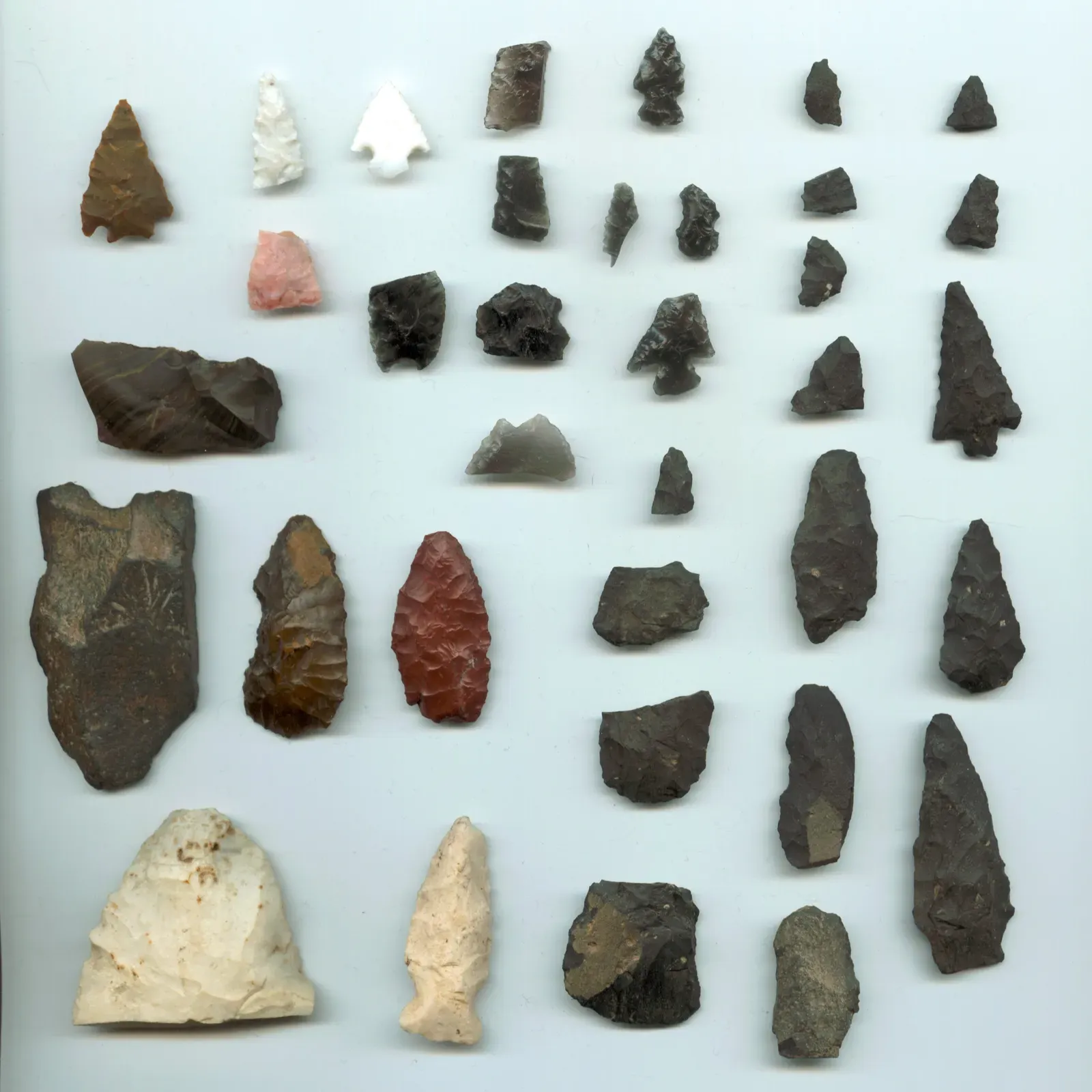
You need to understand that flintknapping is the process of creating stone tools such as arrowheads, spear points, knives, drills, and scrapers. It’s far from the primitive activity many imagine. Ancient toolmakers used innate geometry when working on a point, carefully controlling the angle at which the stone is struck, the type of hammer used, how hard one hits the rock and how far from the edge contact is made.
Think about the precision required here. Striking a rock in a particular way causes flakes or chips to come off, and learning to strike the rocks in the best way takes lots of practice and involves many mistakes. Flintknapping requires the ability to control the way rocks break when they are struck, and the best rock is somewhat brittle and uniform in texture and structure, lacking frost fractures, inclusions, or other flaws; the best rocks for flint-knapping are chert, flint, chalcedony, quartzite, jasper, and obsidian. You can imagine the expertise needed to select materials and execute techniques that produced tools sharper than modern surgical steel.
Clovis Points: America’s First Great Invention
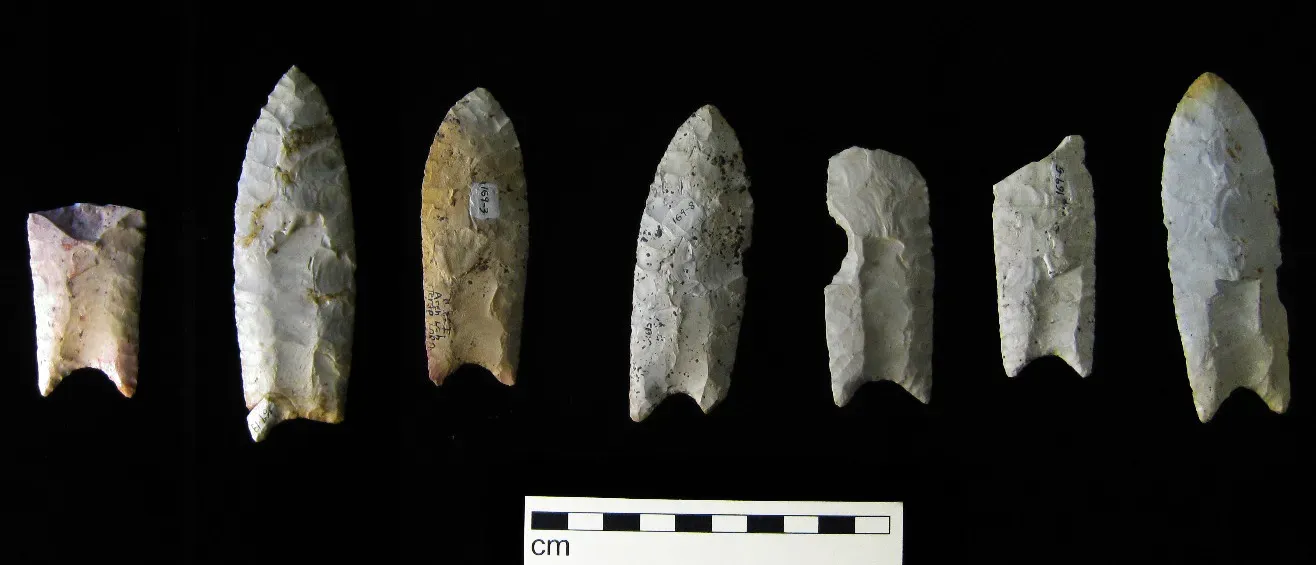
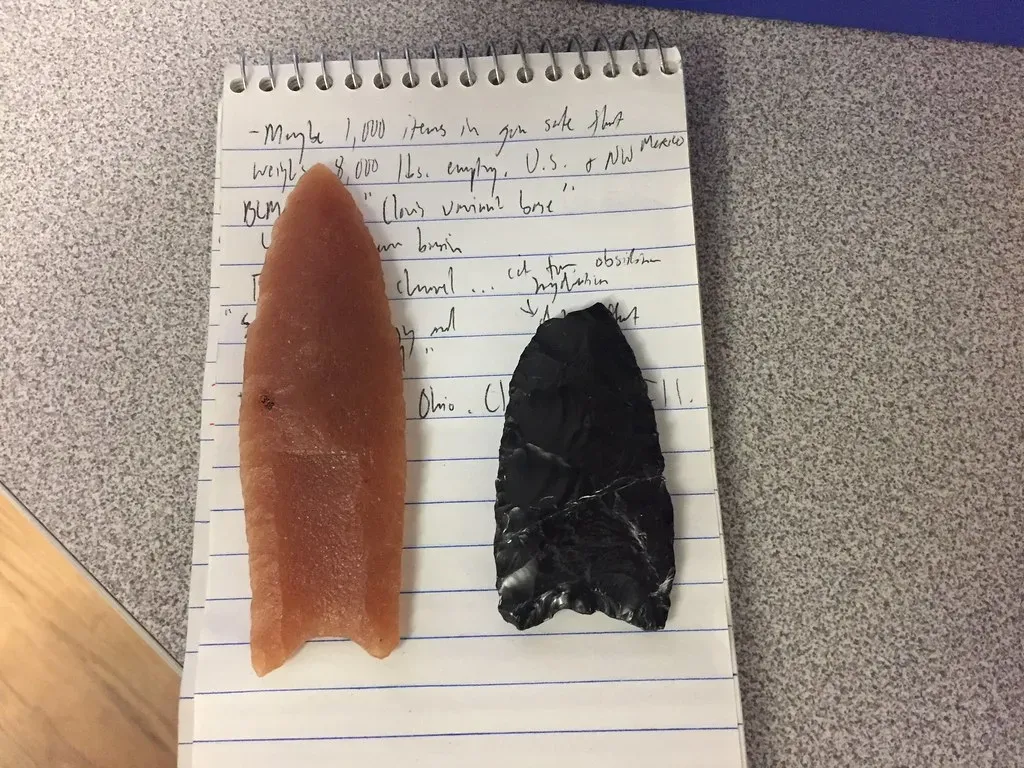
Clovis points are the characteristically fluted projectile points associated with the New World Clovis culture, a prehistoric Paleo-American culture, present in dense concentrations across much of North America, dating from roughly thirteen thousand four hundred to twelve thousand seven hundred years ago. Here’s the thing that blows my mind about these artifacts. Clovis points, it seems, were an American invention, perhaps the first American invention.
The sides are parallel to convex, exhibiting careful pressure flaking along the blade edge, with the broadest area towards the base which is distinctly concave with concave grooves called flutes removed from one or both surfaces of the blade, and the lower edges of the blade and base are ground to dull edges for hafting. This seemingly minor aspect of Clovis projectile point technology is considered by anthropologists to have been a crucial key to the success of Clovis people, allowing them to sweep across North America and down through the tip of South America at a remarkably swift rate. That’s roughly a thousand years to populate two continents.
Ground Stone Technology: The Patient Path to Perfection
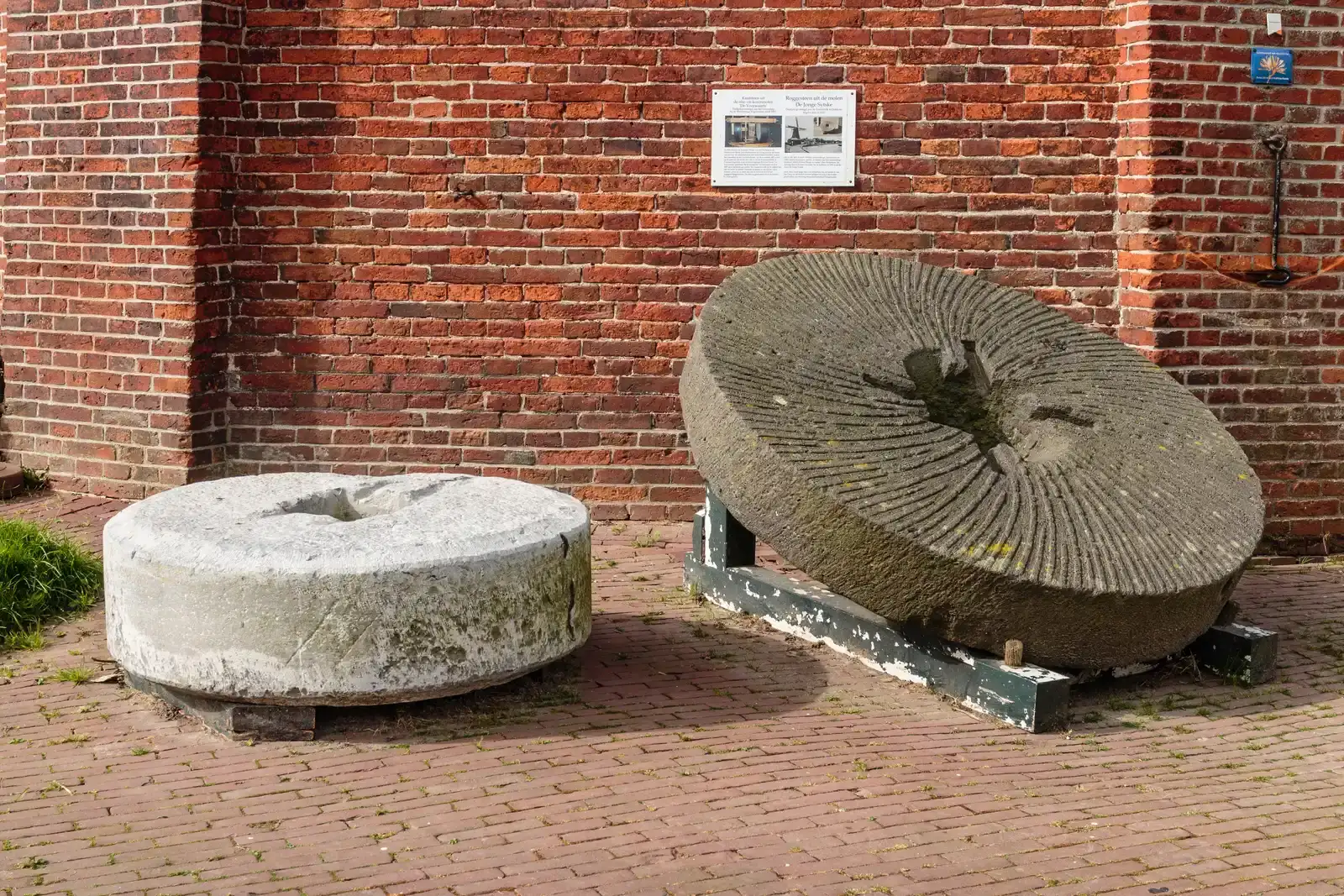
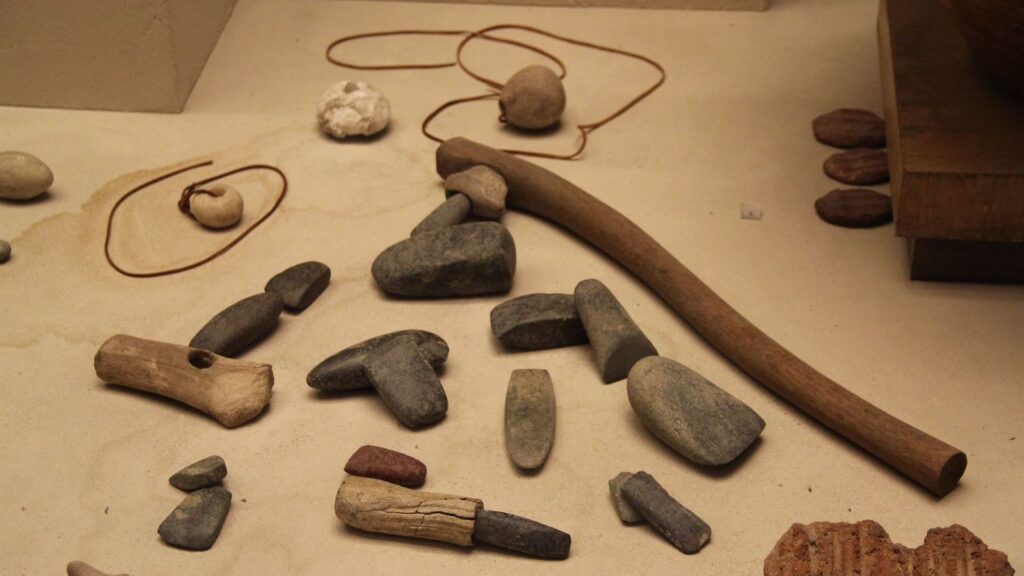
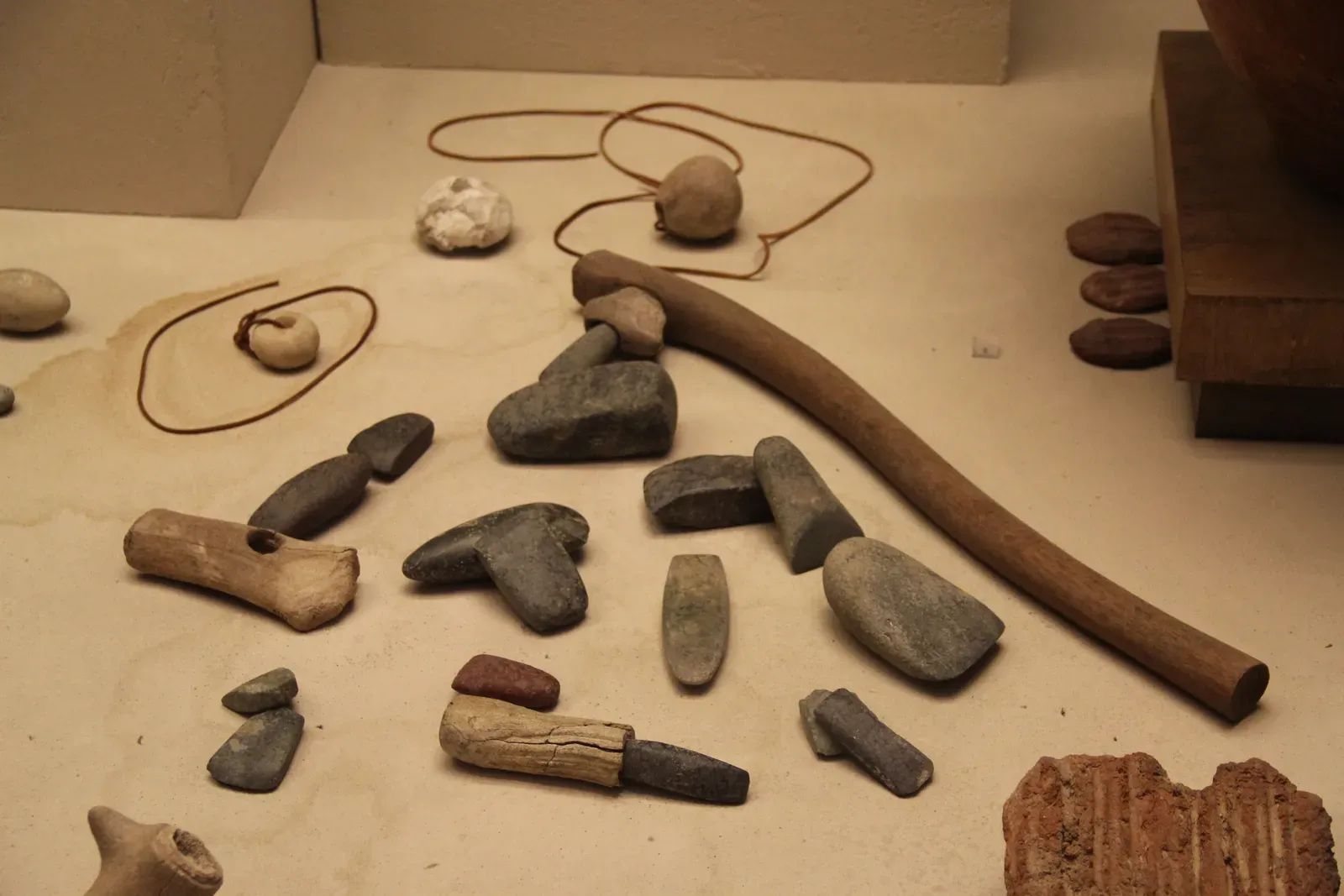
While flaked tools get most of the attention, ground stone implements represent a different technological achievement altogether. Grooved axes and other ground stone tools were created by a time-consuming process of grinding and pecking, as opposed to the relatively short amount of time it took to chip an arrowhead or knife blade. You’re looking at tools that took days or even weeks to complete.
Using a secondary stone made of a harder material, a tool maker would gradually peck or grind away stone to create the desired shape, using this hammerstone, and sand or a finer grained stone was then used to polish the surface of the finished tool. Grinding and pounding implements were essential tools used by Native Americans for food processing, including mortars, pestles, grinding stones, and manos, which typically feature distinct wear patterns from repeated use. The smooth depressions you’d find on these tools tell stories of countless meals prepared over generations.
Mining and Quarrying Operations That Spanned Continents
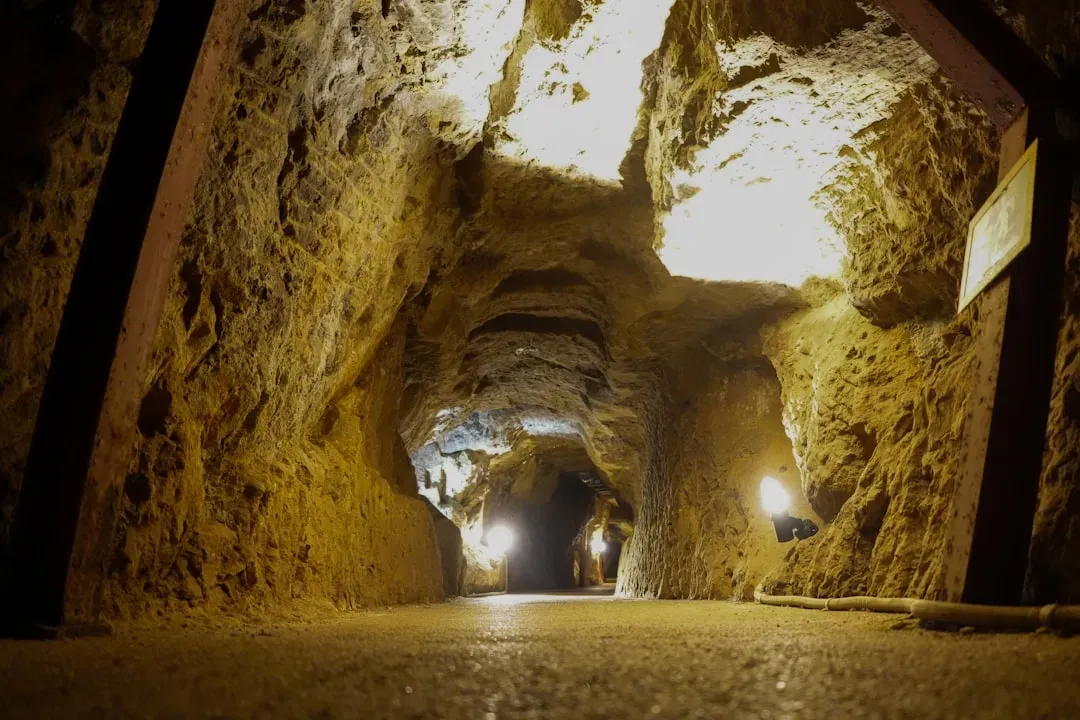
Forget the idea of indigenous peoples simply picking up convenient stones from riverbeds. The oldest mine in North America dates back thirteen thousand years, where Paleo-Indians mined red ocher at a site now called Powars II in eastern Wyoming, which was used as a body paint and provided some value as sunscreen, and was also used as a pigment for painting on rock walls and to decorate burials.
Quarries were most often simply gravel terraces or rocky streambeds where people could easily collect pebbles or cobbles, test them for quality, and then fashion them into tools, but they also constructed complex mines with holes, pits, shafts, and tunnels, with debris including tons of broken rock and large stone hammers and hammerstones for rough shaping. To work jasper stones free from the muddy matrix at the bottom of a vein in Culpeper County, Virginia, Native American miners squeezed into a dark hole to extract jasper from a crack just ten inches wide, and the prehistoric miners may have been young children, perhaps held upside-down by their ankles as they reached down into the narrow dark crevice. It’s hard to say for sure, but that kind of dedication to resource extraction is remarkable.
Trade Networks That Rivaled Ancient Silk Roads
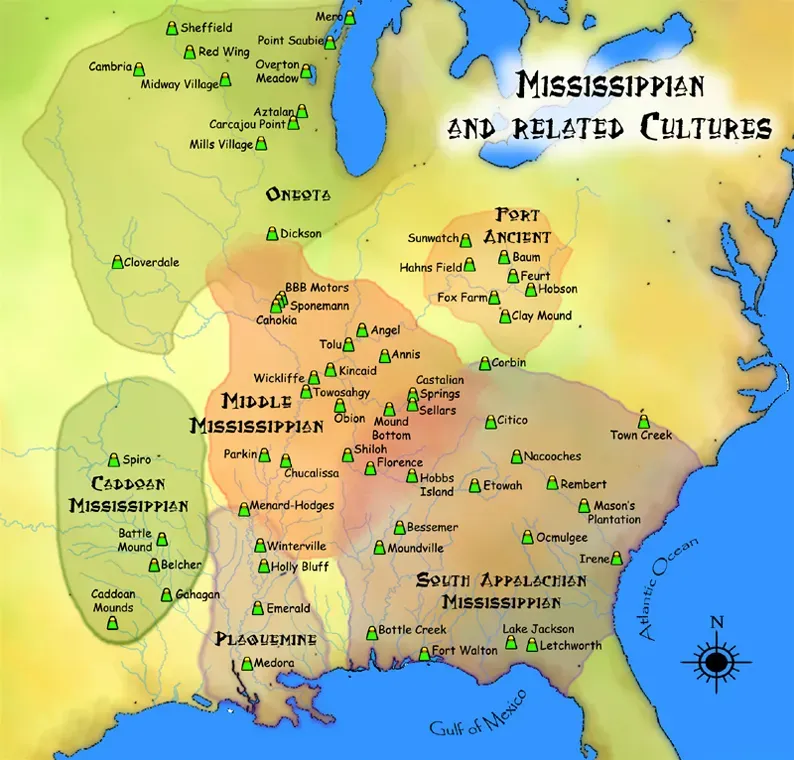
The trading patterns in prehistoric America were extensive, with stone obtained from many miles away even though local forms of quartz might have been worked into tools; volcanic obsidian does not exist naturally east of the Mississippi River, but obsidian from Utah, Idaho, Oregon, and California has been found in New Jersey. Let that sink in for a moment.
Underwater archaeologists have been studying nine thousand year old stone tool artifacts discovered in Lake Huron that originated from an obsidian quarry more than two thousand miles away in central Oregon, making it one of the longest distances recorded for obsidian artifacts anywhere in the world. These obsidian tools are an indicator item for a really broad trading network operating throughout the Pacific Northwest, with tools from quarries in Oregon traveling north and being traded to native people in Washington, British Columbia, Alberta and Alaska. You’re talking about economic systems that connected people from the Arctic to the tropics.
The Sacred and Social Dimensions of Stone
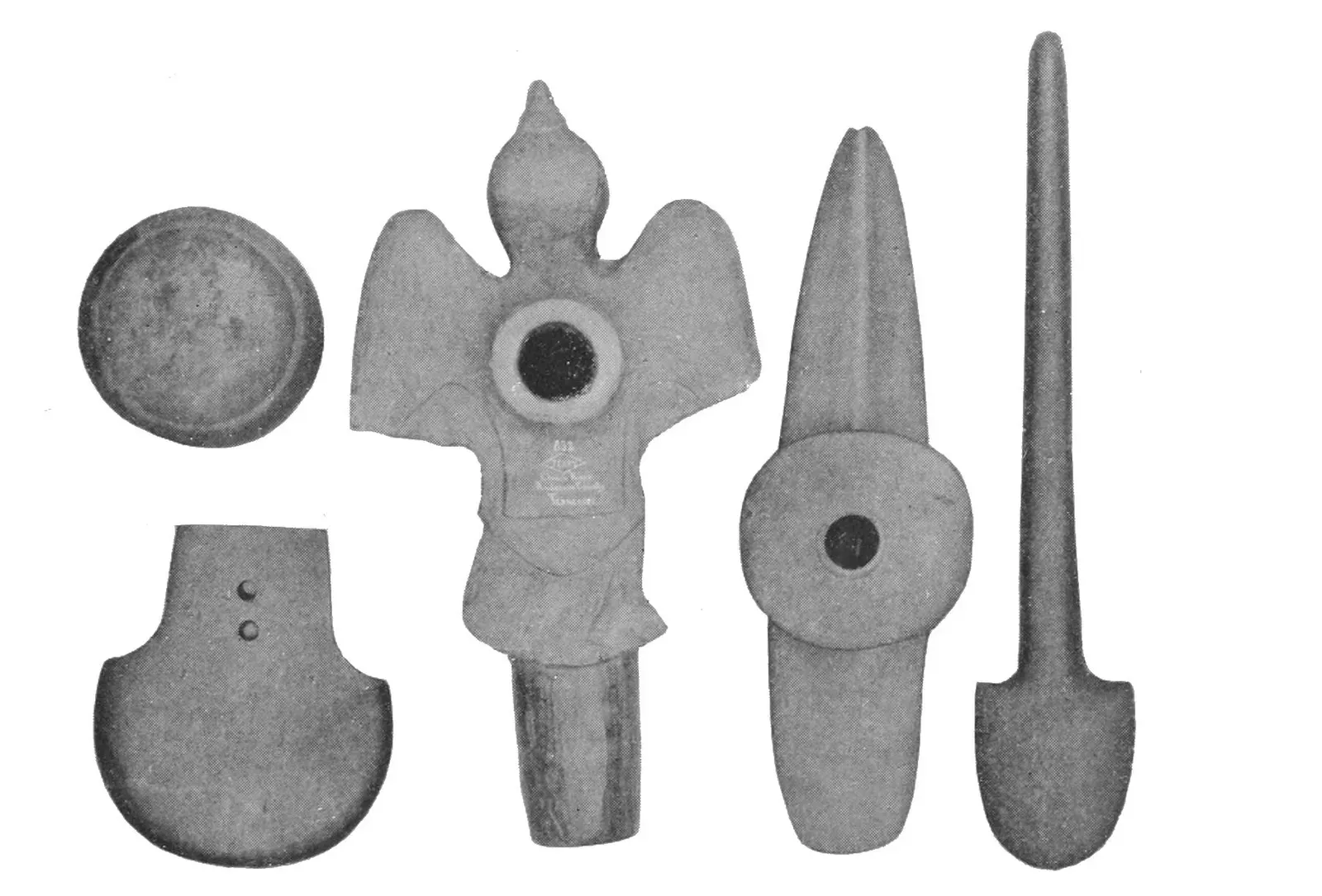
Stone tools weren’t just utilitarian objects, you know. These tools and weapons had cultural and spiritual significance, with the creation of stone tools and weapons often seen as a spiritual act, and many Native Americans believed that the spirits of the stones were imbued with power and that the act of shaping the stones into tools and weapons gave them power over the natural world.
Stone tools and weapons were also important trade items, and Native American tribes traded stone tools and weapons with each other and with European settlers, helping to establish relationships between tribes and playing a significant role in the development of Native American culture. Yellowstone National Park was the source for obsidian which was widely traded, and obsidian from Yellowstone can be found in sites such as Cahokia in Illinois. These weren’t just economic transactions but cultural exchanges that bound communities together across vast distances.
Specialized Tools for Every Purpose Imaginable
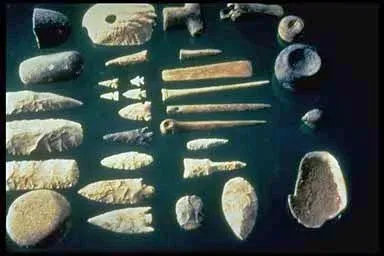
The diversity of stone tool types reveals sophisticated understanding of form and function. For the Acheulean industry, eighteen different types of implements have been discovered, including chisels, awls, anvils, scrapers, hammer-stones, and round balls. Each served specific purposes in daily life.
Bone can be sawed into sections with a serrated bifacial stone knife or flake tool, and after the saw cuts have been made to a sufficient depth the bone can easily be broken by hand; stone drills, either hand held or attached to shafts, may be used to bore holes through bone for making such tools as arrow-shaft wrenches, and the small eyes of sewing and matting needles can be made by a sawing or twisting motion with a graver tip, while polishing, final shaping, and sharpening were done with a sandstone abrader. The ingenuity shown in adapting stone tools to work with other materials is honestly impressive.
Techniques That Modern Knappers Still Study
Native American toolmakers employed sophisticated flaking techniques, with the primary technique known as percussion flaking involving striking a core stone with a hammerstone to remove flakes in a controlled manner, requiring extensive skill and understanding of how different stone materials fracture; pressure flaking, another crucial technique, involved using bone or antler tools to apply precise pressure along the edges of stone tools, allowing craftsmen to create finer details and sharper edges essential for tools like arrowheads and scrapers.
Shaping the piece into the desired tool form is the second step in the tool making process, with early stages done using a hammerstone, and for the later and finer work a baton of wood or antler is used to thin the edges and to establish the form; pressure flaking is the last step in making the stone tool, where very small, thin flakes are carefully removed from around the margins of the tool by applying pressure with an antler tine, which strengthens, straightens and sharpens the cutting edges of the tool and shapes the piece into its final form. Modern experimental archaeologists spend years mastering what ancient peoples learned as children.
Conclusion: Recognizing the Legacy Beneath Our Feet
The stone tool technologies of ancient America represent achievements that deserve recognition alongside any ancient civilization’s accomplishments. From the geometric precision of Clovis points to the continent-spanning obsidian trade networks, from sacred quarrying sites to specialized tools for every conceivable task, indigenous peoples developed systems of remarkable sophistication. These weren’t primitive ancestors fumbling with rocks. They were master craftspeople, engineers, traders, and innovators who shaped stone with the same dedication that later cultures would apply to bronze and iron.
Next time you see an arrowhead in a museum display or read about ancient American cultures, remember the forgotten wonders you’ve learned about here. These tools represent thousands of years of accumulated knowledge, passed down through generations, refined through endless experimentation, and imbued with cultural meaning that went far beyond mere survival. What does it say about us that we’ve allowed such remarkable achievements to fade into obscurity? Maybe it’s time we gave our ancestors the credit they deserve.