
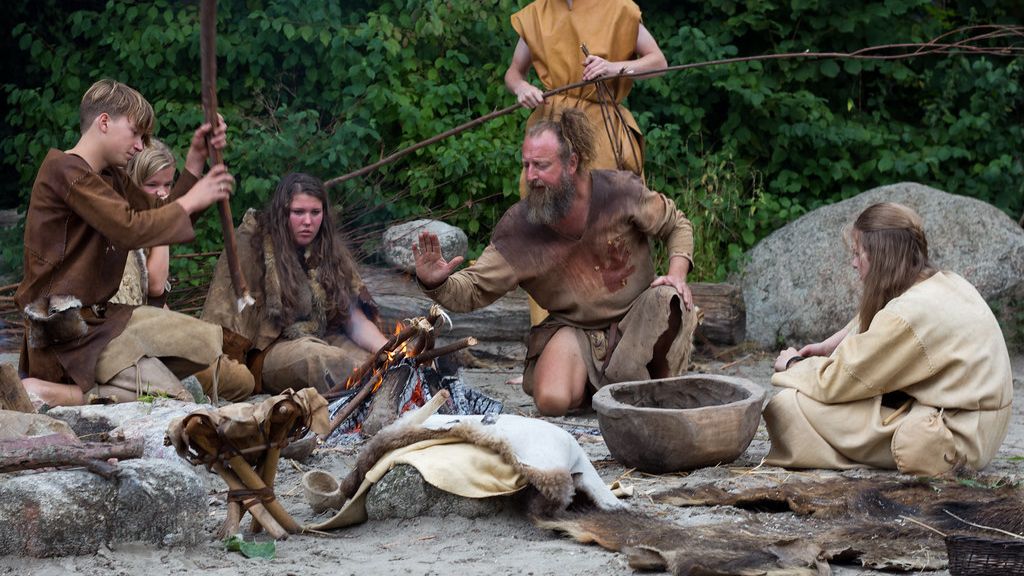
Ever wonder what life was like thousands of years ago when humans first roamed the Americas? You might picture hunters chasing woolly mammoths across icy landscapes, living off nothing but meat. Turns out, reality was far more complex and surprising than those simple museum displays suggest.
Recent archaeological breakthroughs are completely rewriting what you thought you knew about these early people. From mysterious vanishing populations to shocking dietary revelations, scientists keep uncovering evidence that challenges decades of established thinking. Let’s dive in.
They Left Footprints 23,000 Years Ago in New Mexico
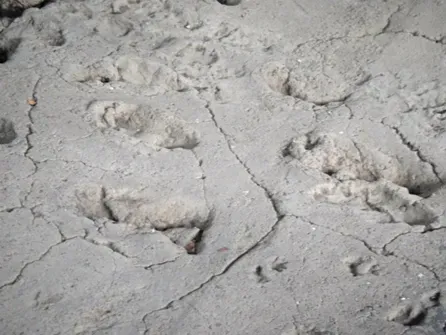
Picture yourself walking along the muddy shores of an ancient lake in what is now New Mexico. The fossilized footprints discovered at White Sands National Park have been radiocarbon dated to between 21,000 and 23,000 years ago, confirming that humans were present in North America during the Last Glacial Maximum. That’s roughly ten thousand years earlier than many scientists previously believed possible.
One fascinating set of prints appears to show a woman or adolescent walking with a very young child for over a mile, sometimes carrying the toddler and then setting them down, making a round trip journey that suggests human habitation at multiple locations in the area. The vast majority of the prints were made by teenagers and children, with few large adult footprints found. It’s hard to say for sure, but this suggests the kids were tasked with jobs like fetching water while adults hunted or crafted tools elsewhere.
A Mysterious Population Vanished Without a Trace in Colombia
Scientists discovered an isolated genetic lineage of hunter-gatherers that lived 6,000 years ago in the Colombian Bogotá Altiplano, representing a previously unknown genetic branch of humans in the Americas that then faded around 2,000 years ago. Here’s the thing that makes this discovery so bizarre: these hunter-gatherers do not carry differential affinity to ancient North American groups nor contribute genetically to ancient or present-day South American populations.
They simply disappeared. Just 4,000 years later, these ancient humans were gone and a genetically different human clan inhabited the area, though scientists aren’t sure exactly what happened to make them fade away. Did they get pushed out? Did they mix into other groups until their unique genetic signature disappeared? The mystery remains unsolved, leaving archaeologists scratching their heads about this enigmatic population that lived near the crucial land bridge between North and South America.
They Ate Way More Plants Than Anyone Suspected

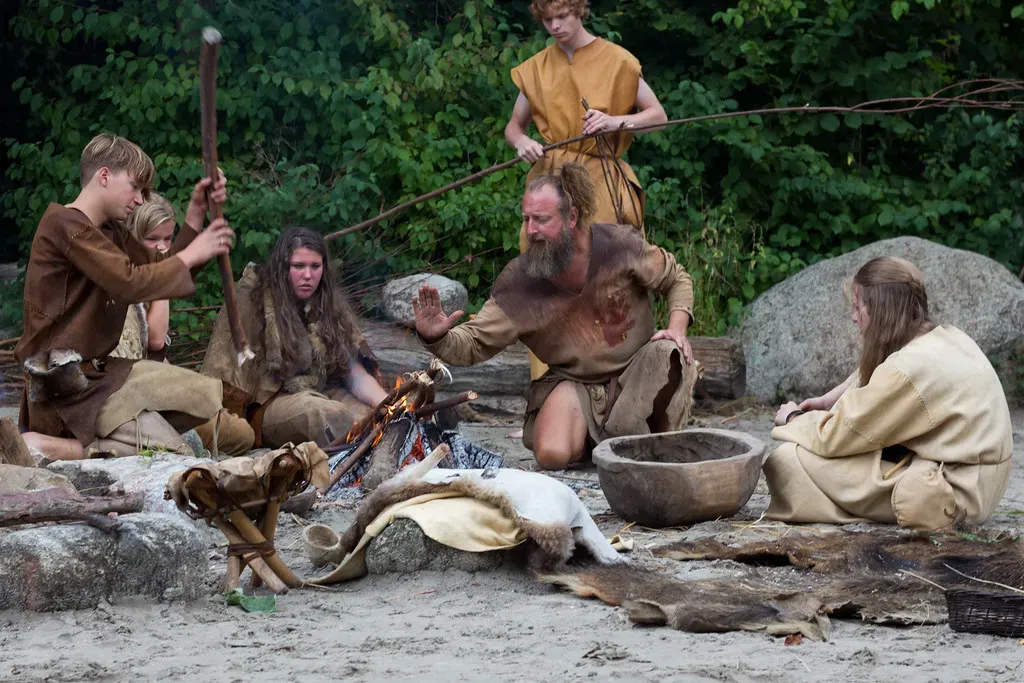
Let’s be real, you’ve probably seen those dramatic cave paintings and museum dioramas showing fierce hunters taking down massive beasts. Analysis of remains from burial sites in Peru shows that early human diets in the Andes Mountains were composed of 80 percent plant matter and 20 percent meat. That completely flips the traditional narrative on its head.
The oft-used description of early humans as “hunter-gatherers” should be changed to “gatherer-hunters,” at least in the Andes of South America. Early hunter-gatherers in the Andes were mostly eating plant foods like wild tubers, challenging archaeological frameworks that centered on hunting and meat-heavy diets. Honestly, this makes you wonder how many other assumptions about ancient diets are just plain wrong.
A Texas Cave Preserved 6,500-Year-Old Hunting Weapons Perfectly
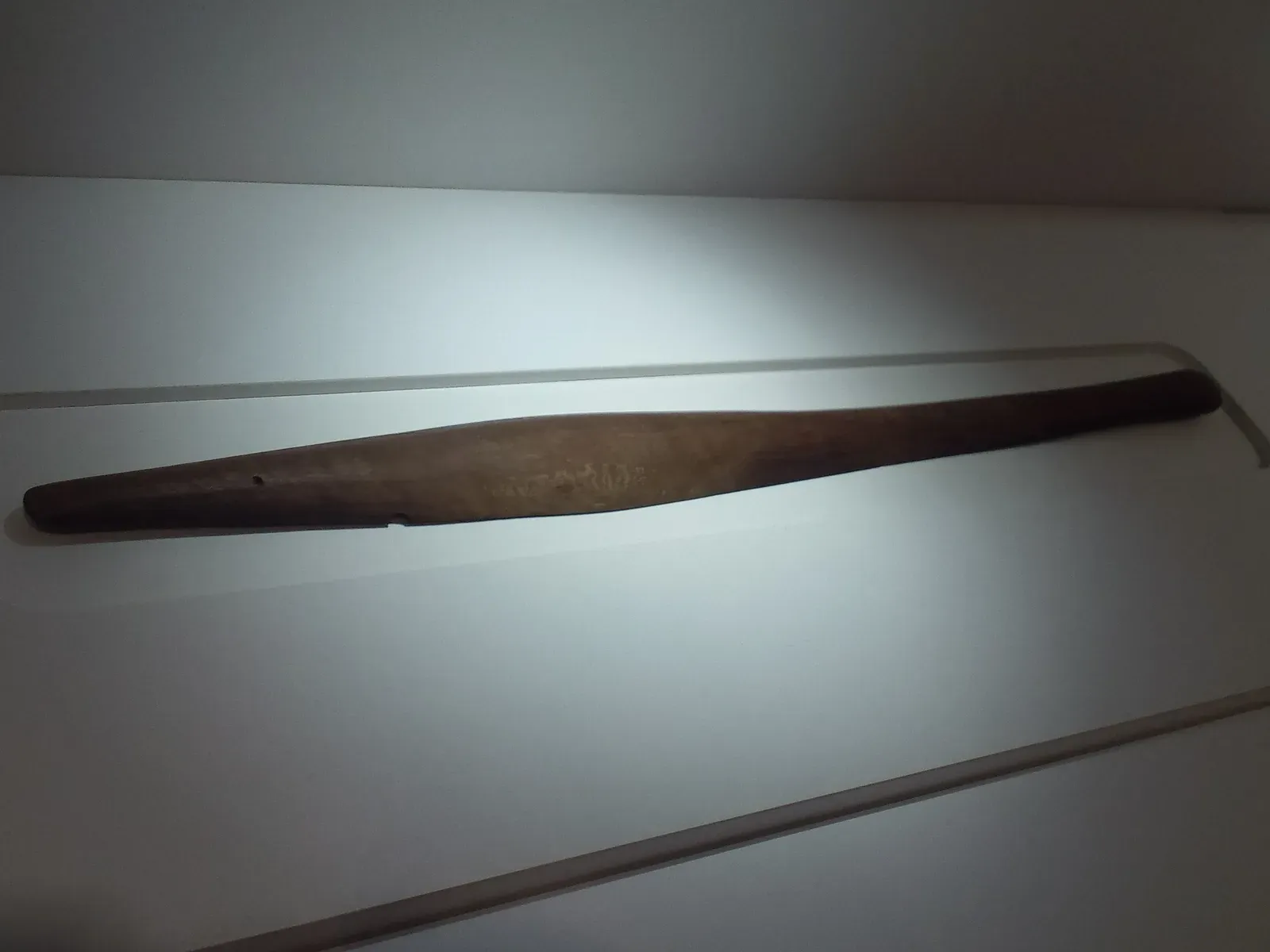
Researchers unearthed hunting weapons dating back 6,500 years inside a remote Texas cave, offering unprecedented insights into the lives of early North with exceptional preservation of these ancient tools. This cavern contained an impressive collection of remarkably preserved weapons, including wooden darts with stone tips, a projectile launcher called an atlatl, and a straight boomerang used for stunning prey.
What makes this find so extraordinary is that organic materials this old rarely survive in North America. The weapons appear to have been carefully stored by nomadic hunters who intended to return but never did, creating this accidental time capsule. Evidence suggesting some darts may have been poison-tipped makes this discovery particularly fascinating, as this hunting technique is rarely documented in North America during this period. You get the sense these people were far more sophisticated than we give them credit for.
Hunter-Gatherers Built the World’s Earliest Fortresses 8,000 Years Ago
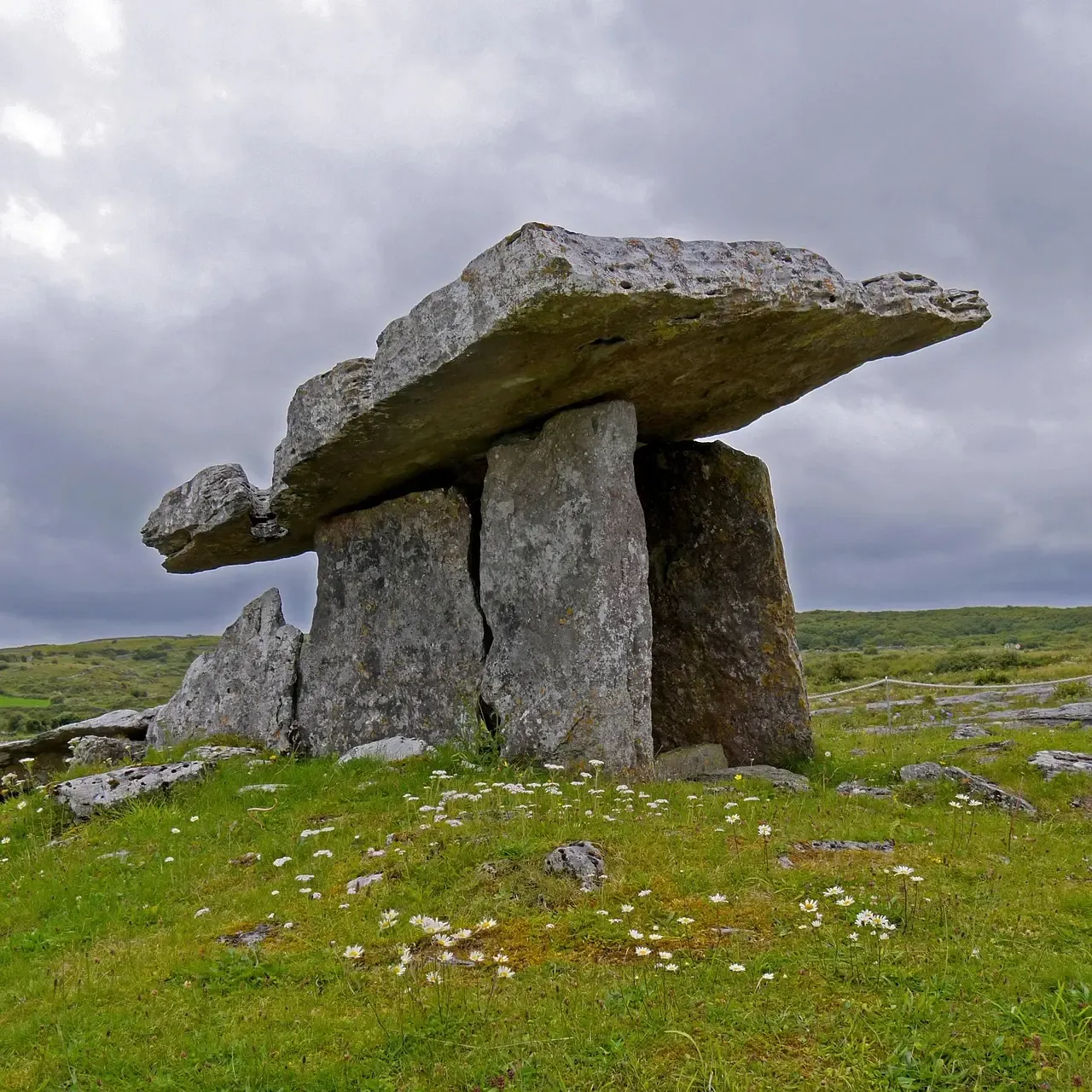
I know it sounds crazy, but forget everything you thought about simple nomadic life. The earliest known fortresses in the world were built by Neolithic hunter-gatherers around 6000 B.C. in the taiga of western Siberia, with radiocarbon dating confirming that the earliest defensive sites were indeed built some 8,000 years ago. These weren’t just basic camps with a few logs around them either.
Archaeologists have long been aware that Indigenous people in the region lived in fortified settlements defended by palisades, banks, and ditches, but believed such sites dated to no earlier than the early Iron Age, around 1000 B.C. During the Neolithic period, the number of people living in the taiga zone increased dramatically due to newly mild climatic conditions, and a population boom could have led to tensions that caused Neolithic people to enclose and fortify their winter villages. Seems like territorial disputes are nothing new for humanity.
Ancient DNA Reveals They Could Live to 100 Thanks to Their Genes

Using DNA samples of hundreds of people living to be 100 or older, researchers found that centenarians in Italy have a higher proportion of genetic ancestry linked to Western Hunter-Gatherers, some of the earliest inhabitants of Europe after the last Ice Age. Participants who attained the age of 100 consistently showed a stronger genetic affinity with Western Hunter-Gatherers compared to control participants.
Ancient gene variants could have been favored during the difficult conditions of the last Ice Age, when survival depended on efficient energy use and robust immune defenses, and what once helped hunter-gatherers endure may today contribute to healthier aging by supporting metabolism and protecting against age-related stress. It’s fascinating to think that genes shaped tens of thousands of years ago still influence who lives the longest today. Makes you wonder what other ancient adaptations are still with us.
They Traveled Across Open Seas Much Earlier Than Believed
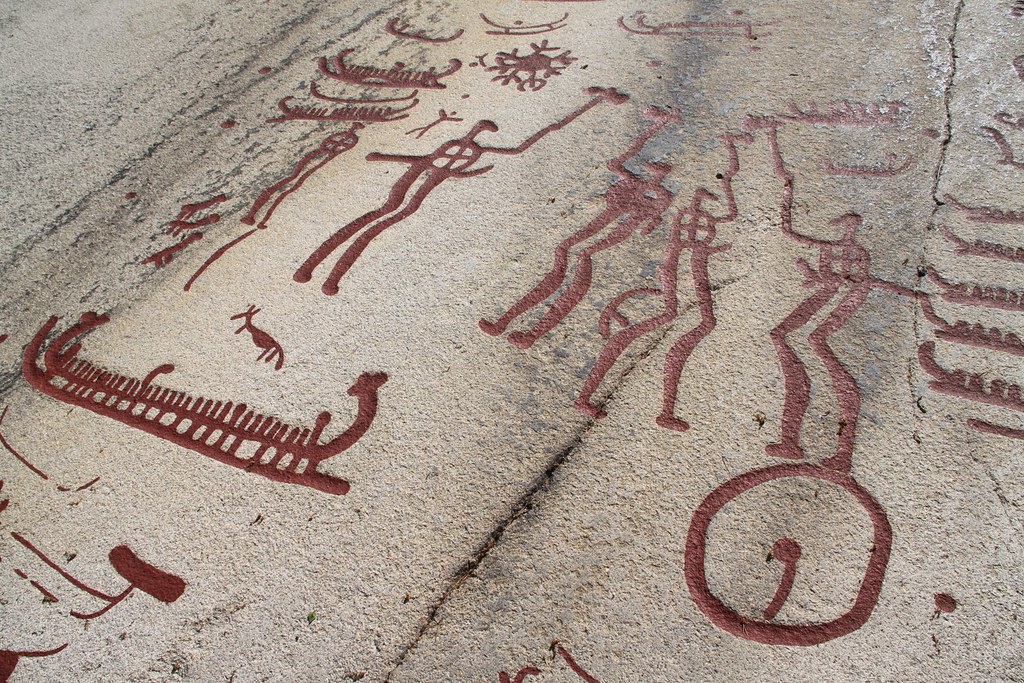
An archaeological site in Malta not only pushes back the settlement by more than 1,000 years, but also suggests seafaring hunter-gatherers, rather than farmers, were the first to arrive, implying the longest known sea voyage made by Mediterranean hunter-gatherers. Think about that for a moment. These weren’t farmers with boats full of supplies and livestock.
The Malta site suggests these voyagers had the navigational skills to cross at least 100 kilometers of open ocean, a journey that would have meant at least one night spent at sea. Evidence for an earlier hunter-gatherer presence began to emerge in 2019, revealing evidence of shellfish meals, butchered deer, and limestone tools, with radiocarbon dating showing these hunter-gatherers arrived on Malta at least 8,500 years ago. The courage and skill required for such a journey challenges every comfortable assumption about what supposedly primitive people could achieve.
Clovis People Weren’t the First Americans After All
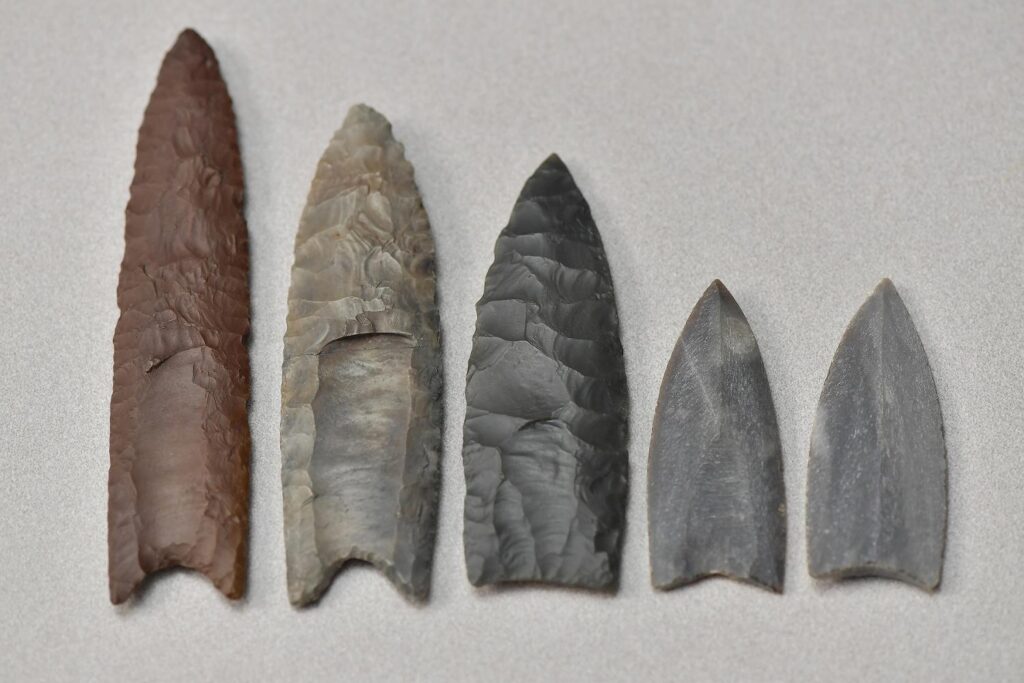
For decades, textbooks told you the Clovis people were the first humans to settle in North America roughly 13,000 years ago. The so-called Clovis people, known for their distinctive spearheads, were not the first humans to set foot in the Americas, with new radiocarbon dating showing this group inhabited the Americas later and for a shorter period than previously believed, while archaeological evidence from South America dates to the same time, suggesting people were living in the Americas before the Clovis people arrived.
Several widely accepted sites, notably Monte Verde II in Chile, Paisley Caves in Oregon, and Cooper’s Ferry in Idaho are suggested to be considerably older than the oldest Clovis sites. Today it appears likely that Clovis people depended mostly on foraging for plants, hunting small mammals and, probably, fishing. Even the famous mammoth hunters weren’t really what we thought. Roughly about half of what scientists believed about early American settlement has been turned upside down in just the past couple decades. Did you expect that?
Human history in the Americas runs far deeper and more complex than anyone imagined just a generation ago. These discoveries reveal sophisticated people who built fortresses, crossed oceans, carefully curated their food sources, and left genetic legacies that still echo through modern populations today. What do you think about these revelations? Tell us in the comments.