Think of the skies today and you might picture eagles, hawks, maybe even a vulture circling lazily overhead. Now imagine looking up and seeing something the size of a giraffe launching itself into the air with wings longer than a school bus. Sounds wild, right? Yet millions of years ago, our planet was home to airborne creatures so enormous and bizarre that they make modern birds look like tiny backyard sparrows.
These weren’t just oversized pigeons. Flying reptiles called pterosaurs dominated the skies as early as 215 million years ago and existed through most of the Mesozoic era until around 66 million years ago. Some had wingspans that rivaled small aircraft, while others developed peculiar feeding methods that seem straight out of a science fiction novel. Let’s get real, the prehistoric sky was a terrifying yet fascinating place. So buckle up as we dive into seven of the most astounding flying animals that once ruled the ancient heavens.
Quetzalcoatlus: The Giant That Defied Gravity
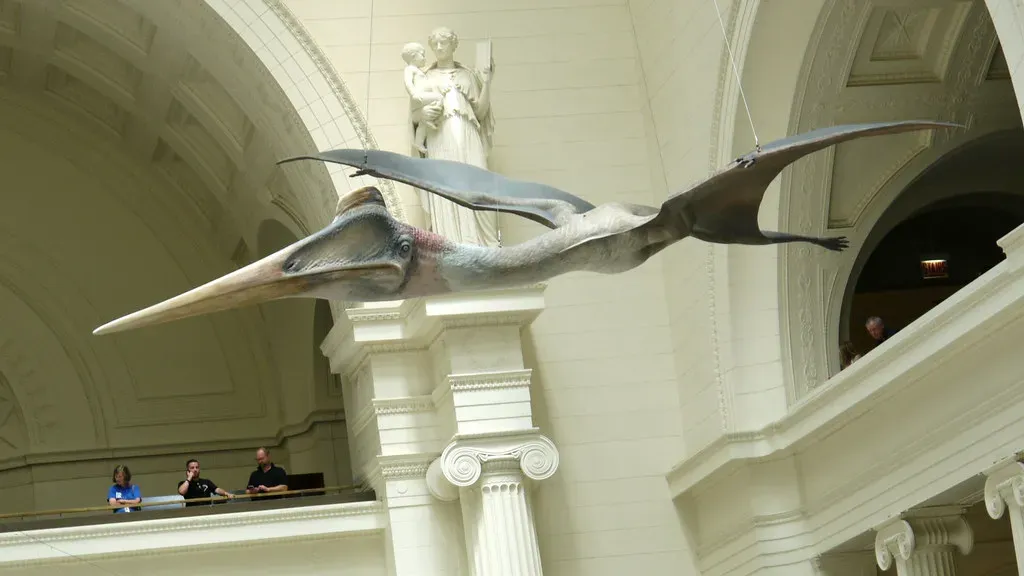
Quetzalcoatlus was a member of the ancient group of flying reptiles called pterosaurs and was the largest flying creature to ever live, with a giraffe-sized body, thin limbs, a terrifyingly long beak and a whopping 40-foot wingspan. Picture something as tall as a giraffe when standing on the ground, yet somehow capable of taking flight. Paleontologists believe members of this species stood about 5 meters tall, had a wingspan reaching up to 11 meters, and could have weighed as much as 250 kilograms. Honestly, it’s hard to wrap your head around something that massive being airborne.
Scientists believe the creature crouched and then launched itself eight feet in the air, giving it enough space from the ground to flap its wings and lift off. Once airborne, this behemoth could glide for incredible distances. It had a long jaw with no teeth, and likely used its jaw to probe for food in the wet, marshy areas it inhabited. The thing about Quetzalcoatlus that really gets me is how it managed to overcome basic physics, making flight possible despite its colossal proportions.
Pteranodon: The Iconic Toothless Wonder
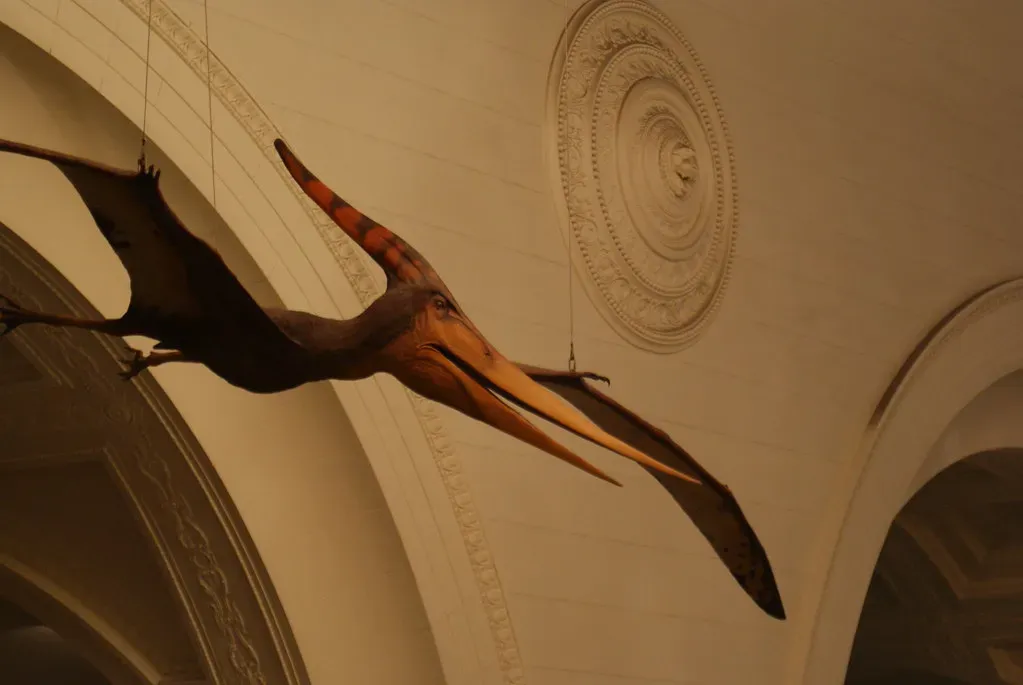
You’ve probably seen this one in movies or books. When you hear “flying dinosaur,” your mind probably races to Pteranodon with its distinctive crest and long beak, an image many of us grew up with. This fascinating creature had a wingspan of around 18 feet, almost as long as a car. What made Pteranodon truly remarkable wasn’t just size, though.
They had hollow bones and a large keel-like breastbone, features that made them lighter and more aerodynamic, allowing them to launch from a standstill and glide effortlessly through the air. The name translates to “winged and toothless,” fitting because one of its distinguishing characteristics is its lack of teeth, and it lived during the Late Cretaceous period around 85 to 84 million years ago. These creatures were perfectly adapted for snatching fish from the ocean while soaring overhead. Think of them as the prehistoric equivalent of pelicans, except way more intimidating.
Argentavis Magnificens: The Heaviest Sky King
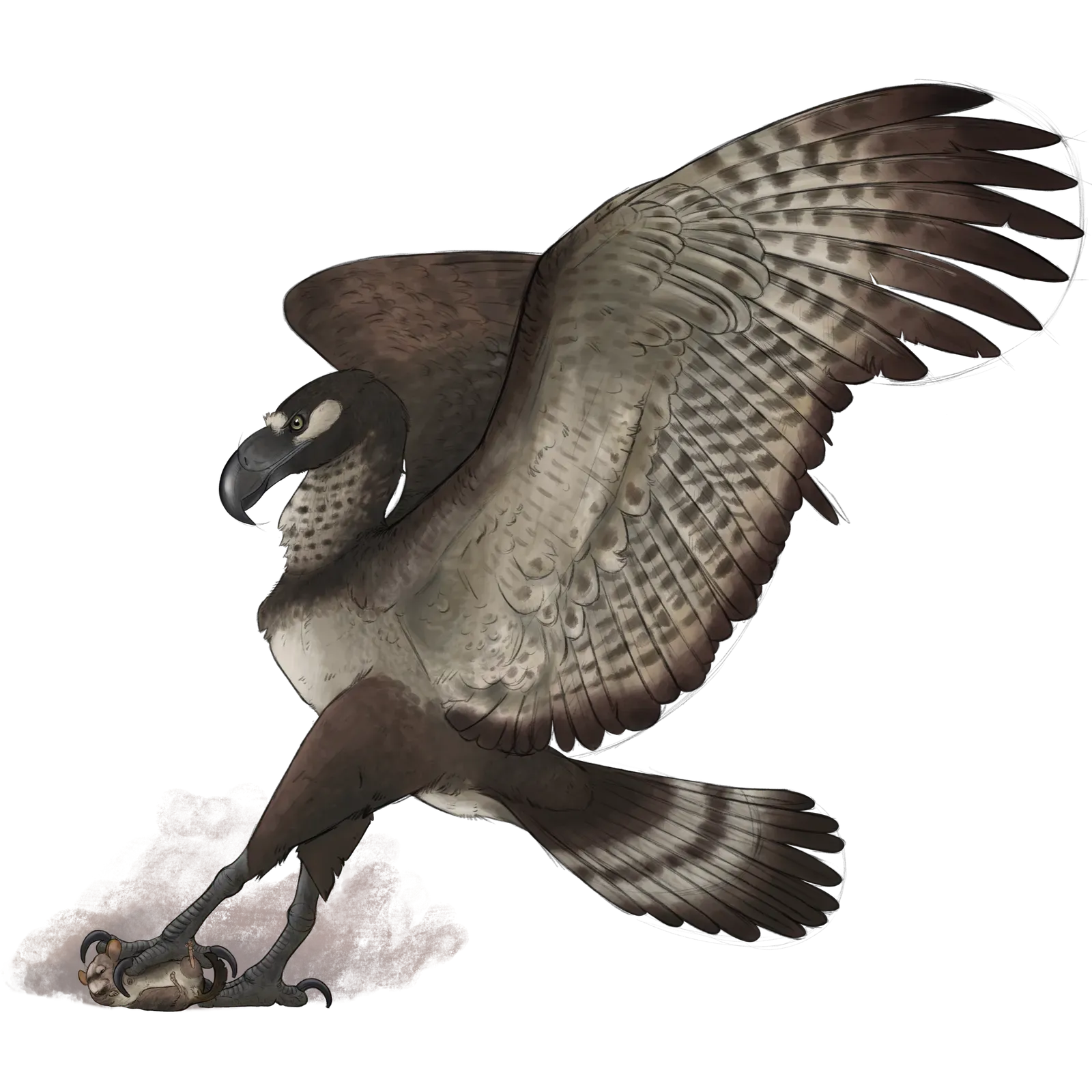
Argentavis was among the largest flying birds to ever exist, holding the record for heaviest flying bird. Approximately 6 million years ago in what is now Argentina, an enormous bird ranged across the region from the Andes Mountains to the pampas, with a condor-like body weighing as much as a person and a wingspan nearly that of a small airplane, featuring a 55-centimeter-long skull with a massive eagle-like beak large enough to swallow a rabbit whole. Let’s be real, encountering this creature would have been absolutely nightmare-inducing.
It is inferred that Argentavis flew mainly by soaring, using flapping flight only during short periods, further supported by skeletal evidence suggesting its breast muscles were not powerful enough to enable flapping of the wings for extended periods. Although its legs were strong enough to provide a running or jumping start, the wings were simply too long to flap effectively until the bird had gained some vertical distance, meaning it would have depended on the wind, likely using mountain slopes and headwinds to take off. This master glider was essentially a living sailplane.
Dimorphodon: The Small but Mighty Hunter
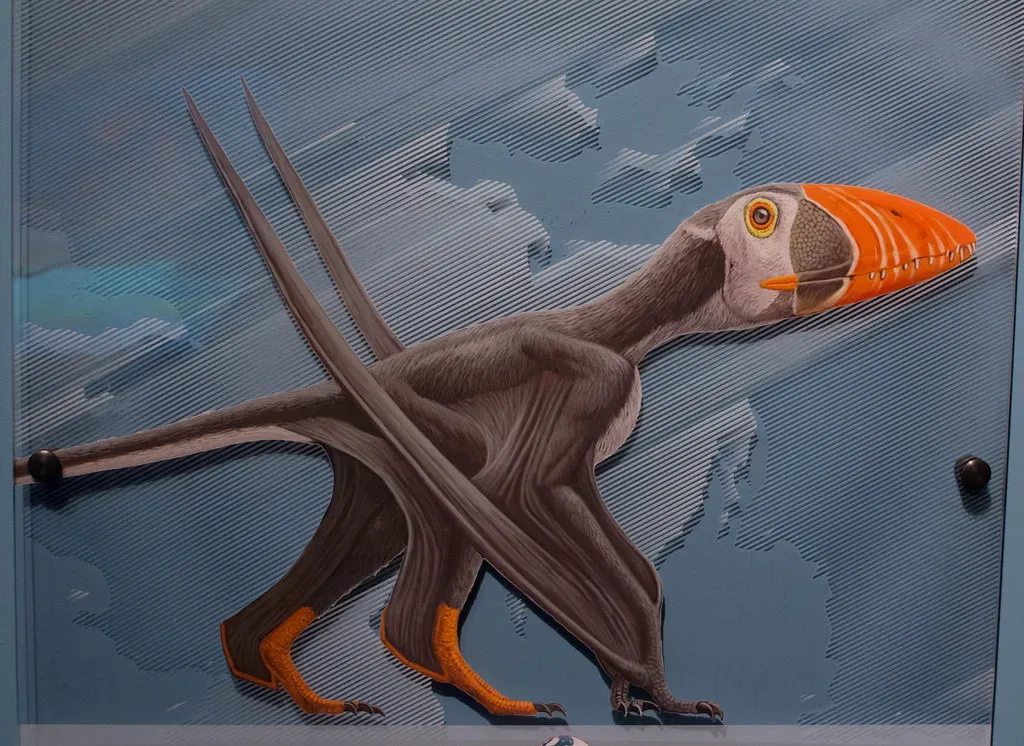
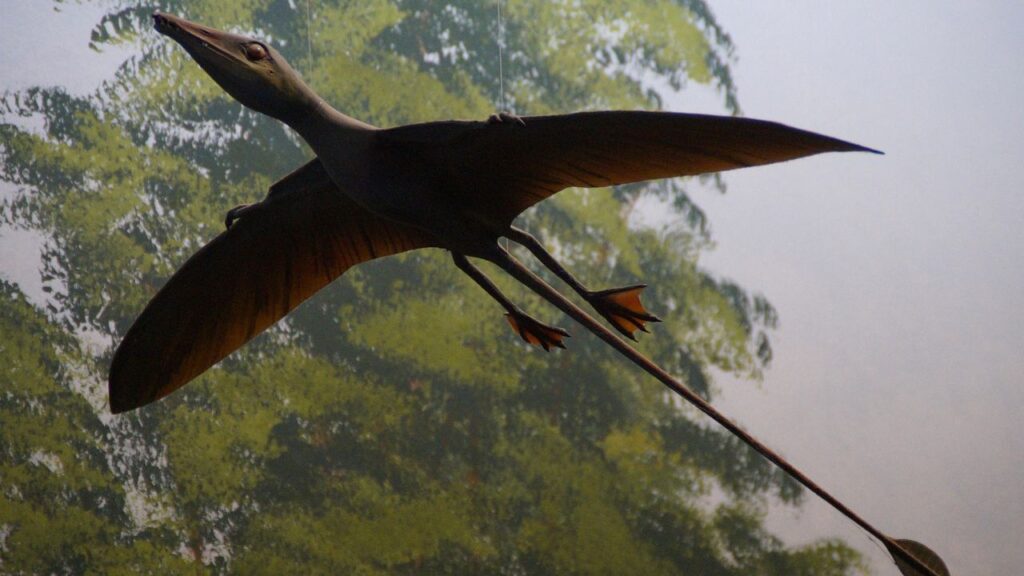
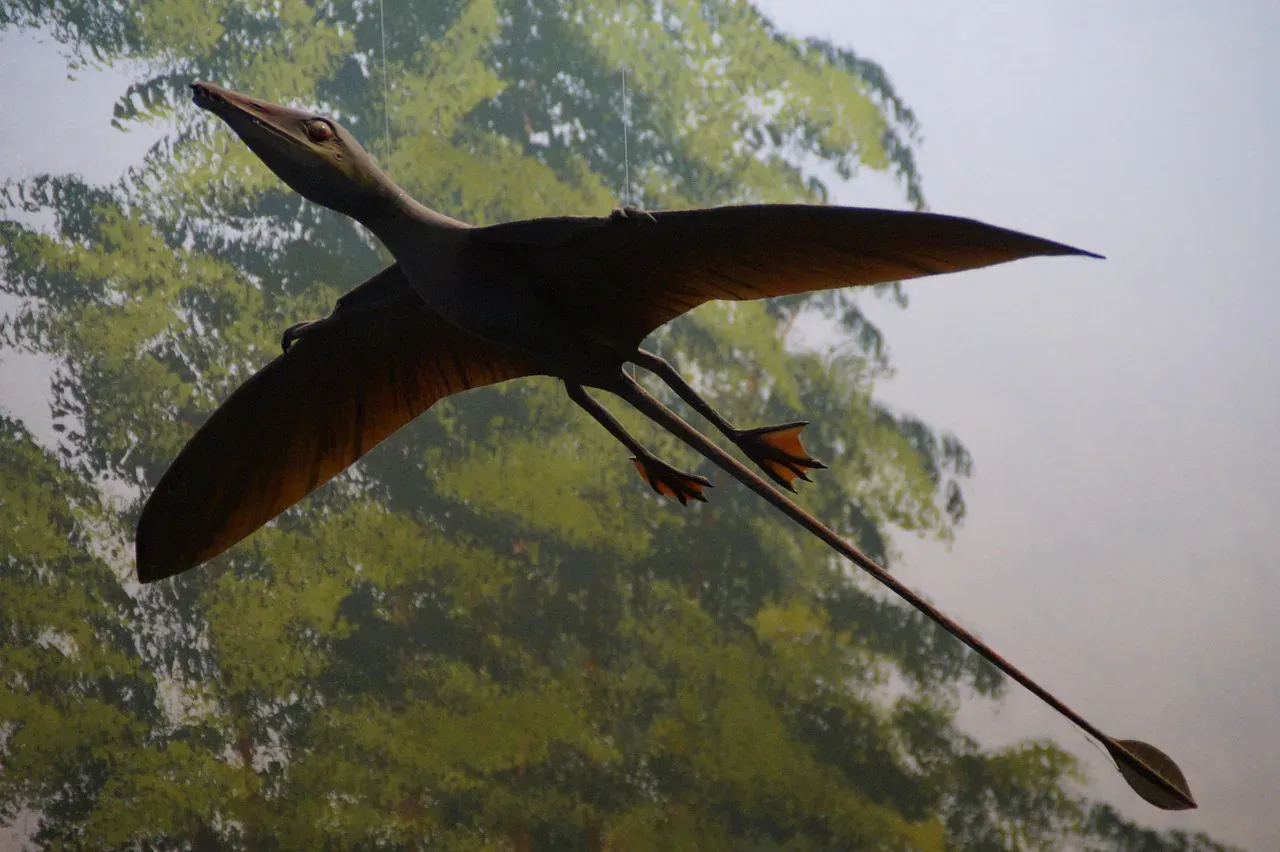
Not every prehistoric flyer was a giant. Dimorphodon was a small pterosaur with a wingspan of 1.5 meters, and its teeth of different sizes indicated that it was a versatile hunter, feeding on insects and small terrestrial animals. Living during the early Jurassic period, it is known for its two distinct types of teeth and robust skull, with its flying apparatus including strong hind limbs and a long tail, and a wingspan that may have been roughly 4.5 feet.
The famous English fossil hunter Mary Anning was the first person to find this pterosaur fossil, which she uncovered in the 1820s. What I find fascinating about Dimorphodon is its versatility. While giants like Quetzalcoatlus specialized in specific hunting strategies, this little guy could adapt to different prey types. Size isn’t everything when you’re nimble and have razor-sharp teeth designed for multiple purposes.
Pelagornis Sandersi: The Record-Breaking Seabird
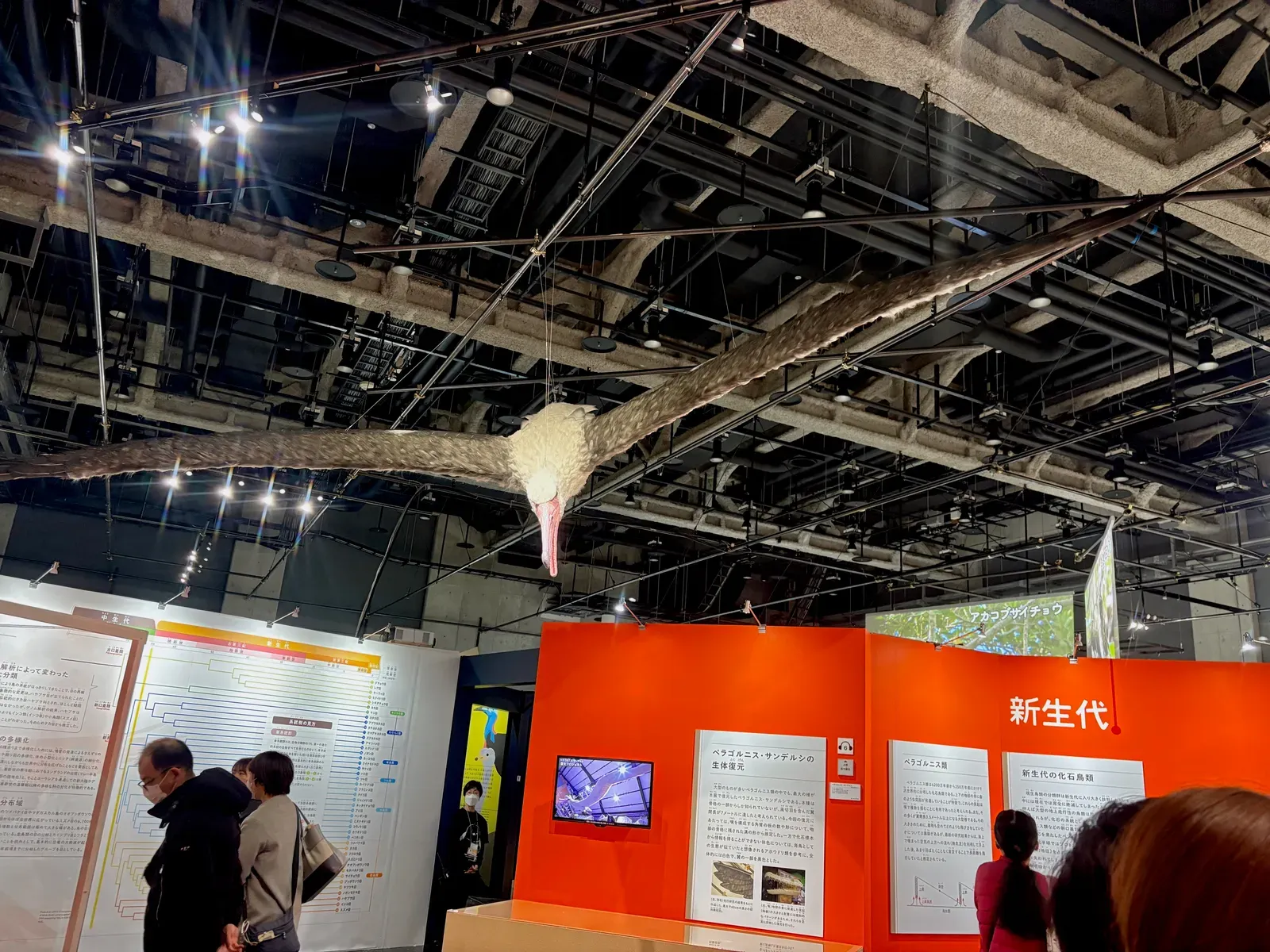
Here’s the thing about wingspan records: they keep changing. The sole specimen of Pelagornis sandersi has a wingspan estimated between approximately 6.06 and 7.38 meters, giving it the largest wingspan of any flying bird yet discovered, twice that of the wandering albatross. With an estimated 20 to 24-foot wingspan, the creature surpassed size estimates from the previous record holder, Argentavis magnificens, and was twice as big as the Royal Albatross, the largest flying bird today.
Named Pelagornis sandersi in honor of retired Charleston Museum curator Albert Sanders who led the fossil’s excavation, the bird lived 25 to 28 million years ago. Once airborne, simulations suggest the bird’s long slender wings made it an incredibly efficient glider, able to soar for miles over the open ocean without flapping its wings, occasionally swooping down to the water to feed on soft-bodied prey like squid and eels. The efficiency of this creature’s design is mind-blowing when you really think about it.
Pterodaustro: The Flamingo of the Prehistoric World
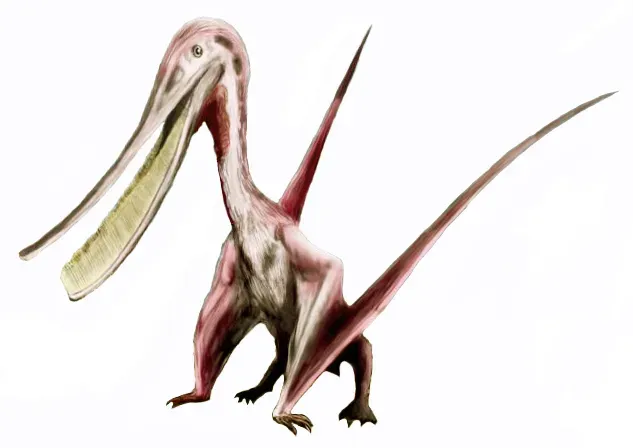
Talk about specialization. Pterodaustro had a specialized filter-feeding diet similar to modern flamingos, using its fine teeth like a net to catch small crustaceans and plankton, with anatomical adaptations for flight along with a lifestyle based on fishing in lakes and rivers making it unique among prehistoric flyers. Pterodaustro probably lived in what is now South America during the Cretaceous period around 100 million years ago and likely had a wingspan of approximately 8.2 feet.
Pterodaustro is also known for its social behavior, with groups of fossils found together suggesting these pterosaurs lived and traveled in flocks, and this social behavior may have provided benefits such as increased protection from predators. Imagine flocks of these bizarre filter-feeders sweeping across ancient lakes. It’s hard to say for sure, but their lifestyle probably resembled modern flamingo colonies more than we’d expect from a reptile.
Hatzegopteryx: The Apex Predator of the Air
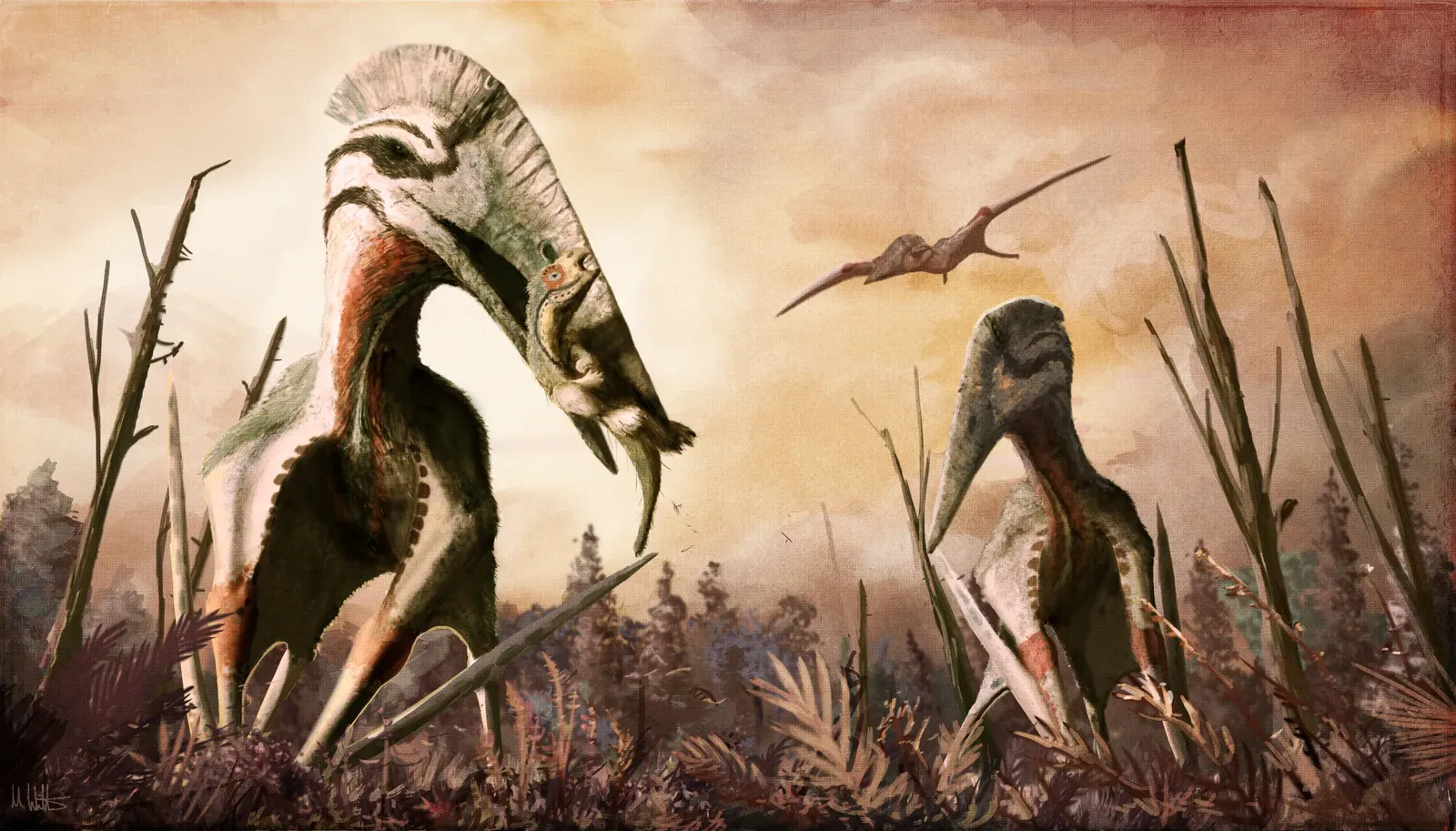
Hatzegopteryx was one of the largest pterosaurs from the Late Cretaceous period with an estimated wingspan of around 33 feet, around 70 million years ago, and is one of the largest flying animals ever discovered, known from a few fossil remains including a partial skull and was likely one of the top predators in its environment. The largest pterosaurs were members of Azhdarchidae such as Hatzegopteryx and Quetzalcoatlus, which could attain estimated wingspans of 10 to 11 metres and weights of 150 to 250 kilograms.
Unlike many other pterosaurs that fed on fish, Hatzegopteryx likely hunted terrestrial prey. Its robust build suggests it could handle larger animals than its relatives. Researchers aren’t exactly sure why pterosaurs reached the massive size they did before going extinct, with some suggesting it was because small birds took over forest environments, leading pterosaurs to the open skies where larger wings were a benefit. This creature represents the ultimate evolution of the pterosaur lineage before their final extinction.
Conclusion: When Giants Ruled the Skies
Like many incredible creatures of the past, pterosaurs met an untimely end, with the same event that led to the extinction of most dinosaurs, likely a meteorite impact, also wiping out these fantastic flyers. Pterosaurs were around until the end of the Cretaceous Period 66 million years ago, and their extinction coincides with when an asteroid collided with Earth, an event that also wiped out the dinosaurs and a host of other animals in one of the planet’s five great mass extinctions.
These seven remarkable creatures represent just a fraction of the diversity that once filled prehistoric skies. From the colossal Quetzalcoatlus to the filter-feeding Pterodaustro, each species evolved unique adaptations that allowed them to conquer the air in ways we’re still trying to fully understand. Their hollow bones, powerful flight muscles, and specialized feeding strategies showcase nature’s incredible ability to push the boundaries of what seems physically possible. Looking at birds today, it’s fascinating to think about their distant flying reptile predecessors that once cast shadows as large as small planes across ancient landscapes. Did you find any of these creatures as mind-blowing as I do? Which one would you have wanted to see soaring overhead?