
Think about what you’d need if you were suddenly dropped into a frozen wasteland where temperatures plummet well below freezing, or a scorching desert where water is rare and precious. Most of us wouldn’t last a week without modern conveniences. Yet our ancient ancestors managed not just to survive but to actually flourish in some of the harshest conditions imaginable. How did they pull this off? The story of early human adaptation isn’t just about physical toughness. It’s about brilliant problem solving, cultural innovation, and an extraordinary ability to turn hostile landscapes into livable homes. Keep reading because some of these survival strategies might genuinely surprise you.
Surviving the Brutal Ice Age Through Innovation and Planning
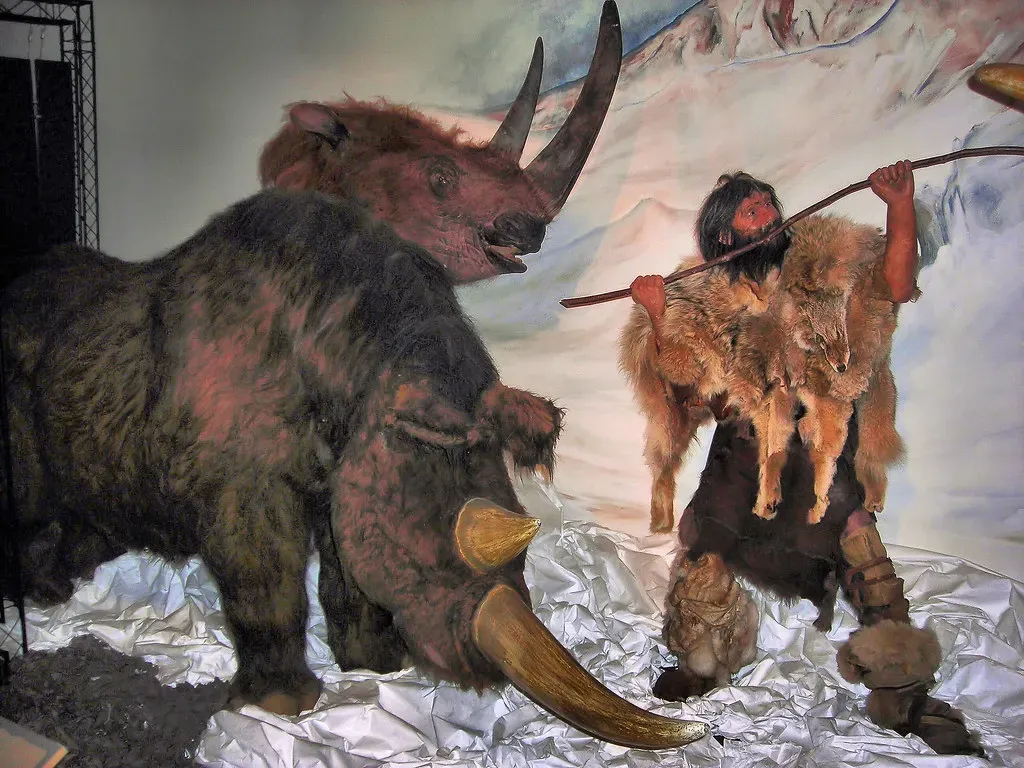
The Ice Age, starting approximately 115,000 years ago, saw humans survive wild swings in the weather that their hominin relatives were ultimately unable to stand. Let’s be real, this wasn’t just about being cold. The last 100,000 years plus has been a time of tremendous oscillation of both cold and warm in the higher latitudes, and also wet and dry in the lower latitudes. Picture entire glacial cycles where ice sheets advanced and retreated, reshaping landscapes constantly.
Homo sapiens are able to endure episodes of extreme climate change. What made the difference? One of the most important things about Homo sapiens is that we had fluent speech, plus the ability to conceptualize and plan ahead, and with the advent of language, knowledge about the natural world and new technologies could be shared between neighboring bands of humans. This mental flexibility gave our ancestors something other species lacked. They didn’t just react to challenges; they imagined solutions before problems became fatal.
Mastering Desert Survival More Than a Million Years Ago
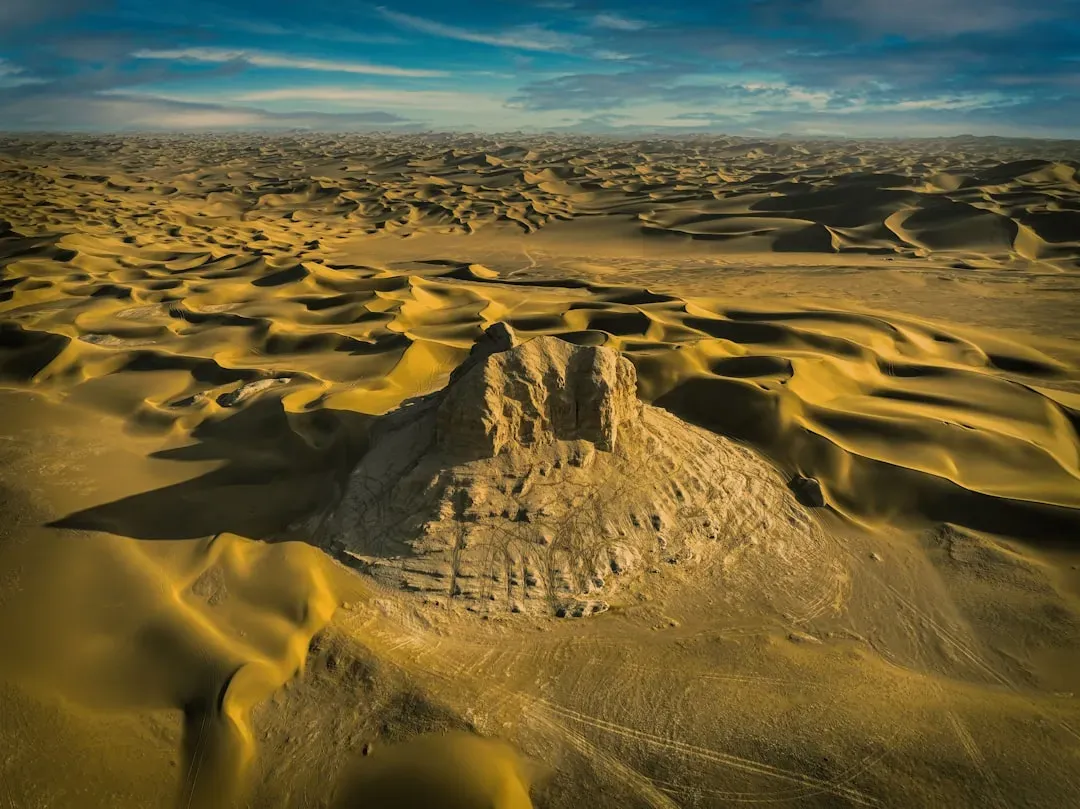
Homo erectus demonstrated sophisticated survival strategies, repeatedly settling near river confluences and developing advanced tool-making skills at Oldupai Gorge in Tanzania around one million years ago. Here’s the thing, scientists used to think only modern humans could handle extreme environments. They were wrong.
Between approximately 1.2 million and 1 million years ago, semi-desert conditions persisted in the area and groups of H. erectus adapted by repeatedly returning to live in locations with freshwater availability such as ponds, and developing specialised stone tools such as scrapers and notched tools which were probably used to increase the efficiency of butchery. Roughly a million years ago, the climate shifted drastically, and Engaji Nanyori went from a relatively hospitable habitat to a hyper-arid shrubland. Rather than perish or flee, these early humans figured out how to make it work, returning to the same water sources year after year for thousands of years.
Conquering High Altitude Mountains Through Genetic Changes
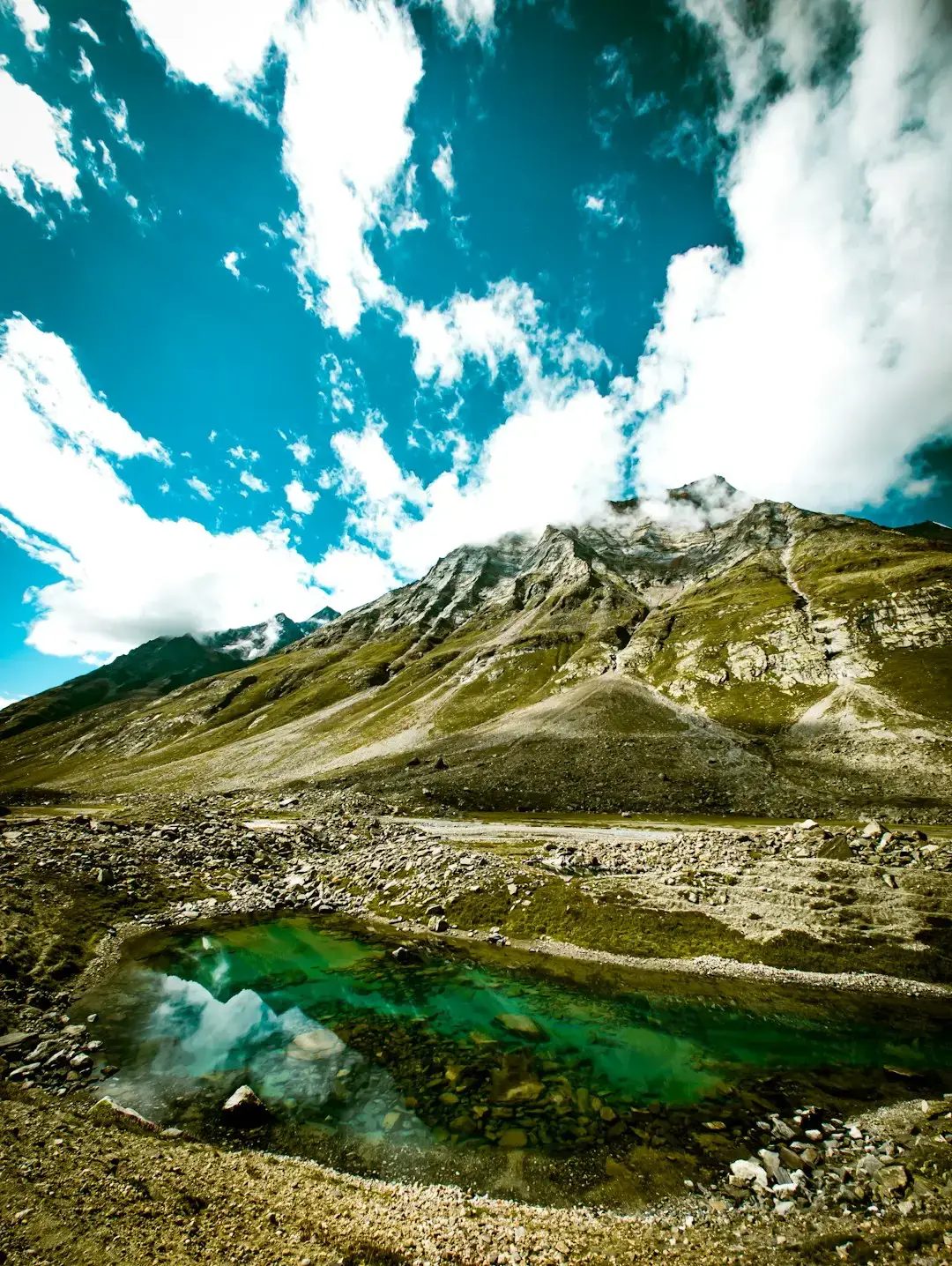
Life gets seriously difficult when you climb above 2,500 meters. The air becomes thinner, oxygen scarcer, and most people experience altitude sickness. High-altitude adaptation in humans includes populations of Tibet in Asia, the Andes of the Americas, and Ethiopia, who have evolved the ability to survive at altitudes above 2,500 meters, with the indigenous inhabitants of these regions thriving in the highest parts of the world.
What’s fascinating is that each population adapted differently. Indigenous highlanders living in the Andean Altiplano, in the Tibetan Plateau, and at the highest elevations of the Ethiopian Highlands have evolved three distinctly different biological adaptations for surviving in oxygen-thin air, which is very unusual. A gene variant that helps Sherpas and other Tibetans breathe easy at high altitudes was inherited from Denisovans, who went extinct soon after they mated with the ancestors of Europeans and Asians about 40,000 years ago, marking the first time a version of a gene acquired from interbreeding with another type of human has been shown to help modern humans adapt to their environment. Evolution borrowed from the past to solve present challenges.
Building Ingenious Shelters from Ice and Bone
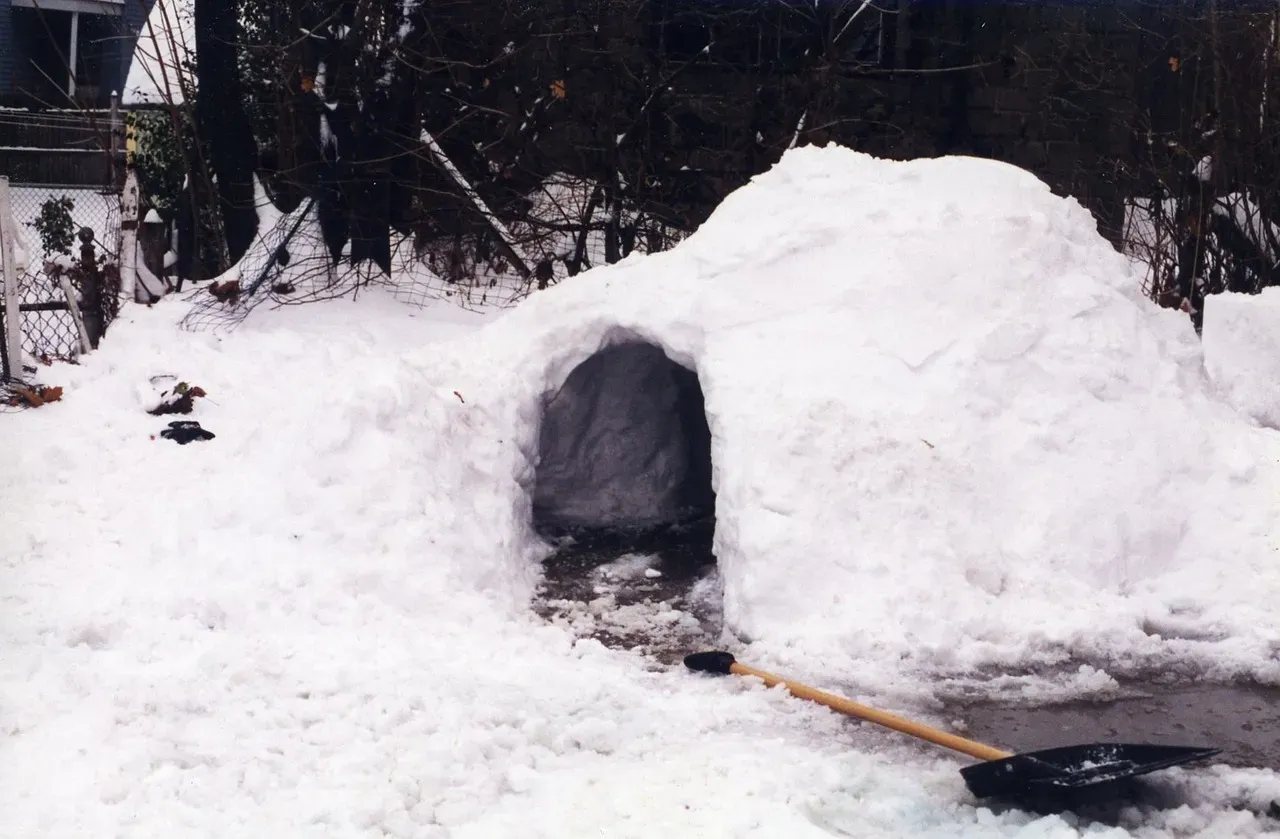
Ice age humans made extensive modifications to weatherproof their rock shelters, draping large hides from the overhangs to protect themselves from piercing winds and building internal tent-like structures made of wooden poles covered with sewn hides, all situated around a blazing hearth which reflected heat and light off the rock walls. Caves weren’t always available, so ingenuity became essential.
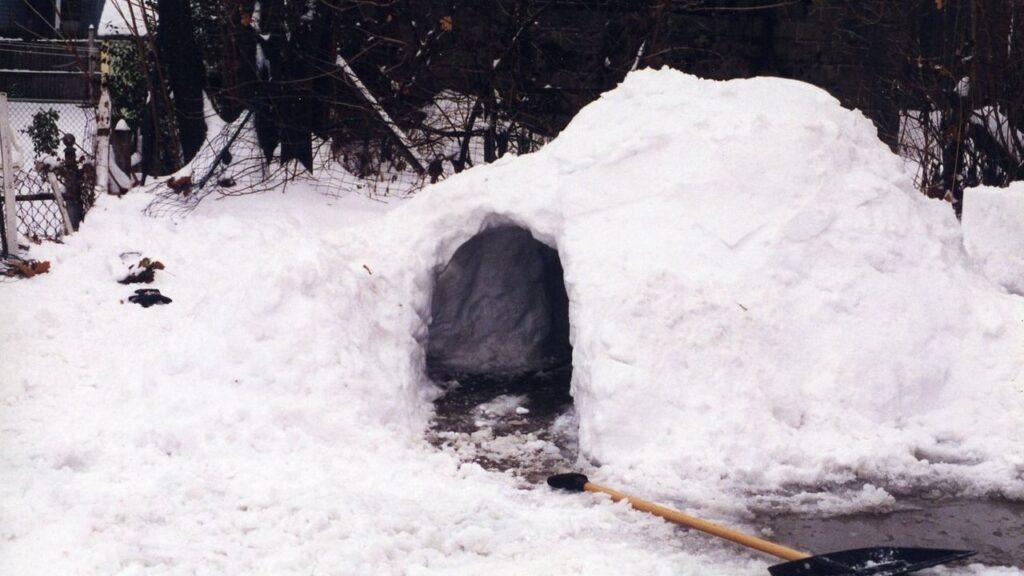
In summer months on open plains, early humans got creative. Shelter was taken in dome-shaped huts partially dug into the earth, with the framework built from a latticework of mammoth bones, and on top they’d lay sod or animal hides to make a house that was occupied for months on end. The Inuit peoples of Canada’s Central Arctic and parts of Greenland developed snow houses that could maintain interior temperatures as warm as 16°C even when outside temperatures plunged to minus 45°C, a remarkable 61-degree temperature difference. Honestly, that’s better insulation than many modern buildings.
Crafting Multi-Layered Clothing with Bone Needles

The needle from 20,000 or 30,000 years ago was a very fine-pointed tool with a hole in one end to put thread through, and the miracle of the needle was that it enabled humans to make tight-fitting clothing that was tailored to the individual, which was vital. This wasn’t just functional. It was lifesaving technology.
Clothes from the late ice age were meant to be worn in layers, with an ice-age tailor carefully selecting different animal skins such as reindeer, arctic foxes, hares, even birds like ptarmigans, and sewing together three or four layers from moisture-wicking underwear to waterproof pants and parkas, with thread made from wild flax and other vegetable fibers and even dyed different colors like turquoise and pink. The result was fitted, versatile clothing that fully protected wearers from sub-freezing temperatures. Think about that level of sophistication tens of thousands of years ago.
Developing Cooperative Hunting and Food Storage Strategies
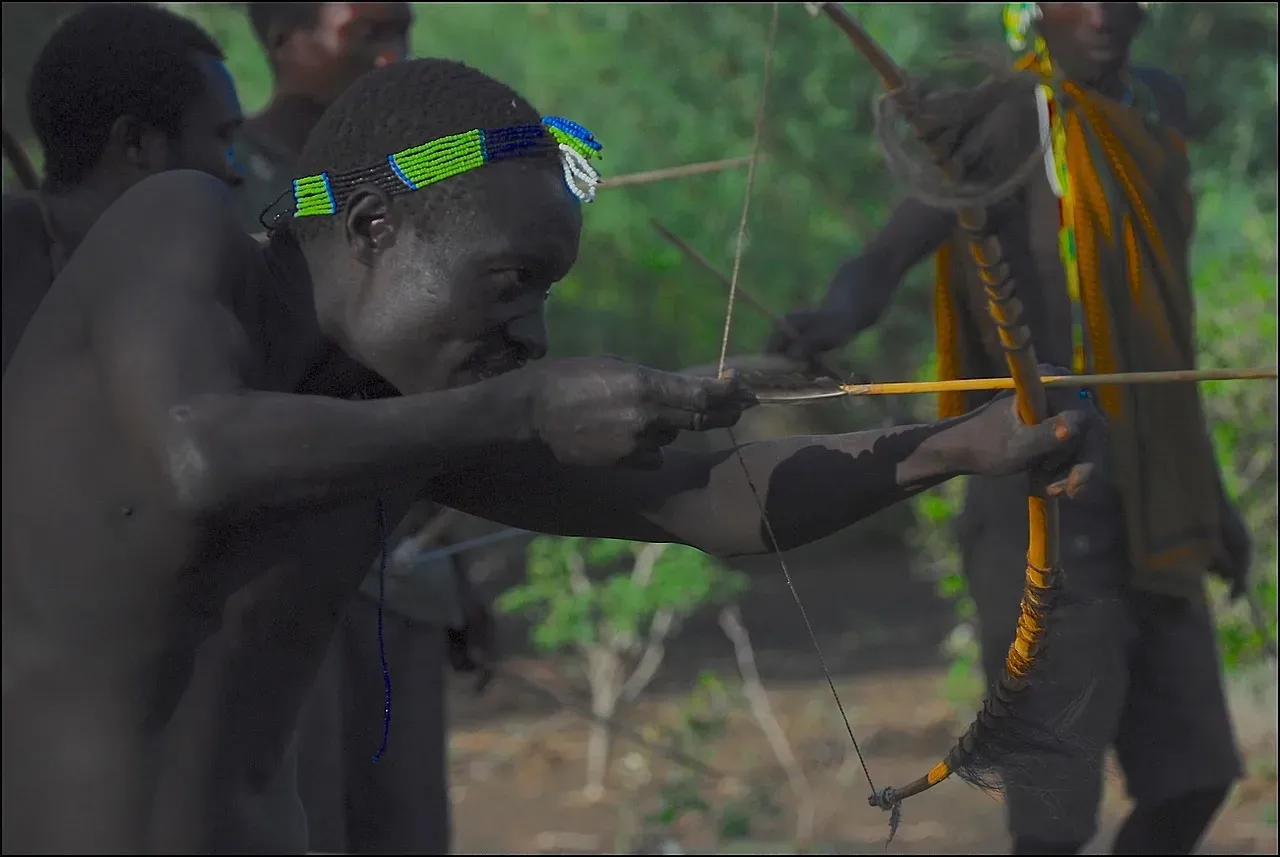
In one famed hunting ground in eastern France, ice-age hunters built fires every fall and spring to corral migrating herds of wild horses and reindeer into a narrow valley, and once in the corral the animals could safely and easily be killed at close quarters, harvesting an abundance of meat that was then dried for summer and winter months, with archeological evidence showing this well-coordinated slaughter went on for tens of thousands of years.
This wasn’t random luck or brute force. Humans adapted their subsistence strategies to focus on hunting large, cold-adapted mammals like mammoth, woolly rhino, reindeer and horse, employing seasonal mobility strategies, moving between different habitats and altitudes to access food resources and shelter. Social cooperation proved just as important as any tool. Cooperation in hunting, childcare, and the sharing of food and other resources within and between groups would have been critical for survival in the harsh Ice Age environment. Groups that shared knowledge and resources had better survival odds than those who didn’t.
Adapting Body Features and Physical Traits Over Generations

Cold adaptation comes in three types, with extreme cold favoring short, round persons with short arms and legs, flat faces with fat pads over the sinuses, narrow noses, and a heavier-than-average layer of body fat, providing minimum surface area in relation to body mass for minimum heat loss. Biology itself became part of the survival toolkit.
Over thousands of years, people living in freezing cold places have adapted biologically to their environment, with one well-known example being that in areas with low sunlight, H. sapiens developed light skin tones which are better at synthesizing vitamin D, and the genomes of living Inuit people from Greenland demonstrate physiological adaptation to a fat-rich marine diet which is beneficial in the cold. Some genetic studies estimate that Tibetans split from the Han Chinese population and began migrating to the highlands less than 3000 years ago, with all this adaptation to living tens of thousands of feet above sea level occurring in just a hundred or so generations, representing the fastest example of human evolution yet documented if that estimate is accurate.
Did you expect that early humans were this adaptable? The archaeological record reveals sophistication we rarely credit our ancestors with. From borrowing genes from extinct species to building temperature-controlled ice structures, early humans weren’t just surviving harsh environments. They were mastering them through a combination of cultural innovation, social cooperation, and biological adaptation. What do you think was their most impressive achievement?