
Have you ever wondered why some people seem to glide through difficult situations while others crumble under the same pressure? It’s not luck or magic. There’s something deeper at play, a kind of inner strength that goes beyond just being tough or stubborn.
Think about the last time you faced something really hard. Maybe a relationship ended, a job fell through, or life threw you one of those unexpected curveballs that leaves you breathless. How did you respond? If you found a way to keep moving forward, even when everything inside you wanted to quit, you might possess more resilience than you realize. Let’s explore the tell-tale signs that reveal you’re already equipped to handle whatever life throws your way.
You Feel Your Emotions Without Letting Them Control You
You don’t pretend to be okay when you’re not, and you feel sadness, anger, and disappointment deeply, but you don’t get stuck there because you know that emotions are messengers, not masters. This is one of the clearest indicators of resilience. When something goes wrong, you allow yourself to cry, to feel frustrated, or even to sit with anger for a while.
The truth is that resilience isn’t about feeling fewer emotions but about how you respond when they arise, and emotional avoidance undermines resilience while learning to accept emotions helps build a more resilient personality. You understand that pushing feelings away only makes them stronger later. Instead, you observe what you’re feeling, name it, and then decide what to do next based on your values rather than your impulses.
You See Setbacks as Temporary Roadblocks, Not Dead Ends
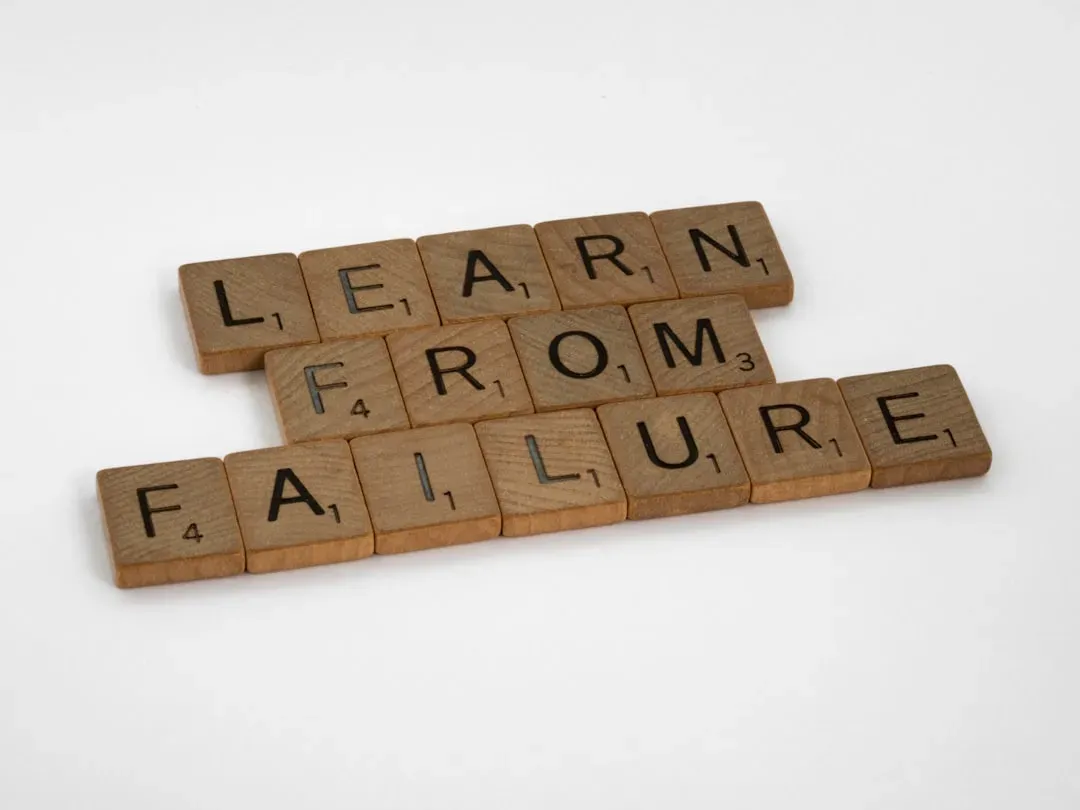
When life knocks you down, you don’t immediately assume it’s permanent. Resilient individuals tend to view setbacks and failures as opportunities for growth and learning, seeing challenges as temporary obstacles that can be overcome rather than insurmountable barriers. Maybe you didn’t get the promotion you wanted or a friendship fell apart unexpectedly.
This mental flexibility, known as cognitive reframing, is a cornerstone of resilience that doesn’t mean denying pain but choosing to interpret it in a way that leads to growth instead of despair. You’re able to step back and ask yourself what you can learn from the experience. It’s not about toxic positivity or pretending everything happens for a reason. It’s about refusing to let one bad chapter define your entire story.
You’re Not Afraid to Ask for Help When You Need It

Let’s be real, society loves to glorify the idea of the lone wolf who does everything alone. That’s not resilience though. Resilient people are independent but not isolated, understanding that strength doesn’t mean doing everything alone, and knowing when to reach out for support is one of the most powerful signs of resilience.
You’ve learned that vulnerability isn’t weakness. It’s actually a myth that resilient people are completely self-reliant, and psychology shows the opposite, with social support being one of the strongest predictors of resilience. Whether it’s calling a friend when you’re overwhelmed, going to therapy, or simply admitting you don’t have all the answers, you recognize that connection is essential for survival and growth.
You Keep Moving Forward Even When You’re Terrified

Here’s the thing nobody tells you about resilience: courage doesn’t mean you’re not scared. Resilient people keep plans with friends or attend meetings even if they feel anxious, sad, or ashamed. You show up to that difficult conversation even though your stomach is in knots. You apply for the job even though rejection feels scary.
This trait separates those who stay stuck from those who break through barriers. You’ve figured out that waiting until you feel ready means you’ll wait forever. Sometimes you just have to do the thing while your heart is pounding and your hands are shaking. Action comes first, and confidence follows.
You Have a Sense of Purpose That Anchors You

One of the most important signs of resilience is a deep connection to meaning, and resilient people don’t see life’s struggles as random punishment but connect them to a bigger picture, a sense of purpose that helps them endure. Maybe your purpose is raising your kids, building a business, creating art, or simply trying to be a better human every day.
This isn’t about having your entire life figured out. It’s about having something that matters to you enough to keep going when things get hard. Dr. Viktor Frankl, who faced devastating losses during the Holocaust, shared that if one has a meaning in life or a purpose, one can survive any circumstance. Your purpose becomes your north star when everything else feels chaotic.
You’re Flexible When Plans Fall Apart

Rigid people break under pressure. Resilience is not about stubbornly holding onto a plan at all costs but about flexibility, the willingness to adapt when reality doesn’t match your expectations. Maybe you planned a certain career path and had to pivot completely. Perhaps your vision for a relationship didn’t work out, so you adjusted your expectations.
Resilient individuals are skilled in adapting to change and bouncing back from difficulties, and through these challenges they learn the gift of flexibility. You don’t waste energy fighting against reality. Instead, you look at what’s actually happening and figure out your next move from there. This doesn’t mean you don’t have goals or boundaries. It means you know when to bend so you don’t break.
You Take Care of Your Physical Health

This one might seem basic, yet it’s incredibly important. Regular exercise, sufficient sleep, and a balanced diet form the physical foundation for emotional strength, with physical activity in particular helping to reduce stress and improve mood by releasing endorphins. When you’re exhausted, hungry, or running on fumes, everything feels harder.
You’ve noticed the connection between your body and your mind. Maybe you can’t always eat perfectly or get eight hours of sleep, but you try. You move your body in ways that feel good. You rest when you need to. It’s hard to keep your emotions in check when your body is in constant survival mode, and lack of sleep, poor nutrition, and chronic stress can keep your nervous system on high alert, making it tougher to regulate emotions because resilience isn’t just psychological but physiological too.
You Face Problems Head-On Instead of Avoiding Them
Resilient people are quick to look for ways to resolve or at least improve the situation, they do not expend their energy reciting why the problem is difficult or unfair, and they channel that time, mental, and emotional energy to find solutions. You don’t stick your head in the sand and hope things magically fix themselves.
Sure, you might need a day to process or vent to a friend first. That’s normal. Once you’ve felt your feelings though, you get practical. You break big problems into smaller pieces. You ask yourself what’s actually within your control. You take one step, then another, even if the steps are tiny. This problem-solving mindset keeps you from spiraling into helplessness.
You Practice Self-Compassion During Tough Times

If your default inner monologue is harsh or dismissive, it can make recovery from setbacks even harder, and building a more compassionate inner dialogue is one of the most effective ways to strengthen emotional resilience over time. You don’t beat yourself up for struggling or compare your worst moments to everyone else’s highlight reel.
When things go wrong, you talk to yourself like you’d talk to a good friend. You acknowledge that you’re human, that mistakes happen, and that pain is part of the human experience. Practice self-care and self-compassion regularly, and acknowledge your achievements and progress. This gentle approach toward yourself doesn’t mean you lack accountability. It means you understand that shame never motivated anyone to grow.
You’ve Learned to Accept What You Can’t Change
A key part of resilience is learning to accept emotional pain and stress as part of life and reminding yourself that negative experiences and emotions will pass or become easier to manage with time. You’ve stopped fighting battles that can’t be won. Maybe you can’t change your past, your family dynamics, or certain circumstances you were born into.
When you are able to accept the things you can’t change or control, it frees you up to put your effort into the things you can change or control. This acceptance isn’t the same as giving up. It’s about choosing where to invest your limited energy. You focus on what’s actually in your hands and let the rest go. This clarity saves you from wasting precious time and emotional resources on things that will never budge no matter how hard you push.
Conclusion

Psychological research demonstrates that the resources and skills associated with more positive adaptation and greater resilience can be cultivated and practiced. That means if you don’t see all these signs in yourself yet, you’re not stuck. Resilience isn’t something you either have or don’t have from birth.
Every single one of these traits can be developed over time through intentional practice, self-awareness, and patience with yourself. The fact that you’re reading this and reflecting on your own strengths already shows you’re on the right path. Life will keep testing you, that’s guaranteed. What matters is how you show up for yourself when it does. What sign resonates most with you?