
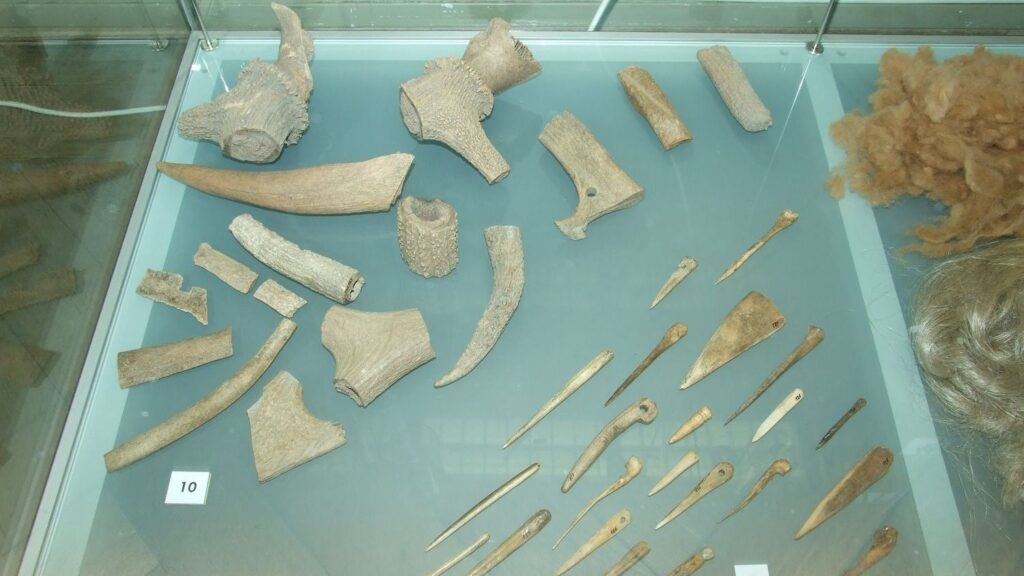
You walk through a museum display case, and something catches your eye. A stone tool, polished smooth by thousands of hands. A fragment of pottery bearing a geometric design no living person remembers creating. These aren’t just objects behind glass; they’re voices from a world that existed long before any written record.
Think about it. The artifacts scattered across the American landscape hold secrets that textbooks never captured. They whisper stories about migration, survival, artistry, and innovation. Each piece reveals something unexpected about the people who walked this land millennia ago, challenging what we thought we knew about early human life in the Americas.
Stone Tools Tell Migration Stories Across Continents
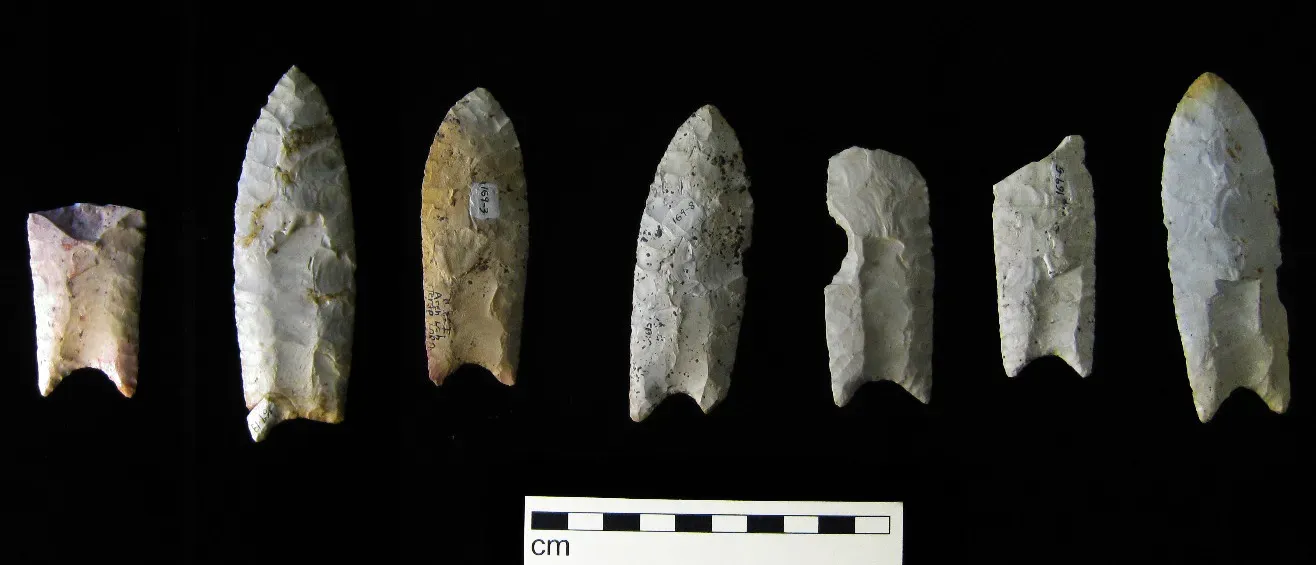
The Clovis culture spanned from around 13,050 to 12,750 years ago, with sites found across North America. Clovis points are projectile points with a fluted, lanceolate shape, sometimes exceeding 10 centimeters in length. What makes these artifacts remarkable is their sudden appearance across vast distances at roughly the same time.
Clovis points seem to have been an American invention, with more than 10,000 discovered in 1,500 locations throughout most of North America. The sophisticated craftsmanship reveals these weren’t crude implements. Honestly, the precision required to create the distinctive fluting pattern suggests these early peoples possessed remarkable technological knowledge. People moved their camps frequently across long distances, evidenced by obsidian sources traced like fingerprints to show movement across the landscape.
Prehistoric Campsites Preserve Daily Life Details
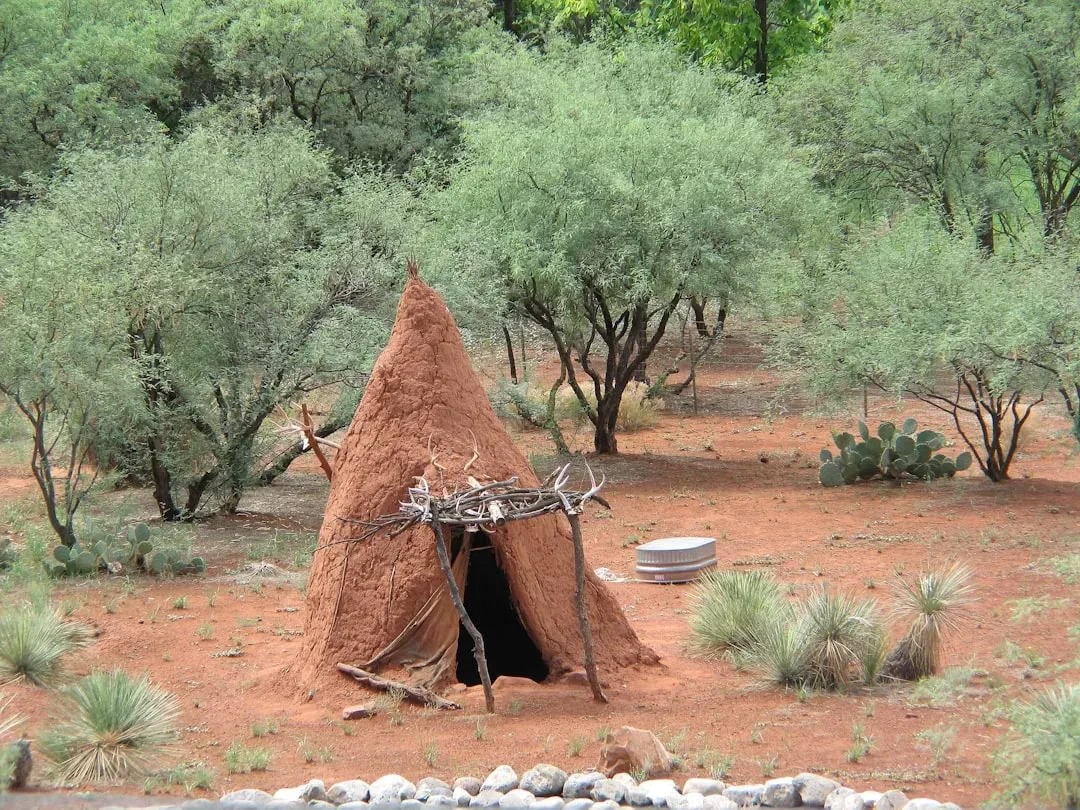
Recent discoveries keep reshaping our understanding of ancient settlements. An archaeology team at Appalachian State University discovered an ancient campsite containing artifacts dating back between 8,000 and 10,000 years ago. Researchers found Native American artifacts including pieces of a fireplace, spear and arrow points, pieces of pottery, and a storage area, believing the site was a communal area used for meals and meetings.
An 8,200-year-old campsite was unearthed at Holloman Air Force Base in New Mexico, buried beneath white sand dunes and possibly used by some of New Mexico’s earliest settlers. These aren’t isolated findings. Across the continent, similar sites emerge from riverbanks and construction zones, each adding another layer to the story.
The locations weren’t random. The area was highly desirable because of its particularly healthy soil and perch on a terrace nearby the New River, which would have made travel relatively simple.
Diverse Diets Challenge Big Game Hunter Myths
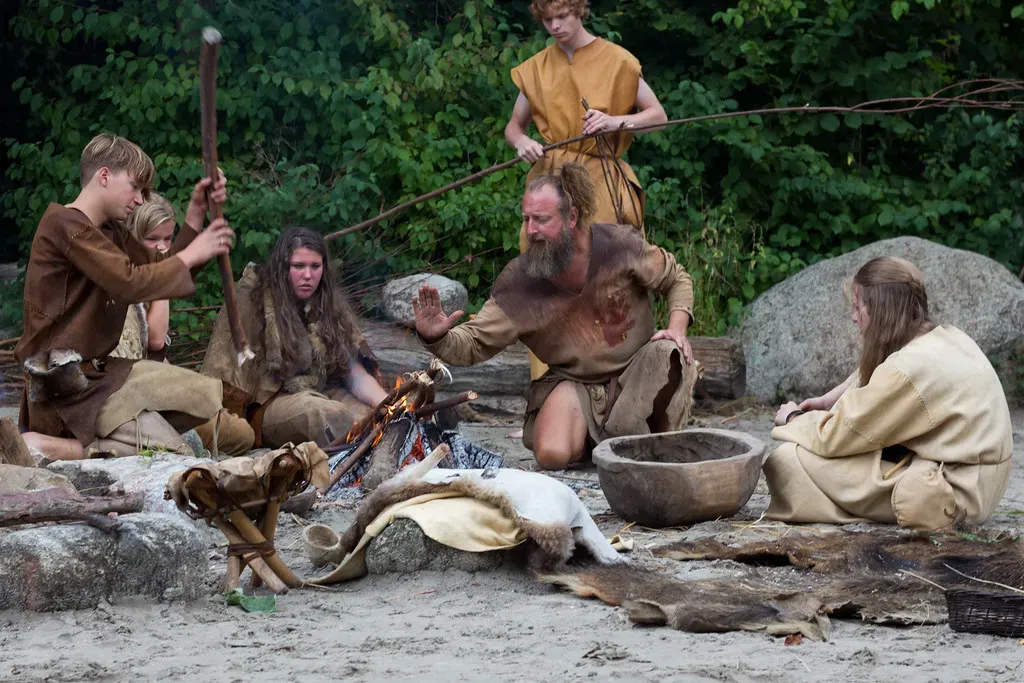
For years, museum displays showed dramatic scenes of ancient hunters confronting mammoths with spears. Clovis points were initially thought to be hunting tools focused on Pleistocene megafauna, portrayed in museum dioramas with paleo-Indian men thrusting spears at mammoths and mastodons. Here’s the thing though: the evidence tells a different story.
Ancient protein data from tools at the Belson site revealed evidence of musk ox, caribou or deer, hare and an extinct peccary, suggesting people had a broad spectrum diet contrary to the notion that Clovis people were strictly big game hunters. Examination of food remains in sites with good preservation indicates a much more diverse diet, with frog, bird, and small mammal bones present along with big game, and turtles being the most common animal found on Clovis sites in North America.
It’s hard to say for sure, but the evidence points toward resourceful people who adapted to their environment rather than specialized megafauna hunters.
Pottery Fragments Map Cultural Connections
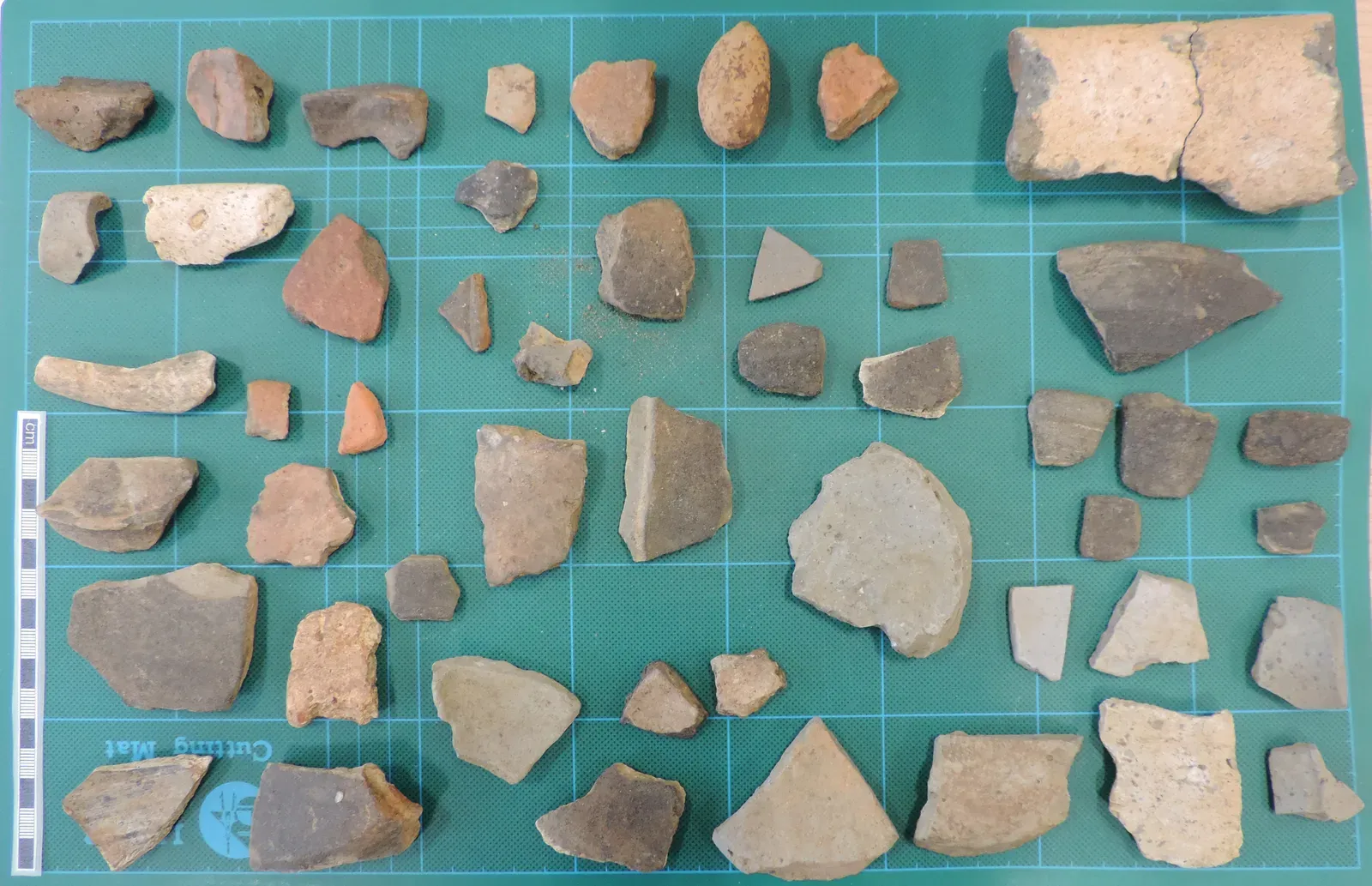
The pottery tradition at Pedra Pintada in Brazil represents the oldest known ceramics in the Americas, dating back to 5630 BCE and continuing for 2500 years. The oldest known pottery in North America comes from Stallings Island near Augusta, Georgia, unique for its age of over 4,000 years. Let’s be real, pottery fragments might seem unexciting, but they’re archaeological gold.
Broken pieces of Indian pottery, called sherds, are among the most common artifacts at abandoned settlements, providing a wide range of information about cultural traditions of the people who made them. Pottery fragments tell of people’s roots to a place by how resilient manufacturing styles are, point to contacts with other people by abrupt differences, and chart geographic range by boundaries where one style ends and another picks up.
The temper materials alone reveal trading patterns. Some communities used shell, others sand, still others crushed stone. Potters mixed clay with temper consisting of sand, shell, animal bone, pulverized stone, or ground potsherds, which served to help vessels withstand heat from firing and daily use.
Needles and Textile Evidence Show Advanced Craftsmanship
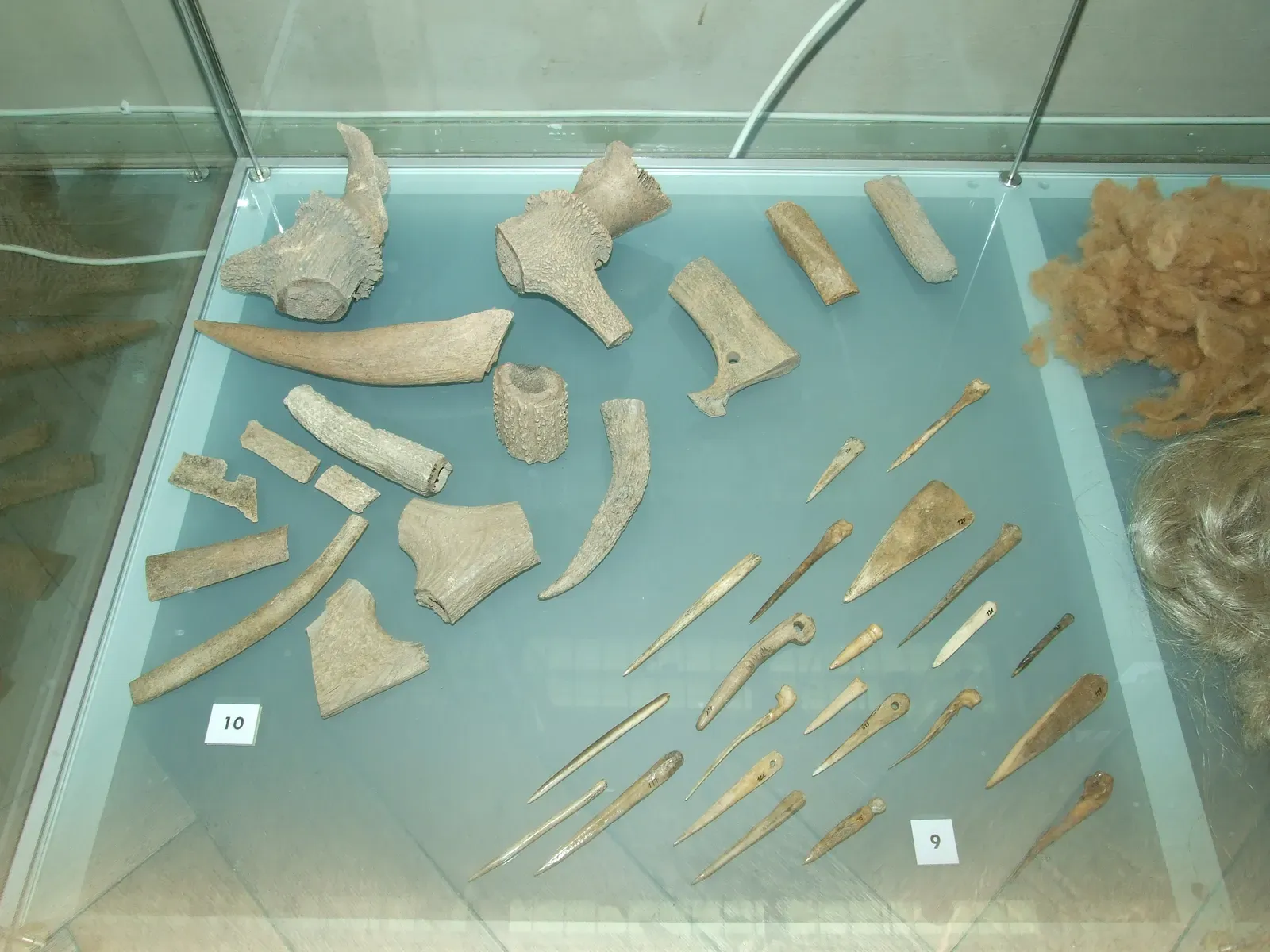
A collection of 32 prehistoric needle fragments dating back 13,000 years were unearthed in Wyoming between 2015 and 2022, providing strong evidence of the earliest tailored garment production. These tiny artifacts demonstrate sophistication often overlooked in discussions of ancient technology.
Think about the skill required. Creating functional needles from bone demands understanding of material properties, precision toolmaking, and patience. The existence of these needles implies entire systems of knowledge about processing animal hides, creating thread, and constructing fitted clothing suited for harsh climates.
Lithic artifacts make up about 98% of Native American archaeological collections, consisting of chipped and ground stone tools that help determine when a site was occupied, how it was used, and information about trade or geographic movement. The remaining two percent includes these precious organic artifacts that survived against all odds.
Ground Stone Tools Reveal Woodland Period Innovation
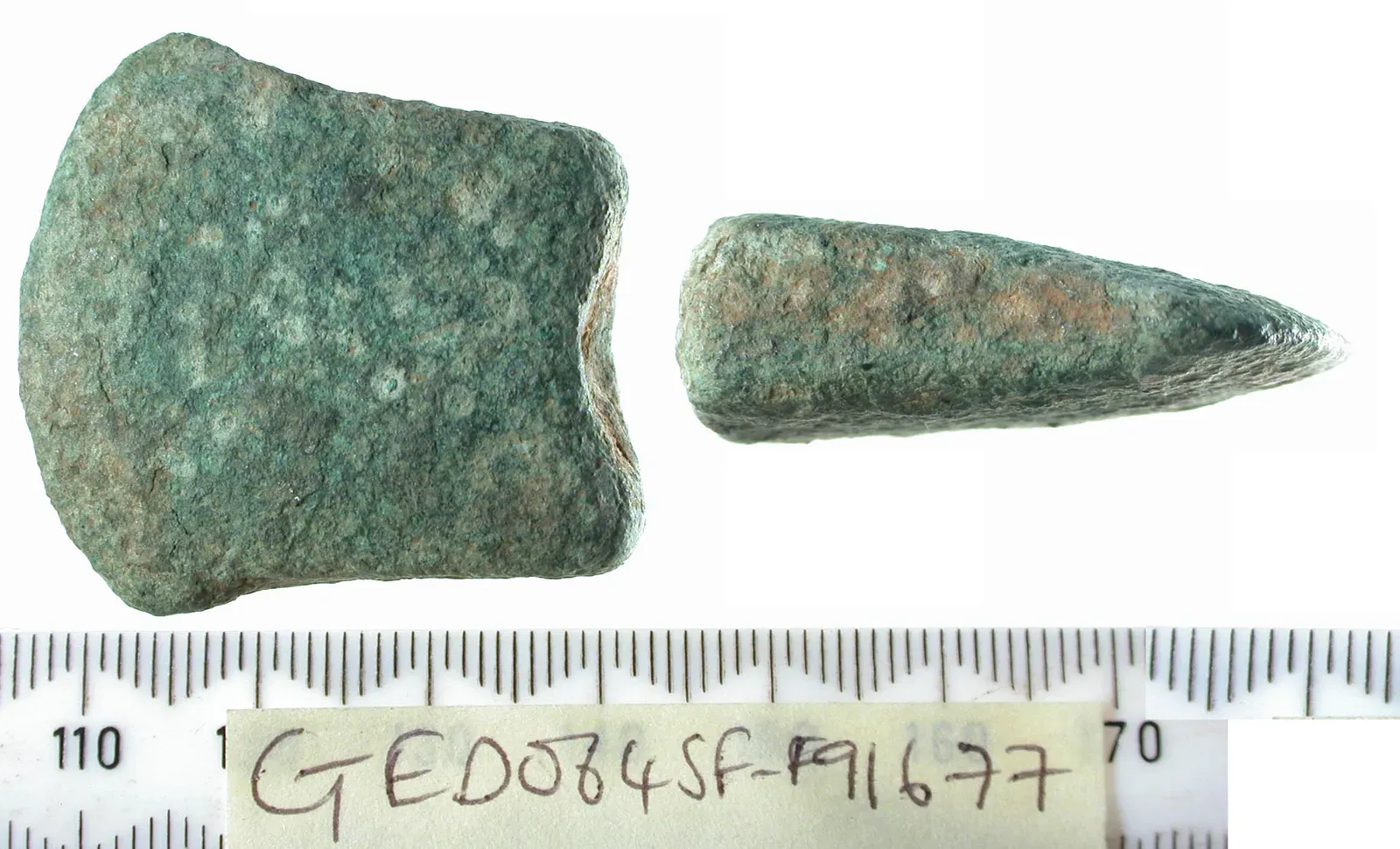
Ground stone tools were made beginning in the Archaic period through grinding two stones together until the desired shape was reached, including axes, celts, hammerstones, plummets, and sinkers. A large full grooved axe from the Middle to Transitional Archaic period was made between 8,000 and 2,700 years ago and would have had a wooden handle attached in the groove.
The manufacturing process required completely different skills than chipped stone tools. Grinding and pounding implements used by Native Americans for food processing include mortars, pestles, grinding stones, and manos, featuring distinct wear patterns from repeated use with smooth, concave depressions. Each tool type served specific purposes, from felling trees to processing nuts and seeds.
Woodworking tools were common to Archaic period sites when the area was well forested and Native peoples relied on boats to navigate streams and rivers between hunting, fishing, and trading grounds. The variety speaks to comprehensive technological knowledge.
Ceremonial Objects Illuminate Spiritual Beliefs
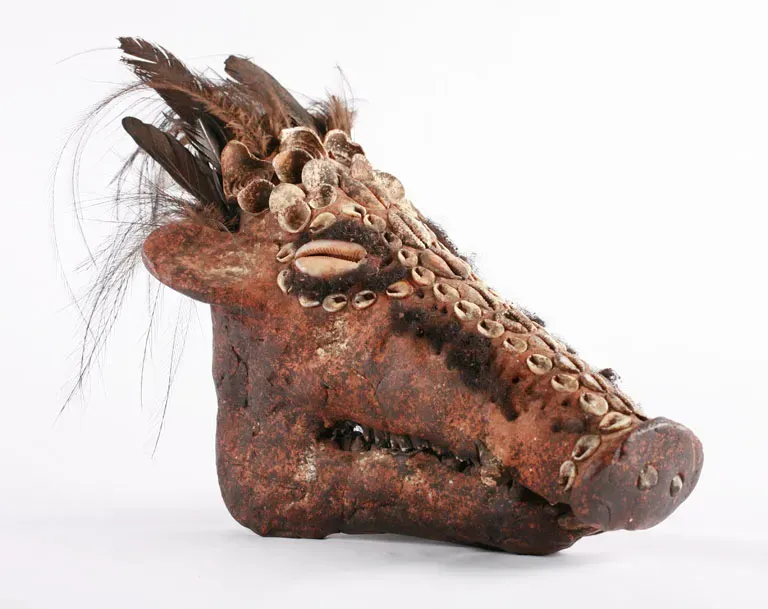
Very special artifacts were used in ritual or ceremonial realms of certain prehistoric groups, with small lens-shaped quartz or basalt discoidals and thunderbird effigies of limestone and catlinite found at Late Prehistoric Mill Creek culture village sites. These objects weren’t tools for daily survival. They served different purposes entirely.
Clovis peoples used red ocher for artistic and ritual purposes including burials and to cover objects in caches, with the best-known examples found at the Gault site in Texas consisting of limestone nodules incised with geometric patterns mimicking leaf patterns. The use of pigments and symbolic decoration suggests complex belief systems we can only partially reconstruct.
Larger biconcave stone discs four to five inches in diameter called chunkey stones were used by Mississippian societies in a game. Games, rituals, artistic expression. These weren’t just surviving; they were creating culture.
Recent Discoveries Continue Rewriting History
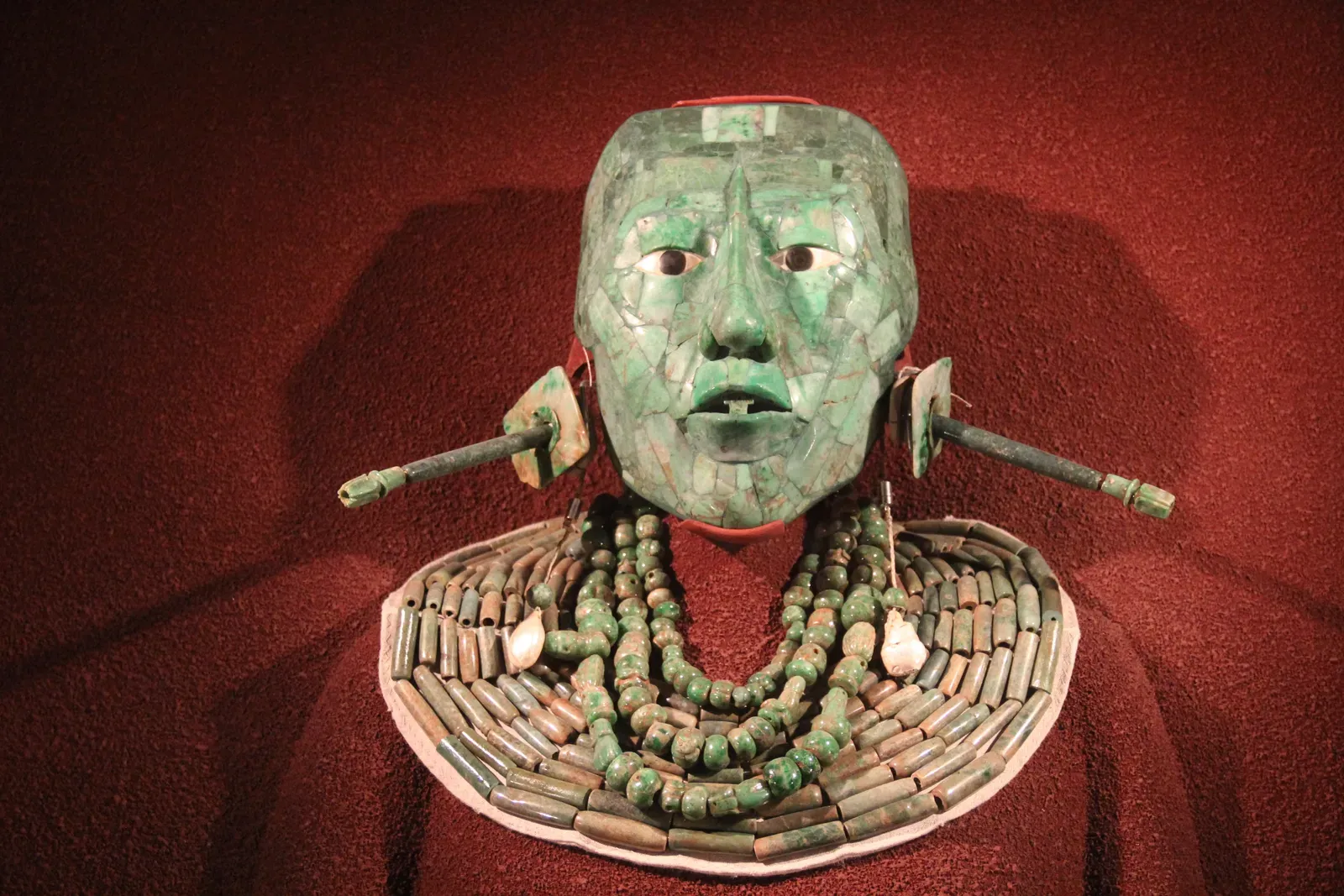
Archaeologists discovered the tomb of Te K’ab Chaak, the first known king of Caracol, who founded the city’s royal dynasty after ascending the throne in AD 331, with the burial chamber filled with pottery vessels, carved bone tubes, and jade ornaments including a mask. The 1,700-year-old royal tomb dating roughly to A.D. 330-350 contained a shattered mosaic death mask made of jade and shells, jade ear flares, and bones of an elderly man, possibly belonging to the founder of a Maya dynasty that ruled for nearly 500 years.
Data from Gypsum Overlook, an 8800 year old site in the Tularosa Basin of New Mexico which currently has the oldest dated structures in the American Southwest, was announced in early 2026. Every year brings new revelations.
A recent 2025 study also dated footprints at White Sands to 21000 BC, pushing back timelines for human presence in the Americas far earlier than previously accepted. What we knew five years ago keeps changing as technology improves and more sites are excavated.
Preservation Challenges and Future Research
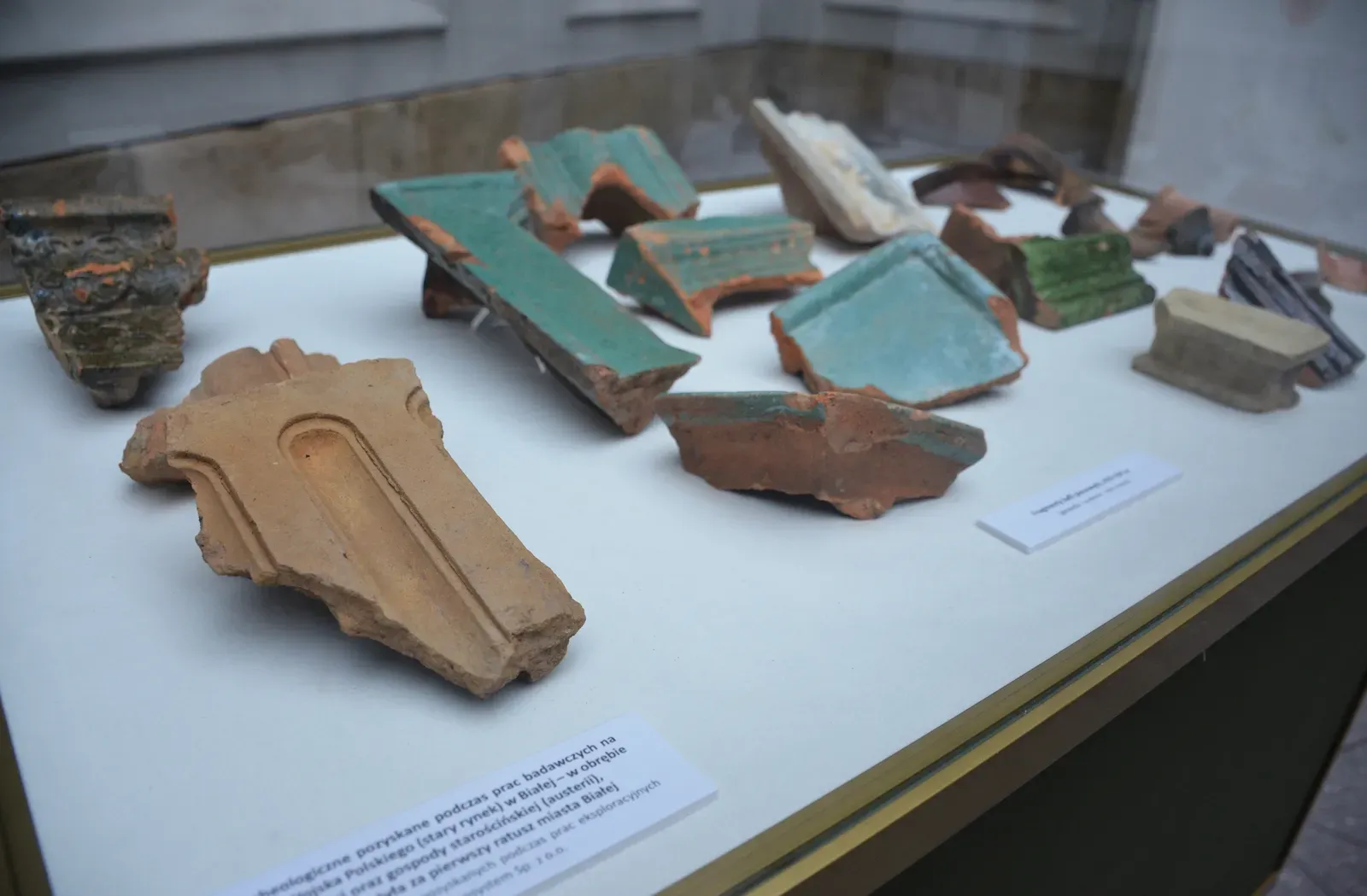
Organic artifacts are represented in collections in smaller quantity than ceramic artifacts, likely due to poor preservation in the soil, common at precolonial and recent archaeological sites in New England. What survives represents only a fraction of what once existed. Wood, fiber, leather – all the materials that comprised so much of daily life – rarely survive millennia in the ground.
Objects made of fragile materials like animal hide, plant fibers, and wood do not preserve long enough to be found in archaeological sites, making it difficult to reconstruct what clothing and art would have looked like thousands of years ago. We’re left inferring entire categories of material culture from the durable remnants.
Yet technology offers hope. Advanced DNA analysis, protein residue testing, and 3D scanning create opportunities previous generations of archaeologists never imagined. Cutting-edge scientific tools reshaped archaeology in 2025, with ancient DNA sequencing reconstructing ancestry, satellite images capturing traces of massive ancient hunting traps, and underwater mapping revealing sunken structures.
The story these artifacts tell keeps expanding. Each fragment of pottery, each stone tool, each needle adds another sentence to the narrative of human experience in the Americas. These objects aren’t just relics; they’re evidence of ingenuity, adaptation, artistry, and survival across thousands of years. The untold stories continue emerging from the ground, challenging assumptions and revealing the rich complexity of the continent’s earliest inhabitants. What other secrets still lie buried, waiting to rewrite history once again?