Think about the last time you saw a dinosaur in a movie or a children’s book. Chances are, it was scaly, green, and looked like an oversized lizard. For generations, that’s exactly how we pictured these ancient beasts. Massive reptilian giants stomping through prehistoric jungles, their rough, leathery skin glistening in the primordial sun.
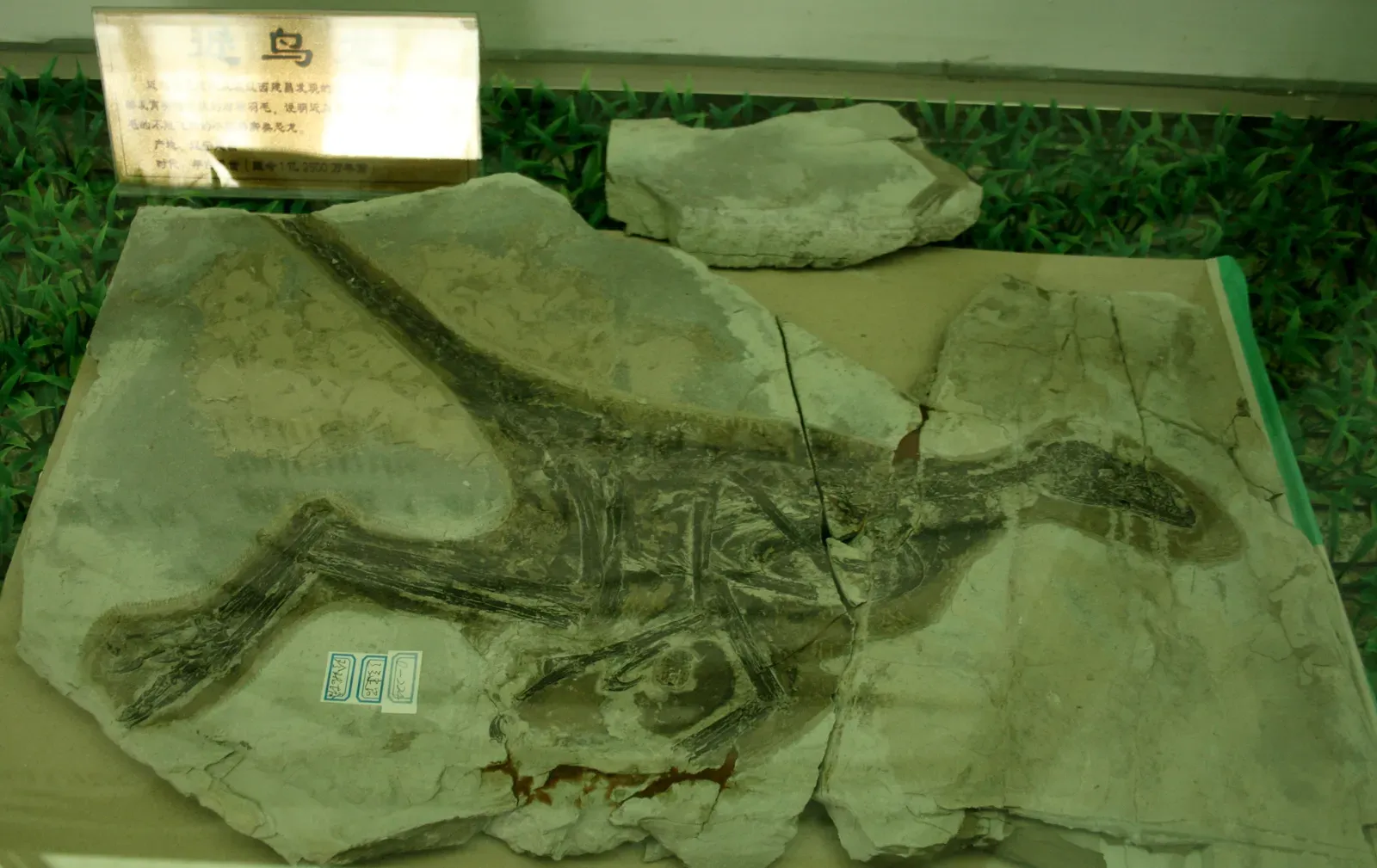
Then something remarkable happened in the late twentieth century. Scientists began unearthing fossils that turned that classic image completely on its head. In the mid-1990s, Sinosauropteryx, a dinosaur fossil dating to the early Cretaceous Period, was revealed at a scientific conference with its head, neck, back, and tail covered with a thick short “pelage” of dark filaments. Suddenly, the scaly monsters of our imagination might have been fluffy. Let’s be real, it sounds almost absurd at first. Here’s the thing though – the evidence keeps piling up, and it’s getting harder to ignore. You might be wondering if your childhood T-Rex poster is now wildly out of date, or whether those fuzzy raptors you’ve seen online are just artistic fantasy. What if everything you thought you knew about dinosaurs was only part of the story?
The Game-Changing Discovery in China
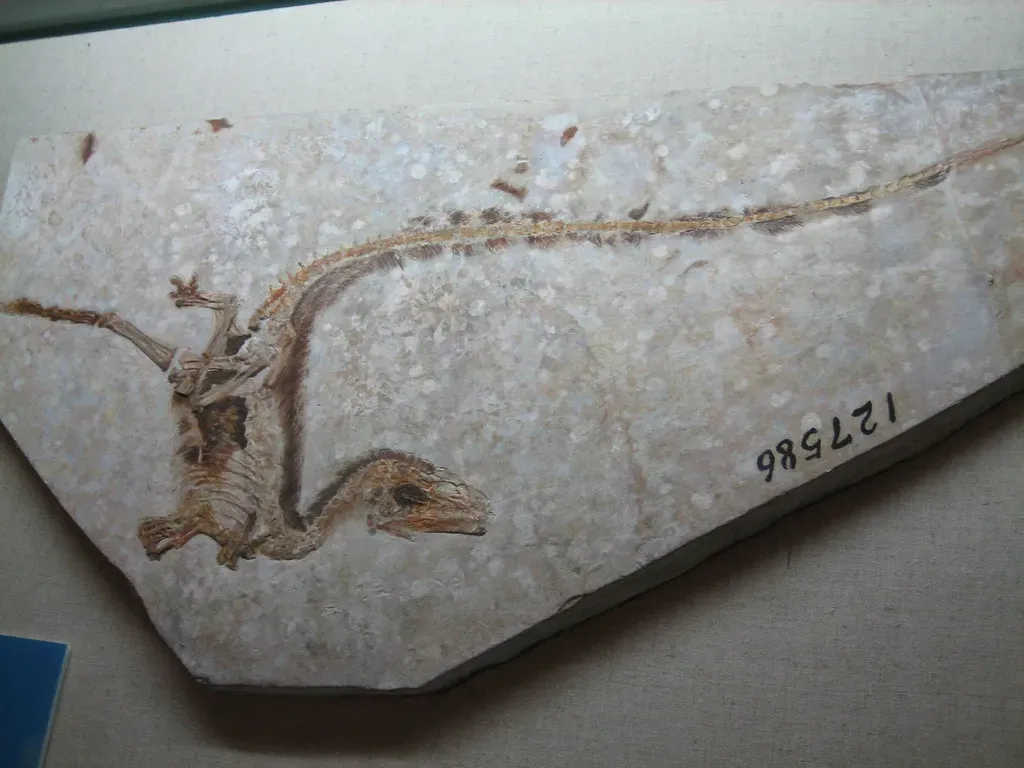
Picture a paleontologist standing in front of a packed conference room in the mid-1990s, about to unveil something that would shake the foundations of dinosaur science. In 1996, the first dinosaur fossil with preserved feathers was described: the Chinese Sinosauropteryx. This wasn’t just another bone fragment or fossilized tooth. This was a complete game changer.
This animal was covered with a thick short pelage of dark filaments that were certainly epidermal and probably composed of keratin and other proteins, and some of them appear to have been branched. Honestly, I think many scientists initially struggled to believe what they were seeing. The discovery was met with skepticism by some scientists who argued that the impressions could be dislodged collagen fibers or remains of a reptilian frill. The skepticism didn’t last long though. More discoveries followed rapidly from northeastern China’s Liaoning Province, where volcanic eruptions had essentially created a prehistoric Pompeii, perfectly preserving ancient creatures in exquisite detail.
What Feathers Actually Looked Like on Ancient Dinosaurs
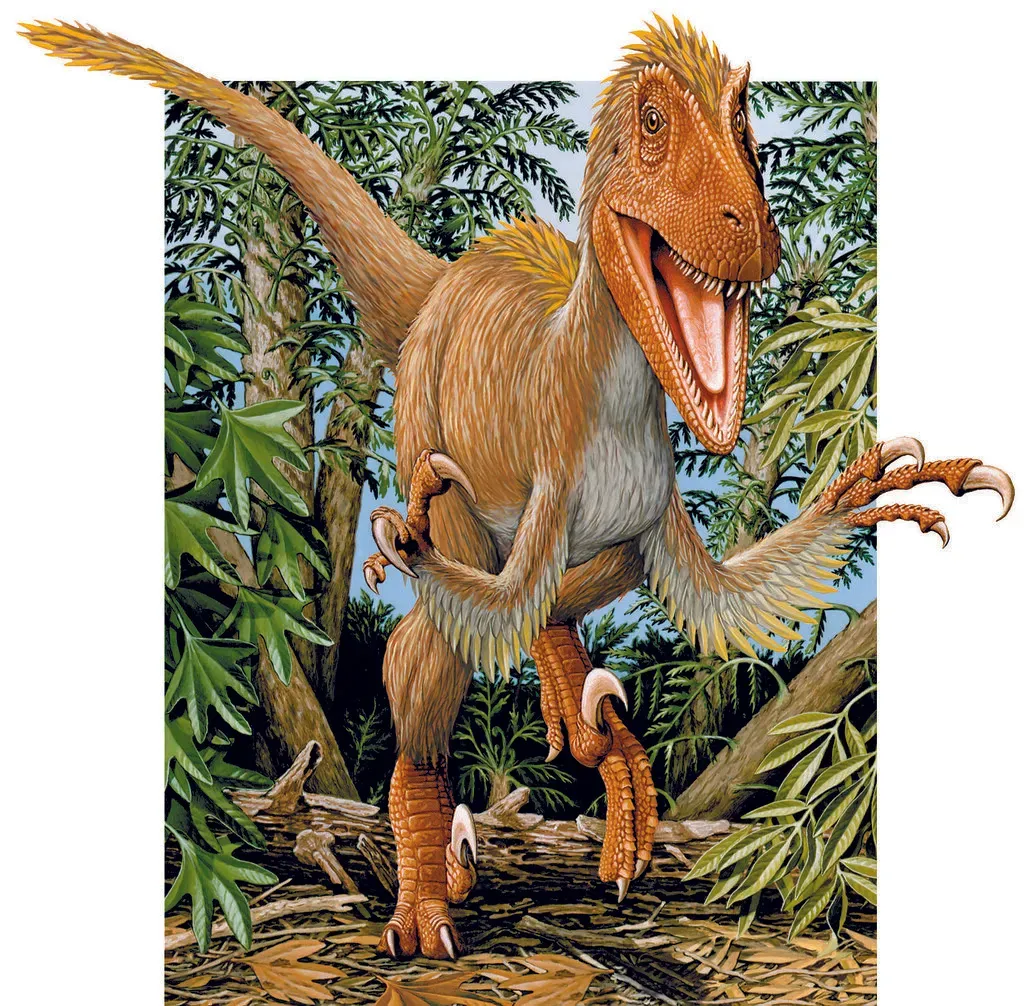
Here’s where it gets fascinating. Dinosaur feathers weren’t like the elegant flight feathers you see on a modern eagle. The earliest feathers evolved for some form of thermoregulation, and the first feathers didn’t look anything like a modern feather – they looked more like hair. Think less “majestic bird” and more “fuzzy reptile.” Some had simple filaments resembling fur, while others sported downy tufts like baby chicks wear today.
These discoveries have shown us a great diversity of feather types: simple fur-like filaments, downy feathers as the ones of baby birds, hollow quills similar to those of a porcupine, big tail fans like those of pheasants, and the usual feathers that we see in a chicken today – all present in non-avian dinosaurs. Different dinosaurs displayed wildly different plumage. Some had elaborate display feathers for attracting mates. Others had functional structures that helped with insulation or even gliding. The variety was astonishing, revealing that feather evolution was far more complex than scientists had ever imagined.
Why Did Dinosaurs Even Need Feathers?
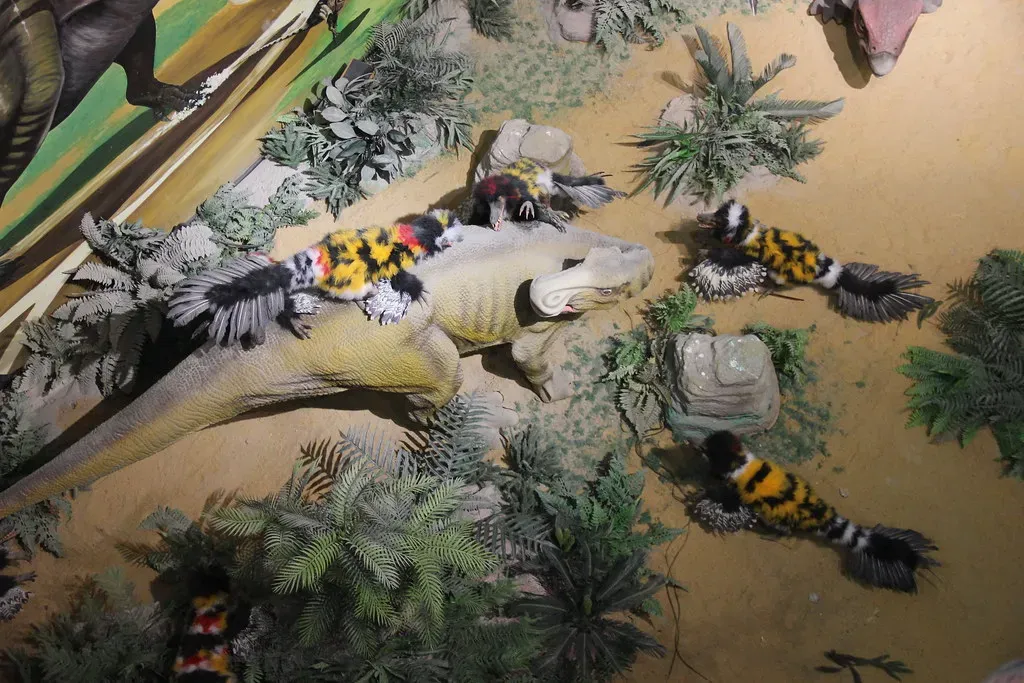
So let’s tackle the obvious question: if these creatures weren’t flying, why bother with feathers at all? Those first feathers had nothing to do with flight – they probably helped dinosaurs show off, hide, or stay warm. Temperature regulation seems to be the leading candidate. Picture a small dinosaur living in an environment with fluctuating temperatures – feathers would have been incredibly useful for maintaining body heat.
There is an increasing body of evidence that supports the display hypothesis, which states that early feathers were colored and increased reproductive success, and coloration could have provided the original adaptation of feathers, implying that all later functions of feathers, such as thermoregulation and flight, were co-opted. Maybe early dinosaurs evolved colorful plumage to attract potential mates or intimidate rivals. Some specimens have iridescent feathers, and pigmented and iridescent feathers may have provided greater attractiveness to mates. It’s hard to say for sure, yet the evidence increasingly suggests feathers served multiple purposes long before any dinosaur took to the skies.
Were All Dinosaurs Actually Feathered?
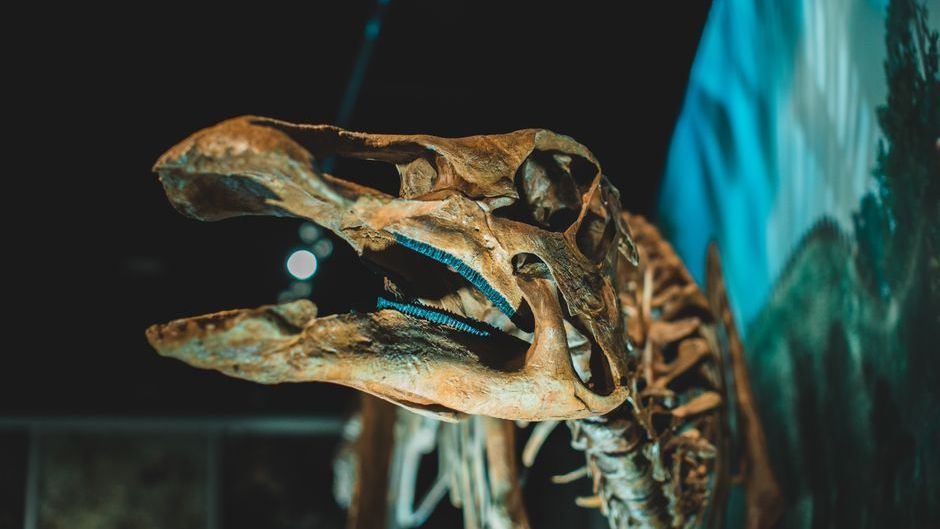
Now this is where things get really interesting and honestly, quite controversial. A new study has shown that feathers were likely restricted to just a small proportion of the non-bird dinosaurs. We have really strong evidence that animals like the duck-billed dinosaurs, horned dinosaurs and armoured dinosaurs did not have feathers because we have lots of skin impressions that clearly show they had scaly coverings, and we also have zero evidence of any feather like structures in the long-necked dinosaurs.
Still, there’s ongoing debate about just how widespread feathers might have been. Paleontologist Stephen Brusatte notes that Kulindadromeus seals the deal that some plant-eating dinosaurs had feathers, and it tells us that feathers must have arisen earlier in dinosaur evolution than most of us previously thought, and maybe even the common ancestor of all dinosaurs had feathers. The jury’s still out on whether feathers were an ancestral dinosaur trait that some lineages lost, or whether they evolved independently multiple times. More fossils will eventually settle this decades-old debate.
The Famous T-Rex Feather Controversy
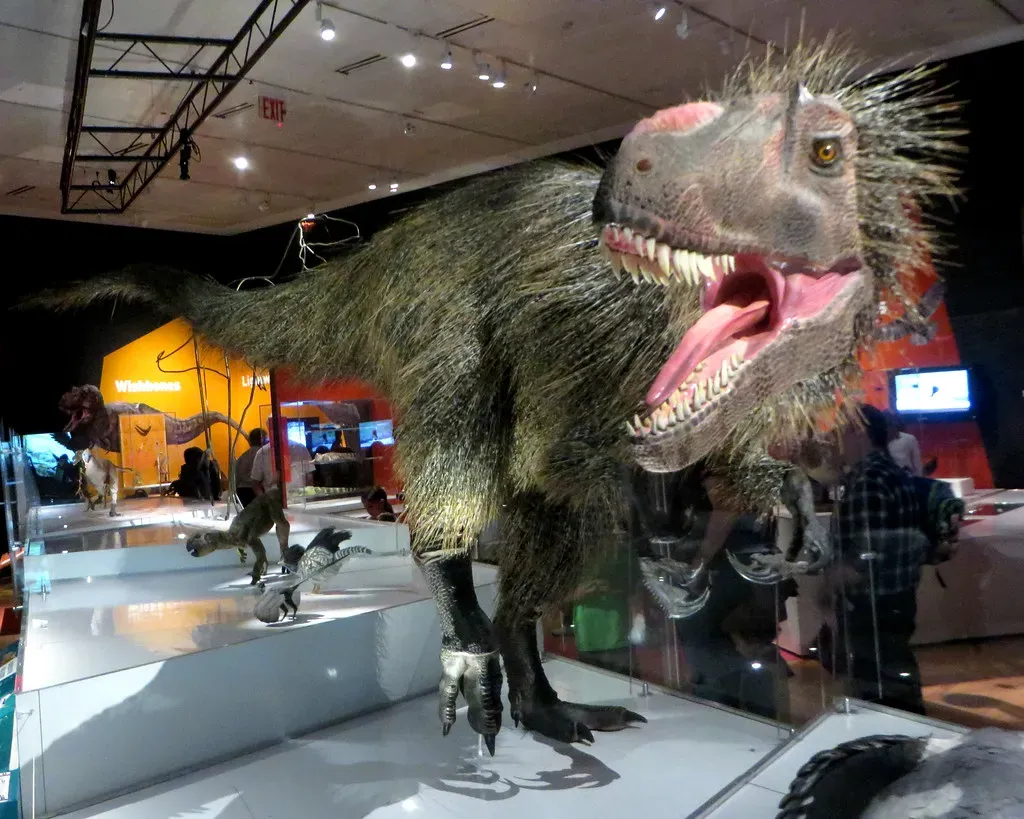
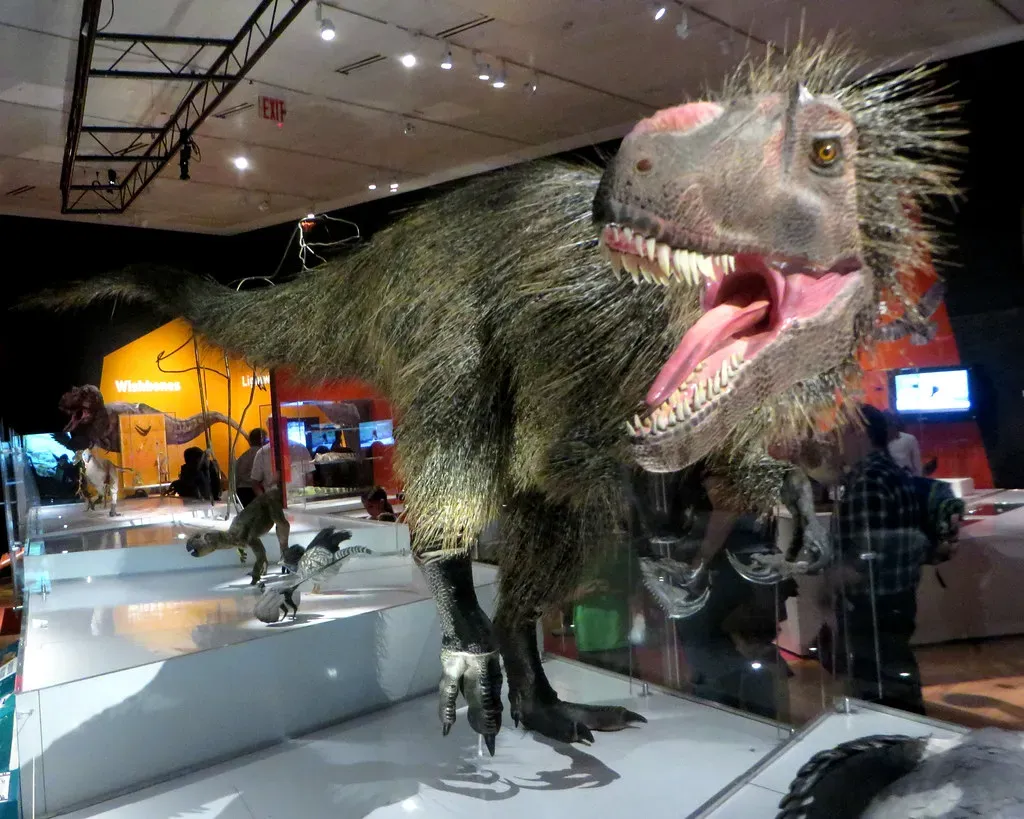
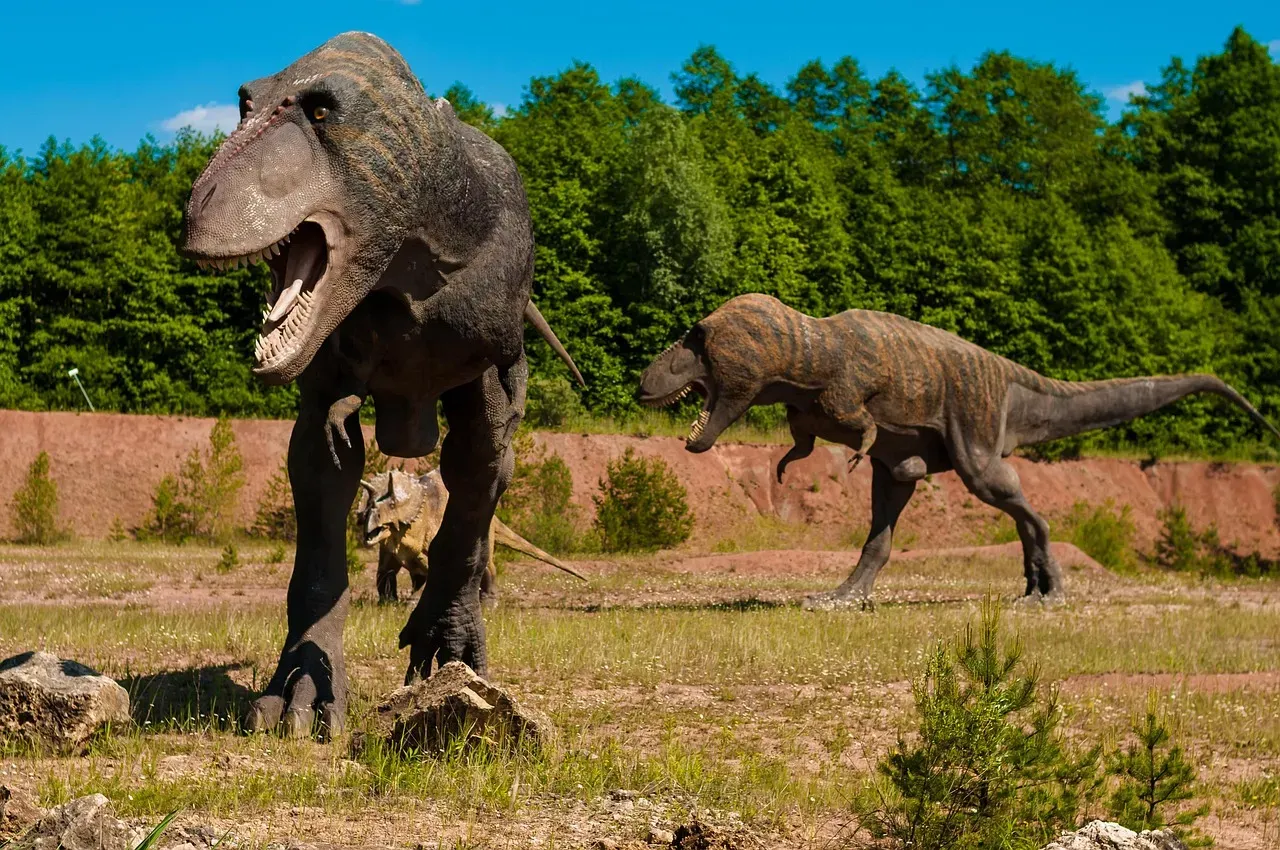
Let’s talk about the elephant – or should I say, tyrannosaur – in the room. Did the mighty Tyrannosaurus rex have feathers? Scientists think it’s likely that at least at one point in their lives, they probably had bodies that were partially or completely covered in feathers. Many dinosaur skeletons are covered in feathers, including two tyrannosaurs – close cousins of T. rex – called Yutyrannus and Dilong, which means that the ancestors of T. rex had feathers, which means T. rex probably did too.
However – and this is crucial – scientists found no sign of feathers on T. rex skin impressions, just smooth, scaly skin, and they also analyzed skin impressions from large tyrannosaurs that lived around the same time, such as Albertosaurus and Gorgosaurus. T. rex and its closest cousins were so big that they could have lost their feathers to stop from overheating, just as elephants have reduced their coat of hair. The most likely scenario? Young T. rex hatchlings probably had downy coats that they shed as they grew into multi-ton heat-generating giants. What an image that creates.
How We Know What We Know: The Fossil Evidence
In 2016, the discovery was announced of a feathered dinosaur tail preserved in amber that is estimated to be 99 million years old, found by researcher Lida Xing at an amber market in Myanmar – it is the first definitive discovery of dinosaur material in amber. Amber fossils provide unprecedented detail, capturing three-dimensional structures that compression fossils simply can’t preserve.
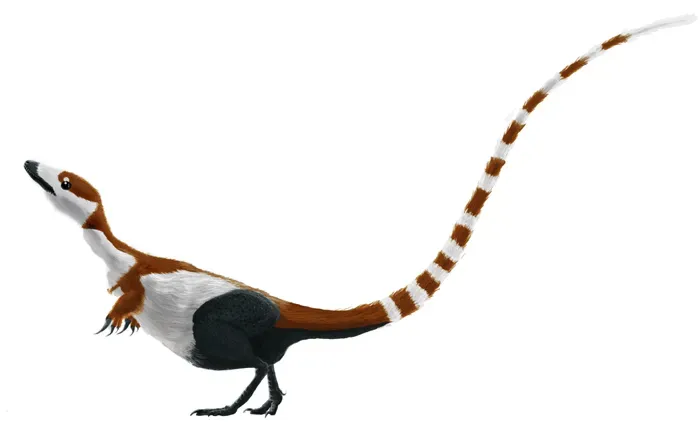
Fossil feathers from the dinosaur Sinosauropteryx contain traces of beta-proteins, confirming that early feathers had a composition similar to that of feathers in modern birds, and crocodilians also possess beta keratin similar to those of birds, which suggests that they evolved from common ancestral genes. Scientists can even determine feather colors in some cases by analyzing microscopic structures called melanosomes. When paleontologists researched what color the feathers might be, they found that Sinosauropteryx was rust red with a red and white-striped tail, not unlike today’s red pandas. These discoveries aren’t just educated guesses – they’re backed by genuine biochemical evidence.
What This Means for Our Understanding of Evolution
Several lines of research have converged on a remarkable conclusion: the feather evolved in dinosaurs before the appearance of birds, and feathers originated and diversified in carnivorous, bipedal theropod dinosaurs before the origin of birds or the origin of flight. Think about what that actually means. Feathers aren’t a bird innovation. They’re a dinosaur innovation that birds inherited.
When we look at the fossil record, we can see that a lot of these avian features, some of them were inherited from dinosaurs, so they’re actually dinosaurean features that birds inherited like feathers and wings, whereas other features were evolved during the Cretaceous evolution of birds. The only remaining descendants of the dinosaur lineage are the birds, so if anyone asks you whether dinosaurs really died out at the end of the Cretaceous, you can point out the window at our feathered friends. Every pigeon, every sparrow, every chicken – they’re living dinosaurs. That fact never gets old, does it?
Conclusion: A Fuzzy Picture Coming into Focus
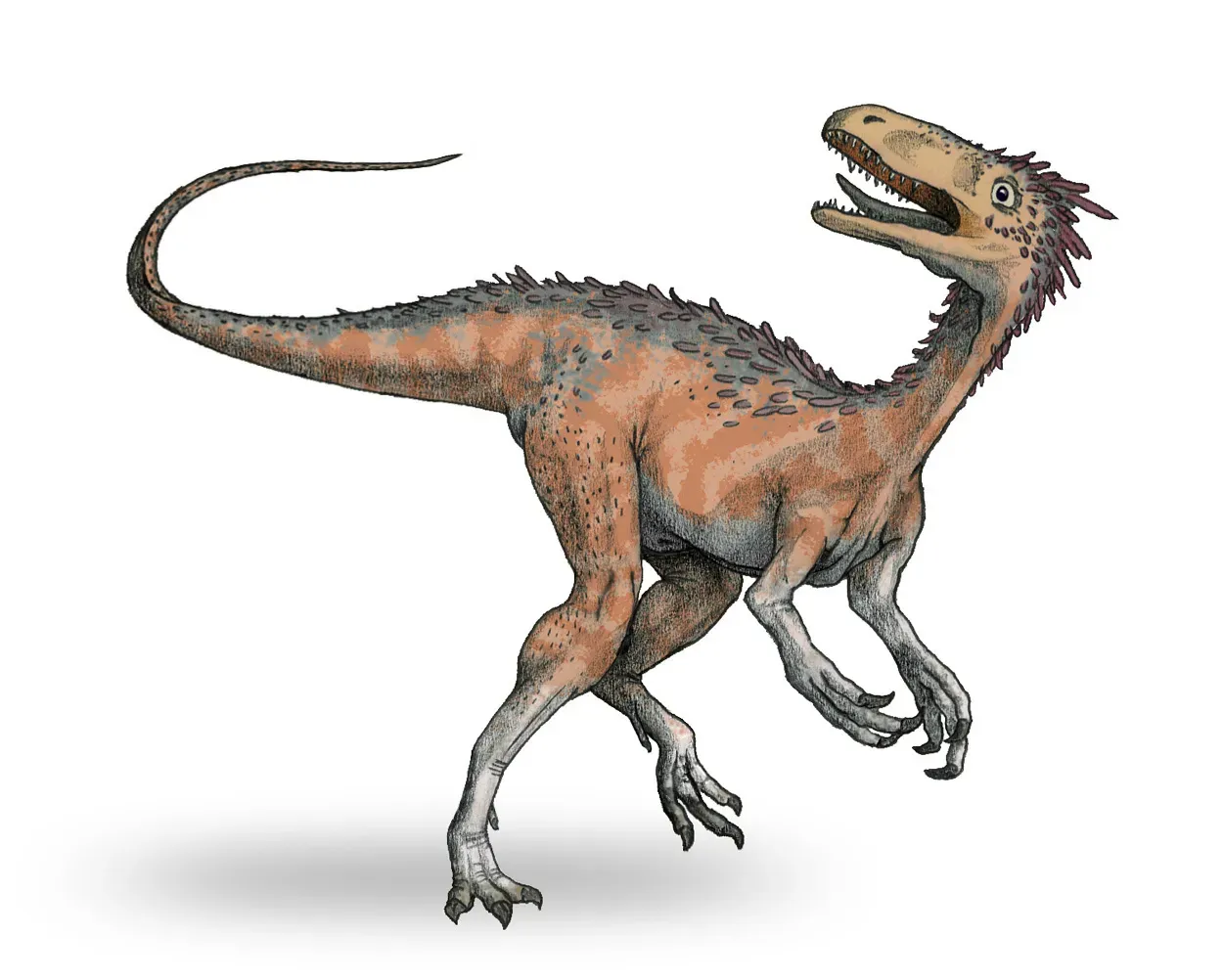
So did dinosaurs truly have feathers? The answer is a resounding yes – though not all of them, and not always in the ways we initially imagined. In recent decades, evidence has accumulated that many non-avian dinosaur species also possessed feathers or feather-like structures in some shape or form, though the extent to which feathers or feather-like structures were present in dinosaurs as a whole is a subject of ongoing debate and research.
What began as a startling discovery in China in the 1990s has blossomed into a fundamental shift in how we understand these ancient creatures. From the tiniest compsognathid to enormous tyrannosaurs, feathers played vital roles in dinosaur lives – for warmth, for display, for communication, and eventually for flight. The scaly monsters of Jurassic Park weren’t entirely wrong, yet they weren’t entirely right either. The truth, as it turns out, is far more nuanced and infinitely more fascinating. The prehistoric world was likely a riot of colors, textures, and bizarre plumages we’re only beginning to reconstruct. What other secrets are still buried in ancient rock, waiting to surprise us? What do you think – does a feathered T-rex sound cooler or somehow less terrifying?