Have you ever wondered if the animals that appear in your dreams or cross your path might be trying to tell you something? Throughout history, humans have looked to the animal kingdom for guidance, protection, and wisdom. From the darkest caves of our prehistoric ancestors to modern spiritual practices, the concept of spirit animals has threaded its way through human consciousness like a mysterious river flowing beneath the surface of time. You might find yourself drawn to certain creatures without knowing why, feeling an inexplicable connection that defies logic. The idea that animals could serve as spiritual guides isn’t just some New Age invention. It reaches back into the mists of prehistory, connecting us to the very roots of human spirituality.
When Cave Walls Whispered Secrets of Animal Spirits
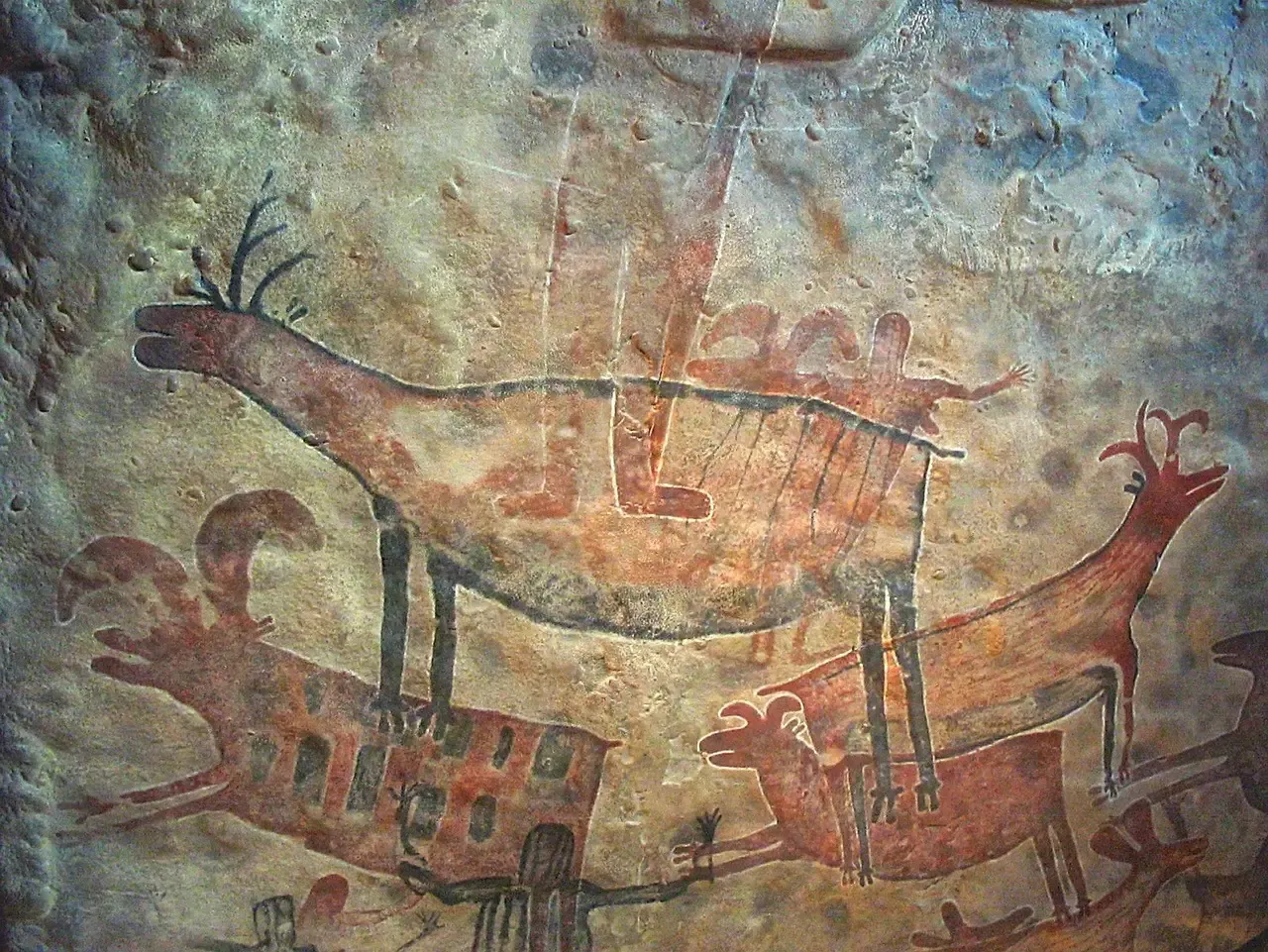
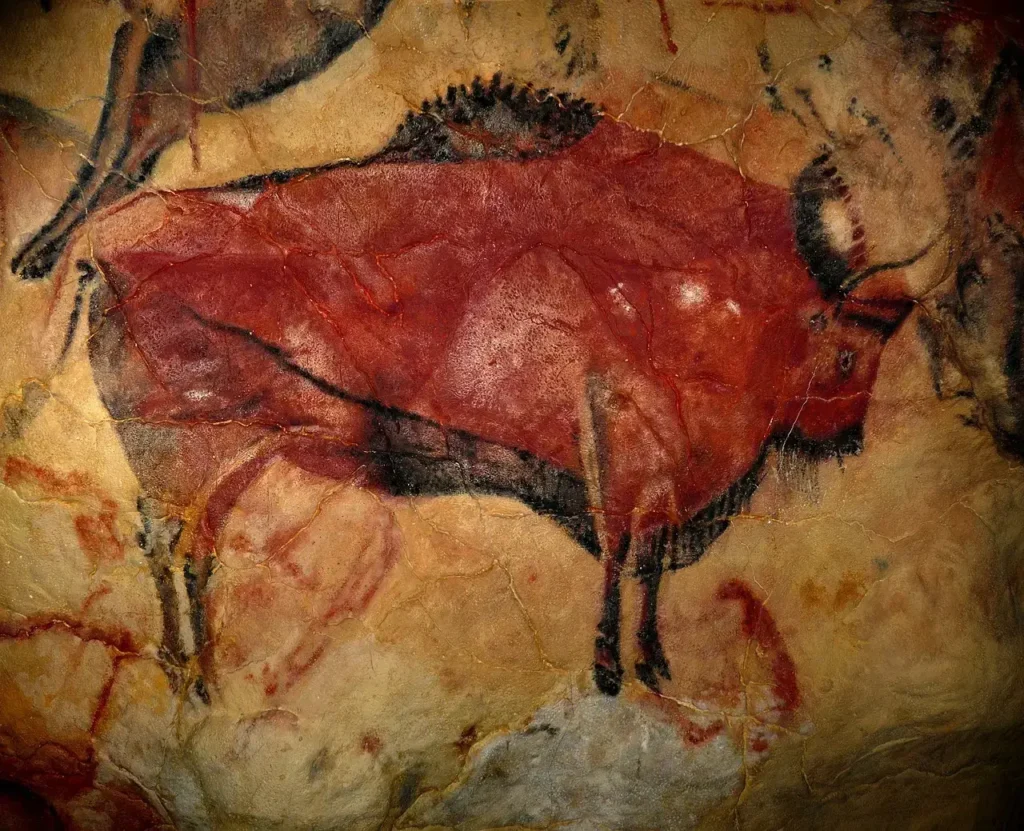
Paleolithic cave paintings discovered in southwestern France may have been prayers to animal deities or thanks for successful hunts. Imagine standing in the flickering torchlight thousands of years ago, watching skilled artists bring bison, horses, and mammoths to life on cold stone walls. The most common subjects were large wild animals like bison, horses, aurochs, and deer, along with tracings of human hands.
Cave art is generally considered to have a symbolic or religious function, and some experts believe these images were created within the framework of shamanic beliefs and practices. These weren’t just pretty pictures to brighten up someone’s living space. The paintings were often located deep in caves, far from where people actually lived, suggesting they served ceremonial purposes. The paintings are mostly in difficult-to-access areas with no signs of living spaces, leading many experts to think they served ceremonial or religious purposes, perhaps for shamanic ceremonies blessing the hunt.
The Totem Connection That Spans Millennia
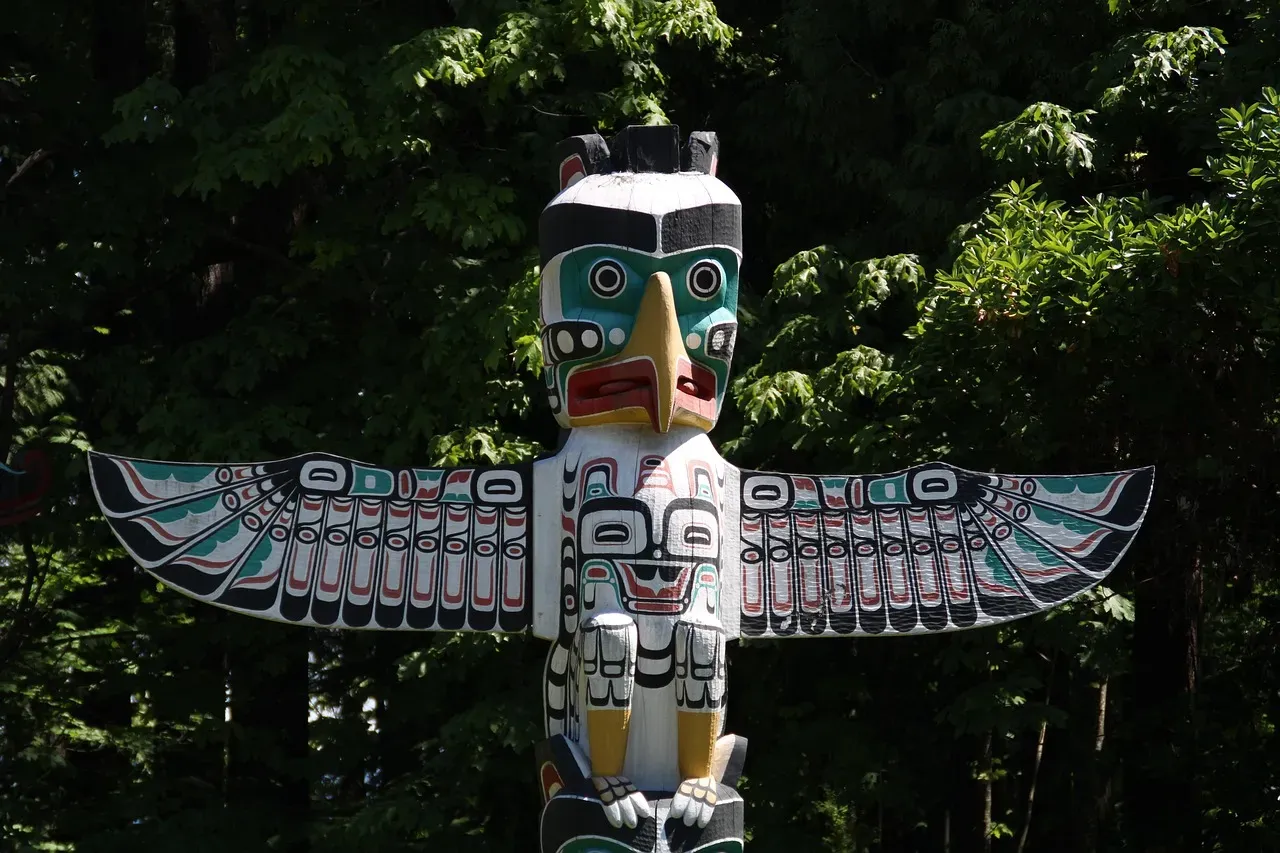
One hypothesis suggests that each clan or human group was represented by a symbolic animal, its totem, possibly worshiped for the protection it brought and the ancestral heritage it embodied. Think about sports teams today using animal mascots. That impulse to identify with animal qualities goes way back. Ice Age artists with ancestral bonds to certain animals avoided eating them, so paintings were clan emblems.
The totemic system wasn’t merely about picking your favorite animal. A totem is a spirit being, sacred object, or symbol of a tribe, clan, family, or individual. Some Native American traditions hold that each person is connected with nine different animals that will accompany them through life, acting as guides. Your spirit animal wasn’t chosen by you, honestly. You cannot choose your totem spirit; instead, it chooses or has already chosen you, and they decide to whom they will reveal themselves.
Shamanic Journeys Through Three Worlds
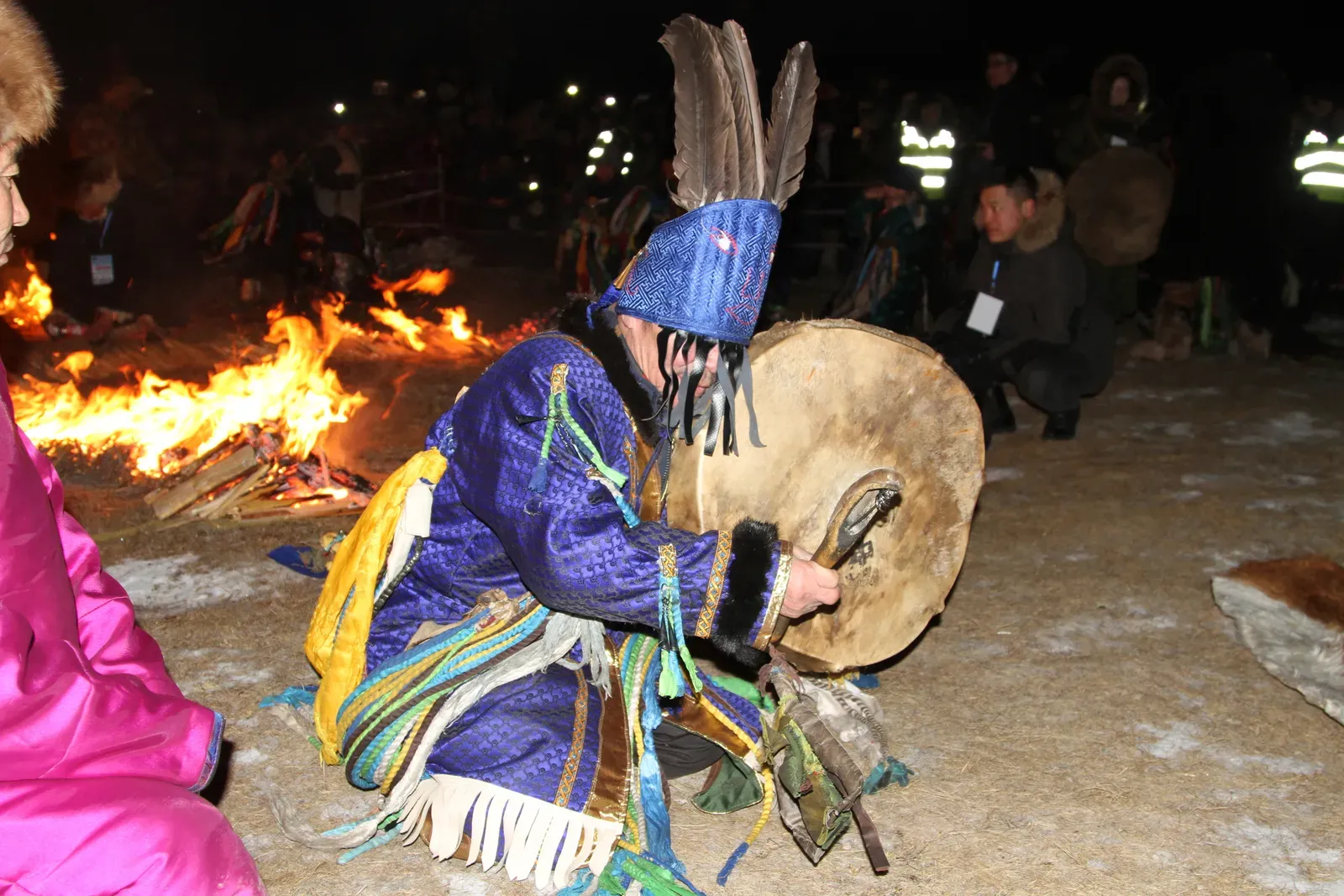
The word ‘shaman’ comes from the Evenki people of Siberia, who use it to describe an individual with power to mediate between humans, animals, and spirits dwelling within a three-tiered cosmos. Here’s the thing: shamans weren’t just spiritual leaders. They were mediators, healers, and storytellers rolled into one. Through practices like rhythmic drumming and dancing, shamans build connections between humans and the natural community, with the journey to the spirit world often guided by animal totems.
Various animals have different traits and personalities that can only be tapped into through trance and ritual practice, with animal spirit guides accompanying the shaman through various realms. These weren’t casual encounters. Rituals involved trances, music, and animal spirit guides, indicating a deep spiritual connection, with Palaeolithic caves and Neolithic structures serving as ritual centers. The caves themselves became portals, liminal spaces where the boundary between worlds grew thin.
Animals That Commanded Prehistoric Reverence
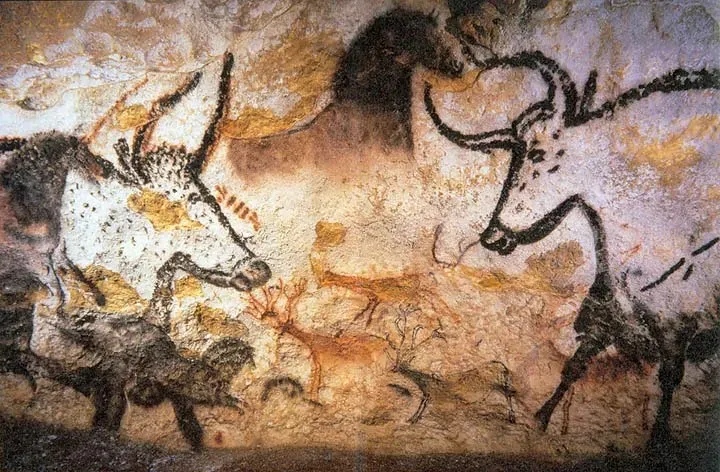
Not all animals held equal spiritual weight in prehistoric societies. Animal figures constitute the majority of cave images from all periods, with the earliest millennia featuring formidable species like cave lions, mammoths, woolly rhinoceroses, and cave bears. These weren’t the animals people hunted most often for food either, which makes their prominence even more intriguing.
Bison, steer, bear, lion, eagle and stag are amongst the highest and most revered, with many cultures turning animals into protective spirits, guardians, messengers and even gods. The larger, more powerful animals often served as primary totems for entire clans. I think there’s something deeply human about looking at a massive cave bear or mammoth and seeing not just danger, but also qualities worth emulating: strength, resilience, the ability to survive harsh conditions.
Reading Messages Written in Fur and Feathers
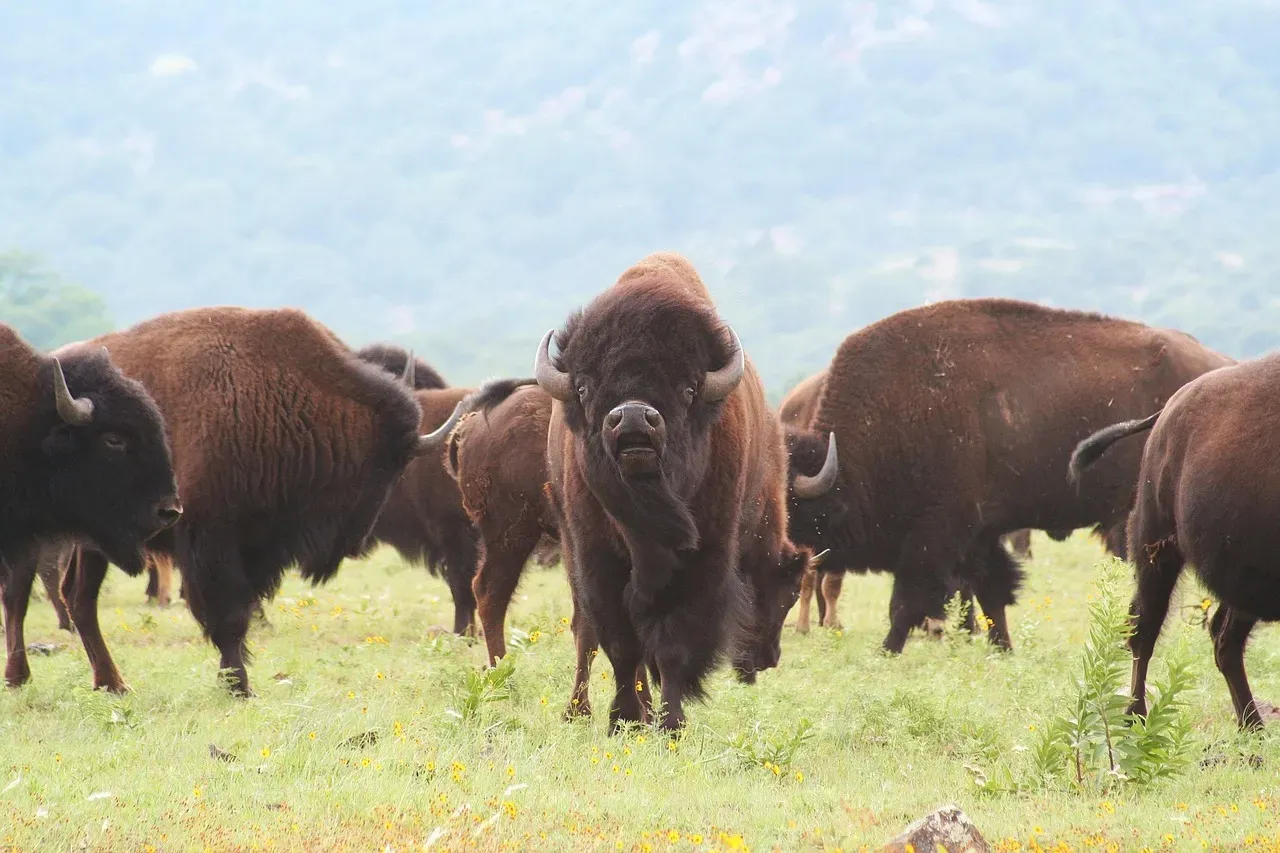
The Lakota believed strongly in animal powers and the supernatural, with observation of animal behavior incorporated into everyday life, creating a belief system that protected all who sought their animal powers. Your prehistoric ancestors didn’t separate spirituality from daily life the way modern people often do. Everything was interconnected. Animals, birds, and even crawlers with no legs all teach about life, and humans can learn lessons from all of them by observing closely.
This wasn’t superstition. It was survival. Animals were very important to people in the prehistoric era, and they were the main feature of all the paintings. When you’re living intimately with the natural world, you notice patterns. You see which plants the deer avoid because they’re poisonous. You watch how wolves hunt cooperatively and learn teamwork. Animal medicine is a concept created by Native Americans that believes every animal is of vital importance, with each having a specific function, spiritual purpose and medicine to teach us.
The Mystery of Who Painted the Spirits
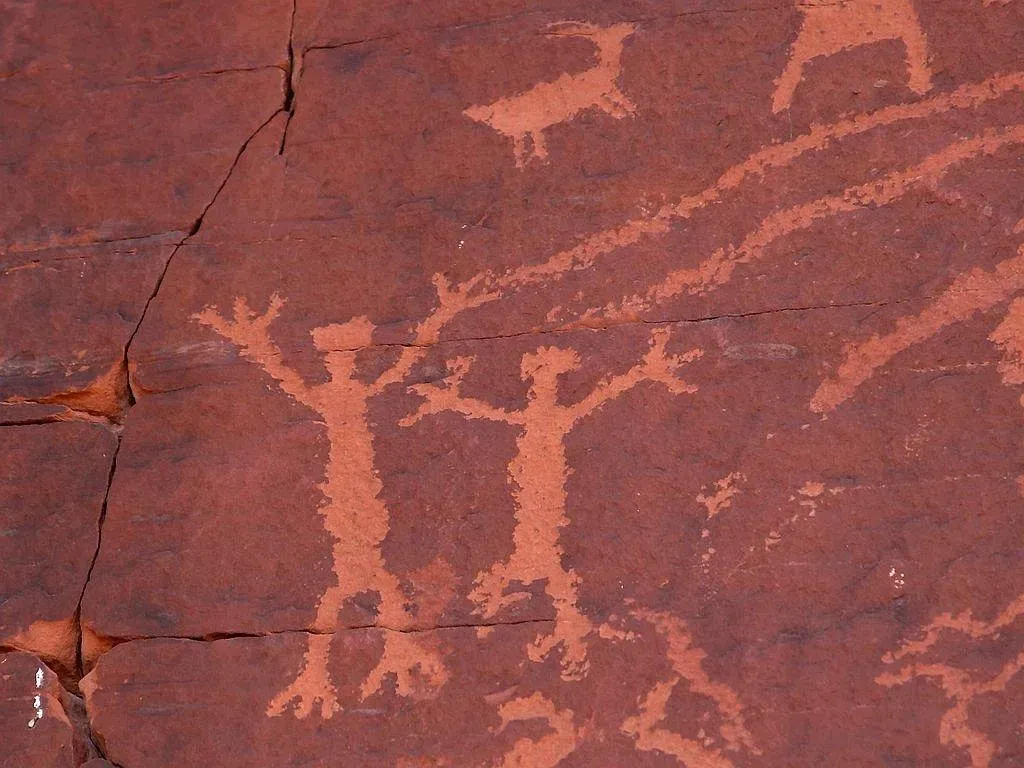
For decades, everyone assumed men painted the cave walls. Turns out, that assumption might be completely wrong. A 2013 study looking at handprints in caves in France and Spain found that based on finger length ratios, 75 percent of the handprints were of women’s hands, with only three made by men. Mind-blowing, right?
This evidence suggests that women played a more important role in hunter-gatherer societies and perhaps in the spiritual life of these people than was previously thought. The spiritual connection between humans and animals wasn’t the exclusive domain of men. Women were intimately involved in creating these sacred images, in maintaining the spiritual relationships with animal guides. It’s hard to say for sure, but this discovery completely reshapes how we understand prehistoric spiritual practices.
Altered States and Animal Transformations
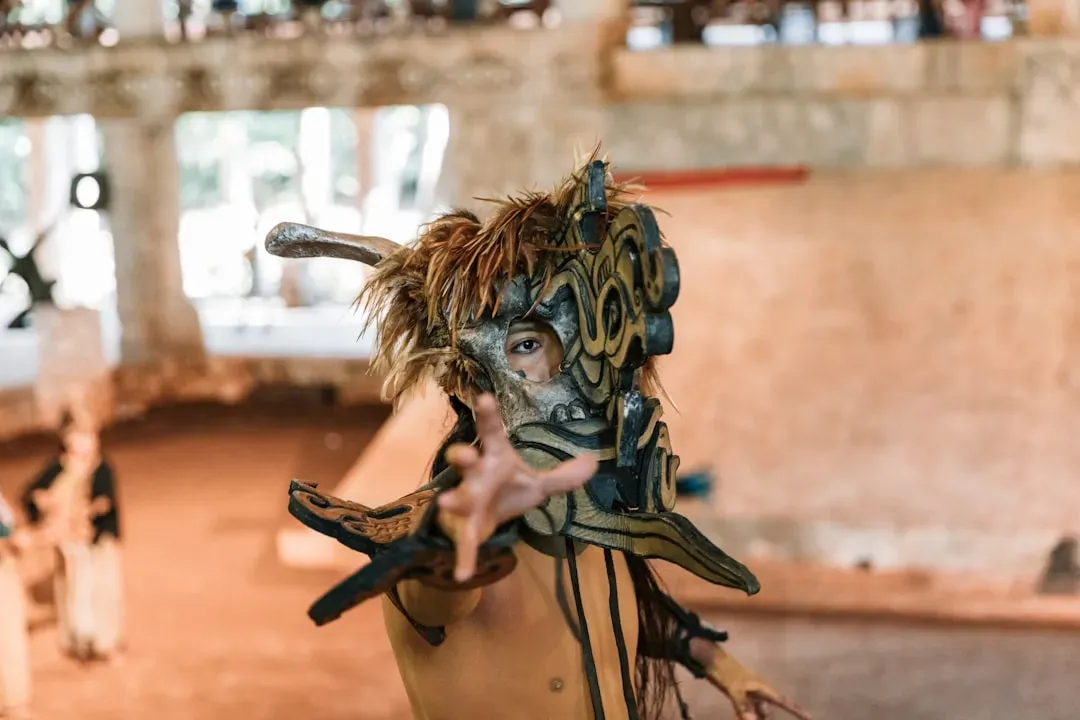
The practice of shamanism often involves hallucinations and altered states of consciousness to access the spirit world, with shamans fulfilling roles of healers, diviners, mediums, and entertainers. Let’s be real: accessing the spirit realm wasn’t like scrolling through your phone. It required intense preparation and commitment. Various rituals were designed to find animal guides, including dream work, meditation ceremonies, fasting, being buried, and exposure to nature and elements.
Men may be transported into animals and vice versa, with the artistic result that humans appear as beasts and later as hybrid beings. Some cave paintings show figures that are part human, part animal. One burial included 50 complete tortoise shells and select parts from a wild boar, eagle, cow, leopard, two martens, and a human foot, with this large assemblage indicating the person was likely a shaman. These individuals walked between worlds, embodying both human consciousness and animal wisdom.
How Ancient Practices Echo in Modern Spirituality
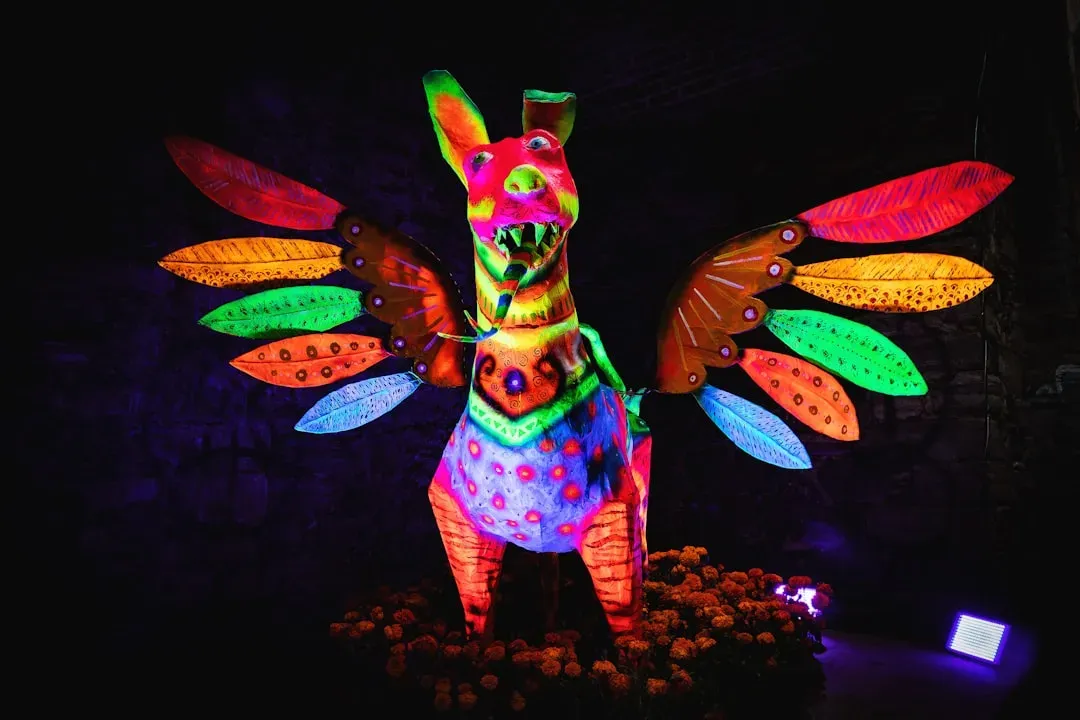
The idea of spirit animals has gained popularity beyond traditional cultures, with people now identifying with specific animals that resonate with their personality or life experiences, blending old beliefs with contemporary spiritual practices. You can find spirit animal quizzes online now, which would probably baffle our prehistoric ancestors. Yet something fundamental remains unchanged: that deep human need to connect with the natural world through animal symbolism.
The concept of spirit animals has transcended cultural boundaries and taken on universal appeal, with people from all walks of life seeking to discover and connect with their spirit animals as sources of wisdom, comfort, and inspiration, emphasizing personal growth and deeper connection with nature. Whether you’re taking a vision quest in the wilderness or meditating in your apartment, the impulse is the same. We’re reaching back across thousands of years to touch something our ancestors understood instinctively.
The Unbroken Thread Between Past and Present
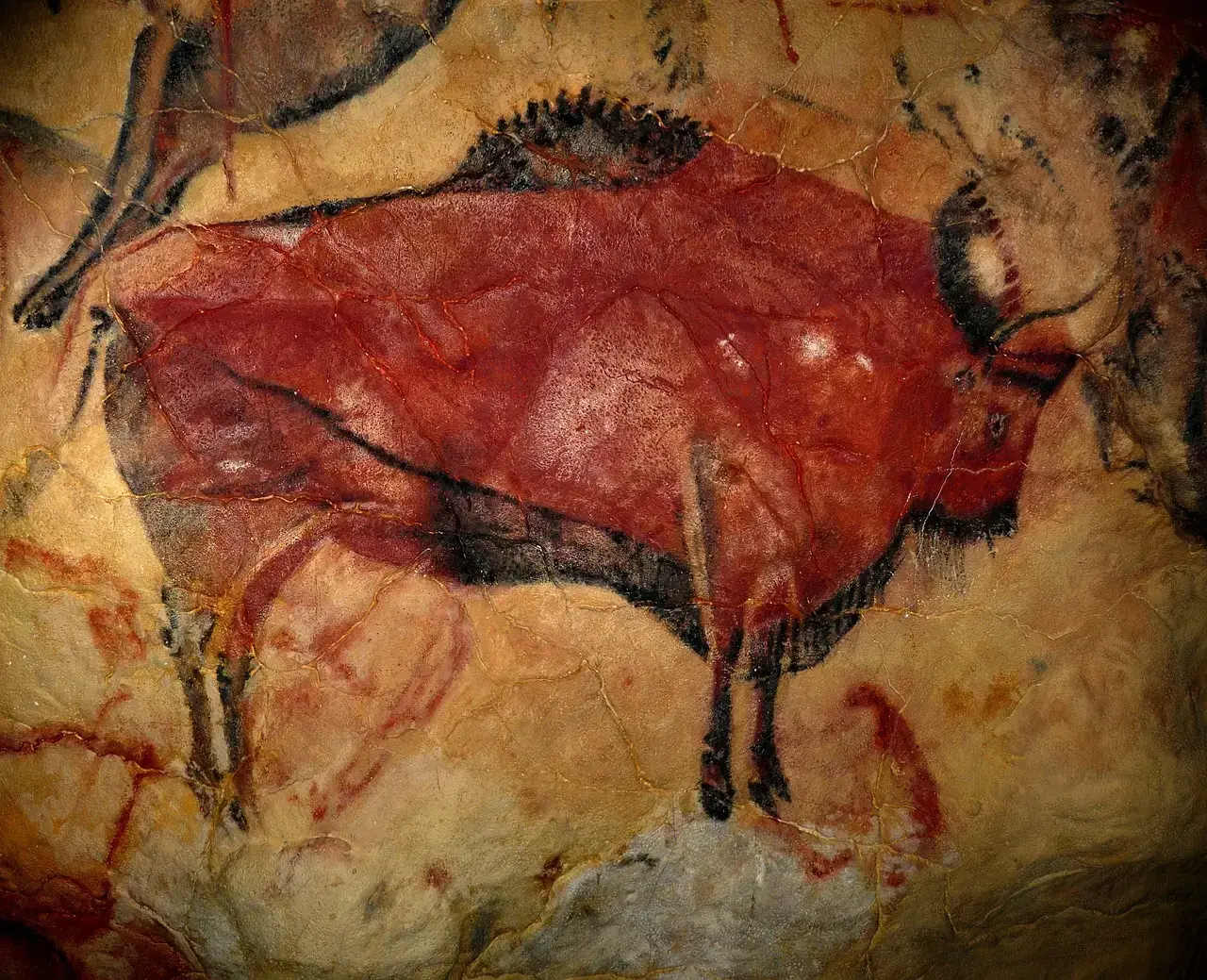
Animals have mattered deeply to people as artists for many millennia across the globe, with evidence from South Africa, Sulawesi, and Australia showing that European cave art was not the beginning of anything. This isn’t a European story. It’s a human story. Images painted, drawn or carved onto rocks and cave walls found across the globe reflect one of humans’ earliest forms of communication, with possible connections to language development.
Spirit animals are more than symbols; they are archetypes embedded in human history, reflecting universal traits like courage, loyalty, or protection, helping us understand our inner selves and our connection to the world. Think about that for a moment. The same impulse that drove a Paleolithic artist to paint a horse on a cave wall drives someone today to wear wolf jewelry or get a bear tattoo. We’re still seeking guidance, protection, and connection through our animal allies. That thread has never been broken.
Conclusion: Walking With Ancient Wisdom
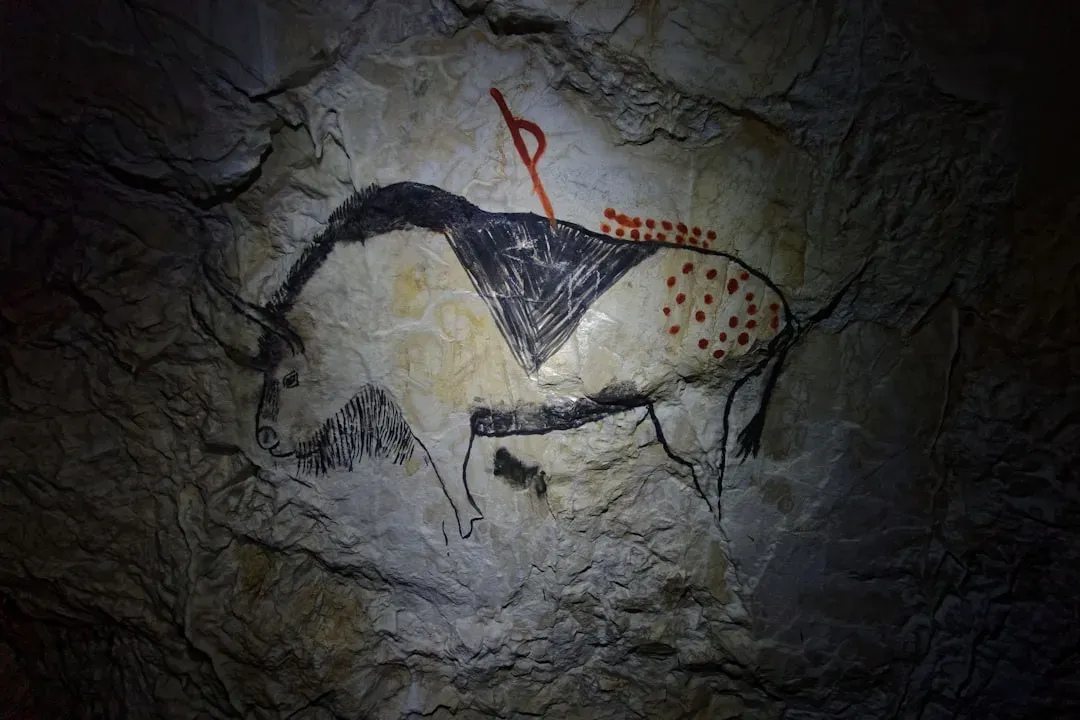
The concept of spirit animals isn’t just some quaint belief from the distant past. It represents something fundamental about human consciousness and our relationship with the natural world. When prehistoric people ventured deep into caves to paint magnificent animals by flickering torchlight, they were doing more than creating art. They were establishing relationships with powers they believed could guide, protect, and teach them.
Today, we might use different methods to connect with our spirit animals, from meditation to dream interpretation to simply paying attention when a particular creature repeatedly crosses our path. The tools have changed, but the underlying truth remains: we are part of a larger web of life, and the animal kingdom offers wisdom we desperately need, especially in our increasingly disconnected modern world.
Perhaps the better question is: have they been guiding us all along, waiting patiently for us to remember what our ancestors knew? What animal keeps appearing in your life, and what might it be trying to teach you?