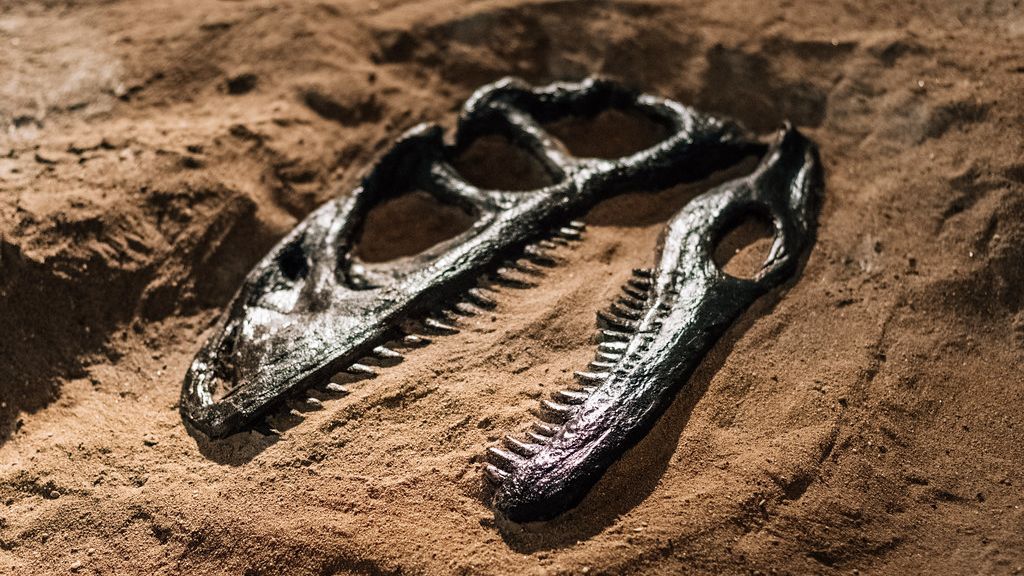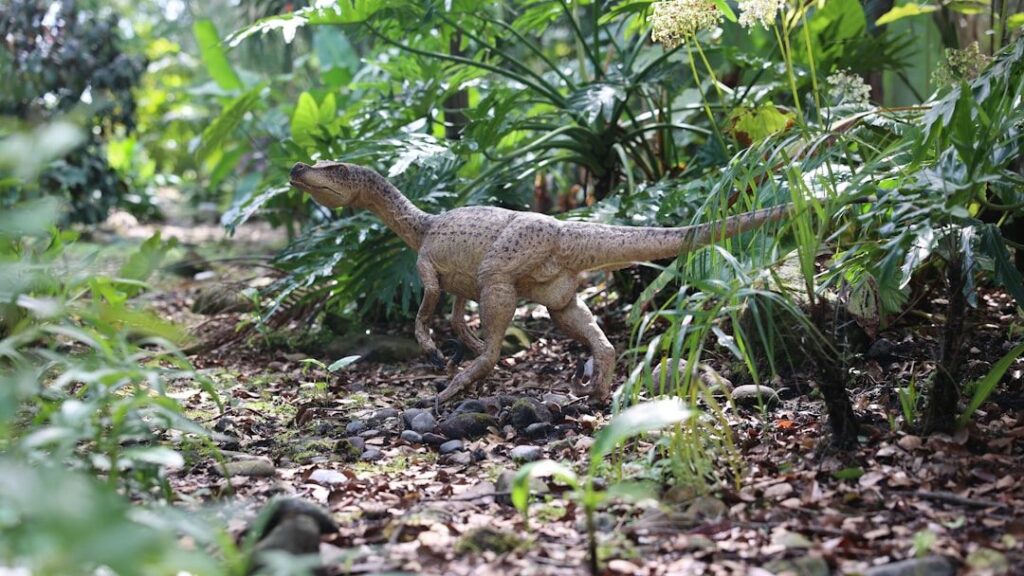
When you think about dinosaurs, your mind probably conjures images of colossal beasts stomping through ancient landscapes. Tyrannosaurus rex with its bone crushing jaws. Massive sauropods shaking the earth with each step. Yet beneath this world of giants, a completely different story was unfolding across what would one day become Texas. Smaller dinosaurs were quietly carving out their own niches, adapting, surviving, and sometimes thriving in ways their larger cousins never could.
Texas has had 21 of the 300 known dinosaur species discovered across the state, from the Panhandle to Big Bend. While the massive creatures often steal the spotlight, it’s the smaller, less celebrated species that reveal something fascinating about survival and adaptation. These were the resourceful ones, the opportunists who found ways to make it work when conditions got tough. Let’s dive into their world and discover what made these unsung heroes so remarkably successful.
When Giants Ruled and Small Meant Smart
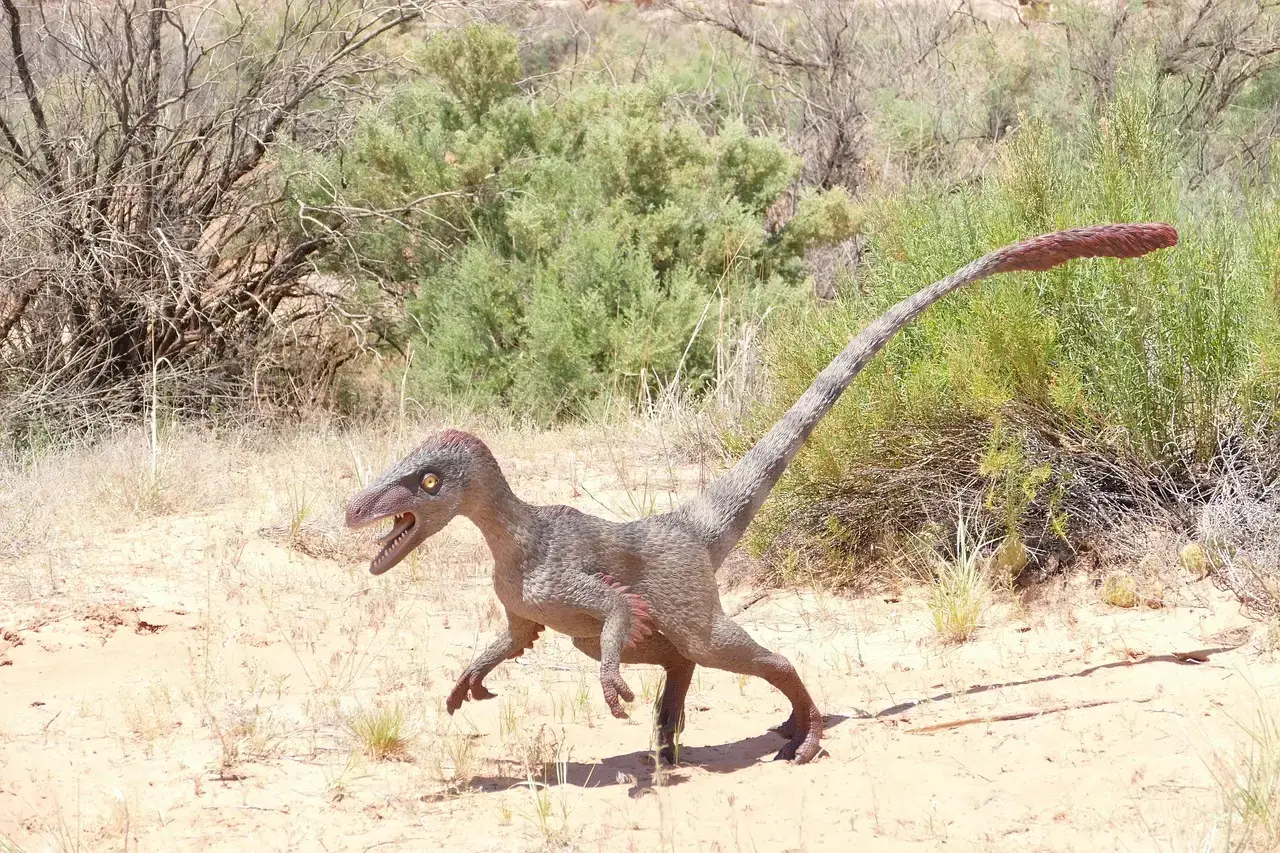
The oldest batch of Texas dinosaurs lived from about 225 to 220 million years ago, with fossils found in Late Triassic rocks in the Panhandle region. Back then, the landscape looked nothing like modern Texas. That area was part of a tropical inland basin surrounded by mountains, with tall pine like evergreen trees and cycads growing on well drained soils.
In this ancient ecosystem, being small wasn’t a disadvantage. Smaller dinosaurs moved faster, needed less food, and could hide from predators in places larger animals simply couldn’t reach. Think about it like this: when you’re competing for resources with creatures that weigh several tons, sometimes the best strategy is to go where they can’t follow. Small dinosaurs exploited ecological niches that giants overlooked entirely.
Technosaurus: The Tiny Survivor of West Texas
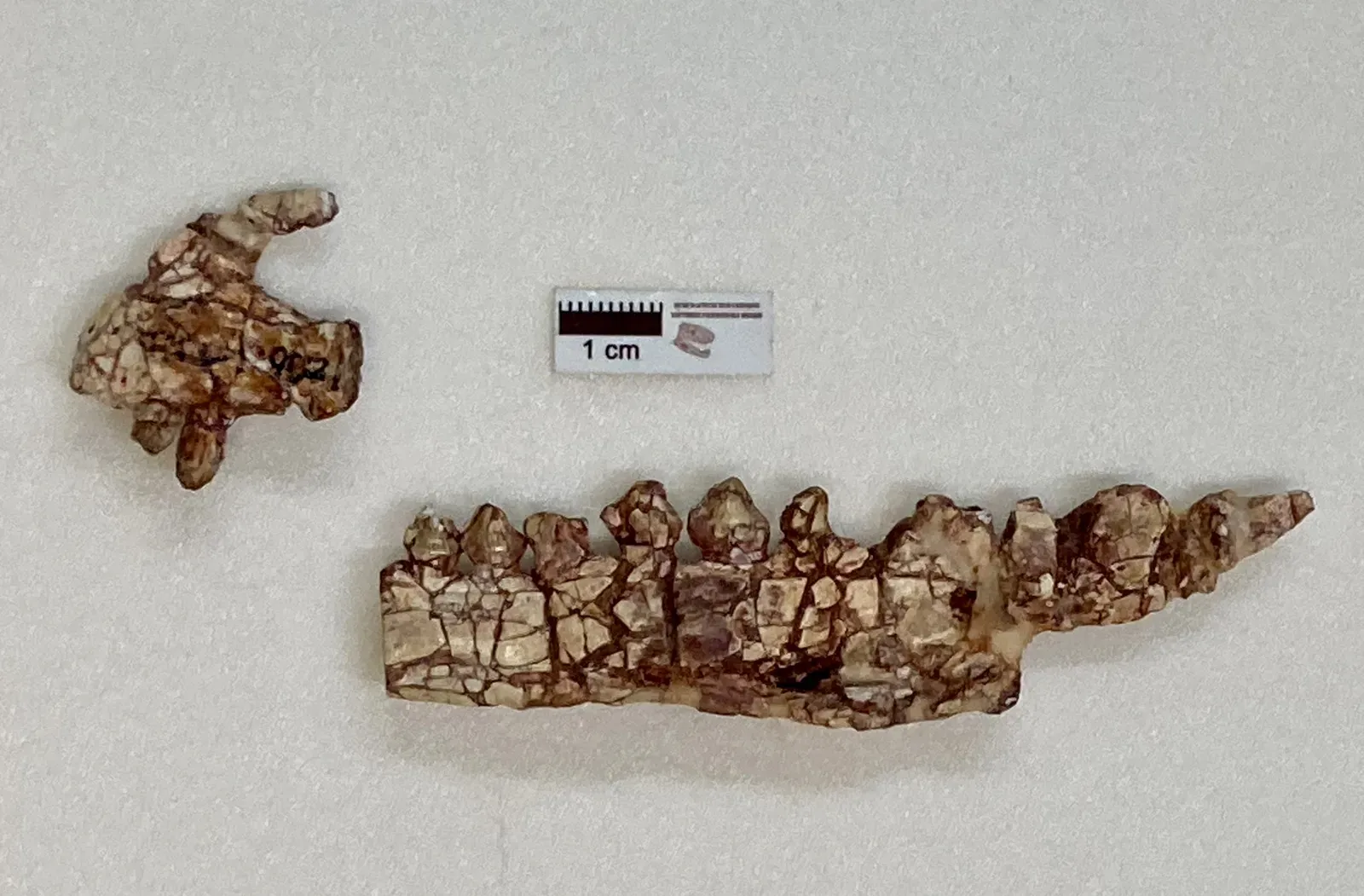
Technosaurus, meaning techno lizard because it was found near Texas Tech University, was no longer than a large dog. Honestly, that’s about the size of a golden retriever, which makes you wonder how something so modest in stature managed to survive in a world filled with massive predators.
It had ridged teeth for cutting up the plants it ate and browsed on all fours but ran on its hind legs. This dual locomotion strategy gave Technosaurus a serious advantage. When feeding peacefully, it could stay low and inconspicuous. When danger approached, it could bolt upright and sprint away at impressive speeds. The main enemies were the meat eating dinosaur Coelophysis and the large reptile Postosuchus, so having an escape plan wasn’t just helpful, it was essential for survival.
The Border Collie Sized Mystery from North Texas
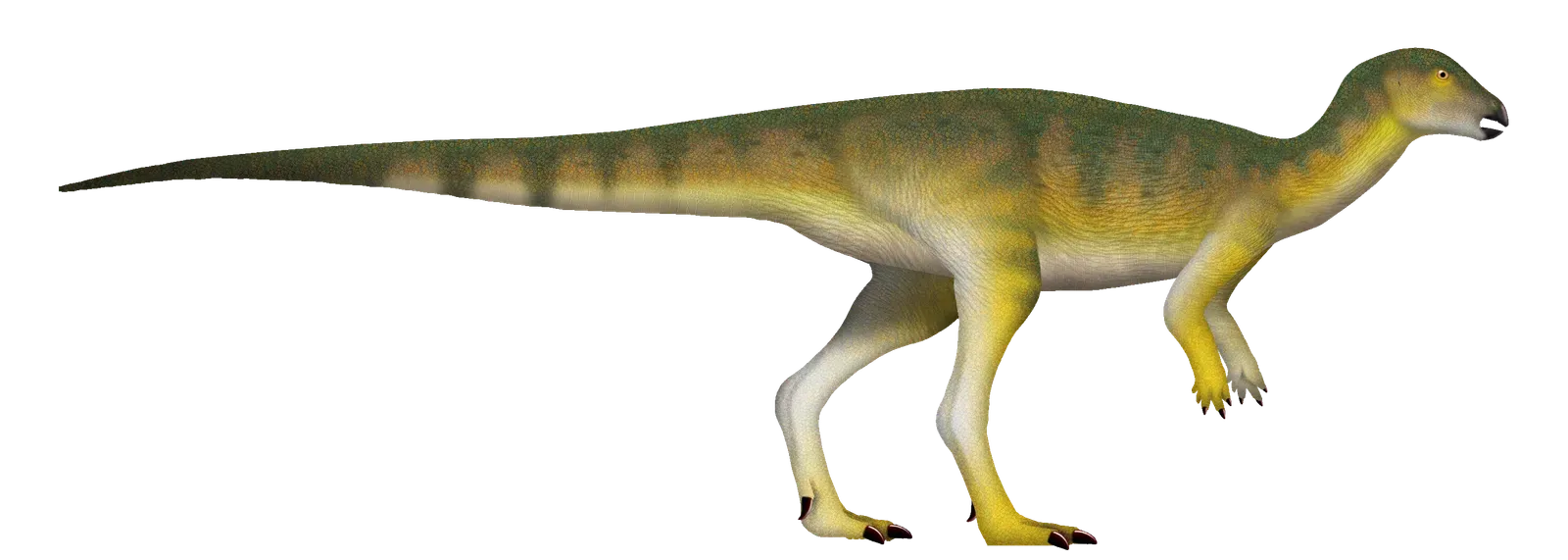
Fast forward millions of years to the Cretaceous period. Paleontologists from the Perot Museum discovered a new herbivorous dinosaur around the size of a border collie, weighing between 20 and 60 pounds. This small plant eater, discovered near Lake Grapevine, lived approximately 96 million years ago.
What’s remarkable here is that this discovery of the first small plant eating dinosaur in North Texas may shed light on the ecology of the area during this geological period, as the fossil record has been sparse. For decades, scientists had incomplete pictures of Texas ecosystems because so much attention went to the big specimens. This little herbivore helps fill in the gaps, showing us that diverse communities of different sized animals coexisted. Initially, paleontologists investigating the area thought the bone belonged to a small crocodile but soon discovered it was the remains of a whole new species of dinosaur.
Tenontosaurus: Small by Comparison but Mighty in Impact
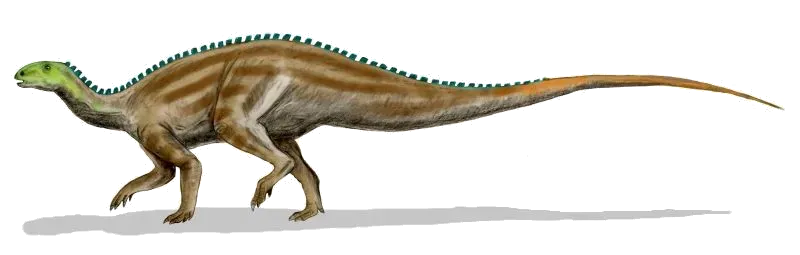
Tenontosaurus is a genus of iguanodontian ornithopod dinosaurs that lived in North America during the Early Cretaceous, around 115 million years ago. While not exactly tiny, Tenontosaurus was considerably smaller than the sauropods that dominated many ecosystems. Recently, fossils identified as belonging to Tenontosaurus were discovered while conducting unrelated fieldwork at Indio Mountains Research Station near Van Horn, Texas.
Due to its strong sinewy tail, Tenontosaurus is known as the sinew lizard, and it probably utilized its extremely long deep tail as a flail to fend off predators. Here’s the thing: smaller dinosaurs had to be creative about defense. They couldn’t simply rely on massive size to intimidate threats. Instead, species like Tenontosaurus developed specialized weapons and behaviors. That tail wasn’t just for balance; it was a defensive tool that could deliver serious damage to an attacking predator. This finding suggests that Tenontosaurus may have adapted to a wider range of environmental conditions than previously thought.
Flexible Diets and Survival Strategies
Let’s be real: being picky about food is a luxury small dinosaurs couldn’t afford. Omnivorous dinosaurs had higher survival rates during periods of environmental stress, as when droughts reduced vegetation they could turn to animal sources, and when prey was scarce plants saved the day.
This dietary flexibility gave smaller species a tremendous advantage over specialists. While giant herbivores needed vast quantities of specific plants and massive carnivores required regular access to large prey, smaller omnivores could make do with whatever was available. Seeds, insects, small reptiles, eggs, fruits, roots – nothing was off the table. An omnivorous diet allowed these dinosaurs to colonize a greater variety of habitats, settling in transition zones, mixed forests or even more arid areas. It’s hard to say for sure, but this adaptability probably explains why certain small dinosaur lineages persisted for millions of years while larger, more specialized species came and went.
Speed, Agility, and the Art of Not Being Eaten
Survival in the Mesozoic wasn’t just about finding food. It was equally about not becoming food yourself. Smaller dinosaurs couldn’t overpower predators through brute strength, so they evolved other solutions. Speed ranked among the most valuable assets.
Picture this: you’re a small herbivore grazing in ancient Texas when suddenly a predator appears. Your options are limited. Fighting is suicidal. Hiding works only if you spot danger early enough. Running, however, running might save you. Smaller dinosaurs often had proportionally longer legs and lighter frames than their massive relatives, allowing for rapid acceleration and agile maneuvering. They could dart between rocks, dodge through dense vegetation, and change direction with startling quickness. In essence, they turned the landscape itself into a defensive tool. The faster and more nimble you were, the better your odds of seeing another sunrise.
Hidden in Plain Sight: Ecological Niches Nobody Else Wanted
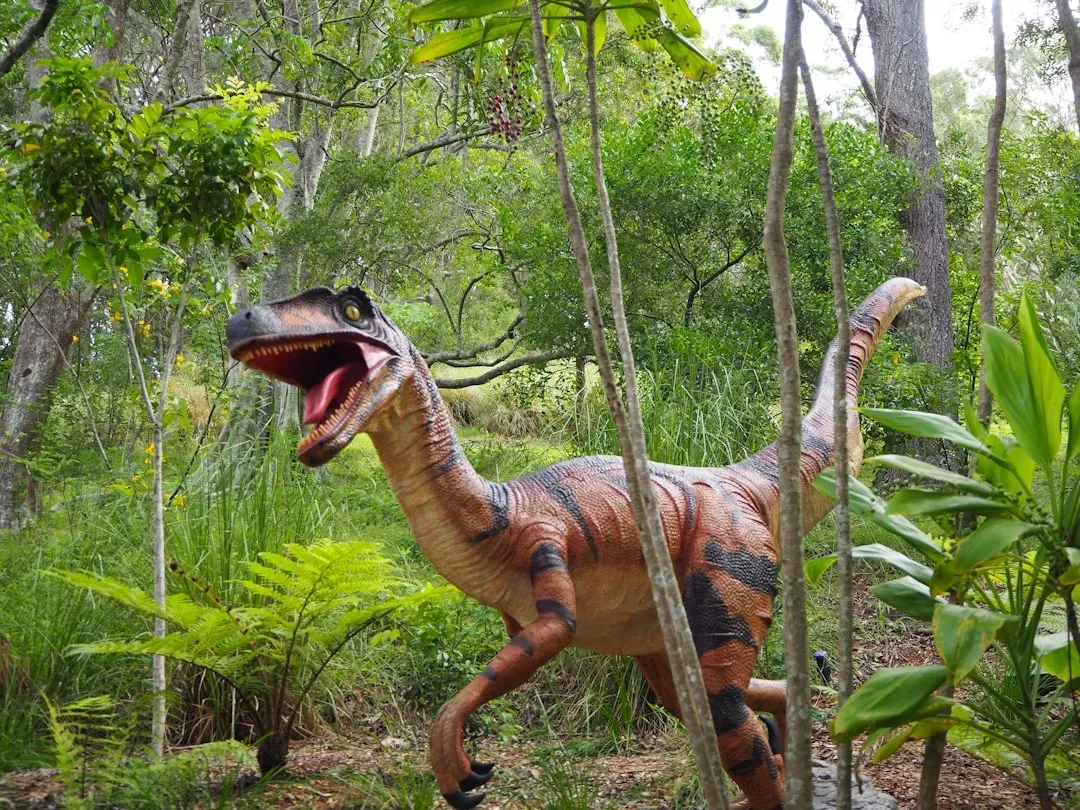
Their habitat ranged from marshy tidal flats to brackish estuaries and streams near the sea’s edge that moved back and forth over millions of years. Small dinosaurs thrived in these transitional zones precisely because larger animals found them less appealing or simply couldn’t access them effectively.
Think about modern ecosystems for comparison. You’ll find small mammals thriving in environments where larger animals struggle: dense underbrush, rocky outcrops, narrow cave systems. Ancient Texas offered similar opportunities. During the Cretaceous, most of Texas was covered by a large inland sea that split North America in two, and about 110 million years ago Acrocanthosaurus walked across an ancient shoreline in what is now San Antonio. These shifting coastlines created constantly changing habitats where smaller, more adaptable species could establish themselves before conditions shifted again. It was a world made for opportunists.
The Legacy of Small Survivors
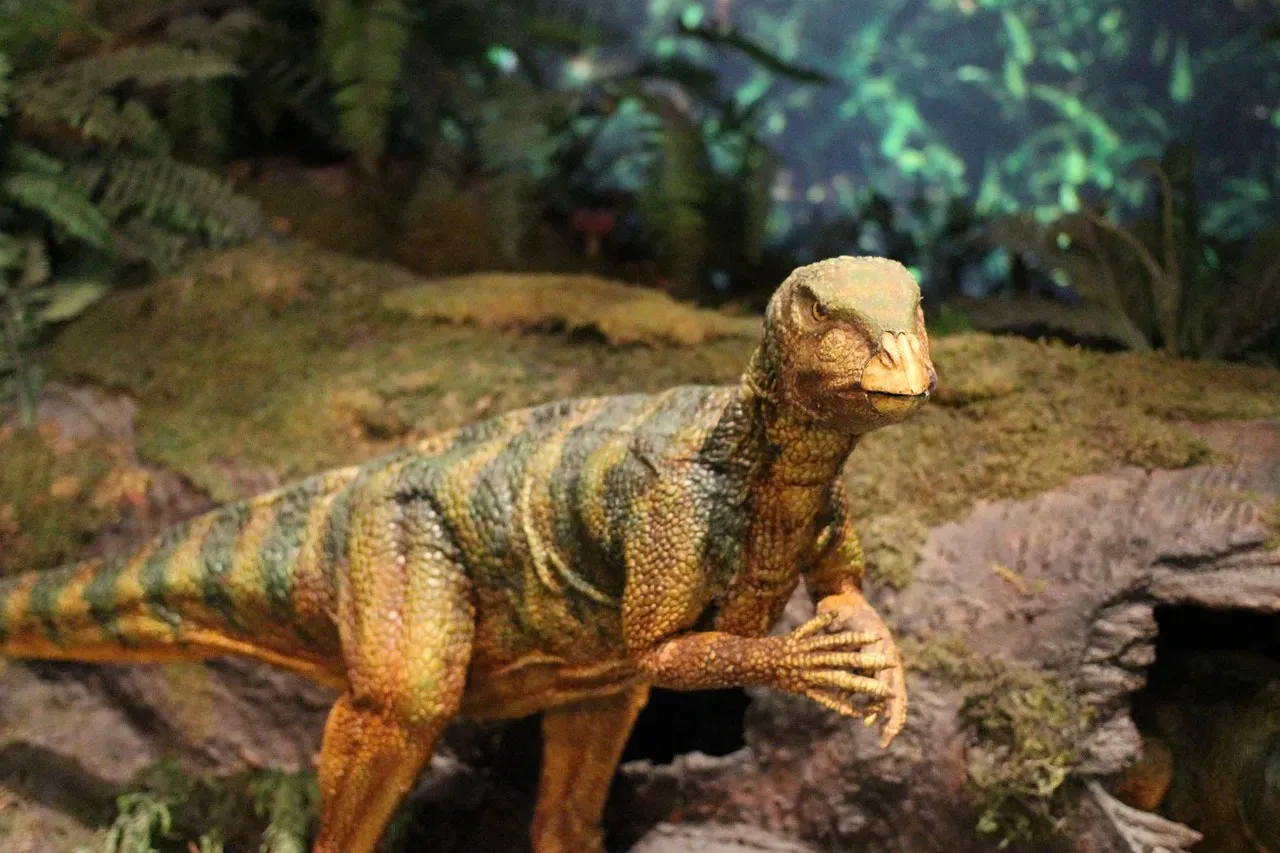
Here’s something that might surprise you: Birds are the only dinosaurs to survive the mass extinction event 65 million years ago, as avian dinosaurs survived and flourished. Notice a pattern? The survivors weren’t the giants. They were the small, adaptable, resourceful species that could adjust when disaster struck.
No land animal larger than fifty pounds lived to cross that boundary when the asteroid impact ended the Cretaceous period. The massive dinosaurs that once dominated Texas vanished entirely. Yet their smaller relatives, the ancestors of modern birds, found ways to persist. They could shelter more easily, needed less food during the catastrophic environmental collapse, and adapted faster to new conditions. Small size, it turns out, was the ultimate insurance policy against extinction. These unsung heroes of ancient Texas teach us that survival isn’t always about being the biggest or the strongest. Sometimes it’s about being smart enough, fast enough, and flexible enough to make it through when everything else fails.
So what do you think about these remarkable little survivors? Did you expect that the smallest dinosaurs would turn out to be the most successful in the long run?