
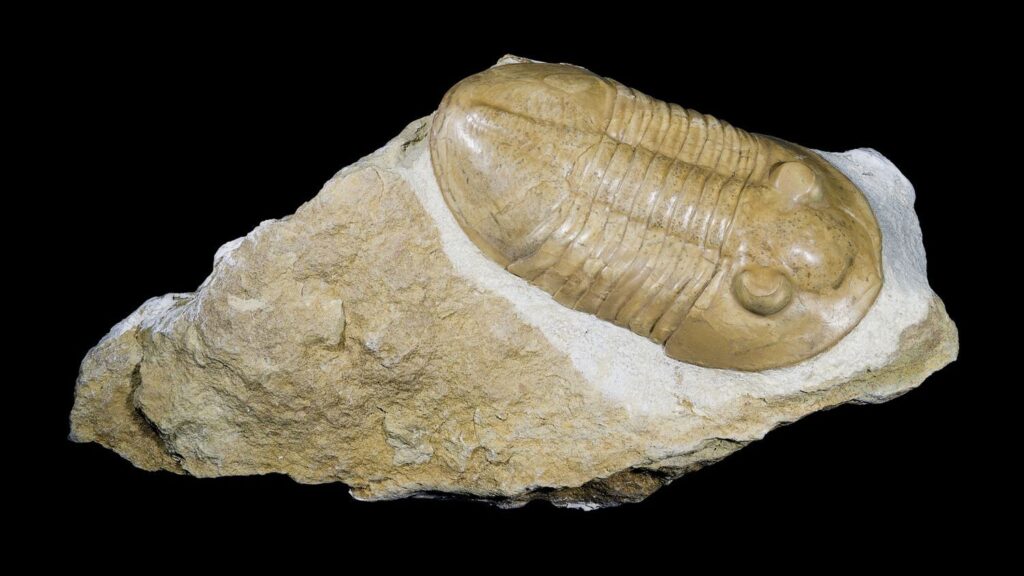
You ever think about what was here before us? Long before cities, highways, or even mountains stood where they stand today, North Carolina was a completely different world. Imagine stepping back in time to find yourself standing at the edge of an ancient ocean teeming with monstrous sharks, or walking through swamps where armored reptiles stalked their prey. Sounds like something from a fantasy novel, right?
The truth is, these creatures really lived here. They left behind their stories carved in stone, waiting patiently for millions of years for someone to discover them. Fossils scattered across the state tell a fascinating tale, revealing layer by layer what once was. From microscopic sea creatures to massive predators, North Carolina’s prehistoric past is far more thrilling than you might expect.
Ancient Seas and the Birth of North Carolina’s Fossil Record
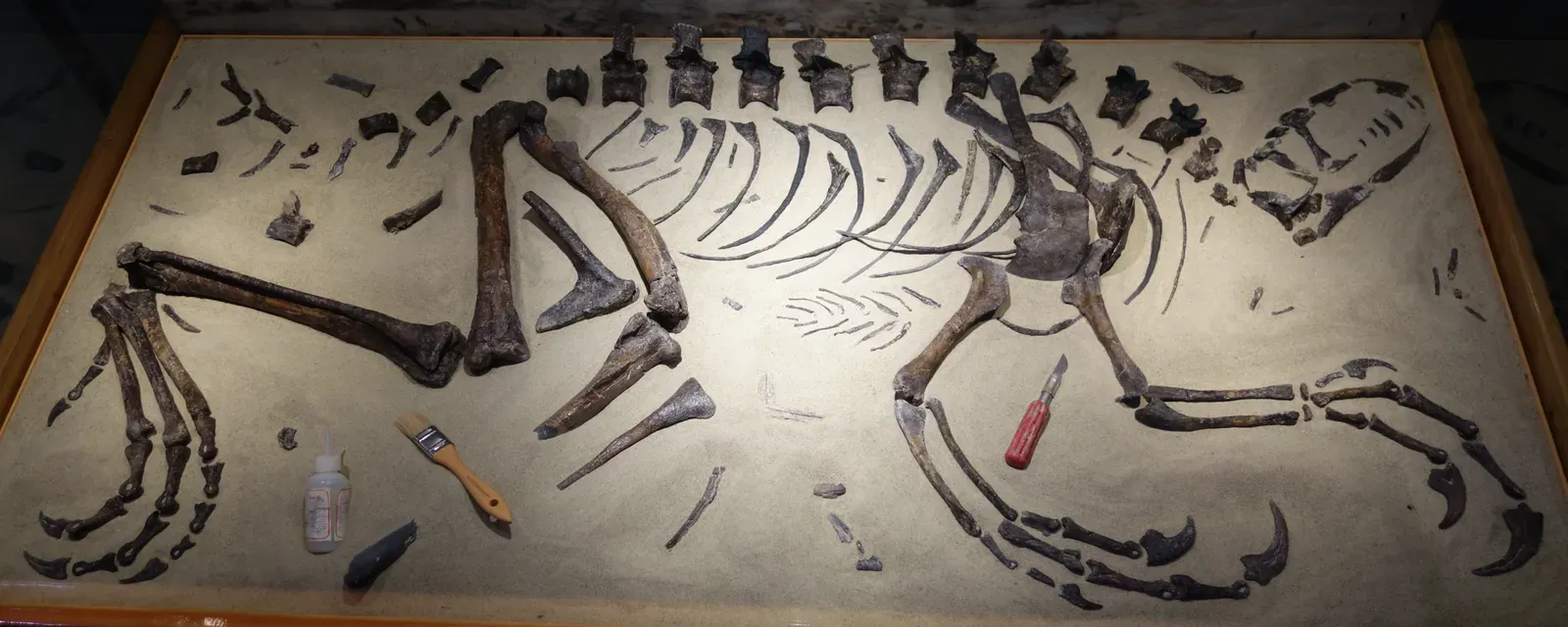
Roughly six hundred million years ago, North Carolina was covered by a warm shallow sea that was home to corals, jellyfish, and Pteridinium. Honestly, it’s hard to picture when you’re standing in the middle of Charlotte or driving through the Piedmont. Yet the evidence is there, locked in rock formations throughout the state.
Stanly County has what is probably the oldest fossils in the state, from the Eocambrian Period and more than 600 million years old, including corals and jellyfish. These ancient life forms are among the oldest large fossils in the world. Think about that for a second. You can hold in your hand a remnant of life that existed when Earth was barely recognizable.
Triassic Giants and the Age of Reptiles
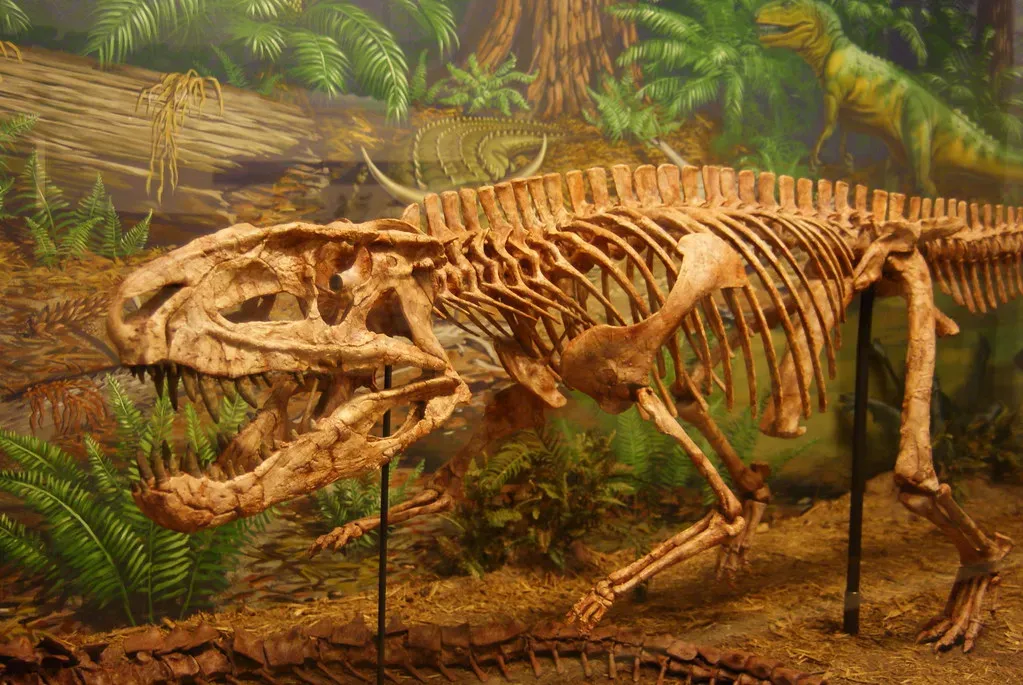
Fast forward to around two hundred thirty million years ago, and the landscape had transformed completely. By the Triassic, North Carolina had a terrestrial environment where local bodies of freshwater were inhabited by invertebrates and fishes while conifers and cycads grew on land, and dinosaurs and other kinds of prehistoric reptiles lived in the area. Imagine stumbling across footprints left by creatures that haven’t walked the earth in eons.
Some 230 million years ago, a distant relative of the crocodile called an aetosaur roamed prehistoric Earth, about three to fifteen feet long and covered head to toe with bony plates that served as a type of body armor, and a recently discovered species from North Carolina had a distinctive ring of armor around the reptile’s neck. These armored reptiles left behind incredible fossil evidence. During the Civil War, Confederate coal miners uncovered many Triassic fossils while digging for resources to fuel the war effort.
The Cretaceous Coast: When Dinosaurs Walked Among Us
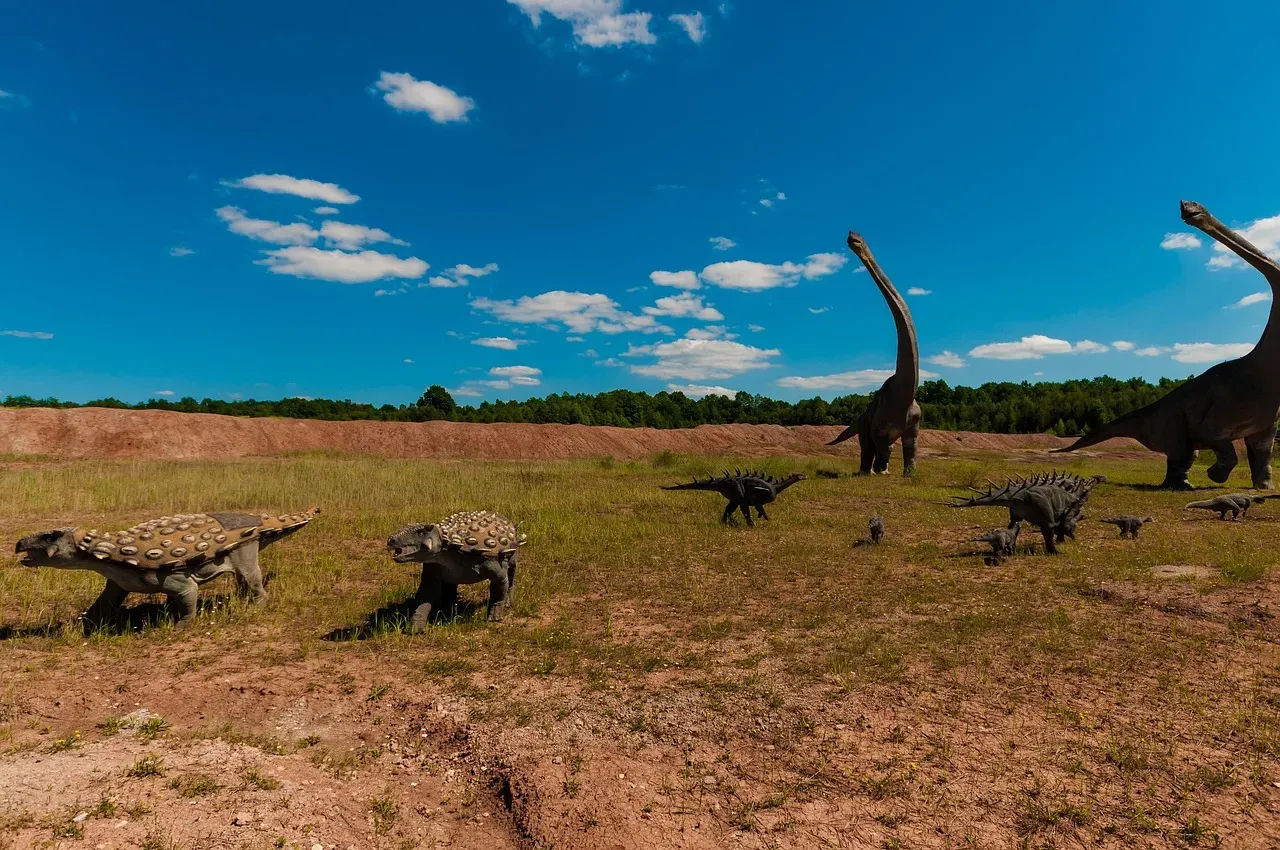
Here’s where things get really interesting. During the Late Cretaceous period, the eastern portion of the state consisted of low floodplains and swamps, where carcasses occasionally became bogged down in sediments and eventually were fossilized. North Carolina had its own dinosaurs, though fossil evidence is frustratingly sparse.
Around 1869, North Carolina’s first known dinosaur fossils were discovered by Washington Caruthers Kerr in a Sampson County marl pit, and Edward Drinker Cope described the dinosaur remains as Hypsibema crassicauda. This duck-billed dinosaur remains mysterious because, oddly enough, researchers have never found two bones from the same animal at any site. The fossils are weathered and worn, scattered like puzzle pieces across ancient creek beds.
Aurora: The Fossil Capital of the World
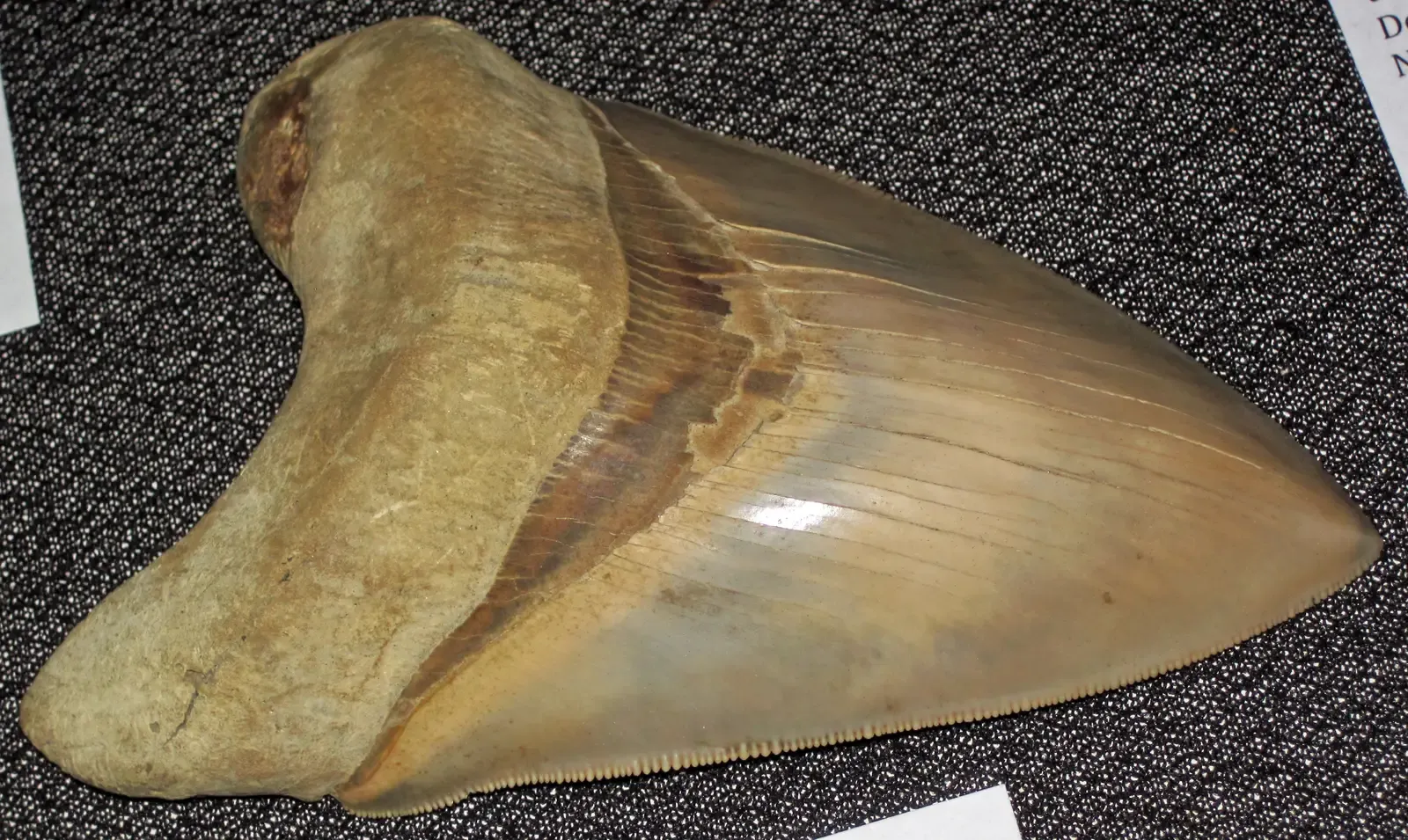
Aurora, North Carolina, with a population of 490, is in Beaufort County in the eastern part of the state, and twenty million years ago, the area was underwater with prehistoric sharks, whales and seals swimming around. This tiny town has become legendary among fossil enthusiasts. Let’s be real, it’s almost absurd that such a small place holds such massive importance.
The most famous fossil site in North Carolina is a huge marl pit near Aurora in Beaufort County, famous for huge shark teeth, with other fossils including sea shells, sand dollars and sea urchins, coral, fish material and large mammal bone such as whale and seal vertebra. The phosphate deposit was discovered by Texas Gulf, a sulfur mining company from Texas, in 1955. The mining operations inadvertently unlocked a treasure trove of ancient marine life, bringing fossils to the surface for anyone willing to dig through the piles.
Megalodon: The Terror Beneath the Waves
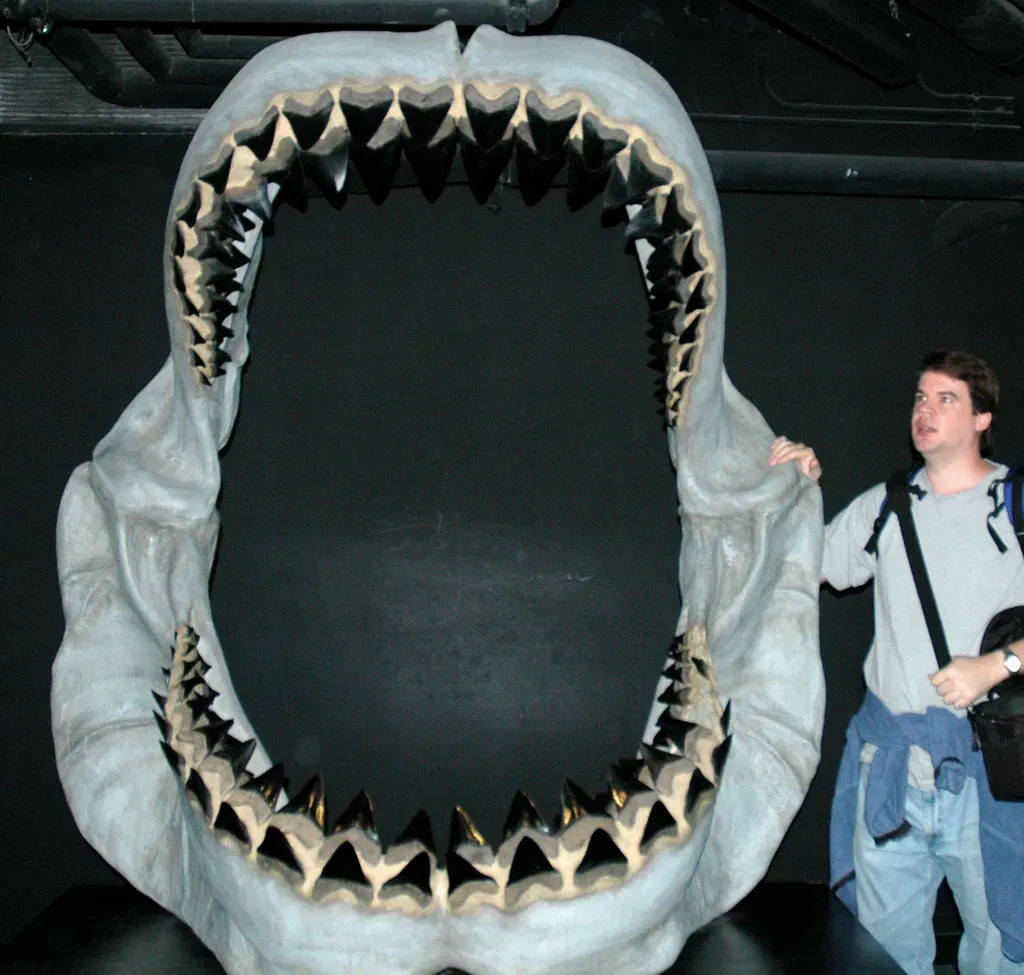
You’ve probably heard of the megalodon, that absolutely massive prehistoric shark. Well, North Carolina is one of the best places on Earth to find its teeth. Wilmington, North Carolina, is one of a few places in the world where you can find the Megalodon teeth in those numbers, and the teeth have been found all over the world, but not in the concentrations found here. These aren’t just small souvenirs either.
The teeth are made of a bone-like substance and can be found fossilized on North Carolina beaches and off the coast, with megalodon teeth as large as six to seven inches long. I’ve held one before, and the weight and size are genuinely unnerving. Divers travel from twenty-six to forty miles off the coast of Wrightsville Beach to areas concentrated for the teeth of these prehistoric sharks, which went extinct about two million years ago. These underwater sites are actually ancient riverbeds now more than one hundred feet below the surface.
Hidden Treasures Along Rivers and Coastal Plains
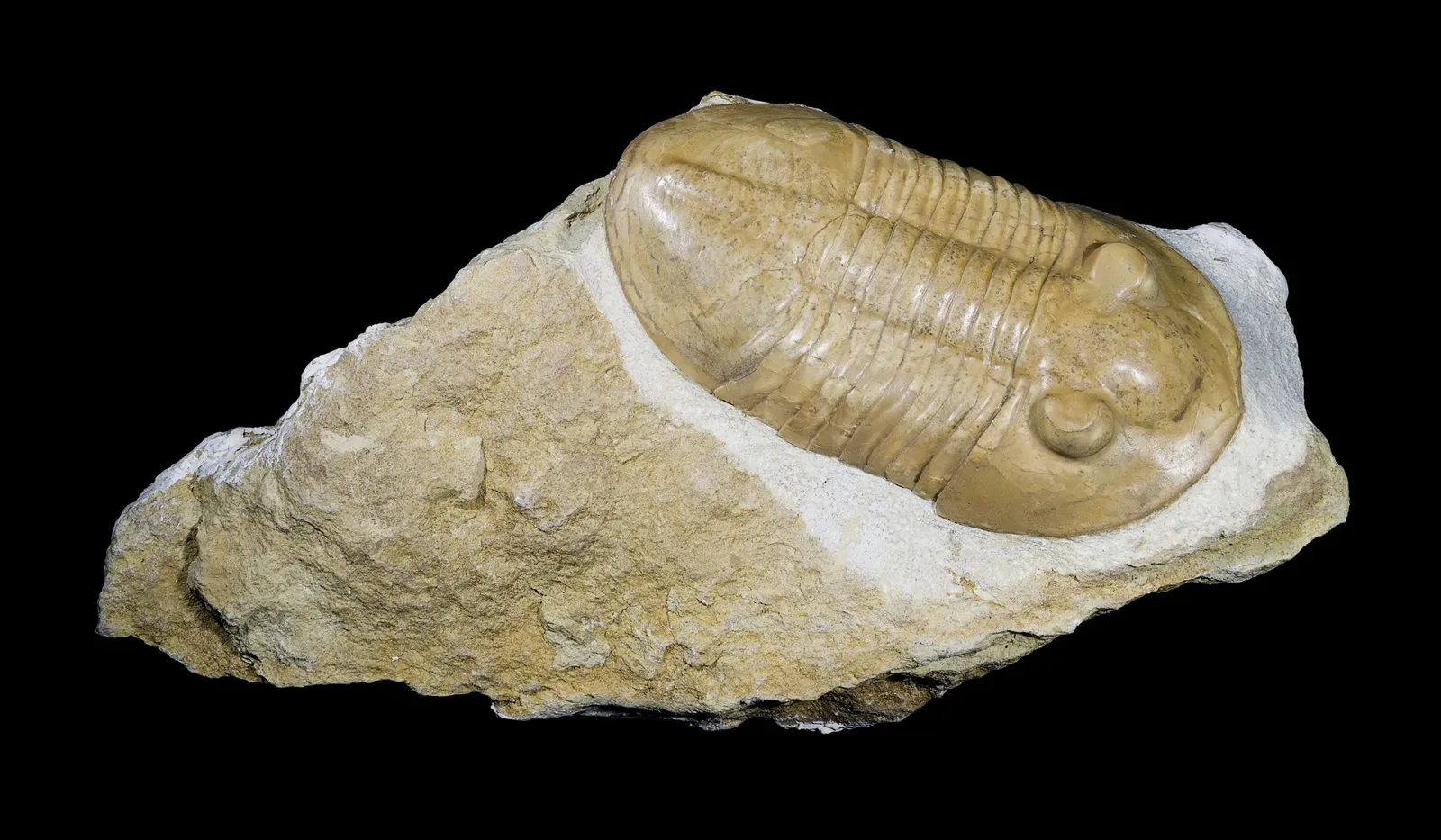
You don’t need to be a professional paleontologist or even a diver to find fossils in North Carolina. Almost every major river and creek east of Interstate 95 has exposures where fossils can be found. That’s right, your local creek might be hiding million-year-old secrets just beneath the surface.
Mammoth bones have been found in Carteret, Pamlico, and New Hanover Counties, and mastodons from Carteret, Edgecombe, Nash, Craven, Jones, Pamlico, Onslow, Duplin, Wayne, Pender, New Hanover, and Brunswick Counties. Think about that next time you’re hiking along the Cape Fear or Tar River. You might be walking over the remains of ice age giants. The gravel and marl pits of North Carolina are also known for their abundant fossils, making them popular spots for amateur collectors.
Preserving the Past for Future Generations
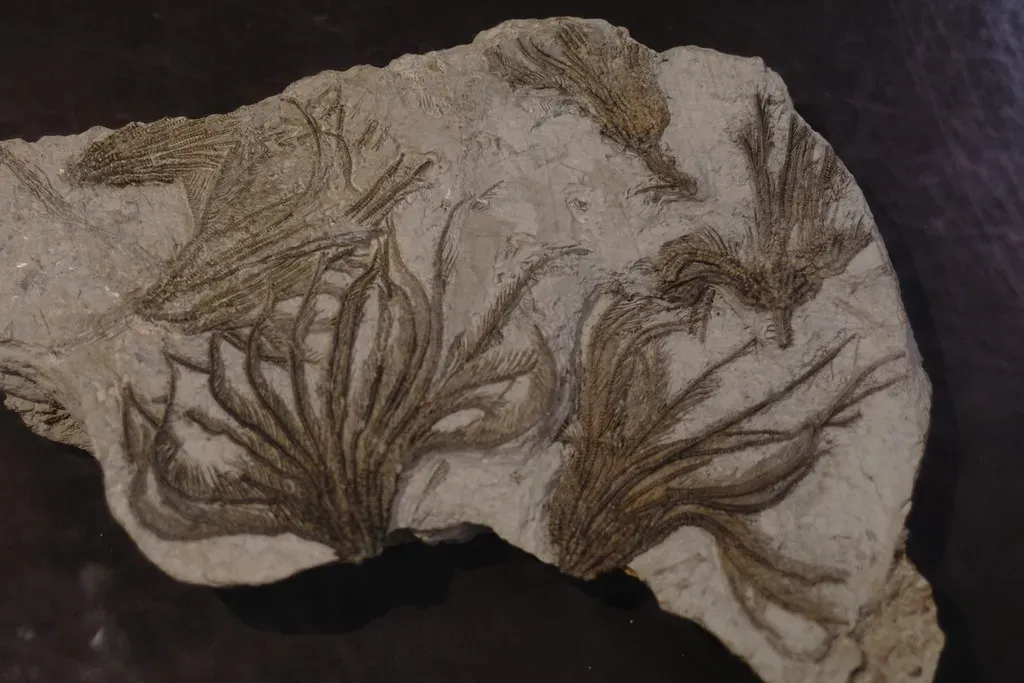
Fossils aren’t just cool rocks. They’re windows into worlds that existed long before humans walked the Earth. North Carolina has taken its fossil heritage seriously. The fossilized teeth of the megalodon shark is adopted as the official fossil of the State of North Carolina, thanks to a project initiated by middle school students in Newport.
The Aurora Fossil Museum houses a rich collection of fossils from the Miocene Epoch to the Pleistocene Epoch, and also houses the largest collection of Miocene-era whale fossils in the world. Museums across the state work tirelessly to educate the public. The North Carolina Fossil Club is a non-profit corporation founded in 1977 with over 300 members, formed to engage in and support the study, enjoyment, and collection of fossils. These organizations ensure that knowledge isn’t lost, that ancient stories continue to be told.
Conclusion
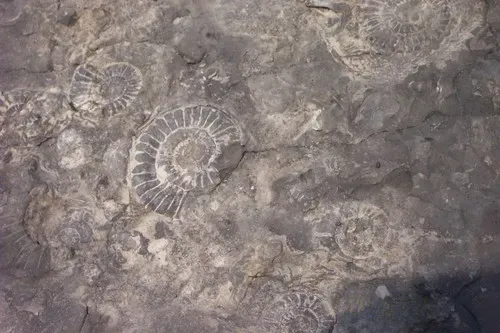
North Carolina’s fossil record is nothing short of extraordinary. From ancient seas filled with jellyfish to swamps patrolled by armored reptiles, from dinosaur bones scattered in creek beds to massive megalodon teeth lying offshore, this state has witnessed incredible transformations across hundreds of millions of years. The fossils we find today are more than scientific curiosities. They connect us to deep time, reminding us that our world is constantly changing, that what seems permanent is temporary, and that life has always found a way to adapt and thrive.
Next time you walk along a North Carolina beach or explore a river bank, keep your eyes open. You might just stumble upon a piece of history that’s been waiting millions of years for you to find it. What secrets do you think still lie hidden beneath your feet?