

Stargazers marked 2026’s celestial calendar with 13 full moons, featuring supermoons, a blue moon, and two lunar eclipses that drew eyes skyward worldwide.
A Supermoon Launched the Year’s Lunar Show
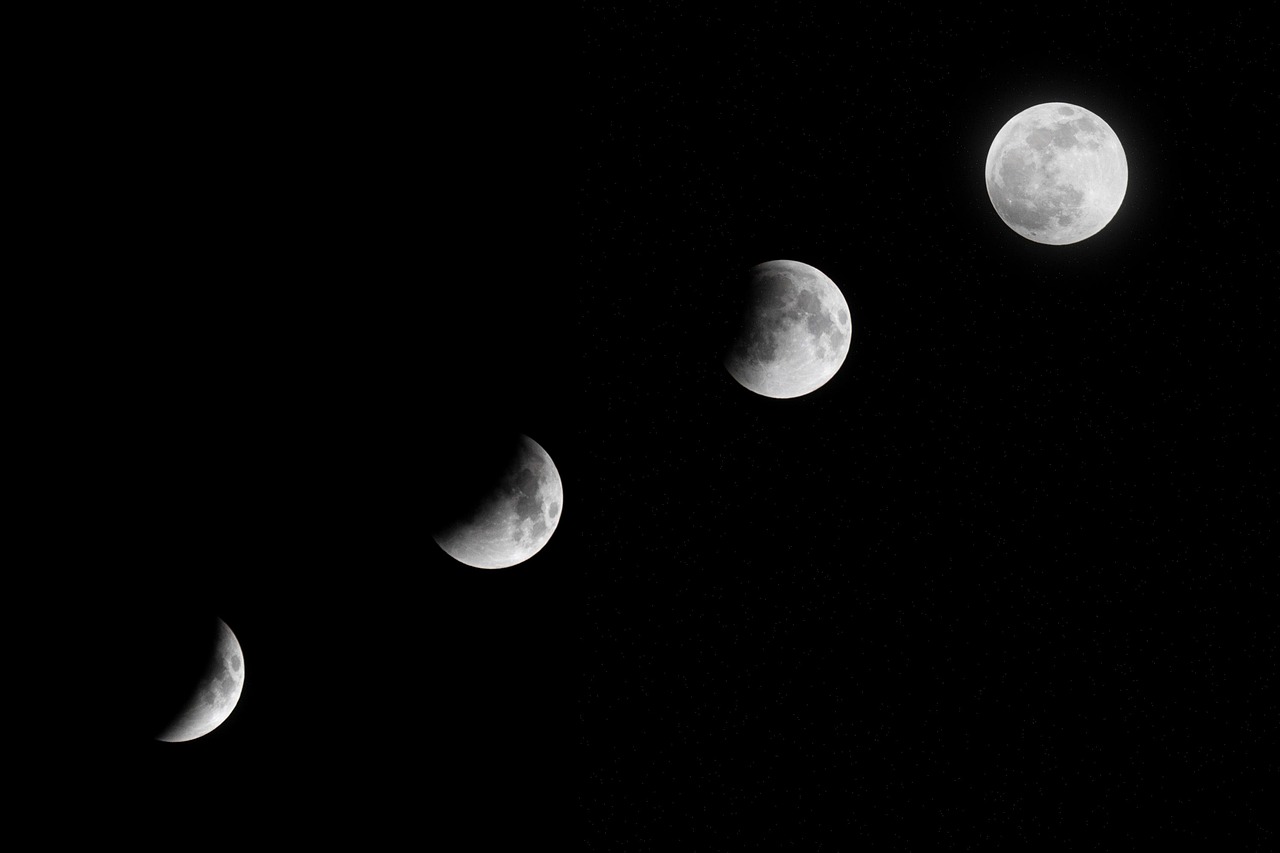
A Supermoon Launched the Year’s Lunar Show (Image Credits: Pixabay)
The Wolf Moon on January 3 rose as a supermoon, appearing larger and brighter than usual because the Moon reached its closest point to Earth during the full phase. This event set the tone for a year rich in lunar highlights. Observers noted the Moon’s glow influenced spring tides, pulling oceans into higher highs and lower lows due to the aligned gravitational forces of Sun, Earth, and Moon. Traditional names like Wolf Moon trace back to Native American, Colonial American, and European sources, reflecting seasonal changes such as winter hunger for wolves.
Your Complete 2026 Full Moon Schedule
Astronomy Magazine detailed every full moon in Eastern Time, providing precise peak illumination moments.Astronomy.com
| Date | Time (ET) | Name and Highlights |
|---|---|---|
| January 3 | 5:03 a.m. | Wolf Moon (supermoon) |
| February 1 | 5:09 p.m. | Snow Moon |
| March 3 | 6:38 a.m. | Worm Moon (total lunar eclipse) |
| April 1 | 10:12 p.m. | Pink Moon |
| May 1 | 1:23 p.m. | Flower Moon |
| May 31 | 4:45 a.m. | Blue Moon |
| June 29 | 7:57 p.m. | Strawberry Moon |
| July 29 | 10:36 a.m. | Buck Moon |
| August 28 | 12:19 a.m. | Sturgeon Moon (partial lunar eclipse) |
| September 26 | 12:49 p.m. | Corn Moon |
| October 26 | 12:12 a.m. | Hunter’s Moon |
| November 24 | 9:54 a.m. | Beaver Moon (supermoon) |
| December 23 | 8:28 p.m. | Cold Moon (supermoon) |
Each full moon lasts about three days in appearance, spanning a 29.5-day synodic cycle from new moon through phases like waxing gibbous to waning crescent.
Standout Events Steal the Spotlight
May delivered a seasonal surprise with two full moons: the Flower Moon on May 1 and the Blue Moon on May 31, the latter defined as the second full moon in a calendar month. Lunar eclipses added drama, as Earth’s shadow darkened the Worm Moon entirely on March 3 and partially veiled the Sturgeon Moon on August 28. Three supermoons – Wolf, Beaver, and Cold – intensified the visual impact near perigee. These events occurred roughly every 2.7 years for blue moons and aligned with the Moon’s elliptical orbit for supermoons.
Tips to Catch the Best Lunar Displays
Full moons shine brightest near the horizon, often tinged orange from atmospheric scattering; seek open views away from city lights for clearest sights.
Check local times by adjusting from Eastern Time, and use apps or charts for pairings like the Moon near planets. Binoculars enhance crater details during totality or nearness.
- Plan around moonrise for dramatic effects against twilight.
- Avoid full moon for deep-sky observing, as its light washes out faint stars.
- Track tides if coastal, noting amplified highs and lows.
- Join star parties for eclipses to share the spectacle.
- Photograph with wide-angle lenses at blue hour.
Key Takeaways
- 2026 hosts 13 full moons, three supermoons, one blue moon, and two eclipses.
- Times listed in ET; convert for your timezone.
- Traditional names evoke nature’s rhythms, from snows to harvests.
2026’s full moons reminded us of the sky’s reliable beauty amid earthly changes – grab a telescope and join the ancient ritual of moon gazing. What full moon event excited you most this year? Tell us in the comments.