
South Dakota doesn’t just boast iconic landmarks like Mount Rushmore. Beneath its rugged terrain lies a treasure trove of ancient secrets that have captivated scientists and dinosaur enthusiasts for decades. The fossils discovered in this state have fundamentally changed our understanding of prehistoric life.
From massive predators to armored herbivores, the remnants of these creatures continue to tell stories that are millions of years old. What makes these discoveries particularly fascinating is that many were found by ordinary people, not just professional paleontologists. Let’s dive in and explore what these ancient bones have been whispering to us across the millennia.
Sue the T. Rex Changed Everything About Dinosaur Science
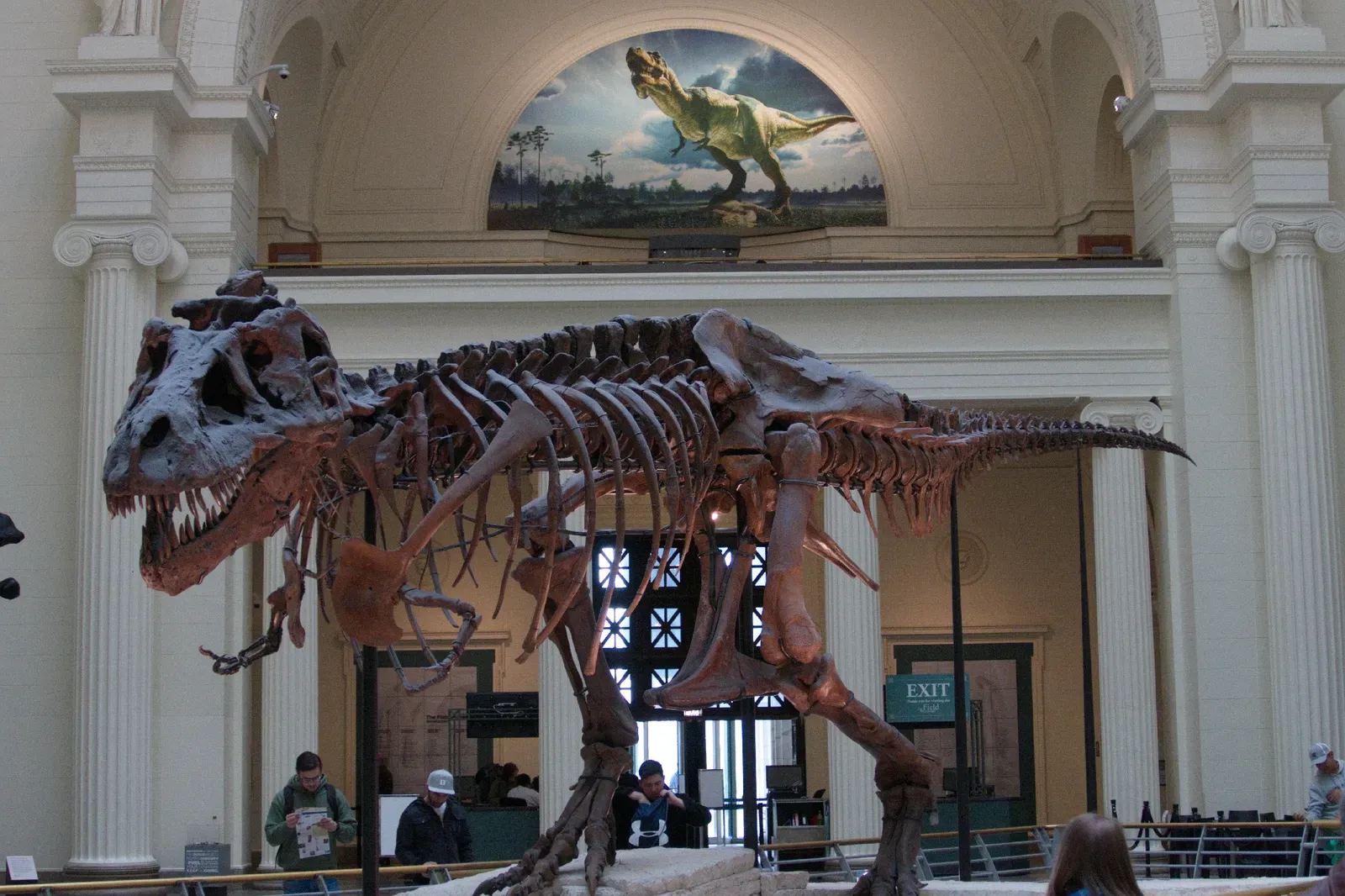
Sue Hendrickson discovered the T. rex specimen on August 12, 1990, near Faith, South Dakota, making it one of the most complete and best-preserved Tyrannosaurus rex fossils ever found. Here’s the thing: this wasn’t just another fossil find. Sue was determined to be roughly about 90 percent complete by bulk, and around 73 percent complete counting the elements, which is extraordinary for any dinosaur specimen.
Sue was the first T. rex skeleton to be discovered with a wishbone, a crucial discovery that provided support for scientists’ theory that birds are a type of living dinosaur. The skeleton also revealed that Sue was approximately 28 to 33 years old at the time of death, making it the oldest known T. rex specimen currently published. During its life, Sue suffered from several injuries, including a damaged right shoulder blade, a torn tendon in the right arm most likely due to a struggle with prey, and three broken ribs that subsequently healed.
The Hell Creek Formation Is a Dinosaur Goldmine
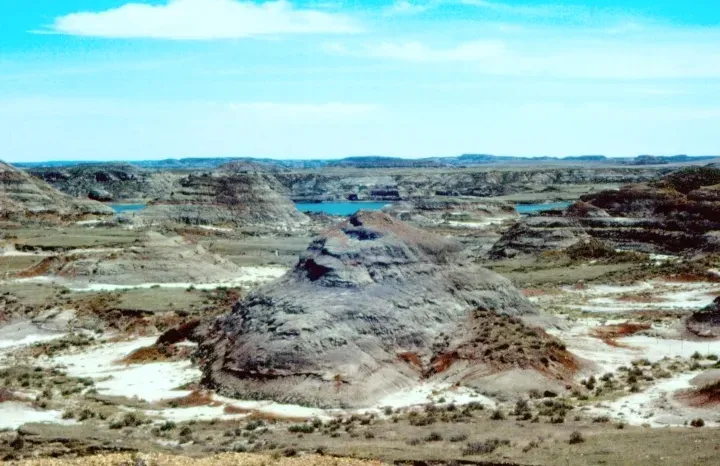
The Hell Creek Formation, which spans South Dakota, Montana, and Wyoming, has produced some of the most important dinosaur fossils ever discovered. Think of it as nature’s filing cabinet for the final chapter of the dinosaur era. The Hell Creek is one of the most famous dinosaur bearing formations in the world, a late Cretaceous formation that contains the KT boundary, which marks the extinction of the dinosaurs.
The sedimentary layers of the Hell Creek Formation preserve bones, teeth, and footprints from a time when towering plants and dinosaurs roamed a much warmer, more humid Earth. Fossils in the formation include the remains of plants, dinosaurs, and many small Cretaceous mammals, with the rich dinosaur fauna including theropods such as Tyrannosaurus, pachycephalosaurs, ornithopods, ankylosaurs, and ceratopsians such as Triceratops. What’s remarkable is that this formation continues to yield new discoveries year after year.
Triceratops Became South Dakota’s Official State Fossil for Good Reason
In 1988, the South Dakota state legislature designated the dinosaur Triceratops horridus as their state fossil. This decision wasn’t arbitrary. The iconic, horned dinosaur Triceratops is one of the most common dinosaur fossils in the Hell Creek Formation that outcrops in South Dakota, with many specimens of this large, rhinocerous looking herbivore discovered in the state.
The Triceratops skeleton was discovered in Harding County in 1927 and is now on display in the Museum of Geology in Rapid City. It’s hard to say for sure, but the sheer abundance of Triceratops fossils in South Dakota suggests this region may have been prime habitat for these three-horned giants millions of years ago. Triceratops first appeared 68 million years ago and went extinct along with all of the dinosaurs at the end of the Cretaceous period, with adults growing up to 30 feet long and weighing up to 10,000 pounds.
A Legal Battle Over Sue Made History in Fossil Ownership
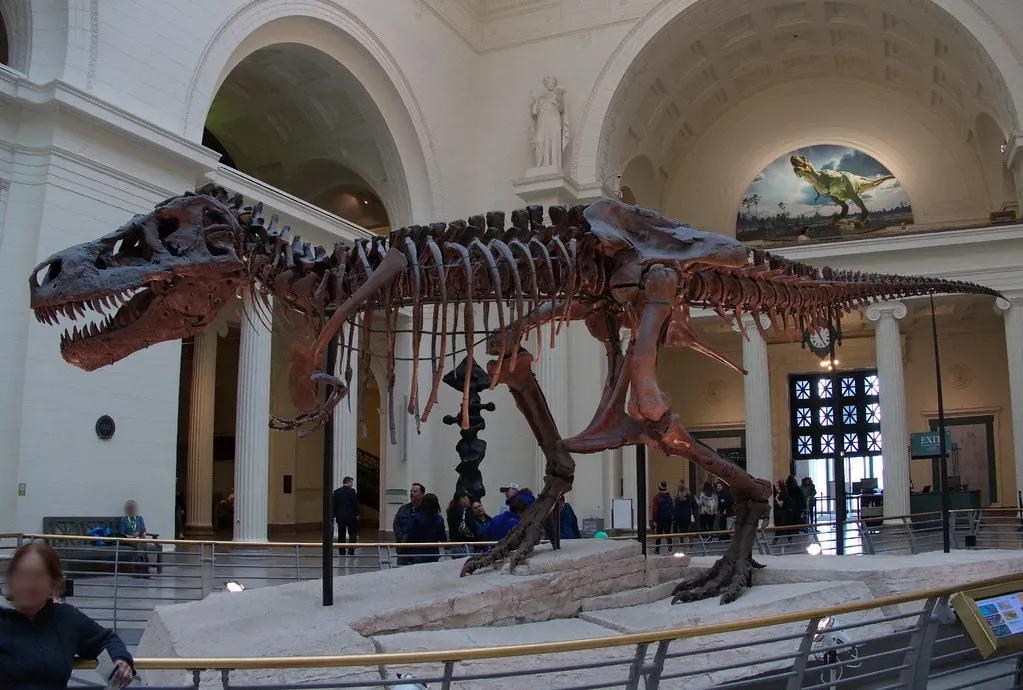
The discovery of Sue the T. rex triggered one of the most controversial legal battles in paleontology history. The Black Hills Institute reportedly bought the skeleton from rancher Maurice Williams, writing him a check for five thousand dollars with the words “theropod skeleton” on the check memo line. Sounds straightforward, right? Wrong.
In 1992, the FBI and the South Dakota National Guard raided the site where the Black Hills Institute had been cleaning the bones and seized the fossil, with the government transferring the remains to the South Dakota School of Mines and Technology. The land was held in federal trust for Williams, which technically made Sue government property and gave federal agents the power to seize the fossil. After ownership disputes were settled, Sue was auctioned in October 1997 for US$8.3 million, at that time the highest price ever paid for a fossil.
Stan the T. Rex Became the Most Expensive Fossil Ever Sold
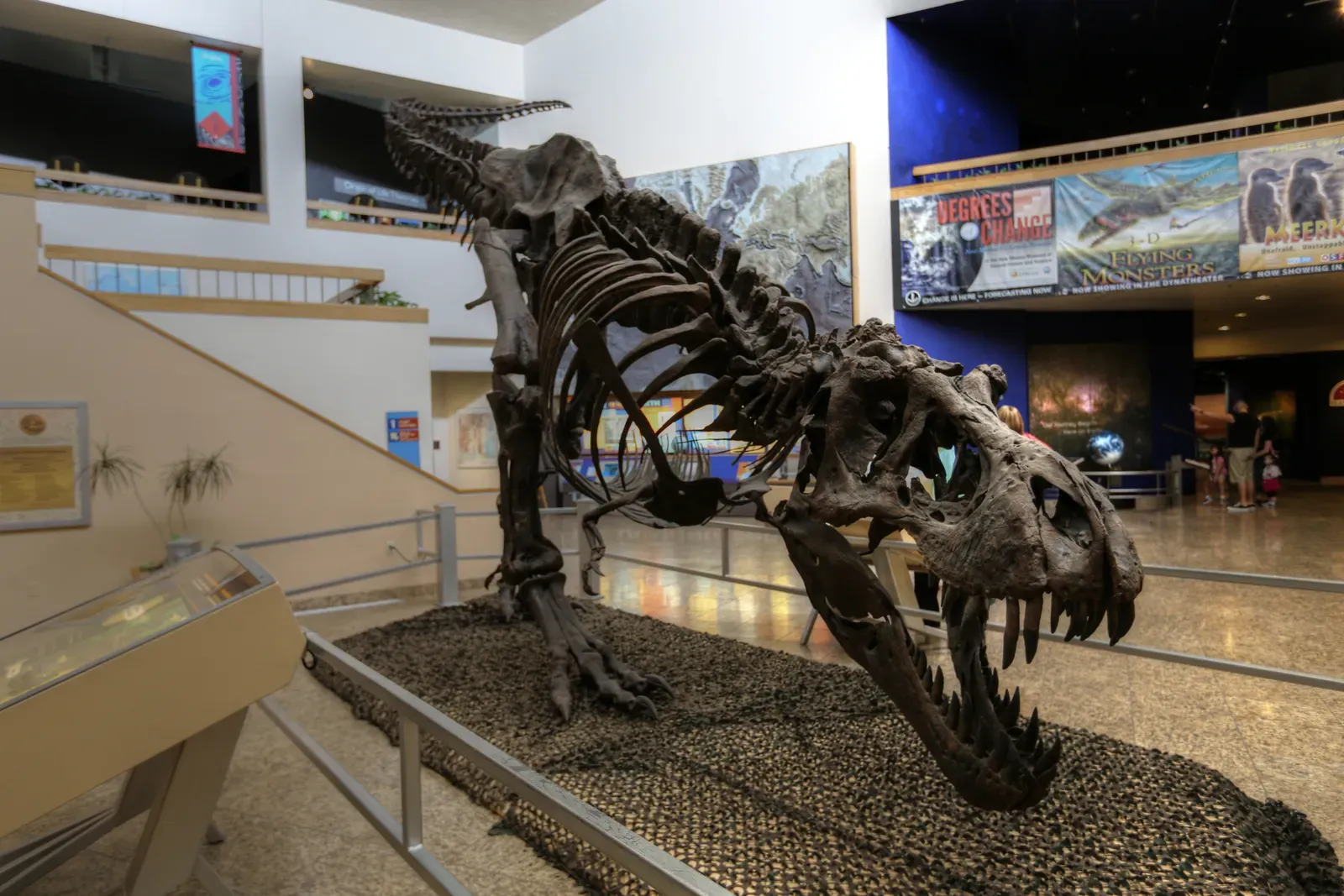
Another T. rex specimen known as Stan was discovered in the Hell Creek Formation in 1987 and is one of the most complete T. rex skeletons in existence, having been extensively studied to understand more about the species’ anatomy and behaviour. The dinosaur is nicknamed Stan after an amateur fossil collector who discovered the bones near Slim Butte, South Dakota.
Let’s be real, the price tag on this fossil is staggering. Stan was sold for $31.8 million, making it the most expensive dinosaur specimen ever sold. Sue remains one of the most expensive dinosaur fossils ever sold, only surpassed in 2020 with the sale of Stan the T. rex for $31.8 million, and subsequently in 2024 by Apex the Stegosaurus, which sold for $44.6 million. The astronomical prices these fossils command have sparked heated debates about whether dinosaur remains belong in museums or private collections.
Shady the Triceratops Is One of the Most Complete Ever Found
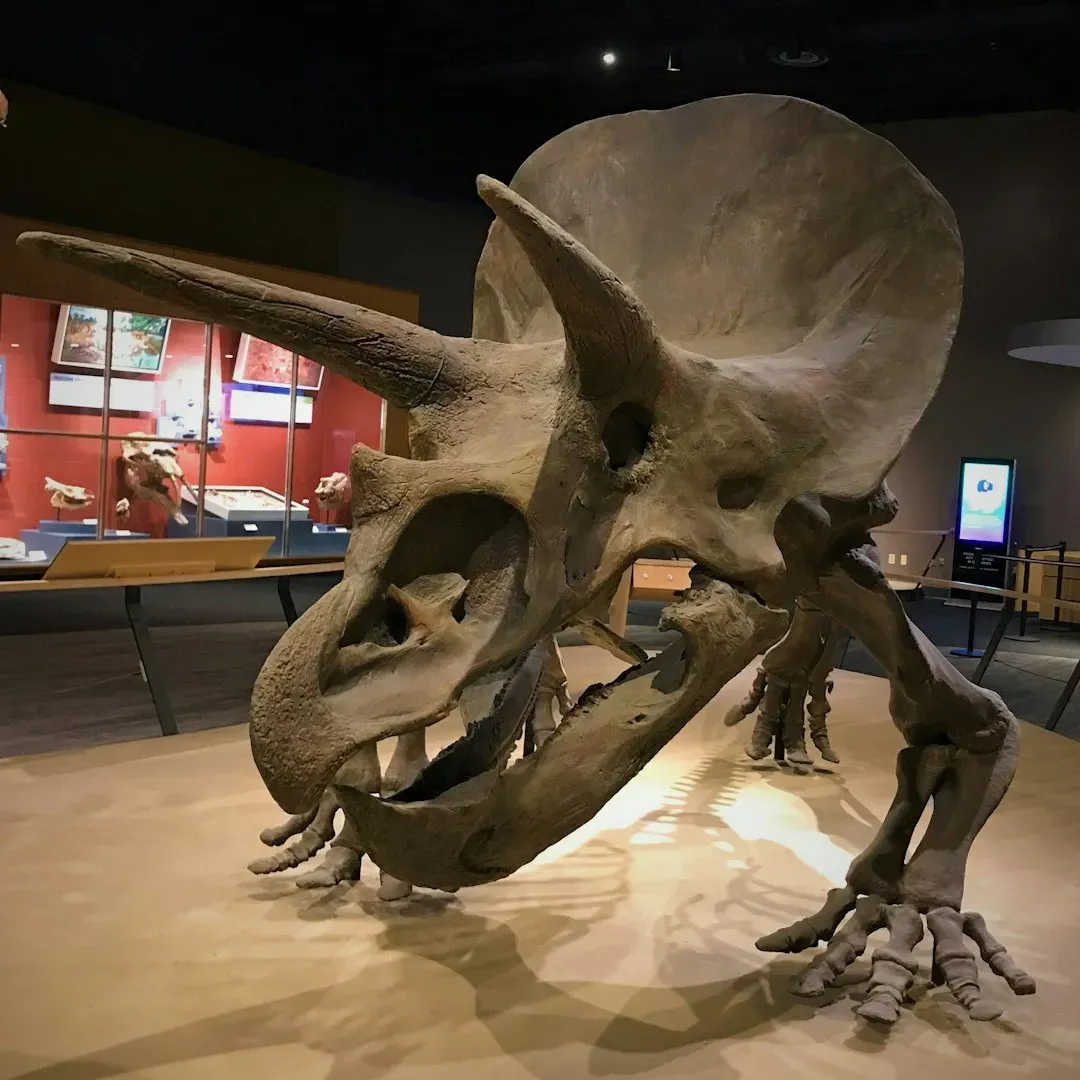
A South Dakota rancher found the tip of a triceratops horn while fixing a fence in the Badlands in 2019, and since then researchers from Westminster College in Fulton, Missouri, have made annual trips to dig up over 113 fossilized bones belonging to “Shady,” including one of Shady’s largest bones, the sacrum. This discovery proves that you never know what might be hiding just beneath the surface.
This fossil is known as “one of the most intact, contiguous Triceratops in the world,” according to Westminster. Two months of excavation revealed the 66-million-year-old fossil was indeed the skull of a species called Triceratops prorsus, with the group naming the fossil “Shady” after the nearby community of Shadehill. The ongoing excavation has provided invaluable hands-on research opportunities for undergraduate students.
Big John Triceratops Revealed Evidence of Ancient Combat
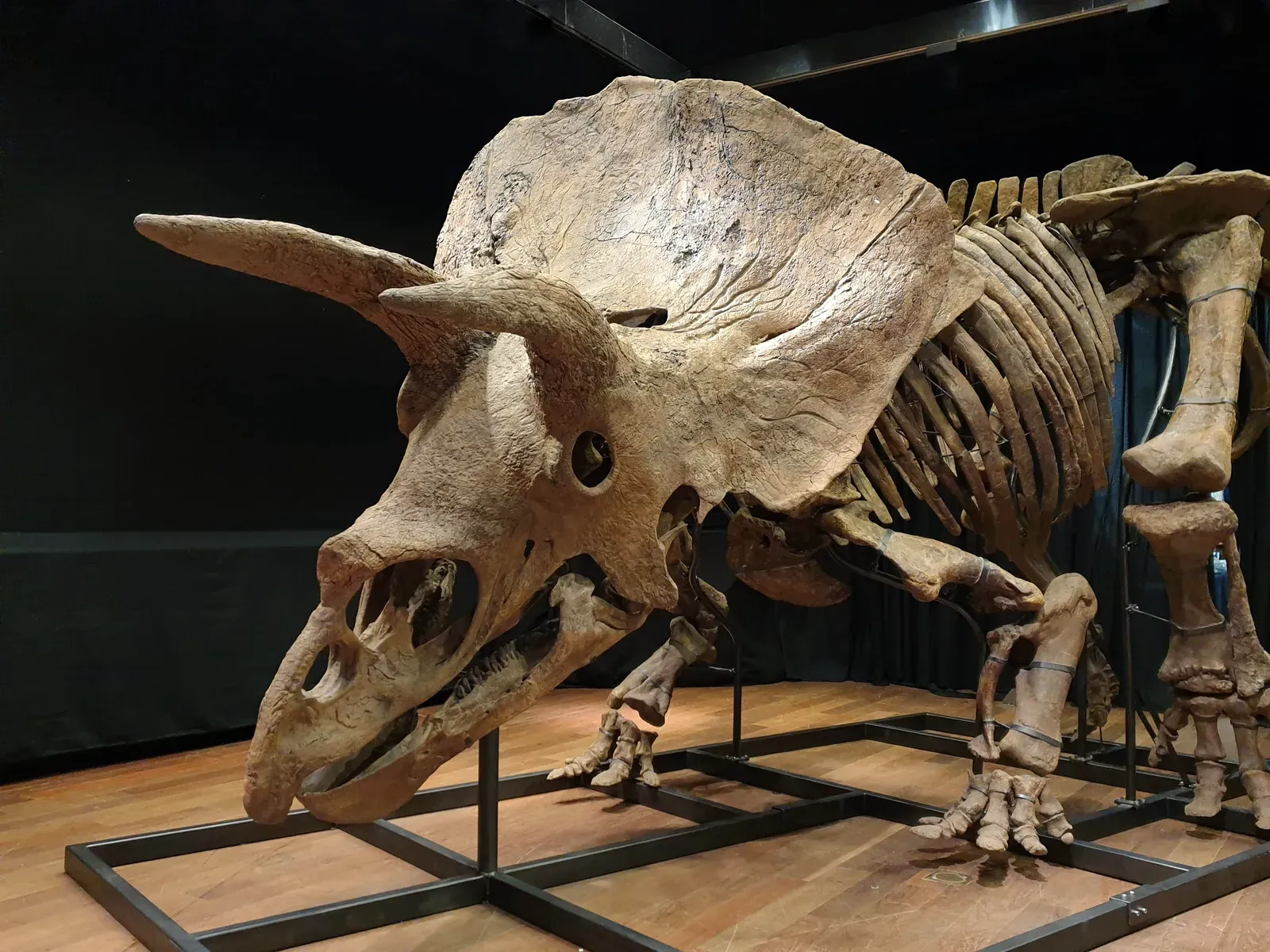
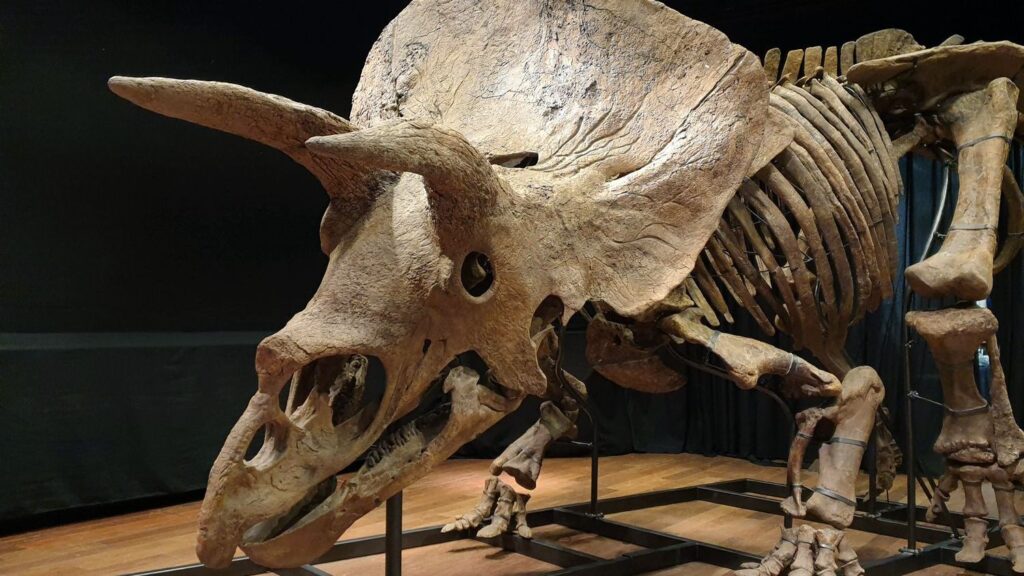
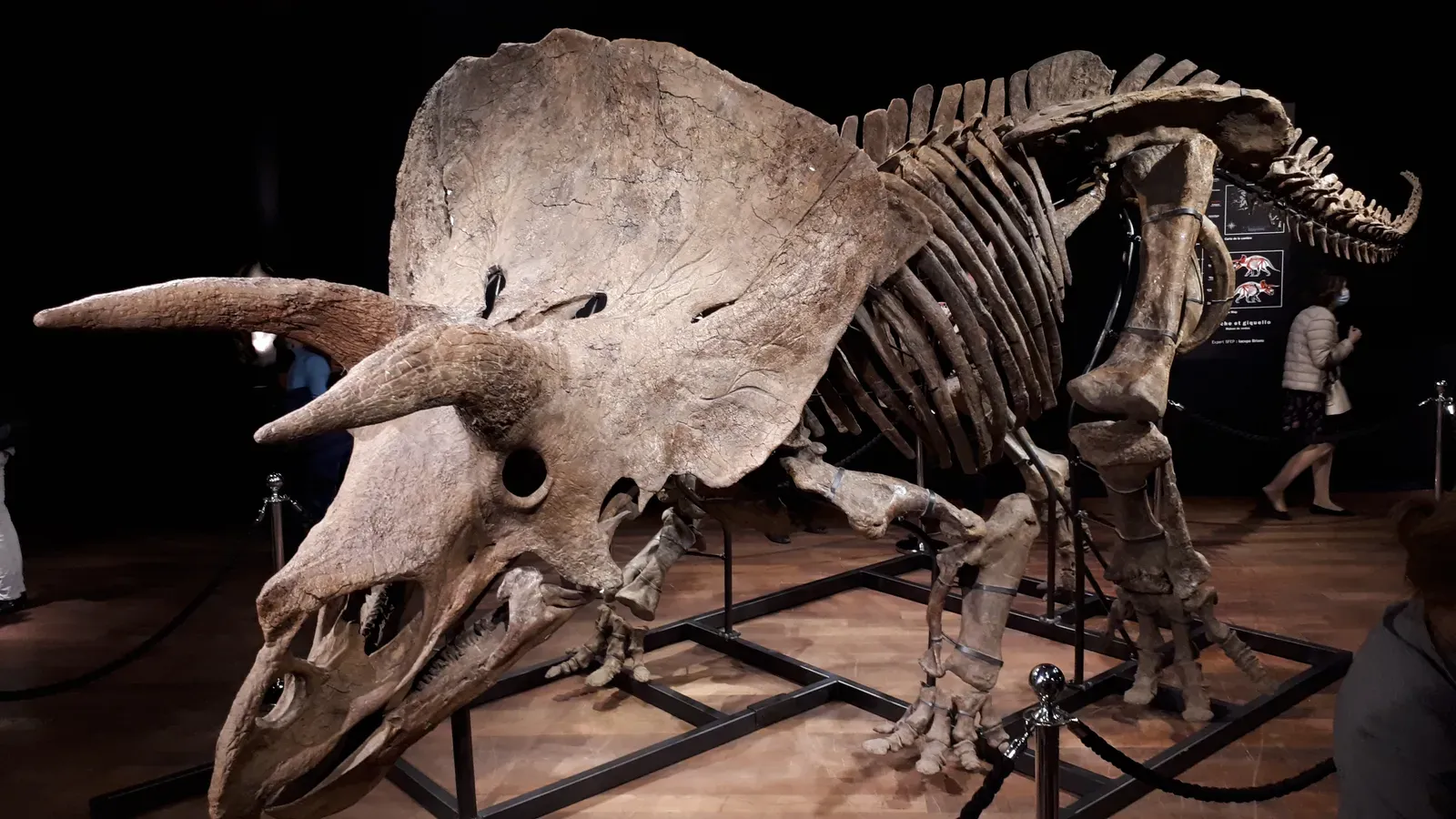
Big John is a fossilized Triceratops horridus skeleton discovered in South Dakota’s Hell Creek geological formation in 2014 and is the largest known Triceratops skeleton, according to the team that assembled the fossil. The skeleton is roughly 66 million years old and was discovered in May 2014 by paleontologist and professional fossil hunter Walter W. Stein on a private ranch in Mud Butte, South Dakota.
Big John bears a keyhole-shaped traumatic lesion approximately 20 cm by 5 cm on its right squamosal bone, which is possibly the result of a fight with another Triceratops. A close examination of the lesion under an electron microscope noted that the bone at its margins was porous and disorganized, resembling newly formed bone. This evidence suggests these massive herbivores engaged in violent confrontations, possibly over territory or mates.
South Dakota’s Badlands Hide Millions of Years of Prehistoric Life
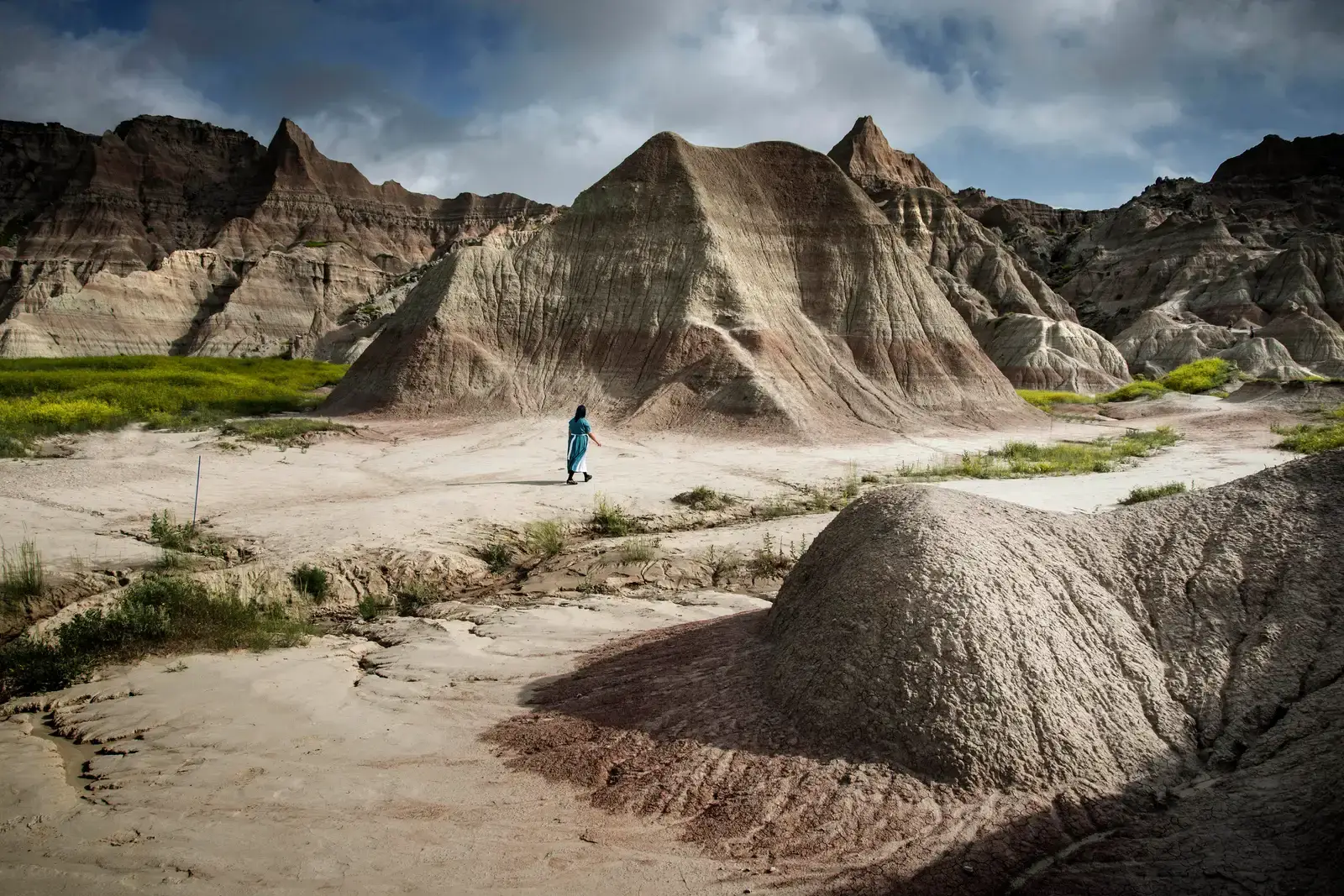
In 1940, the South Dakota School of Mines and Technology collaborated with National Geographic on an expedition into the badlands, uncovering tons of fossils from at least 175 different species of Oligocene life. Among the mammal discoveries were the remains of rhinoceroses, tapirs, three-toed horses, pig-like animals, and rodents. The diversity is honestly staggering.
The team also uncovered some bird fossils, which are very rare, with one of these being a fossil egg that author Marian Murray has called the best find of the entire expedition. Most fossils discovered in South Dakota originate from the famous Badlands, according to statistics. The sedimentary layers in this region continue to erode, constantly exposing new fossils for discovery.
Lewis and Clark Made the First Documented Fossil Discovery
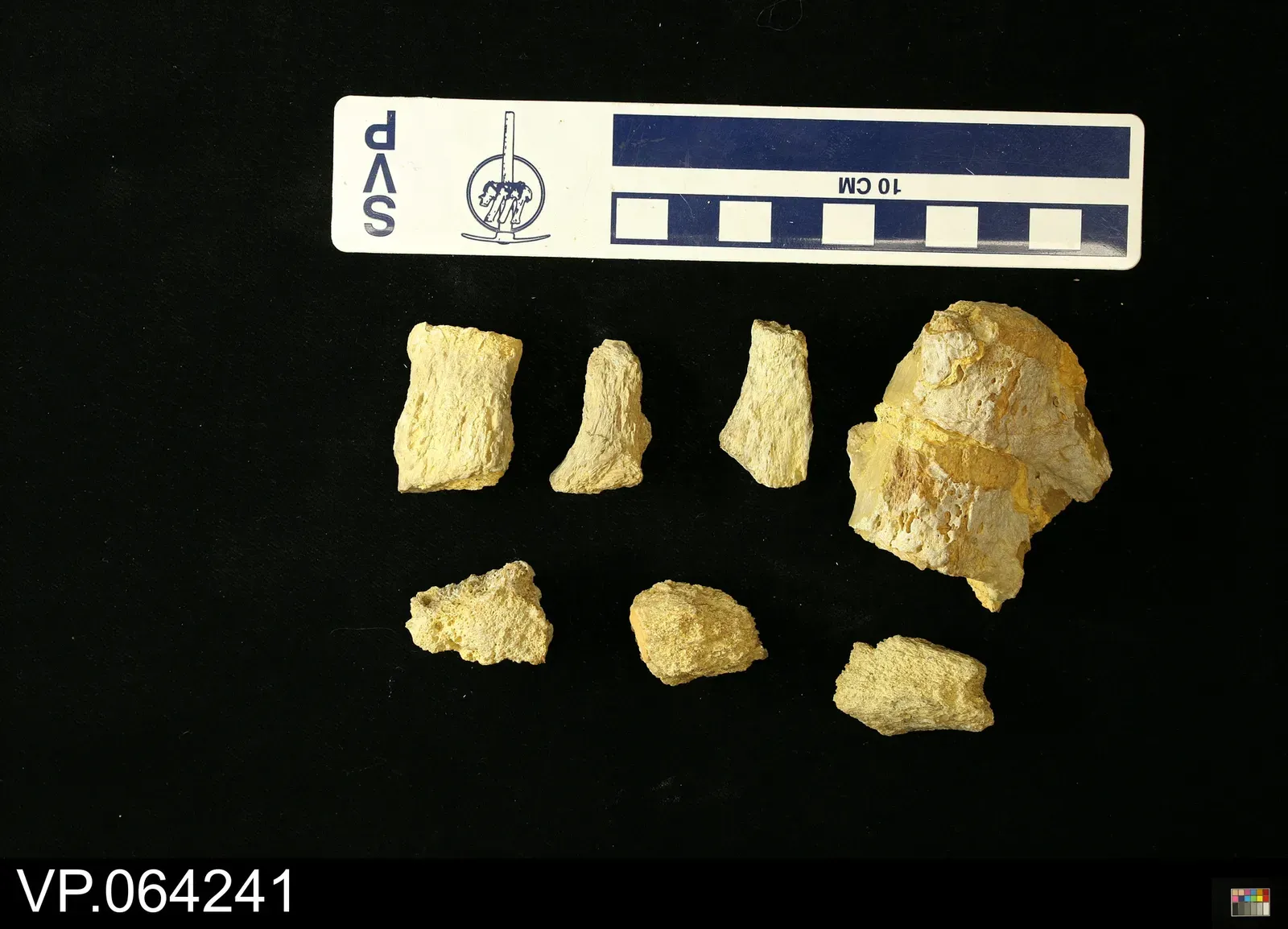
On September 10, 1804, four members of the Lewis and Clark Expedition recorded in their journals a fossil discovery along the banks of the Missouri River in what is now Gregory County in south-central South Dakota, finding a 45-foot-long articulated vertebral column, ribs, and teeth at the top of a high ridge, which today scientists think the specimen was probably a mosasaur or plesiosaur.
The expedition sent back some of the fossils, but these were later lost. This early discovery marked the beginning of South Dakota’s rich paleontological legacy. Local fossils came to the attention of formally trained scientists with the Lewis and Clark Expedition. It’s fascinating to consider that these explorers, focused primarily on charting unknown territory, also contributed to our understanding of ancient life.
Native Americans Interpreted Fossils as Sacred Water Monsters
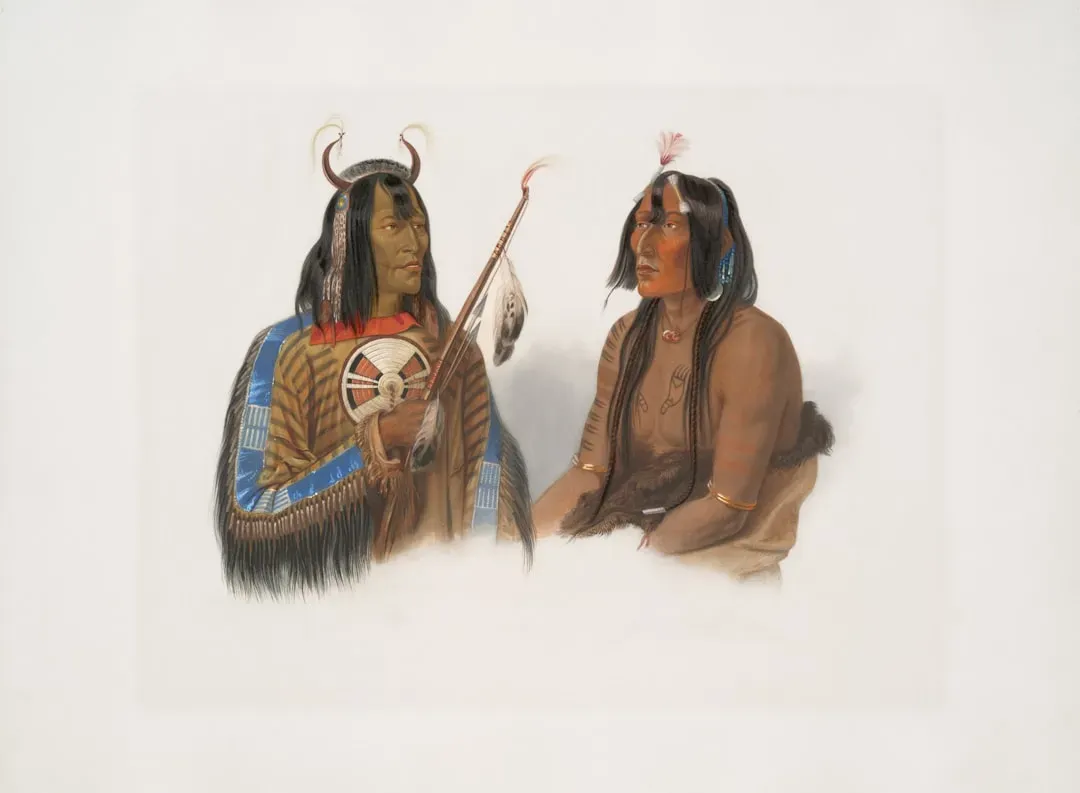
Local Native Americans interpreted fossils as the remains of the water monster Unktehi and used bits of Baculites shells in magic rituals to summon buffalo herds. This reveals how indigenous peoples had their own sophisticated understanding and cultural interpretation of these ancient remains long before Western science arrived.
The name Unktehi refers to a powerful water spirit in Lakota mythology. The discovery of massive bones and shells emerging from eroded hillsides would naturally inspire such legends. These cultural connections remind us that the fascination with dinosaurs and prehistoric creatures isn’t just a modern phenomenon. Throughout human history, people have been trying to make sense of these mysterious remnants from a world long vanished.
The Black Hills Institute Became a World Center for Fossil Preparation
The Black Hills Institute in Hill City, South Dakota, makes the most casts and replicas and sends out the most fossils to other museums, with the paleontologists at Black Hills considered to be the world’s experts in T-rex. Though the museum is small in the same building that used to house basketball games in Hill City, a town of about 800 people, it was very impressive and jam-packed with fossils, with most of the fossils being real instead of casts or replicas.
Since 1979, the Black Hills Institute operated a dinosaur quarry north of Faith, South Dakota on the Ruth Mason Ranch, excavating the partial remains of hundreds of disarticulated Edmontosaurus annectens skeletons, with the Ruth Mason Dinosaur Quarry experience teaching staff the means to collect bones quickly, efficiently, and without damage. The institute’s expertise has made South Dakota an international hub for paleontological research and fossil preparation.
Conclusion
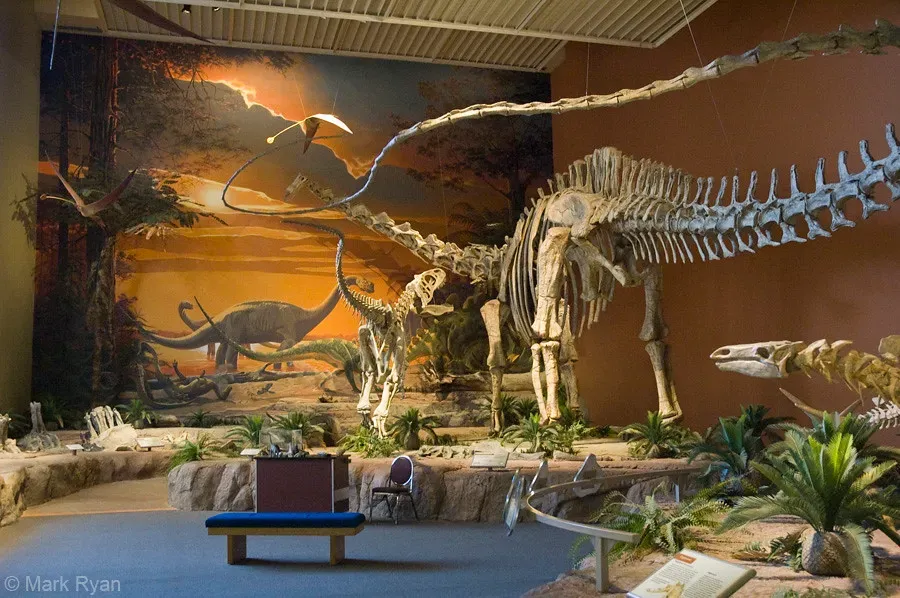
The secrets buried in South Dakota’s ancient rock formations continue to reshape our understanding of life on Earth millions of years ago. From Sue’s groundbreaking revelations about T. rex biology to the spectacular pyritized Triceratops fossils being discovered today, these prehistoric treasures connect us to a world we can barely imagine.
What’s truly remarkable is how many of these discoveries were made by ordinary people: ranchers fixing fences, amateur fossil hunters exploring remote badlands, and college students on summer field courses. The next major discovery could be made by anyone with curiosity and a willingness to look carefully at the landscape. What do you think these ancient bones will reveal next? The past is still speaking, if we’re willing to listen.