Picture yourself at a bustling dinner table in modern America. The plates overflow with processed breads, factory farmed meats, and vegetables bred for shelf life rather than nutrition. Now rewind several centuries. You’d see an entirely different scene across the continent, where diverse tribes thrived on foods that grew wild, moved freely, and connected deeply to the land.
Here’s the thing. Modern science is catching up with what Indigenous peoples knew instinctly all along. Those ancestral foods weren’t just survival staples. They were medicine, community, and prevention all rolled into one. So let’s get into what makes these traditional foods so powerful and why you might want to pay attention to what they reveal about your own health.
The Three Sisters: Nature’s Perfect Protein Combination
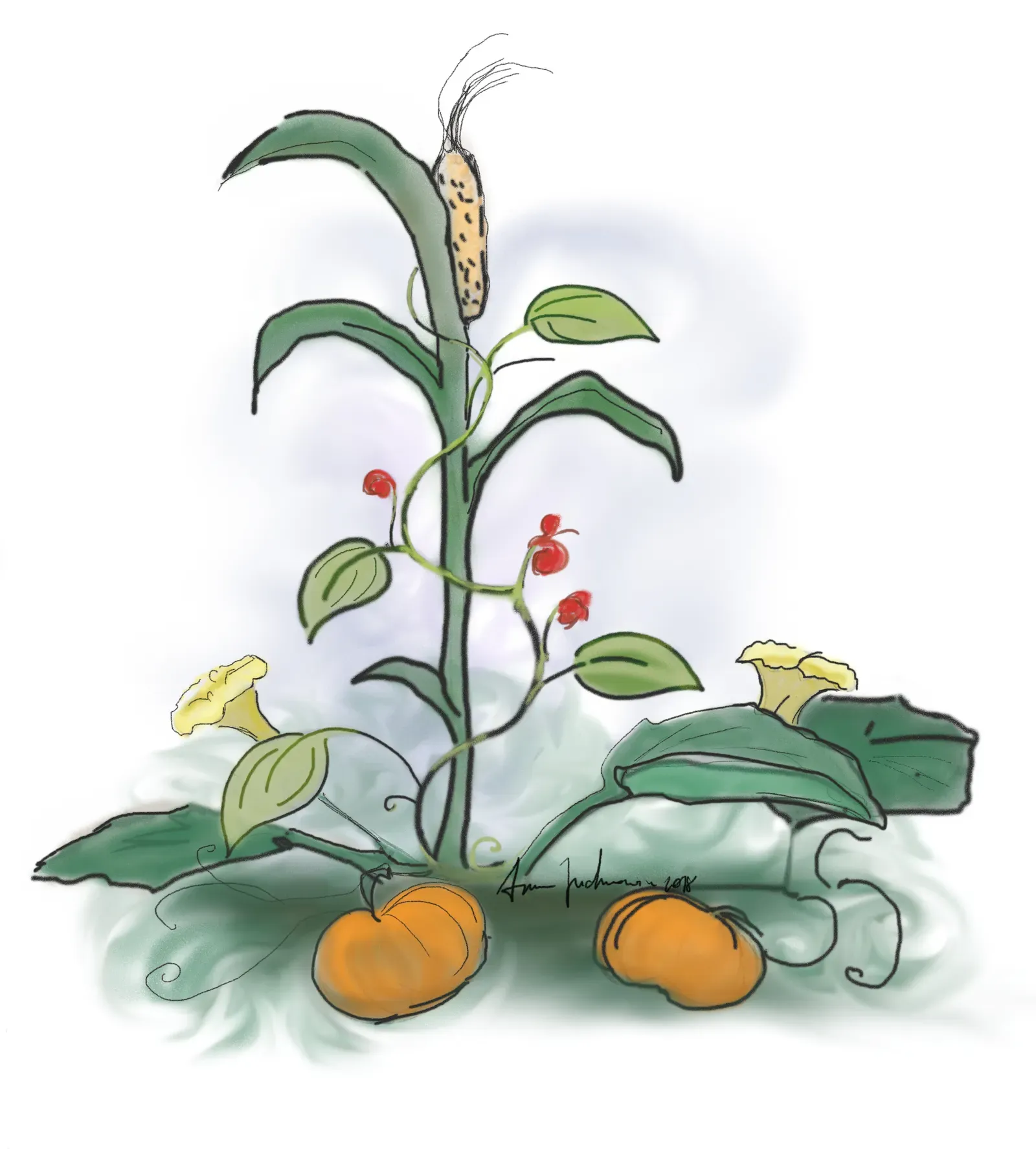
Corn, beans, and squash formed the agricultural foundation for various indigenous people across Central and North America. Yet their genius wasn’t just about planting crops. When eaten together, these three foods created complete proteins through their complementary amino acids, virtually eliminating the need for meat in the diet. Think about that for a moment. Long before anyone understood the science of amino acids, Native peoples figured out the perfect plant based protein combination.
But wait, there’s more. Traditional white corn contains slow release carbohydrates that help prevent and regulate diabetes, something today’s popular yellow corn actually lacks. Winter squash delivers calcium, potassium, vitamin A and vitamin C along with iron and phosphorus. Meanwhile, beans pack in fiber and protein. Modern experiments found that this Three Sisters combination provided both more energy and more protein than any local monoculture.
Wild Game: The Original Superfood Protein
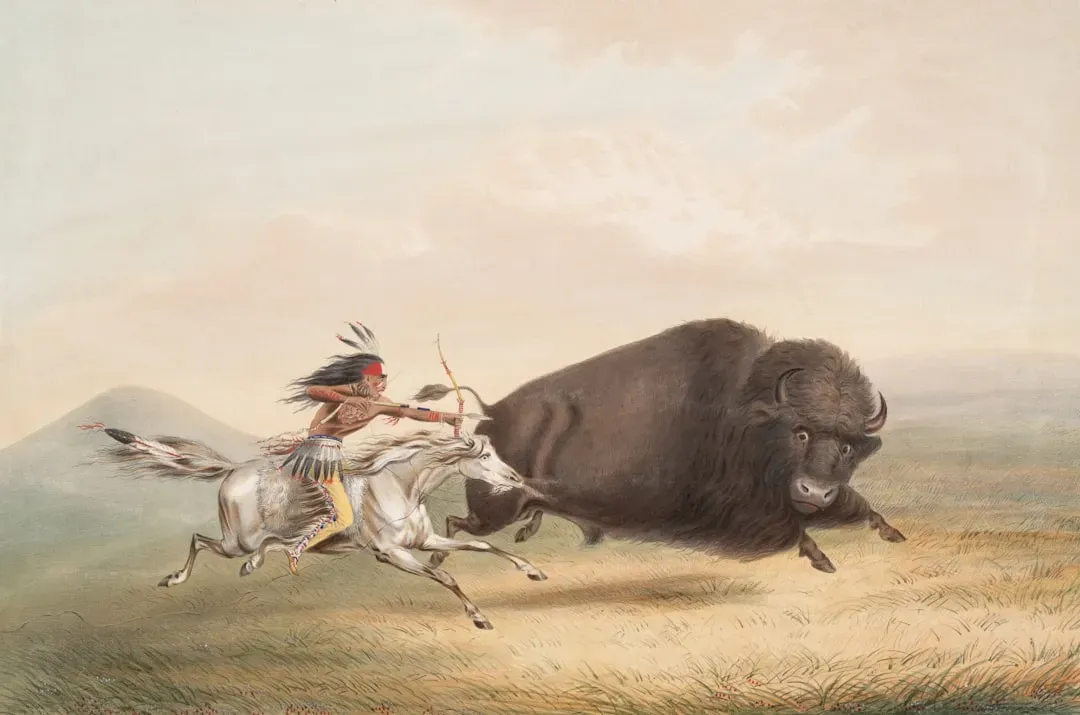
If you think chicken breast is the ultimate lean protein, you haven’t met venison or bison. Wild game meats are typically leaner than domesticated meats and higher in protein, iron, and omega 3 fatty acids. Compared to beef, bison has one third of the total fat, less saturated fat, and more beneficial unsaturated fats, including higher amounts of omega 3 and omega 6 fatty acids.
Let’s be real. Plains tribes like the Blackfeet, Cheyenne, Comanche, and Sioux in the late 1800s were at one time the tallest people on earth, with their varied diet of game animals and native plants providing all the nutrients they needed. Their active lifestyle burned calories efficiently, so being overweight was uncommon. Traditional Alaskan Indian cuisine is high in heart healthy omega 3 fatty acids, vitamin D, and vitamin A from consuming salmon, shellfish, and caribou. These weren’t random food choices. They were evolutionary adaptations refined over millennia.
Desert Foods and Regional Biodiversity
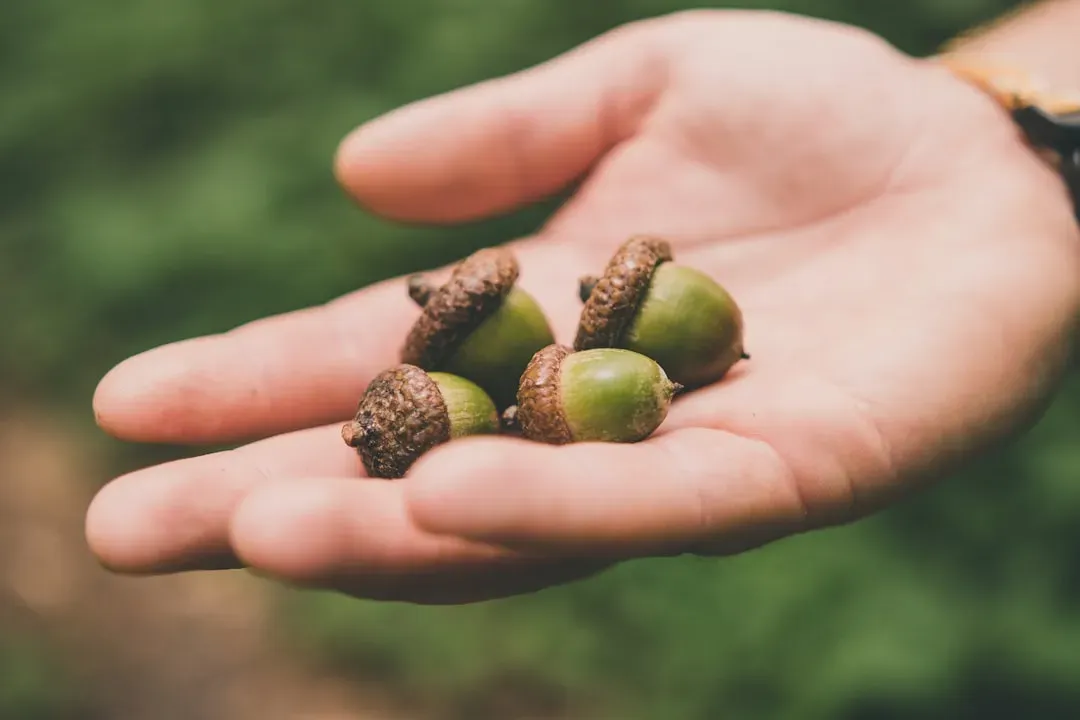
The diversity of landscapes across North America meant each tribe developed unique dietary variations perfectly suited to their environment. For southwestern peoples, desert foods included acorns from the Emory Oak, grains such as amaranth, tepary beans, kidney beans, pinto beans, lima beans, lentil beans, cacti pads, chiles, chia, and mesquite beans. These desert foods offered many health benefits that helped to prevent many of the diseases that now run rampant in the native community.
Different wild edibles such as chokecherry, juneberry, Jerusalem artichoke, prairie turnip, and wild plum were used as food sources by different Native American tribes, especially indigenous people of the Northern Plains. Wild plant foods of the Northern plains such as plums, cherries, turnips, prickly pear, hazelnuts, and rose hips showed higher fiber content than cultivated crops. Wild plant foods exhibited higher micronutrient content than domesticated plants and vegetables, meaning greater amounts of vitamins and minerals in traditional Native American plant foods than foods found in the grocery store.
The Gut Microbiome Connection
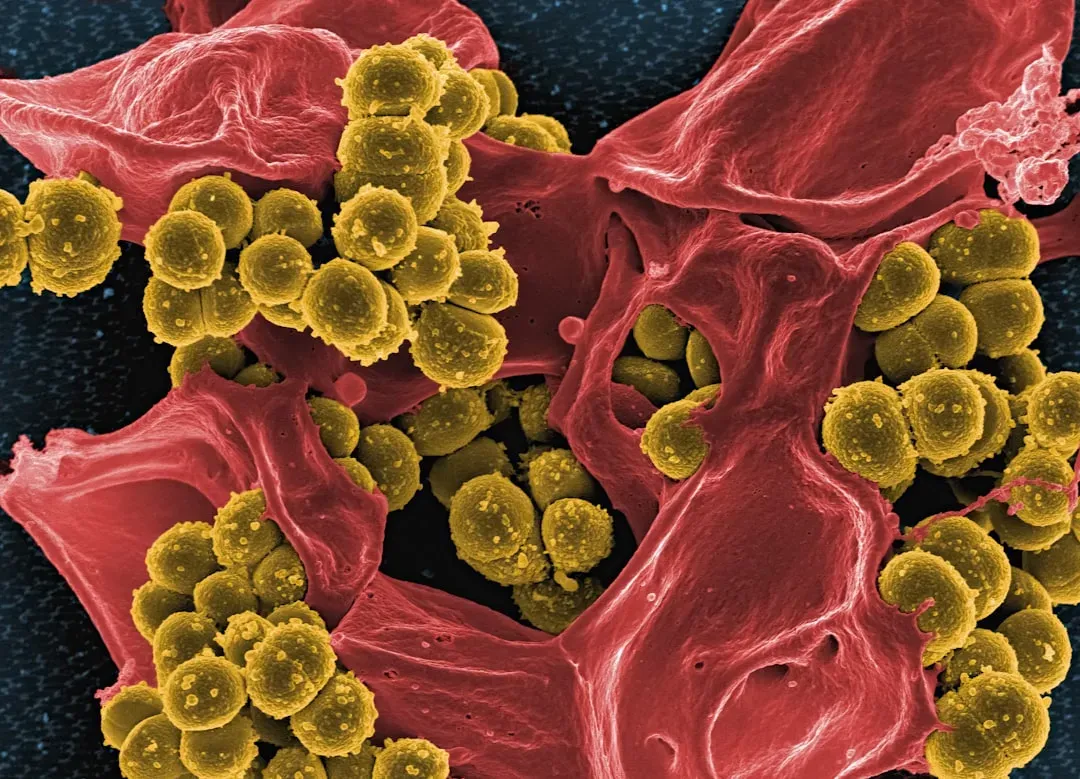
Here’s something that might surprise you. The diversity of microbes in the guts of people living in Indigenous communities is typically greater than that in the guts of people living in industrialized societies. Why does this matter? Because reduced microbial diversity owing to consumption of processed foods and antibiotics might make people in industrialized societies more vulnerable to some chronic diseases.
Beyond their antioxidant potential, bioactive compounds of many traditional food plants have other health benefits such as antihyperglycemic, antihypertensive, and antidyslipidemic properties, and microbiome supporting benefits for gut health. Indigenous diets foster diverse gut bacteria more than Western diets. It’s hard to say for sure, but scientists are now connecting the dots between ancestral eating patterns and the microscopic ecosystems living inside us.
From Health to Disease: The Devastating Diet Shift
The story takes a dark turn when European colonization disrupted traditional food systems. The federal government discouraged American Indians and Alaska Natives from continuing their traditional hunting and gathering traditions and provided commodity foods like lard, flour, coffee, sugar, and canned meat, which were completely foreign to the traditional Native diet. From traditional big game being overhunted to waterways being dammed shut and forests being cleared, it became harder for natives to eat and thrive as they once had.
The health consequences were catastrophic. Nearly 50 years ago, heart disease was virtually unheard of in the Indian community, but rates of the disease are now double the general population. A national diabetes report indicated that the prevalence of type 2 diabetes and cardiovascular diseases among the Native American population is 16.5 percent higher and average life expectancy is 5.2 years less than other races and ethnic groups. Only 10 percent of Native Americans have a healthful diet, while the majority have diets that are too high in fat at 62 percent. This isn’t genetic destiny. This is what happens when you replace nutrient dense whole foods with processed commodities.
Reviving Traditional Foods for Modern Health

There’s hope on the horizon. American Indian and Alaska Native communities across the country are reclaiming traditional foods as part of the global Indigenous food sovereignty movement that embraces identity, history, and traditional ways and practices to address health. Tribally driven programs guided by traditional knowledge can facilitate access to traditional foods as part of community health interventions to address chronic disease.
Research published in the Journal of Nutrition suggests that traditional Indigenous diets, which are high in fiber, antioxidants, and healthy fats, support cardiovascular health, reduce the risk of chronic diseases, and promote overall well being. Case studies have shown that the diet can be effective in managing chronic conditions such as diabetes and high cholesterol, with many individuals experiencing lasting health benefits after returning to traditional Indigenous foods. I know it sounds almost too simple, but the evidence keeps stacking up. Food really can be medicine when it comes from the right sources.
Lessons You Can Apply Today
You don’t need to hunt your own deer or forage for prairie turnips to benefit from ancestral dietary wisdom. Start by diversifying your plant intake. In the American Gut project, individuals consuming 30 varieties of plant materials per week had abundant SCFA producers like Faecalibacterium prausnitzii compared to individuals consuming only 10 different varieties. Choose wild caught fish over farmed when possible. Incorporate more beans, squash, and whole grains into your meals.
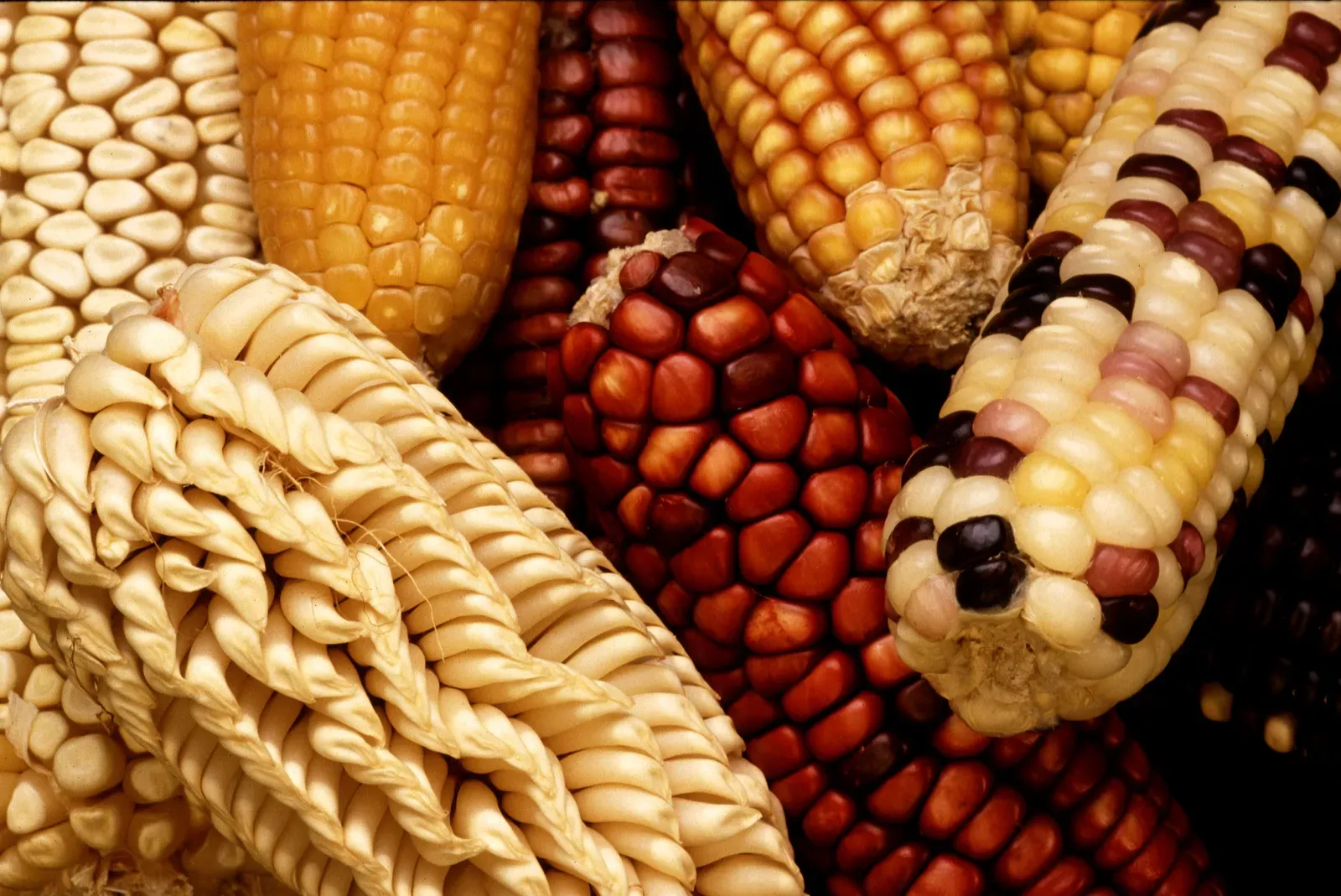
Traditional plant based foods of Native Americans, especially the diversity of heirloom cultivars of colored corn, climbing bean, squash, root crops, and native berries with high human health relevant bioactive profiles, can be incorporated into a contemporary diet. You can still choose foods that your family has enjoyed for generations, but you need to align them with healthy eating patterns: less sodium, sugar, and saturated fat; and more vegetables, fruits, and whole grains. The shift doesn’t have to be drastic to be meaningful.
Conclusion: Eating Like Our Ancestors, Living Better Today

The ancestral Native American diet reveals something profound about human health. It shows us that diversity, quality, and connection to natural food sources matter more than convenience or processing. These traditional foods prevented the chronic diseases now plaguing modern populations not through some mystical property, but through their density of nutrients, fiber, healthy fats, and plant compounds our bodies evolved to thrive on.
Nearly 60 percent of all foods consumed worldwide came from the New World. The Indigenous peoples of the Americas gifted the world tomatoes, potatoes, corn, beans, squash, peppers, and countless other staples. Their wisdom about combining these foods, preparing them properly, and eating with the seasons offers a roadmap back to health for anyone willing to listen. Next time you’re planning meals, ask yourself: am I eating to survive, or am I eating to truly thrive? What would your ancestors have put on their plates?