Have you ever wondered how people thrived for thousands of years without GPS, grocery stores, or weather apps? Long before modern conveniences shaped our daily lives, indigenous peoples across North America developed sophisticated survival strategies that sustained entire communities through harsh winters, droughts, and unpredictable natural challenges. These weren’t just random tricks or desperate measures. They were carefully refined practices, passed down through generations, tested by time itself.
In our fast-paced world of 2026, where climate uncertainty and environmental concerns dominate headlines, you might find it surprising that some of the most relevant solutions come from the past. Traditional survival wisdom often comes in the form of stories and lore, as many hunter-gatherer cultures pass down their knowledge from generation to generation through oral traditions. What if the answers we desperately need today have been sitting in plain sight all along, waiting in the teachings of indigenous elders?
Fire Making Through Friction and Observation
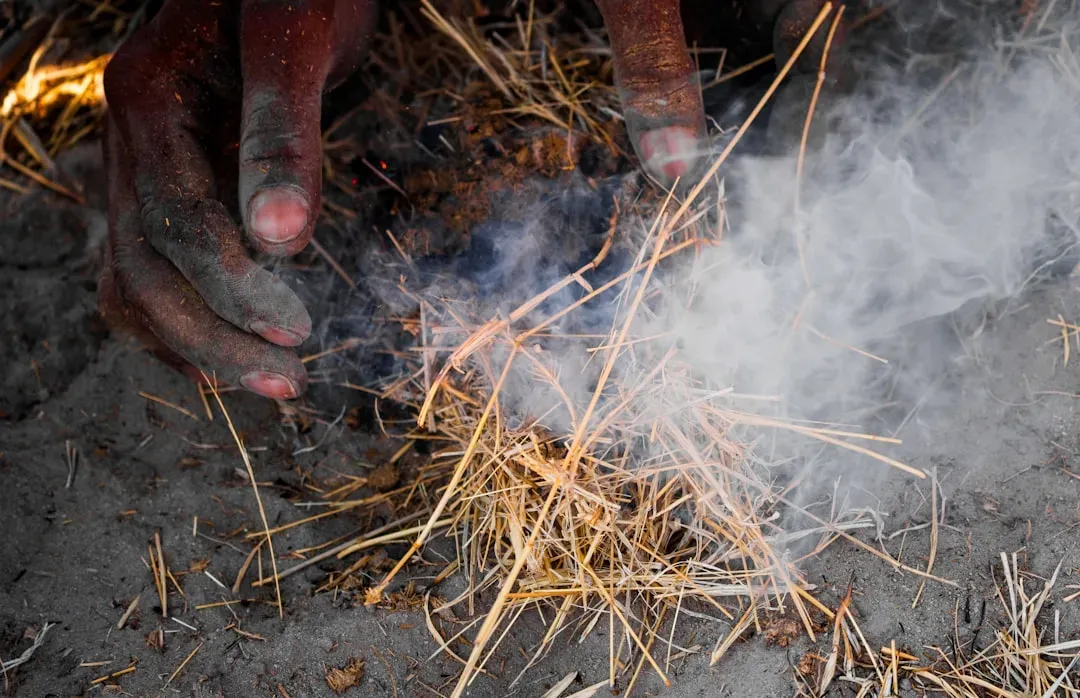
You’ve probably seen survival shows where people struggle for hours trying to create a spark. Indigenous peoples mastered multiple fire-starting methods that didn’t rely on matches or lighters. Native Americans are savvy with the different methods and techniques in starting a fire, striking stones like pyrites together to create a spark is one. They understood which rocks produced the best sparks, which wood types generated optimal friction, and how to prepare tinder from natural materials.
By rubbing two sticks together, it generates enough heat for the friction to combust tinder, and bow drills and fire pump drills were also some of the common Native American fire-starting techniques, with these contraptions used string wrapped around a stick and controlled by a bow to generate the heat needed to start a flame. The beauty of these methods lies not just in their effectiveness but in the deep observation of natural properties. You could learn these same techniques today and never worry about being without fire in an emergency.
Shelter Construction Using Natural Materials
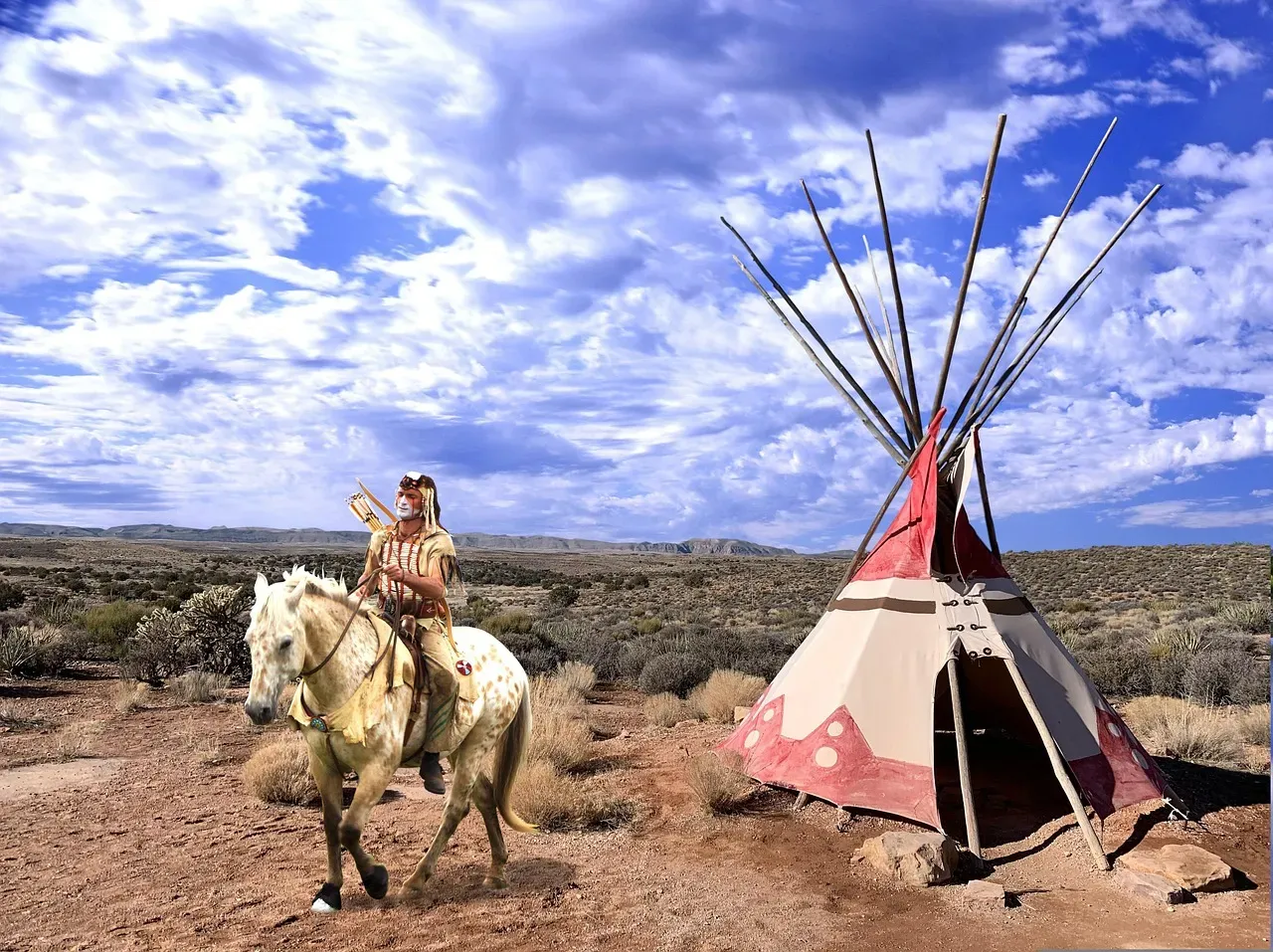
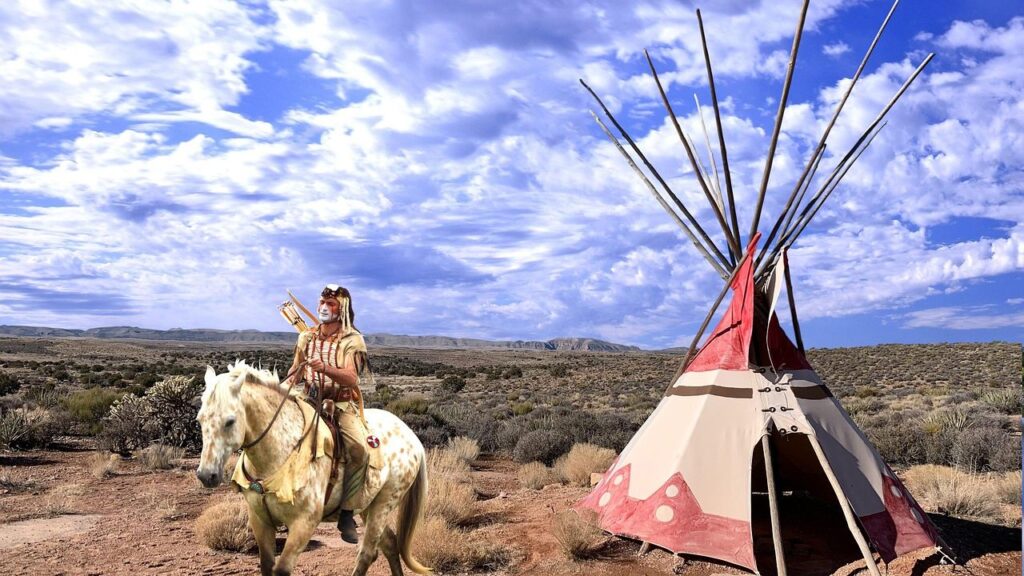
Modern camping often involves expensive tents and high-tech gear, but what happens when you don’t have access to any of that? Native American survival skills shows us how our needs can be met if we find ourselves without gear such as tents, sleeping bags, and water purifiers. Different tribes adapted their shelter designs to specific environments, from the portable tipis of the Plains to the longhouses of the Northeast.
The key principle you can apply today is using what’s immediately available in your environment. They would build these camps with earth-toned materials and animal skins, tucking them into the base of foothills or other strategic natural sites so they would be hard to spot from a distance. This approach demonstrates both practicality and strategic thinking. Understanding how to construct basic shelters from leaves, branches, and bark could literally save your life in wilderness situations, proving that ancient methods remain incredibly relevant.
Craftwork as Survival Art
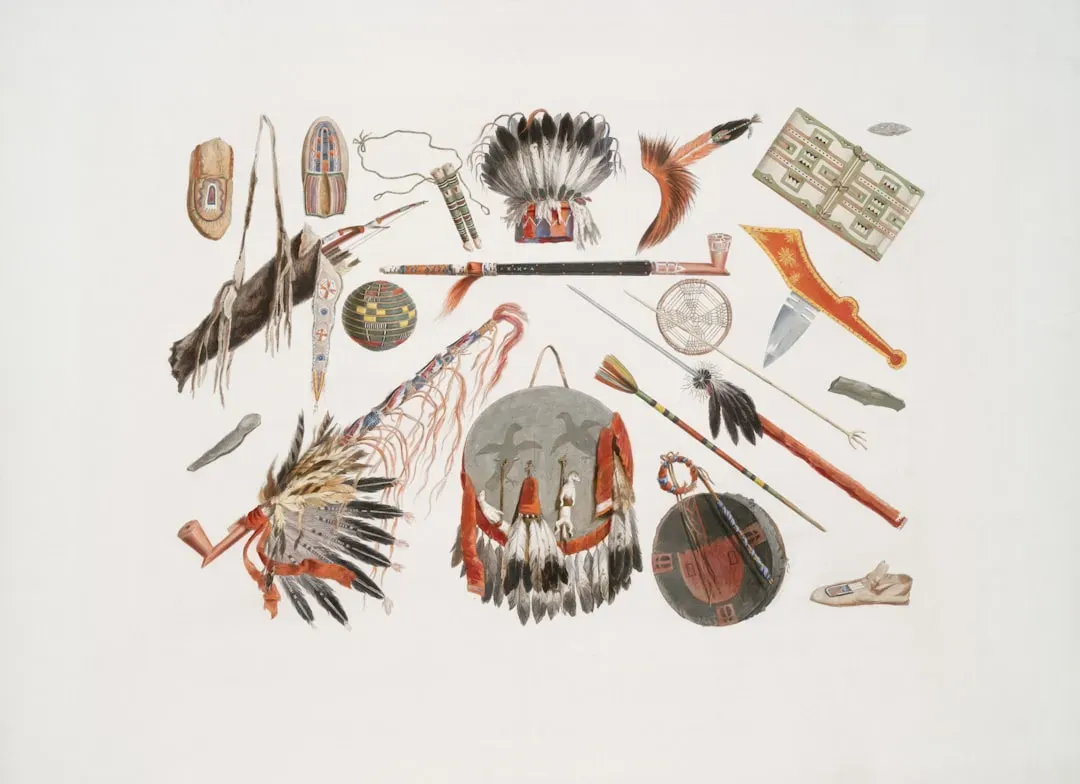
Here’s something that might change how you think about survival tools. Much time, energy, and care goes into the artistic construction of each survival tool to ensure that tool’s effectiveness, and by putting care into what you build, it becomes a work of art, while at the same time increasing its practical value. This wasn’t about aesthetics for the sake of beauty alone. It was about functionality.
When you take the time to craft something properly, paying attention to every detail, that object performs better and lasts longer. Think about it like this: a hastily made fire drill might work once or twice before breaking, but one made with precision and care could serve you for years. The importance of this concept has been clearly demonstrated over the years spent teaching survival skills, as a hastily built fire-making drill is much less likely to produce fire than an artfully constructed kit. You can apply this principle to anything you make or repair, from garden tools to emergency equipment.
Traditional Ecological Knowledge for Climate Adaptation
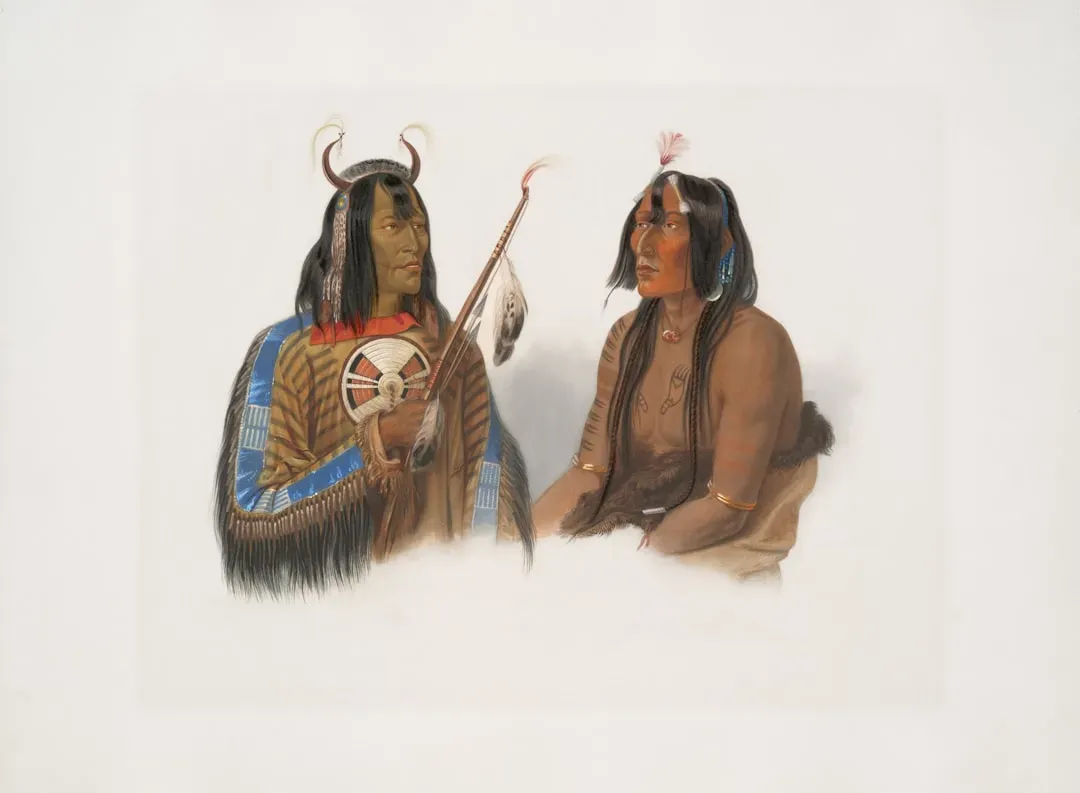
Indigenous communities didn’t just survive in their environments. They understood them on a profound level. Traditional Ecological Knowledge consists of the body of knowledge, beliefs, traditions, practices, institutions, and worldviews developed and sustained by indigenous, peasant, and local communities in interaction with their biophysical environment. This deep understanding allowed them to predict weather patterns, identify ecological changes, and adapt their practices accordingly.
Traditional ecological knowledge can contribute qualitative, historical field data that Western science may lack, while Western science typically provides more quantitative data, and as it pertains to climate change, contributions from both knowledge systems are imperative, with TEK identifying on-the-ground climate-related changes occurring at a local level. You might notice changes in your local environment that scientists’ instruments miss. Learning to observe like indigenous peoples did, tracking animal behaviors and plant cycles, gives you an early warning system for environmental shifts that could affect your food security or safety.
Resource Management Through Sustainable Practices
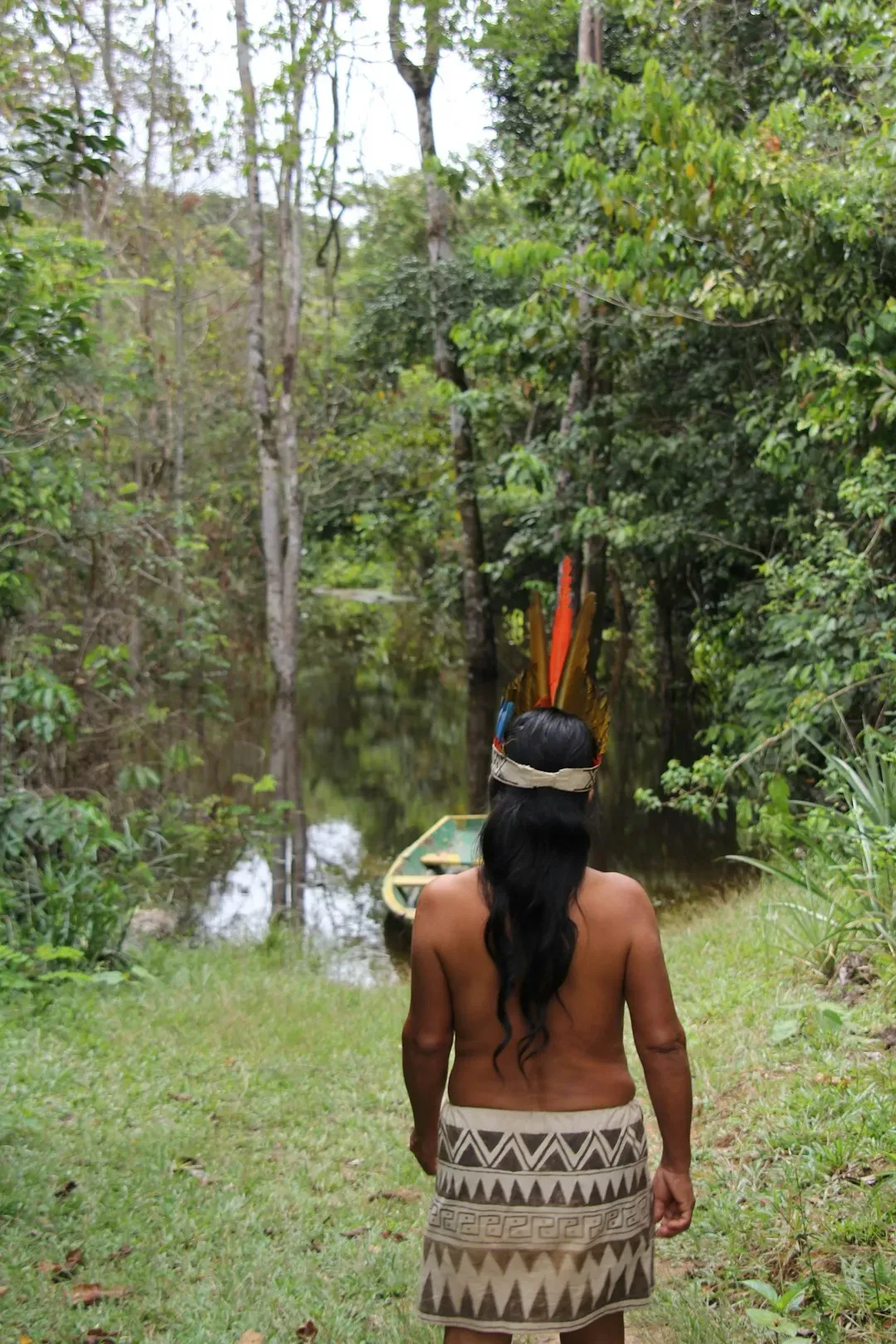
One of the most striking aspects of indigenous survival strategies is their emphasis on sustainability. The Indians had to get everything they needed from nature, and they did, whether it was flint to start a fire or animal skins to make clothes, they found everything they needed in the world around them. Yet they never depleted their resources. How did they manage this?
Traditional harvest practices often integrate triggers to slow, pause or alter harvest based on on-the-ground observations, adjusting behavior to prevent resource degradation. You can implement similar strategies in your own life, whether you’re gardening, foraging, or managing any renewable resource. The principle is simple: take only what you need, observe the impacts of your actions, and adjust accordingly. This wisdom becomes increasingly valuable as we face resource scarcity and environmental pressures in 2026.
Intergenerational Knowledge Transfer
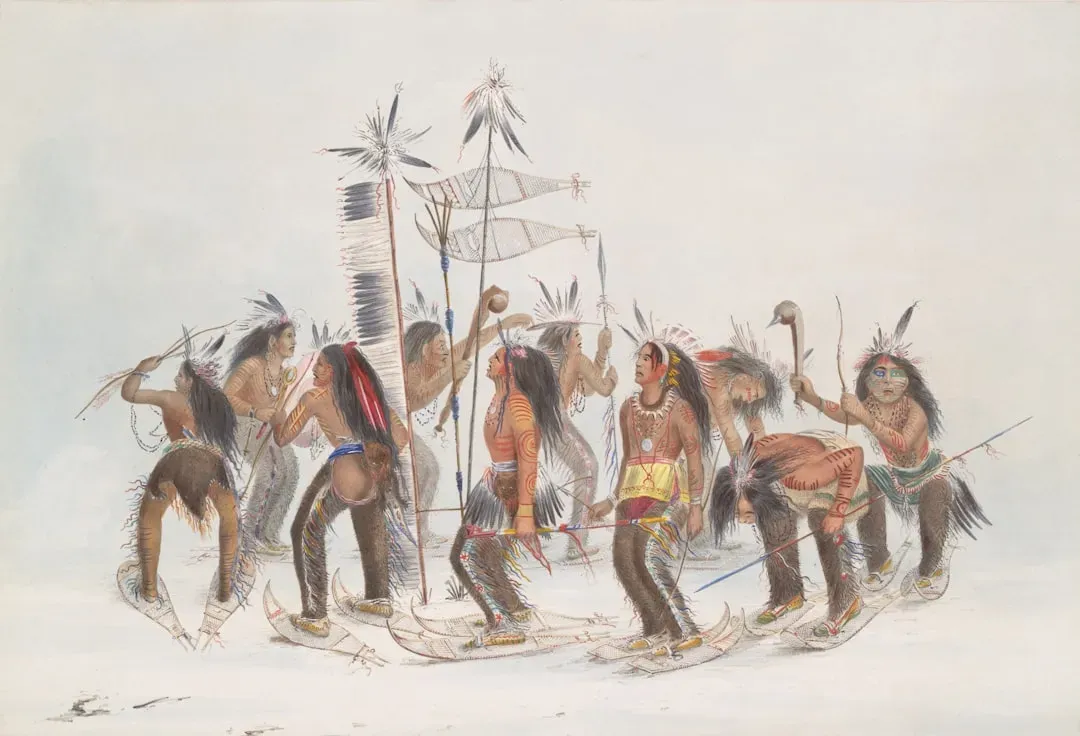
Perhaps the most critical survival strategy wasn’t about tools or techniques at all. It was about how knowledge itself was preserved and transmitted. One of a father’s responsibilities was to teach his sons how to survive, there wasn’t a school to which they could send their children; they had to teach them on their own, and if a father was negligent in teaching his son, the son would most likely die. This created a culture where knowledge transmission was literally a matter of life and death.
Frequent elders’ participation through relationships and communication is not surprising because oral tradition is the primary mode of Indigenous knowledge transmission, with elders expressing the importance of being able to pass on knowledge to the youth, both at the individual level and within the community. You can embrace this approach by actively learning from older generations in your family and community, and by sharing your own knowledge with younger people. In a world where information is often digitized and disconnected from personal relationships, this human-centered approach to learning creates resilient knowledge systems.
Situational Awareness and Natural Observation
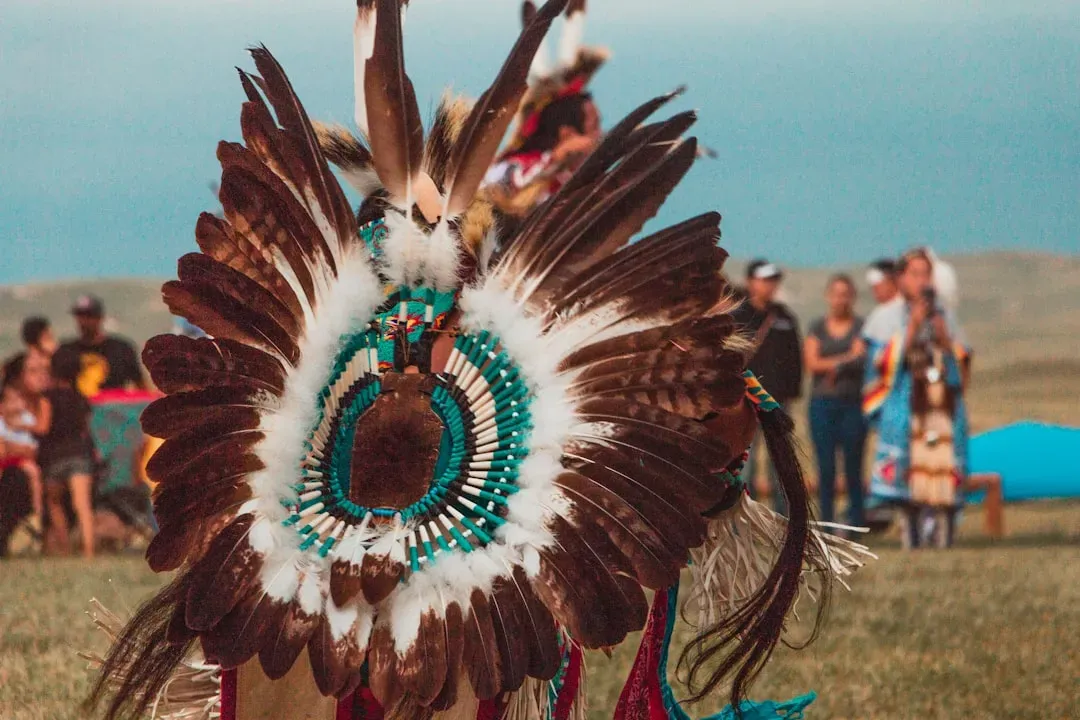
Long before modern security systems and weather forecasting, indigenous peoples developed extraordinary observational skills. The Indians may have been the inventors of situational awareness, knowing when enemies were about by the reactions of the birds and squirrels, and they could tell when a storm was coming. This level of awareness kept communities safe and allowed them to make informed decisions about when to travel, hunt, or seek shelter.
Indians would see things in the world around them that you and I would pass over, without a moment’s notice, and living in harmony with nature requires knowing her moods and truly seeing what is happening around you, with survival making this a requirement. You can cultivate this skill by spending time outdoors without distractions, paying attention to bird behaviors, cloud formations, wind patterns, and the subtle signs in nature that signal changes. This heightened awareness has applications far beyond wilderness survival, improving your safety and decision-making in daily life.
Self-Sufficiency and Practical Skill Development
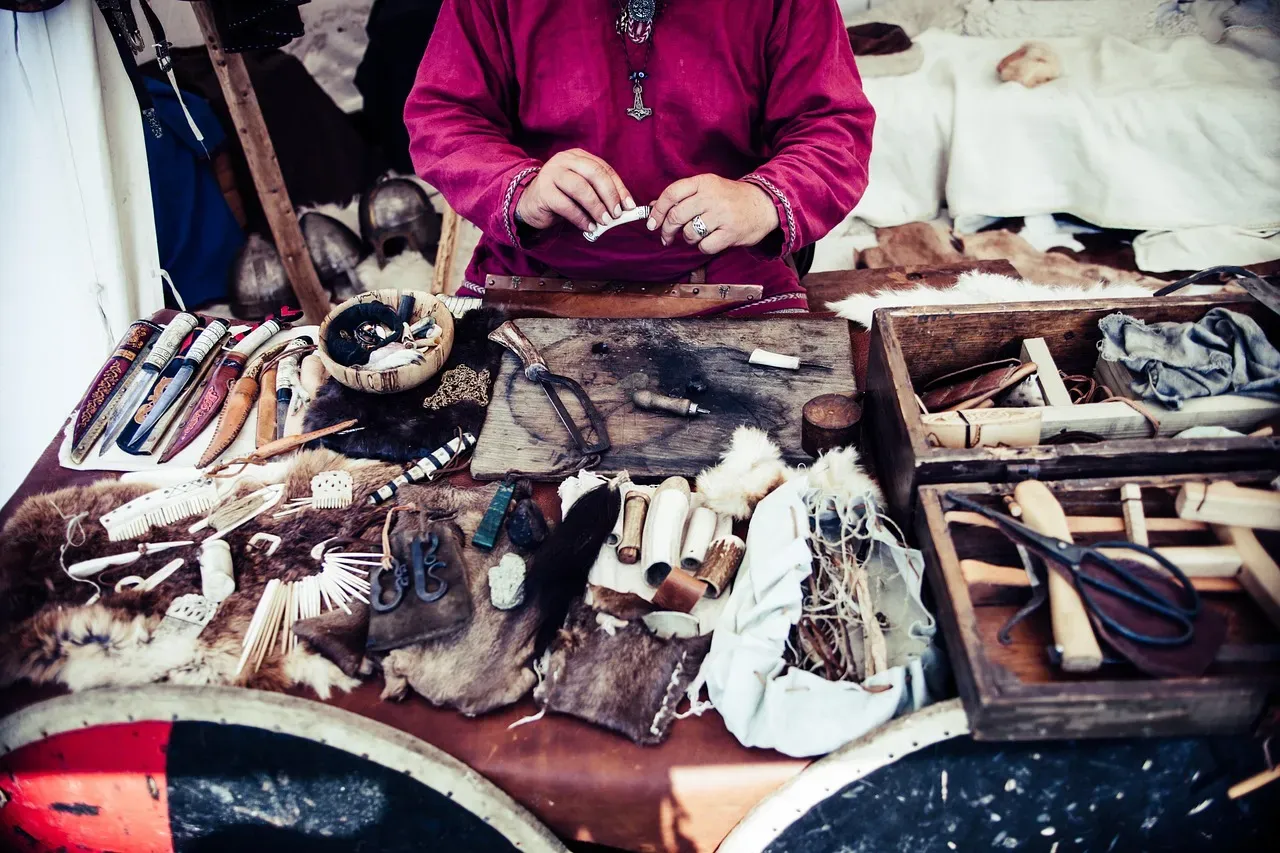
In contemporary society, we rely heavily on specialists and infrastructure for nearly everything. Indigenous peoples took a different approach. The number of skills the average American Indian needed to learn was actually rather extensive, since they had no trade centers, they had to make everything they needed, with an Indian who needed a canoe having to know how to build it himself, same for his bow, his arrows and his knife. This comprehensive skill set made individuals and communities remarkably resilient.
Indians made what they needed; they didn’t buy it or trade for it, and in a culture where everything is handmade out of materials gleaned from nature, one can survive alone, without the huge infrastructure that we depend on today. While you probably don’t need to make your own canoe, developing a broader range of practical skills, from basic repairs to food preservation, creates independence and security. The more you can do for yourself, the less vulnerable you become to supply chain disruptions or system failures.
Conclusion: Bridging Ancient Wisdom and Modern Challenges
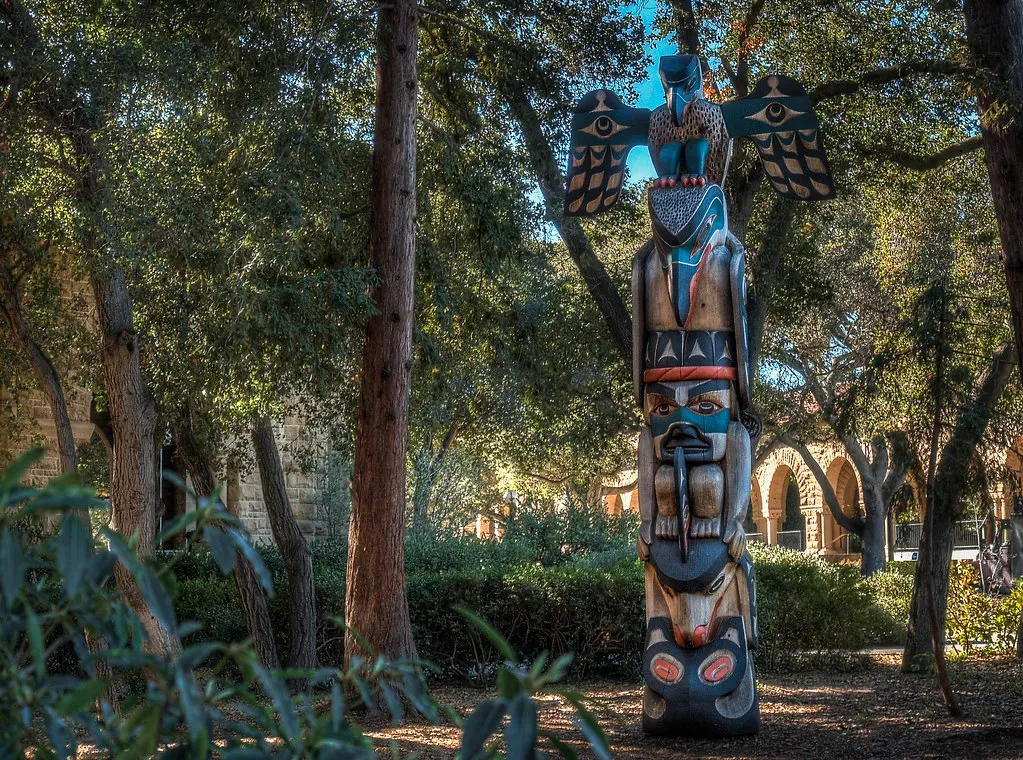
The survival strategies developed by indigenous elders weren’t primitive or outdated. They represented sophisticated, time-tested solutions to universal human challenges that we still face today. Biocultural diversity stemming from the traditional knowledge, practices, and institutions developed by human societies over a millenary experience of dealing with disturbance represents a precious asset to cope with challenges of global environmental change.
As we navigate the uncertainties of 2026, from climate instability to resource concerns, you have the opportunity to learn from these ancient practices. Start small: learn to identify edible plants in your area, practice making fire without modern tools, or simply spend more time observing the natural world around you. These skills connect you to something larger than yourself, a continuous thread of human knowledge stretching back thousands of years.
The real wisdom lies not in romanticizing the past but in recognizing that solutions to our modern problems often exist in knowledge systems we’ve overlooked. What survival strategies from indigenous elders do you think are most relevant today? Have you tried learning any traditional skills yourself?