
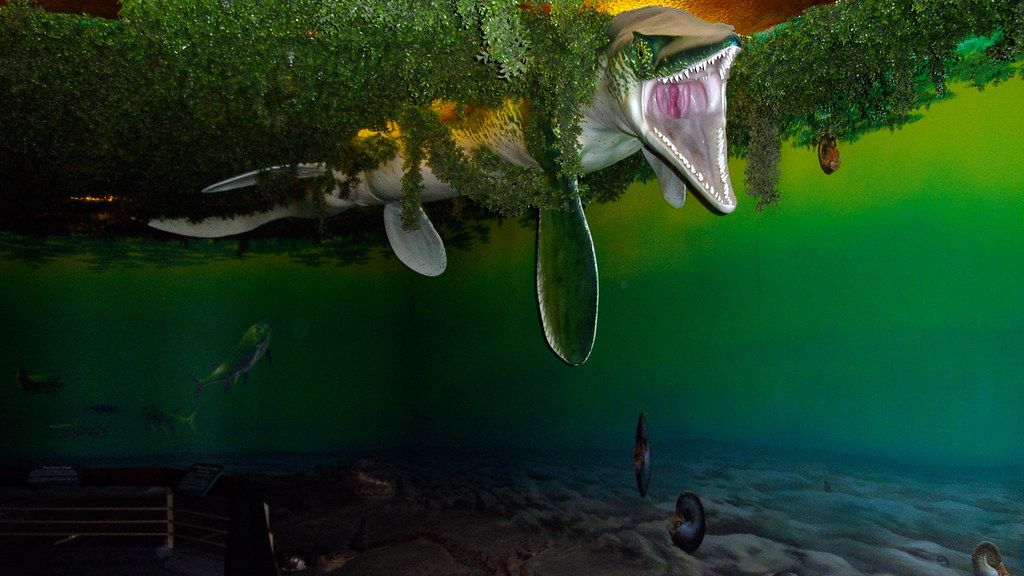
Picture standing where your city is today, roughly 70 million years ago. You’re not on land at all. Instead, warm ocean currents swirl around you as massive reptilian shadows glide through murky depths overhead. These aren’t the California landscapes you know from postcards and travel brochures.
During the Mesozoic Era, most of California was covered by ocean water, transforming what would eventually become one of America’s most populated states into an underwater realm teeming with colossal predators. Much of the Los Angeles area was submerged beneath the waves of the prehistoric Pacific Ocean. It’s hard to imagine now, with skyscrapers and freeways, that monstrous marine reptiles once prowled where we now sip lattes.
When California Vanished Beneath the Waves
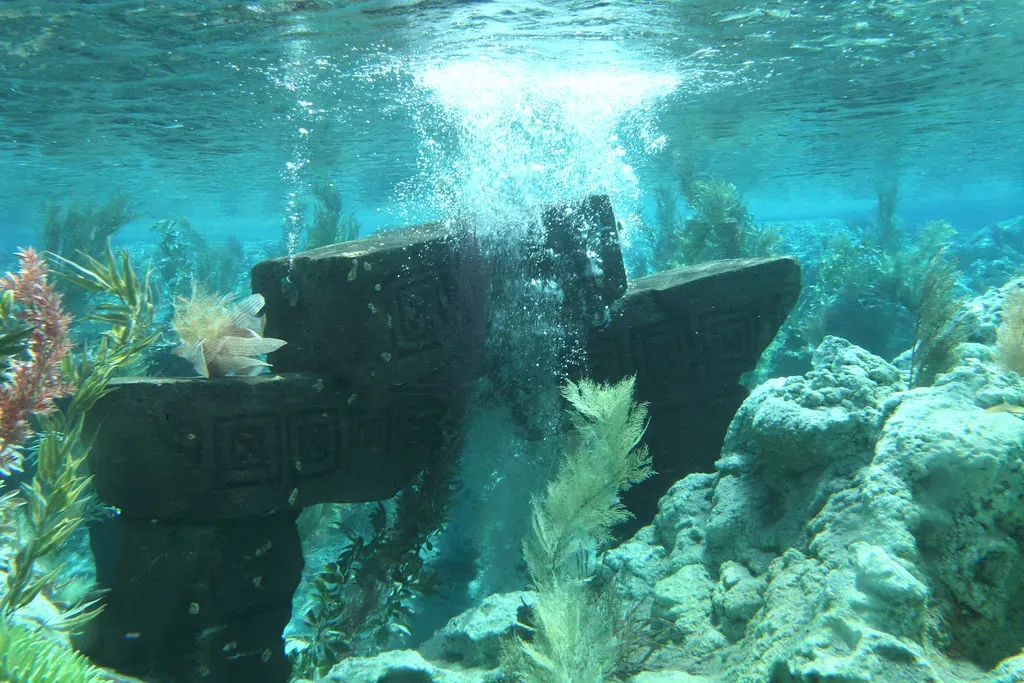
Let’s be real, thinking of California underwater sounds like something from a disaster movie. Yet this was the reality for millions upon millions of years. The chunk of land we call home was completely submerged for the entire Mesozoic.
During the early Paleozoic era, California was covered by a warm shallow sea that was inhabited by various marine organisms, though over time, the sea receded and landmasses emerged. Picture this: where the Central Valley stretches today, an ancient sea near what is now Bakersfield once swarmed with giant sharks reaching 40 feet in length. The conditions were perfect. Warm waters, nutrient-rich environments, and an abundance of prey created an evolutionary playground for massive marine reptiles.
The Serpentine Terrors: Mosasaurs Rule the Deep
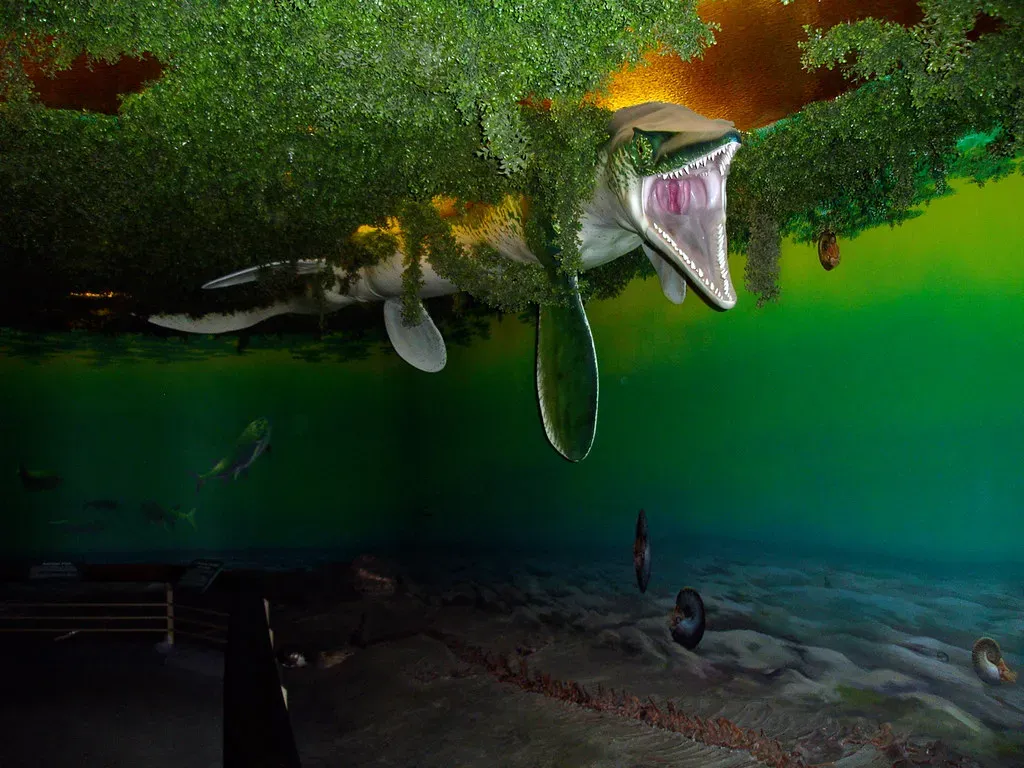
Mosasaurs are an extinct group of large aquatic reptiles that first appeared in limestone quarries at Maastricht in 1764, and during the last 20 million years of the Cretaceous period, they became the dominant marine predators. These weren’t gentle giants. Think monitor lizards, but supersized and fully adapted to oceanic hunting.
Some mosasaur species reached lengths of over 50 feet, making them among the most fearsome predators to ever inhabit our oceans. California was home to evolutionarily advanced mosasaurs including Plesiotylosaurus and Plotosaurus during the Late Campanian and Maastrichtian. The Central Valley, now America’s agricultural heartland, was once a hunting ground for these aquatic behemoths. The first mosasaur fossil ever found in California was discovered in the San Joaquin Valley, and fossils of Plesiotylosaurus have also been discovered there.
Long-Necked Leviathans: The Plesiosaur Dynasty
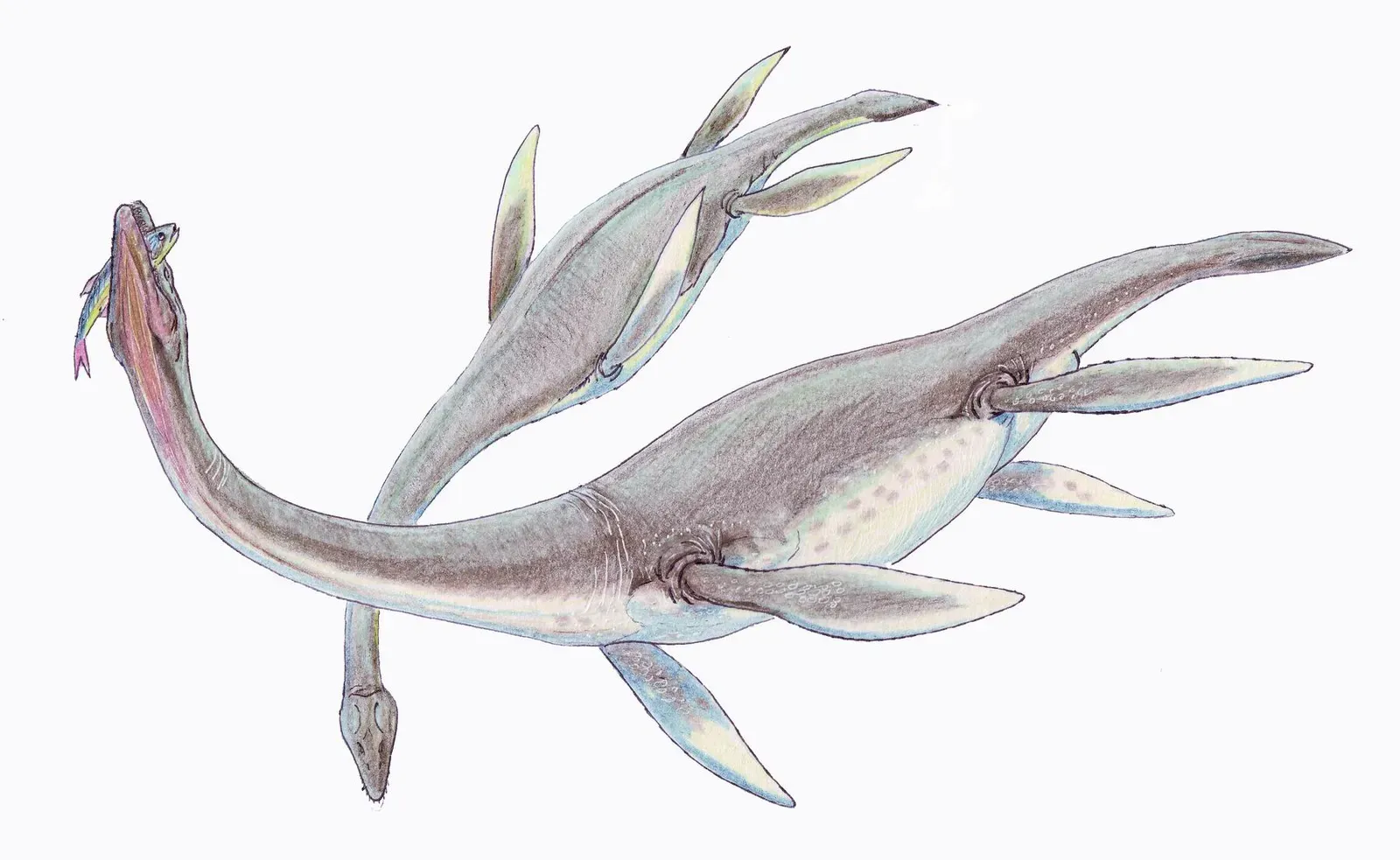
Imagine a creature with a barrel-shaped body, four massive flippers, and a neck so elongated it looks almost absurd. That’s a plesiosaur for you. Abundant elasmosaur fossils belonging to genera including Hydrotherosaurus, Aphrosaurus, Fresnosaurus, and Morenosaurus have been unearthed in California.
Plesiosaurs were large swimming reptiles that lived over 200 million years ago, and one of the most complete plesiosaur fossils ever found was excavated from a low mountain range in western Fresno County in 1937. These creatures occupied California’s ancient waters for an astonishing span of time. I know it sounds crazy, but their lineage persisted for roughly 185 million years. They witnessed the rise and fall of countless other species while they continued to thrive in prehistoric seas.
California’s State Dinosaur: A Landlubber Lost at Sea
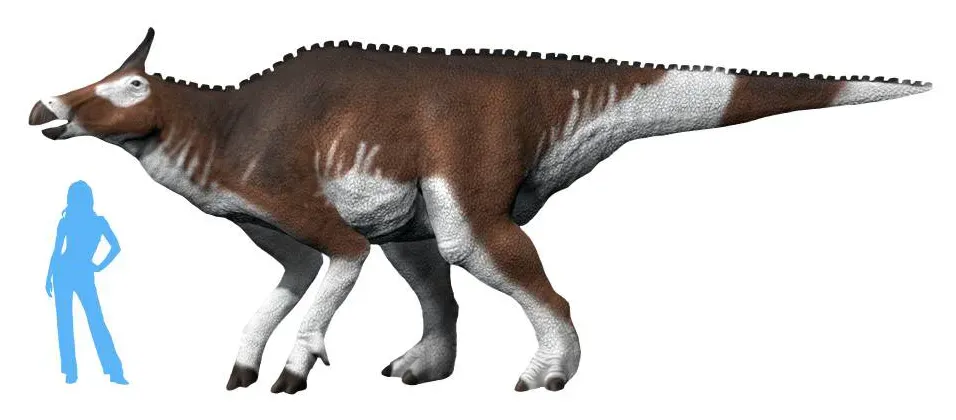
Here’s where things get interesting. In 2017, Governor Jerry Brown signed a bill naming Augustynolophus morrisi as California’s official state dinosaur. The twist? This duck-billed dinosaur wasn’t a swimmer.
During the time when dinosaurs lived, most of California was covered by ocean, and dinosaur skeletons may have drowned in rivers and been carried out to sea by currents, as we find shells of marine animals where they grew on the dinosaur bones. Bones found in Del Puerto Canyon in Stanislaus County represented the first scientifically documented discovery of a dinosaur fossil in California. These weren’t animals adapted to marine life. They were tragic victims, swept from coastal habitats into the depths where they became meals or curiosities for true ocean dwellers.
The Megalodon Connection: Sharktooth Hill’s Treasure Trove
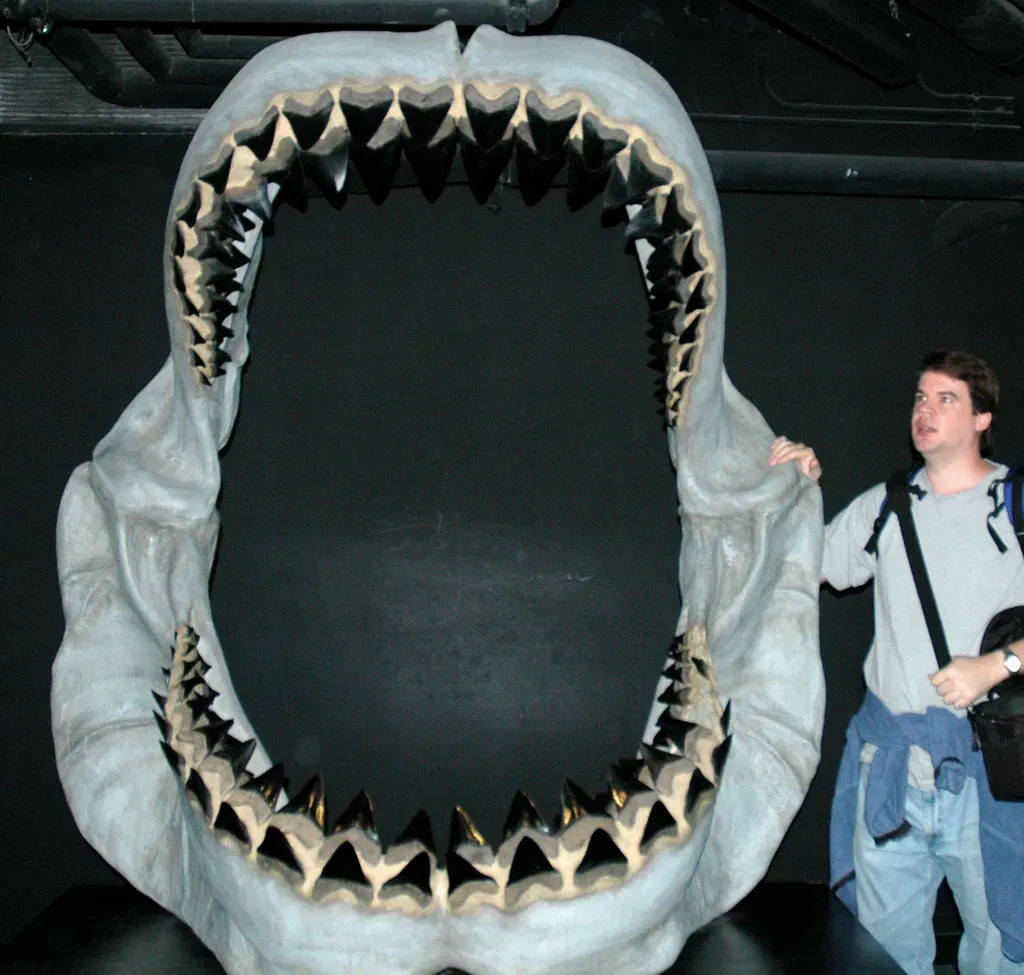
Fast forward to around 15 million years ago during the Miocene epoch. Fossil shark teeth belonging to Carcharocles megalodon have been collected by the thousands from the Sharktooth Hill bonebed in Kern County, where giant 40-foot sharks and ancestral seals lived about 15 million years ago.
Marine animals lived and died there by the millions for as long as 700,000 years, eventually creating a fossil-rich underwater shelf that is arguably the richest bone bed in the world. Sharktooth Hill wasn’t just home to megalodons. Ancestral seals larger than any known today also inhabited these waters. The diversity was staggering, almost overwhelming when you think about it.
The Walrus That Swam Through California
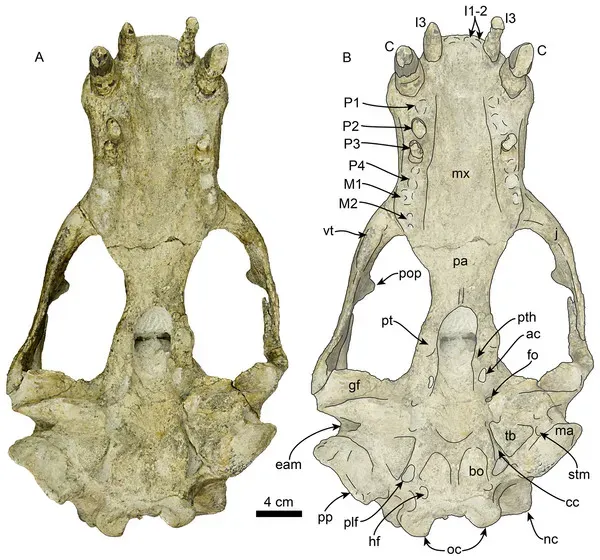
Wait, walruses in California? Absolutely. The species of walrus found in what is now the Central Valley is called Pliopedia pacific, believed to have lived in the late Miocene.
Fossils of these Californian walruses were found in the Paso Robles Formation of San Luis Obispo County, known for preserving fossils that date back as long ago as 23 million years. Today, walruses are Arctic creatures, found only in the frozen reaches of the far north. Yet millions of years ago, they basked and fed in California’s warm inland sea. Climate change, long before humans arrived, reshaped the entire distribution of life on Earth.
Lake Corcoran: California’s Forgotten Inland Sea
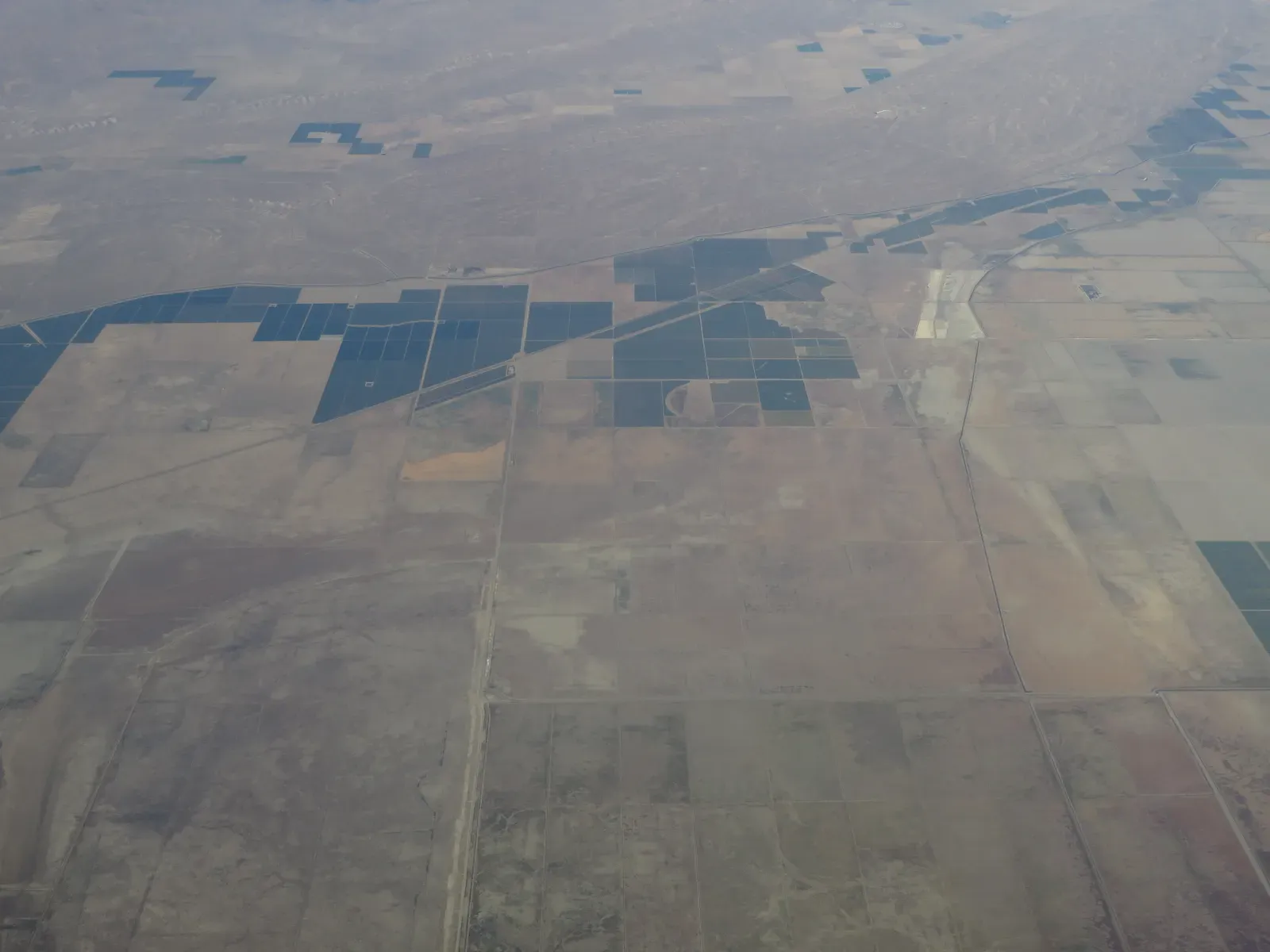
Before 600,000 years ago, Lake Corcoran covered the Central Valley of California and was drained 600,000 years ago, leaving behind remnants like Buena Vista, Kern, and Tulare Lakes. This wasn’t millions of years in the distant past anymore. This was relatively recent in geological terms.
If you went back, say 1 million years ago, that’s pretty much what you would have seen, something geologists today call Lake Corcoran. The valley that now produces a significant portion of America’s fruits and vegetables was a massive body of water. Imagine sailing across what is now farmland, peering into depths where ancient creatures still lurked.
The Ice Age Giants: When Megafauna Roamed Dry Land
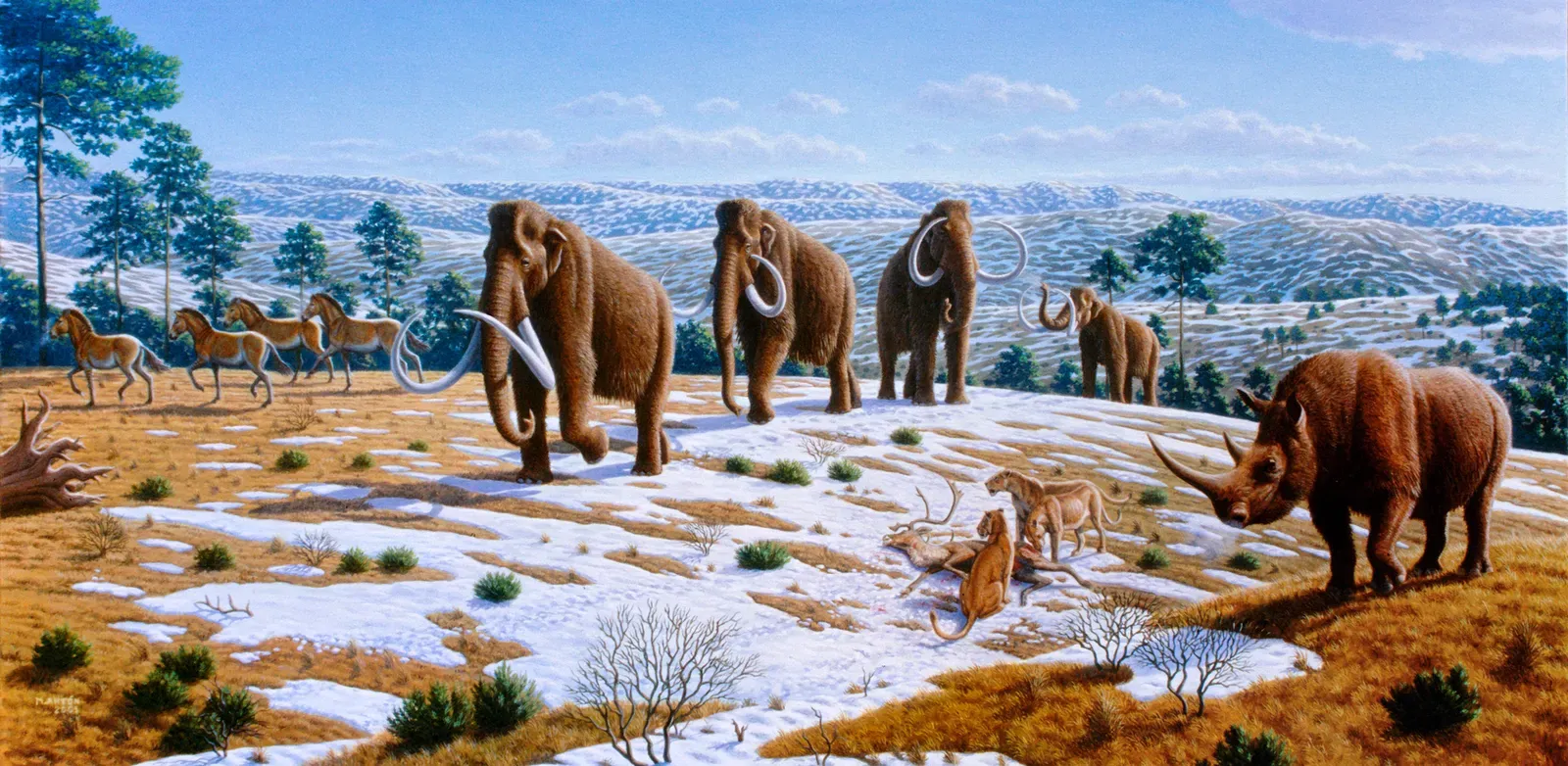
Researchers obtained more than 170 new radiocarbon dates on La Brea Tar Pits fossils, focusing on the eight most common large mammals including coyotes, horses, camels, bison, saber-toothed cats, giant ground sloths, American lions, and dire wolves. California’s underwater phase eventually ended, but the megafauna story didn’t.
During the last ice age, remarkable creatures that roamed the Bay Area included mammoths, mastodons, camels, sloths, a muskox relative called a shrub-ox, short-faced bears, dire wolves, and saber-toothed cats. Some animals disappeared earlier and the rest vanished simultaneously 13,000 years ago, with changing climates and plant communities helping unravel this complexity. These magnificent beasts witnessed the arrival of humans in North America, though their time was running out.
Conclusion: Echoes of Vanished Oceans
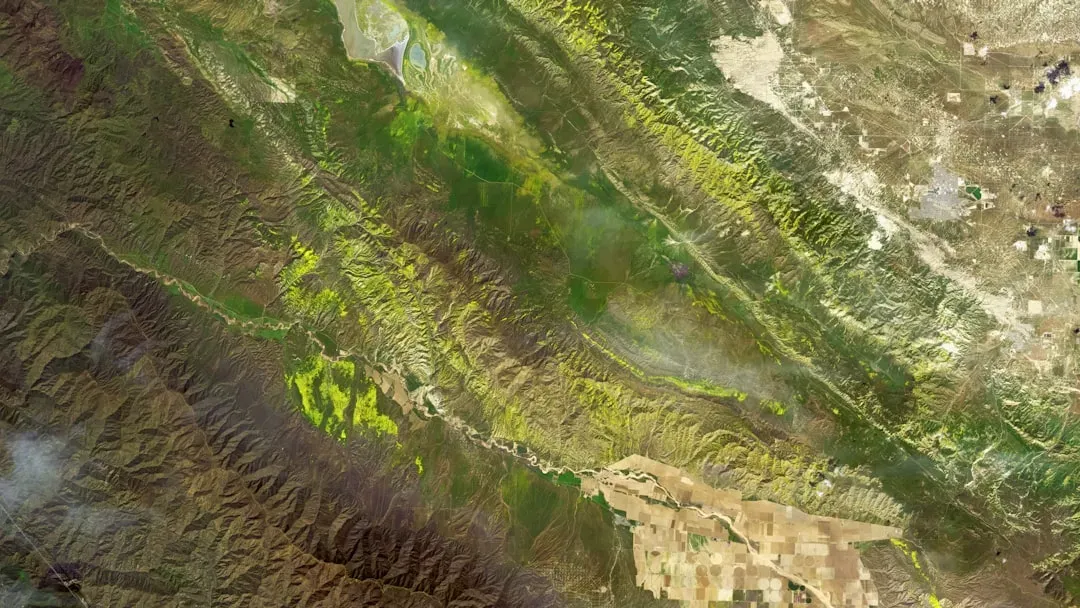
California’s prehistoric past reads like a fantasy novel, yet every word is backed by fossil evidence buried beneath our feet. From mosasaurs prowling where Los Angeles sprawls today, to plesiosaurs hunting in waters above the Central Valley, to walruses lounging where vineyards now flourish, the state’s history is written in ancient stone.
Fossils of megafauna from the Ice Age are present throughout a vast majority of the Central Valley, including mammoths, dire wolves, saber-tooth cats, camels and ground sloths. The next time you drive through California’s valleys or walk its beaches, remember: you’re treading on ground that was once the domain of giants. These vanished seaways and their monstrous inhabitants remind us that our planet has lived countless lives before ours, each one stranger and more magnificent than we can fully imagine. What would you have seen if you could travel back to prehistoric California?