
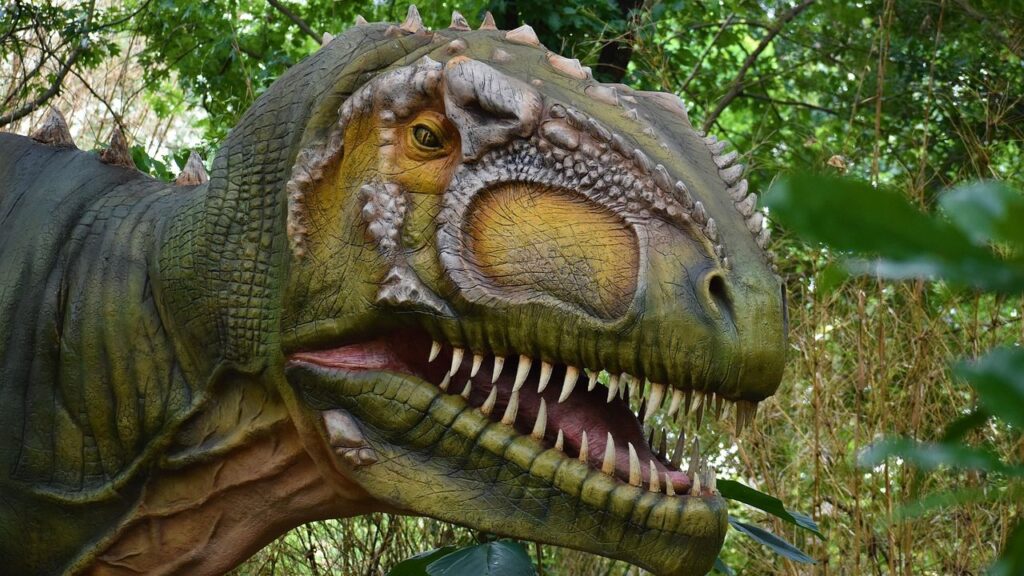
When you think about Texas, massive oil fields, sprawling ranches, and legendary barbecue probably come to mind before ancient creatures. Yet beneath the vast landscapes of this state lies a forgotten world filled with beasts that once ruled long before cowboys ever set foot here. While everyone knows T. rex and Triceratops dominated pop culture, there’s a whole cast of obscure prehistoric characters that roamed Texas millions of years ago.
These lesser-known dinosaurs tell fascinating stories about survival, adaptation, and the ever-shifting landscapes of what would become the Lone Star State. From tiny plant-eaters no bigger than your family dog to bizarre reptiles that looked like ostriches without feathers, Texas harbored an astonishing diversity of life. Let’s dig into these forgotten giants and discover why they deserve just as much attention as their famous cousins.
The Techno Lizard That Time Forgot
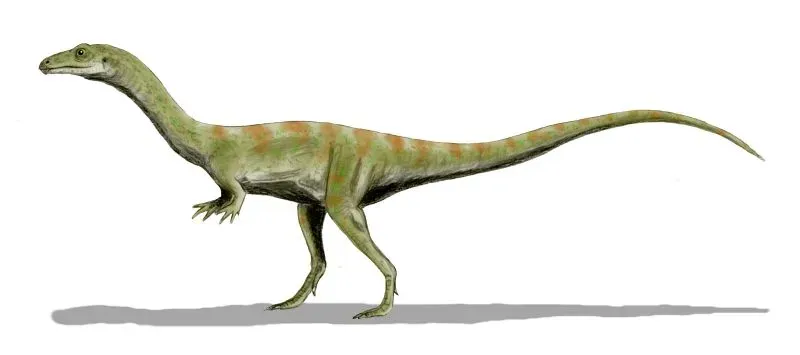
Technosaurus earned its unusual name because fossils were discovered near Texas Tech University, and this creature was no larger than a large dog. Honestly, the name sounds more like a failed robot prototype than an actual dinosaur, which makes it all the more intriguing. The dinosaur had ridged teeth for cutting up plants and browsed on all fours but ran on its hind legs.
Living roughly 225 to 220 million years ago during the Late Triassic Period, Technosaurus faced predators like the meat-eating dinosaur Coelophysis and the large reptile Postosuchus. Picture this small herbivore desperately fleeing from much larger threats across ancient floodplains where towering pine-like trees and cycads dominated the horizon. The creature’s life was probably a constant game of hide-and-seek with death lurking around every fern.
Shuvosaurus: The Dinosaur That Wasn’t Really a Dinosaur
Shuvosaurus is a genus of beaked reptile from the Late Triassic of western Texas that was more closely related to crocodilians even though it resembled a theropod dinosaur. Nature loves throwing curveballs, and Shuvosaurus is one of them. It resembled a large ostrich but without the feathers.
This creature represents one of evolution’s most fascinating examples of convergent evolution, where unrelated species develop similar features. Scientists initially believed Shuvosaurus was a true dinosaur until further research revealed its crocodilian ancestry. Imagine stumbling across this lanky, beaked creature sprinting across the Triassic Texas landscape on two legs, only to discover it’s more closely related to modern crocodiles than to birds. It’s like finding out your neighbor who looks like a marathon runner is actually a professional swimmer.
Texacephale: The Head-Butting Texan
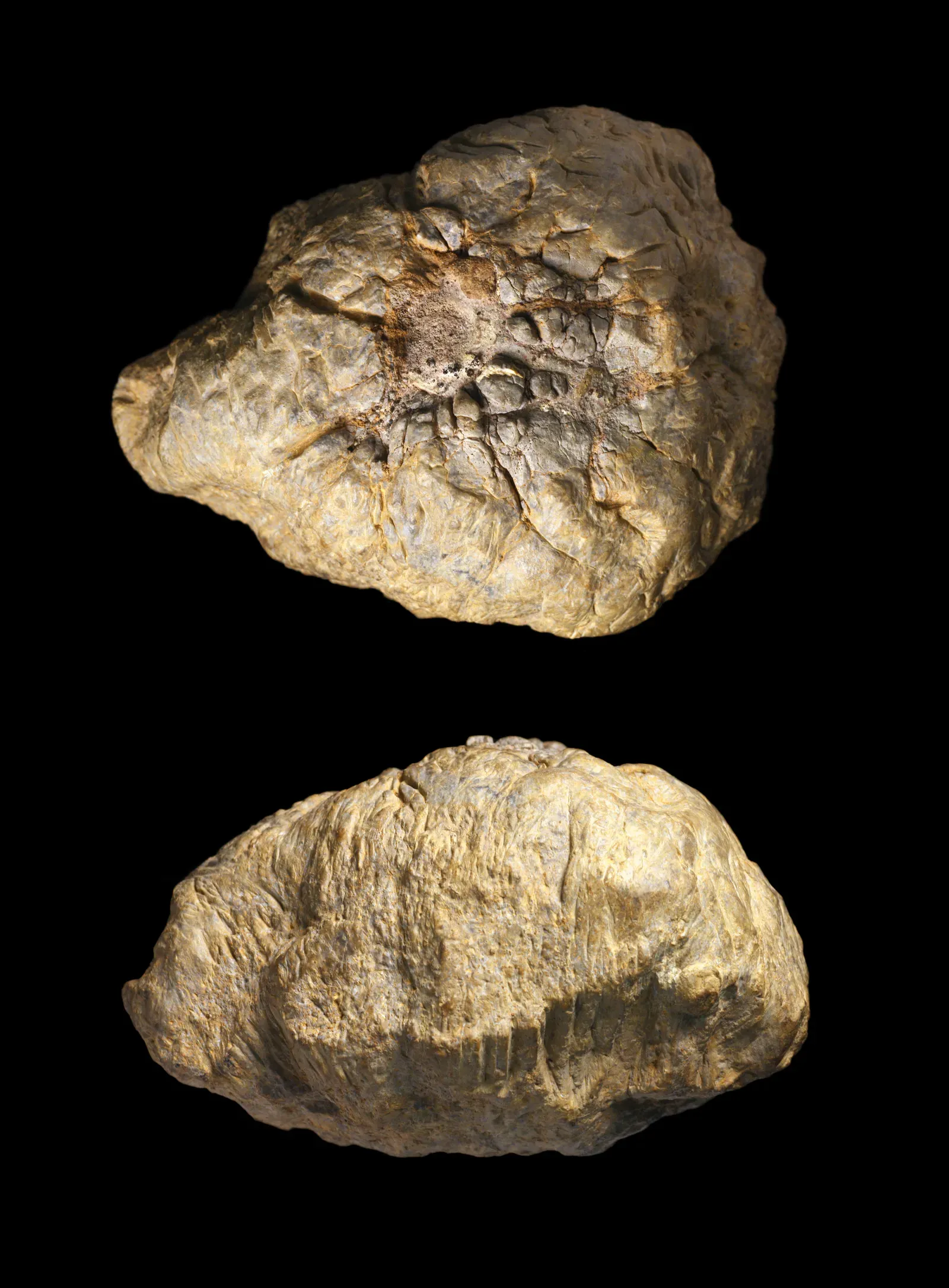
The remains of Texacephale were first reported in 2010, and this dinosaur belongs to the Pachycephalosaurs, a group of plant-eating, head-butting dinosaurs. Their abnormally thick heads distinguish them, and their remains came from the Aguja Formation in Texas’ Big Bend National Park.
These creatures were essentially walking battering rams with attitude problems. The thick dome atop their skulls wasn’t just for show; scientists believe they used these reinforced noggins for combat with rivals or predators. Living roughly 75 to 65 million years ago in what’s now the Big Bend region, Texacephale roamed a landscape vastly different from today’s desert environment. Back then, flowering bushes and trees covered the terrain, and this strange dinosaur likely competed for territory by literally headbutting its competition into submission.
Tenontosaurus: The Recent West Texas Surprise
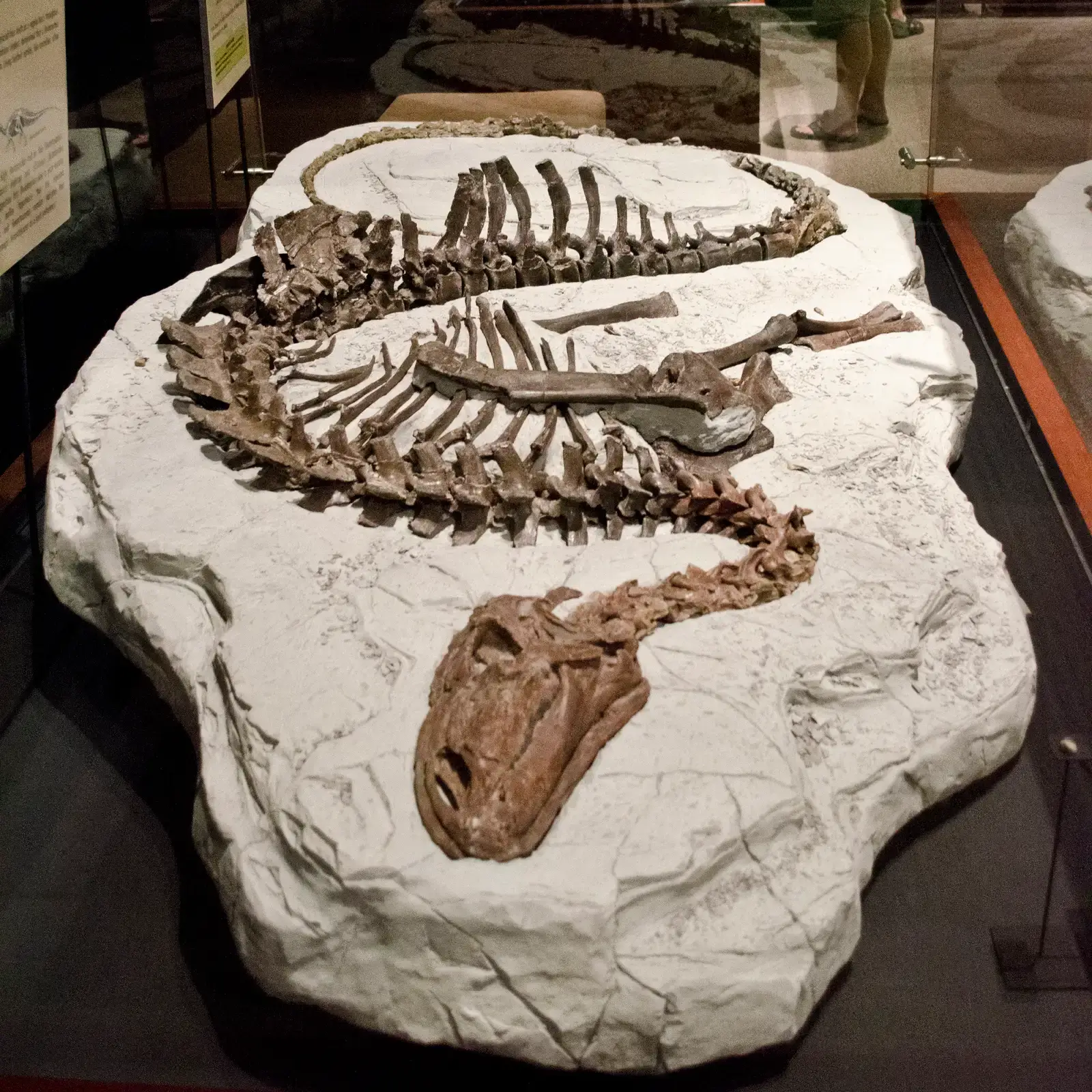
A dinosaur fossil discovery by a researcher from The University of Texas at El Paso may expand the known range of a species that roamed the Earth approximately 115 million years ago, as fossils identified as belonging to Tenontosaurus were discovered near Van Horn, Texas. Dinosaur fossil discoveries in West Texas are rare, and the finding of fossilized bones rather than just footprints is especially uncommon.
This discovery extends the known range of Tenontosaurus farther southwest than previously documented, showing that Tenontosaurus lived as far south as West Texas. The medium-sized plant-eater had an unusually long, broad tail stiffened with bony tendons. What makes this discovery remarkable isn’t just the dinosaur itself but the fact that major finds can still happen when you least expect them. A geology professor mapping rock formations stumbled upon these fragments weathering out of soft shale, proving West Texas still has prehistoric secrets waiting to be unearthed.
Ampelognathus: The Grapevine Jaw
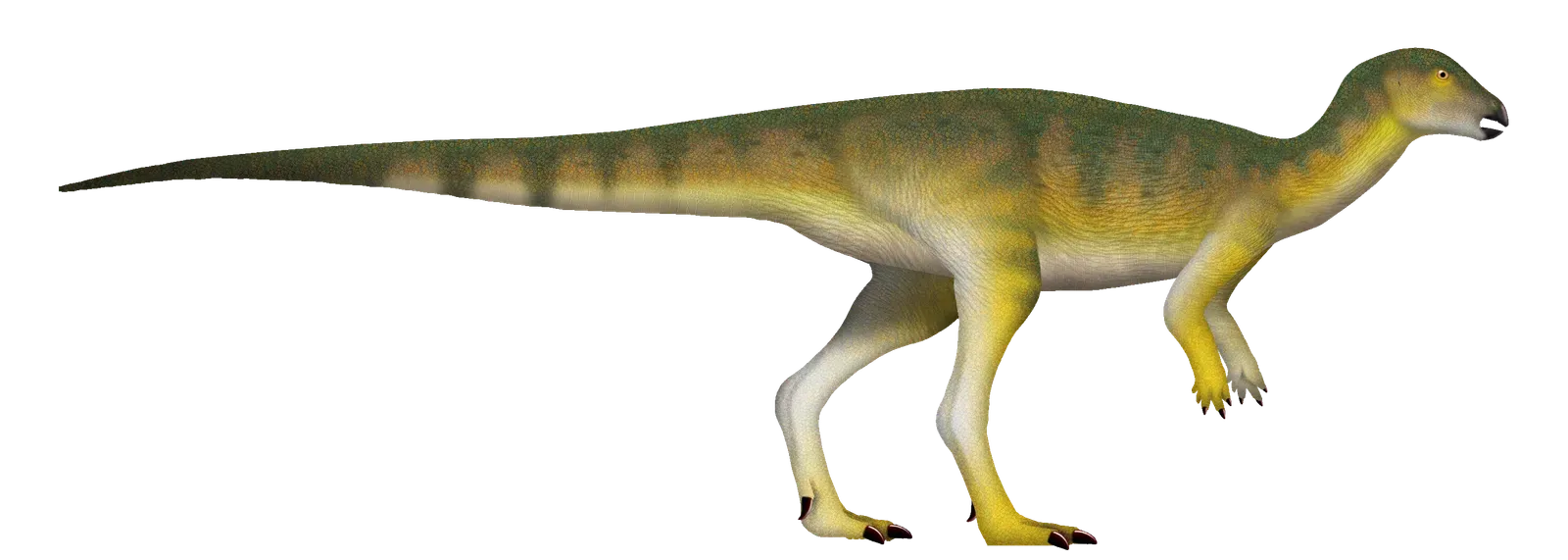
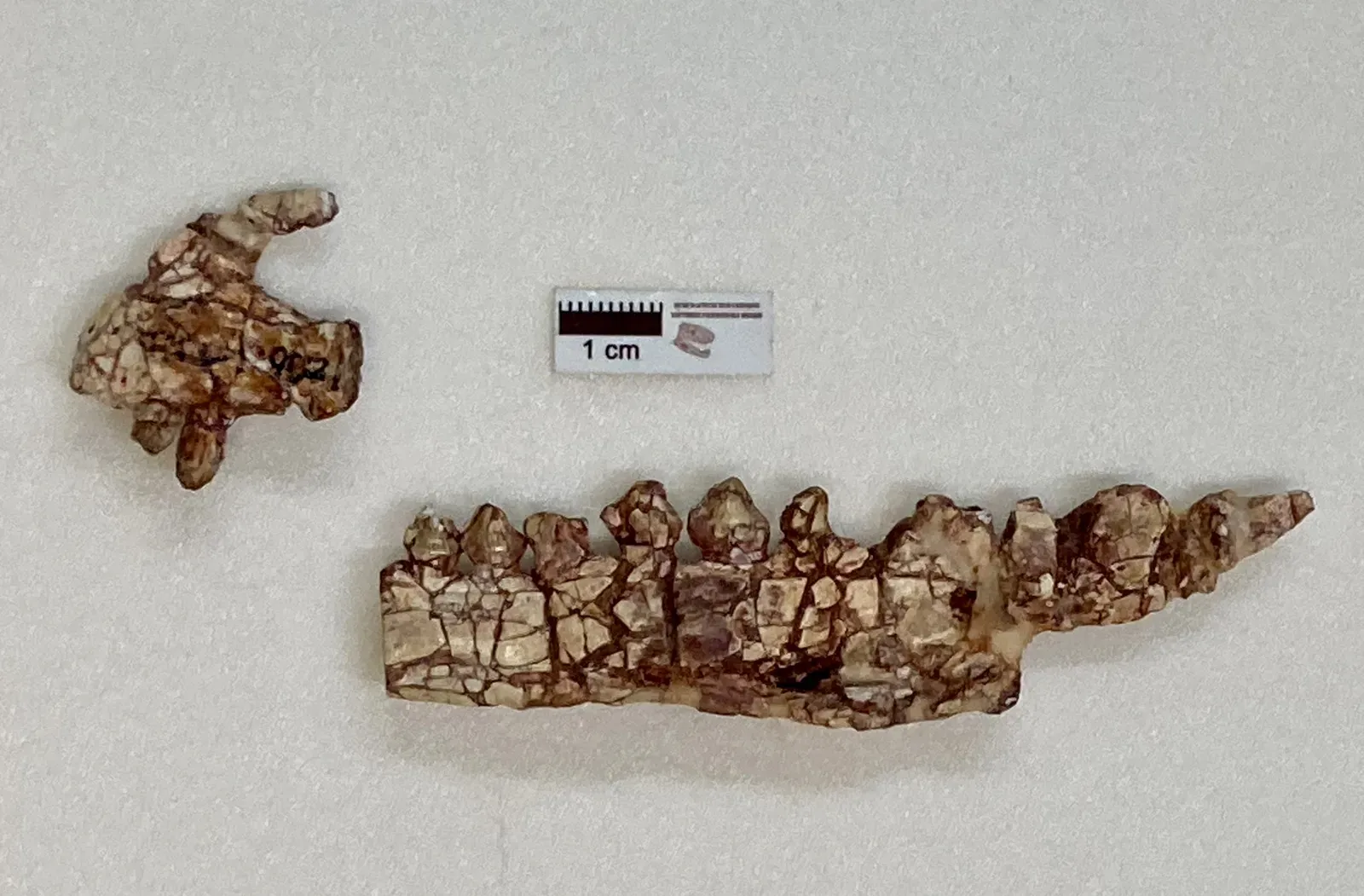
Ampelognathus coheni is a small plant-eating dinosaur discovered in Texas, making it a rare find for North Texas where few herbivorous species have been uncovered. The dinosaur was first unearthed in 2020 when a small 2-inch-long section of fossilized jawbone was discovered near Lake Grapevine, and it has only now been confirmed as a whole new species.
Here’s the thing about Ampelognathus: it was discovered in 2020, making it one of the newest additions to Texas’s dinosaur roster. Roughly the size of a border collie and weighing no more than a medium-sized dog, this creature roamed North Texas about 96 million years ago when a shallow seaway divided the continent. The discovery happened because a volunteer fossil enthusiast noticed a tiny fragment that paleontologists initially thought belonged to a small crocodile. Sometimes the most significant discoveries come in the smallest packages.
Acrocanthosaurus: The Spiny Hunter
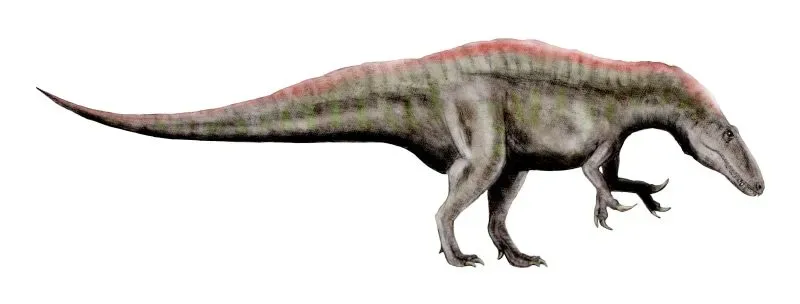
A ridge of spines ran down their back, giving Acrocanthosaurus the nickname “top-spined lizard,” and this dinosaur left hundreds of three-toed fossil footprints throughout central and northern Texas. These tracks are believed to be about 110 to 115 million years old and belonged to meat-eating dinosaurs that were roughly 35 feet long and walked on two legs.
While Acrocanthosaurus isn’t completely unknown, it’s certainly overshadowed by its celebrity cousin, T. rex. This massive predator stalked the shorelines and estuaries of Early Cretaceous Texas, leaving behind fossilized evidence of its hunting behavior. At Dinosaur Valley State Park in Glen Rose, you can actually see footprints showing an Acrocanthosaurus chasing a Pleurocoelus across ancient mud that hardened into stone. It’s like watching an action movie frozen in time, capturing the exact moment when predator pursued prey over 100 million years ago.
Paluxysaurus: Texas’s State Dinosaur
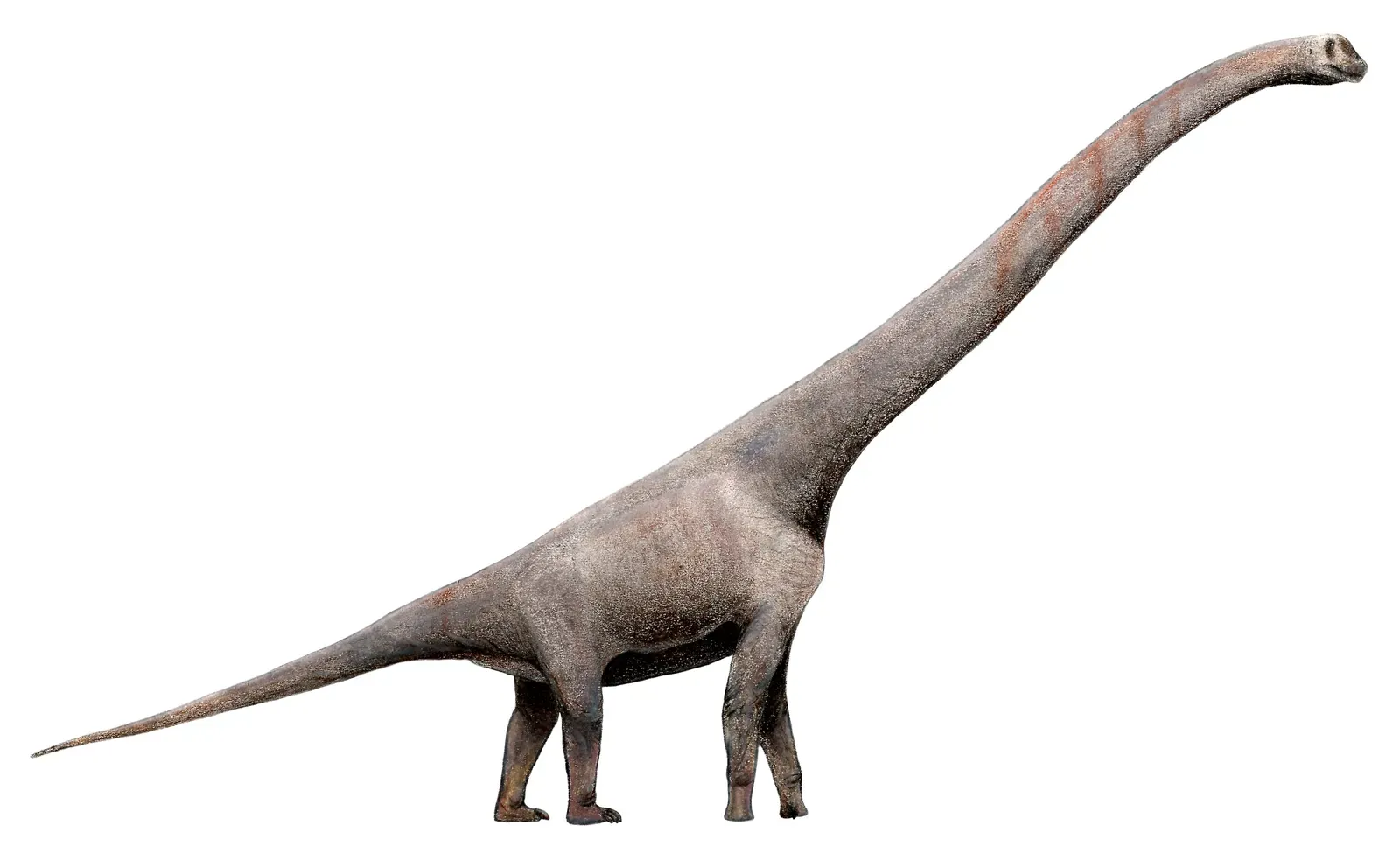
Pleurocoelus was chosen as Texas’s official state dinosaur in 1997, but paleontologists re-identified Paluxysaurus jonesi as the name of the bones and footprints discovered in northern and central Texas, and Texas changed their state dinosaur to Paluxysaurus in 2009. Paluxysaurus jonesi makes a breathtaking sight, and the long-necked sauropod’s massive reconstructed skeleton is made of both foam material and real fossilized bone.
This gentle giant represents Texas paleontology at its finest. Named after the Paluxy River where its fossils were discovered, Paluxysaurus was a colossal herbivore that lumbered through ancient floodplains munching on vegetation. The dinosaur’s promotion to official state status wasn’t just political posturing; it represented genuine Texan pride in homegrown discoveries. You can now view a full mount of Paluxysaurus at the Fort Worth Museum of Science and History, where its towering presence reminds visitors that Texas was once home to creatures far more impressive than longhorn cattle.
Alamosaurus: The Late Cretaceous Survivor
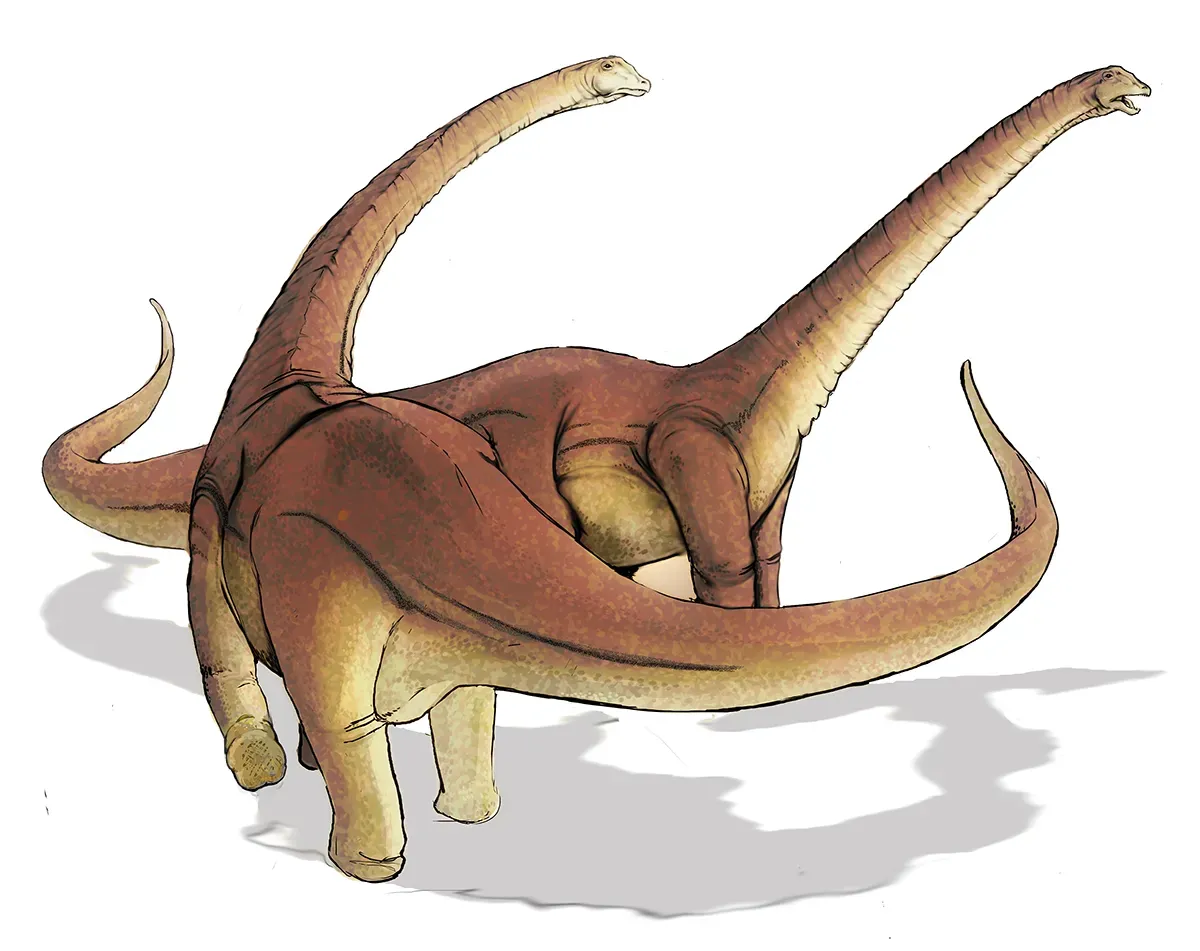
Alamosaurus was a 50-foot-long titanosaur that couldn’t chew with its peg-shaped teeth and lived in what is now southern North America during the late Cretaceous Period, and despite other fossil specimens coming from Texas, this titanosaur was named after the Ojo Alamo Formation of New Mexico, not the famed Alamo of San Antonio. This long-necked dinosaur likely roamed North America from about 70-66 million years ago, and interestingly, it is the only Late Cretaceous sauropod found in North America.
Alamosaurus represents the last of the great sauropods in North America, surviving right up until the mass extinction event that wiped out the dinosaurs. Recent discoveries in Big Bend National Park continue to reveal more about this creature, including vertebrae that form part of one of the most complete skeletons found in the area. The fact that Alamosaurus persisted when most other sauropods had vanished makes it a testament to evolutionary resilience. This dinosaur witnessed the final chapter of the dinosaur age, standing as one of the last giants before the curtain fell on the Mesozoic Era forever.
Conclusion: Texas’s Prehistoric Legacy Lives On
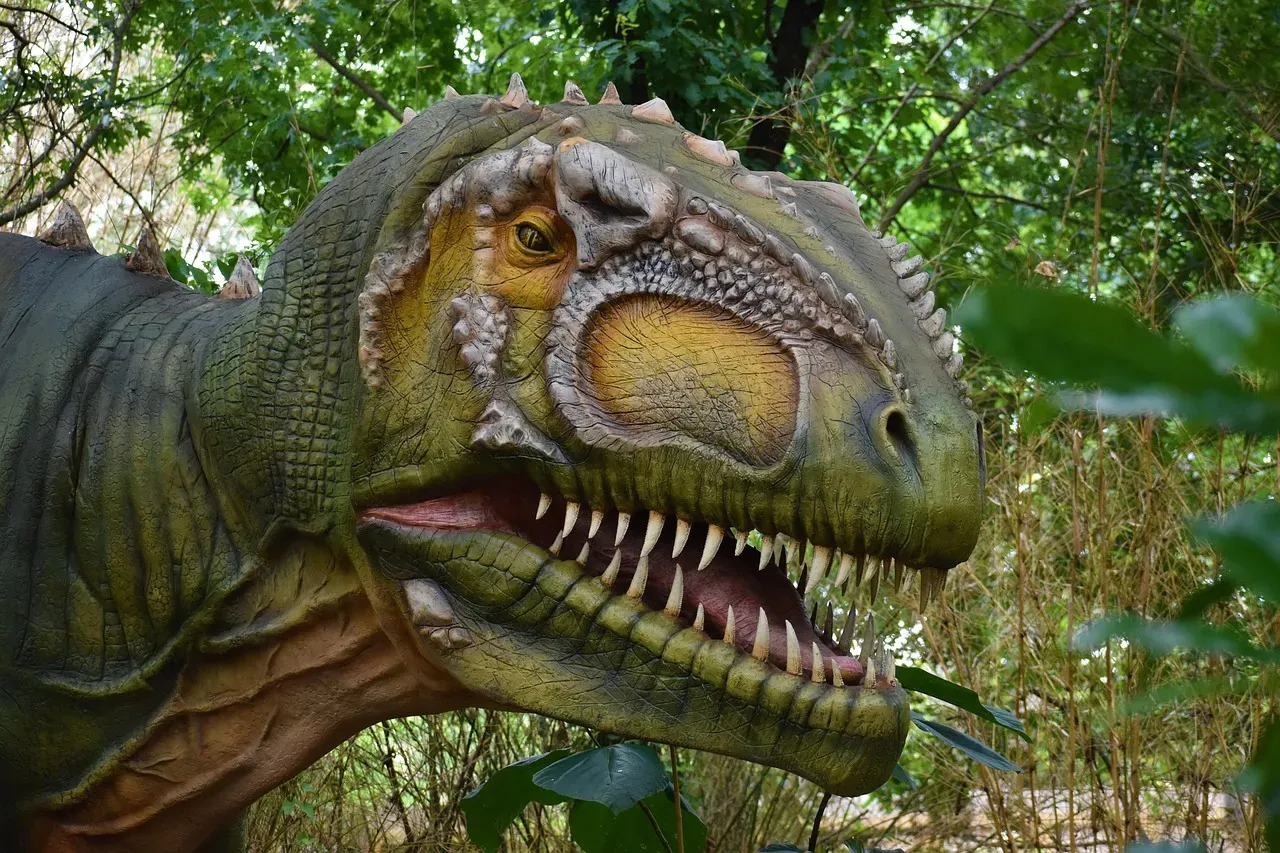
The dinosaurs that once roamed Texas weren’t just footnotes in paleontological history. They represent an incredible diversity of life that adapted to tropical basins, shallow seaways, and arid landscapes over millions of years. From the dog-sized Technosaurus scurrying through Triassic forests to the towering Alamosaurus witnessing the end of an era, these creatures shaped the very rocks beneath your feet today.
What’s truly exciting is that new discoveries keep happening. West Texas remains largely unexplored for dinosaur fossils, and recent finds prove that there’s still so much we don’t know about Texas’s prehistoric past. Every flood that exposes new rock layers, every geology student hiking through remote canyons, and every curious volunteer examining creek beds could uncover the next great discovery. Texas may be known for everything being bigger, but sometimes the smallest fossil fragment can rewrite what we thought we knew about ancient life. What other forgotten giants are still waiting beneath the Texas soil? The next chapter of this prehistoric story is still being written.