Ever wondered what primates looked like millions of years ago, before humans rose to dominate this planet? It’s easy to think of monkeys and apes as our closest living relatives, yet the story doesn’t end there. The ancient world teemed with primates that seem almost unrecognizable today – towering giants, tiny tree dwellers, and strange creatures caught somewhere between monkey and ape.
Most of these prehistoric primates have vanished entirely, known only through fragments of teeth, jaw bones, and scattered fossils. Some lived in forests that turned into grasslands. Others stood as tall as a gorilla, or wandered the treetops when dinosaurs had only recently disappeared. So let’s dive in and meet seven remarkable prehistoric primates that shaped the evolutionary path leading to us.
Gigantopithecus: The Largest Primate That Ever Lived
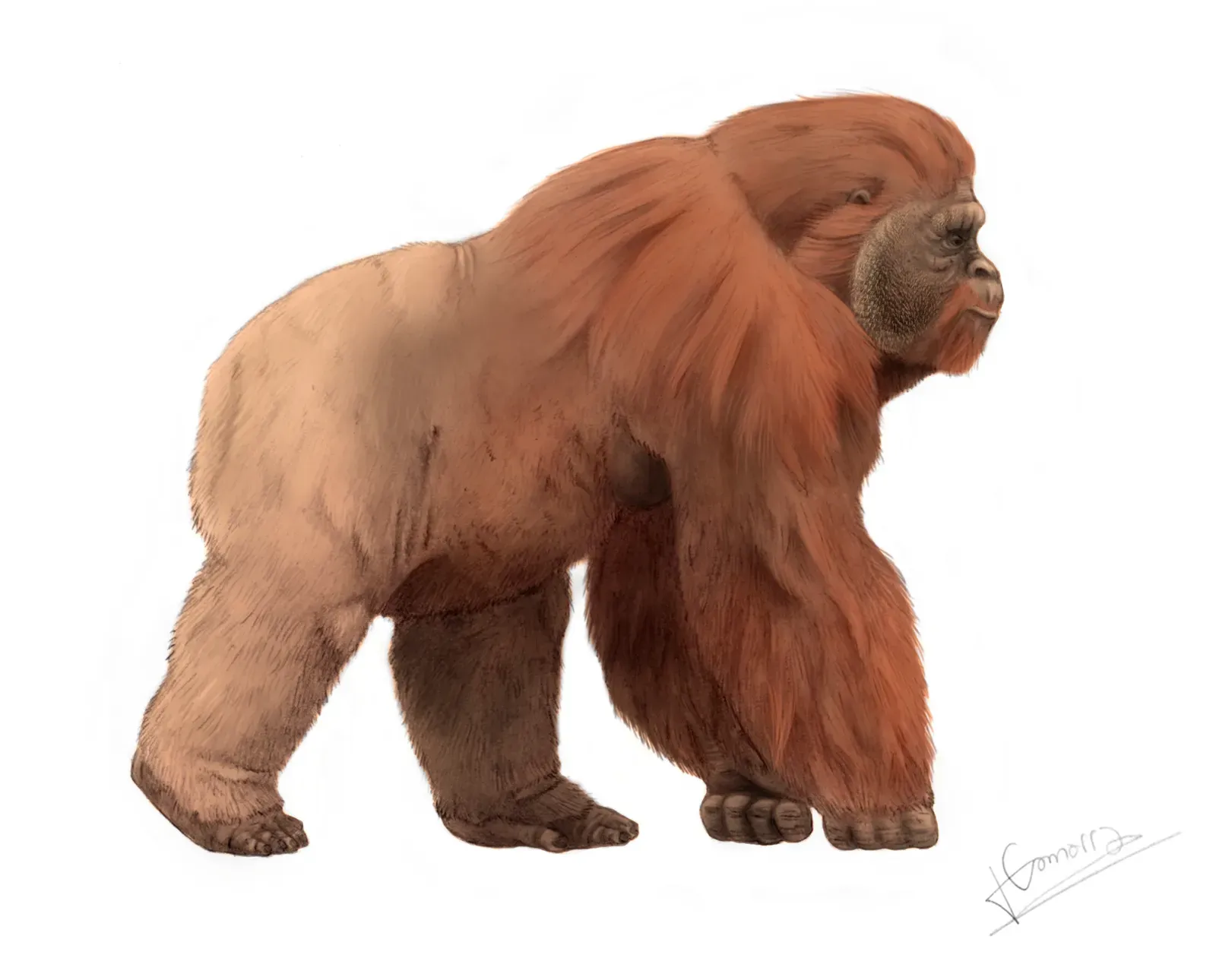
Imagine an ape so massive it could dwarf any creature alive today. Gigantopithecus blacki stood some 10 feet tall and weighed over 500 pounds, making it the largest known primate to ever live. Honestly, it’s hard to picture such a beast lumbering through forests in what is now southern China. This extinct genus of ape lived in central to southern China from 2 million to approximately 200,000 to 300,000 years ago during the Early to Middle Pleistocene. Unlike Hollywood’s King Kong, though, Gigantopithecus was an herbivore munching on bamboo, fruits, and other plant matter.
It is known for its unusually large molars, atypical enamel thickness, estimated body height of about 3 m and mass of 200 to 300 kg. Scientists only discovered this giant through teeth found in Chinese apothecary shops, where they were sold as dragon bones. The thick, lush forest that Gigantopithecus had thrived in was starting to give way to more open forests and grassland, increasingly depriving the ape of its favorite food: fruit. Unable to climb trees for higher foliage and too large to travel far for food, it slowly starved out of existence around 215,000 years ago.
Proconsul: The Bridge Between Monkeys and Apes
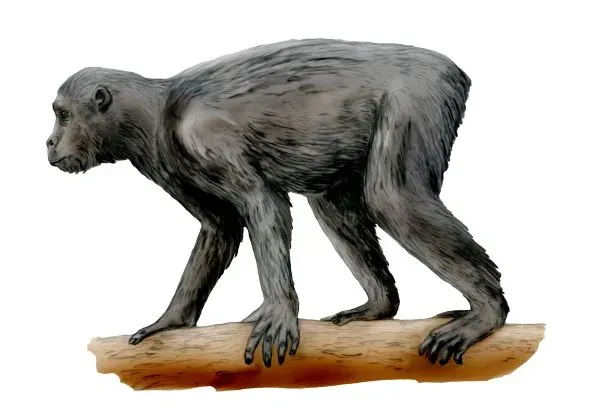
If you’re looking for a creature that straddles the line between monkey and ape, meet Proconsul. Proconsul africanus was an ape which lived from about 23 to 14 million years ago during the Miocene epoch. This primate had no tail, which linked it to apes, yet its posture and limb structure remained fairly monkey-like. The first specimen, a partial jaw discovered in 1909 by a gold prospector at Koru, near Kisumu in western Kenya, was also the oldest fossil hominoid known until recently, and the first fossil mammal ever found in sub-Saharan Africa.
Proconsul’s existence is significant because it offers clues about how apes and humans diverged from older primate lineages. Researchers found fossils of a single individual of Proconsul among geological deposits that also contained tree stump casts, calcified roots and fossil leaves. It lived in a closed-canopy tropical forest, swinging from branches but also navigating the forest floor. Though once considered a direct ancestor to humans, most scientists now believe Proconsul represents an evolutionary side branch. Still, studying it gives us insight into what our very distant relatives might have looked like.
Purgatorius: Our Earliest Primate Ancestors
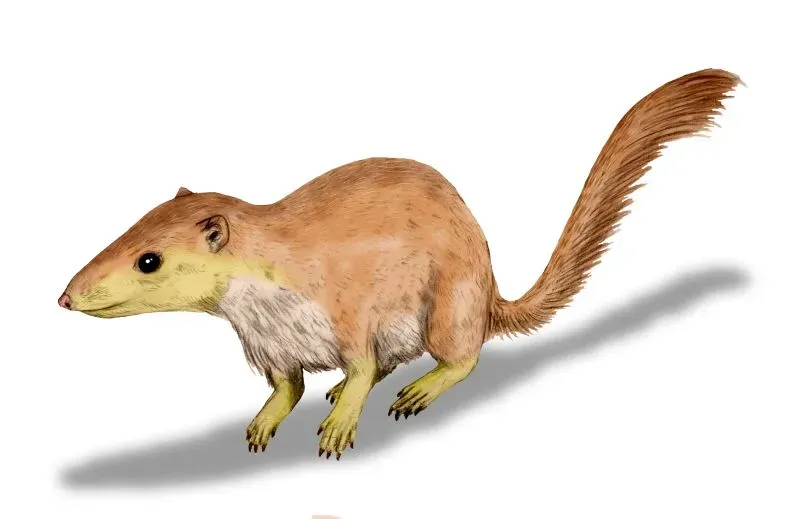
Let’s be real – Purgatorius doesn’t exactly sound like a pleasant creature to hang around, given its name inspired by the Purgatory Hills in Montana. Yet this tiny animal might be one of the earliest primates to ever exist. Some of these teeth belonged to the new species Purgatorius mckeeveri, a pint-sized precursor to modern primates that lived 65.9 million years ago, just 100,000 years after the extinction event at the end of the Cretaceous period. Picture a small, furry mammal roughly the size of a mouse, darting through the forest canopy just after the dinosaurs had disappeared.
The small, furry ancestors of all primates were already taking to the trees a mere 100,000 years after the mass extinction that wiped out the dinosaurs and most other terrestrial animals. Its specialized teeth suggest it munched on insects and fruits. The discovery also bolsters a theory that the ancestors of primates lived alongside the dinosaurs and somehow survived the extinction event that killed off about three-quarters of life on Earth. Honestly, it’s remarkable that something so tiny could give rise to such a diverse group including monkeys, apes, and us.
Sahelanthropus tchadensis: Walking Upright Seven Million Years Ago
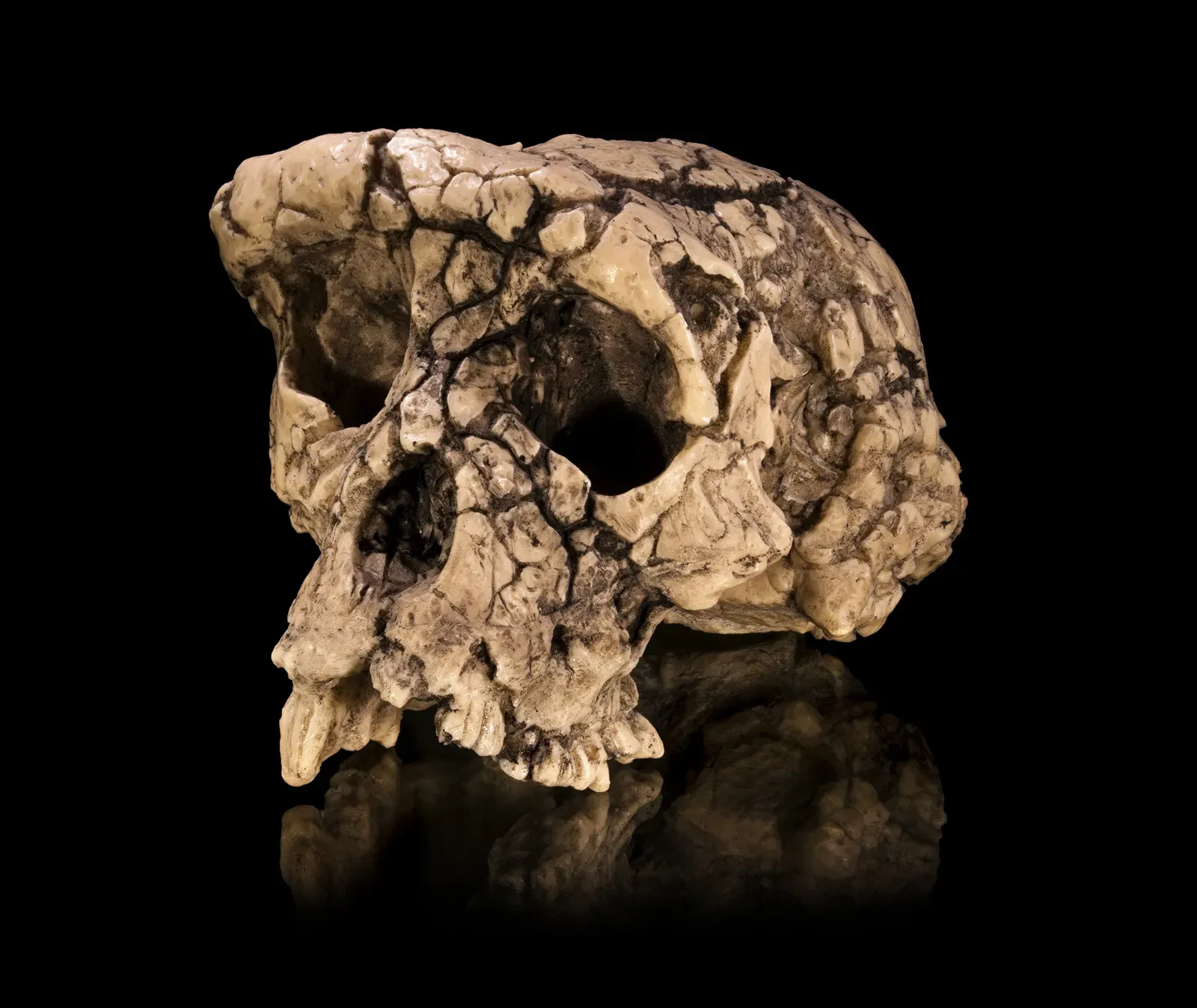
If you wanted to trace back to one of the very oldest potential human ancestors, you’d find Sahelanthropus tchadensis waiting in the record. Sahelanthropus tchadensis is one of the oldest known species in the human family tree, living sometime between 7 and 6 million years ago in West-Central Africa. The skull, nicknamed Toumaï, meaning “hope of life,” looks like a strange hybrid of ape and human. It had a brain the size of a chimpanzee’s, prominent brow ridges, and a sloping face, yet its small canine teeth and certain skull features hint at upright walking.
This new analysis makes a strong case that Sahelanthropus tchadensis, a species that lived during the critical time when our human lineage diverged from the chimps, habitually walked on two legs. Recent studies of a fossilized femur support the idea that it stood and moved bipedally. Still, there’s debate. Some researchers argue the evidence isn’t conclusive, while others see Sahelanthropus as a pivotal species marking the dawn of the hominin lineage. While the fossil femur appears to have supported the demands of habitual upright walking, Sahelanthropus’s chimp-like forearms show that it still spent plenty of time in the trees.
Archaeolemur: Madagascar’s Baboon Lemur
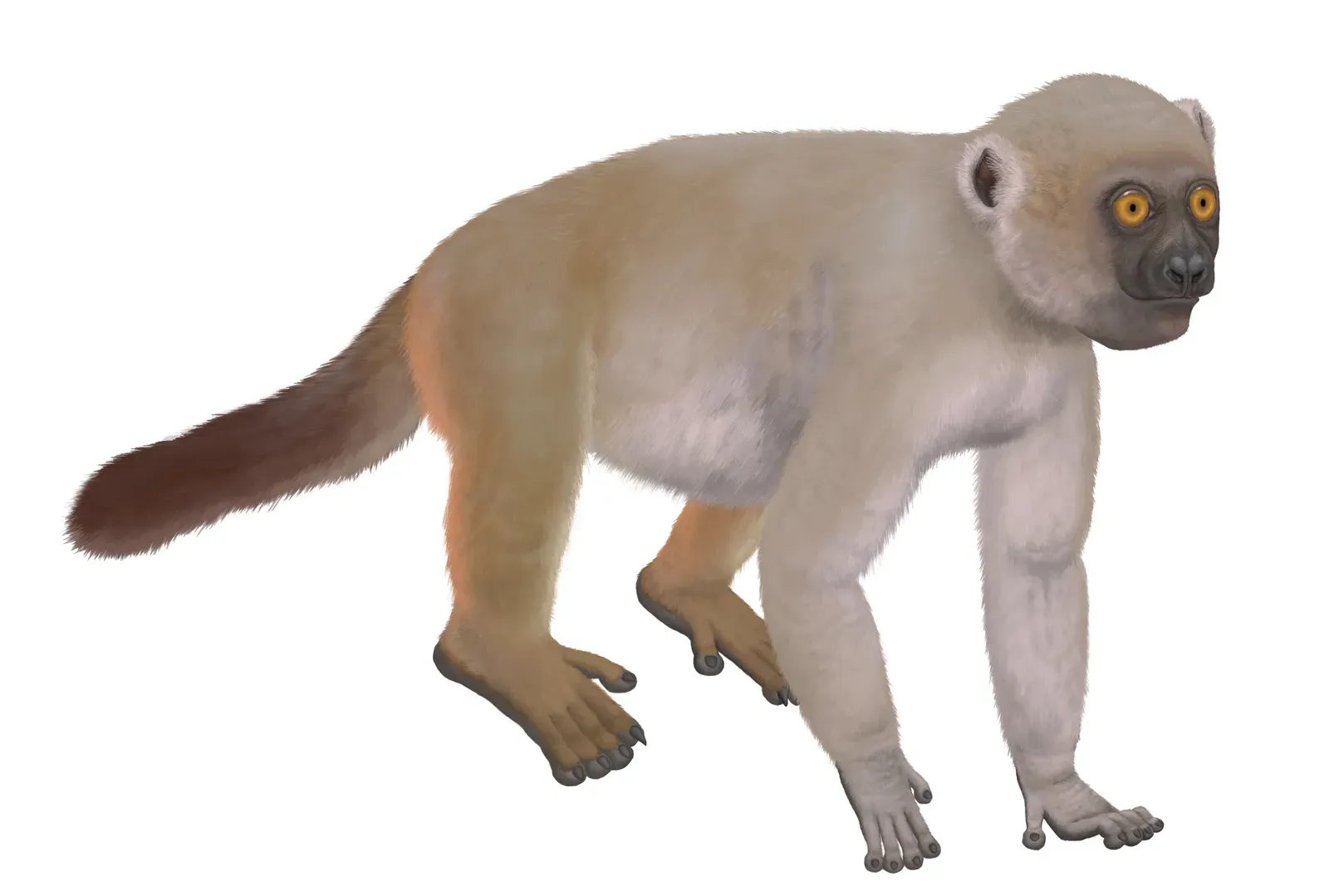
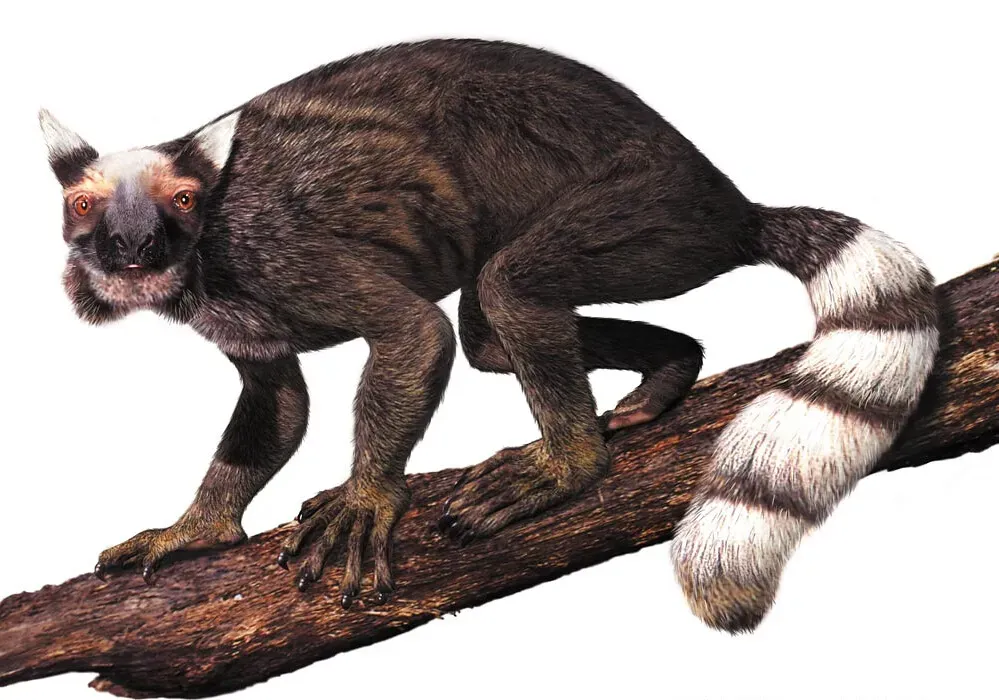
When explorers first found the fossils of Archaeolemur, they actually mistook it for a monkey. Archaeolemur is one of the most common and well-known of the extinct giant lemurs as hundreds of its bones have been discovered in fossil deposits across the island, with a body mass of approximately 18.2 to 26.5 kg. This creature, often called the “baboon lemur,” roamed Madagascar within the last few thousand years. It had robust jaws, powerful limbs, and a build that suggested it spent time both on the ground and in trees.
Radiocarbon dating indicates that Archaeolemur survived on Madagascar until at least 1040 to 1290 AD, outliving most other subfossil lemurs. Its diet appears to have been varied and omnivorous, allowing it to exploit a range of food sources. These remarkable extinct lemurs had dentitions resembling baboons in shape, but presenting tooth chipping patterns similar to fossil hominins such as Neanderthals, with their front teeth showing substantial fractures. Despite its adaptability, Archaeolemur ultimately succumbed to habitat destruction and hunting after humans arrived on the island.
Archaeoindris: The Gorilla-Sized Giant Lemur
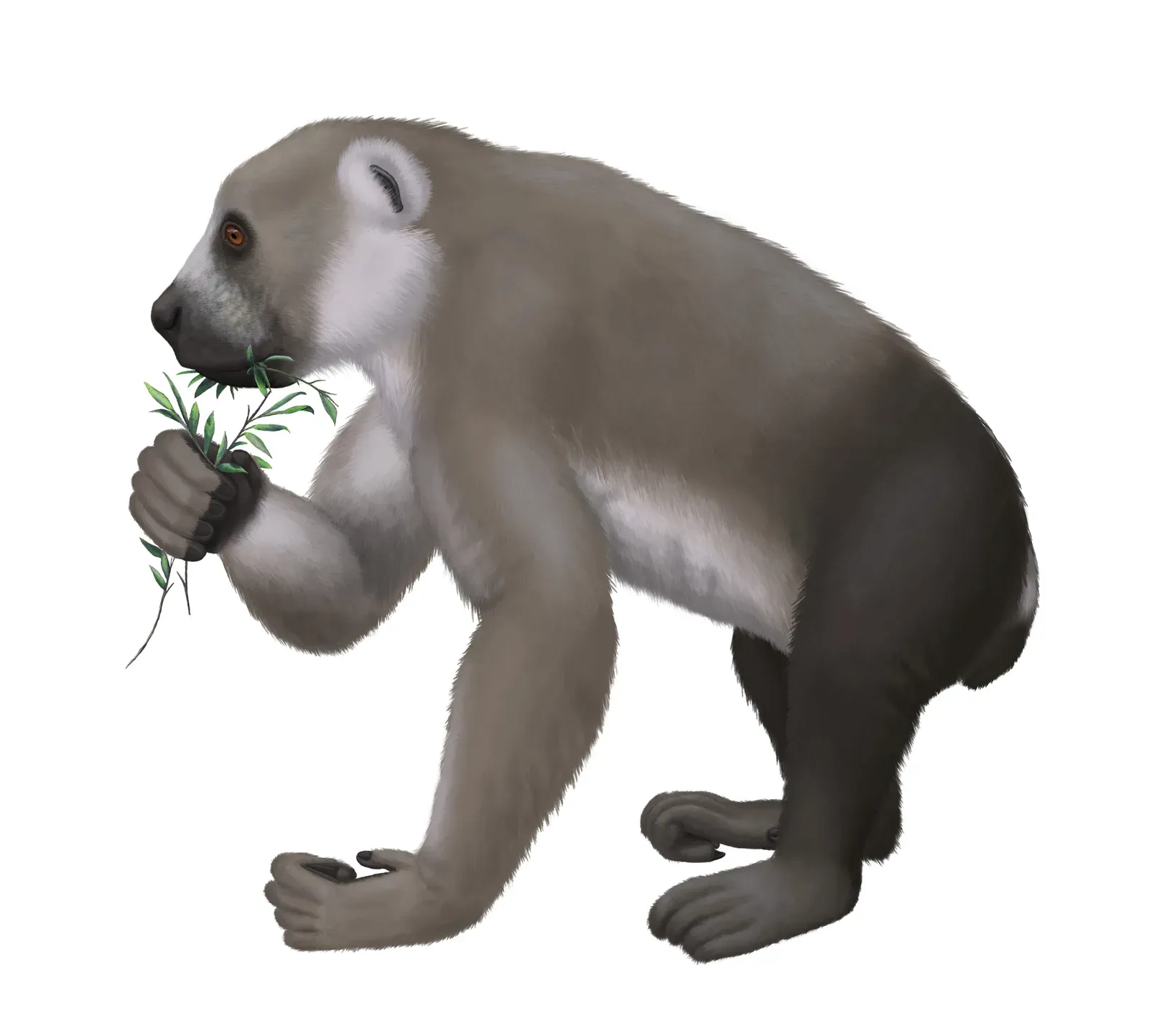
If Archaeolemur sounds impressive, wait until you hear about Archaeoindris. Archaeoindris fontoynontii is an extinct giant lemur and the largest primate known to have evolved on Madagascar, comparable in size to a male gorilla. Known only from a single fossil site in central Madagascar, this creature belonged to a family of “sloth lemurs” that spent most of their time hanging from tree branches, though Archaeoindris was likely too heavy for much climbing. Its arms were longer than its legs, and it probably moved slowly through forests, feeding on leaves.
Its remains have been found at only one location: Ampasambazimba, a subfossil site in central Madagascar. Estimates of its size vary, but most scientists place it around 160 to 200 kilograms. Although it was a rare lemur, it was still extant when humans first arrived on Madagascar, and it would have been vulnerable to hunting and habitat loss. Its extinction is a reminder of how vulnerable large, slow-reproducing animals become when faced with rapid environmental changes and human activity.
Chororapithecus: A Potential Gorilla Ancestor
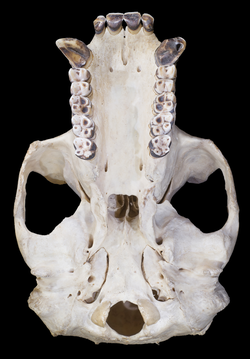
Here’s where things get murky, because Chororapithecus is known from only a handful of fossilized teeth. The toothy remains were found near the village of Chorora in Ethiopia in 2005 to 2007, and they are very similar to gorilla teeth, leading scientists to theorize that chororapithecus is the gorilla’s oldest relative. Dated to around 10 million years ago, this primate could represent a crucial link in understanding when and how the great apes diverged. The thick enamel on its teeth suggests it ate tough plant material, possibly nuts or fibrous vegetation.
The fossilized remains were found in a river system that possibly had a forest beside it, and if Chororapithecus lived in this environment, it’s very similar to the habitats of today’s great apes. Honestly, I think it’s fascinating how so much debate can hinge on just a few molars and jaw fragments. Because there are so few remains, scientists remain cautious about placing Chororapithecus definitively in the gorilla lineage. More fossils would help clarify its role in primate evolution, yet even this limited evidence pushes back the timeline of great ape diversification.
Why These Prehistoric Primates Matter
You might wonder why we should care about primates that disappeared millions of years ago. The truth is, each of these extinct species reveals something vital about our own evolutionary story. From tiny Purgatorius scurrying through post-dinosaur forests to towering Gigantopithecus facing extinction in changing climates, these creatures remind us how adaptable and fragile life can be. They show us that walking upright, developing larger brains, and living in complex social groups didn’t happen overnight – it took millions of years of trial and error.
These ancient primates also underscore the importance of preserving what remains today. Many modern primates face threats eerily similar to those that wiped out their prehistoric relatives: habitat loss, climate change, and human activity. By studying fossils and understanding what led to their extinction, we gain clues about how to protect the species we still have. What would you have guessed if someone told you a 10-foot-tall ape once roamed China, or that some of our earliest ancestors might have lived alongside dinosaurs? The past is full of surprises, and each discovery reshapes our understanding of where we came from and where we might be headed.