
Picture yourself standing at the edge of a Wisconsin lake, knowing that deep below the surface lies something older than one of the world’s most iconic monuments. What could possibly survive underwater for thousands of years? It turns out, the answer is more fascinating than most people could imagine.
Sixteen 5,200-year-old canoes have been discovered under Lake Mendota in the U.S., making most of them older than the Egyptian pyramids. This isn’t just about old boats. It’s about rewriting what we thought we knew about ancient North American civilizations and their sophisticated travel networks.
The Discovery That Changed Everything
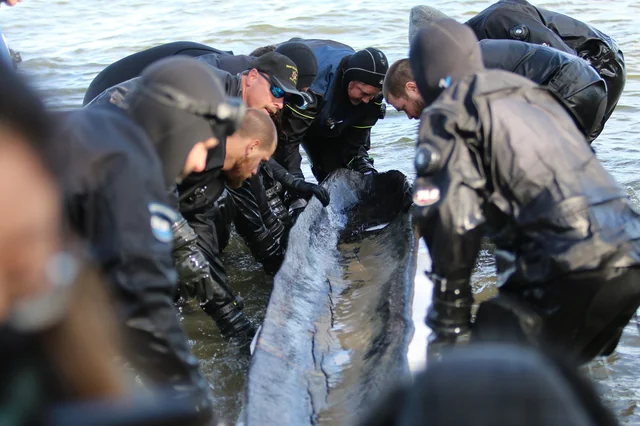
Wisconsin Historical Society maritime archaeologist Tamara Thomsen made an unexpected finding of a 1,200 year-old dugout canoe in 2021. She was diving as a private citizen that day, collecting trash and chasing fish, when she spotted something jutting out of a sandy ridge. The decaying end of a canoe emerged from the lakebed, and what started as a casual dive turned into an international archaeological sensation.
Divers first noticed canoe-shaped wood in a shallow section of the lakebed, where storms and wakes can peel back sediment layers. The work was led by Tamara Thomsen, a maritime archaeologist with the Wisconsin Historical Society. Let’s be real, nobody expected to find a prehistoric parking lot beneath a modern American city.
An Age That Defies Imagination
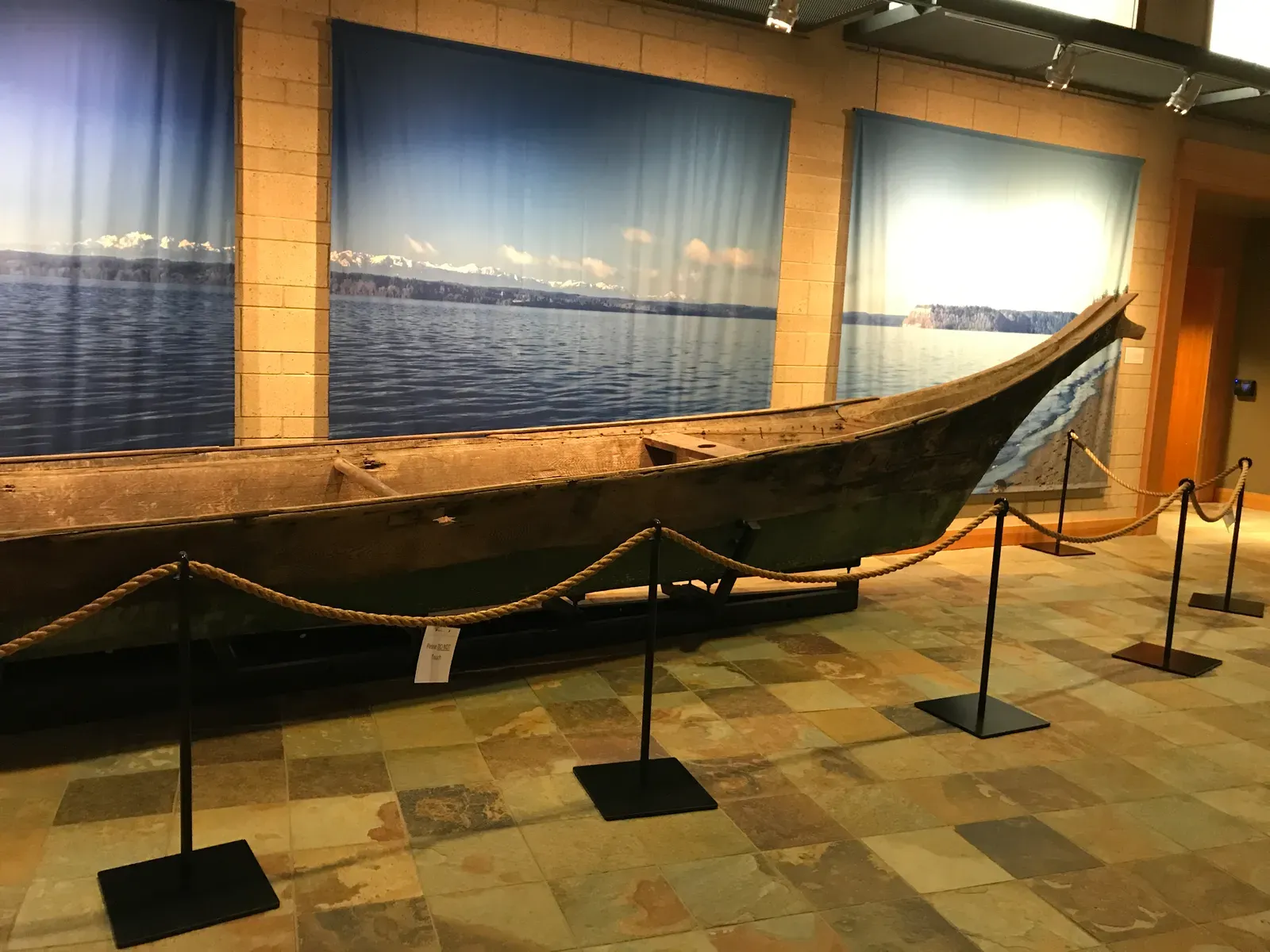
Carbon dating indicates the oldest canoe is around 5,200-years-old while the most recent is around 700 years old. The oldest Lake Mendota canoe identified to date was likely crafted sometime around 3000 BCE, before the Great Pyramid of Giza was built in Egypt. Think about that for a moment. While ancient Egyptians were still planning their monumental structures, Indigenous peoples in North America were already carving sophisticated watercraft.
Constructed of red oak, it is now the oldest dugout canoe recorded from the Great Lakes region and the third oldest in eastern North America. The comparison isn’t meant to diminish Egyptian accomplishments but to highlight how advanced these boat builders truly were. Stone monuments grab attention, but wooden vessels that survive millennia underwater tell an equally compelling story.
A Prehistoric Parking Lot
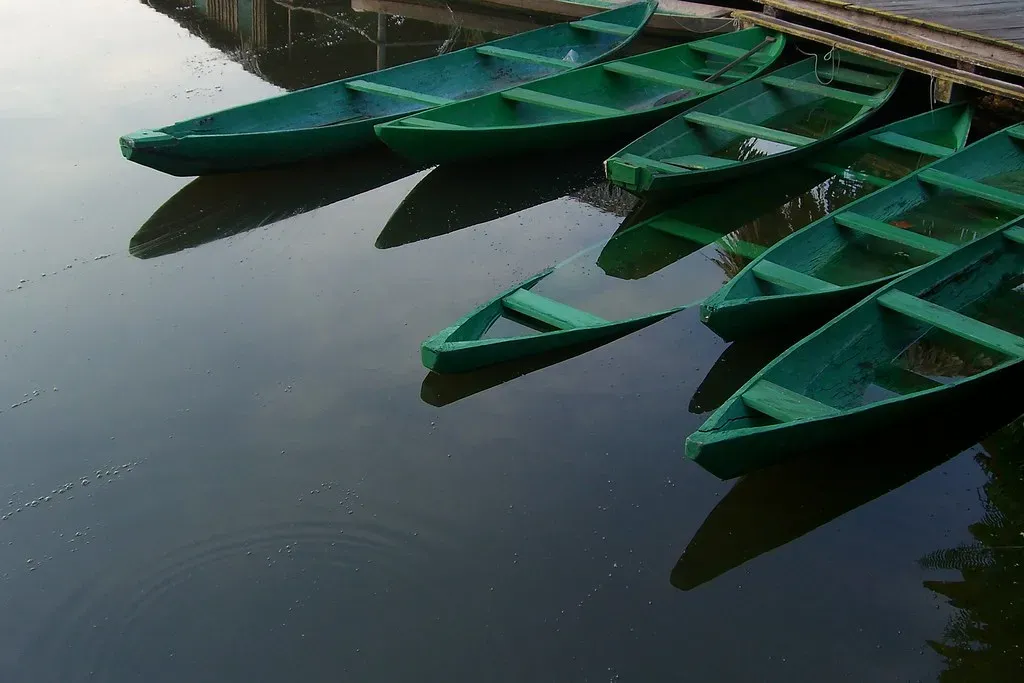
Here’s where it gets interesting. Underwater maps show 16 canoes sitting in two close groups, a pattern that hints at repeated use. The clusters lie near gullies where runoff once cut through higher ground, creating natural pathways down to water. This wasn’t random abandonment or a tragic accident. It was intentional, strategic placement.
The canoes likely were shared among community members and stored at designated points like the Lake Mendota site. Users would typically bury the canoes in sediment in waist- to chest-deep water so they wouldn’t dry out or prevent them from freezing. Imagine it like finding an ancient version of a bike-sharing station. People would arrive at the lake, use a canoe to travel across the water, then cache it for the next person.
The Art of Ancient Bioengineering
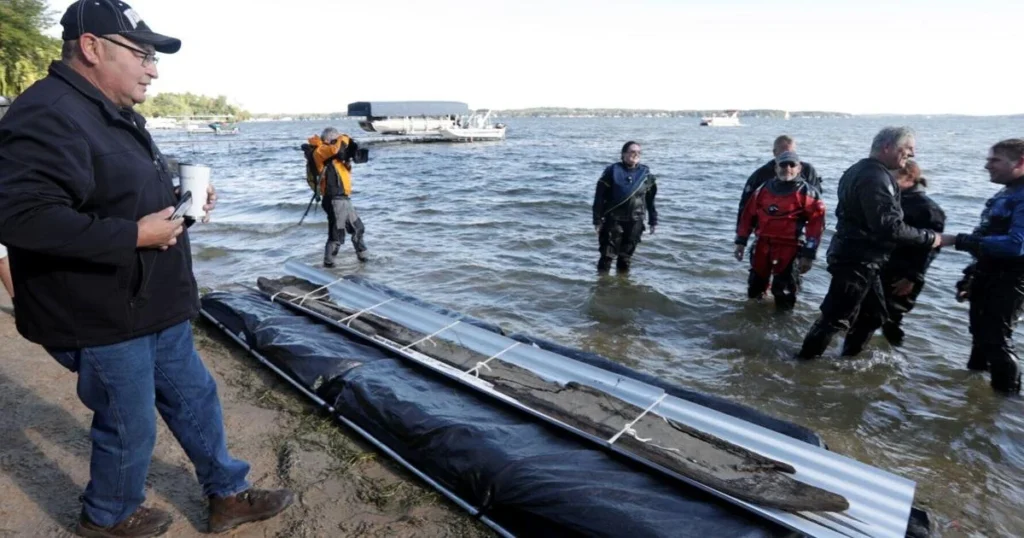
Some of the Lake Mendota canoes were carved from red oak, a wood that usually absorbs water through open pores. That approach would require patience, because the tree must keep growing after injury, before the wood is cut. “It would cause this response that would allow that species of wood to be watertight,” said Thomsen. The choice of red oak initially puzzled researchers since it typically absorbs water and would make boats heavier.
Oak wood forms tyloses when the tree encounters stress during the growth cycle such as through wounding or pathogen infection. During the production of tylosis, balloon-like structures form inside of the wood’s vessels which blocks water movement – preventing the spread of fungi and bacteria. These ancient builders understood something modern scientists are only now confirming. They were selecting or deliberately stressing trees to create naturally waterproof wood.
Craftsmanship Frozen in Time
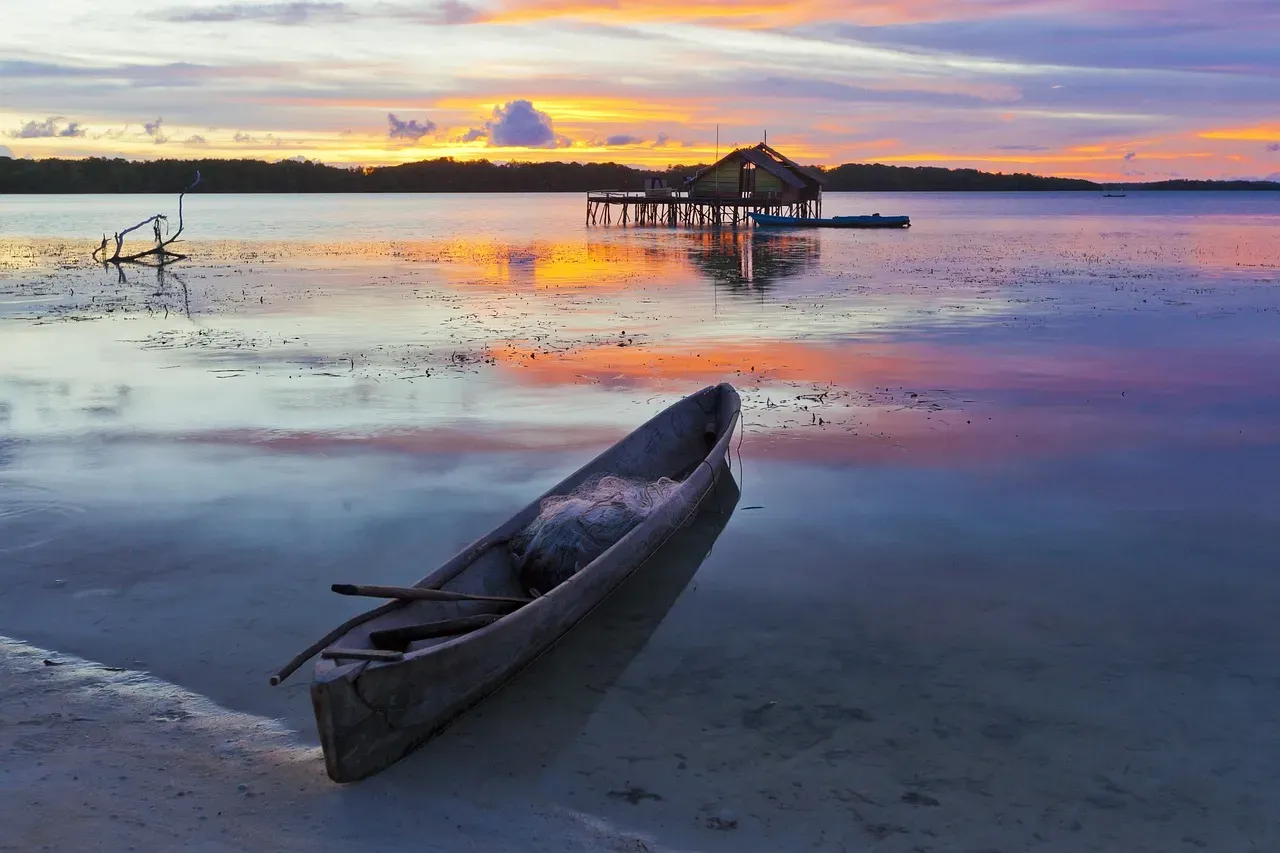
A dugout canoe begins as a tree trunk, shaped into a hollow vessel by careful removal of inner wood. Builders used controlled fire to char the interior, then scraped the softened wood with stone and shell tools. No metal implements. No power tools. Just fire, stone, shell, and an incredible amount of skill and patience.
Net sinkers, flattened stones used to sink fishing nets, were recovered from inside some of the older boats. Those details suggest the canoes supported both food gathering and social ties that stretched across connected waterways. These weren’t just transportation. They were mobile workstations, fishing platforms, and connection points between communities scattered across the landscape.
The Lake That Kept Their Secrets
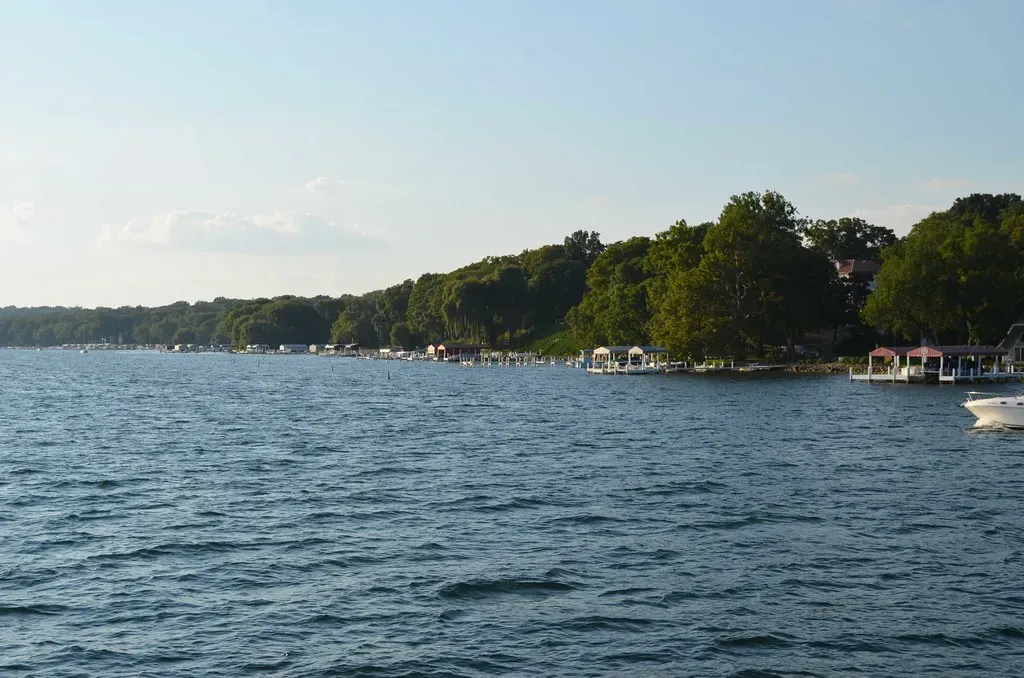
Archaeologists working near Madison, Wisconsin, say the find is part of a larger cache preserved in fine lakebed mud, where low oxygen and stable temperatures slowed decay and kept fragile wood intact for millennia. The preservation conditions had to be perfect. Too much oxygen and the wood would rot. Too much movement and it would break apart.
Long droughts and slow shoreline change left what was once near shore sitting beneath more than 20 feet of water. What started as a shallow shoreline access point gradually sank as water levels rose over thousands of years. The sediment that buried these canoes also protected them, creating a time capsule that wouldn’t be opened until the 21st century.
A Travel Network Spanning Millennia
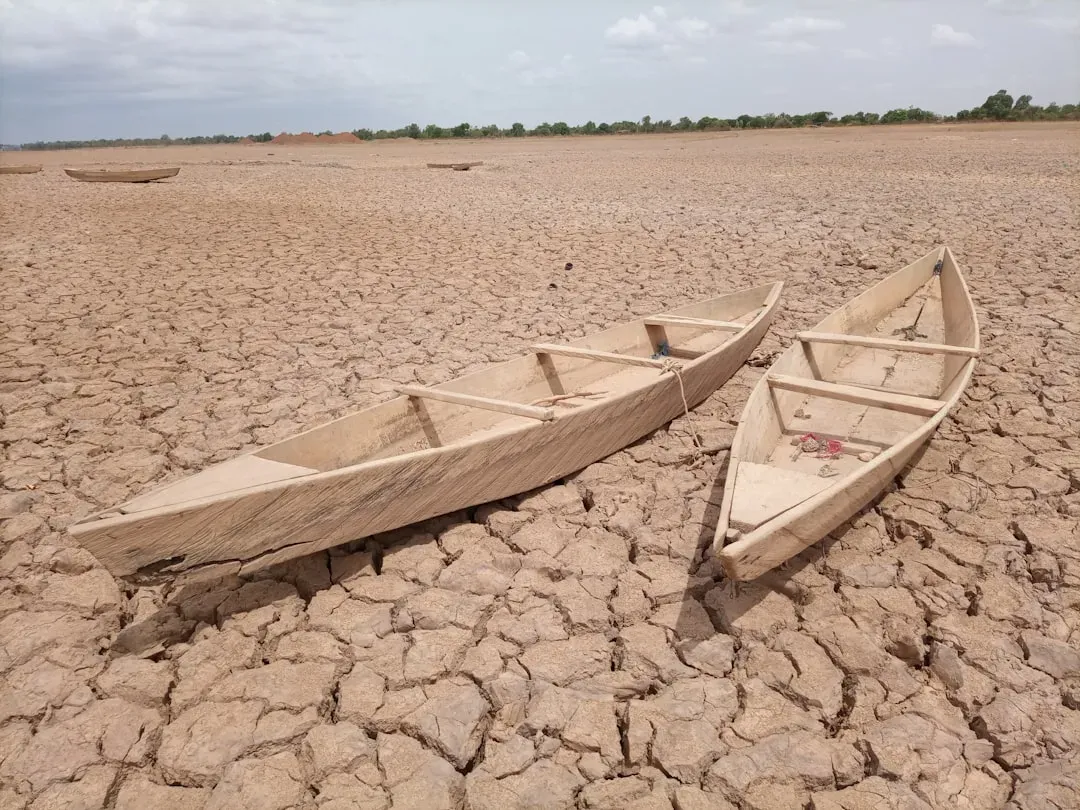
Wisconsin experienced a drought beginning about 7,500 years ago and lasting to around 1000 B.C. The lake in the area where the canoes were found was probably only 4 feet deep over that period, making it a good place to disembark for foot travel. During this prolonged dry period, the shoreline would have been far more accessible, creating ideal conditions for travelers to switch between water and land routes.
Travelers may have been headed to Lake Wingra, a 321-acre lake on Madison’s south side. The Madison area is part of the ancestral homeland of the Ho-Chunk Nation, which views one of the springs that feeds Lake Wingra as a portal to the spirit world. These weren’t just practical journeys. Some routes carried spiritual significance, connecting communities to sacred sites and ancestral traditions.
Voices From the Past
Bill Quackenbush, the Ho-Chunk Nation’s tribal preservation officer, said the canoes remind us how long our people have lived in this region. For Indigenous communities today, these discoveries aren’t abstract historical curiosities. They’re direct connections to ancestors whose engineering choices and daily routines are preserved in waterlogged wood.
Thomsen called that work the most impactful she has ever done as an archaeologist because she engages with Wisconsin tribes, learns their history and tells their stories. “Talking with the Indigenous people, sometimes I sit here and just get goose bumps. It just feels like the work is making a difference.” The emotional weight of handling objects that your ancestors crafted five thousand years ago must be overwhelming. These aren’t museum pieces behind glass. They’re family heirlooms on an unimaginable timescale.
Honestly, when you consider that Indigenous peoples were navigating complex water networks, sharing resources, and practicing early bioengineering while Egypt was building pyramids, it forces you to rethink everything. The oldest canoe resting beneath Lake Mendota is roughly 700 years older than the Great Pyramid of Giza. That’s not just old. That’s a testament to human ingenuity that survived in silence until divers happened to look in the right sandy ridge.
What do you think about this discovery? Does it change how you view ancient North American civilizations?