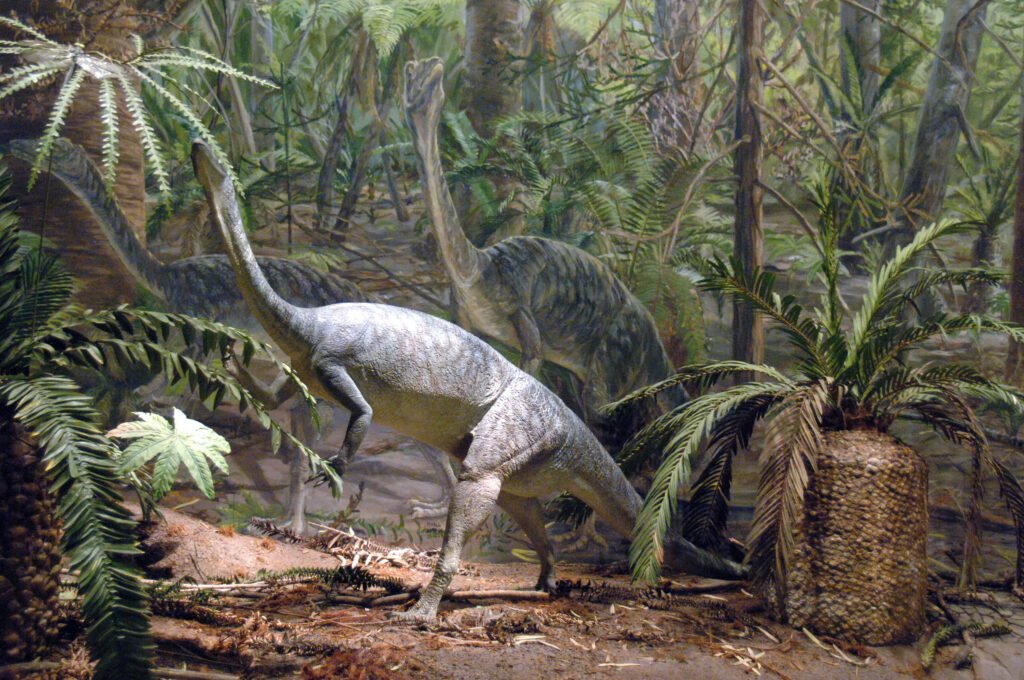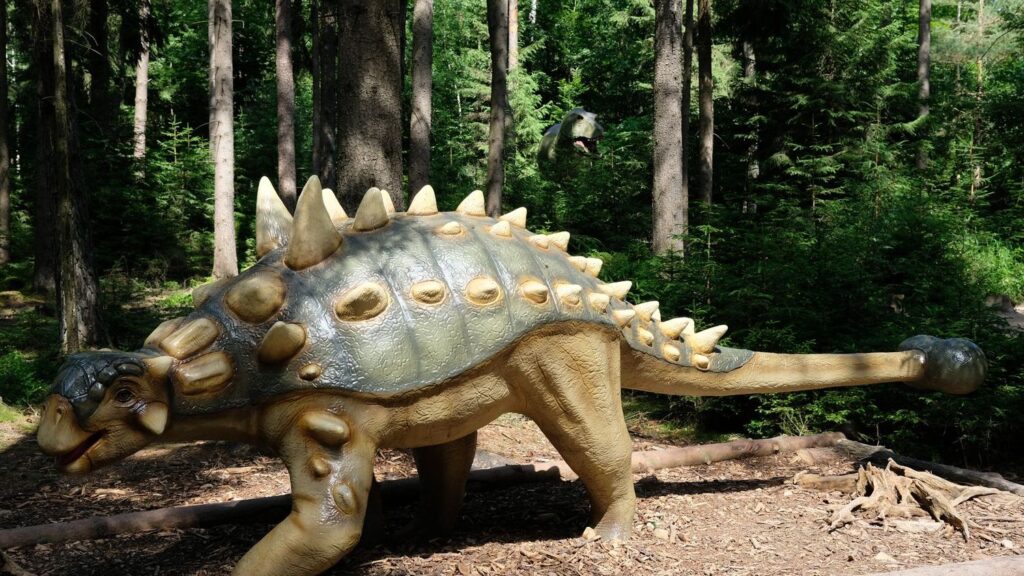
Picture an ancient world where colossal beasts roamed under a different sky, where survival meant more than just finding food or shelter. It meant staying alive in a landscape crawling with predators armed with teeth like daggers and claws like scythes. How would you protect yourself if you couldn’t run faster than a predator? The answer lies written in stone, preserved in fossils that reveal nature’s most ingenious defensive designs.
Dinosaurs didn’t evolve armor and spikes by accident. These features tell a gripping story of constant evolutionary pressure, where predators and prey pushed each other toward increasingly extreme adaptations. Let’s dig into why these prehistoric creatures looked like they walked straight out of a medieval battlefield.
The Basic Principle Behind Defensive Evolution
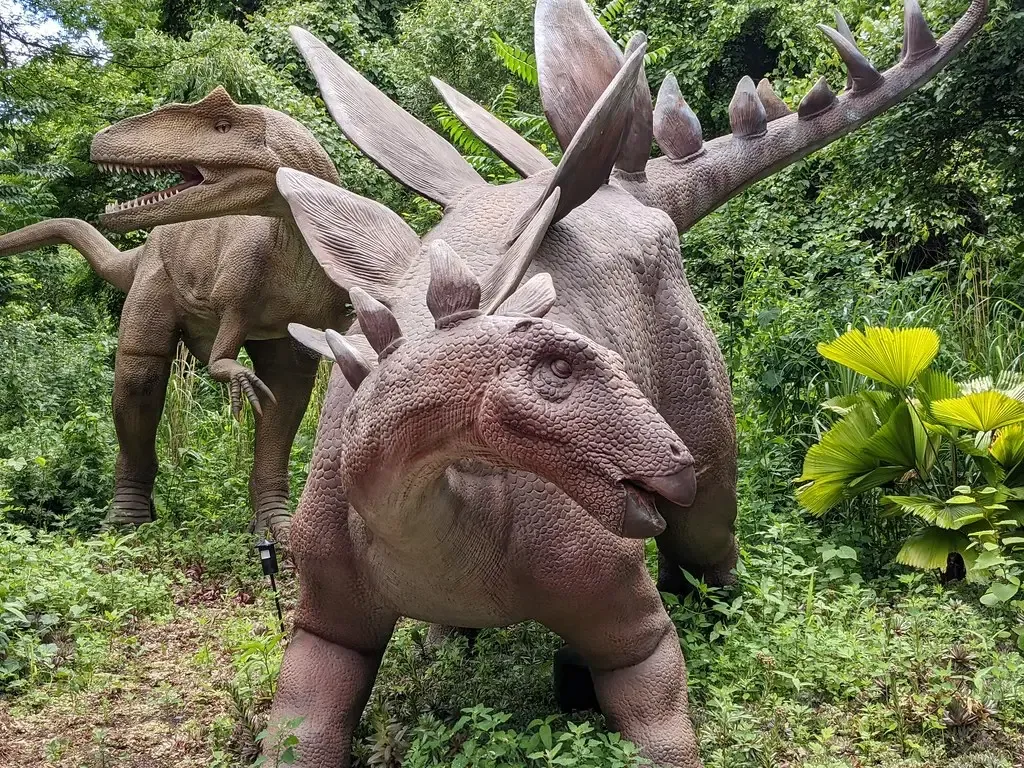
An evolutionary arms race is a process where predators and prey continuously adapt and evolve in response to each other, with one species’ improved abilities leading to the other species improving its abilities in response. Think of it like a never-ending competition where both sides keep upgrading their weapons and defenses. When a predator develops sharper teeth, prey animals respond by growing thicker armor. When prey becomes harder to catch, predators evolve better hunting strategies.
This arms race took place over more than 20 million years between ferocious predators like Utahraptor and their armored prey like Gastonia, representing both offensive weapons and defensive adaptations. The fossil record shows us these battles weren’t quick skirmishes but long campaigns spanning millions of years. Natural selection favored those individuals who survived attacks, passing their defensive traits to the next generation.
When Plates Became Shields
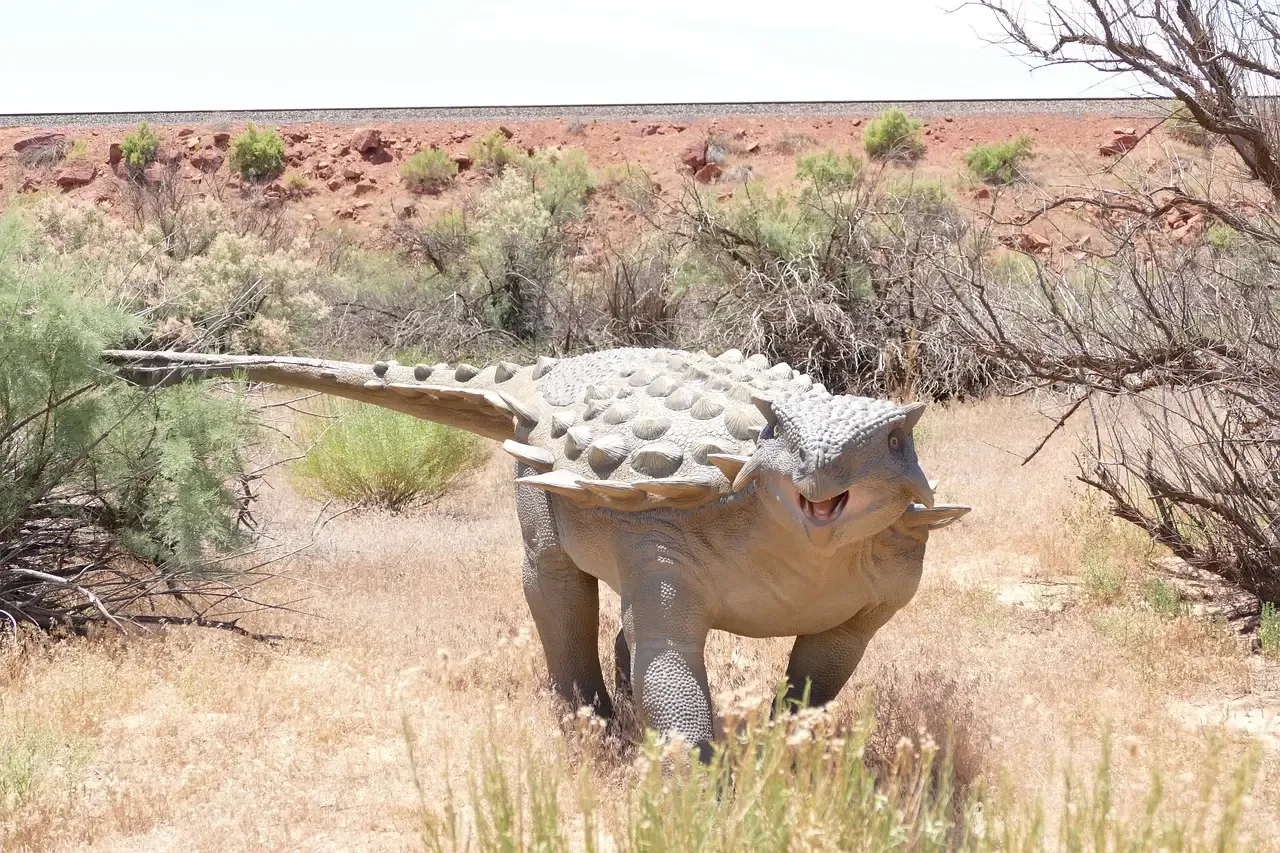
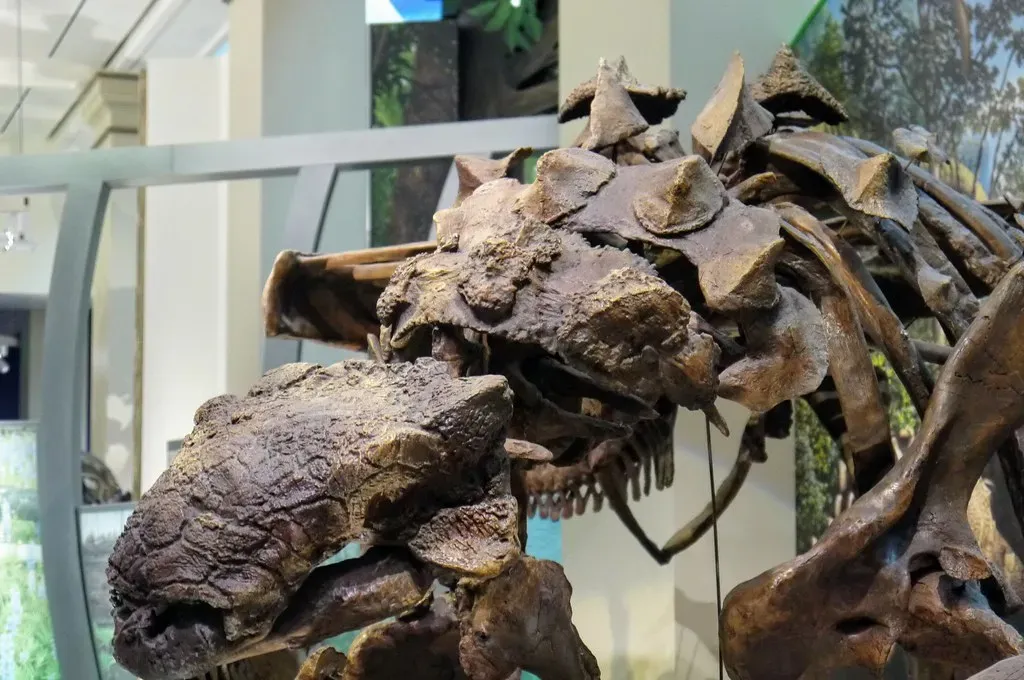
In Ankylosaurus, there was an extensive presence of osteoderms and bony deposits that formed plates, scutes, and other structures in its skin, which are widely believed to have provided significant protection against threats and predators. These weren’t just decorative bumps on the skin. Osteoderms were genuine bony armor embedded directly into the dinosaur’s flesh, creating a nearly impenetrable shield against predators.
The arrangement wasn’t random, either. Ankylosaurus’s rib armor consisted of large, interlocking osteoderms that provided extensive protection to the thoracic region, arranged in a pattern that maximized coverage while maintaining flexibility for breathing and movement. Imagine wearing a suit of armor that moves with you, protects your vital organs, yet still allows you to breathe and walk. That’s precisely what evolution engineered over countless generations.
The Deadly Tail Club Strategy
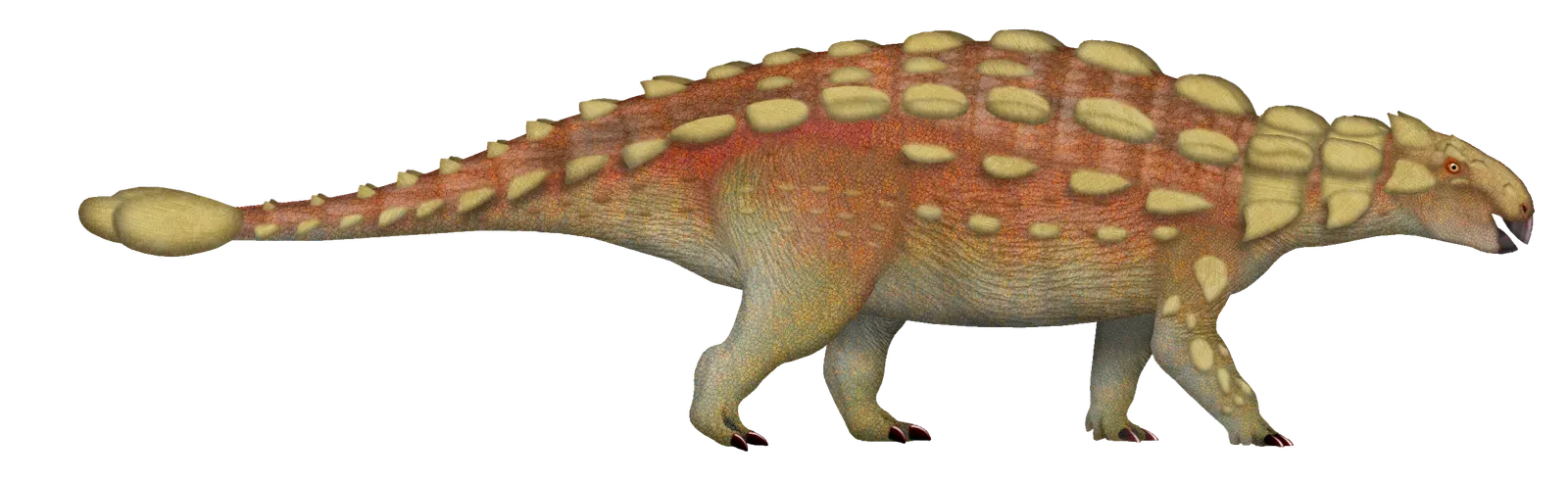
Some dinosaurs took defense a step further by weaponizing their tails. Ankylosaurus was covered from head to tail with osteoderms and equipped with a large tail club capable of defending itself against carnivorous theropods, with the tail able to deliver powerful defensive strikes. This wasn’t a gentle swat. Studies suggest these clubs could generate enough force to shatter bones.
Interestingly, recent research challenges the assumption that tail clubs evolved purely for defense against predators. Some scientists argue that ankylosaurid tail clubs were sexually selected structures used primarily for intraspecific combat, suggesting these animals engaged in ritualized combat for social dominance. Perhaps these dinosaurs weren’t just defending themselves from tyrannosaurs but also competing against their own species for territory and mates. The truth might be more complicated than we initially thought.
Spikes That Made Predators Think Twice
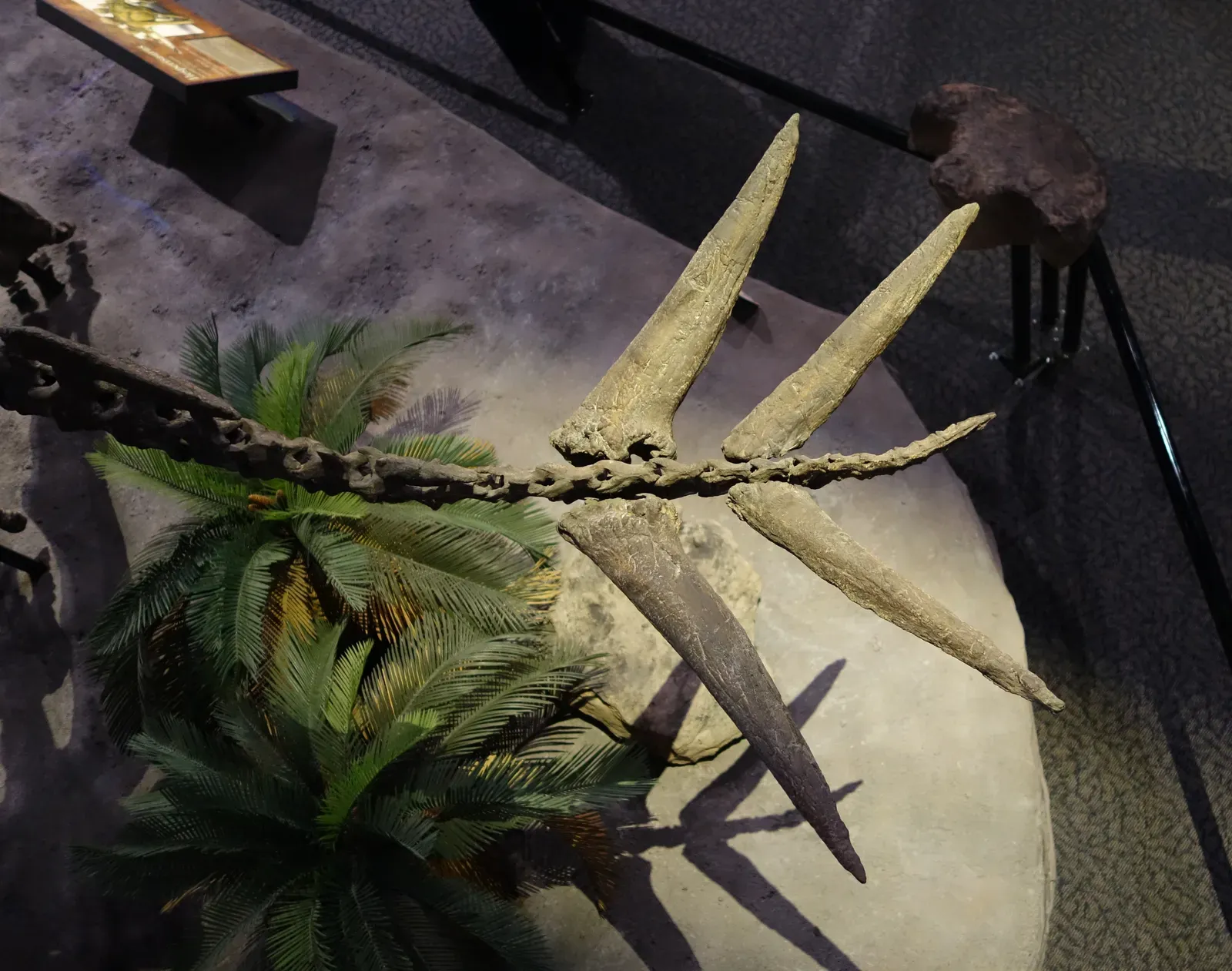
The tail of Stegosaurus was equipped with four long, sharp spikes called a thagomizer, held high in a posture enabled by its short forelimbs and long hind limbs. These weren’t just for show. There is evidence for a defense function in the form of an Allosaurus tail vertebra with a partially healed puncture wound that fits a Stegosaurus tail spike. That’s right – we have fossil proof that Stegosaurus actually used these spikes in combat and sometimes successfully wounded apex predators.
A study of thagomizers showed a high incidence of trauma-related damage, supporting the theory that the principal function of the thagomizer was defense in combat. The wear patterns on these spikes tell a violent story of life-or-death struggles played out across ancient floodplains. Every scar on these fossilized weapons represents a moment when a herbivore fought back against a hungry carnivore.
The Neck Fortress Strategy
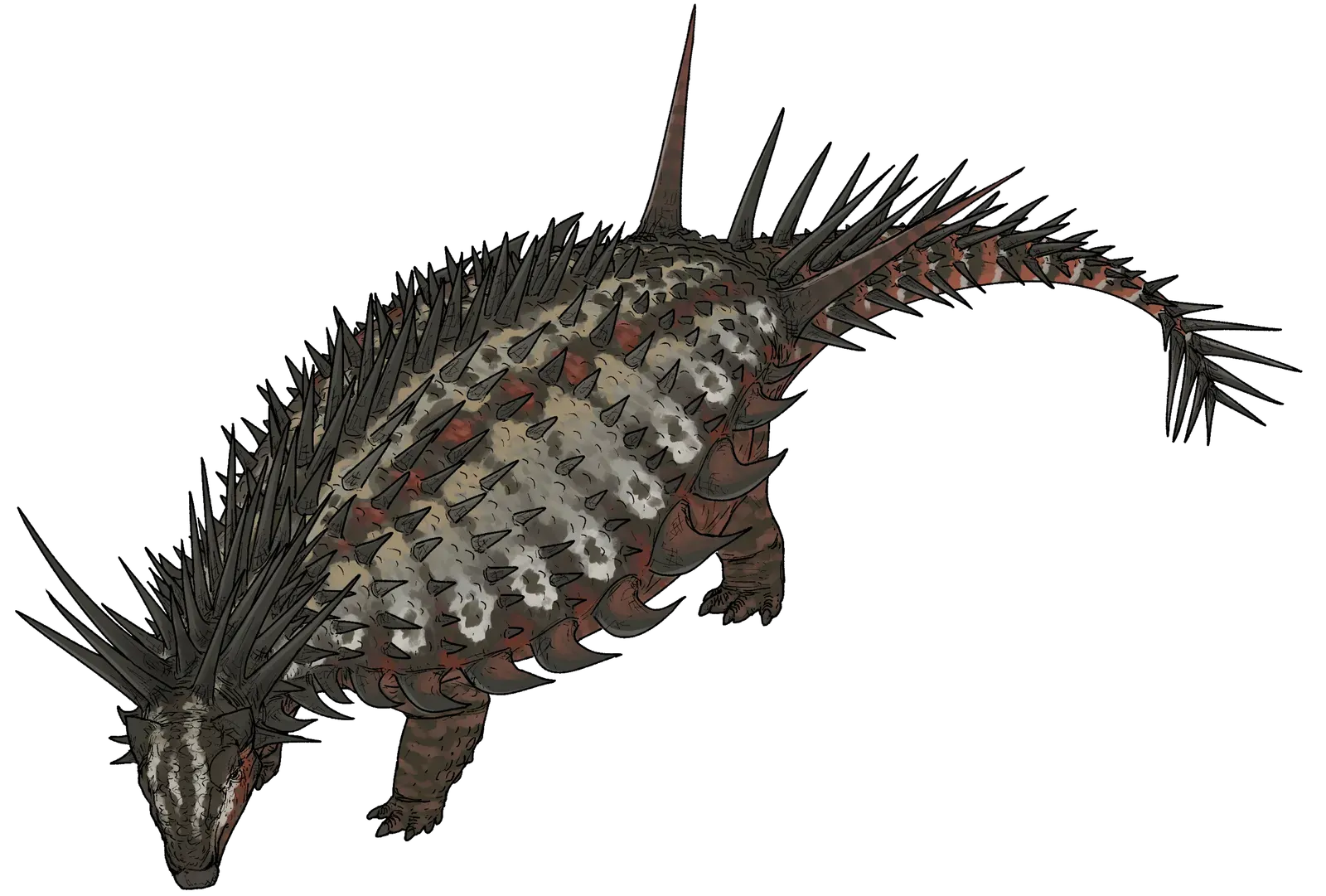
Newly unearthed fossils of Spicomellus afer from Morocco reveal a creature clad in bone spikes from head to tail, with spikes everywhere including especially its neck, where a collar of spikes jutted outward like lances. Some measured nearly a meter long. Imagine approaching such a creature as a predator – where would you even bite?
The meter-long spikes around Spicomellus’s neck seem like enormous overkill for defense, difficult to imagine how they were used for purely defensive purposes. This raises fascinating questions about function versus display. Were these spikes practical defensive weapons or status symbols meant to intimidate rivals and attract mates? Maybe both. Evolution rarely creates single-purpose adaptations.
Horns as Multipurpose Weapons
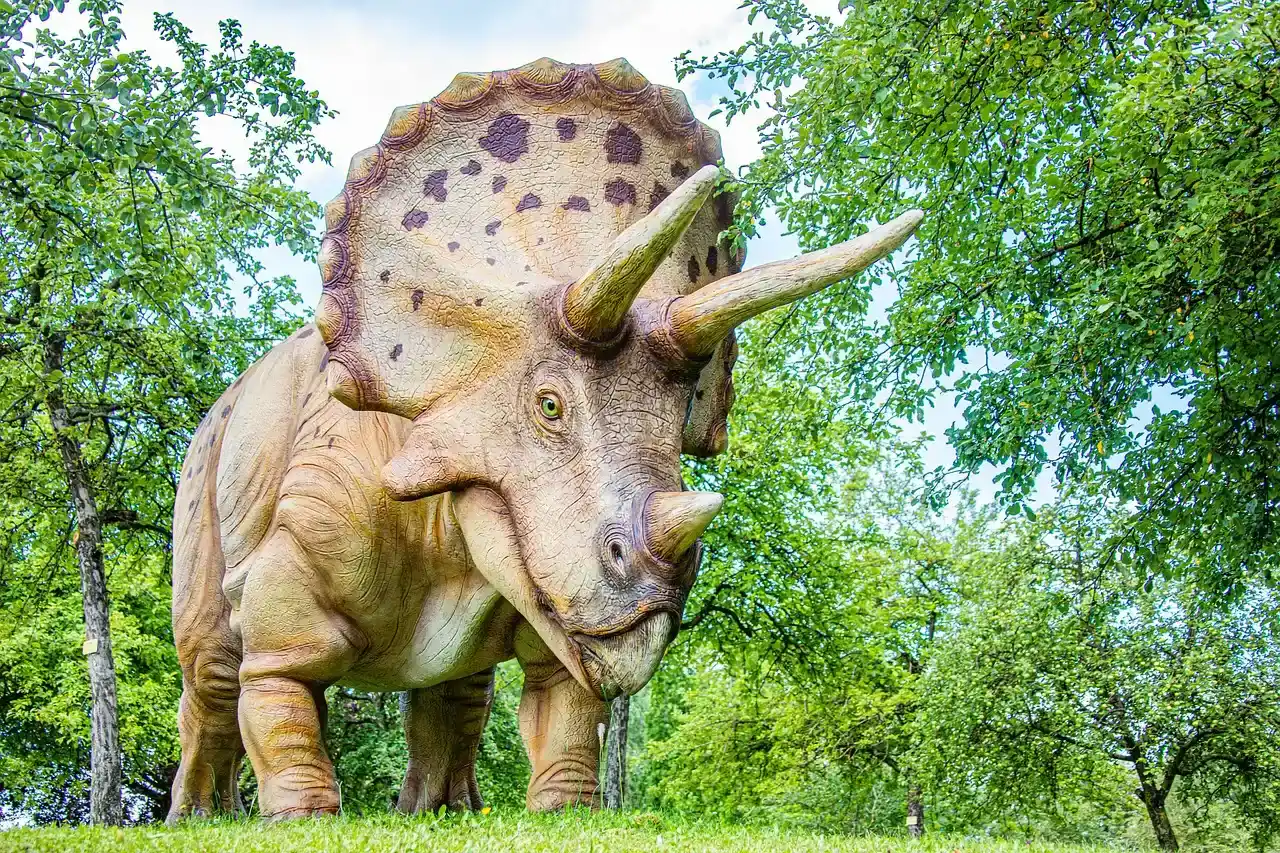
Triceratops horns and frill were traditionally viewed as defensive weapons against predators, though more recent interpretations find it probable that these features were primarily used in species identification, courtship, and dominance display. The debate continues, but evidence suggests these structures served multiple roles simultaneously.
The pattern of lesions on Triceratops skulls is consistent with these dinosaurs using their horns in combat and the frill being adapted as a protective structure. The “Big John” Triceratops specimen has a keyhole-shaped opening in its frill, believed to be a healed wound from another Triceratops’ horn. These weren’t just defending against tyrannosaurs – they were fighting each other. The most dangerous opponent might have been the one standing next to you at the watering hole.
The Surprising Role of Sexual Selection
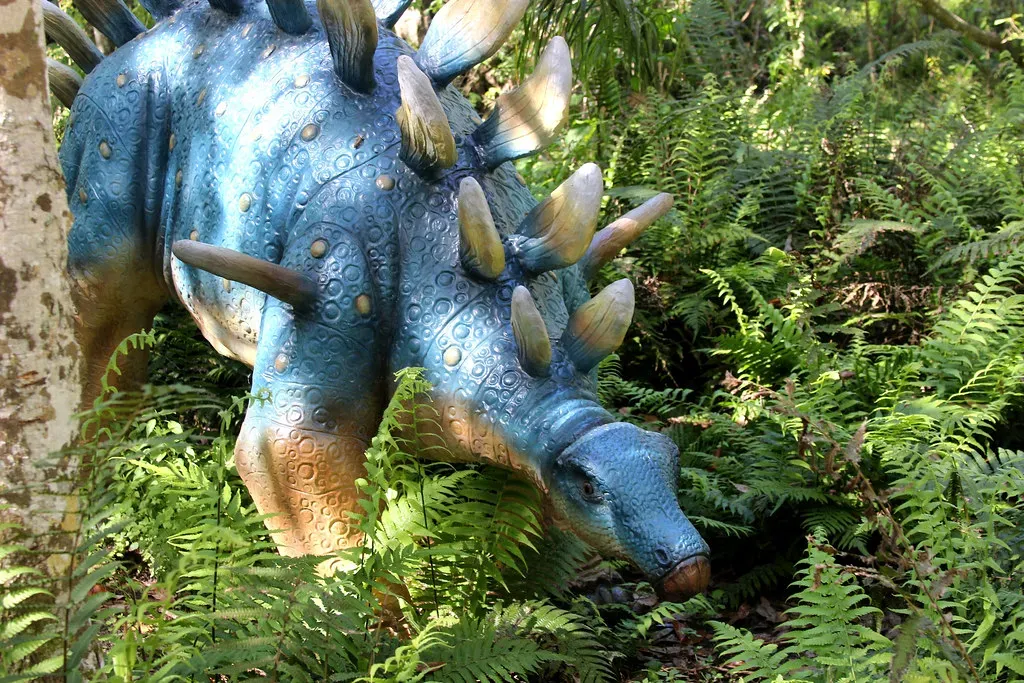
Here’s where things get really interesting. Not all armor and weaponry evolved purely for defense against predators. The evolution of Borealopelta markmitchelli’s flashy spikes was driven by the demands of social communication, with the adornments potentially providing a warning to potential foes, a lure to potential sexual partners, or both. Sometimes the most impressive armor was meant to impress potential mates.
Spicomellus’s extravagant armor may have served dual roles as defense against large meat-eating dinosaurs and as display to attract mates, potentially used in courtship or territorial displays since the armor was totally impractical and would have been annoying in dense vegetation. Evolution doesn’t always choose the most practical solution. Sometimes looking impressive to potential partners mattered more than pure functionality.
Why Early Armor Was More Elaborate
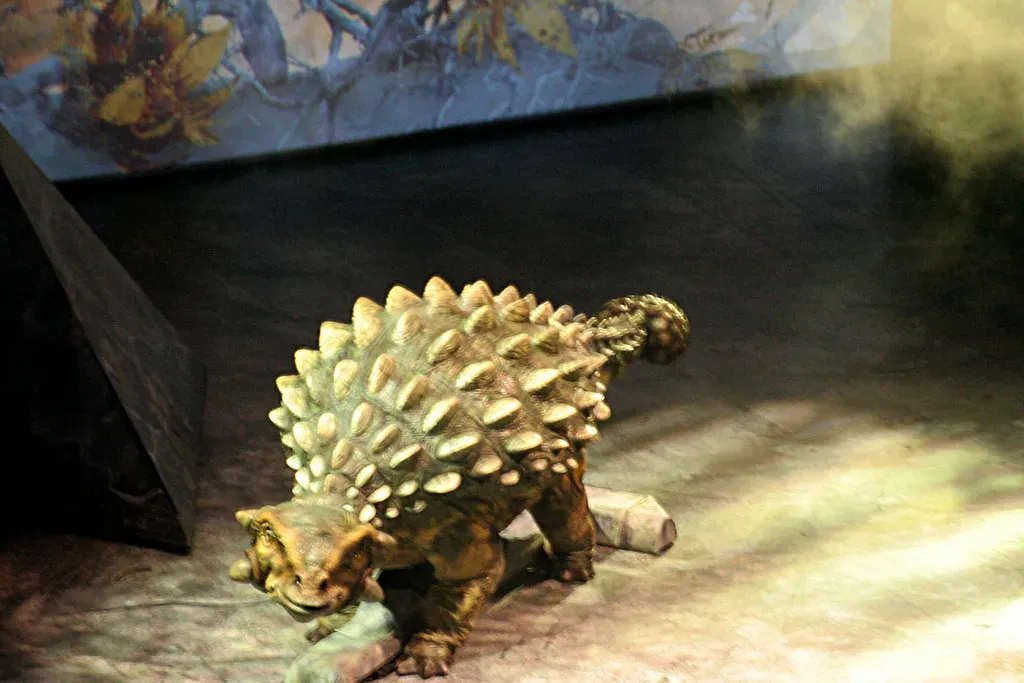
The armor of Spicomellus is much more elaborate than that of later ankylosaurs, with the most elaborate ankylosaur armor of all time present in the oldest member of the group, perhaps with simpler armor in later species reflecting a shift towards armor having a primarily defensive function due to increased predation pressure in the Cretaceous. This turns conventional wisdom upside down.
We typically assume evolution moves from simple to complex, but these fossils suggest the opposite happened with armor. Early ankylosaurs were absolutely dripping with spikes, while later species streamlined their defenses. Perhaps as predators became larger and more dangerous, flashy display armor became a liability, and dinosaurs evolved more practical, functional protection instead.
The Living Costs of Heavy Armor
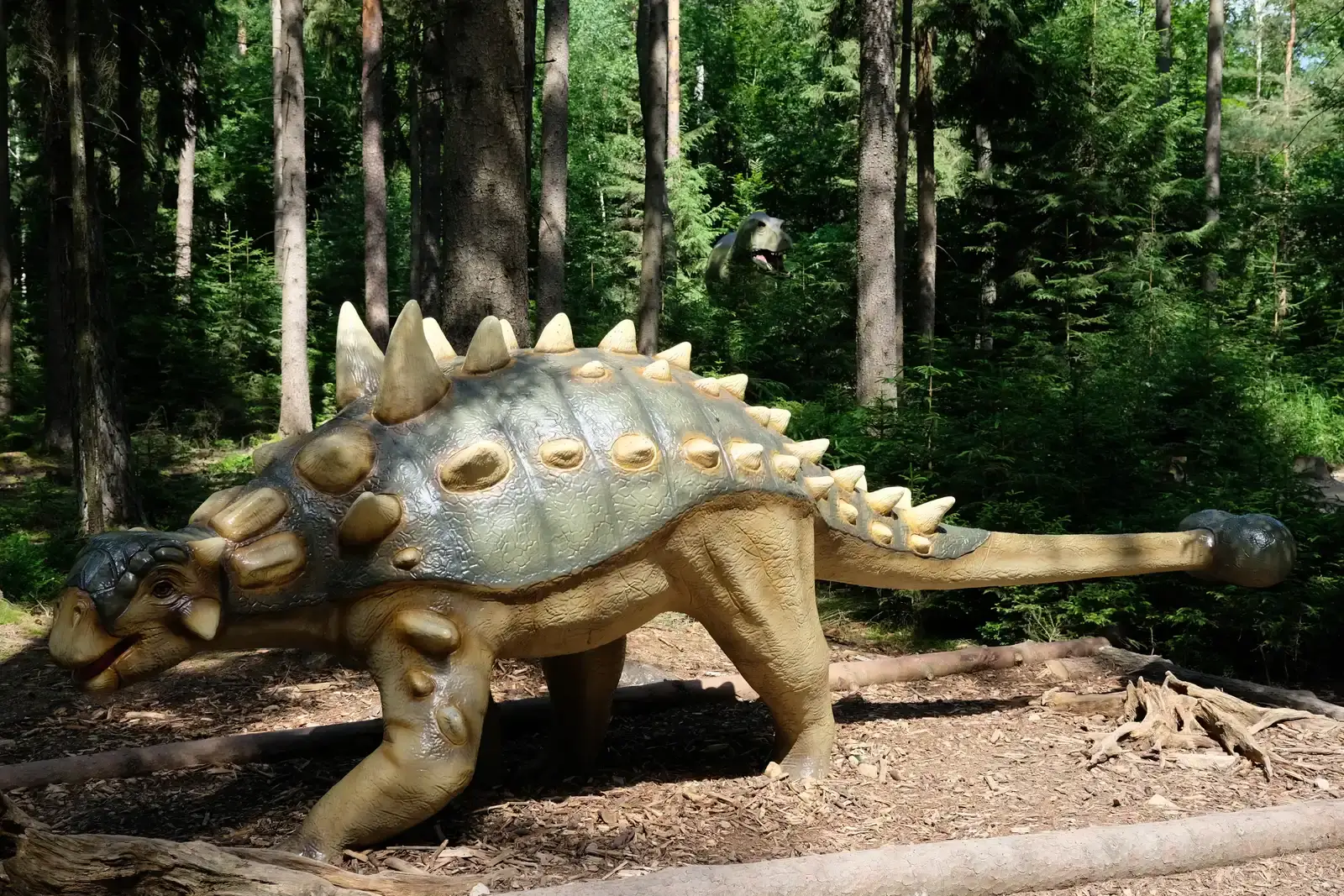
Carrying around all that armor came with serious drawbacks. The extent to which protective armor existed on Ankylosaurus may have proven detrimental, as more intelligent predators might have used this to their advantage, attempting to off-balance Ankylosaurus and exposing their underside. The belly remained vulnerable, creating a strategic weak point.
The heavy build of the Ankylosaurus gave them a slow speed of around 6 mph. You can’t run when you’re wearing a suit of bone armor. This created an interesting trade-off: protection versus mobility. Armored dinosaurs bet their survival on standing their ground rather than fleeing, a strategy that apparently worked for millions of years until the asteroid changed everything.
A Never-Ending Battle Written in Stone
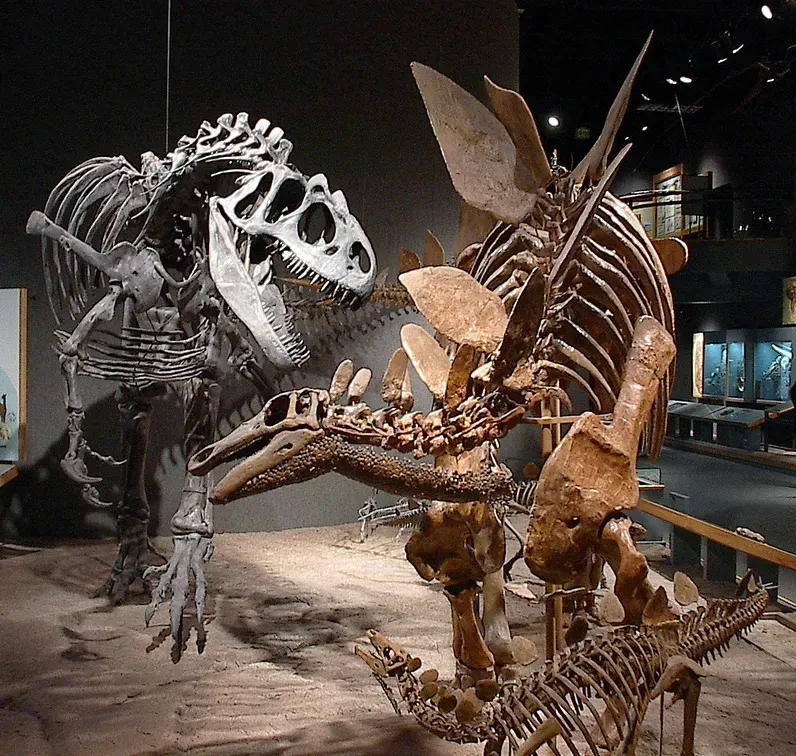
The arms race between predator and prey didn’t end with dinosaurs. Throughout the natural world, there are many examples of evolutionary arms races, with ongoing cycles of adaptation between competing species leading to increasing specialization in relationships between predators and prey. Snakes evolve venom, rodents develop resistance. This pattern repeats endlessly across nature.
Research suggests that a microevolutionary arms race was in place, with prey finding ways to fortify defenses against predation and predators investing in the ability to overcome those defenses despite ever-bulkier armor, demonstrating that predation played a pivotal role in the proliferation of early animal ecosystems. The fossil record preserves these ancient struggles, showing us that the same fundamental pressures shaping life today were at work hundreds of millions of years ago. Every spike, every plate, every horn tells part of this epic story of survival.
Conclusion
The incredible diversity of dinosaur armor and weaponry wasn’t random or accidental. These adaptations emerged from millions of years of evolutionary pressure, where survival meant constantly innovating new defenses against increasingly sophisticated predators. Some armor evolved purely for protection, while other structures served dual purposes, functioning as both defensive weapons and social signals. The arms race between predators and prey drove both groups toward increasingly extreme adaptations, creating some of the most spectacular creatures ever to walk the Earth.
What strikes me most about this story is how relevant it remains. The same forces that shaped Triceratops horns and Ankylosaurus armor are still shaping life on Earth today. Did you expect that armor might have been more about attracting mates than fighting predators? What do you think was more important to these ancient creatures – survival or reproduction?