Gujarat’s Gir region – Deep within Gujarat’s Gir forest, the last stronghold of Asiatic lions, the Siddi Badshah community preserves a vibrant heritage tracing back to East Africa’s shores.
Roots Forged by Portuguese Traders
Gujarat’s Siddi Badshah: African Echoes in the Heart of Gir Forest (Image Credits: Wikimedia)
Three centuries ago, Portuguese traders transported individuals from East Africa to India, drawn by their renowned strength and endurance. The King of Junagadh, impressed by these newcomers, employed them in labor-intensive tasks and lion tracking within the dense Gir forests. He bestowed upon them the title Siddi Badshah, or “kings of labor,” recognizing their exceptional capabilities.
Historical accounts confirm that these arrivals settled permanently after the king allocated land in villages like Jambur. Studies highlight their Bantu origins from Southeast Africa’s Zanj coast, marking one of the earliest chapters of the African diaspora in India. Over generations, they adapted seamlessly to the jungle environment, blending African resilience with Indian landscapes.
Villages of Jambur and Shirvan: A Blend of Tradition and Toil
Jambur, perched on the banks of the Saraswati River, stands as a predominantly Siddi settlement where daily routines unfold amid natural beauty. Women tend to households, engaging in embroidery on saris and repairing hut walls with cow dung, while men labor in jaggery units or forest-related work. Children receive health checkups at local anganwadis, ensuring community well-being.
Shirvan, nestled directly inside the Gir forest, offers a glimpse into their rustic lifestyle. Residents prepare meals in simple huts and maintain traditional dwellings. Sadik Ahmad Makwana, president of the Talala Adivasi Seva Sangh, emphasized the community’s physical traits – curly hair and robust builds – that echo their ancestors, along with an innate jungle survival instinct.
- Household embroidery as a skilled home craft
- Childcare and health monitoring in village centers
- Labor in local industries like jaggery production
- Hut maintenance using natural materials
- Communal meal preparations in forest-edge homes
Dhamal Dance and Sporting Excellence
The rhythmic Dhamal dance pulses with East African energy, performed with high vigor at nearby resorts for tourists. Dancers prepare meticulously, painting their faces before leaping into the trance-like movements that honor their roots. This cultural expression remains a cornerstone of Siddi identity.
Sports prowess shines through as well. Seven community members have secured international gold medals in judo. Around 90 boys and girls train at the Talala Taluka Adivasi Seva Sangh Ashram Shala in Jambur. Shahid, a local member, called for improved infrastructure to nurture talents in additional disciplines. Several Siddis also serve in the Indian Army and Navy, underscoring their disciplined heritage.
Harmonious Coexistence with Asiatic Lions
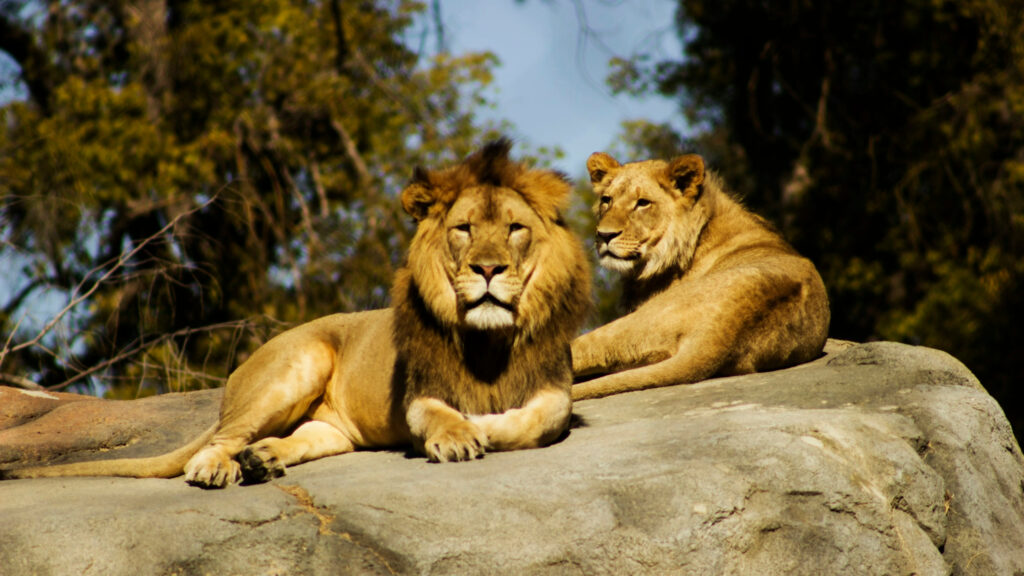
Asiatic lions roam freely in Gir, yet they have never attacked Siddi Badshah members. Both species respect boundaries, with lions reportedly sensing the community’s protective role. Makwana noted this mutual understanding stems from the Siddis’ historical lion-tracking duties and deep forest attunement.
This bond symbolizes their integral place in Gir’s ecosystem. The community’s endurance allows them to navigate the terrain where others hesitate, fostering a legacy of guardianship.
Key Takeaways
- Siddi Badshah trace origins to East Africa via Portuguese traders 300 years ago.
- They excel in Dhamal dance, judo, and military service while sustaining forest villages.
- Unwavering harmony with Gir’s Asiatic lions highlights their unique adaptation.
The Siddi Badshah story reveals enduring African influences thriving amid India’s wildlife heritage. Their journey from shores afar to Gir’s embrace offers lessons in resilience and cultural fusion. What aspects of their legacy intrigue you most? Share in the comments.