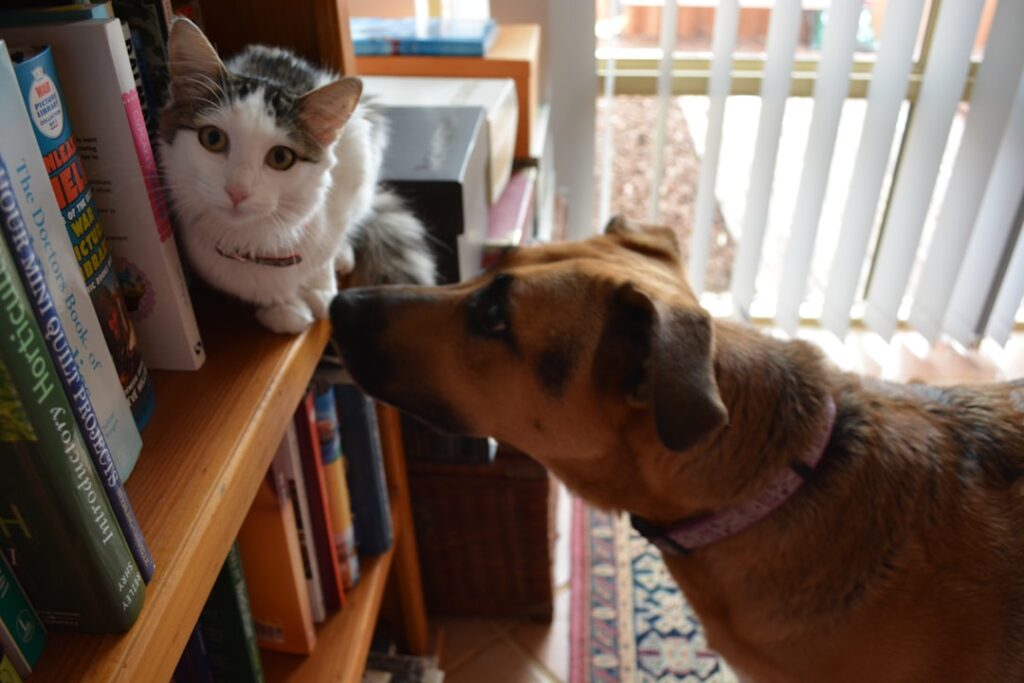
Recent studies illuminate cats’ aptitude for associating spoken words with objects, a skill that outpaces human infants yet differs markedly from the feats of select canines.
Gifted Dogs Redefine Word Learning
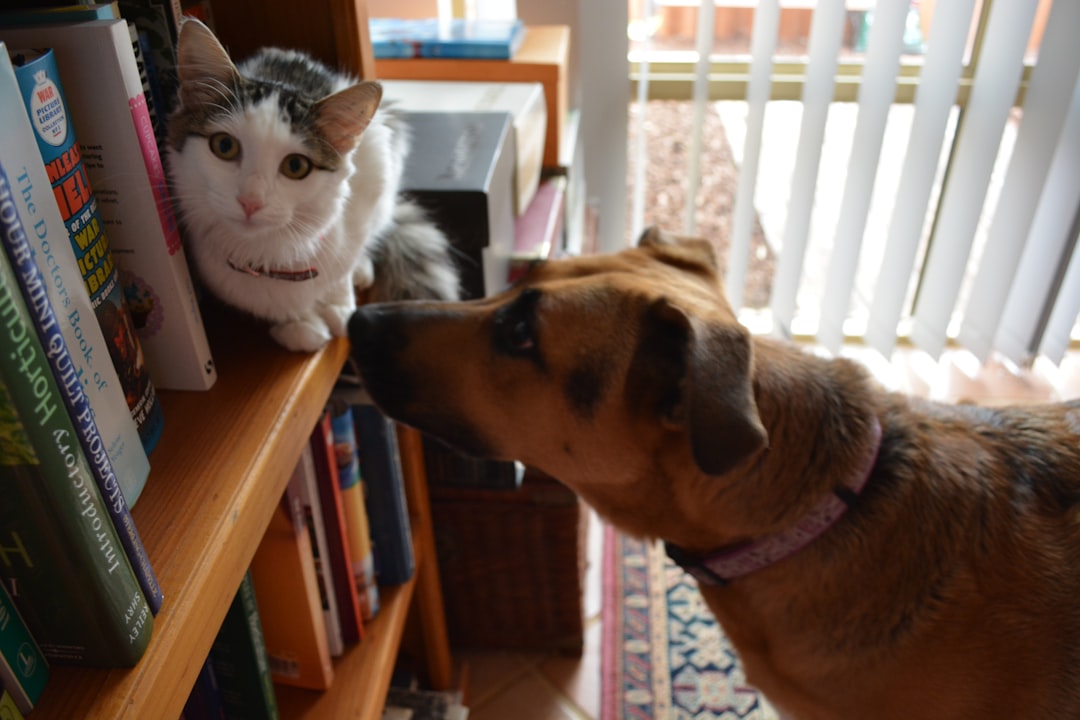
Gifted Dogs Redefine Word Learning (Image Credits: Unsplash)
Researchers identified a rare group of dogs capable of rapidly acquiring names for toys, often by simply overhearing their owners. These “gifted word learners,” such as Border collies Basket and Miso, mastered between 150 and 200 object labels through minimal exposure, mimicking how toddlers build vocabularies via eavesdropping.
The breakthrough appeared in a study published in Science and highlighted in The New York Times earlier this month. Owners presented unfamiliar toys while naming them aloud, sometimes addressing another person rather than the dog. The animals fetched the correct items regardless, demonstrating keen attention to human cues. This prowess stems partly from selective breeding for tasks requiring human partnership, like herding or search-and-rescue.
Cats Show Swift Word-Object Pairing
A 2024 experiment revealed that ordinary cats form connections between nonsense words spoken by humans and corresponding images after just a few trials – fewer than human babies require. In the setup, cats viewed pairs like a made-up word “parumo” with a sun image until they habituated, then faced switched or unchanged combinations. They stared longer at mismatches, signaling recognition of the expected link.
Participants included 31 cats in the first trial using owners’ voices and 34 in a follow-up with electronic sounds; household and café cats performed similarly. Habituation occurred after about four trials, each roughly nine seconds per pair, far quicker than the 16 to 20 trials infants need. While human speech proved slightly more effective, cats succeeded across sound types, hinting at innate social cognition.
Felines Excel at Name Discrimination
Cats reliably distinguished their own names from similar-sounding words or housemate names, even when strangers uttered them. A 2019 study employed a habituation-dishabituation method: animals grew accustomed to repeated nouns, then perked up – via ear flicks or head turns – upon hearing their personal moniker.
Two years later, researchers confirmed cats passively learned fellow household cats’ names through daily exposure. Household cats gazed longer at mismatched name-face pairs on screens, unlike café dwellers with looser social bonds. These passive skills underscore cats’ attentiveness to verbal social signals without formal rewards.
Why Cats and Dogs Process Language Differently
Dogs’ edge lies in motivation and evolution; centuries of breeding fostered eagerness for praise and commands, enabling vast vocabularies in gifted individuals – some exceeding 1,000 words historically. Cats, self-domesticated for pest control near humans, prioritize independence, learning mainly for social or emotional context.
Still, felines respond to tone, recognizing owner voices and even emotional expressions paired with sounds. They form short-term associations effortlessly but rarely fetch on command like dogs.
- Cats habituate to word-image pairs in 4 trials vs. infants’ 16+.
- Gifted dogs learn 150+ names via eavesdropping.
- Household cats know multiple names passively.
- No environment (café vs. home) alters core ability.
- Human speech boosts feline performance slightly.
Key Takeaways
These findings reshape views of cat cognition, proving felines tune into our words more astutely than once thought – though dogs hold the crown for expansive lexicons. Pet owners might experiment with clear naming during play, respecting cats’ autonomous style. What words has your cat mastered? Share in the comments.