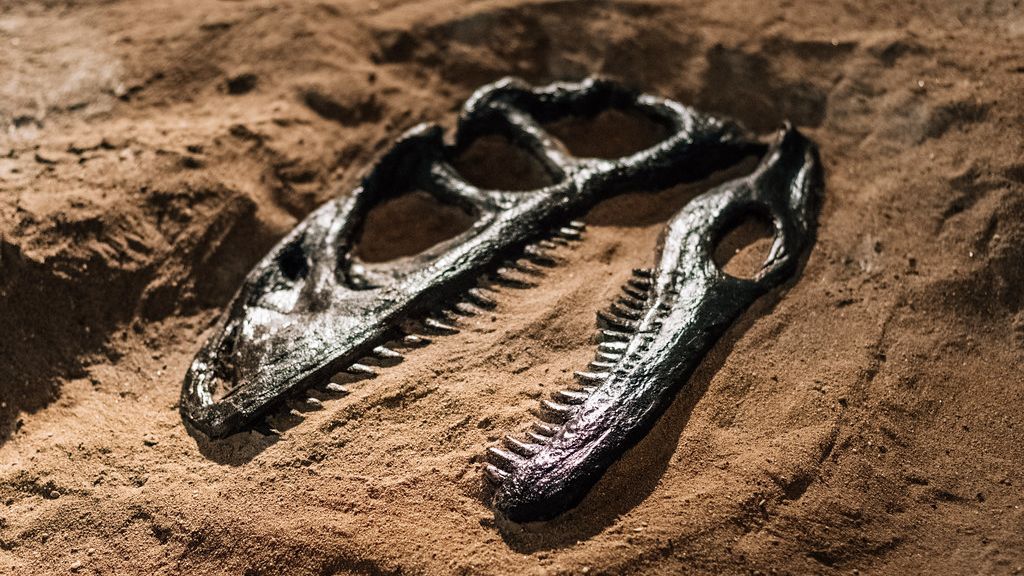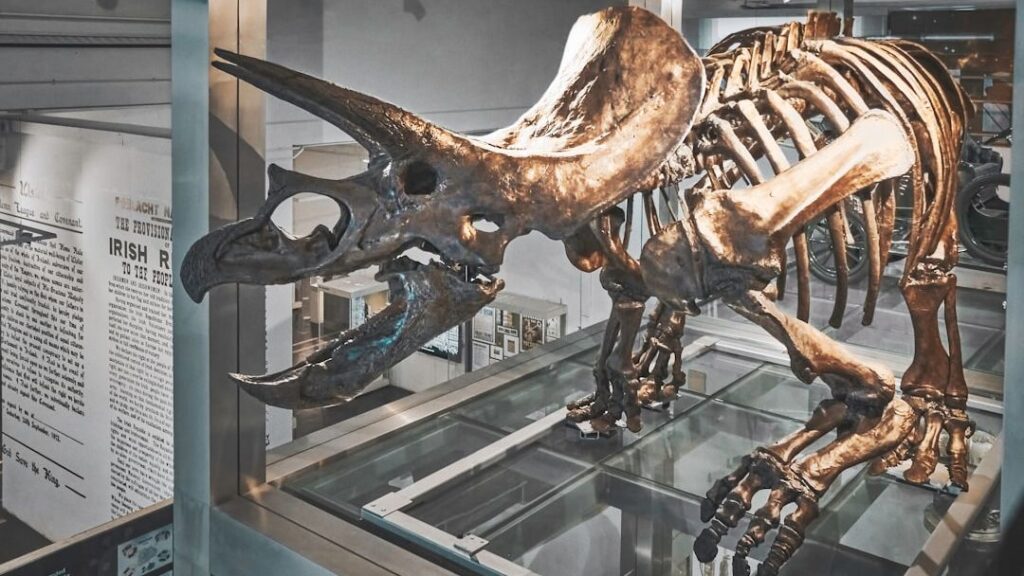
Picture this: you’re looking at a fossil that’s been buried for millions of years, trying to decode what purpose a particular bone or feature served. That’s the daily challenge facing paleontologists today. Even with our advanced technology and century’s worth of discoveries, some dinosaur body parts remain absolutely baffling.
Think we know everything about dinosaurs? Not even close. From bizarre spikes to shrunken limbs, these prehistoric giants still guard secrets that scientists are desperately trying to crack. Let’s dive into nine anatomical puzzles that continue to stump even the most experienced researchers in 2026.
The True Colors and Patterns of Feathered Dinosaurs
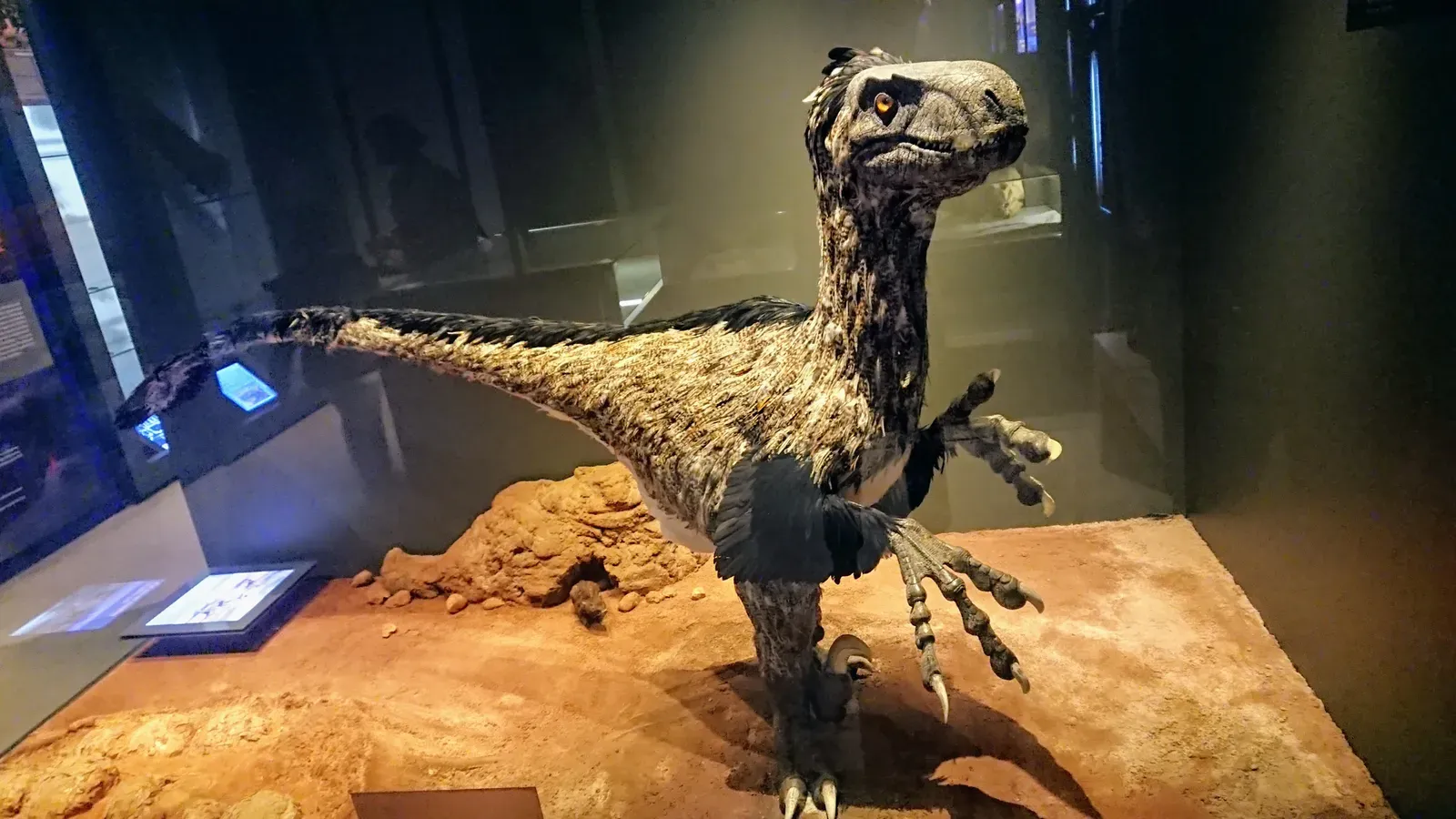
Roughly fifteen years ago, paleontologists discovered melanosomes in fossilized dinosaur feathers, which opened up a revolutionary way to study ancient coloration. These pigment-containing structures gave researchers their first real glimpse into what colors actually adorned these creatures. Scientists determined that Anchiornis had a gray body, black-and-white banded wings, and a reddish brown crest, creating the first scientifically backed full-body color reconstruction of a dinosaur.
However, here’s where things get tricky. Some experts remain skeptical about specific color claims, noting that we don’t fully understand how melanosome distributions in modern birds lead to specific colors, making it difficult to predict colors in fossils except perhaps black. The debate continues, especially for non-feathered dinosaurs where melanosomes might not even be present. Did that Triceratops have bold stripes or subtle earthy tones? We honestly can’t say for certain yet.
Why T-Rex Had Those Ridiculously Tiny Arms
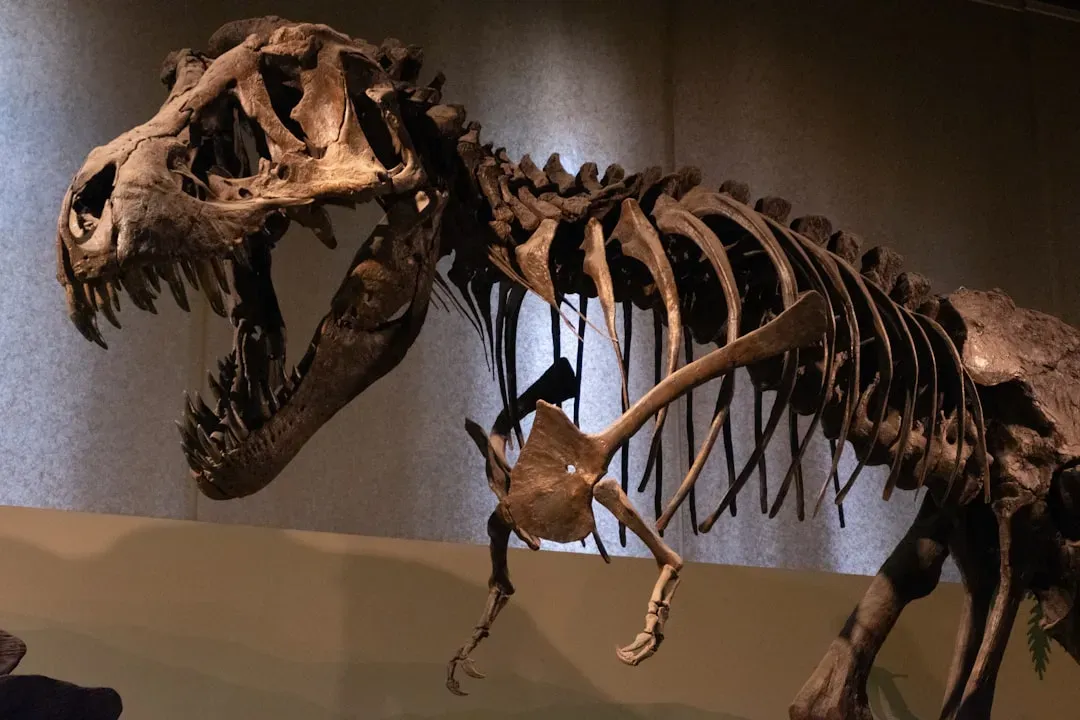
Let’s be real, everyone has wondered about this one. Over decades of teaching courses about dinosaurs, one question consistently stumped professors: why are the arms of Tyrannosaurus rex so ridiculously short? These massive predators had arms barely three feet long on bodies stretching over forty feet. It seems almost comical.
Multiple theories have been thrown around. Proposed explanations included waving for mate attraction, serving as an anchor to help T. rex get up from the ground, holding down prey, stabbing enemies, and even pushing over sleeping Triceratops. Some researchers recently suggested the arms stayed small to avoid amputation during feeding frenzies when multiple T. rex tore into carcasses together. The truth is, though, all proposed ideas are either untested or impossible because they can’t work, and none explain why the arms would get smaller – they could only explain why they maintained small size, and all functions would have been more effective if arms had not been reduced. The mystery persists.
Spinosaurus: Aquatic Hunter or Shoreline Wader
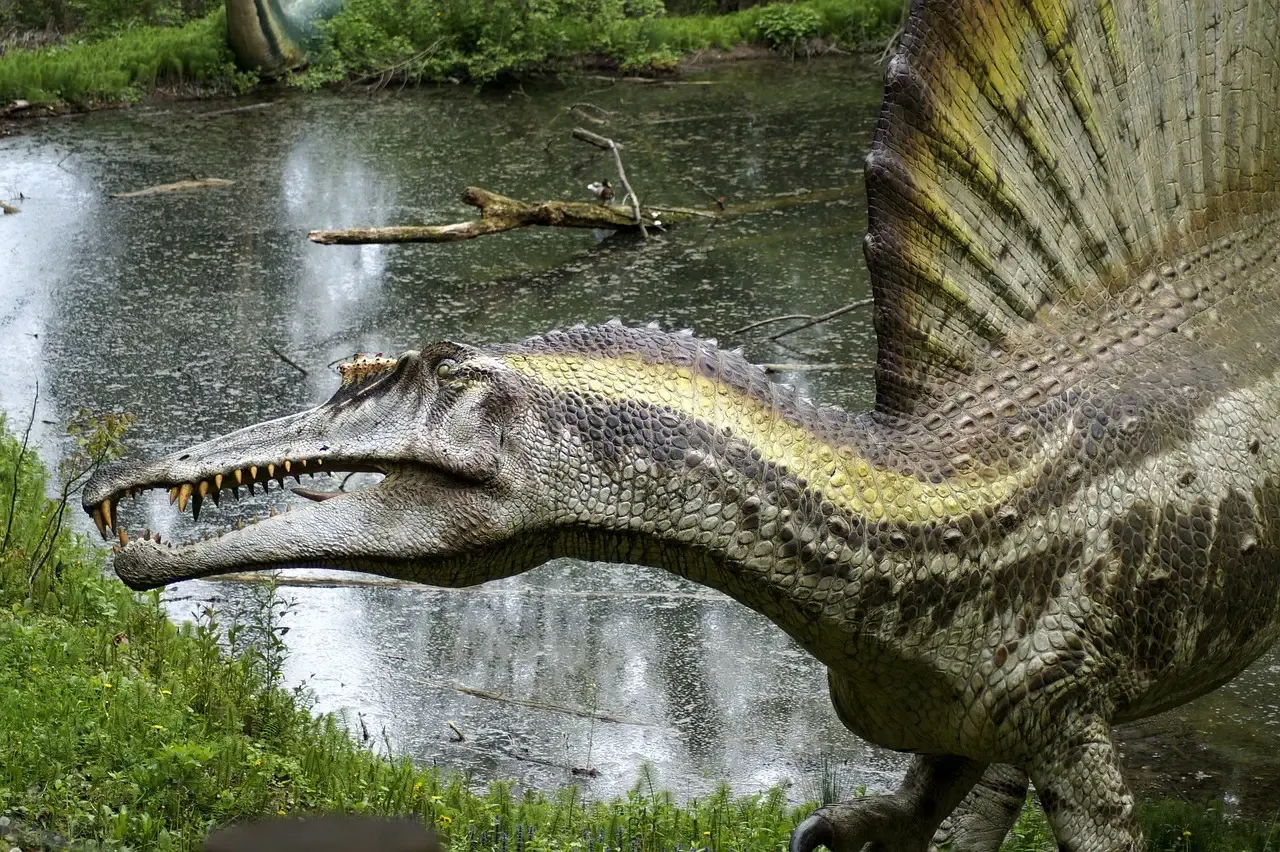
This one’s causing heated arguments in paleontology circles right now. Spinosaurus, that sail-backed giant from North Africa, has become the center of a fierce debate about lifestyle. Evidence suggests Spinosaurus was semiaquatic, though how capable it was of swimming has been strongly contested, and its leg bones had high bone density allowing for better buoyancy control. Some research teams argue it dove deep to hunt fish underwater like a massive prehistoric penguin.
Others strongly disagree. The wading hypothesis suggests Spinosaurus hunted in shallow water with its snout submerged, using ambush predation similar to modern herons and storks, allowing it to exploit aquatic food sources without requiring highly effective swimming capabilities. Recent studies confidently recovered highly aquatic habits for Spinosaurus, indicating it spent the vast majority of its time submerged in water, yet counter-studies claim it simply wasn’t built for diving. The debate rages on with new papers published seemingly every few months, each claiming to settle the matter once and for all.
The Actual Function of Stegosaurus Plates
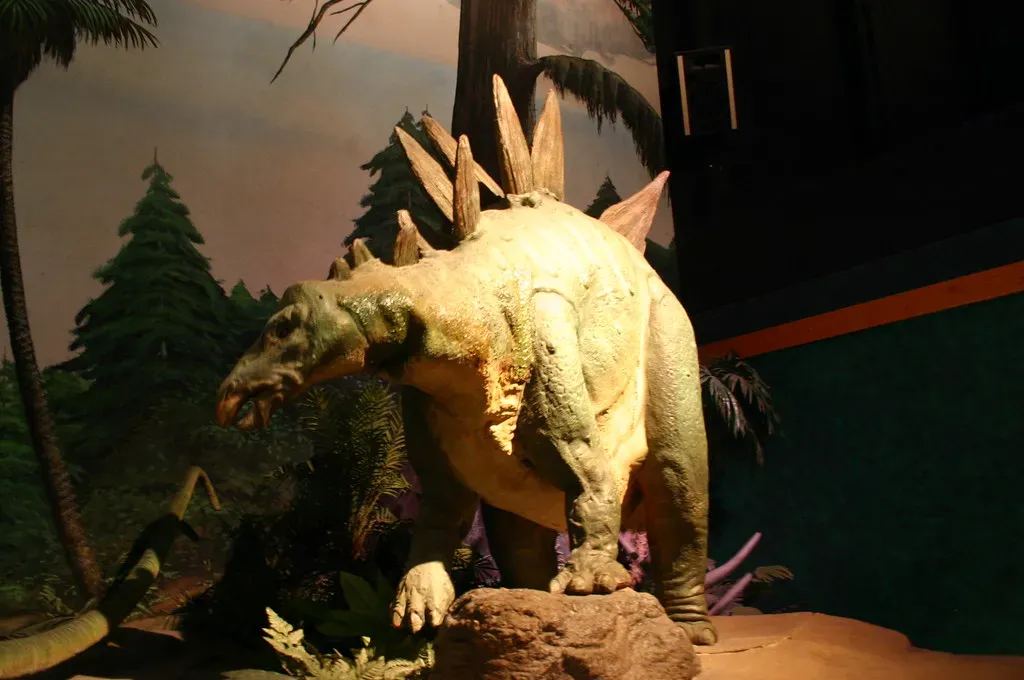
Those iconic diamond-shaped plates running down Stegosaurus’s back have puzzled scientists for over a century. The function of this array of plates and spikes has been the subject of much speculation, and today it’s generally agreed that spiked tails were likely used for defense while plates may have been used primarily for display and secondarily for thermoregulation. Initially researchers thought they were armor, but that didn’t make sense since they left the sides completely vulnerable.
The thermoregulation theory gained popularity for years. The plates had blood vessels running through grooves and air flowing around them would have cooled blood, with extreme vascularization of the outer bone layer seen as evidence they acted as thermoregulatory devices. Yet this theory fell apart when scientists realized other stegosaurs like Kentrosaurus had more low surface area spikes than plates, implying cooling wasn’t important enough to require specialized structural formations. Most researchers now lean toward display purposes – species recognition, mate attraction, intimidation. Still, nobody knows for sure, and competing hypotheses continue battling it out.
How Dinosaurs Actually Mated
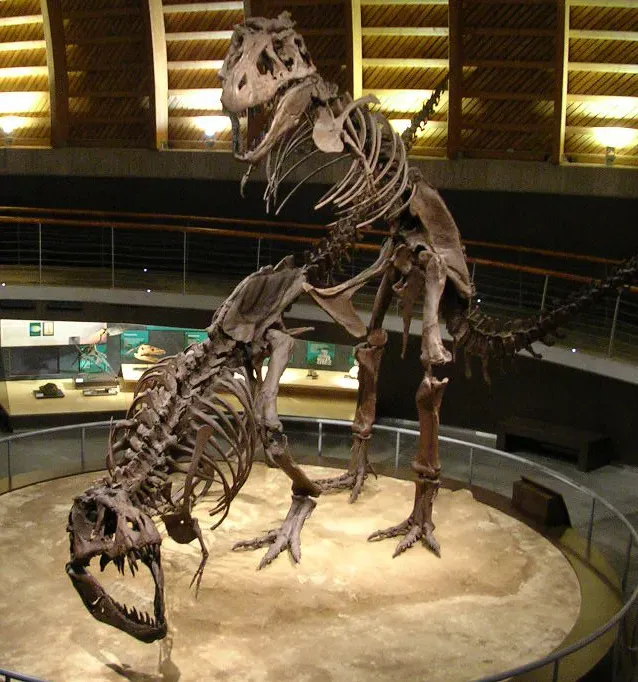
This might sound like a strange mystery, yet it’s genuinely important for understanding dinosaur biology. Every dinosaur started life by hatching from an egg, but how parent dinosaurs came together to start the next generation isn’t as clear, and mating displays didn’t fossilize, with paleontologists yet to find telltale trackways showing amorous dinosaurs coming together. Think about it: how did a multi-ton Brachiosaurus manage the logistics?
Even basic sexual anatomy is somewhat mysterious, though they must have had a cloaca – a single orifice for urinary, excretory, and reproductive tracts shared by birds and crocodiles. Without direct observation or preserved soft tissue, scientists rely purely on speculation based on modern relatives. The mechanics, displays, seasonal behaviors, and specific anatomical structures remain frustratingly unknown. Fossils can tell us plenty, but they stay silent on this particular topic.
Whether Dinosaurs Were Warm-Blooded or Cold-Blooded
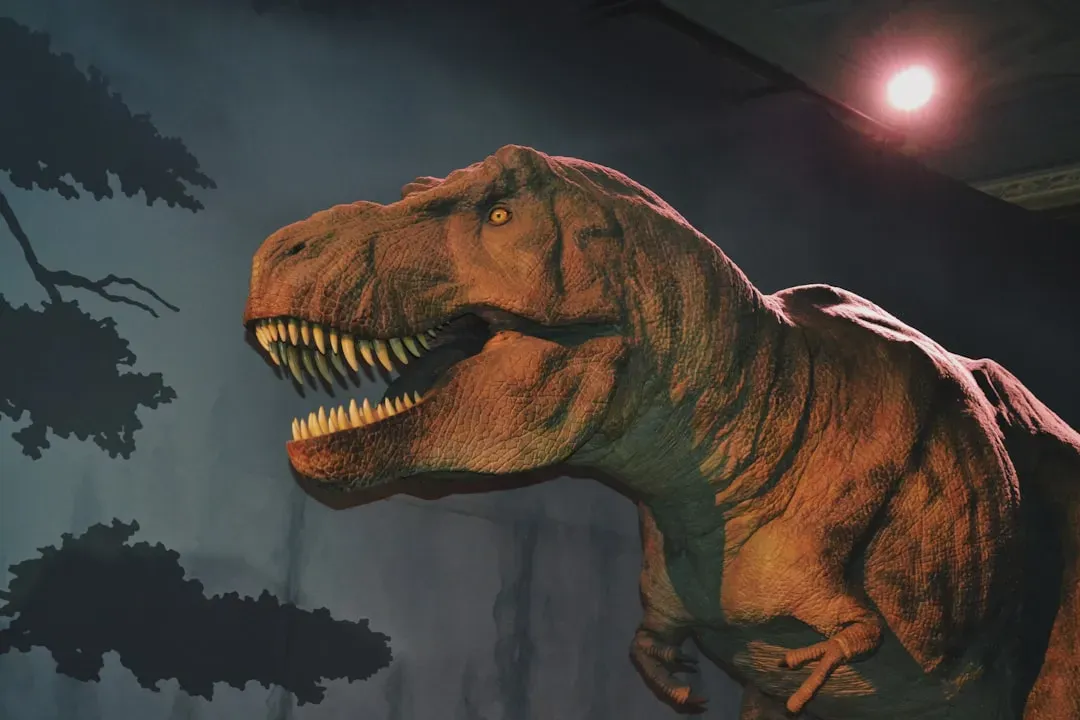
This debate has raged since the Dinosaur Renaissance of the 1970s. Whether dinosaurs were hot-blooded or cold-blooded was the most contentious question during the height of the Dinosaur Renaissance, and almost forty years later dinosaur physiology is still largely a mystery, though multiple lines of evidence including bone microstructure and growth patterns suggest they were highly active animals that ran hot. Yet that’s not the full story.
The debate has continued for decades, with certain clues like growth patterns and bone microstructure suggesting dinosaurs were mesotherms who relied on muscles to warm their bodies though body temperature wasn’t stable, putting them somewhere in the middle – lukewarm-blooded. However, studies mainly looked at dinosaurs in warm climates, leaving questions about dinosaurs in cold climates and baby dinosaurs that researchers still need to figure out. The picture remains incomplete and frustratingly complex.
What Crests, Horns, and Spikes Were Really For
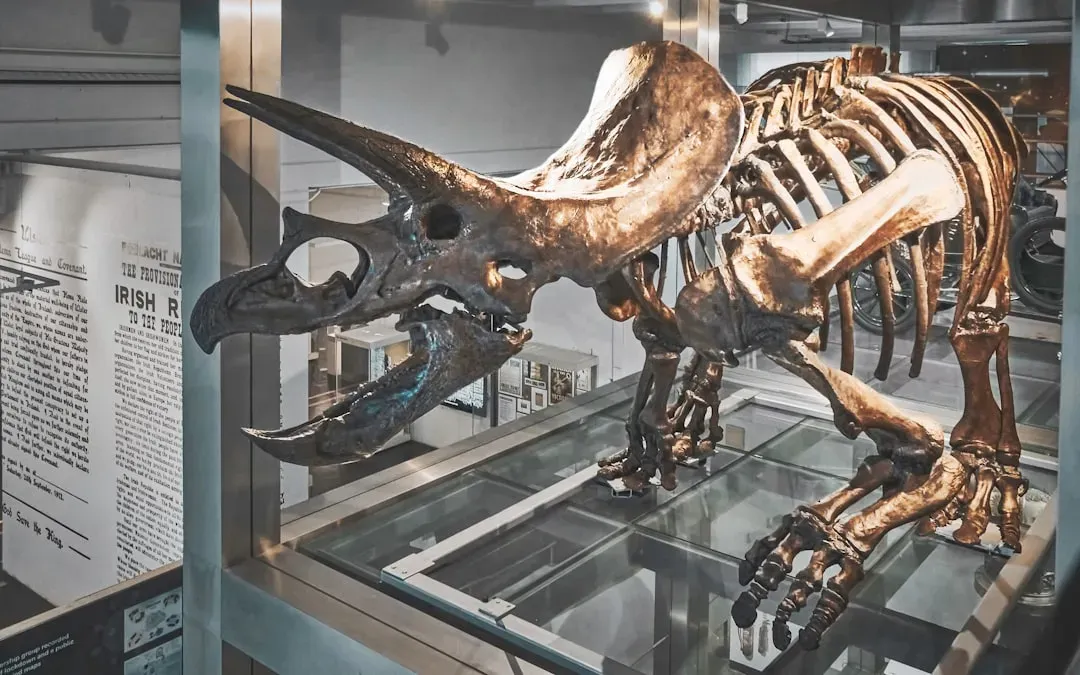
Many dinosaurs were adorned with crests or horns on their heads, with Triceratops being among the most recognizable, and some like Stegosaurus even had plates and spikes, but paleontologists don’t think dinosaurs used spikes and crests to fight off attackers. So why did they evolve such elaborate headgear? It can’t have been cheap, metabolically speaking, to grow and maintain.
Paleontologists have ruled out fighting as well as the idea these accessories might have been used to regulate body temperature, and they’re now starting to entertain the idea that spikes and horns and plates had more to do with social functions and showing off. Species recognition makes sense – you need to identify your own kind for mating. Yet this doesn’t explain the sheer variety and sometimes absurd proportions of these structures. Were they purely ornamental? Status symbols? Intimidation tools during non-lethal contests? The answers remain elusive across different dinosaur groups.
Which Dinosaur Species Came First
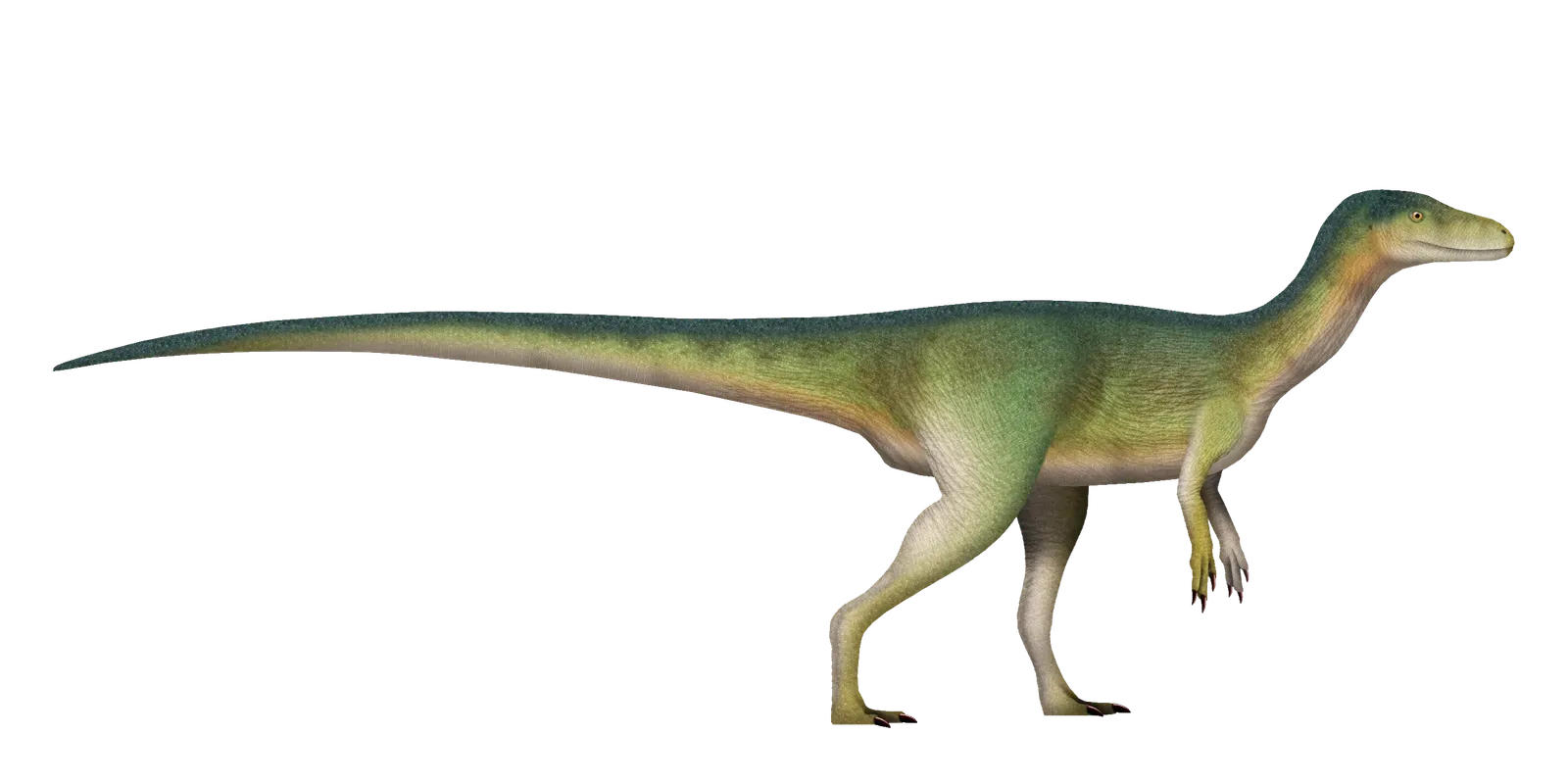
Finding the very first dinosaur seems like it should be straightforward, yet it’s incredibly difficult. The earliest species of any major lineage is always a sought-after creature, but the fossil record is made up of snippets of life’s history not the entire reel, so finding frames from the dawn of dinosaurs relies on luck as much as science. Researchers have discovered animals that were close to being dinosaurs but not quite there yet.
Nyasasaurus Parringtoni dates to about 240 million years old, but very little is known about it, including whether it was a true dinosaur or just a close relative, with the creature estimated at two to three meters long including its tail. Every time scientists think they’ve found the earliest dinosaur, someone unearths fragmentary fossils from even older rocks that might predate it. The definition of what exactly constitutes a “dinosaur” versus a dinosaur ancestor also complicates matters. We may never pin down that very first species with absolute certainty.
The Size and Arrangement of Soft Tissues We Can’t See
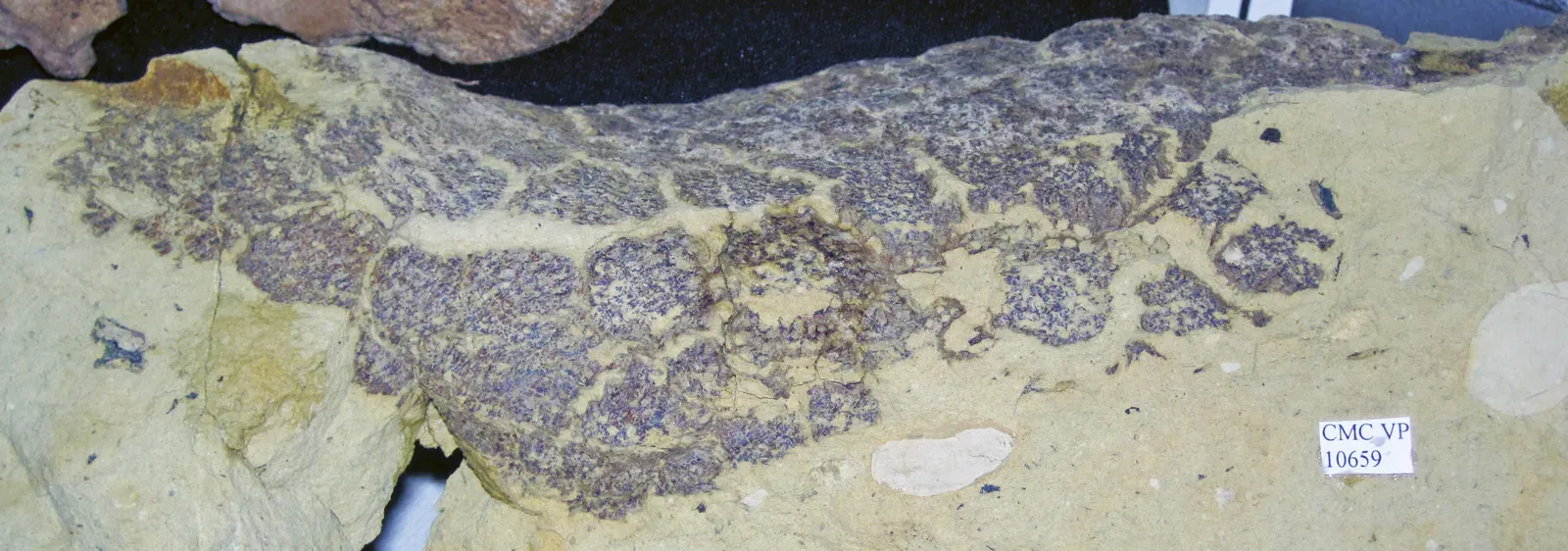
Fossils preserve bones brilliantly, but soft tissues? That’s another story entirely. Recent discoveries have been remarkable – Scientists achieved the first complete, fleshed-out view of a large dinosaur they can feel confident about, with duck-billed dinosaur mummies discovered in a unique “mummy zone” in Wyoming badlands that has more surprises in store. These exceptional specimens show skin texture and even hooves in stunning detail.
Yet most dinosaurs aren’t preserved this way. We’re left guessing about muscle mass, fat distribution, skin thickness, and organ size. One study suggested that delicate bones in dinosaur eyes called sclera rings held evidence for anatomy of the eye and pupil that would have let in light, suggesting small predatory dinosaurs were likely active at night, but a follow-up comment argued sclera are not actually very informative for determining when dinosaurs were active. Without soft tissue, determining daily behaviors, sensory capabilities, and physical appearance remains educated guesswork at best.
Conclusion
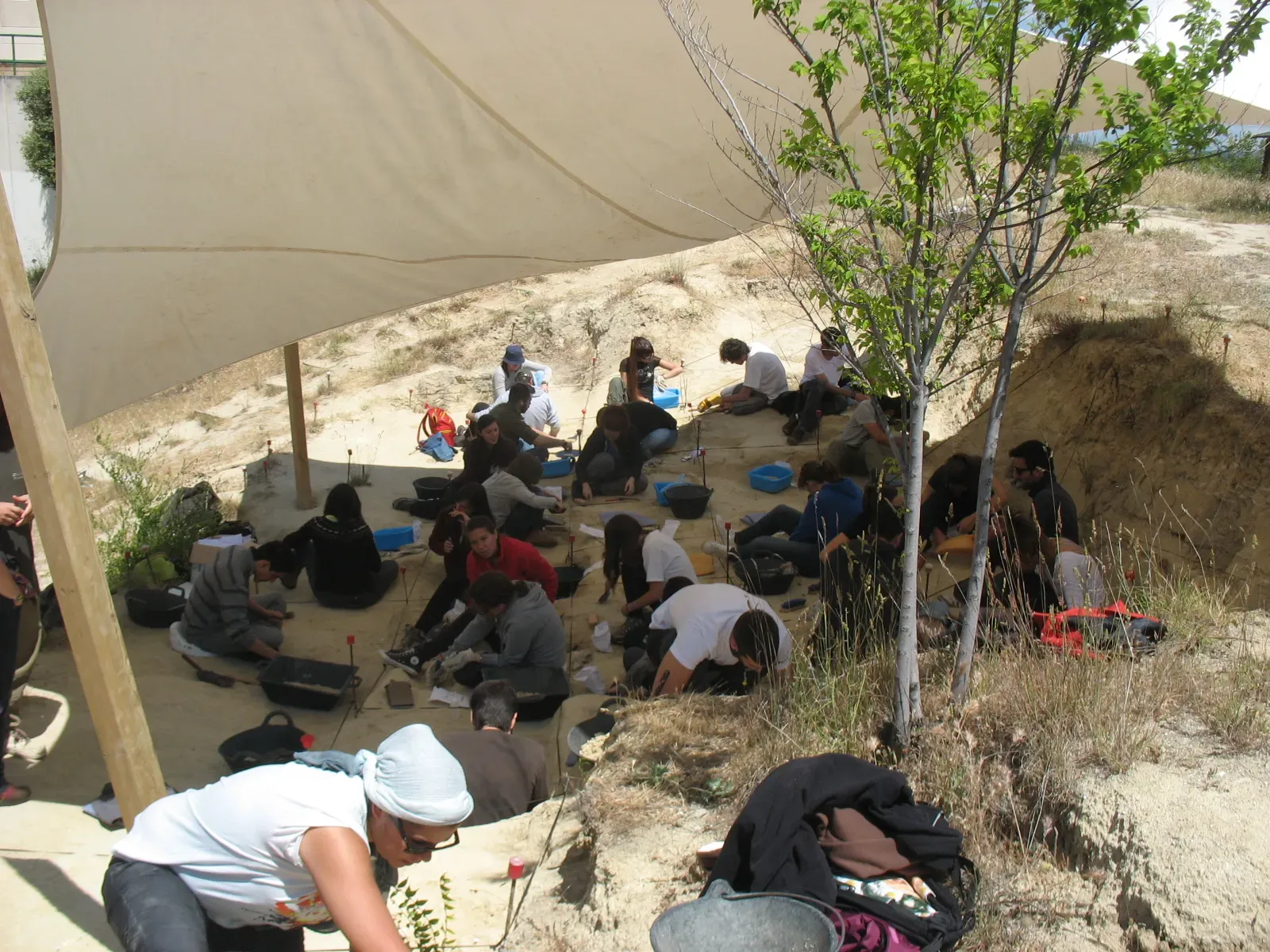
These anatomical mysteries remind us that paleontology is far from a settled science. Every new fossil discovery has the potential to overturn decades of accepted wisdom or finally solve puzzles that have frustrated researchers for generations. Technology continues advancing – better imaging techniques, improved chemical analysis, more sophisticated computer modeling – bringing us closer to answers.
Still, some questions might remain forever unanswered. The past guards its secrets jealously, and soft tissues decompose, behaviors don’t fossilize, and evolution takes unexpected paths we can barely trace millions of years later. What we do know is that paleontologists won’t stop digging, analyzing, and debating. The thrill of potentially solving one of these ancient mysteries keeps researchers returning to dusty quarries and laboratory benches year after year.
Which of these mysteries do you find most intriguing? Could one be solved in your lifetime?