Have you ever wondered what stories lie hidden in the rocks beneath your feet? Our planet is a living archive, and scattered across its surface are geological marvels that have witnessed the birth of continents, the rise and fall of ancient seas, and the slow dance of shifting plates. These formations aren’t just interesting to look at. They’re time capsules, preserving secrets from when Earth was barely recognizable compared to today.
Think about it for a second. While we’re busy with our daily routines, there are rocks out there that predate nearly all life on Earth, formations that existed when the planet was still cooling down from its fiery beginnings. Let’s dive into ten of the most astonishing ancient geological wonders that have somehow survived billions of years of planetary chaos.
Jack Hills Zircon Crystals
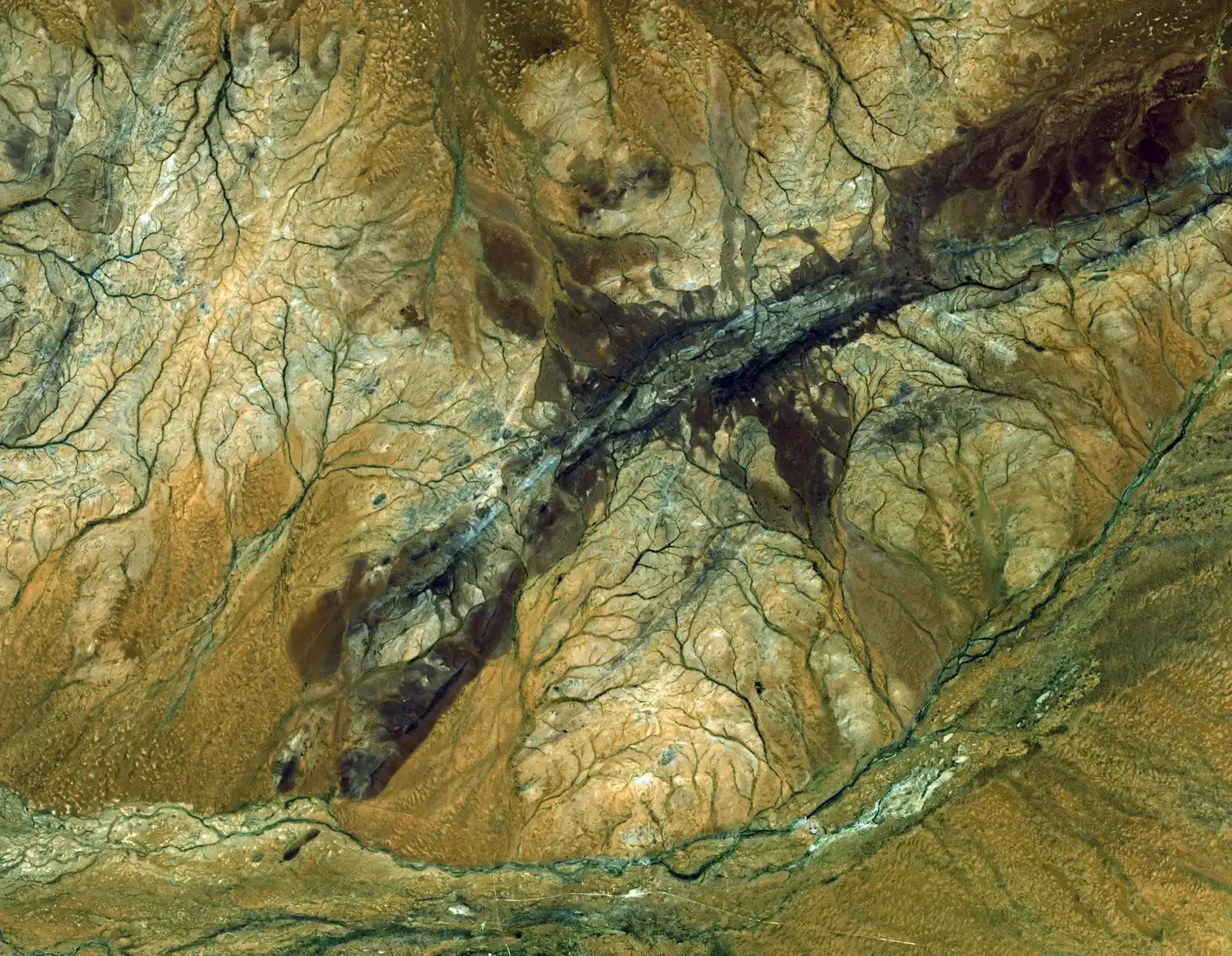
Tucked away in Western Australia’s Jack Hills region are tiny mineral crystals that date back roughly 4.4 billion years, making them the oldest known terrestrial materials ever discovered. These microscopic time travelers are no bigger than a grain of sand, yet they hold secrets from when our planet was barely formed. What’s truly mind-blowing is that traces of water within these zircons suggest that liquid water may have existed on Earth much earlier than anyone previously believed.
These crystals are incredibly durable, surviving even when the rocks around them are destroyed, eroded or recycled back into Earth’s middle layer, and they contain radioactive uranium, which decays very slowly, thereby helping geologists accurately date them. Imagine holding something in your hand that witnessed the planet when it was a completely alien world. These zircons are embedded in younger sedimentary rocks, like fossils from a time before fossils even existed. Some zircons in the Jack Hills, dating to around 4 billion years ago, also hint that early Earth had fresh water just 600 million years after it formed.
Nuvvuagittuq Greenstone Belt
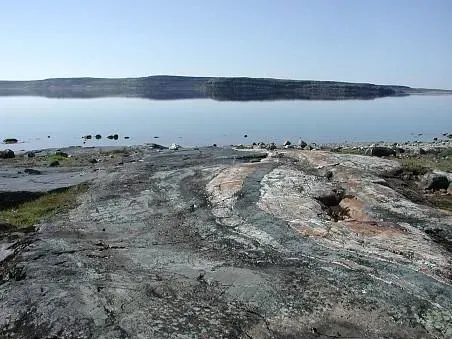
This exposed remnant of ancient ocean floor in northern Quebec has been a heated scientific battleground, with new research suggesting that the geological site harbors the oldest known surviving fragments of Earth’s crust, dating back to 4.16 billion years ago. Let’s be real, scientists love a good debate, and the age of these rocks has sparked quite the controversy. It’s the only rock determined to be from the first of four geological eons in our planet’s history, the Hadean, which began 4.6 billion years ago when the world was hot, turbulent and hell-like.
What makes this place special goes beyond just age. The fact that these are volcanic rocks erupted in an ancient ocean is documented by the presence of lava pillows, which form when lava erupts underwater and a crust solidifies instantly around the oozing lava. Some researchers have even suggested the belt contains evidence of Earth’s earliest life, traces of bacteria dating to between 4.3 billion and 3.7 billion years ago. Standing there, you’d be looking at rocks that were born before most of Earth’s crust even existed.
Acasta Gneiss Complex
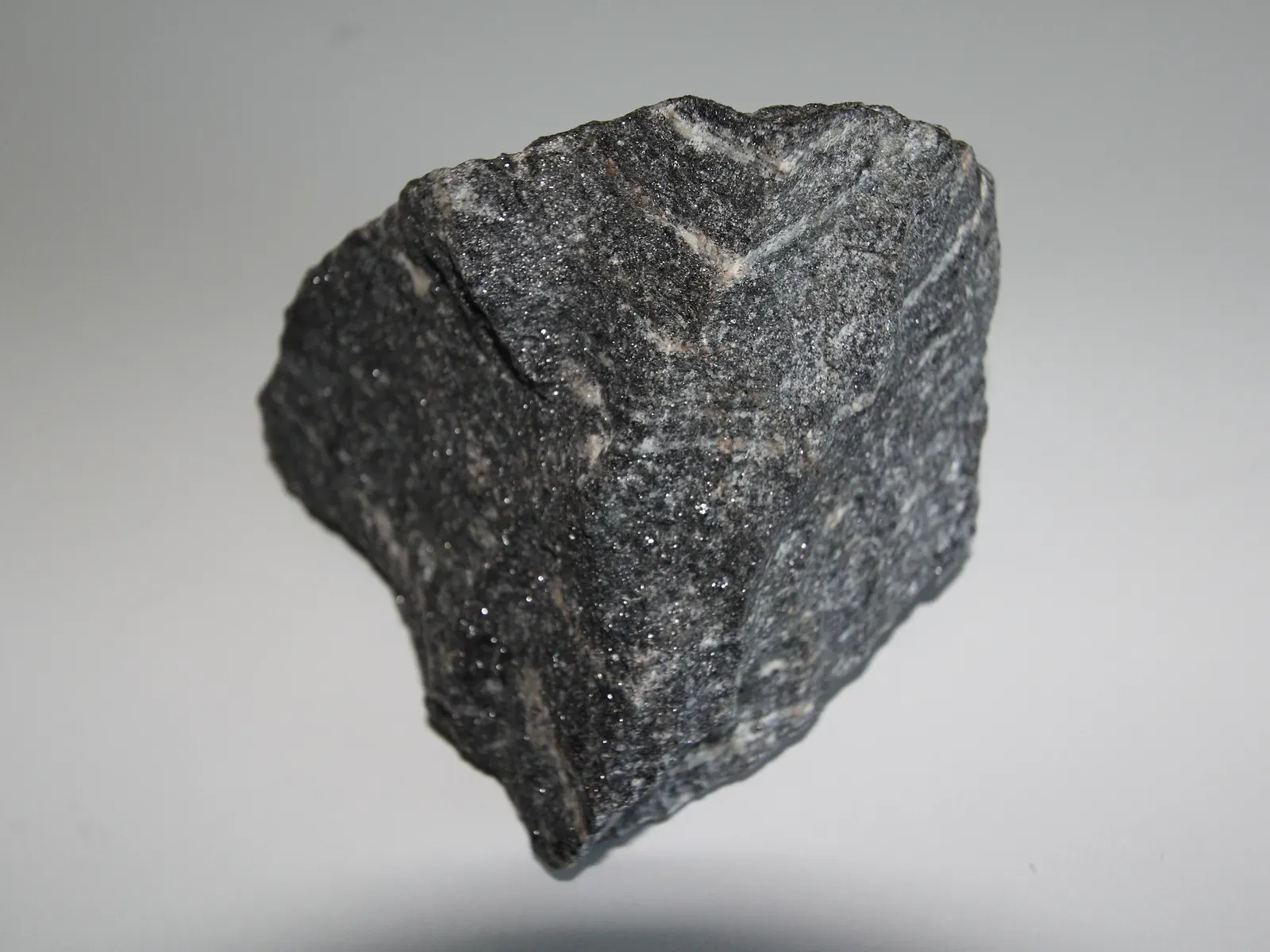
Located in northern Canada, rocks in the Acasta Gneiss Complex have been dated to 4 billion years ago, making them the oldest definitively dated rocks. This isn’t just some random patch of stone. The Acasta Gneiss Complex, a group of rocks exposed along a riverbank nearly 200 miles north of Yellowknife, in northwestern Canada, is more widely agreed to be the planet’s oldest geological formation. Unlike the controversy surrounding other ancient formations, there’s more scientific consensus here.
Extensive geochemical analysis of many different isotopic pairs and element concentration comparisons have led to the interpretation that the oldest rock of the Acasta Gneiss Complex was derived from the partial melting of mafic Hadean crust that was 4.3 billion years old. These rocks have been through the wringer over billions of years. Gneiss is a type of metamorphic rock that has been subjected to high temperatures and pressures deep in Earth’s crust, which means they’ve been cooked, squeezed, and transformed yet somehow managed to survive.
Isua Greenstone Belt
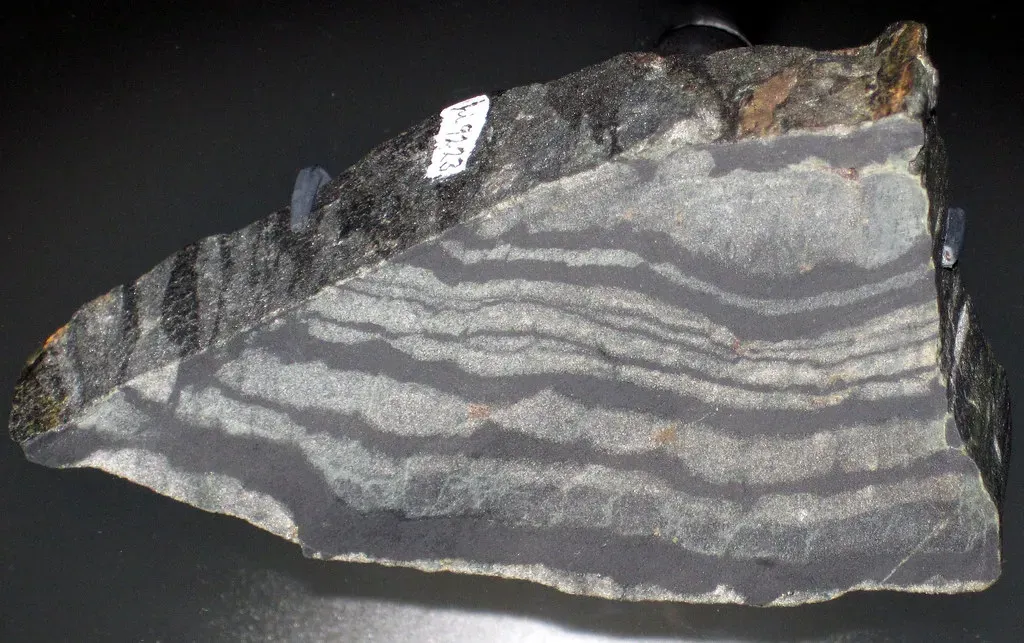
The Isua Greenstone Belt in southwestern Greenland spans approximately 37 miles and is thought to be over 3.8 billion years old. Honestly, getting to this place is no walk in the park. Local guides highlight the difficulty of accessing this remote site, with some researchers facing extreme weather and treacherous glaciers to collect samples. The things scientists do for knowledge, right?
Composed mainly of volcanic and sedimentary rocks, it is renowned for containing some of the earliest evidence of life on Earth, traces of carbon that may have originated from microorganisms. Some researchers have argued it holds the earliest evidence of life on Earth, dating to 3.7 billion years ago. This formation has captivated geologists for decades, with some referring to it as a Rosetta Stone for early Earth studies. It’s basically a window into what our planet looked like when life was just getting started.
Pilbara Craton
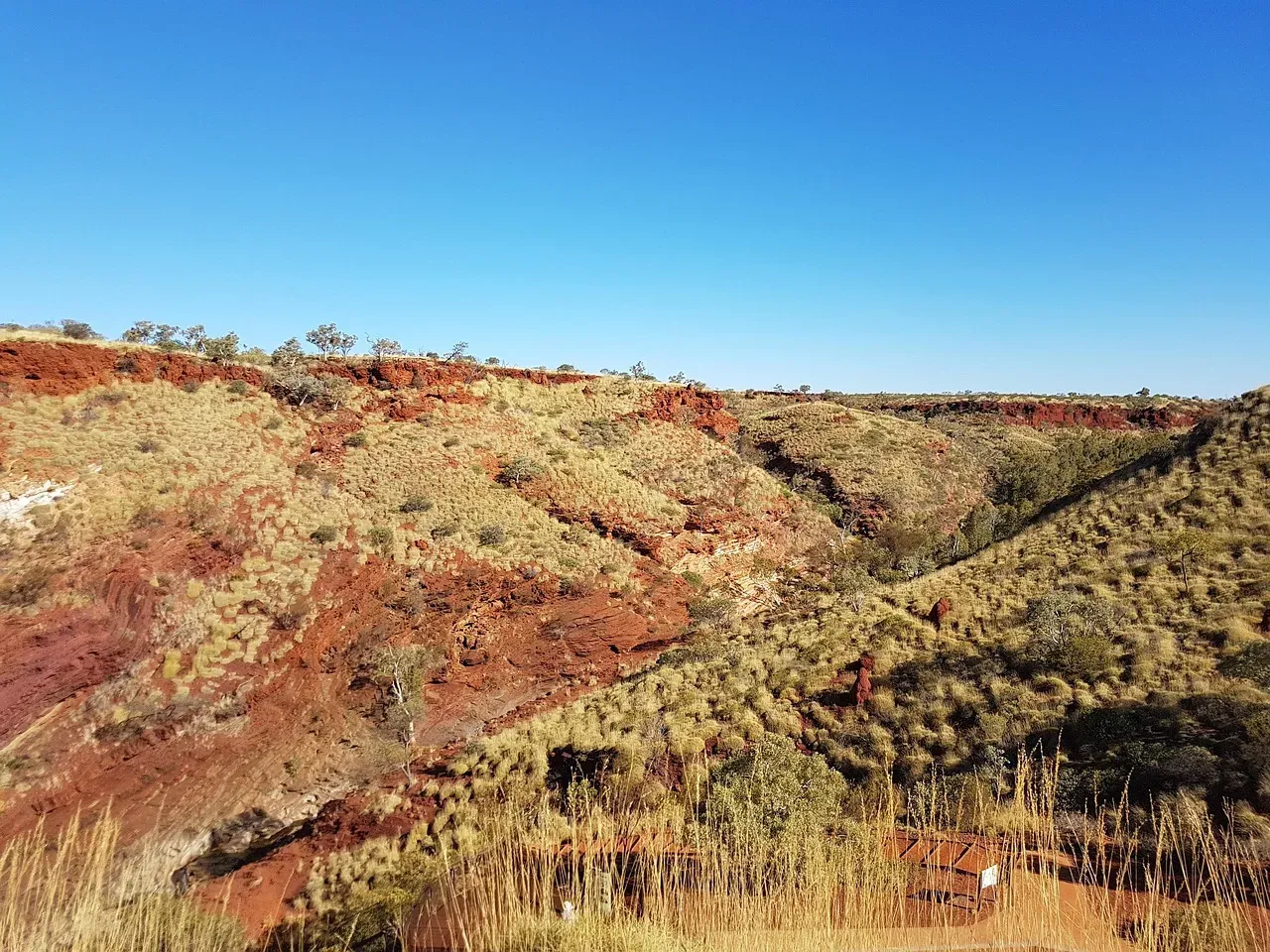
The Pilbara Craton is approximately 3.4 billion years old and is among the oldest cratons on Earth. Located in Western Australia, this ancient chunk of continental crust has maintained remarkable stability over billions of years. The Pilbara Craton is often compared to Mars due to its barren, rocky landscape, making it a favored site for astrobiological studies.
Here’s the thing that gets me excited about this place. Anecdotes from researchers describe their awe upon finding stromatolites that perfectly mirrored those in modern shallow waters, highlighting Earth’s biological continuity. Think about that for a moment. You’re looking at rock formations created by microbes billions of years ago that look virtually identical to ones forming today. Archean rocks are exposed on Earth’s surface in very few places, such as in the geologic shields of Canada, Australia, and Africa, so finding them is always special.
Mount Roraima
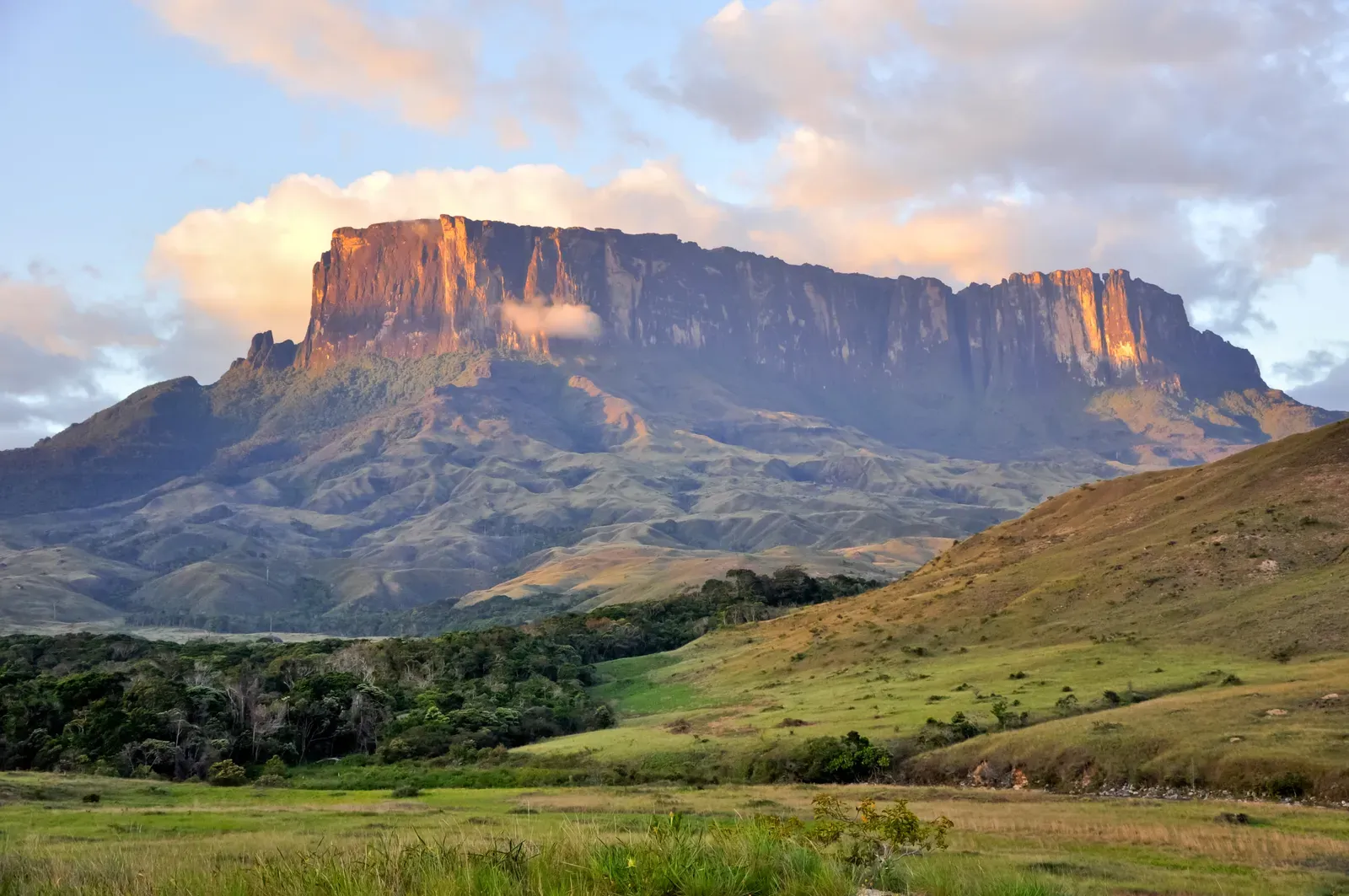
One of the oldest rock formations on earth, this mist-shrouded table-top mountain is made up of sediments that used to sit on the seabed. First brought to the West’s attention in 1596 by Sir Walter Raleigh while traveling Guyana in search of the mythical city of El Dorado, Mount Roraima is listed among the most ancient formations in the world. This flat-topped mountain looks like something straight out of a fantasy novel.
Almost 3000 meters tall, Roraima is threaded with stunning silvery waterfalls and lush jungle. It’s not hard to see why Roraima has been cited as the inspiration for Sir Arthur Conan Doyle’s The Lost World. Standing atop this massive plateau, you’d be walking on rocks that formed when the continents were completely different shapes. The sheer isolation and age of this formation make it feel like you’ve stepped into another world entirely.
Barberton Greenstone Belt
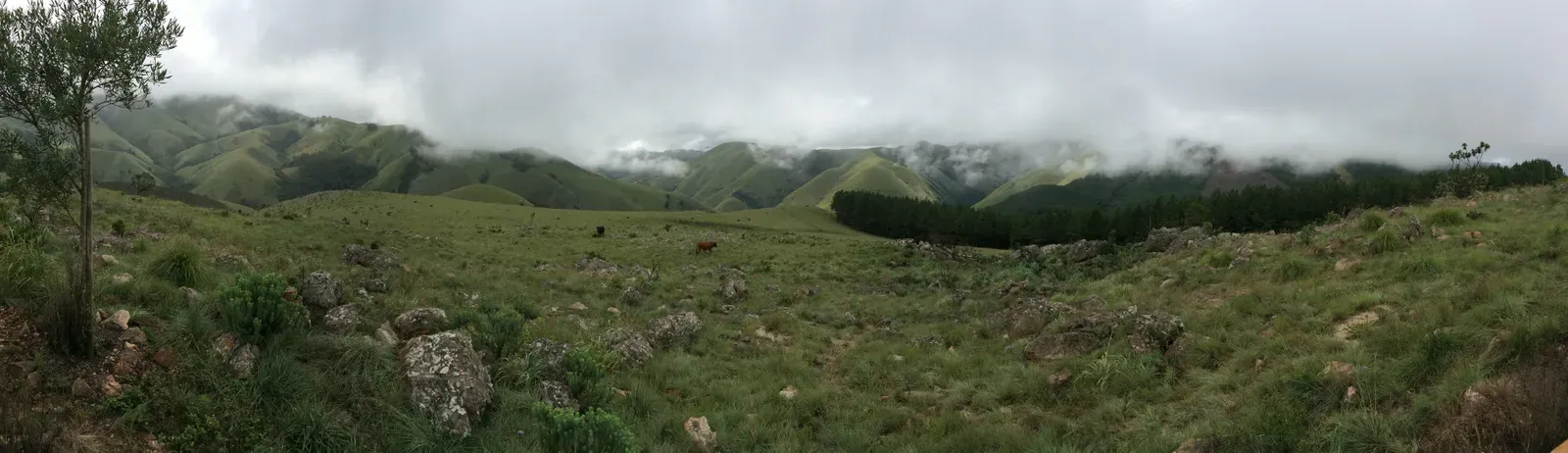
Komatiite, an ultramafic igneous rock dating back about 3.5 billion years, is found in South Africa’s Barberton Greenstone Belt, and its high magnesium and nickel levels offer a glimpse into Earth’s early geochemical and atmospheric conditions. This formation is absolutely fascinating because it preserves evidence of some incredibly violent volcanic activity from Earth’s youth. Back then, the planet’s interior was much hotter, producing lava compositions we don’t see anymore.
The belt provides evidence of the earliest known earthquakes, which occurred around 3.3 billion years ago, and reveals early plate tectonics. In 2021, researchers published a partial map of the belt, which revealed a gigantic jumble of blocks detached from where they formed. The rocks here tell a story of a restless young planet, constantly reshaping itself through forces we can barely imagine today.
Canadian Shield Superior Craton
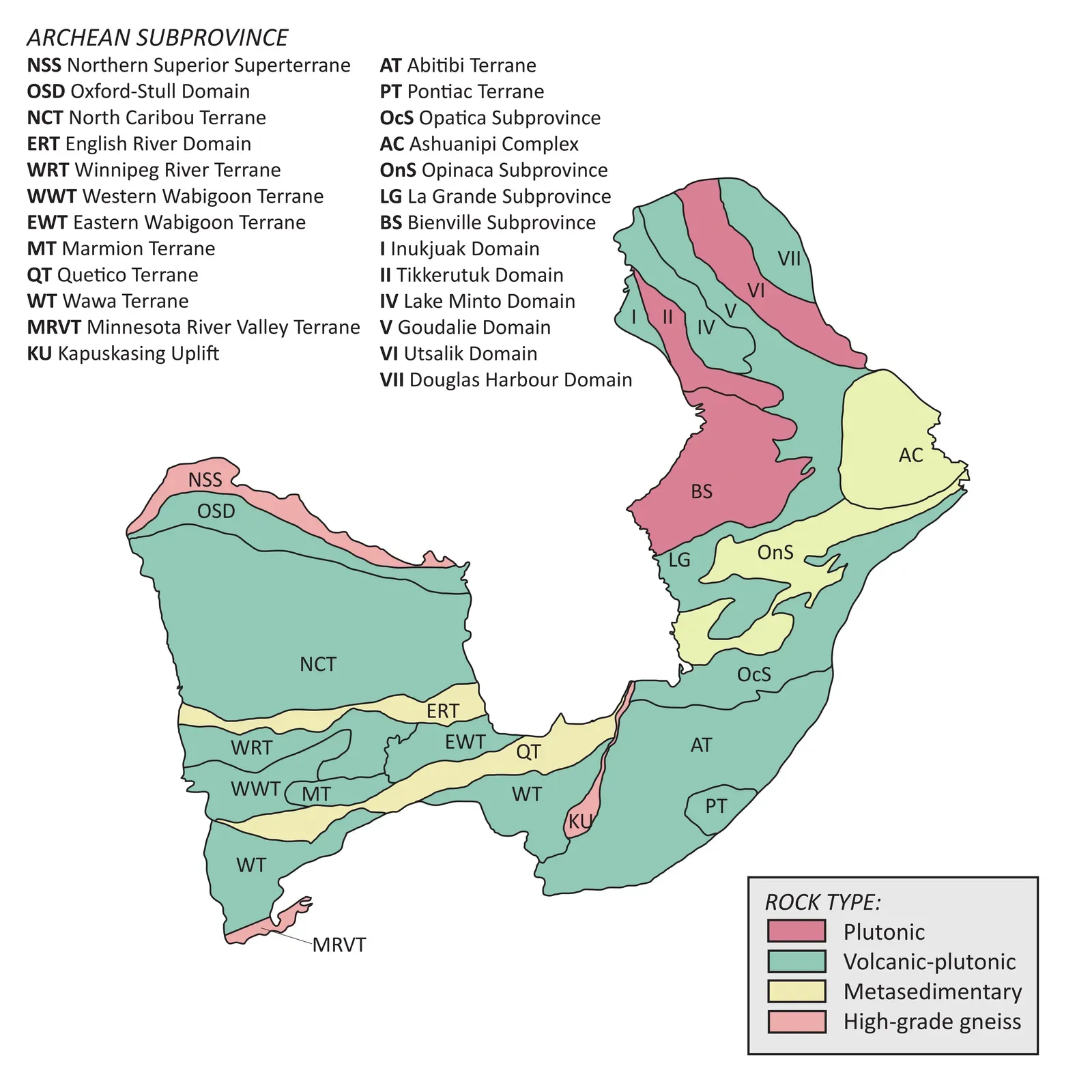
Spanning an astounding 600,000 square miles across parts of Canada and the United States, the Superior Craton is around 3 billion years old and forms a significant portion of North America’s ancient bedrock, including iron-rich deposits that have fueled mining industries for decades. This isn’t just geologically important. It’s economically vital too. The vast iron deposits here have shaped entire industries.
The craton’s vastness has inspired countless local legends, with miners and geologists recounting tales of discovering unusual minerals and fossils in its depths. Portions of the Canadian Shield range from approximately 2.4 to over 3.6 billion years old. Walking across parts of the Canadian Shield, you’re literally standing on some of the oldest stable continental crust on the planet. It’s been sitting there, largely unchanged, for billions of years.
Giant’s Causeway
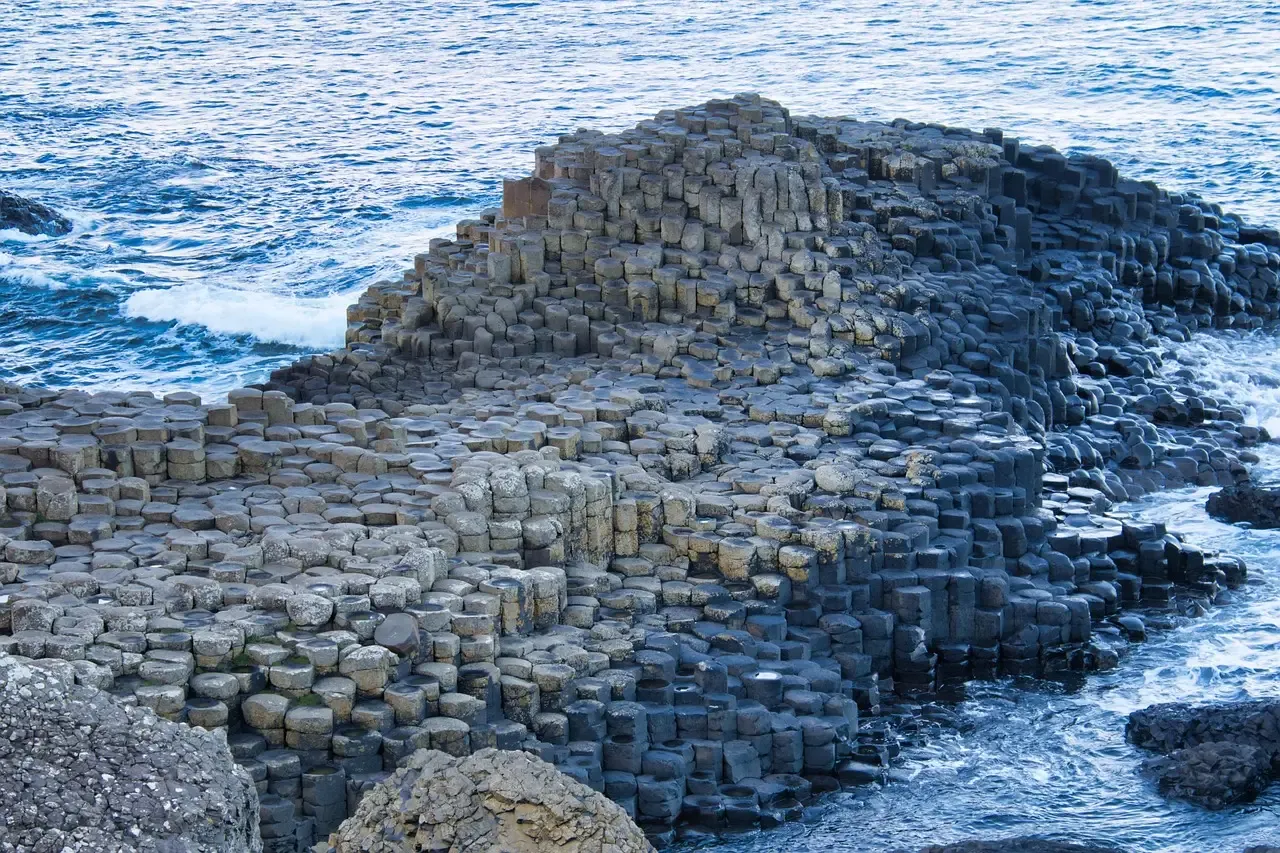
The Giant’s Causeway is an area of about 40,000 interlocking basalt columns, the result of an ancient volcanic fissure eruption. Located in County Antrim on the north coast of Northern Ireland, it was declared a World Heritage Site by UNESCO in 1986, and a national nature reserve in 1987. What makes this place absolutely mesmerizing is how perfectly geometric these columns are.
Most of the columns are hexagonal, although there are also some with four, five, seven or eight sides, and the tallest are about 12 meters high, with the solidified lava in the cliffs being 28 meters thick in places. The lava shrank as it cooled, and pressure cracked the young rock into hexagons, the shape that offers the greatest stress relief with the fewest cracks. Nature somehow managed to create what looks like deliberate craftsmanship, except no human hands were involved.
Baffin Island Volcanic Rocks
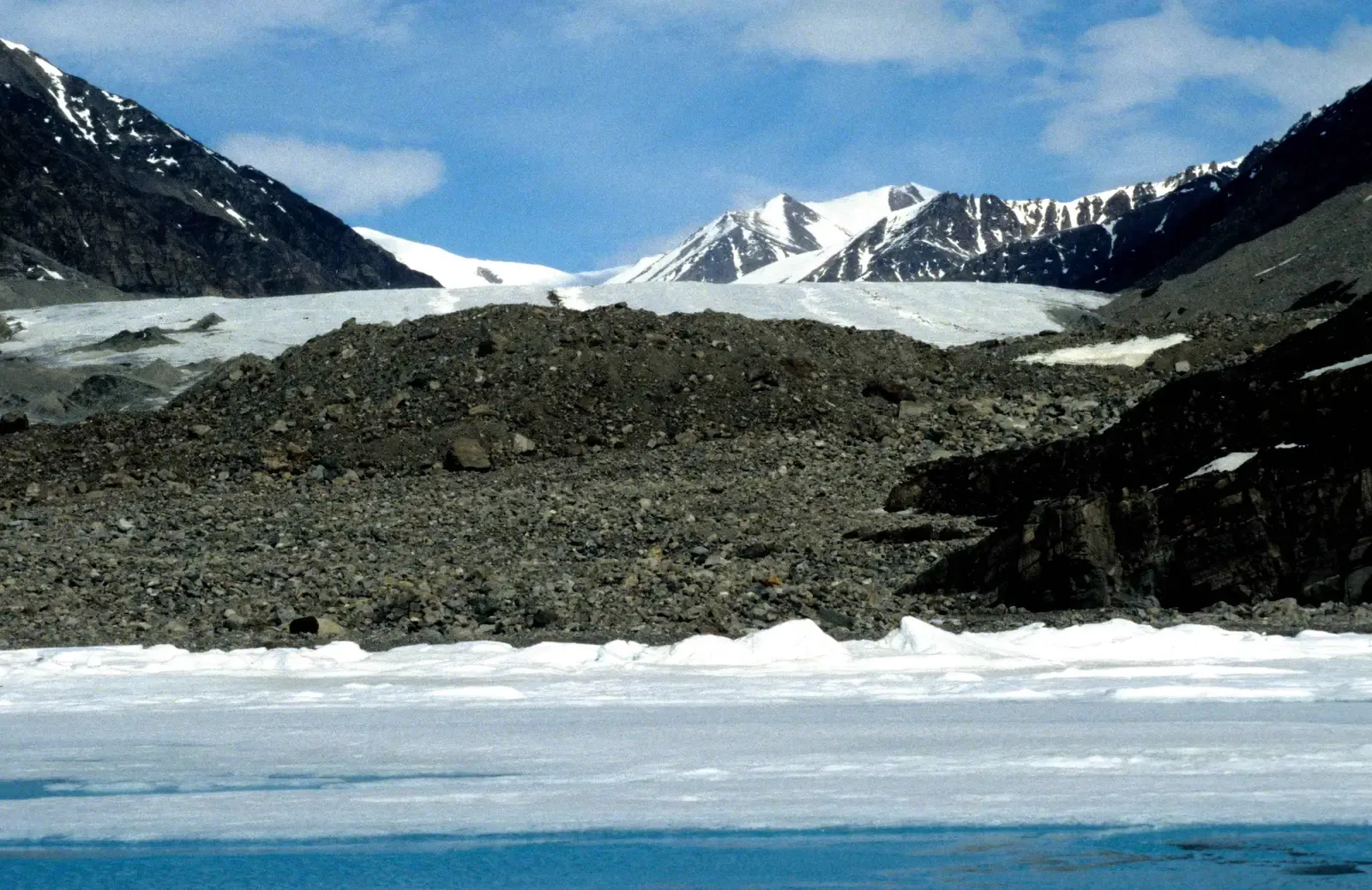
Scientists believe they have a piece of the original Earth, as Baffin Island in the Canadian Arctic has volcanic rocks that incredibly formed even before the world created its own crust. Let that sink in for a moment. These rocks are older than Earth’s crust itself. As time went by, they managed to avoid the geological recycling process which was especially violent in the beginning.
A never before seen trio was detected in the Baffin Island material of lead, neodymium, and the highly rare helium-3, and together, it is the long-missing fingerprint of the stuff all continents, mountains, and surfaces originally sprang from. This discovery is causing genuine excitement in the scientific community because it’s giving us a chemical signature from the absolute beginning of our planet’s formation. It’s hard to say for sure, but these rocks might represent the closest thing we have to original Earth material.
Conclusion
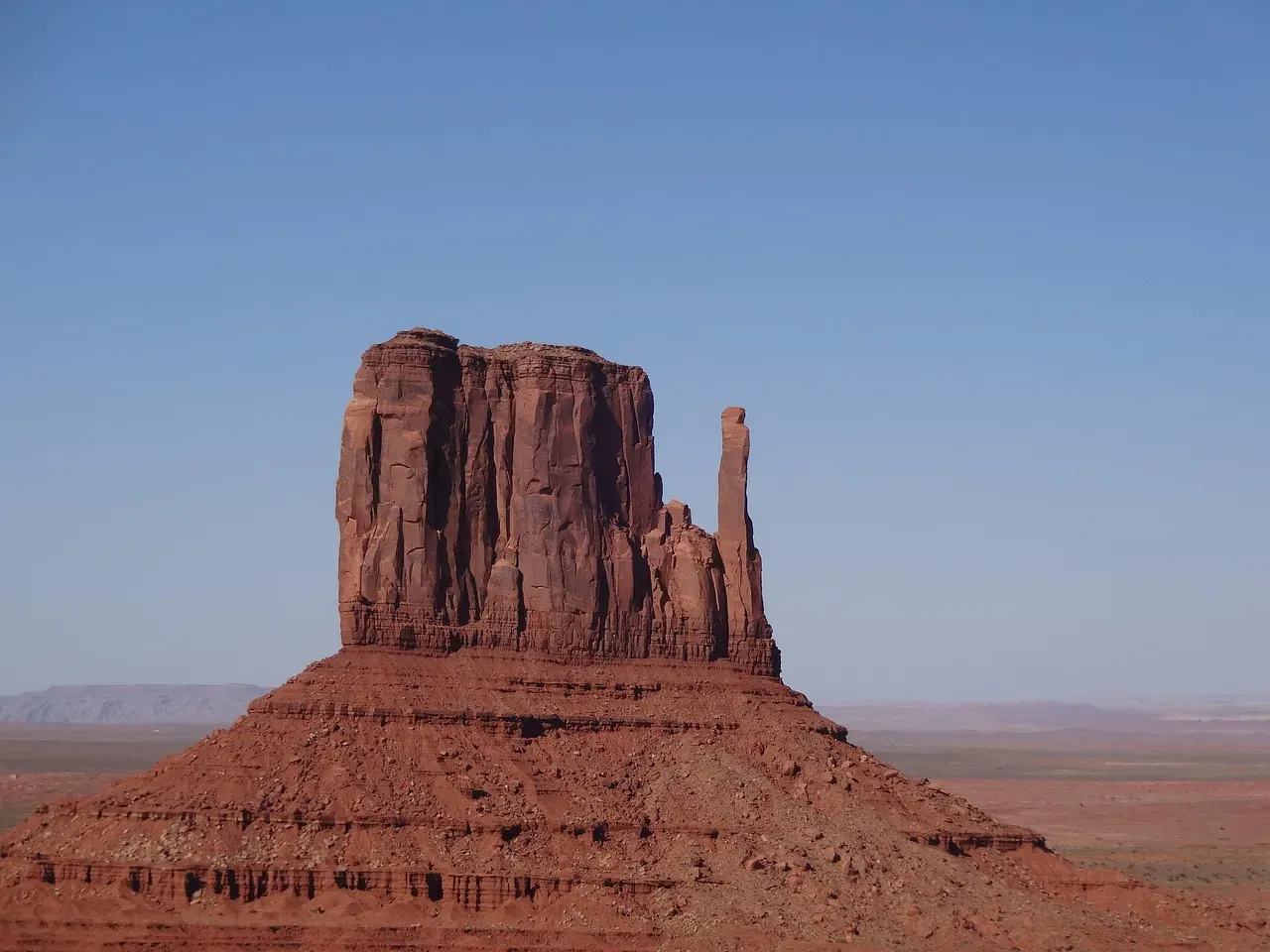
These ancient geological wonders are more than just old rocks. They’re storytellers, each one preserving a chapter of Earth’s incredible journey from a molten hellscape to the living, breathing planet we call home today. From the microscopic Jack Hills zircons to the towering Mount Roraima, these formations have survived unimaginable heat, pressure, and time itself.
Standing before any of these ancient marvels, you can’t help but feel humbled. We’re talking about rocks that predate almost everything we know about life, rocks that were here when Earth was still figuring out how to be a planet. They’ve witnessed continental collisions, the birth of oceans, and the first stirrings of life itself. Next time you pick up a stone, think about where it might have been and what it might have seen. Our planet’s memory is written in stone, and these ten wonders are some of the oldest pages in that extraordinary book. What’s your favorite ancient geological formation?