You might picture massive dinosaurs ruling the Earth for millions of years. However, lurking in the shadows during that entire time was another group of animals that most people know surprisingly little about. Early mammals were small and nocturnal, and their visual systems had regressed, leaving them with poor vision. Yet these seemingly unimpressive creatures would eventually inherit the planet.
For roughly 160 million years, these tiny, furry animals lived right under the noses of some of the most fearsome predators ever to walk the Earth. What allowed them to survive this incredible period? How did they manage to coexist with giants that could crush them with a single step? Let’s be real, the story of early mammals is far more interesting than most textbooks would have you believe.
Living in the Shadow of Giants
Mammals and their closest relatives appeared in the fossil record not long after the dinosaurs, in the Late Triassic. Think about that for a moment. These two groups emerged around the same time, roughly 225 million years ago. Both mammals and dinosaurs trace their origins to around 225 million years ago, when all of Earth’s land was gathered into the supercontinent Pangea, as the planet was recovering from the worst mass extinction in history.
Dinosaurs took the spotlight, growing larger and dominating nearly every habitat imaginable. Mammals, on the other hand, remained remarkably small. The Jurassic and Cretaceous forests, hills and plains teemed with mammals, much as they do today except that they were all small-bodied, the great majority under 1 kg and very few indeed exceeding the 5 kg of a Virginia opossum or red fox. This wasn’t an accident or evolutionary failure. It was actually a survival strategy that worked brilliantly.
The Nocturnal Advantage
Placental mammals were mainly or even exclusively nocturnal through most of their evolutionary history, from their origin 225 million years ago during the Late Triassic to after the extinction event 66 million years ago, and the approximately 160 million years spent as nocturnal animals has left a lasting legacy on mammalian anatomy and physiology. Picture yourself as a tiny, shrew-sized mammal in the Mesozoic. During the day, enormous predators patrol the landscape, their keen eyesight scanning for prey. What do you do?
You wait for nightfall. For more than 100 million years, dinosaurs dominated the daylight hours, with warmth from the Sun enabling them to thrive, while the night might have provided small, mostly insect-eating mammals with the best opportunity to hunt without becoming a dinosaur’s next meal. As more time passed, early mammals evolved to become almost entirely nocturnal, and some would eventually master the arboreal lifestyle of living in the trees. It’s hard to say for sure, but this nocturnal lifestyle shaped nearly every aspect of mammalian evolution, from our sense of hearing to our fur.
More Than Just Timid Insect Eaters
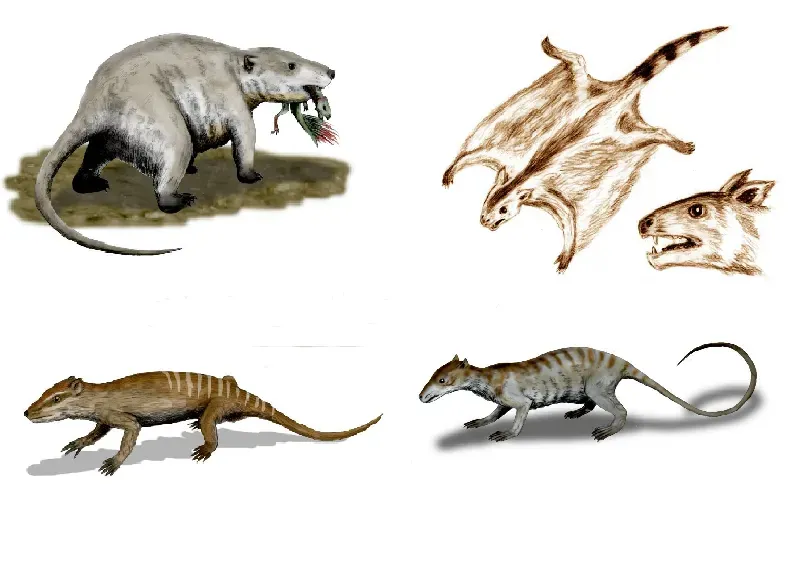
According to a common myth, a world crowded with dinosaurs left little room for mammaliaforms, so mammals and their kin remained tiny, mouse-like and primitive, and they didn’t evolve diverse shapes, diets, behaviors and ecological roles until the mass extinction event 66 million years ago killed off the dinosaurs. Honestly, this old story couldn’t be more wrong. Recent fossil discoveries have completely changed our understanding.
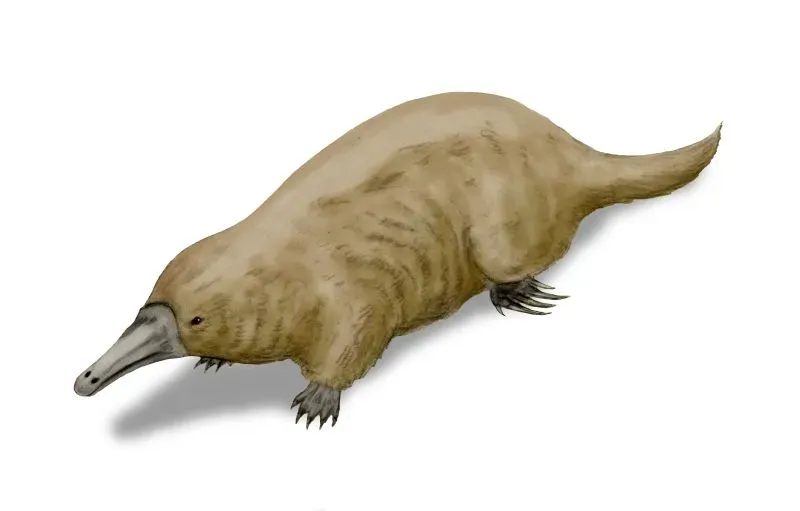
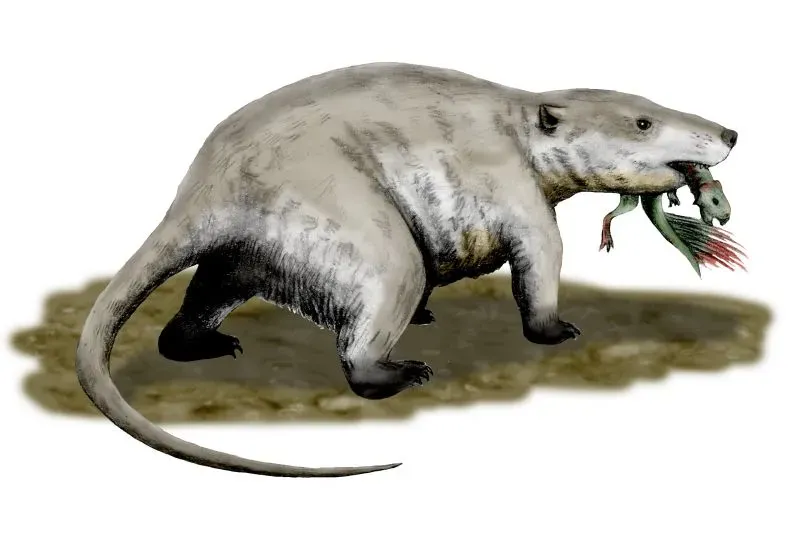
New species arose that could climb, glide or burrow and ate more specialized diets of meat, leaves or shellfish, and many of the diverse forms that arose during the Jurassic and Cretaceous resemble species alive today, such as badgers, flying squirrels and even anteaters. A team led by paleontologist Zhe-Xi Luo reported the discovery in China of a 164-million-year-old docodont named Castorocauda lutrasimilis, which apparently not only swam but might also have eaten fish. Some mammals even dared to prey on young dinosaurs. A specimen of Repenomamus robustus was discovered with the fragmentary skeleton of a juvenile Psittacosaurus preserved in its stomach, representing direct evidence that at least some Mesozoic mammals were carnivorous and fed on dinosaurs.
Staying Small Was Smart
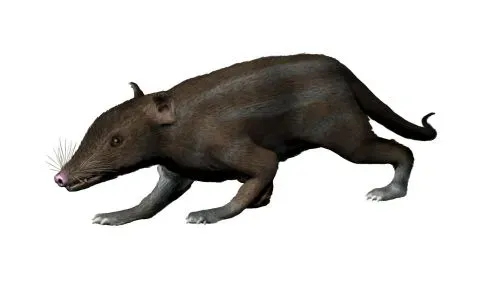
Why didn’t mammals grow larger during the Mesozoic? Most early mammals never evolved to grow past the size of dogs, and environmental pressures of dinosaurs only caused them to grow smaller, because the smaller an animal, the less food it needs in relation to its size, and the easier it becomes to hide and run, leading to less competition and fewer encounters with predators. It was actually a brilliant evolutionary move.
The early primates that emerged before the extinction of dinosaurs were small and nocturnal, and the persistence of small body size in early mammals, including primates, has been attributed to a reliance on insects and other small invertebrates that provide a sustaining diet for only mammals of small size. Think about it this way: you’re not competing with giant herbivores for the same plants, and you’re not on the radar of most large predators. Small size meant survival.
The Competition Wasn’t Always Dinosaurs
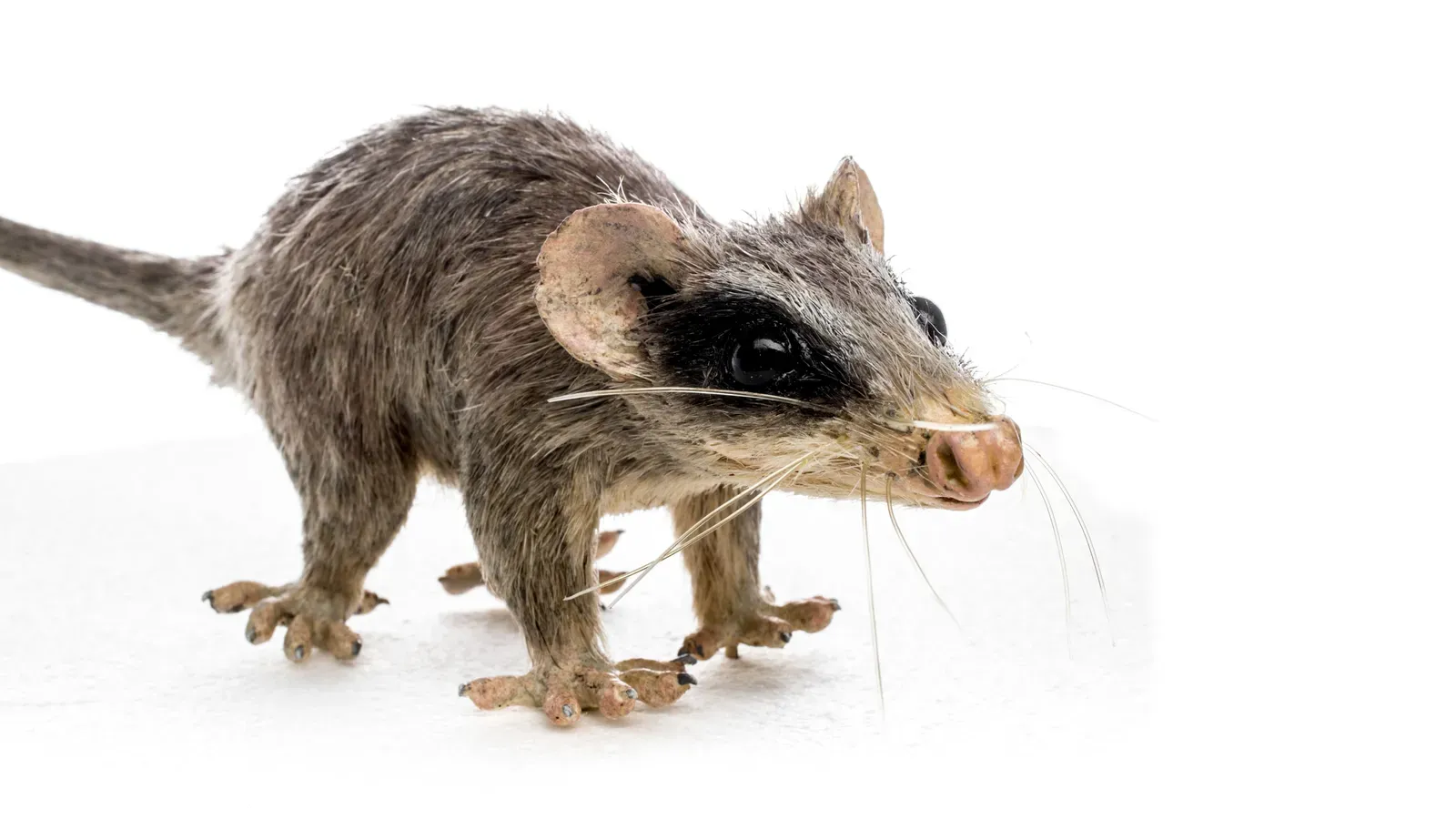
Here’s where things get really interesting. Recent research found that it was not dinosaurs, but possibly other mammals, that were the main competitors of modern mammals, and there were lots of exciting types of mammals in the time of dinosaurs that included gliding, swimming and burrowing species, but none of these mammals belonged to modern groups. Let that sink in for a moment. The ancestors of today’s mammals weren’t being held back by dinosaurs so much as by other, now-extinct mammal groups.
While their relatives were exploring larger body sizes, different diets, and novel ways of life such as climbing and gliding, they were excluding modern mammals from these lifestyles, keeping them small and generalist in their habits. These ancient mammal groups thrived during the age of dinosaurs, but when the extinction came, they would be among the casualties. The mammals that survived and diversified into modern groups were the scrappy generalists, not the specialists.
The Day Everything Changed

66 million years ago an asteroid impacted on Earth, and the resulting climate change drove the large dinosaurs to extinction and thus created large ecological niches for mammals to rapidly evolve and take over. It is estimated that 75% or more of all animal and marine species on Earth vanished. The devastation was absolutely catastrophic. Imagine the sky darkening, temperatures plummeting, and then soaring as the world burned.
Underground burrows and aquatic environments protected small mammals from the brief but drastic rise in temperature, while the larger dinosaurs would have been completely exposed, and vast numbers would have been instantly burned to death. Only a paltry 7 percent of mammals survived the carnage across western North America. It was, without exaggeration, the worst day in Earth’s history for most life forms.
Brawn Before Brains
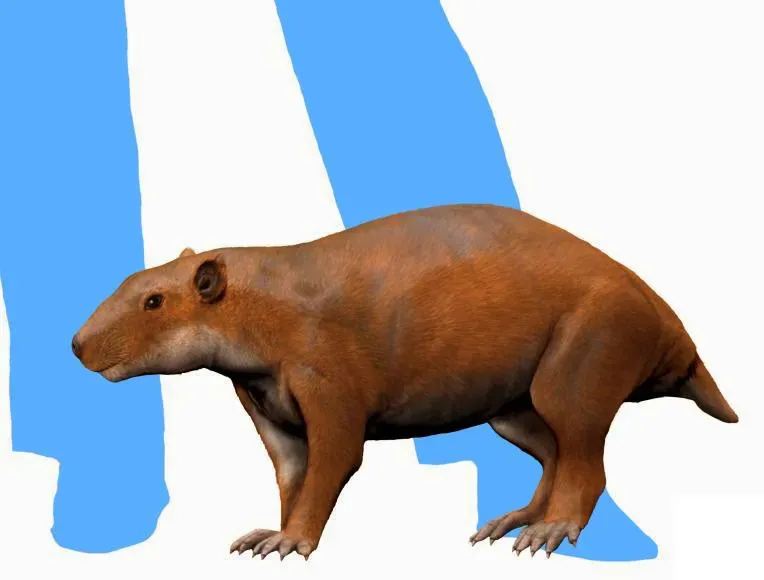
You might assume that intelligence helped mammals survive and thrive after the extinction. Surprisingly, you’d be wrong. In the first 10 million years following the mass extinction event, mammals bulked up, rather than evolving bigger brains, to adapt to the dramatic changes in the world around them. Size mattered more than smarts initially.
It was more important to be big than highly intelligent in order to survive in the post-dinosaur era at first, and around 10 million years later, early members of modern mammal groups such as primates and carnivores began to develop larger brains and a more complex range of senses and motor skills. The mammals that inherited the Earth weren’t geniuses at first. They were survivors who got bigger, filled empty ecological niches, and only later developed the intelligence we associate with modern mammals. The mammals that usurped the dinosaurs were fairly dim-witted, and only millions of years later did many types of mammals develop bigger brains.
The Great Mammalian Expansion
Placental mammals became more varied in anatomy during the Paleocene epoch, the 10 million years immediately following the event, and mammals evolved a greater variety of forms in the first few million years after the dinosaurs went extinct than in the previous 160 million years of mammal evolution under the rule of dinosaurs. This explosive diversification was extraordinary. Within a relatively short geological timespan, mammals went from tiny, mostly nocturnal creatures to a stunning array of forms.
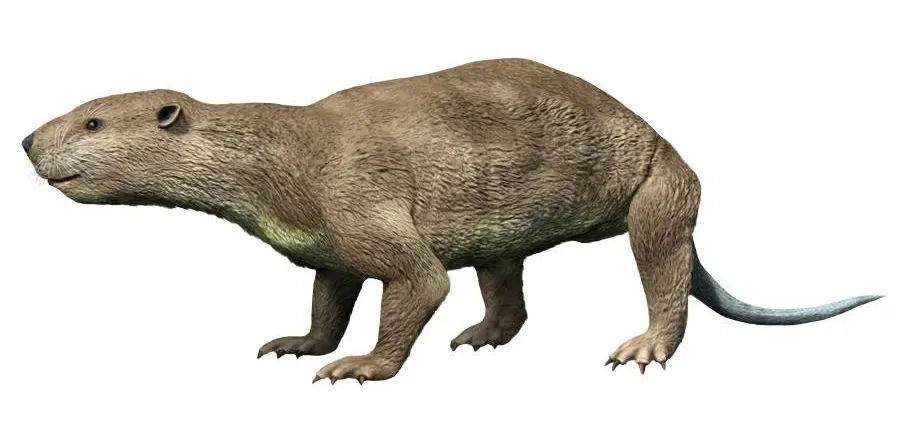
Mammals in particular diversified in the following Paleogene Period, evolving new forms such as horses, whales, bats, and primates. Scientists collected new fossils, including the previously unknown Kimbetopsalis simmonsae, a beaver-like species that lived during the first few hundred thousand years after the extinction, and a few hundred thousand years after dinosaurs disappeared, there were much larger, cow-sized species, as mammals just took advantage of the opportunity and started to evolve really fast. It was as if evolution hit the accelerator.
A Story of Resilience and Opportunity
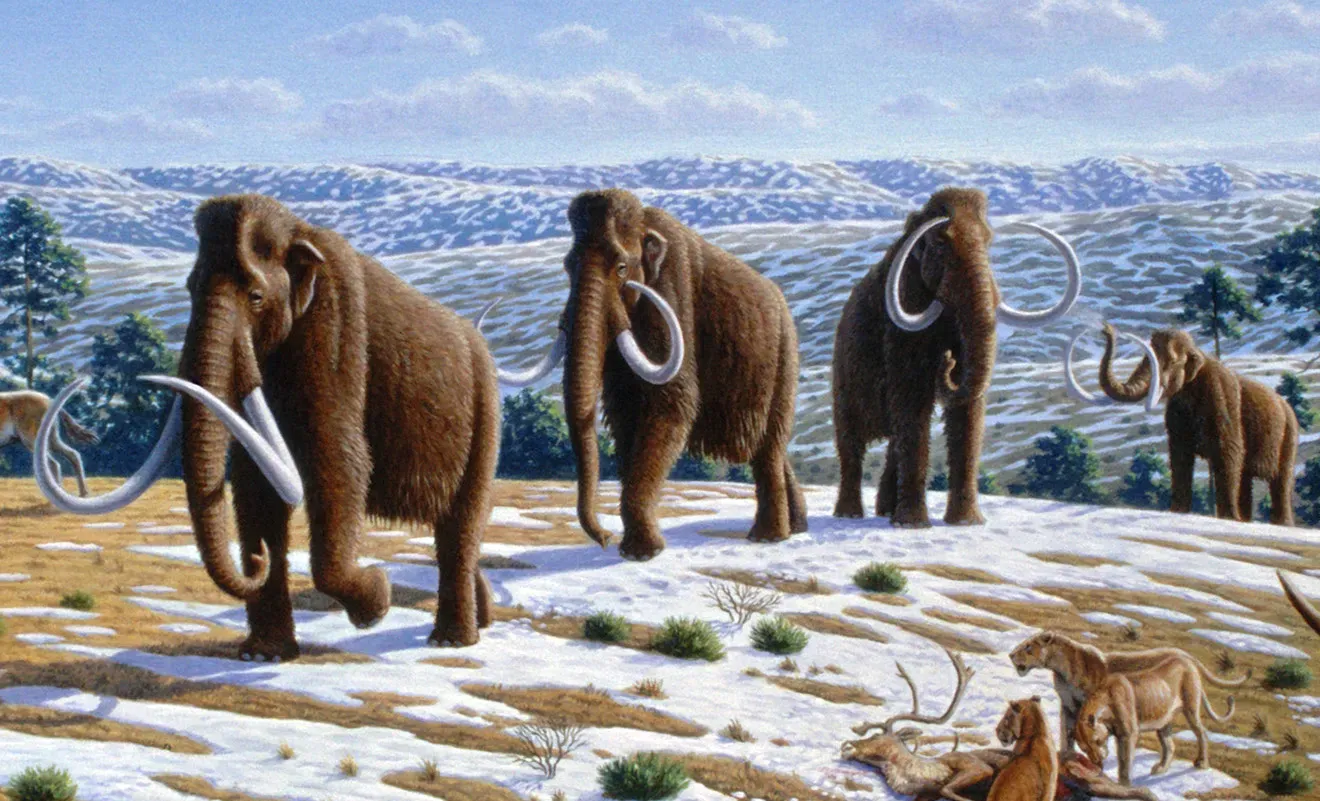
The rise of mammals is one of the most remarkable stories in the history of life on Earth. They nearly went the way of the dinosaurs, but after barely surviving the brimstone, they rapidly inflated their bodies from rat-sized to cow-sized, diversified their diets and behaviors, and eventually expanded their brains, ringing in a new Age of Mammals. These small creatures, hiding in burrows and scurrying through the underbrush for millions of years, became the dominant land animals.
Their success wasn’t guaranteed. It required adaptability, the right anatomy, and frankly, a bit of luck. Some survival may just be based on luck, as you might have had small pockets in certain parts of the world where certain types of animals had the right conditions for them to survive. The mammals we see today, from the smallest shrew to the largest whale, from humans to elephants, all descended from those brave little survivors. What do you think about that incredible journey? Did you expect that mammals were so diverse even while dinosaurs ruled? It really makes you appreciate just how tenacious life can be when faced with the most extreme challenges.