
Have you ever wondered what Earth looked like before modern animals dominated the planet? Long before humans walked the land, our planet hosted environments so alien, so completely different from anything today, that they’d make science fiction seem tame. We’re talking about worlds where soft-bodied creatures with no hard shells thrived for millions of years, where forests were made of towering fungus instead of trees, and where the very structure of the food chain looked nothing like what you’d find in any ocean or forest right now.
Scientists keep uncovering fossils that challenge everything we thought we knew about ancient life. These discoveries paint pictures of ecosystems that operated under totally different rules. So let’s dive in and explore three of the strangest prehistoric worlds ever discovered.
The Ediacaran Biota: Earth’s First Bizarre Garden of Soft-Bodied Life
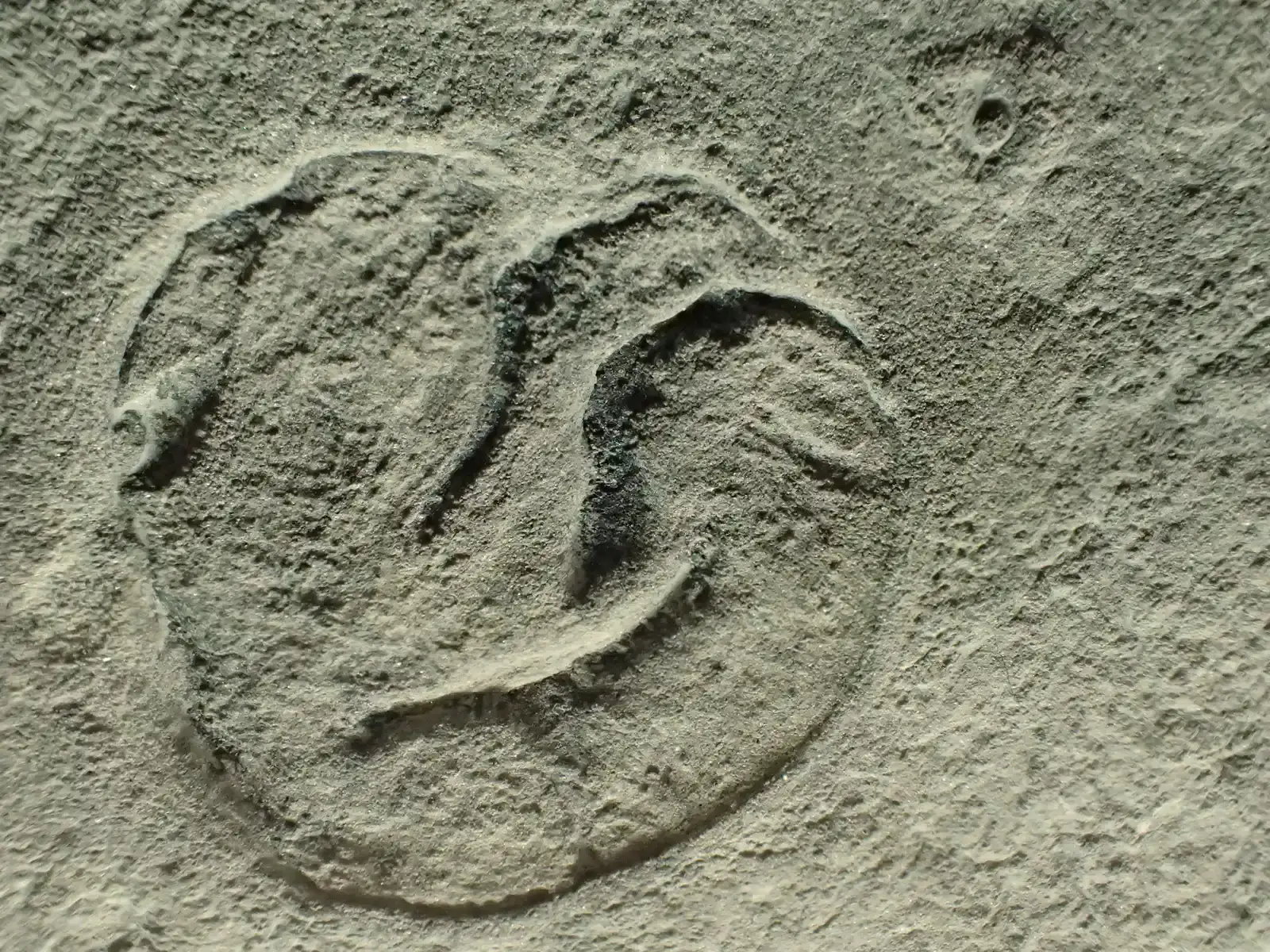
Picture an ocean floor nearly 600 million years ago, carpeted not with familiar creatures like fish or crabs, but with strange quilted organisms that looked more like alien mattresses than anything alive today. The Ediacaran Biota represents Earth’s earliest fossilized ecosystem of complex macroscopic organisms. These peculiar life forms had no bones, no shells, no hard parts whatsoever. Think about that for a second – they were completely soft-bodied, yet somehow they left behind an incredible fossil record.
Organisms lacking hard shells and bones rarely get preserved in the fossil record, usually erased by powerful waves and storms before the biological remains can fossilize. Yet the Ediacaran creatures defied all expectations. Spotted across the globe, they’ve puzzled scientists for generations simply because of their existence. These organisms had shapes unlike anything swimming in today’s oceans – disc-like fronds, segmented tubes, and forms that scientists still struggle to classify into any known group of animals.
The Cambrian Explosion: When Alien-Looking Predators Ruled Ancient Seas
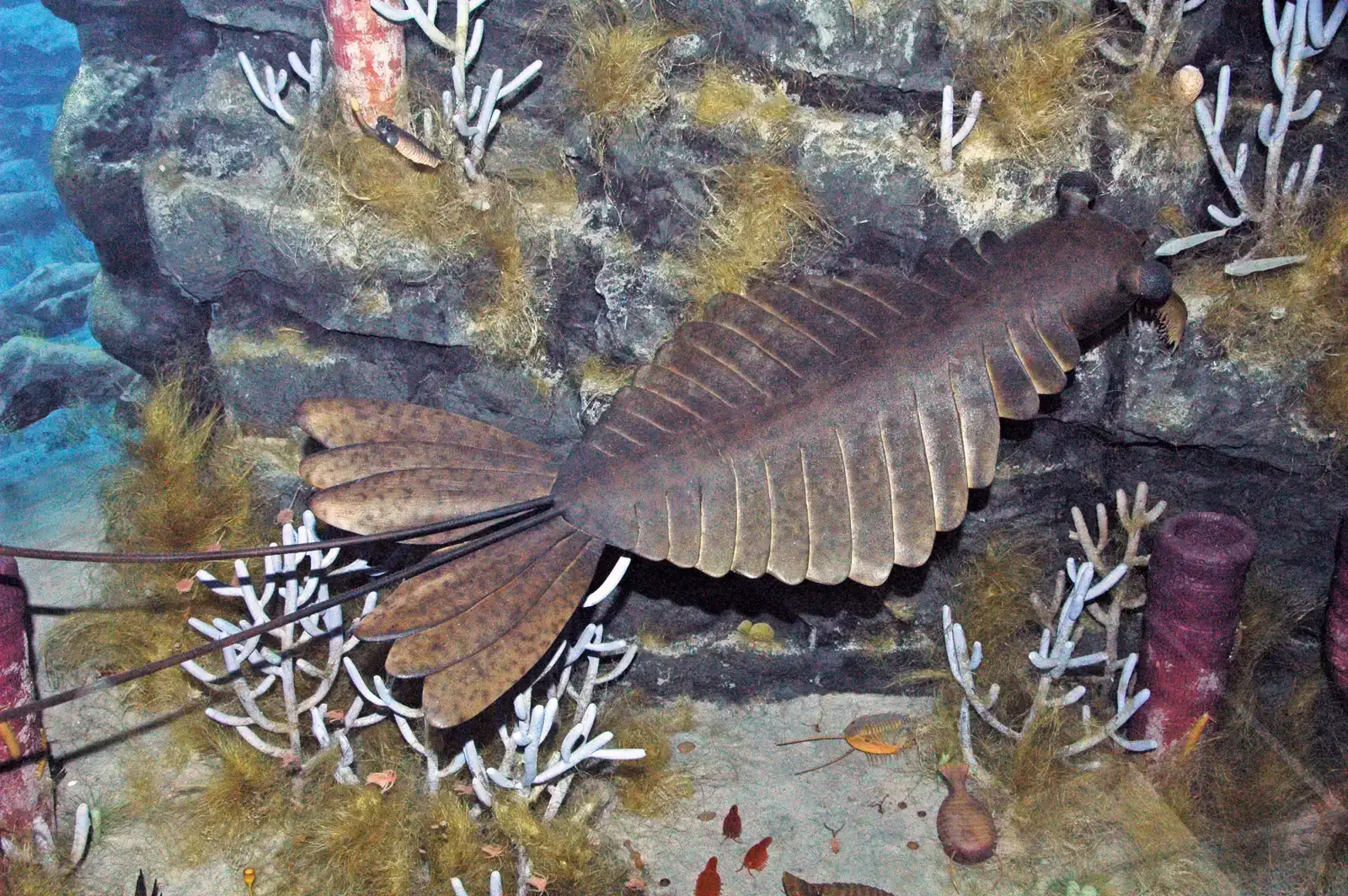
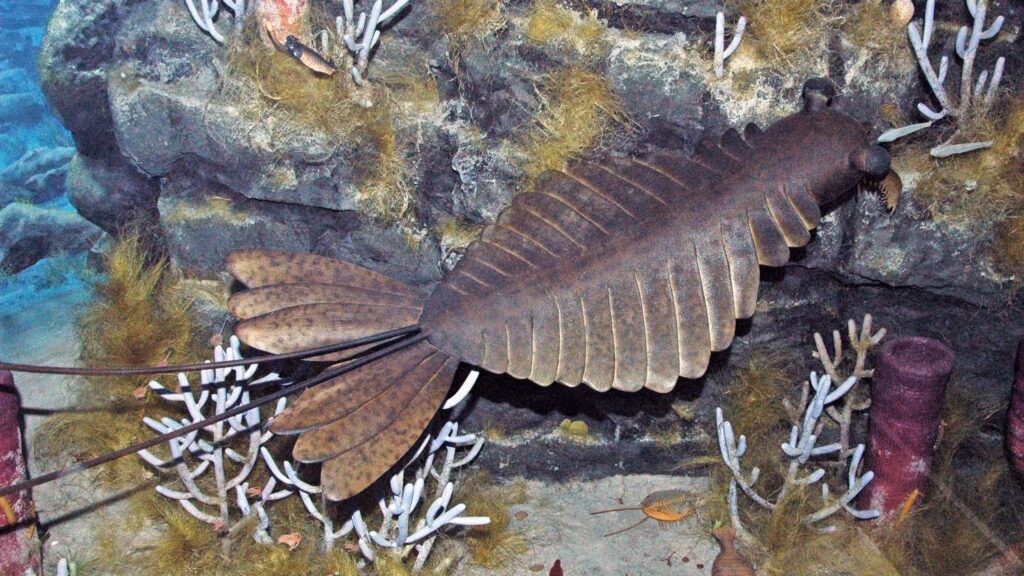
The Cambrian explosion is an interval of time beginning approximately 538.8 million years ago when a sudden radiation of complex life occurred and practically all major animal phyla started appearing in the fossil record, lasting about 13 to 25 million years. Honestly, calling this period “explosive” doesn’t quite capture just how revolutionary it was. The seas transformed from simple organisms into a complex world filled with creatures that looked like they came straight from a fever dream.
Hallucigenia, a peculiar creature from the Cambrian period, was unlike anything seen today, with its spiky protrusions and multiple tentacle-like legs. Analyses of Chengjiang and Burgess Shale food-web data suggest that most aspects of the trophic structure of modern ecosystems were in place over a half-billion years ago. Here’s the thing that really gets me – despite how utterly weird these animals looked, their ecological relationships mirrored what we see today. There were predators, prey, scavengers, and complex feeding networks.
The Burgess Shale fossil sites preserve creatures so bizarre that early scientists didn’t know what to do with them. We’re talking about animals with five eyes and clawed noses, slug-like creatures wearing natural chain mail, and predators that looked nothing like modern sharks or squid but filled similar roles.
The Devonian World: Where Towering Fungi Replaced Trees
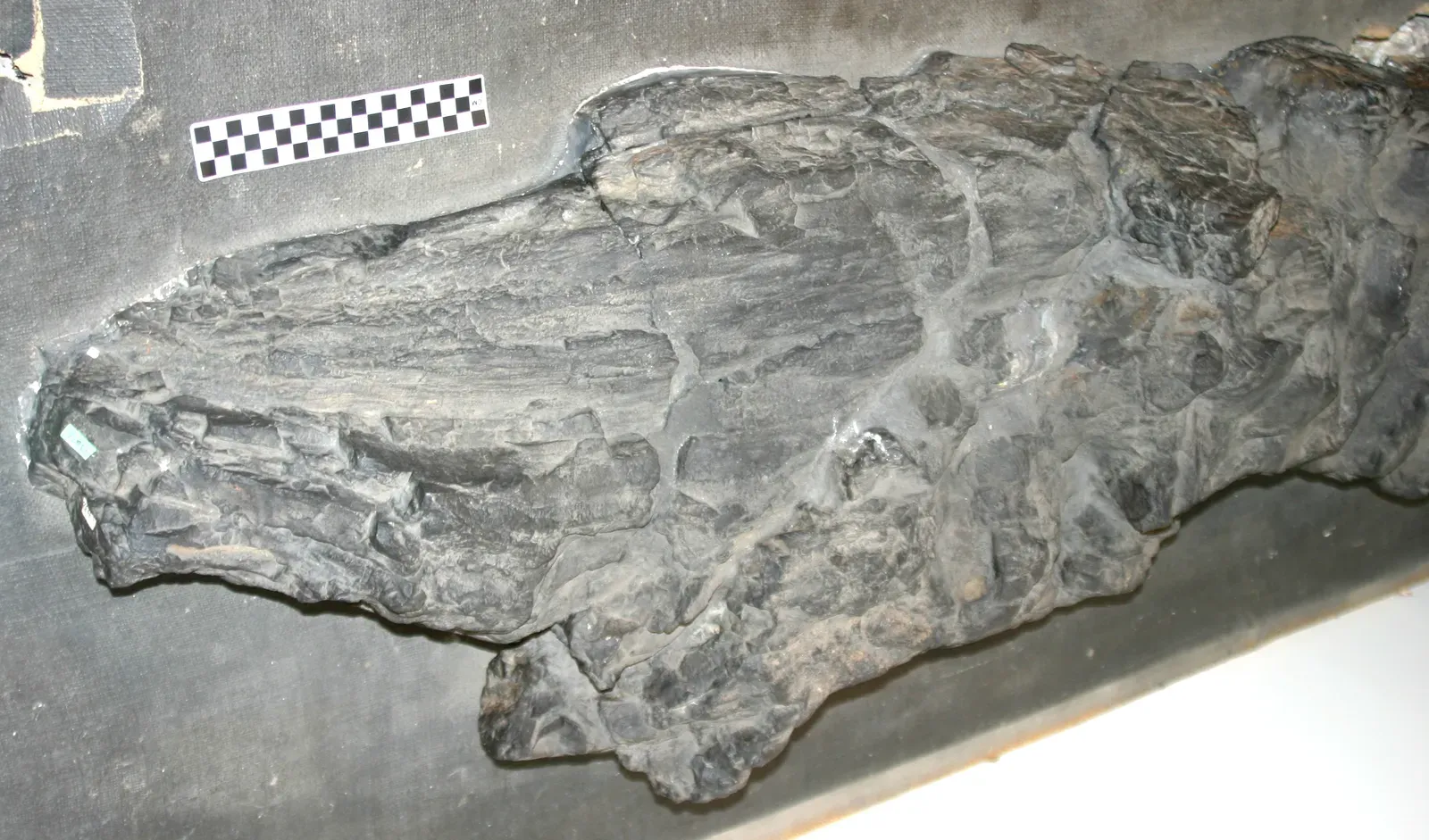
Let’s be real – if you could travel back to the early Devonian, you’d barely recognize Earth as the same planet. By far the largest land organism at the beginning of this period was the enigmatic Prototaxites, which was possibly the fruiting body of an enormous fungus that stood more than 8 metres tall, towering over the low, carpet-like vegetation. Imagine that. Forests made primarily of giant mushroom-like structures looming over tiny moss and primitive plants.
In the oceans, the Devonian saw the evolution of the largest reef ecosystems in Earth history, while on land the Earth’s first forests evolved with trees that towered some 30 metres high. The transition during this period was mind-blowing. While massive reefs thrived underwater, the land was going through its own revolution. Scorpions scuttled along shorelines, probably still partly aquatic. Primitive plants were just beginning to figure out how to stand upright without toppling over.
The Post-Extinction Recovery: Life’s Fastest Comeback Story
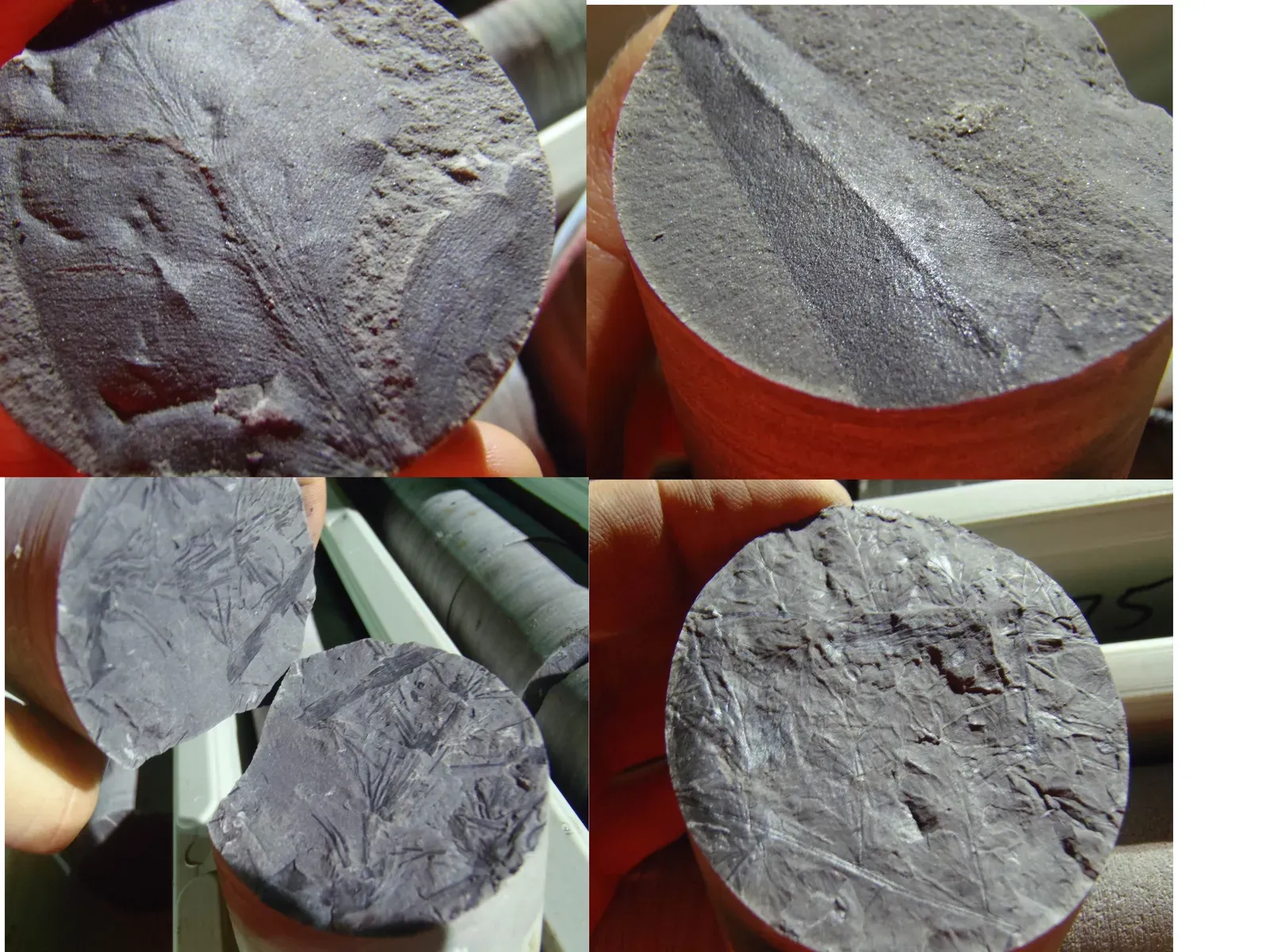
About 250 million years ago, the Permian-Triassic mass extinction killed over 80 per cent of the planet’s species, and in the aftermath, scientists believe that life on earth was dominated by simple species for up to 10 million years before more complex ecosystems could evolve. That was the old thinking, anyway. Recent discoveries have completely upended this theory.
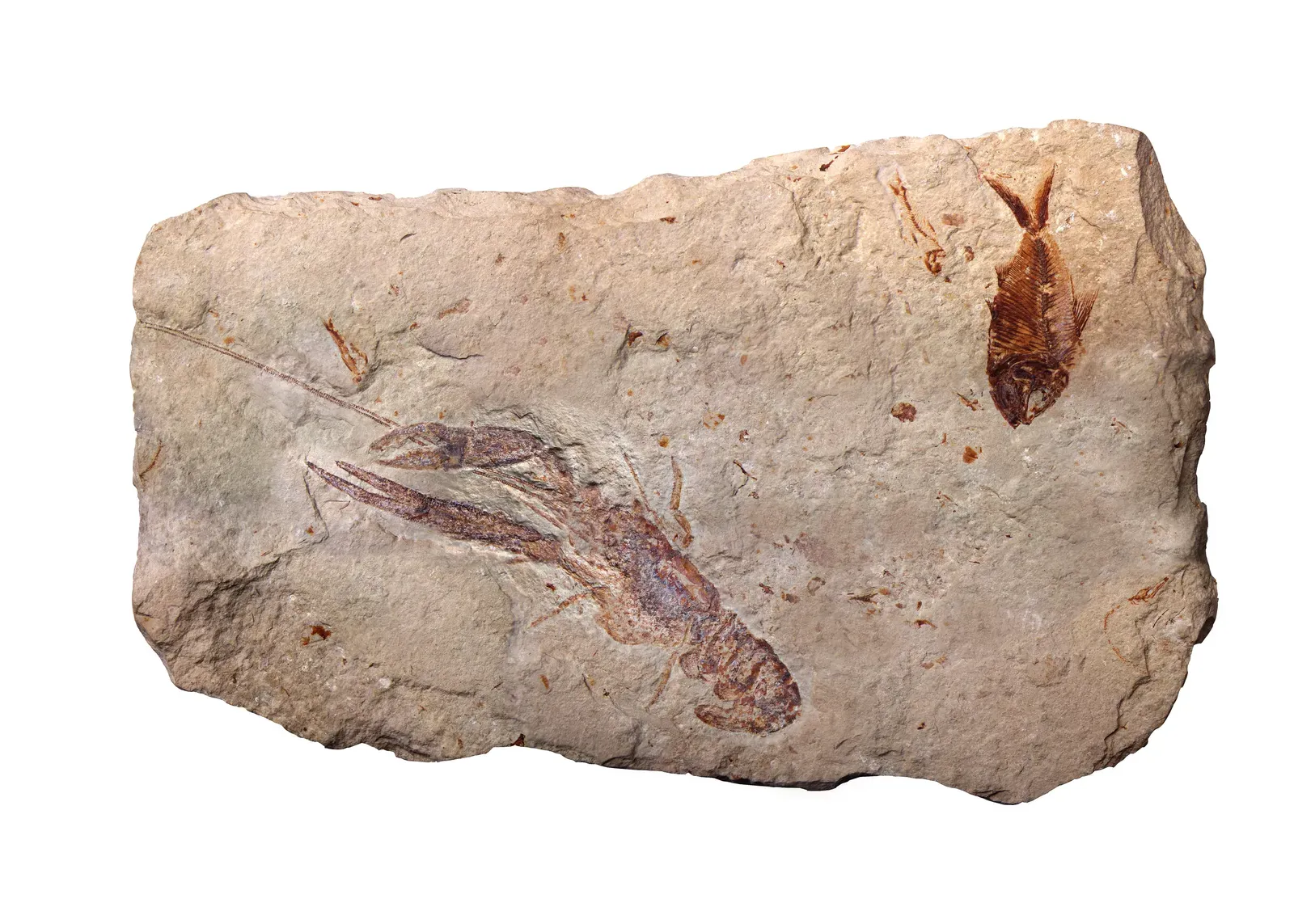
Fossils dating back 250.8 million years near the Guizhou region of China suggests that complex ecosystems were present on Earth just one million years after the Permian-Triassic mass extinction, which is much earlier than previously thought. The fossils of the Guizhou region reveal an ocean ecosystem with diverse species making up a complex food chain that includes plant life, boney fish, ray-finned fish, crabs, lobsters, shrimp, and molluscs, with 12 classes of organisms discovered. Life bounced back way faster than anyone expected, creating a fully functioning, diverse ecosystem in what amounts to a geological blink of an eye.
The implications are staggering. If ecosystems can reorganize and rebuild that quickly after losing four-fifths of all species, it tells us something profound about life’s resilience.
Why These Ecosystems Matter for Understanding Our Future
You might be wondering why any of this matters now, in 2026, when we’re dealing with modern environmental challenges. Here’s why: these ancient ecosystems serve as natural laboratories. Such studies provide historical baselines of species composition and disturbance regimes for ecosystem restoration, or provide examples for understanding the dynamics of ecosystem change through periods of large climate changes.
Similarities between half-billion-year-old and recent food webs point to deep principles underpinning the structure of ecological relationships, with most aspects of the trophic structure of modern ecosystems in place over a half-billion years ago. Think about that. The fundamental rules governing how ecosystems function haven’t changed in half a billion years. Predators still need prey. Energy still flows from producers to consumers. Competition still shapes communities.
The bizarre prehistoric ecosystems we’ve explored tell us that while the players change – from quilted soft-bodied creatures to fungi forests to modern rainforests – the game remains remarkably consistent. Yet they also show us that ecosystems can look radically different while still functioning effectively.
Conclusion
Earth’s prehistoric ecosystems were stranger than most of us can imagine. From the soft-bodied Ediacaran gardens to the alien Cambrian seas, from towering fungal forests to ecosystems that recovered in record time after near-total extinction, our planet has hosted worlds that would seem completely foreign to us today. These weren’t failed experiments or evolutionary dead ends – they were fully functioning, complex systems that thrived for millions of years.
The fossil record keeps revealing new surprises about how life organized itself in the distant past. Each discovery challenges our assumptions and expands our understanding of what’s possible in the story of life on Earth. It makes you wonder what other bizarre ecosystems are still waiting to be discovered, buried in rocks we haven’t yet examined.
What do you think about these ancient worlds? Can you imagine walking through a forest of giant fungi or swimming in a Cambrian sea? Share your thoughts in the comments.